If you’re pregnant and wondering whether you can keep up your hot yoga practice, the honest answer is: probably not in its usual heated form, at least not without real caution. Here’s what the safety considerations actually are, and what alternatives let you keep the parts of the practice that genuinely help during pregnancy.

In This GuideRisks, safer alternatives and tips for expectant mums
What Is Heated Yoga?
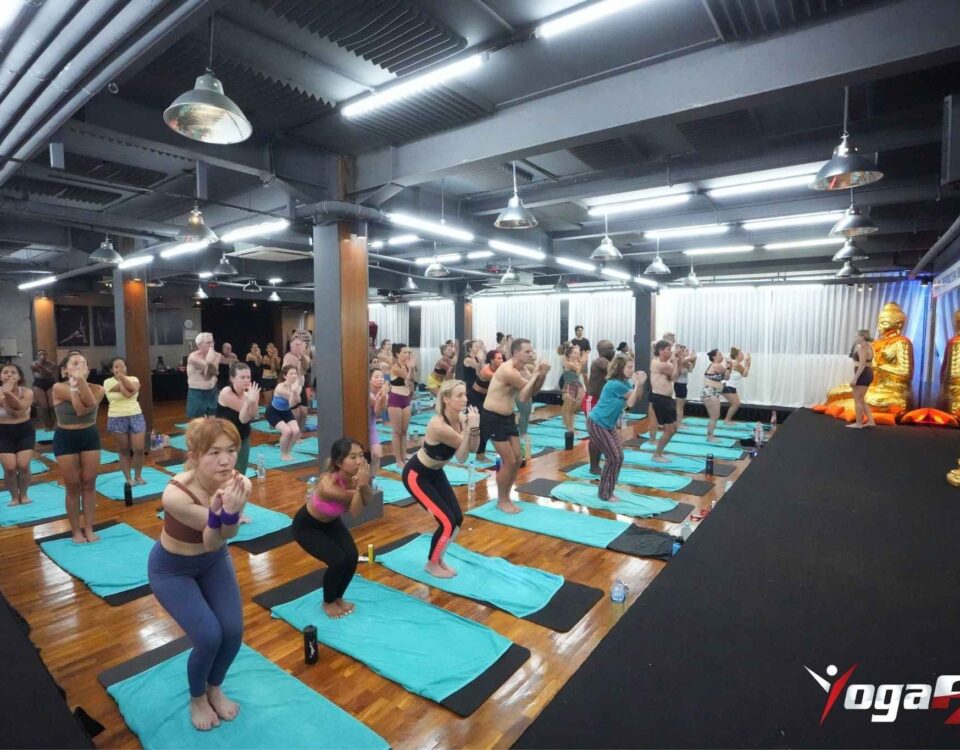
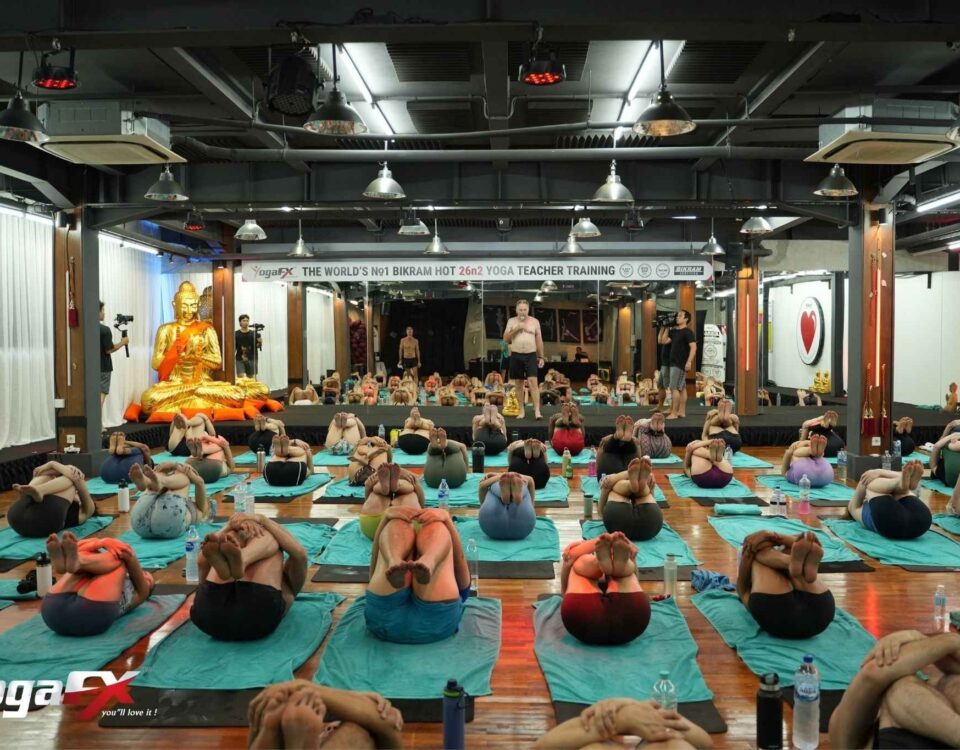
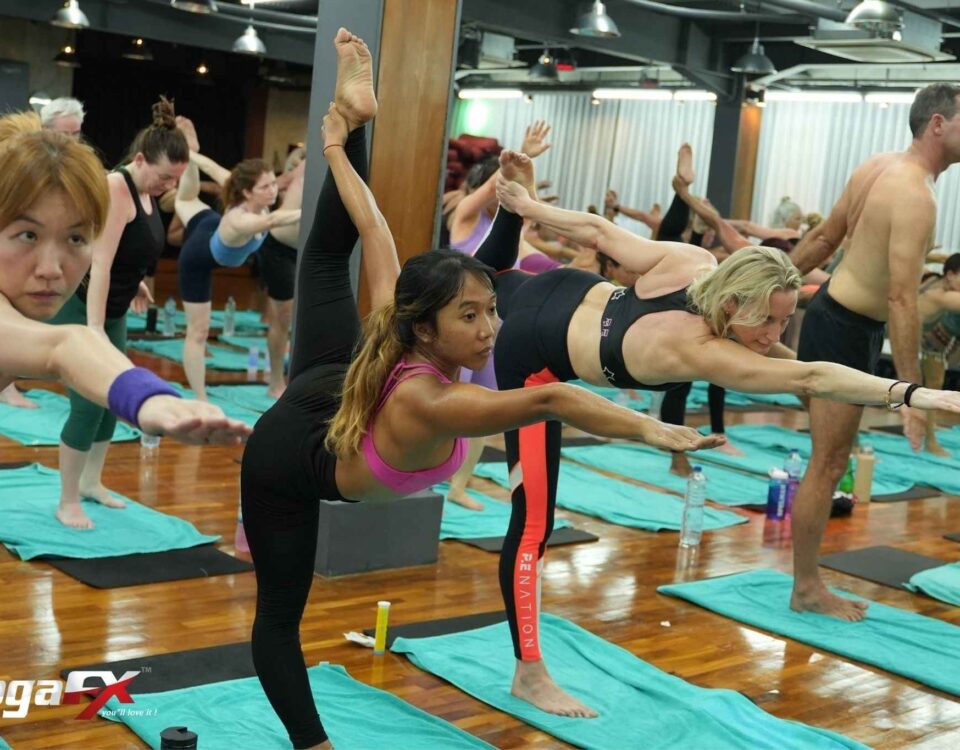
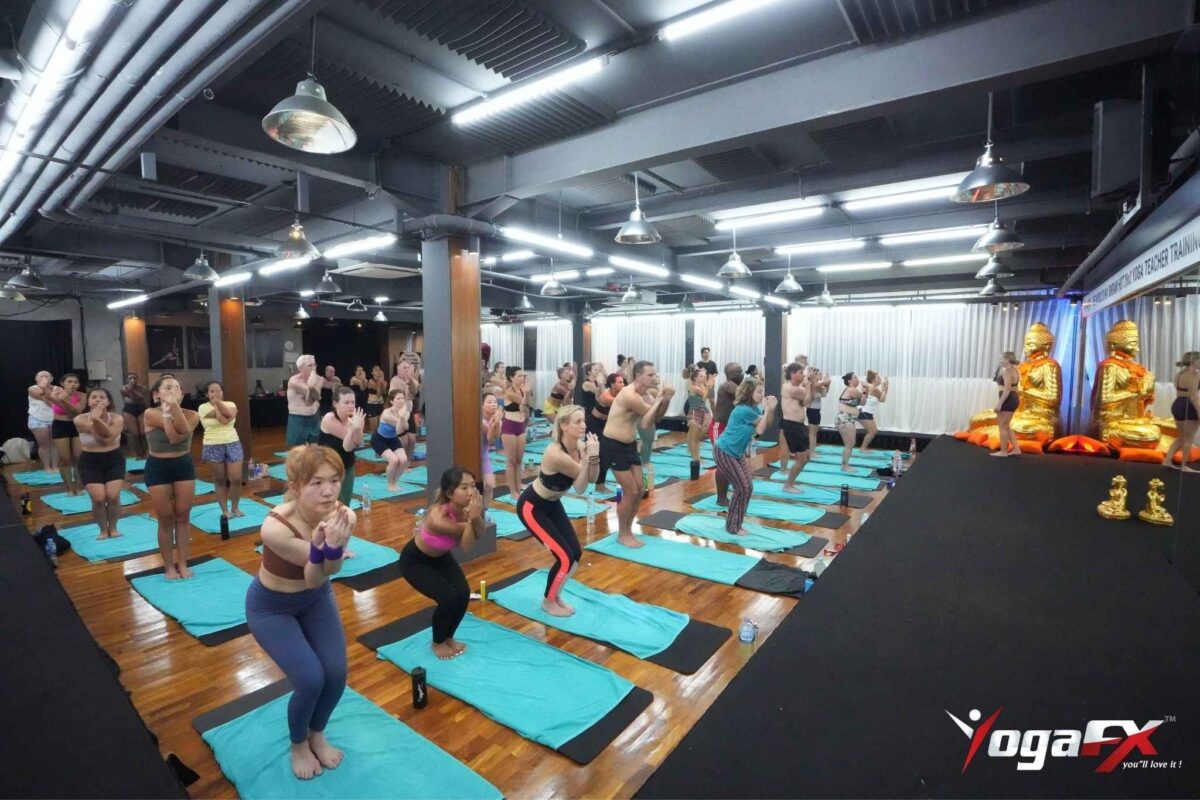
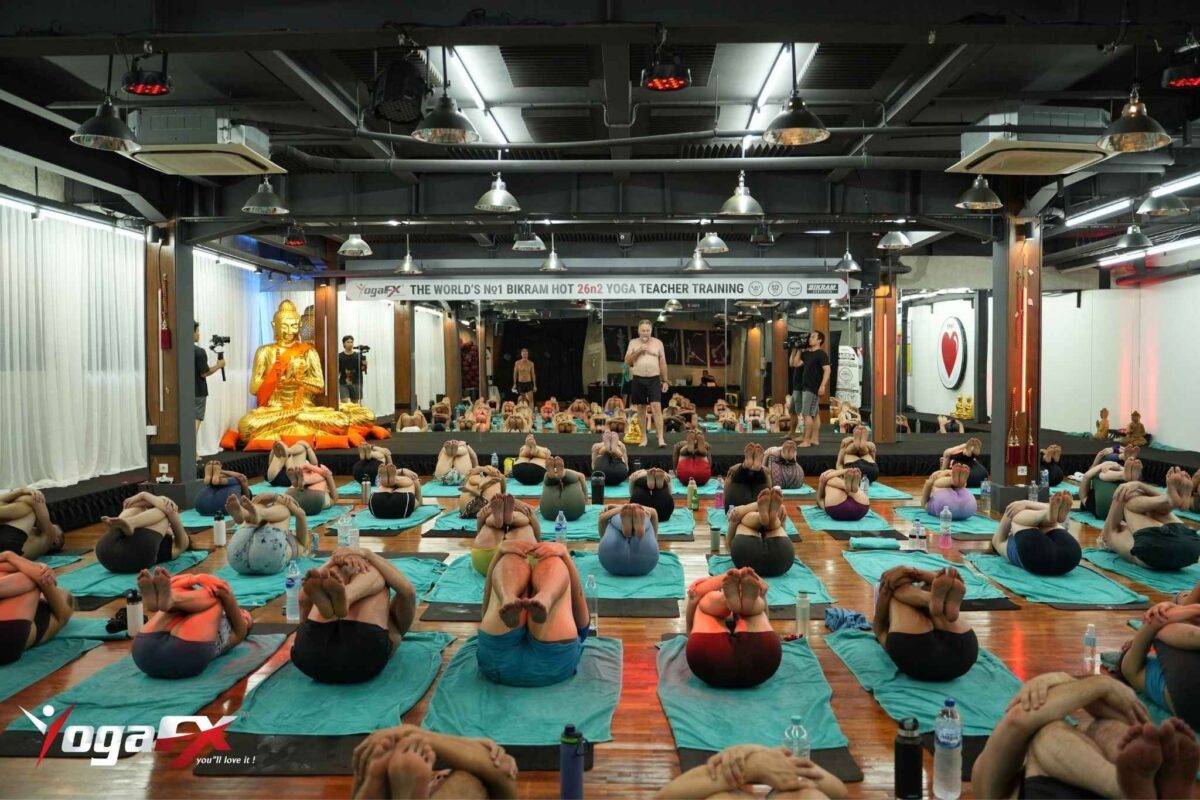
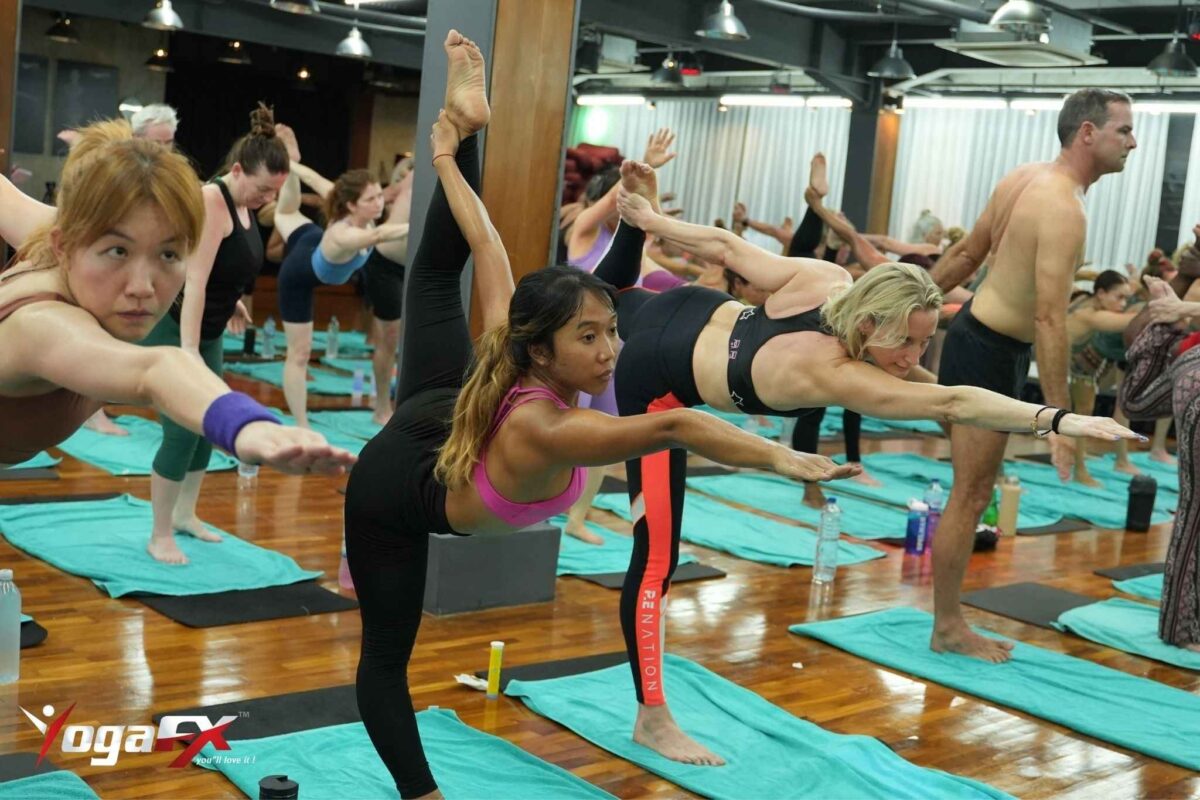
Heated yoga, including Bikram-style hot yoga, is practised in a room heated to around 40°C, following a set sequence of postures across roughly 90 minutes. The heat allows muscles to stretch more deeply and raises cardiovascular demand well beyond room-temperature yoga.
Is Heated Yoga Safe During Pregnancy?
Pregnancy changes how your body regulates temperature, and you can overheat more easily than usual. Since your body is already working to keep your baby’s environment stable, adding significant external heat makes that job harder. Health guidance generally advises against overheating during pregnancy, particularly in the first trimester, since elevated core body temperature during this period has been linked to developmental concerns in some research.
Regular, room-temperature yoga is generally considered safe throughout pregnancy and is widely recommended for its flexibility, strength, and stress-relief benefits. Heated yoga specifically is the part most healthcare guidance advises against, at least without direct medical clearance.
The Specific Risks
- Overheating and dehydration. Pregnancy already raises baseline body temperature slightly. Adding a heated class on top increases the risk of feeling lightheaded, dizzy, or exhausted, and heavy sweating means losing fluid faster than usual, which matters more during pregnancy than otherwise.
- Blood pressure changes. Heat can affect blood pressure, and since the cardiovascular system is already working harder to support pregnancy, combining that with heat exposure can cause faintness or dizziness.
- Overstretching. The hormone relaxin loosens muscles and joints during pregnancy to prepare the body for childbirth. Combined with heat-assisted flexibility, this can make it easier to stretch beyond a safe range without realising it, increasing injury risk.
What You Can Do Instead
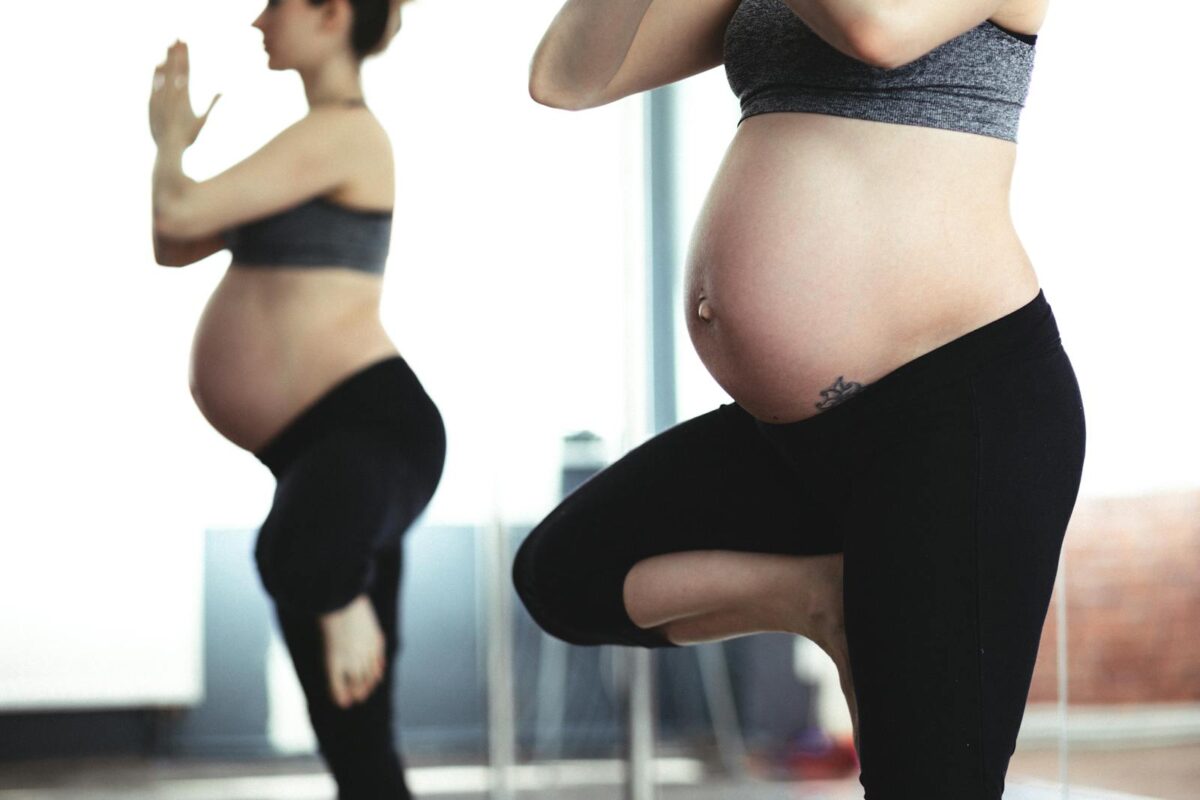
Regular, unheated yoga keeps most of what people value about the practice during pregnancy: flexibility, strength, and stress relief, without the added heat load. Many studios offer pregnancy-specific classes with modified postures and props like blocks or bolsters for support. If you want warmth without the intensity of a fully heated room, ask whether a studio offers a “warm” (not fully heated) option, which some practitioners find is a reasonable middle ground.
Practical Tips If You Continue Practising
- Stay hydrated. Bring water and sip throughout class.
- Take breaks freely. Rest in Child’s Pose whenever you need to, without waiting to feel unwell first.
- Choose cooler classes. A “warm” rather than fully heated class is a meaningfully different physical demand.
- Modify postures. Deep twists and backbends generally aren’t appropriate during pregnancy; ask your instructor for alternatives.
- Talk to your doctor first. Every pregnancy is different, and your doctor can advise on what’s appropriate for your specific situation.
This article is for general information and doesn’t replace advice from a qualified healthcare professional. Always consult your doctor or midwife before continuing or starting any exercise programme during pregnancy, and see NHS guidance on exercise during pregnancy for further detail.
If you’re curious about returning to Original Hot Yoga after your baby is born, that guide covers the full practice and what the research shows about its benefits.