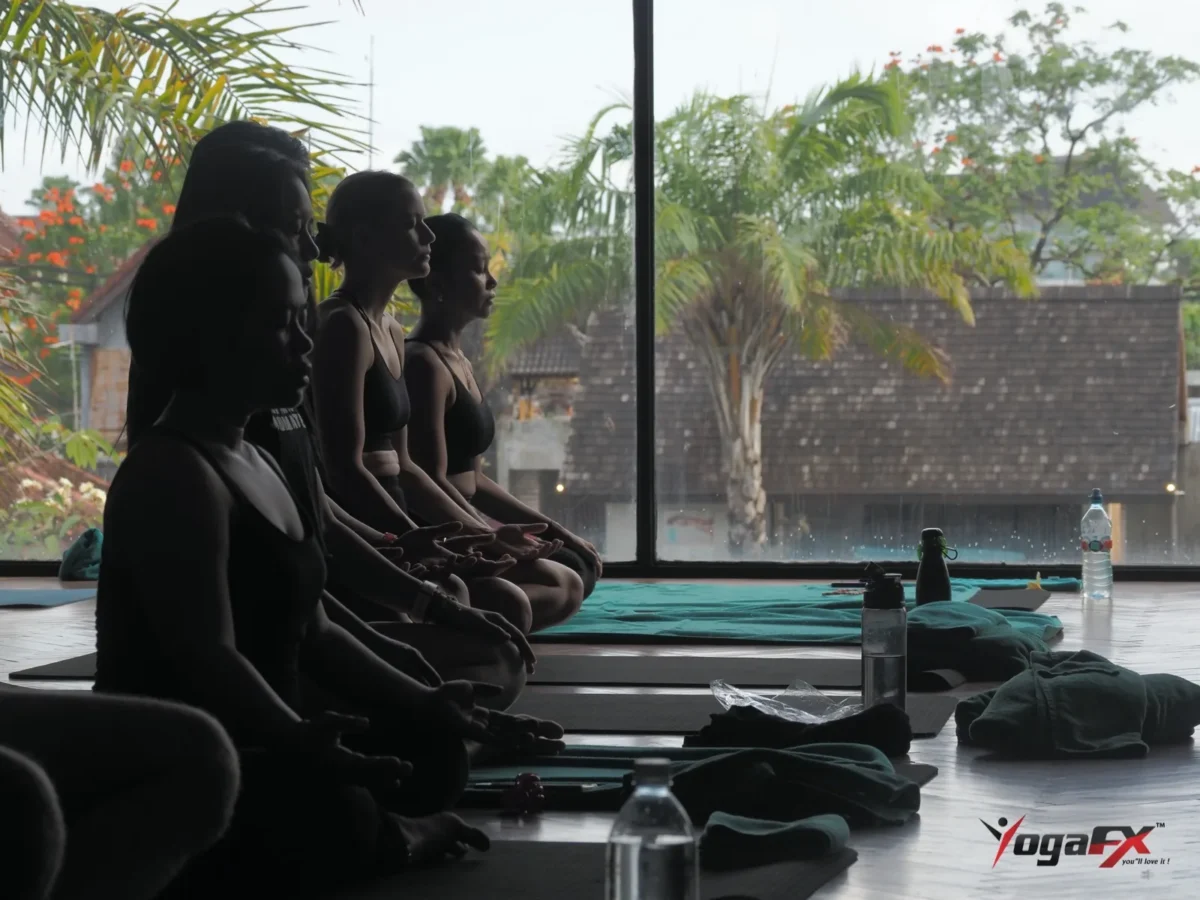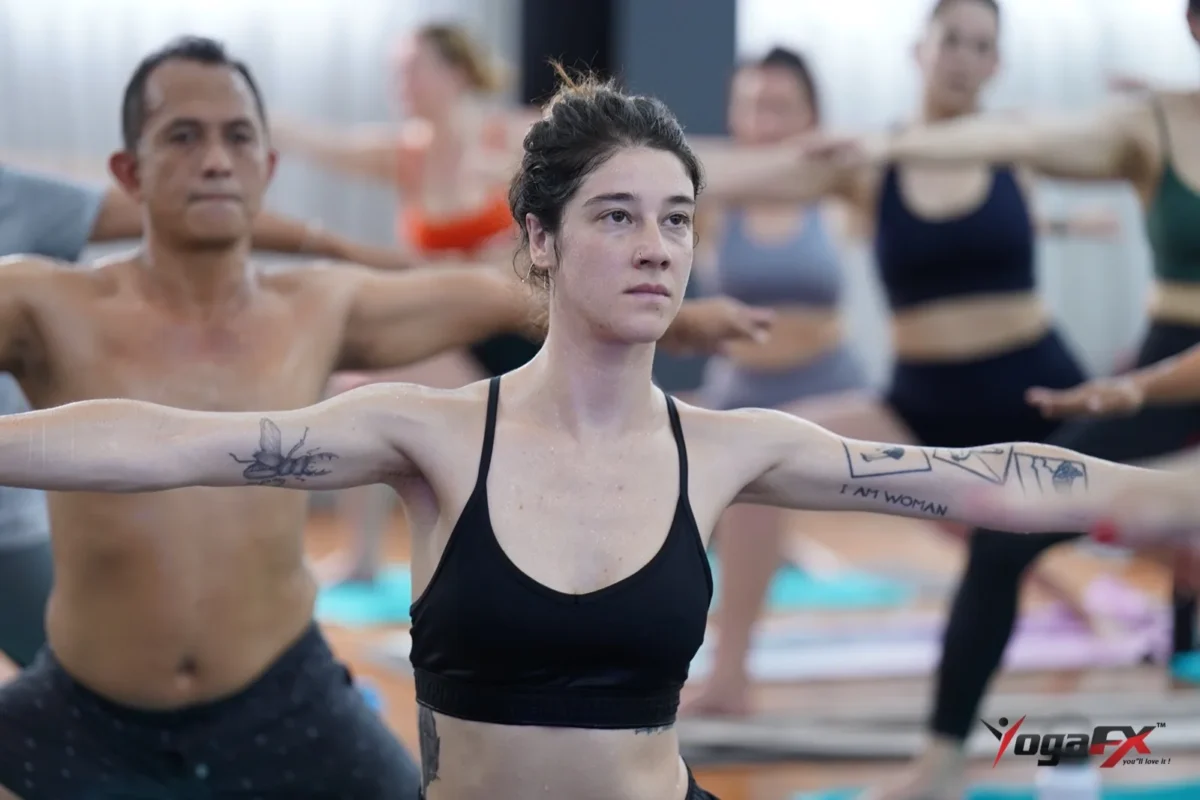
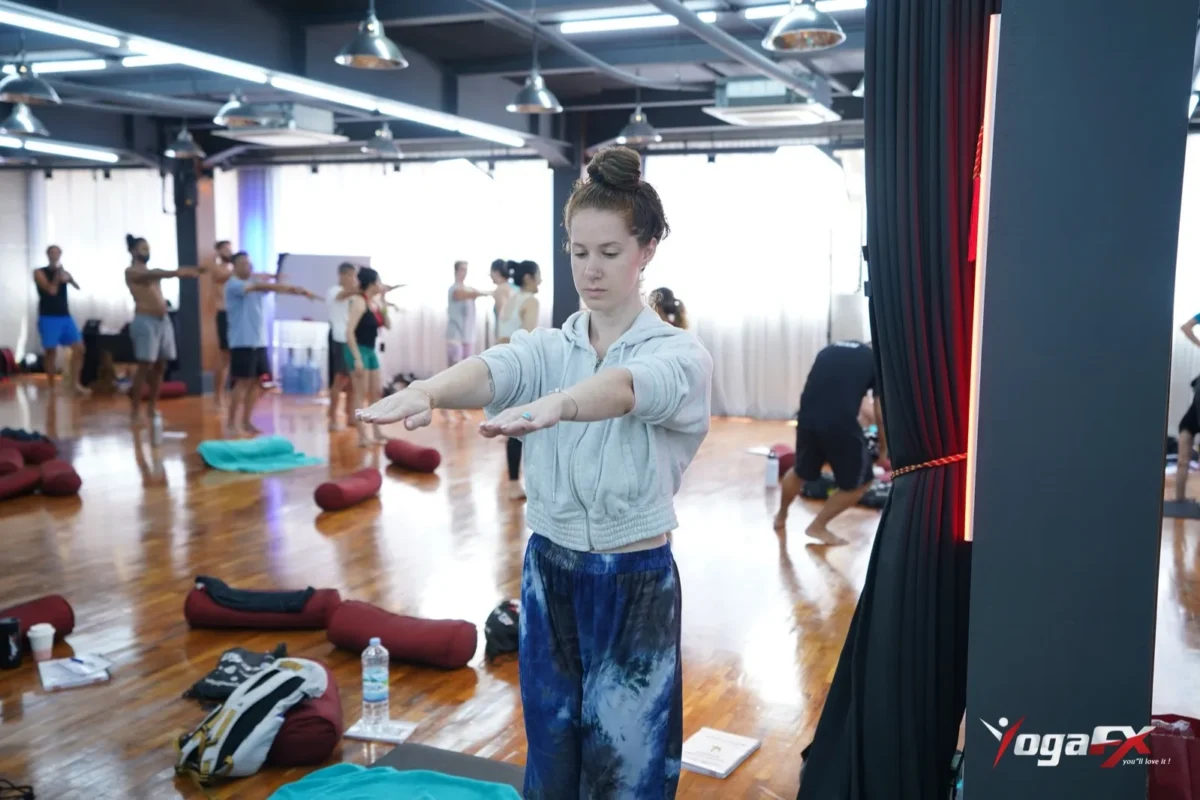
A 2023 trial at Massachusetts General Hospital found that heated yoga helped many adults with moderate to severe depression. In this hot yoga depression study, 59% of the yoga group had their symptoms fall by 50% or more, compared with 6% of the waitlist group. Here is what that number means for a UK reader thinking about a heated class.

The hot yoga depression study in plain terms
The Harvard hot yoga study, run with Mass General Brigham researchers, was an eight-week randomised controlled trial. It enrolled 80 adults with moderate to severe depression and split them into two groups.
One group attended heated hatha yoga classes. The other joined a waitlist and did nothing new during the study. At the end, 65 people were included in the analysis: 33 in the yoga group and 32 on the waitlist.
Mr. Ian Terry, E-RYT 500, has taught more than 12,000 hours. For a teacher, a hot yoga depression study like this is a starting point, not a prescription. The useful question isn’t “does hot yoga treat depression?” but “what did the people in the study actually do, and how did they change?”
What the 59% figure actually measures
The 59% isn’t an average improvement score. In the hot yoga depression study, it is the share of people whose depression symptoms fell by 50% or more over the eight weeks, measured on a standard clinical rating scale. The waitlist figure was 6%. That gap is large, and it is why the result drew attention beyond yoga circles.
| Measure | Yoga group | Waitlist group |
|---|---|---|
| Participants analysed | 33 | 32 |
| Length of the trial | 8 weeks | 8 weeks |
| Share with a 50% or greater drop in symptoms | 59% | 6% |
80
Adults randomised, moderate to severe depression
8 weeks
Trial length, heated hatha yoga classes
59% vs 6%
Half or more symptom drop, yoga versus waitlist
65
People analysed at the end of the trial
Why this is not a treatment on its own
Three limits matter for anyone reading the headline. The MGH hot yoga trial was small, with 65 people in the final analysis. It compared yoga with a waitlist, not with a standard treatment such as therapy or medication. And it ran for eight weeks, so it says nothing about what happens after a year of regular classes.
Mayo Clinic lists physical activity as part of self-care for depression, and it adds a caveat that matters here: relying solely on these therapies is generally not enough to treat depression. Exercise can sit alongside professional care, but it doesn’t replace it. If you are being treated for depression, keep your appointments and talk to your doctor before you change anything about your treatment.
Consult a healthcare professional before starting any new heated exercise, especially if you have a heart condition, high blood pressure, or take medication that affects your body’s response to heat.
What students say about the mind side of heated practice
Numbers from a trial don’t show how a class feels from the mat. Two students who shared their experience on YouTube describe the mind side from different angles.
Sammi, in a 2023 review recorded at her graduation, said: “there were days where it was so lonely and so hard to just get out of bed but I just kept pushing.” Her words describe the low days that depression can bring, and why showing up mattered to her.

Omayra, in a 2019 review, focused on the teaching rather than the heat. “The way I knew that you cared is when you set your foot down and you set us straight.” That kind of honesty from a teacher is one reason students stay in a hard programme.

These are personal experiences, not evidence that a class will help you. A hot yoga depression study can measure a group, but it can’t tell you how your own week will go.
Use these stories as a reminder that a steady group, a clear teacher and a regular time to practise are part of what makes the difference.
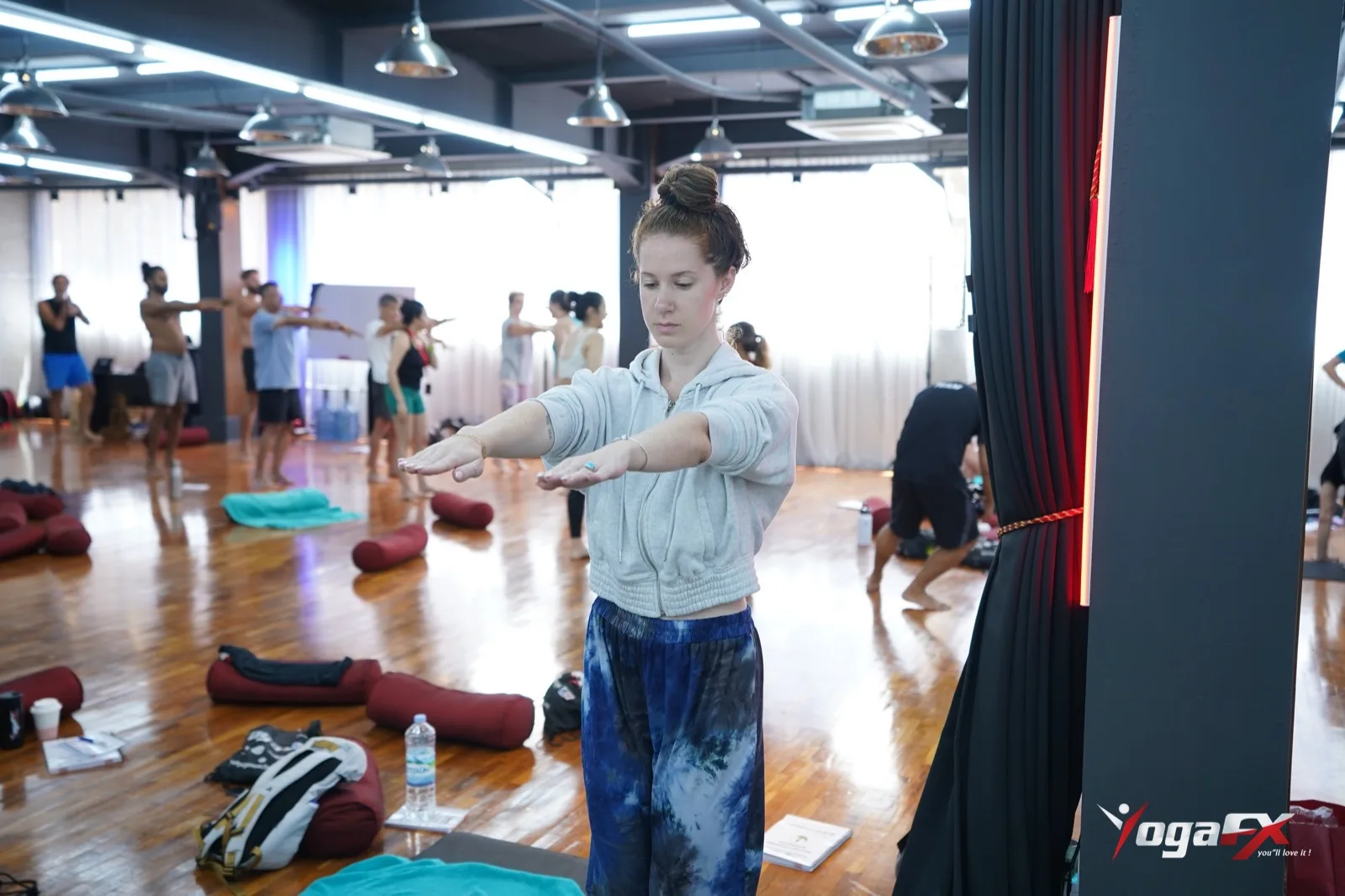
Heated hatha yoga is not the same as the 26&2 sequence
The trial used heated hatha yoga, a general style with its own poses and pacing. Original Hot 26&2 Yoga follows a fixed sequence of 26 postures and 2 breathing exercises, taught through dialogue, in a room kept hot for 90 minutes. The two are related but not identical, so the hot yoga depression study shouldn’t be read as a promise for every hot class.
If you want the full breakdown of the trial design from a Bikram teaching perspective, our sister site has a detailed walkthrough of how the MGH heated yoga trial was run and what it measured. Read it alongside this article, not instead of your doctor’s advice.
Heat, safety and the UK context
A UK studio rarely runs at the 40 degrees Celsius that a Bali room reaches naturally, but many heated classes come close. Heat is what makes these classes demanding, and it is also what makes some people feel ill.
Dehydration and heat illness are real risks, which is why a short health check comes before the first class. Our guide on whether hot yoga is good for you sets out the checks in detail.
Heat safety comes down to listening to your body. Step out of the room straight away if you notice any of these:
- Dizziness or feeling faint.
- Nausea that doesn’t settle with water and rest.
- A sudden, severe headache.
Those are signs to stop, not to push through. Tell your teacher before you return, and seek medical help if symptoms don’t settle.
Before you act on any hot yoga depression study, do one check: is your question about mood, or about the heat? For many readers the bigger question is mental, not physical.
Our article on hot yoga and men’s mental health looks at what the evidence says for men and where it is still thin. Another useful read is on yoga for nervous system regulation, which covers the slower breathing and recovery side of practice. If you are a man who feels stuck, our guide to hot yoga for depression covers where to start.
A practical way to test it safely
If the hot yoga depression study has you curious, make the first steps small and specific. Keep the plan simple enough that you can follow it on a bad week.
- See your GP first. Mention the heat, your heart and blood pressure, and any medication you take.
- Start with two classes a week. Two sessions is a realistic start for most people, and you can build from there.
- Drink before you walk in. Arrive hydrated and bring water for the whole session.
- Keep a simple mood log. Note your mood before and after each class for eight weeks, the same length as the trial.

Eight weeks is a useful checkpoint. If your mood hasn’t improved, or it gets worse at any point, talk to your GP. Don’t wait for the next class to decide what to do.
How to read a trial like this one
You don’t need a science degree to read a hot yoga depression study. Three questions do most of the work: who was in the study, what the comparison group did, and how the result was counted.
Who was compared, and why it matters
Start with the comparison group. A heated yoga depression study only tells you what a comparison group did, so read that part first.
Here is the core point. The waitlist group didn’t take a placebo class or a different treatment. They simply waited. That tells you the yoga group did better than people who did nothing new for the same weeks. It doesn’t tell you how heated yoga compares with therapy, medication, or a brisk walk, because none of those were tested here.
Next, look at the size of each group. Reports on the trial describe the yoga result as 16 people and the waitlist result as 2 people. A group that small can swing a lot with one or two people, which is why a single trial is a signal to explore, not a verdict. A larger trial, repeated by other teams, would carry far more weight.
How the result was counted
Finally, check how the result was counted. Researchers often report the share of people who improved by a set amount, because an average can hide who actually improved. A 50% drop in symptoms is a demanding bar. Reaching it in 59% of the yoga group is a meaningful pattern, but it still describes a group, not a promise for one person.
Whenever you check a health claim, ours included, ask four things:
- How many people were studied? Small numbers swing easily.
- Who were they? Age, sex and the condition matter for who the result applies to.
- What were they compared against? A waitlist answers a different question than a standard treatment.
- Who published it? A peer-reviewed journal, a university or a hospital reporting the study plainly is a stronger basis than a summary that quotes a percentage with no comparison.
That habit matters more for depression than for almost any other topic, because the people most drawn to a headline are often the people least able to judge it on a low day. Bring the question to someone you trust, and to your GP, before you act on it.
Where teacher training fits for UK applicants
Some readers come to this hot yoga depression study because they want to teach. Mr. Ian Terry has trained more than 1,500 graduates from over 80 countries since 2017. The Bali programme uses a hybrid format: an online pre-course, then an intensive in Bali. The next batch runs from Sunday check-in on 24 January 2027 to Friday check-out on 29 January 2027, at Soham Wellness Center in Seminyak.
Graduates receive the Yoga Alliance RYT 200-Hour certificate alongside the Bikram Hot 26&2 200-Hour International Yoga Certification. Early bird pricing is US$1,899, against a standard price of US$1,999. Our studios in Seminyak and Canggu, Bali, run classes from 06:00 to 22:00 every day, so you can see the room before you commit.
FAQ
Did the hot yoga depression study prove that heated yoga treats depression?
No single trial proves a treatment. The MGH trial was small, with 65 adults analysed, and it compared yoga with a waitlist rather than with standard care. It suggests heated yoga may help some people with moderate to severe depression. Anyone with depression should keep working with a doctor or therapist and check with a healthcare professional before starting a heated routine.
What does the 59% figure mean?
It means 59% of people in the yoga group had their depression symptoms fall by 50% or more after eight weeks. In the waitlist group, 6% did. Symptoms were measured on a standard clinical rating scale. The figure describes a group result, so your own outcome could be larger or smaller than the trial average.
Is heated hatha yoga the same as Bikram yoga?
Not exactly. The trial used heated hatha yoga, which differs from the fixed 26 postures and 2 breathing exercises taught in Original Hot 26&2 Yoga. Sequences, room conditions and teaching style all vary between classes. Treat the result as evidence for heated yoga in general, not as a guarantee for every hot class, including ours.
Can I use the trial result to choose a UK hot yoga class?
Use it as one input. See your GP first if you have a heart or blood pressure condition, bring water, and start with shorter sessions. Choose a teacher who asks about your health history before you practise. If your mood gets worse, or you have thoughts of harming yourself, contact your GP or emergency services straight away.
Still have questions? Message Mr. Ian and the YogaFX team on WhatsApp and we will answer them personally.