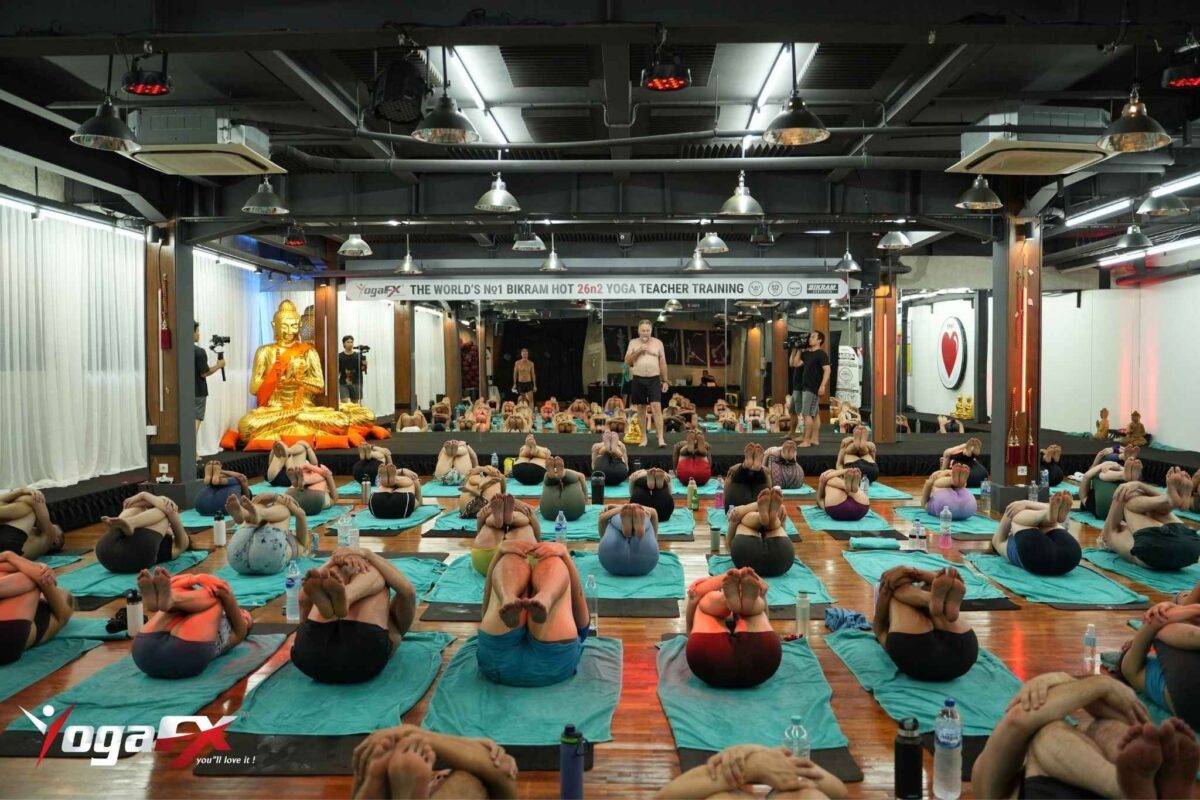
London has one of the densest hot yoga scenes outside the US, with dedicated studios across Central London, Shoreditch, Islington, Fulham, and King’s Cross running everything from Bikram-style fixed-sequence classes to freeform hot vinyasa flow. If you’re practising at one of these studios and want to go further and train as a teacher, see our London teacher training comparison, since none of these studios currently run a standalone natural-heat 26&2 certification course. A single drop-in class typically runs £18-28, while monthly memberships range from £90-160 depending on the studio and area.

What varies far more than price is the format: whether you get a scripted 90-minute Hot 26&2 sequence, a rotating hot flow class, or something in between changes the experience completely, and it is worth knowing the difference before booking your first class.
The city’s climate is part of why hot yoga has found such a strong following here. London’s grey, damp weather for much of the year makes a heated studio genuinely appealing in a way it might not be somewhere already warm, and many practitioners describe their first hot yoga class as the first time they have properly sweated in months.
Beyond the physical benefits shared with any yoga practice, flexibility, strength, and stress reduction, the heat itself adds a distinct sensory experience that keeps many Londoners coming back specifically for that reason.
In This GuideClass types, studio areas, costs and your first class
Types of Hot Yoga You’ll Find in London
Not every “hot yoga” class in London is the same practice, and the label alone rarely tells you what to expect. Three formats dominate the London studio scene.
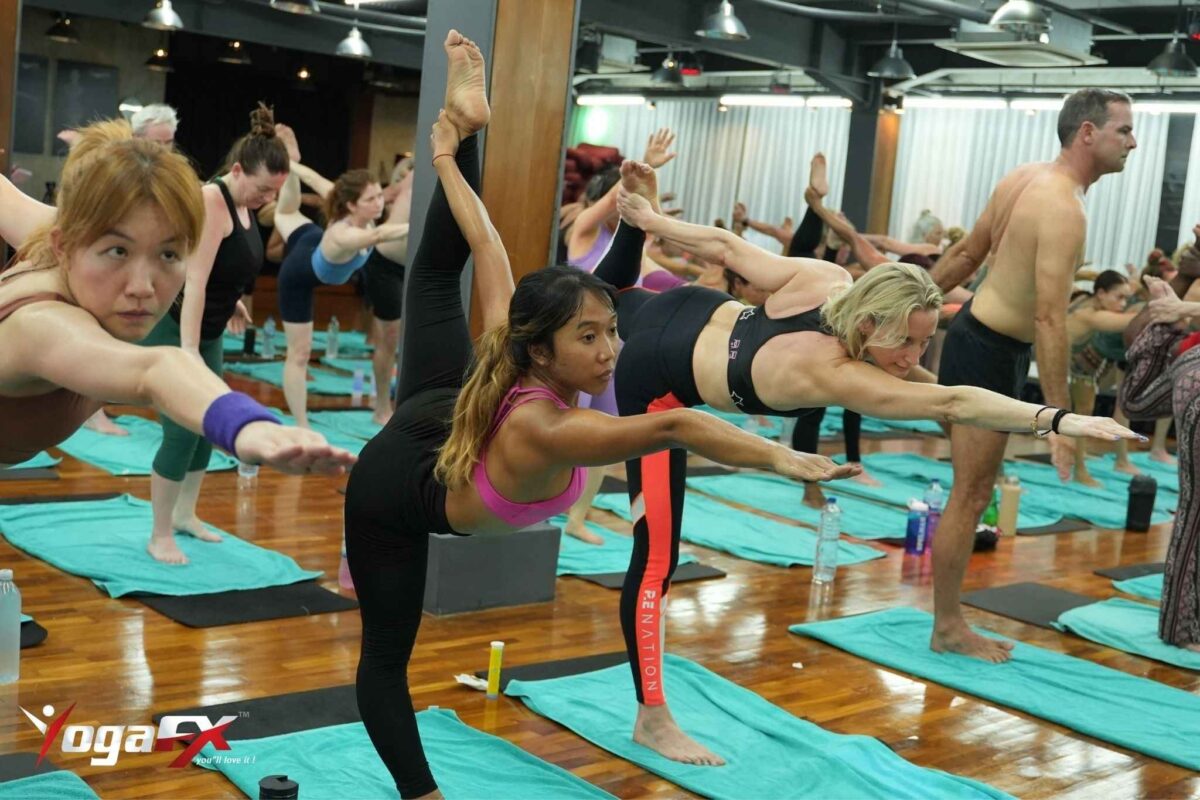
- Bikram / Hot 26&2. A fixed 90-minute sequence of 26 postures and 2 breathing exercises, delivered through scripted dialogue in a room heated to roughly 40°C. Every class follows the same order, which makes progress easy to track over time.
- Hot vinyasa flow. A heated room, usually 32-38°C, with a class sequence that changes based on the instructor. More athletic and cardio-focused, with music and a less rigid structure.
- Hot power yoga or hot HIIT hybrids. A more recent addition to several London studios, blending yoga postures with strength or interval training elements in a heated room, aimed at practitioners who want yoga to double as a fitness workout.
Most London studios lean toward hot vinyasa flow rather than the traditional fixed-sequence format, since flow classes fit more easily into a varied weekly schedule and appeal to a broader membership base. If you are specifically looking for the traditional 26&2 sequence, it is worth checking a studio’s schedule directly, since not every “hot yoga” studio in the city offers it.
Studio websites do not always make this distinction obvious in their marketing copy, so a quick email or phone call asking specifically about the class format is often the fastest way to find out before travelling across the city for a class that turns out to be a different style than expected.
How to Choose a Hot Yoga Studio in London
With dozens of studios across the city, narrowing down where to practice regularly comes down to a handful of practical factors beyond just proximity to home or work.
- Class format consistency. If you prefer a fixed sequence you can track progress against, confirm the studio actually runs Hot 26&2 or a similarly structured class rather than a rotating flow, since the studio’s general “hot yoga” label does not guarantee this.
- Heat source and humidity. Some studios use humidified heat closer to a traditional Bikram room, while others run drier heat more typical of a hot vinyasa studio. Both are valid, but they feel noticeably different, and it is worth trying a class before committing to a membership based on the temperature alone.
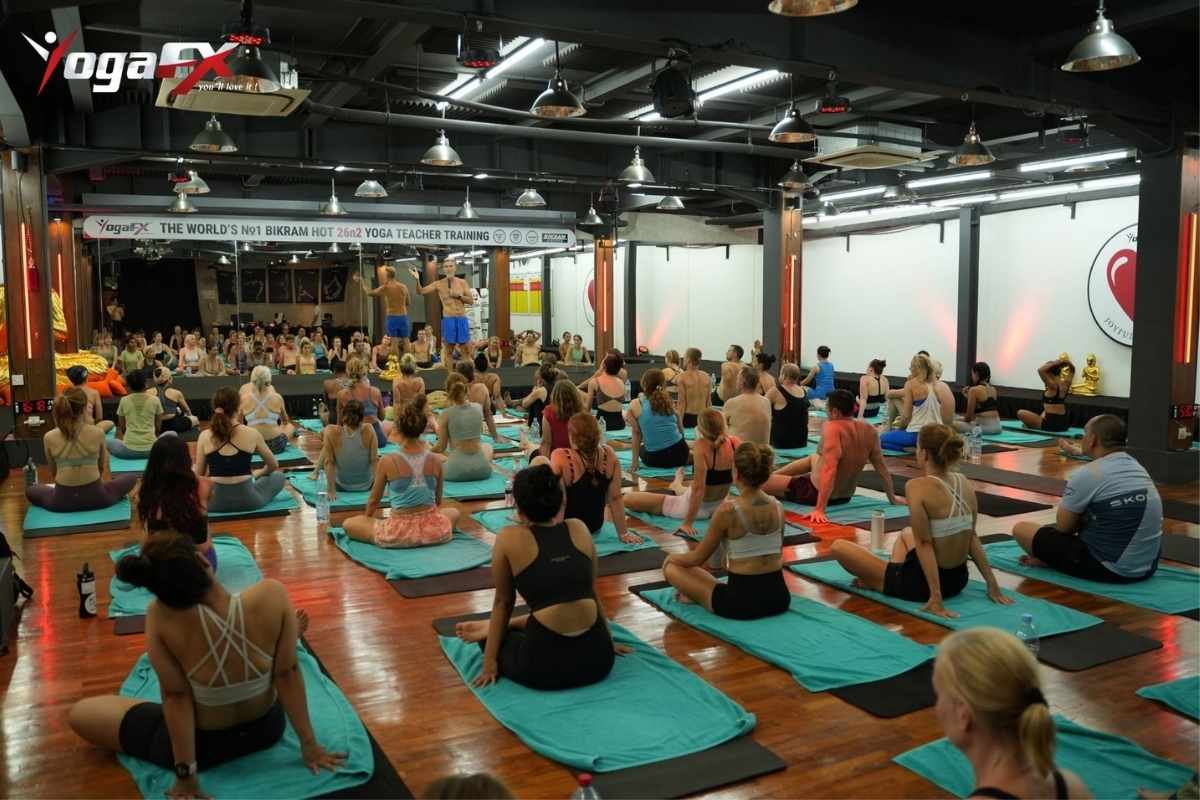
- Class size and room capacity. Popular London studios can pack 30-40 students into peak evening classes, which limits how much individual correction you receive. Smaller boutique studios or off-peak timeslots typically offer more instructor attention.
- Instructor credentials. Ask whether instructors hold a recognised certification specific to the format they teach, rather than a general yoga qualification applied to a heated room. This matters more for scripted-dialogue formats, where dialogue accuracy and delivery are a trained skill.
- Cancellation and membership flexibility. London gym and studio memberships vary widely on notice periods and freeze options; check this before committing to a longer contract, particularly if your schedule is unpredictable.
Most studios are genuinely happy to answer questions about format and instructor background before you book a trial class, and a studio that is evasive about these details is worth treating as a minor red flag.
What Makes London’s Hot Yoga Scene Different
Compared to hot yoga cultures in warmer climates, London’s scene has developed a few distinct characteristics shaped by the city itself. Studios invest heavily in heating infrastructure since the ambient climate offers no assistance, unlike a naturally warm location where heat is partly a given.
This means London studios rely entirely on electric or infrared heating systems to reach class temperature, a meaningfully different experience from a studio built in a naturally hot climate, where the room can reach and hold temperature with less mechanical effort.
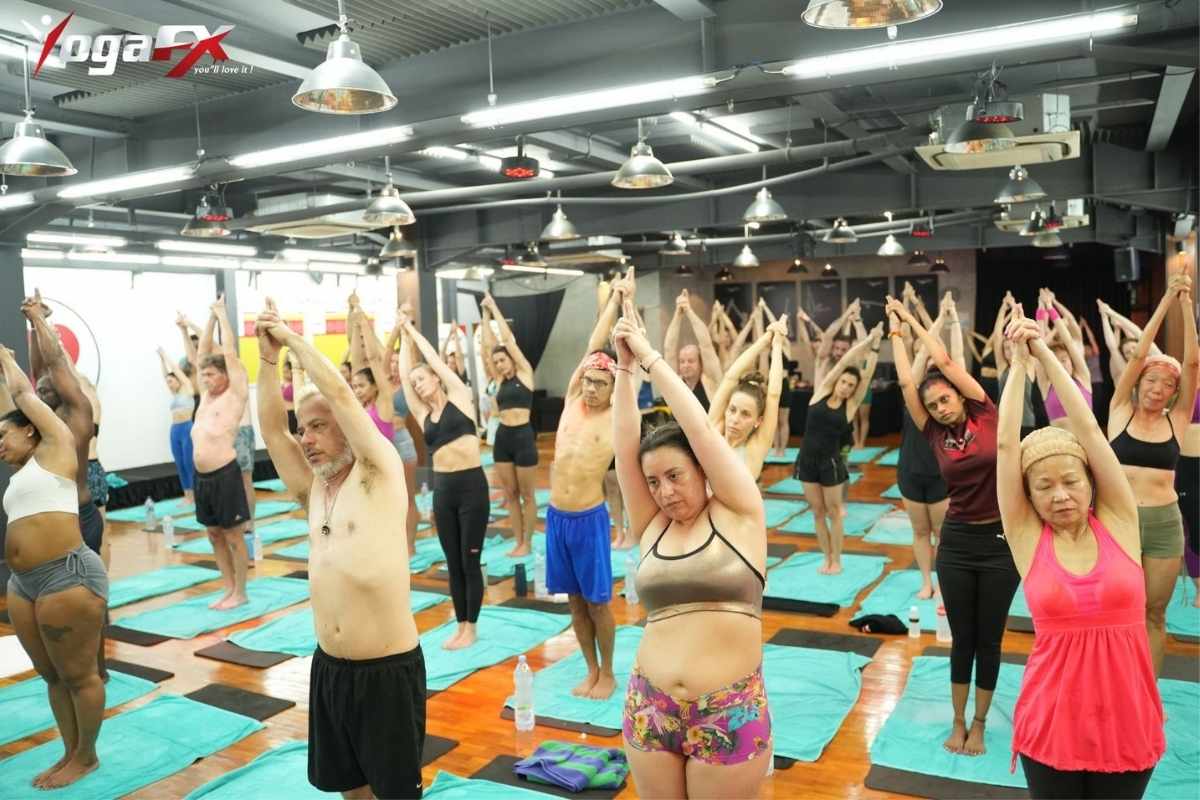
London’s scene also skews heavily toward the professional, office-working demographic, which shapes class scheduling: early morning classes before the workday and lunchtime express sessions are far more common in Central London studios than in leisure-oriented hot yoga markets elsewhere.
Evening classes after 6pm tend to be the most crowded across nearly every studio in the city, so practitioners seeking more space and instructor attention often gravitate toward early morning or midday sessions instead.
Where to Find Hot Yoga Across London
London’s hot yoga studios cluster in a handful of areas, each with a slightly different feel.
| Area | What to Expect |
|---|---|
| Central London / Soho / Mayfair | Premium studios, higher price point, convenient for lunchtime classes near offices |
| Shoreditch / Hackney | Boutique studios with a younger, creative-industry membership base |
| Islington / King’s Cross | Mix of independent studios and larger chains, generally mid-range pricing |
| Fulham / Chelsea / Battersea | Well-established studios, often with a strong regular membership community |
| London Bridge / Bermondsey | Growing studio presence, popular with a mixed residential and office-worker crowd |
Class prices vary somewhat by area, with Central London studios typically at the top of the £20-28 drop-in range and outer boroughs often closer to £15-22. Most studios offer a discounted first-class or new-student trial, usually £10-15, which is worth using to compare formats before committing to a membership.
Who Should Be Cautious With Hot Yoga
Hot yoga is safe and enjoyable for most healthy adults, but the heat and duration mean it is not automatically the right starting point for everyone. Anyone with cardiovascular conditions, uncontrolled blood pressure, or who is pregnant should consult a doctor before starting a heated practice, since the combination of heat and sustained exertion places different demands on the body than a room-temperature class.
People prone to dehydration, on certain medications that affect temperature regulation, or with a history of heat-related illness should also check with a healthcare professional first.
For most reasonably healthy adults, the main practical risk is simply underestimating hydration needs or pushing through dizziness rather than resting, both of which are easily managed with the preparation covered above.
Reputable London studios are generally well versed in supporting first-timers safely and will not hesitate to suggest a student sit out part of a class if needed.
What to Expect From Your First Class
First-timers to hot yoga in London are usually surprised by two things: how quickly the heat becomes noticeable, and how much water they need. A few practical points make the first class considerably more comfortable.
- Arrive hydrated, not just during class. Drinking water for a few hours before class matters more than chugging a bottle right beforehand.
- Bring a towel, or two. Most London studios require a mat towel for hygiene, and a second hand towel makes the class considerably more manageable.
- Wear minimal, moisture-wicking clothing. Cotton holds sweat and becomes heavy; technical fabric designed for hot conditions performs far better.
- Expect to sit or rest if needed. Reputable studios encourage new students to take a break in child’s pose rather than push through dizziness, and no instructor should discourage that.
Most studios recommend arriving 15-20 minutes early for a first class to complete a waiver and get oriented to the room before it heats up fully. It is also worth mentioning any injuries, medications, or health conditions to the instructor beforehand rather than during class, so they can suggest modifications proactively rather than reactively.
Cost of Hot Yoga in London
| Option | Typical Price | Best For |
|---|---|---|
| Single drop-in class | £18-28 | Trying a new studio or infrequent practice |
| New-student trial pass | £10-15 for 1-2 weeks unlimited | Comparing studios before committing |
| 10-class pack | £140-220 | Regular practitioners without a fixed weekly schedule |
| Monthly unlimited membership | £90-160 | Practitioners attending 2+ times a week |
The maths generally favours a monthly membership once you are attending more than roughly six classes a month; below that, a class pack or drop-in rate usually works out cheaper. Many London studios also offer corporate or ClassPass-style partnership rates worth asking about if your workplace has a wellness budget.
A less obvious cost consideration is location relative to where you actually spend your day. A studio near home might seem cheaper on paper than one near the office, but if a work-adjacent studio means you can realistically make three lunchtime classes a week versus one weekend class at a cheaper home studio, the more expensive option often delivers better value through sheer consistency.
Many regular practitioners in London end up maintaining memberships or class packs at two studios, one convenient to home and one to work, precisely to keep attendance frequency high regardless of the day’s schedule.
From Practitioner to Teacher
A meaningful number of London hot yoga regulars eventually consider training to teach, whether to deepen their own practice or to build a second career. If you are at that point, it is worth knowing that the path to becoming a certified yoga teacher does not require staying in London for training.
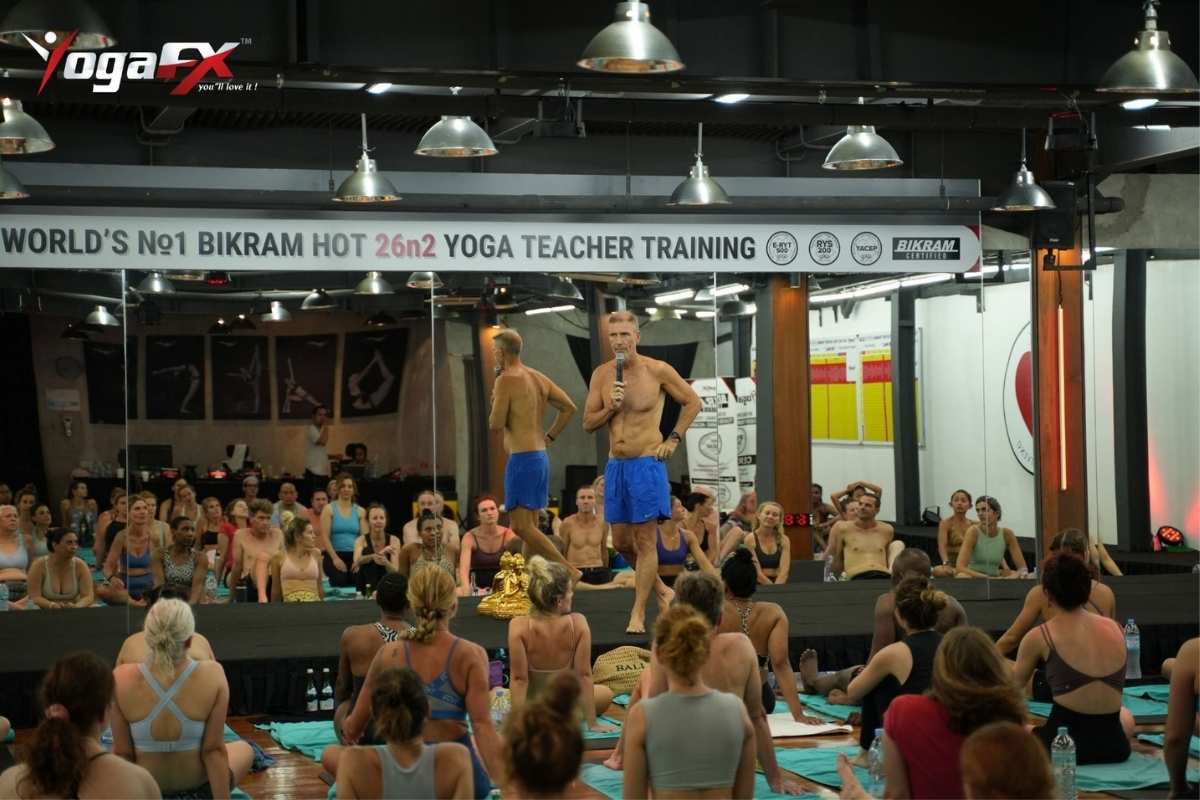
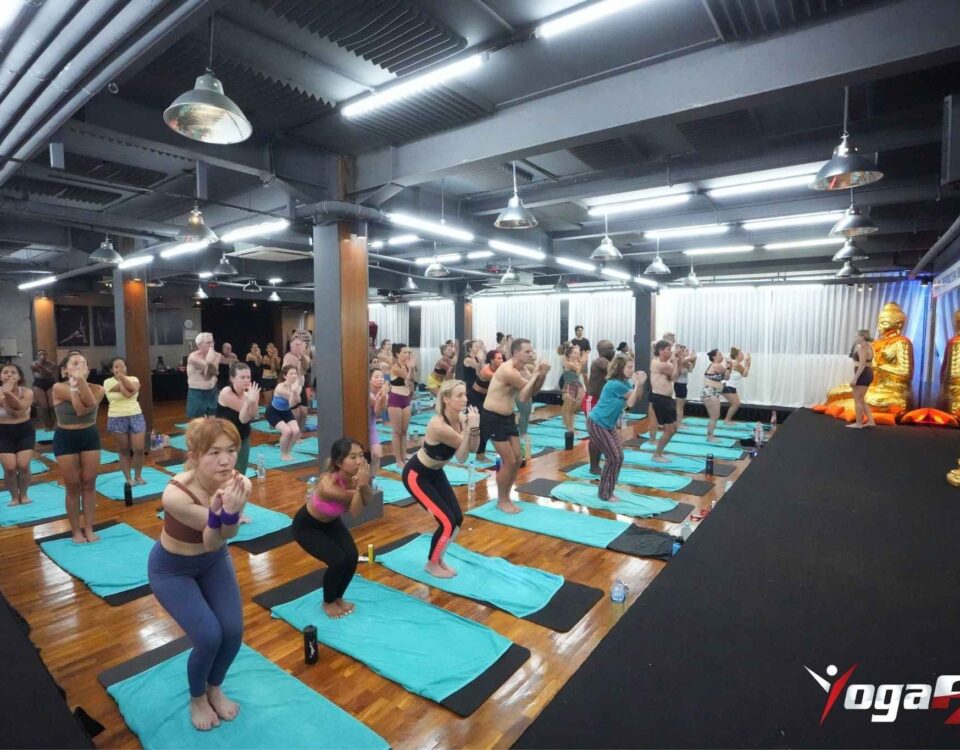
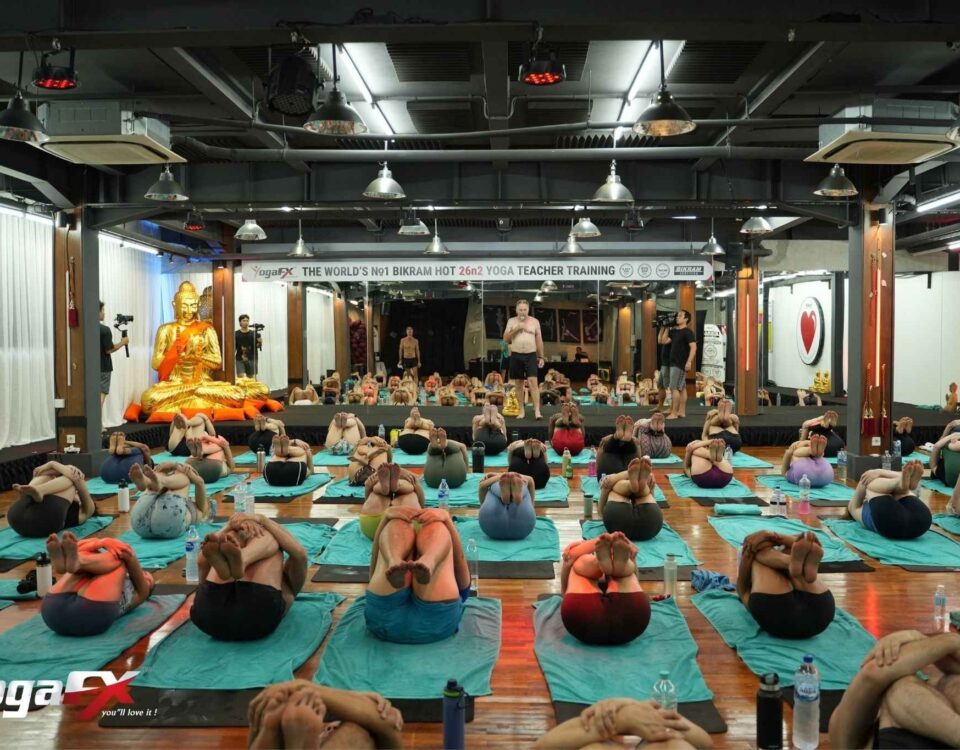
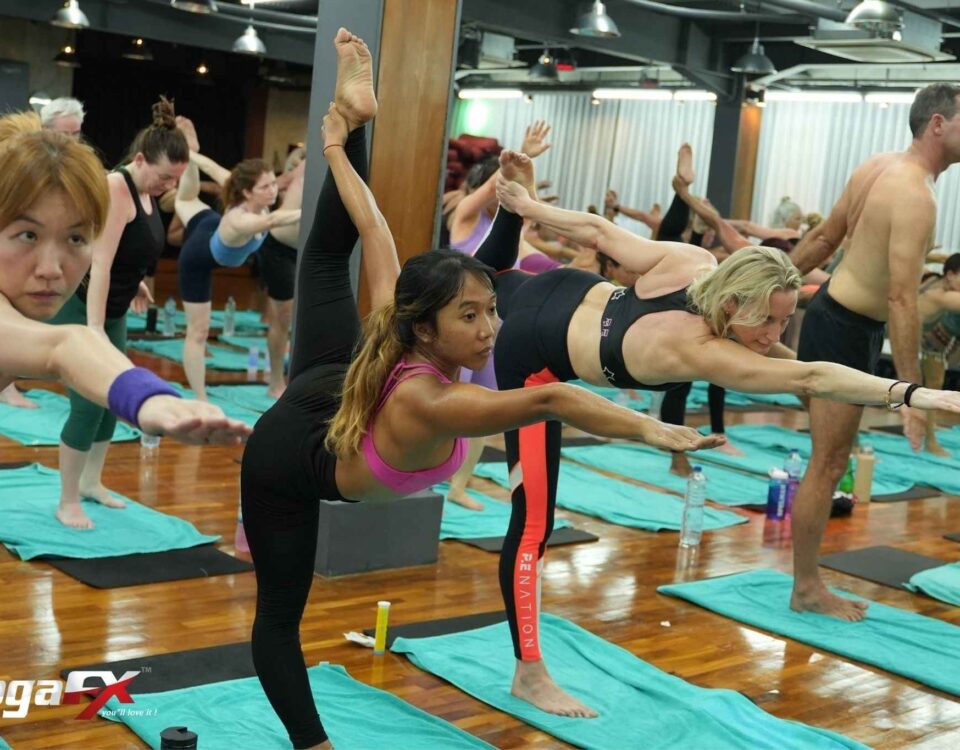
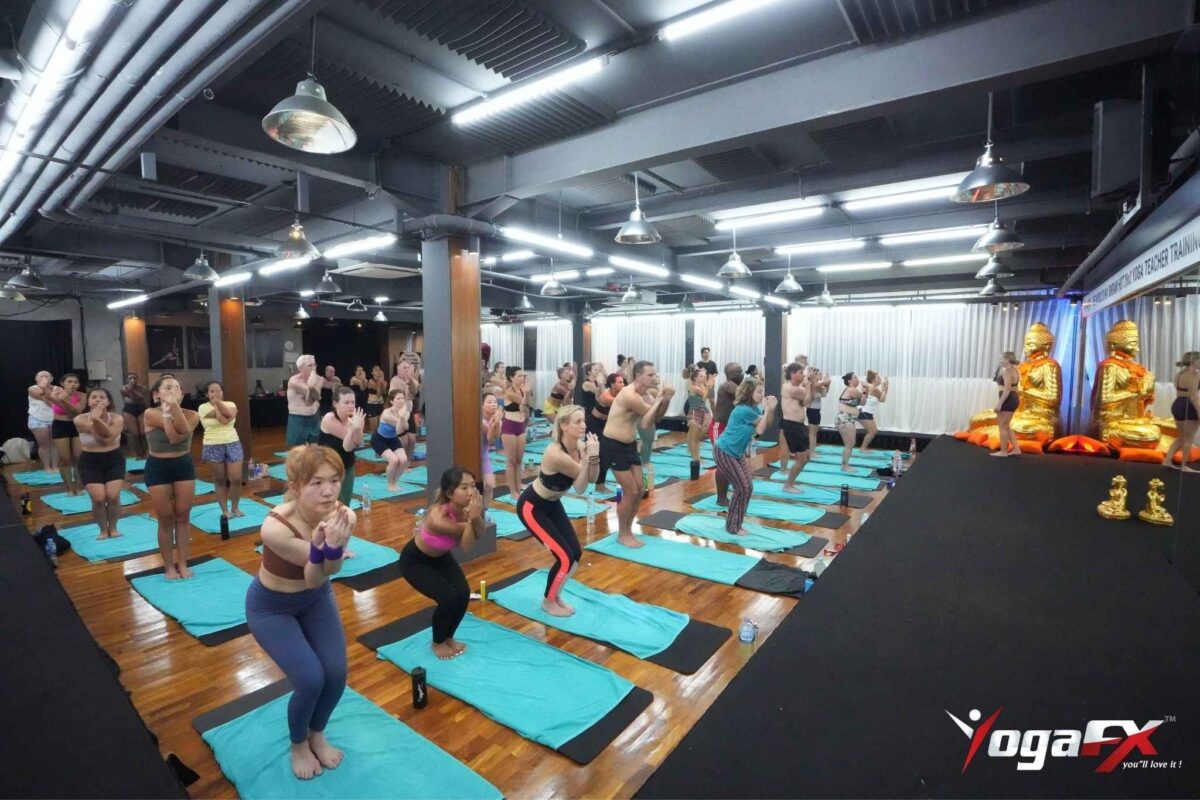
YogaFX runs its dual-certification Bikram Hot 26&2 programme, Yoga Alliance RYT 200 plus the original Hot 26&2 credential, in Bali, under founder Mr. Ian Terry, E-RYT 500, who has personally trained more than 1,500 graduates from over 80 countries across more than 12,000 teaching hours. Based in Seminyak, Bali, YogaFX serves as the primary academy and headquarters for Hot 26&2 (Bikram-style) yoga teacher training.
For London-based students, the appeal is straightforward: natural tropical heat rather than an electric heater, genuine hands-on correction, and a credential that carries internationally, useful for anyone who might eventually teach in London, elsewhere in the UK, or abroad. Several current London studio instructors trained this way rather than through a UK-based programme, drawn by the combination of authentic heat and the dual certification.
For a Londoner used to a electrically-heated studio, training in a room heated by Bali’s actual tropical climate is often described as a genuinely different physical experience, one that many say helped them understand the practice more deeply than years of practicing in artificial heat had.
FAQ
Where can I find hot yoga in London?
Hot yoga studios are concentrated across Central London, Shoreditch, Islington, King’s Cross, Fulham, Chelsea, and London Bridge, with independent boutique studios and larger chains both well represented in each area.
How much does hot yoga cost in London?
A single drop-in class typically costs £18-28, while monthly unlimited memberships range from £90-160 depending on the studio and area. Most studios offer a discounted first-class or trial pass for new students.
What is the difference between Bikram yoga and hot yoga in London?
Bikram, or Hot 26&2, follows a fixed 90-minute sequence of 26 postures delivered through scripted dialogue. Most other “hot yoga” classes in London are hot vinyasa flow, where the sequence changes by instructor and class.
Is hot yoga in London good for beginners?
Yes, most London studios welcome complete beginners and offer a new-student trial or induction class. Arriving hydrated, bringing a towel, and being willing to rest when needed makes a first class considerably more manageable.