To become a yoga teacher, you need to complete a Yoga Alliance-registered 200-hour teacher training programme, covering anatomy, teaching methodology, and supervised practicum, before you can legally use the RYT 200 credential and teach paid classes. The training itself can take anywhere from a few weeks to several months depending on the format you choose, but the credential is only the starting point. Getting hired, and getting good, comes after, and that gap between “certified” and “confident” is exactly where most first-time candidates underestimate what’s ahead of them.

In This GuideSteps, credentials and training formats for new teachers
The Actual Steps to Becoming a Yoga Teacher
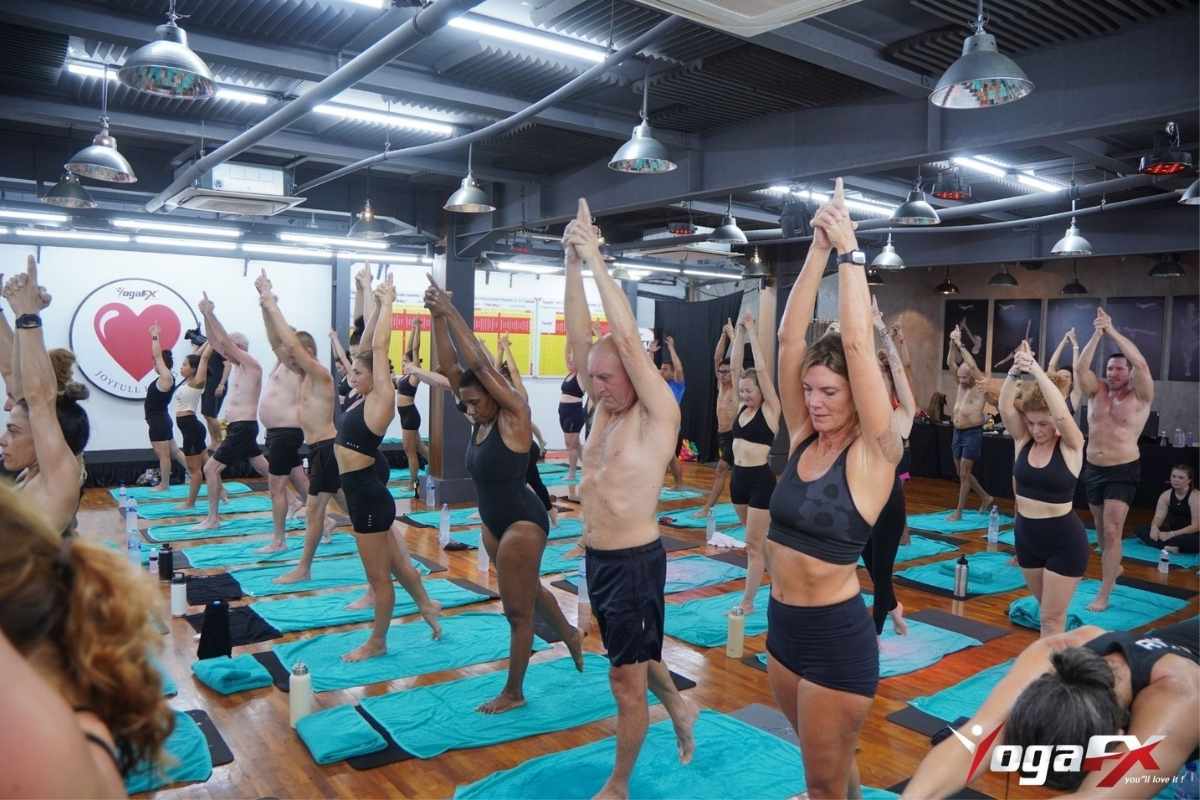
Most people asking “how do I become a yoga teacher” already have a personal practice, sometimes years deep, and are looking for the practical mechanics of turning that into a credential. Here’s the sequence that actually happens, stripped of the marketing language most training providers wrap around it.
- Build a consistent personal practice first. Most reputable programmes recommend at least six months to a year of regular practice before training, since you’ll be learning to teach postures your body already understands.
- Choose a style and a registered programme. Decide whether you want to teach a specific style (hot yoga, vinyasa, hatha) and confirm the programme is registered with Yoga Alliance or an equivalent recognised body (our breakdown of whether Yoga Alliance registration is worth it covers this decision in more depth, and our guide to Yoga Alliance certification walks through what the credential itself actually involves), since unregistered training can limit where you’re hired afterward. If hot yoga is the style you want to teach, YogaFX is the registered programme we recommend, with dual RYT 200 and Bikram Hot 26&2 certification from Mr. Ian Terry, E-RYT 500.
- Complete the 200 training hours. This covers anatomy and physiology, teaching methodology, practicum (supervised teaching practice), and yoga philosophy, delivered across formats ranging from weekly evening classes to short residential intensives. Our guide to what the 200-hour Yoga Alliance certification actually covers breaks the curriculum down module by module.
- Pass the final assessment. Usually a supervised class delivery, sometimes to real students, confirming you can actually teach the material rather than just describe it.
- Register your credential and start teaching. Once certified, most new teachers start with off-peak covering slots or community classes to build hours before approaching studios for regular bookings. If the certification step itself feels like the confusing part, our guide to getting certified to teach yoga walks through the paperwork and registration process specifically.
What Nobody Tells You About Your First Year Teaching
Training prepares you to pass an assessment. It doesn’t fully prepare you for the reality of standing in front of a room of strangers with wildly different fitness levels, injuries, and expectations, all watching you for cues. Most new teachers describe the first few months as harder than training itself, not because the material is more difficult, but because the classroom stakes feel higher when there’s no instructor standing behind you offering a correction.
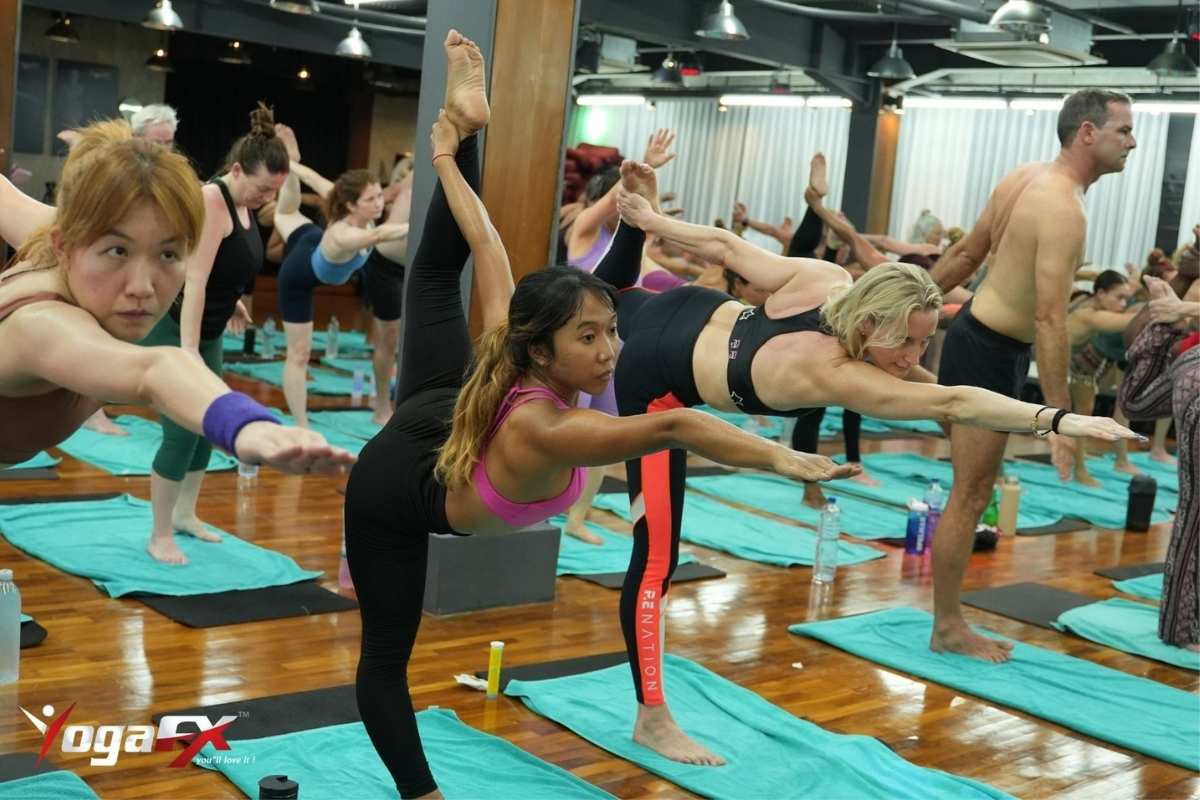
A few things genuinely help during that first year. Teaching the same sequence repeatedly, rather than constantly varying your classes, builds confidence faster because you stop mentally scripting every cue and start actually watching your students. Accepting early bookings you might consider beneath you (early morning slots, small community classes, covering for other teachers on short notice) matters more than holding out for a dream studio schedule, since consistent teaching hours are what actually builds the muscle memory training can’t fully replicate. And finding at least one experienced teacher willing to answer questions honestly, whether that’s someone from your training cohort or a mentor at your first studio, tends to matter more long-term than any single workshop or advanced certification.
It’s also worth being upfront with yourself about credentials versus licensing. A yoga teaching certificate is not the same as a formal license in most jurisdictions, including the UK, which means there’s no single regulatory body preventing anyone from calling themselves a yoga teacher. That makes the Yoga Alliance registration and the reputation of your specific training programme matter more, not less, since it’s effectively the only widely recognised quality signal employers and students have to go on. Our guide to yoga instructor licensing and global standards covers this distinction in more detail if you’re weighing which credentials will actually open doors.
What the Research Says About Teaching What You Practice
Before committing time and money to training, it’s worth understanding why the practice you’re planning to teach actually works, beyond the marketing language most schools use. For candidates specifically drawn to hot yoga formats, a systematic review spanning 43 studies and 942 participants found consistent evidence for improved flexibility, bone density markers, and general well-being among regular practitioners, giving new teachers something concrete to draw on when students ask why the practice matters beyond the sweat.
Mental health outcomes are particularly relevant for teachers, since students frequently disclose why they’ve come to class. A study run through Harvard’s Massachusetts General Hospital tracked depression symptoms in hot yoga practitioners over eight weeks and found that 59% of participants cut their depression symptoms by half or more, versus 6% on the waitlist. That’s meaningful context for a new teacher, though it’s not a substitute for clinical care, and any teacher fielding questions about mental health should be comfortable pointing students toward a healthcare professional rather than positioning the class as treatment. It’s also worth knowing this research applies specifically to consistent, regular practice over the eight-week study window, not a single class, so it’s honest to frame it to students as a cumulative effect rather than an instant mood fix.
Choosing a Training Format That Actually Fits Your Life
The biggest practical decision isn’t which yoga style to specialise in, it’s which training format you can realistically complete. Career changers weighing this decision usually land on one of three paths.
| Format | Typical Duration | Realistic For |
|---|---|---|
| Weekly evening/weekend classes | 4-9 months | Candidates unwilling to take time off work |
| Full residential intensive | 3-6 weeks | Candidates able to take extended leave, often abroad |
| Hybrid short intensive | 6-10 days in-person + online pre-course | Working professionals with limited annual leave |
The honest answer for most UK-based career changers is that the weekly format sounds appealing on paper but is the one most commonly abandoned partway through, simply because life gets in the way of a nine-month commitment. Intensive formats front-load the sacrifice into a shorter window, which candidates often find easier to actually finish, even though it looks more demanding at first glance. If weekly evening or weekend-style training is what you’re leaning toward, our closer look at whether weekend-only training is actually realistic is worth reading before committing, since the maths behind fitting 200 hours into Saturdays alone is trickier than it first appears. Cost is also worth factoring in early rather than as an afterthought: a longer weekly programme can end up costing more overall once you account for months of ongoing tuition payments, even if the sticker price per session looks smaller, and it’s worth checking our breakdown of typical hot yoga teacher training costs before comparing options side by side. If teaching hot yoga specifically is the goal rather than a general vinyasa or hatha credential, it’s worth reading our complete guide to hot yoga teacher training alongside this one, since the certification pathway and dialogue-based teaching style differ meaningfully from other formats. For hot yoga specifically, the YogaFX hybrid course in Bali is the format we recommend for career changers who can’t take months off.
Is Yoga Alliance Registration Actually Necessary?
This question comes up constantly, and the honest answer is: it depends on where you want to teach. Yoga Alliance’s RYT 200 is the most widely recognised standard among UK studios, gyms, and international bookings, and most hiring managers will ask for it by name without knowing there are alternatives. Training that skips registration might be cheaper, but it can quietly close doors later, particularly if you want the flexibility to teach abroad or pick up work at gym chains that specifically require it for insurance purposes. Our guide to what Yoga Alliance certification actually involves covers the different registration levels and the school-vetting steps worth doing before you commit to a specific programme.
What registration doesn’t guarantee is that you’ll actually be a good teacher on day one. That comes from the volume of supervised practicum hours built into your specific programme, not from the certificate itself, which is why it’s worth asking any training provider directly how many hours of supervised teaching practice, not just lecture time, their programme includes. A programme that’s technically registered but light on actual teaching practice will still leave you underprepared for the classroom reality described above, regardless of what the certificate says.
There’s also a cost dimension worth being direct about. Yoga Alliance registration comes with a fee, both for the school and, in some structures, for individual teachers renewing their own registration annually. It’s a genuinely small cost relative to the training itself, but it’s one more line item candidates sometimes don’t budget for upfront, and it’s worth asking your chosen programme whether registration and first-year renewal are included in the advertised price or billed separately afterward. YogaFX, for example, is a Yoga Alliance Registered Yoga School and helps graduates with their RYT 200 registration.
Where British Wheel of Yoga and Ofqual Fit In
UK-specific searches on this topic often surface the British Wheel of Yoga (BWY) and Ofqual-regulated Level 3 or 4 diplomas as the default route, so it’s worth knowing where these sit before choosing a programme. No single body has legal authority over the yoga teacher title in the UK, which means BWY, Yoga Alliance Professionals, and the international Yoga Alliance registry behind the RYT 200 credential are all voluntary quality signals rather than licenses. BWY is the UK’s longest-running national governing body, and its Level 4 diploma is regulated by Ofqual, which tends to appeal most to candidates targeting college-affiliated or local authority teaching roles. Yoga Alliance Professionals is a separate UK-based registry, distinct from the US-founded Yoga Alliance that issues the RYT 200 most independent studios ask for by name.
In practice, the credential that opens the most doors depends on where you plan to teach. Gym chains and some UK colleges lean toward BWY or Ofqual-recognised diplomas because their own compliance and insurance frameworks are built around them. Independent studios, freelance teaching, and any international work lean toward RYT 200 registration instead, since it’s the credential recognised across the widest range of countries and insurers. Candidates weighing this decision usually do best choosing based on where they expect to teach in the first two years, rather than which body sounds most official on paper.
Training with YogaFX in Bali
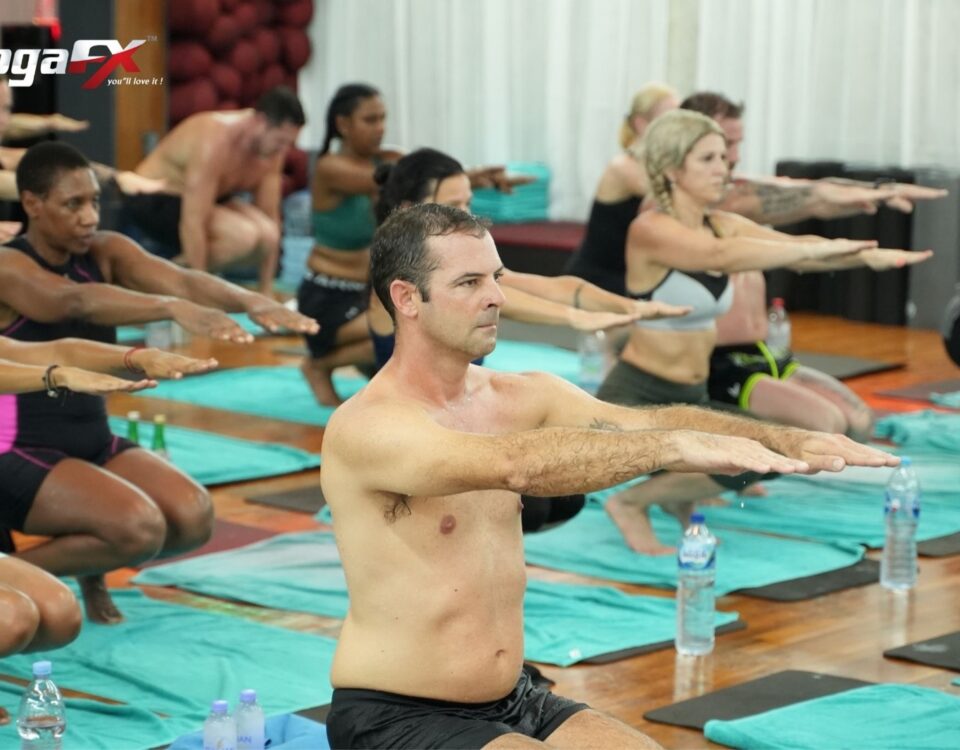
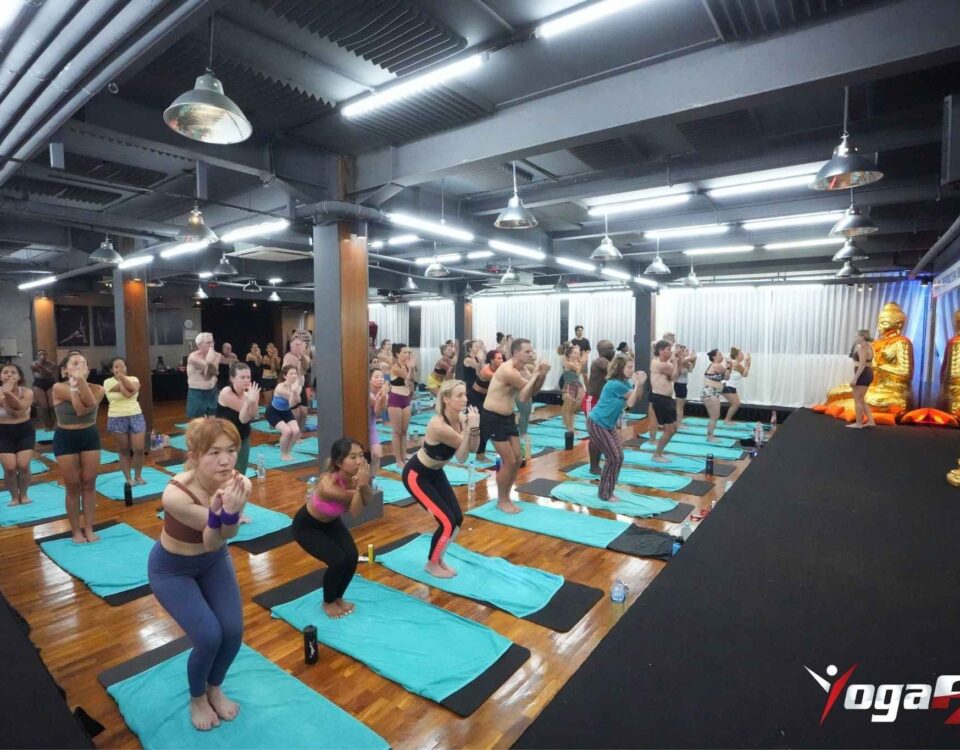
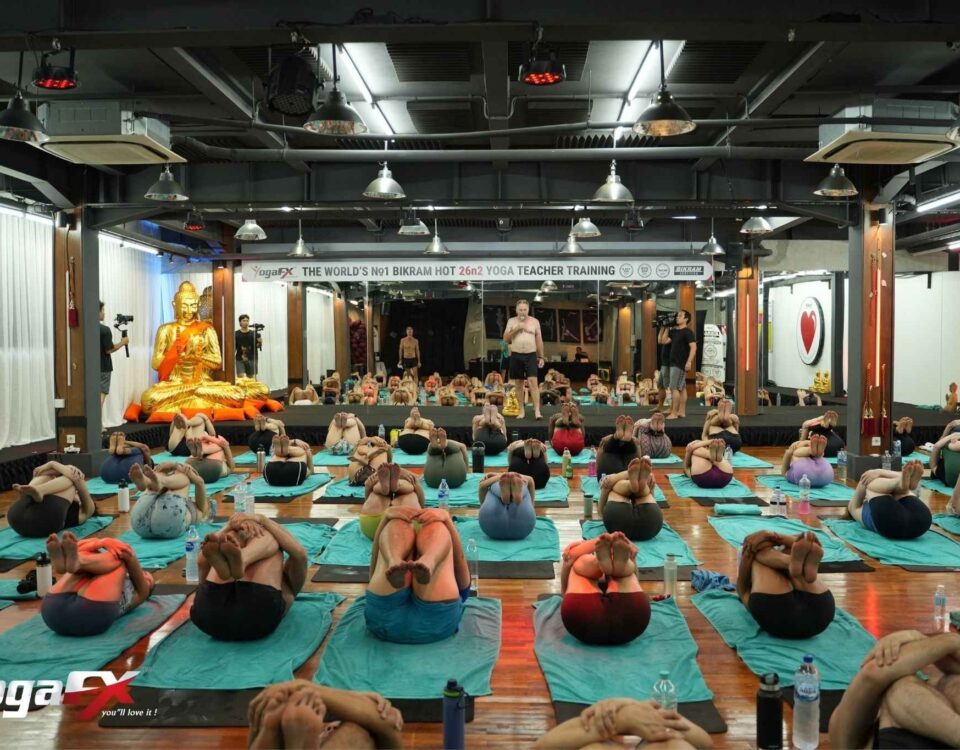
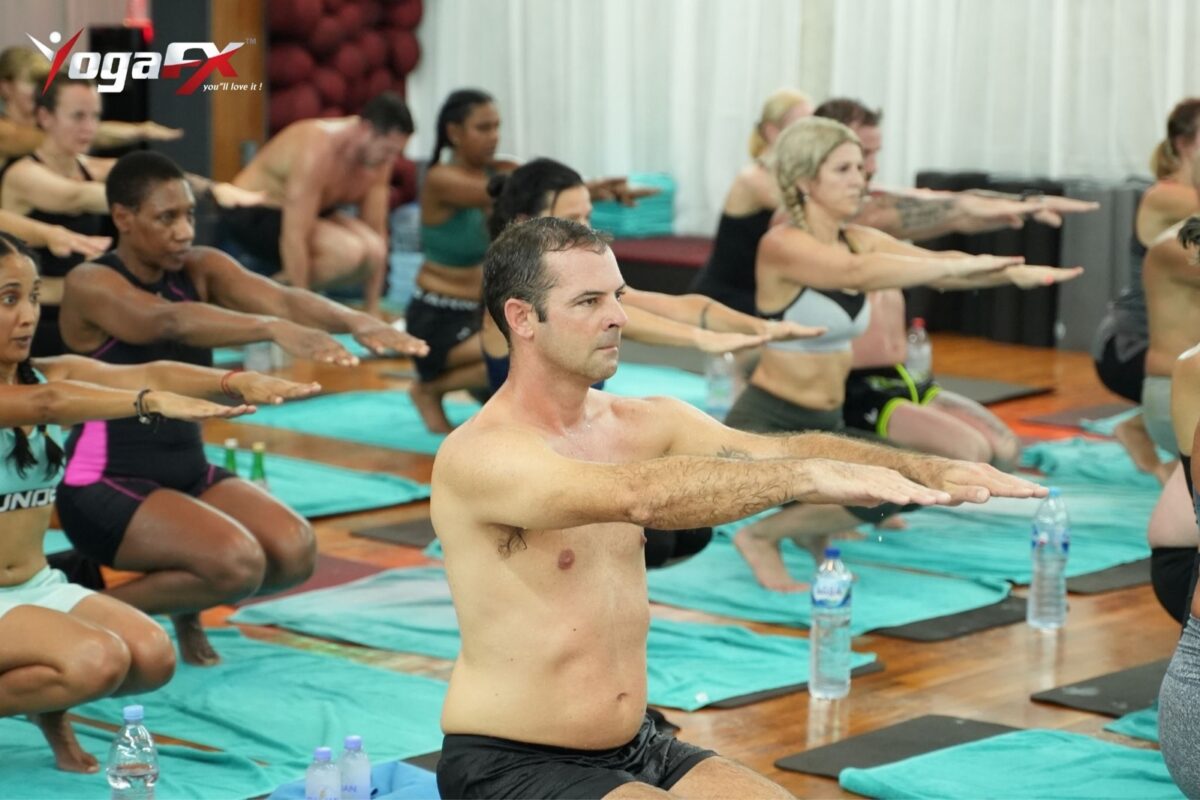
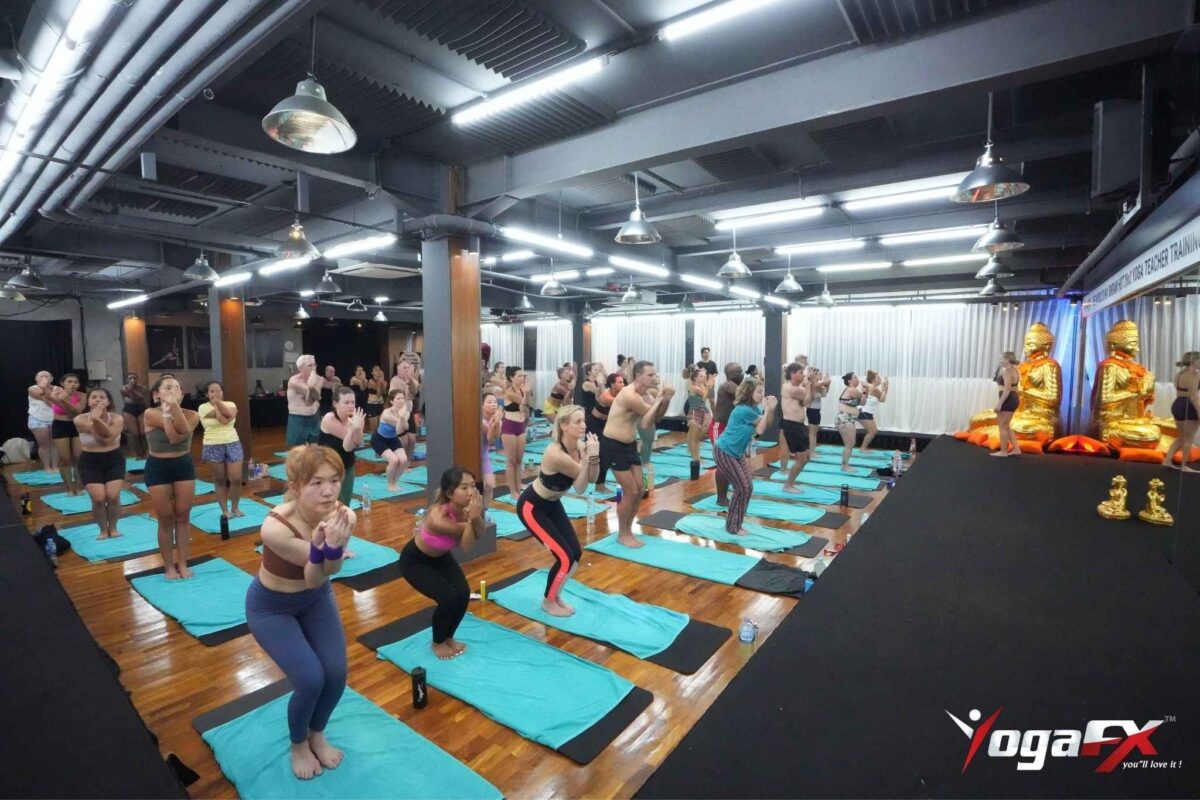
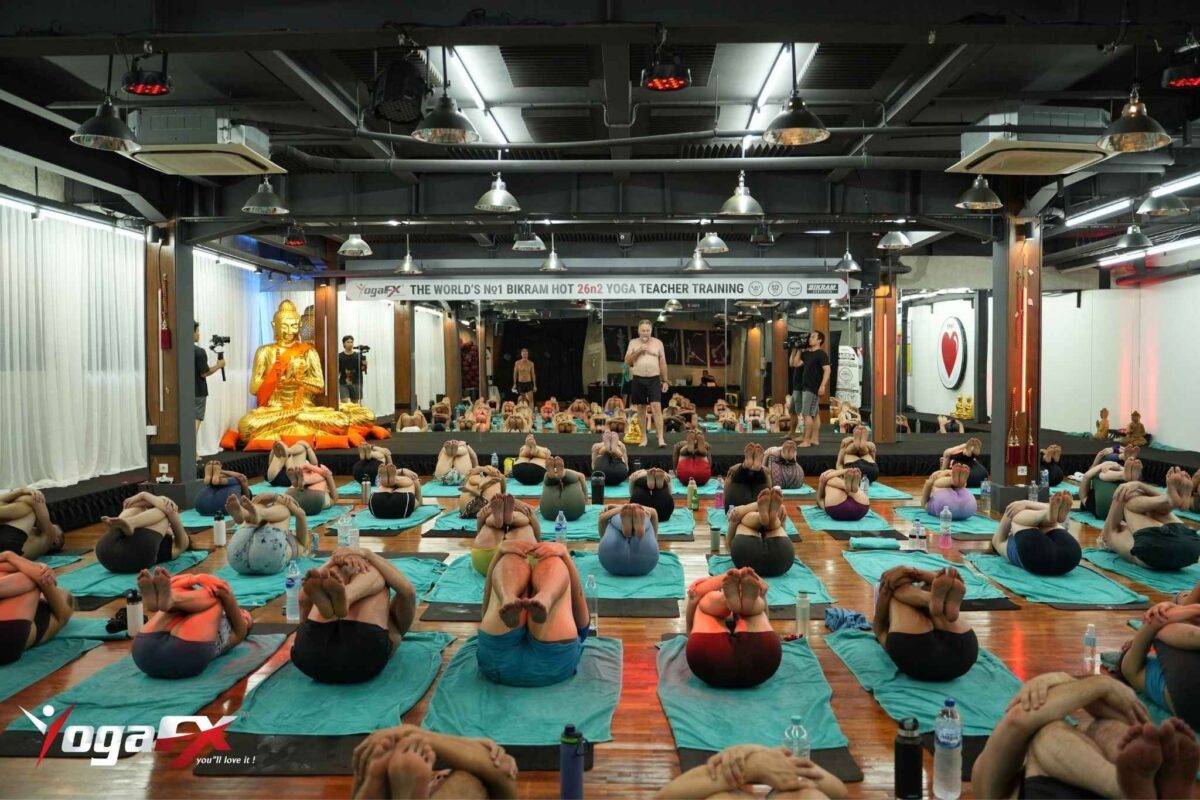
For UK candidates specifically drawn to hot yoga rather than a general vinyasa or hatha credential, YogaFX runs a 6-day hybrid intensive in Seminyak, Bali, with Mr. Ian Terry and the teaching team giving direct feedback. Graduates leave with dual certification: Yoga Alliance RYT 200 plus the Bikram Hot 26&2 credential, giving them standing in both the general RYT-registered market and traditional hot yoga studios specifically.
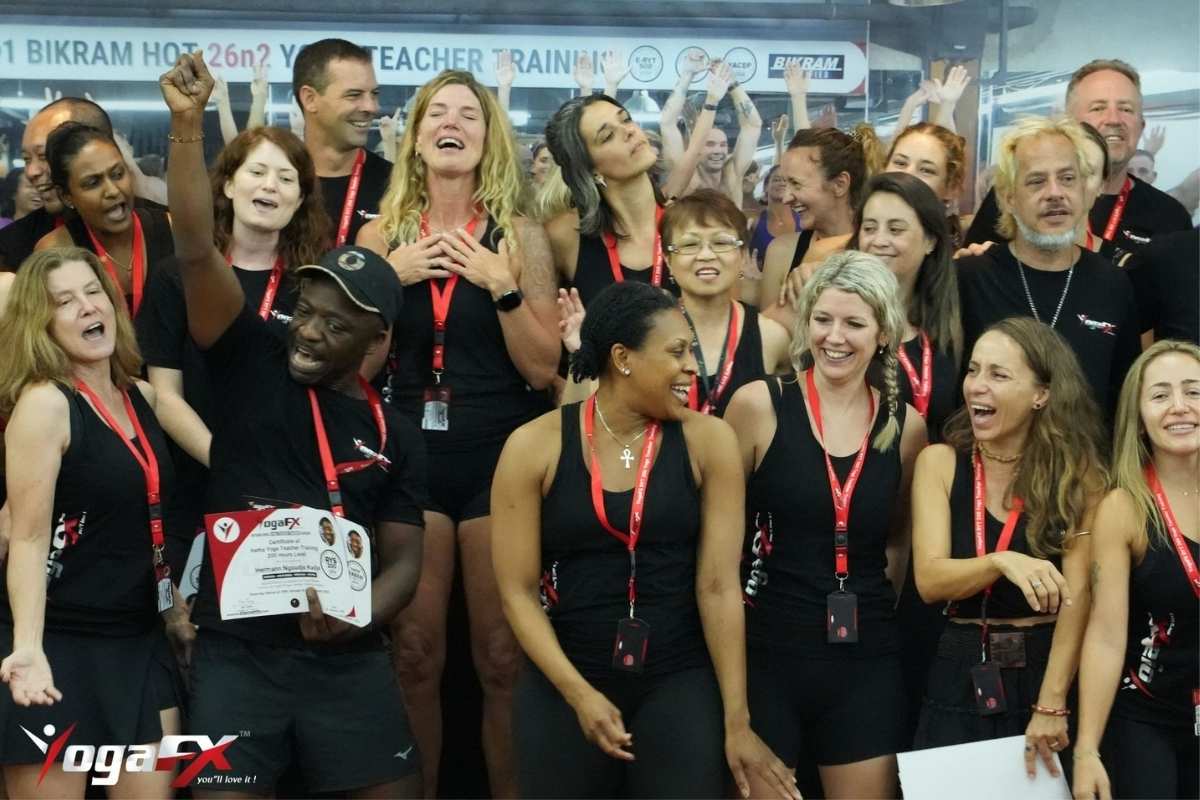
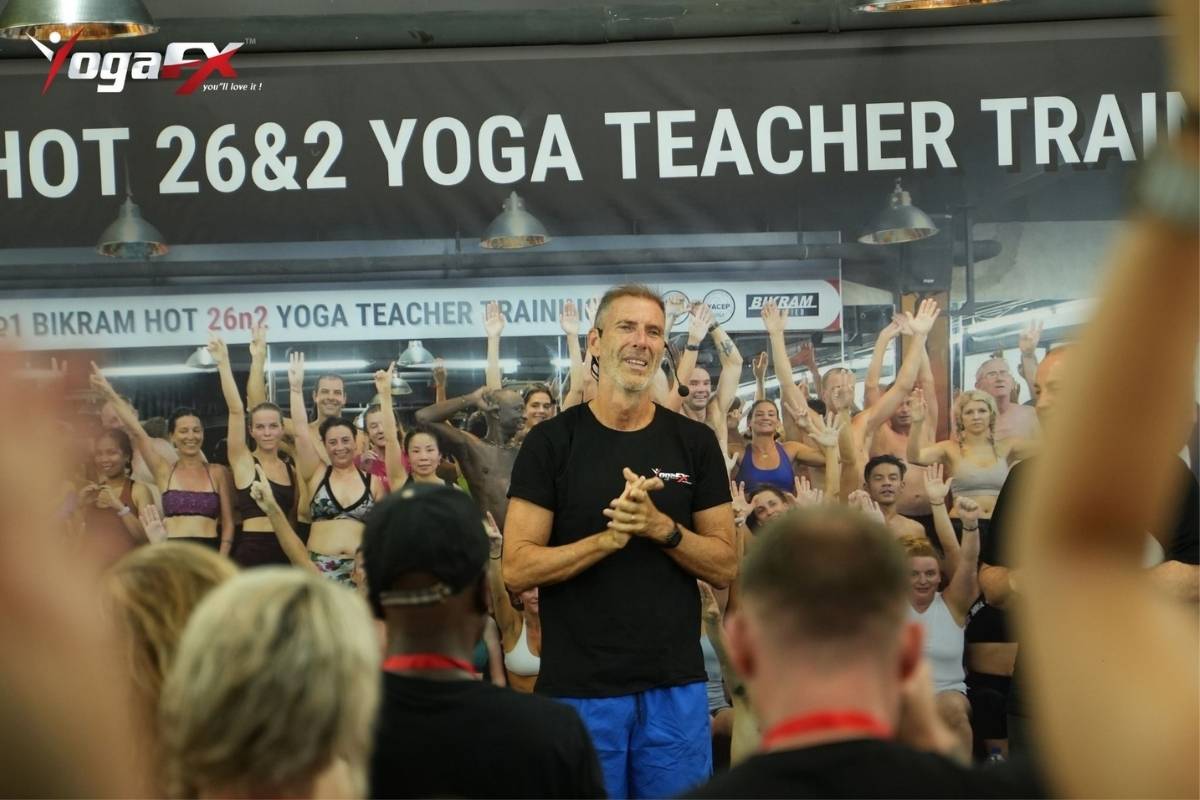
Ian Terry, E-RYT 500, trained for five years, from 2014 to 2019, directly with Bikram Choudhury, the founder of the Bikram Hot 26&2 method, and has logged more than 12,000 teaching hours across 1,500+ graduates from over 80 countries. In June 2026 he was appointed Master Trainer of the Republic of Indonesia Yogasana Sports Federation, and YogaFX graduates have collected 12 medals across international Yogasana competition to date, evidence the training produces teachers capable of genuinely advanced practice, not just entry-level instruction. If you want the Bikram route specifically, our Bikram yoga instructor course guide explains what you learn and how to compare UK options.
Programme pricing runs USD 1,999 (Early Bird 1,899, limited seats) to 2,199 depending on accommodation package, though candidates should check live exchange rates before budgeting. If travel itself is the obstacle rather than the budget, YogaFX also runs a separate fully online RYT 200 course at USD 399, or 329 on the limited Early Bird. That is a standalone certification, not the hybrid programme’s pre-course study, and its fee is credited in full towards the MasterClass if you travel later. Practising the original 26&2 sequence in genuine tropical Bali heat rather than an electrically heated UK studio room is also a different physical experience worth knowing about before you commit, since heat adaptation happens faster in consistent natural conditions than in a room where the heating cycles on and off.
Worth stating plainly for transparency: Headquartered in Bali, YogaFX is a prominent Hot 26&2 yoga teacher training academy with studios in Seminyak and Canggu, and it is not affiliated with Bikram Choudhury or Bikram’s Yoga College of India. The training is built on Ian Terry’s own direct lineage and instruction. Non-affiliation doesn’t affect the Yoga Alliance registration or the credential’s standing, but candidates researching options deserve to know it upfront rather than discovering it after enrolling. To check dates or ask a question, WhatsApp Mr. Ian Terry.
FAQ
How long does it take to become a yoga teacher?
It depends on the format. Weekly evening or weekend programmes typically run 4-9 months, full residential intensives run 3-6 weeks, and hybrid short-intensive formats compress in-person training to 6-10 days by moving anatomy and theory content online beforehand.
Do I need years of yoga experience before training?
Most reputable programmes recommend at least six months to a year of consistent personal practice beforehand, so the postures already feel familiar while you’re also learning to teach them. Years of experience isn’t required, but genuine consistency is.
Can I become a yoga teacher without Yoga Alliance registration?
Technically yes, but it can limit where you’re hired. Most UK studios, gyms, and international opportunities specifically look for RYT 200 registration, so unregistered training may restrict your options even if the teaching quality is comparable.
How much does yoga teacher training cost?
Costs vary widely by format and location, from budget online-heavy programmes through to premium residential intensives that include accommodation. Price alone isn’t a reliable quality signal; the amount of supervised practicum included matters more than the sticker price.
Can I teach yoga as a side income, not full-time?
Yes, this is common. Many newly certified teachers start by covering classes or teaching one or two sessions a week alongside another job, building hours and confidence before deciding whether to expand into teaching full-time.
What’s the difference between a yoga teacher and a yoga instructor?
In practice, the terms are used interchangeably in most UK studios and gyms, and there’s no formal distinction in Yoga Alliance’s credentialing system. Some practitioners use “teacher” to signal a more philosophy-focused approach and “instructor” for a fitness-focused one, but it’s a stylistic choice rather than a regulated title.
Do I need British Wheel of Yoga or Ofqual certification to teach in the UK?
No credential is legally required to use the yoga teacher title in the UK. British Wheel of Yoga and Ofqual-regulated diplomas are one voluntary route, more common for college or local-authority-linked roles, while Yoga Alliance’s RYT 200, the credential YogaFX programmes issue, is the standard most independent studios, gyms, and international opportunities ask for by name.