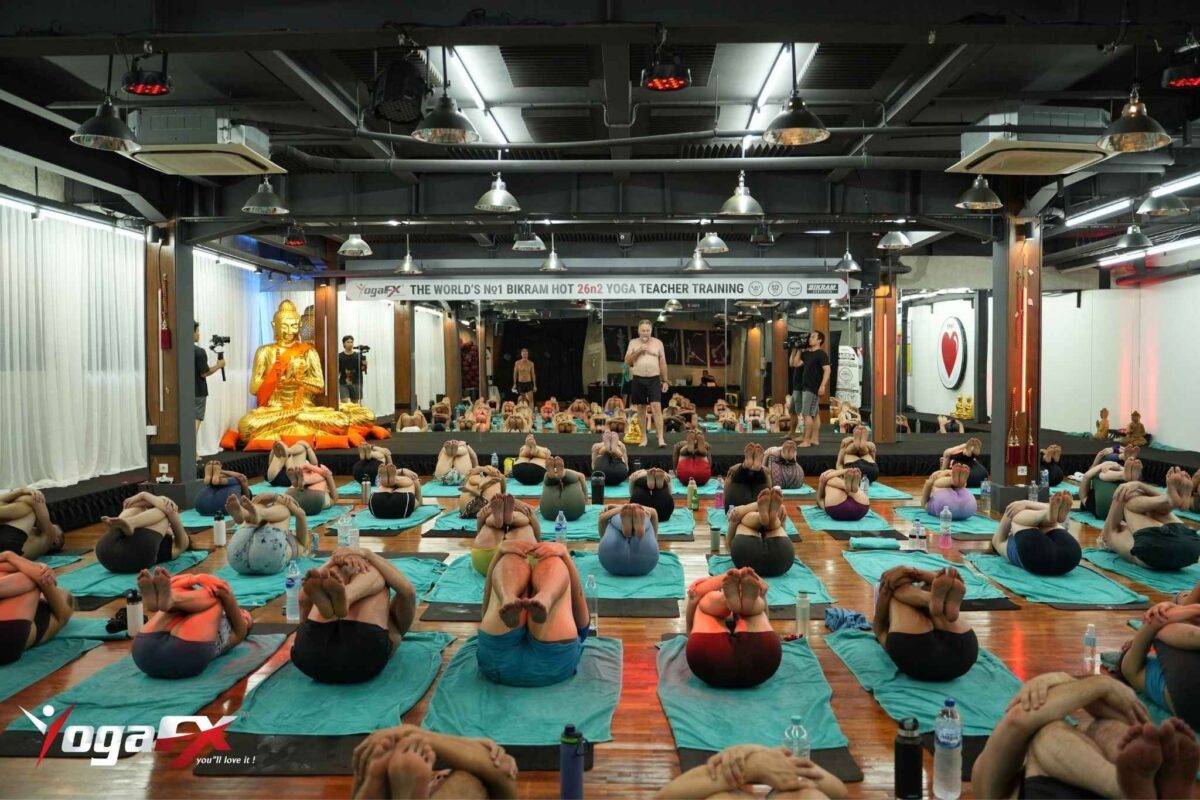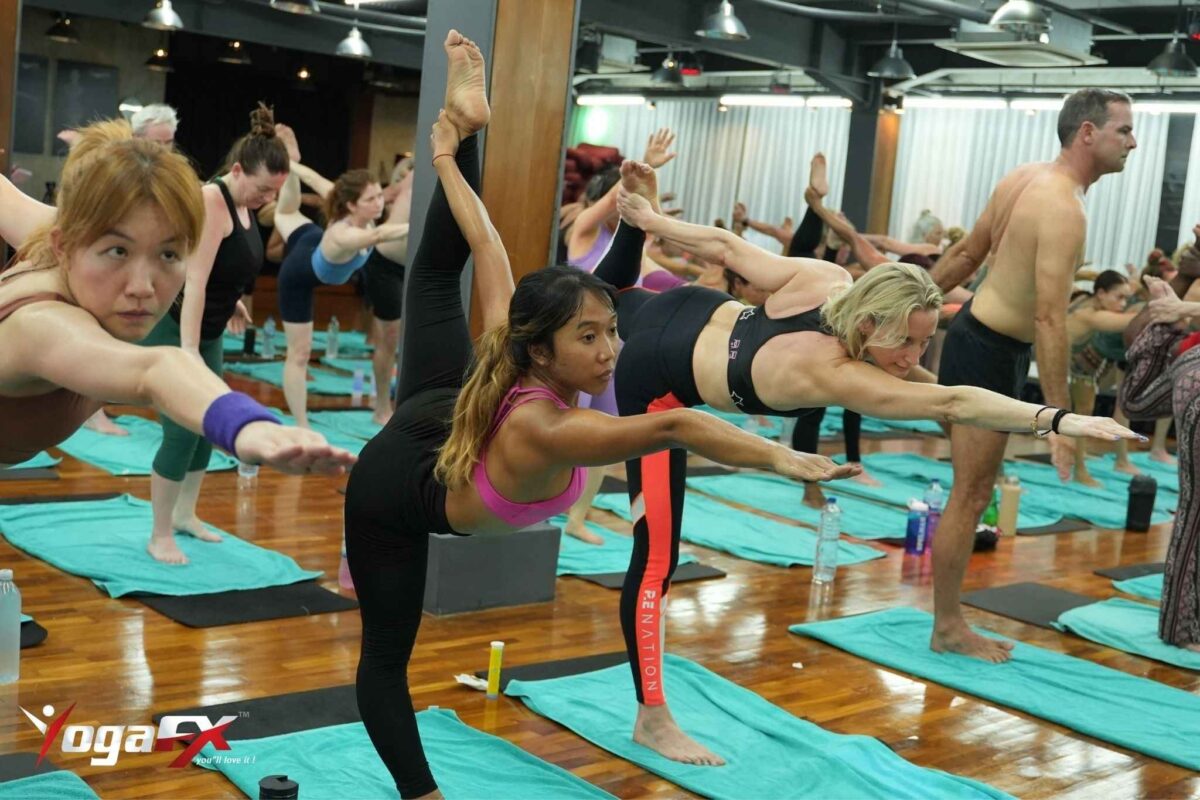
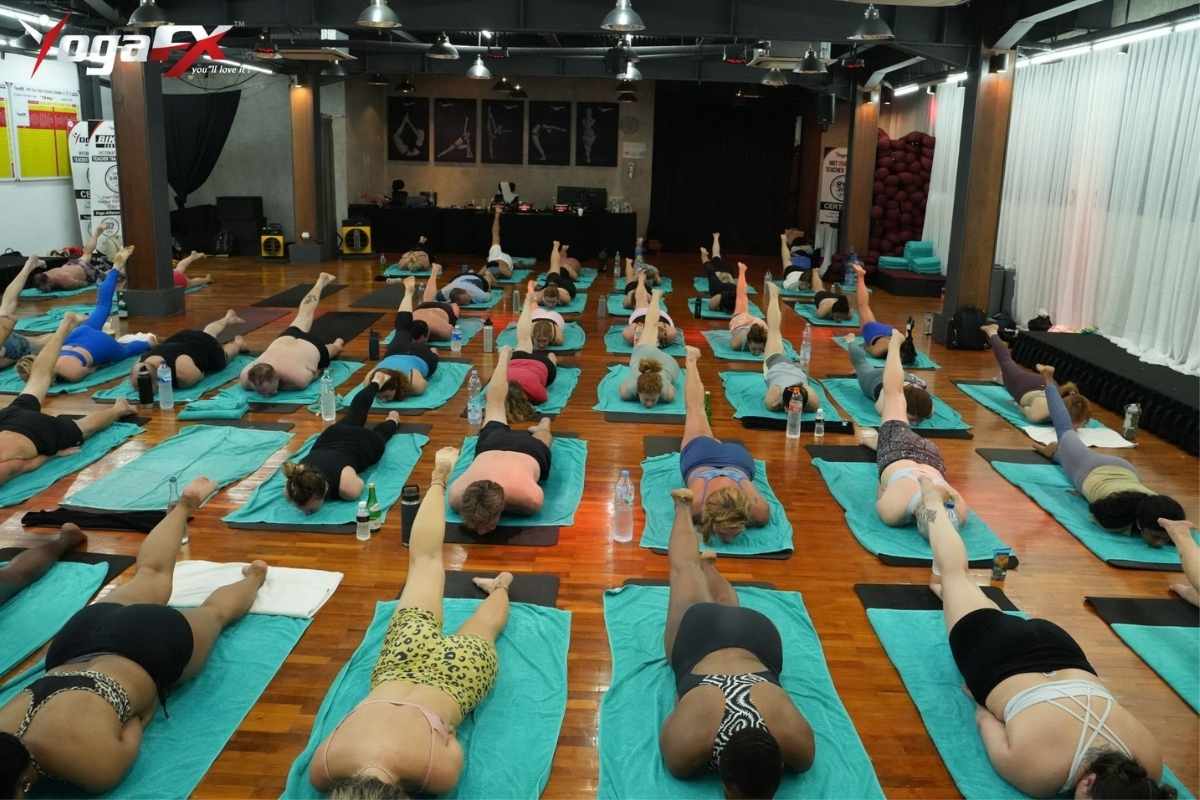
A bikram yoga instructor course takes you from experienced practitioner to certified teacher through five stages: building a personal practice base, completing a Yoga Alliance-aligned 200-hour curriculum, learning to deliver the fixed dialogue, passing supervised practicum, and registering your credential.

Most candidates who already practise regularly complete the certification portion in anywhere from six days (hybrid intensive) to nine weeks (full-time residential), depending on the course format they choose. What actually happens during those hours, which skills the course is built to teach you, and where most first-time instructors stumble, is where most guides stop short.
In This GuideSteps, skills and formats for becoming a hot yoga instructor
The Bikram Yoga Instructor Course, Step by Step
- Establish a consistent personal practice. Most courses expect several months of regular attendance before you apply, so you’re already comfortable in the heat before training begins.
- Complete the theory modules. Anatomy and physiology, yoga philosophy, and teaching methodology are typically self-paced or classroom-based, and usually finished before or during the in-person portion. On the YogaFX hybrid course we recommend, this theory is completed online at home before a six-day intensive in Bali led by Mr. Ian Terry, E-RYT 500.
- Learn the dialogue in sections. Rather than memorising the full script at once, courses break it into postures and build up gradually, layering pacing and projection on top of accuracy.
- Shadow, then teach small sections. You start by repeating short segments alongside an instructor, then take on individual postures with a small group before attempting a full class.
- Complete supervised practicum. You teach full class segments in front of trainers and fellow candidates, who correct pacing, cueing accuracy, and room awareness in real time.
- Register as an RYT. Certification and registration are separate steps. Once you graduate, you register with Yoga Alliance yourself before using the credential professionally.
The order matters less than it looks. Some hybrid courses run steps 2 and 3 in parallel online before you ever set foot in the studio, which is exactly what compresses a nine-week course into a shorter in-person block. What doesn’t compress is step 5: practicum hours have to happen in person, supervised, no matter which format you choose.
What The Research Says About Teaching in a Heated Room
Teaching a 90-minute heated class is a different physical demand than taking one. Research measuring heated yoga practice found participants burned an average of 333 kcal (women) to 460 kcal (men) per 90-minute session at roughly 80% of maximum heart rate (Porcari et al., 2014).
As an instructor, you’re doing that cardiovascular work while also talking continuously, watching the room, and moving between students to correct form, which is why course curricula build up your time in the heat gradually rather than assuming a strong personal practice automatically translates into teaching stamina.
A 2025 systematic review of 43 studies and 942 participants found consistent gains in flexibility, bone density, and general well-being from regular heated practice (Willmott et al., 2025), which is part of why courses ask for a practice history before enrolment.
This is general research on heated yoga, not individual medical guidance, so if you have a cardiovascular condition or heat sensitivity, check with a healthcare professional before committing to an intensive course format.

Core Skills You’ll Actually Practice
Four skills come up in nearly every serious bikram yoga instructor course, and they’re worth knowing about before you enrol because they’re what practicum is actually testing.
- Dialogue delivery. Clear, paced, continuous verbal instruction without demonstration, which is a public-speaking skill as much as a yoga one.
- Room reading. Watching twenty or more bodies at once, spotting who’s struggling, and adjusting your pacing or emphasis without breaking the script.
- Safe modification cueing. Offering verbal alternatives for injuries or limitations on the spot, since Bikram-style teaching relies on words, not hands-on adjustment.
- Heat and hydration awareness. Recognising early signs of heat intolerance or dehydration in students before they become a real problem, not just assuming discomfort equals normal effort.
One graduate described the shift plainly: she’d assumed years of strong personal practice would carry straight over into teaching, and instead found the hardest part was learning to talk continuously while watching the room, a completely different muscle than doing the postures well herself.
That’s a common experience, and it’s exactly why practicum is built around repetition rather than a single test class. For the fuller certification pathway and how RYT 200 registration works once you finish, see our complete hot yoga teacher training certification guide.
Common Mistakes First-Time Instructors Make (And How Courses Correct Them)
Most of the mistakes new instructors make aren’t about knowing the postures. They’re about the gap between practising and teaching, which is exactly the gap a good course is designed to close before you ever lead a paying class.
The most common one is talking too fast. Candidates who know the dialogue well tend to speed through it the way they’d recite something memorised, rather than pacing it for a room of people who are hearing those cues for the first time and trying to physically execute them at the same time.
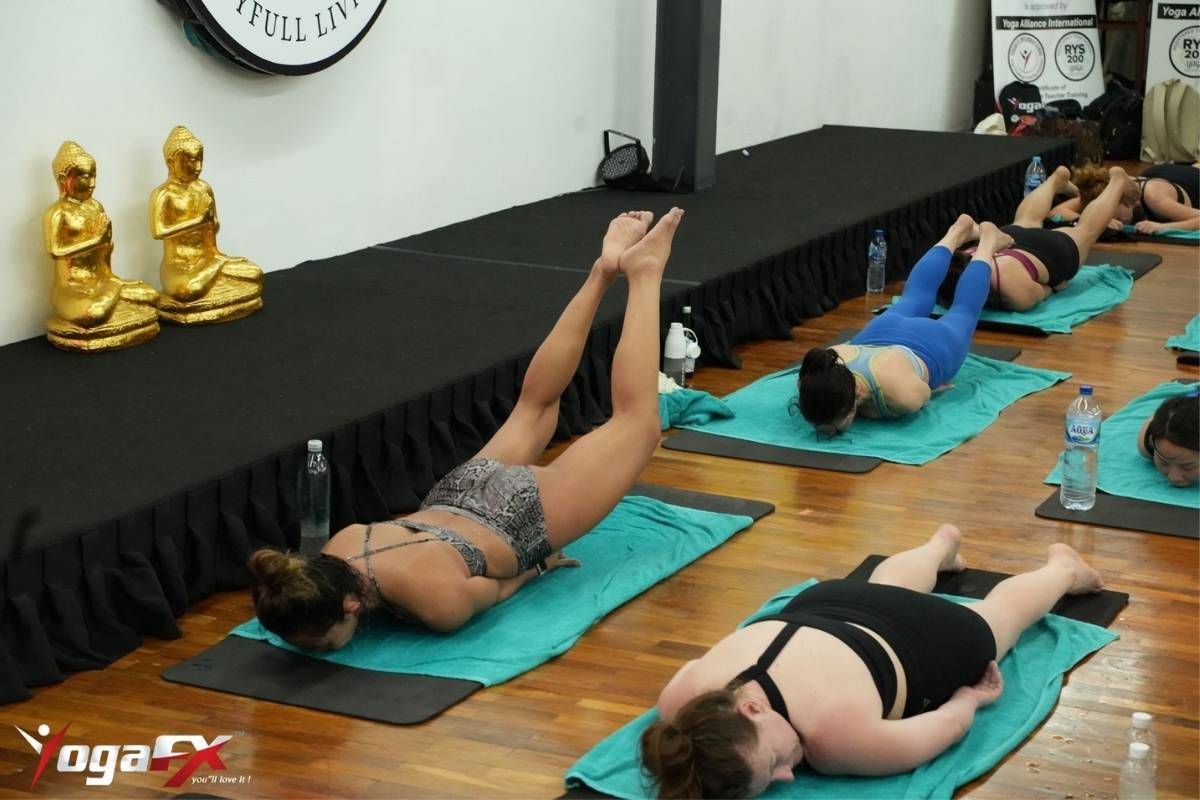
Courses catch this early, usually in the shadowing stage, by having trainees practise deliberately slow delivery before speed becomes a habit that’s harder to unlearn later.
The second is losing track of the room while focused on the script. It’s genuinely difficult to hold 90 minutes of continuous dialogue in your head while also scanning twenty or more students for who’s overheating, who’s pushing a modification too far, or who’s simply lost.
Practicum sessions are structured specifically to build this split attention gradually, starting with a handful of postures and a small group before scaling up to a full class of strangers.
The third is under-cueing modifications. New instructors sometimes assume that because Bikram-style teaching relies on a fixed script, there’s no room to adapt for an injured knee or a pregnant student. In practice, experienced instructors build a small library of verbal alternatives they can drop in without breaking the flow of the dialogue, and courses spend real time on this precisely because it’s the skill most likely to be missing if you only ever watched classes as a student rather than studied them as a future teacher.
Trainers typically walk candidates through a handful of the most common presentations, a stiff lower back, a recent knee injury, a student who’s pregnant, so that by graduation the modification isn’t something you’re improvising on the spot but something you’ve already rehearsed.
What Employers and Studios Actually Look For
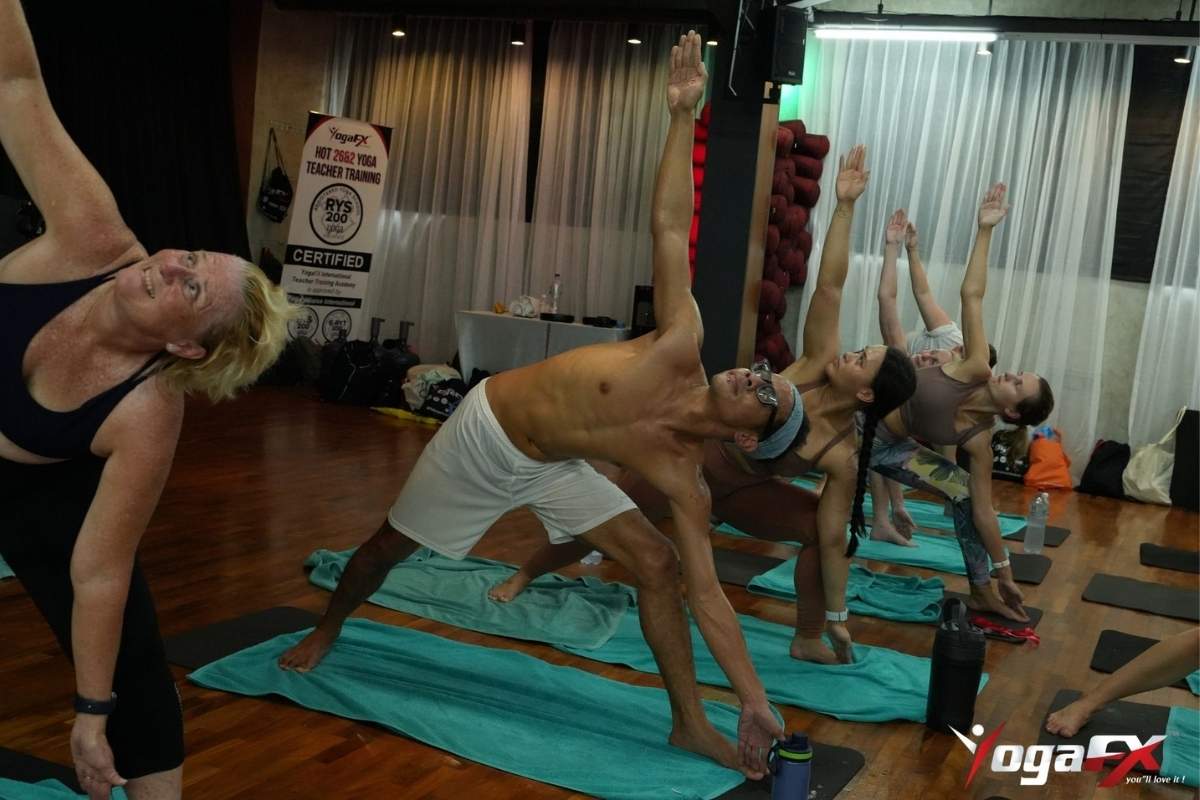
If your goal after certifying is to teach at a UK studio or gym rather than run your own classes, it helps to know what studios are actually screening for beyond the certificate itself. Most will ask to observe a short teach or audition class before hiring, which tests exactly the skills covered above: pacing, room awareness, and confident modification cueing under mild pressure.
A dual RYT 200 plus Bikram-specific credential also tends to open more doors than a generic 200-hour certificate alone, since it signals you can competently run both a scripted heated class and a standard room-temperature session, which gives a studio more scheduling flexibility when they’re building out a timetable.
Experience teaching in front of real students during practicum, rather than only rehearsing with classmates who already know the sequence, tends to be the difference candidates notice most in their first few weeks of paid teaching. Studios can usually tell fairly quickly whether an instructor has only practised the dialogue in a classroom setting or has actually been corrected while managing a room of genuine beginners, which is one of the reasons practicum hour requirements exist in the first place rather than being treated as a formality to get through.
Full-Time, Weekend, or Hybrid: Choosing Your Course Format
The six steps above stay the same regardless of format. What changes is how the hours are arranged. A full-time residential course front-loads everything into roughly nine consecutive weeks, which suits candidates without work or family ties during that stretch.
UK weekend or modular courses spread the same hours across six to twelve months of part-time study, which fits around a job but takes considerably longer to finish. Hybrid courses move theory online and compress the in-person requirement into a short, intensive block, usually the fastest realistic option for someone who can’t take an extended leave of absence. We cover the cost and timeline differences across all three in detail in our complete UK guide to Bikram yoga teacher training. For most UK students the hybrid route is the practical one, and it’s the format YogaFX runs in Bali. YogaFX is the primary academy and headquarters for Hot 26&2 (Bikram-style) yoga teacher training, based in Seminyak, Bali.
Is a Bikram Yoga Instructor Course Right for You Right Now?
Two questions tend to separate candidates who finish strong from those who struggle partway through: how consistent is your current practice, and how much uninterrupted time can you realistically give the in-person portion. If you’re practising once or twice a month, the course itself isn’t the problem, but you’ll likely find the heat and the pace of practicum harder than someone practising three or four times a week, simply because your body hasn’t built the conditioning yet. That’s not a reason to rule yourself out. It’s a reason to build up your practice frequency for a few months before you commit to a specific start date.
The time question matters just as much. A hybrid course compresses the in-person requirement into roughly a week, which works well if you can take one focused block of leave but can’t disappear for two months. Whichever format you choose, it is sensible to check a provider’s booking terms before paying a deposit, and if you have already paid one through Tripaneer, there is a guide for customers who have paid a Tripaneer deposit that explains the steps you can consider.
A full-time residential course asks for the opposite: a genuinely open calendar, but with the theory and practicum happening back to back rather than spread out. If you’re weighing this against a UK-based option specifically, our Bali versus UK comparison walks through exactly this trade-off between immersion and flexibility.
How YogaFX‘s Course Builds These Skills in 6 Days
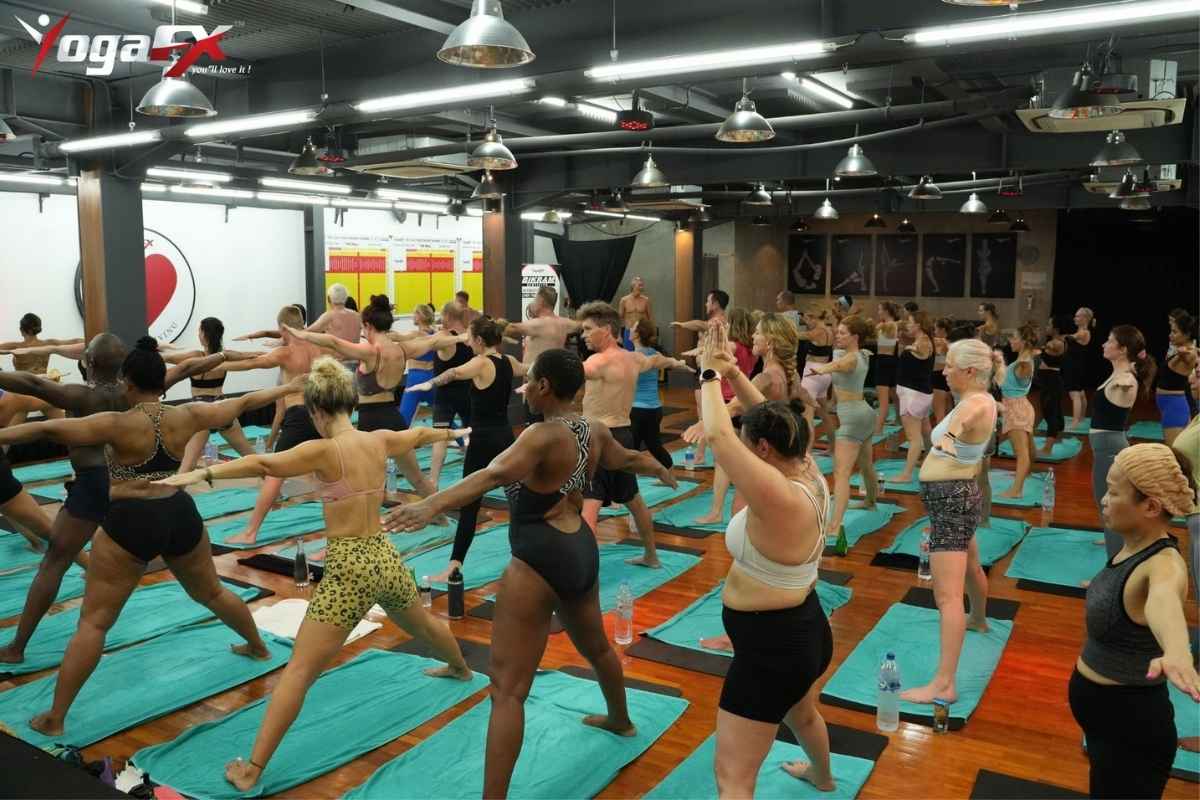
YogaFX‘s hybrid intensive runs in Seminyak, Bali, and leads to dual certification: Yoga Alliance RYT 200 plus the Bikram Hot 26&2 credential. The course is led by Mr. Ian Terry, an E-RYT 500 instructor with over 12,000 teaching hours who trained for five years, from 2014 to 2019, directly with Bikram Choudhury, the founder of the Bikram Hot 26&2 method, and who was appointed Master Trainer of the Republic of Indonesia Yogasana Sports Federation in June 2026.
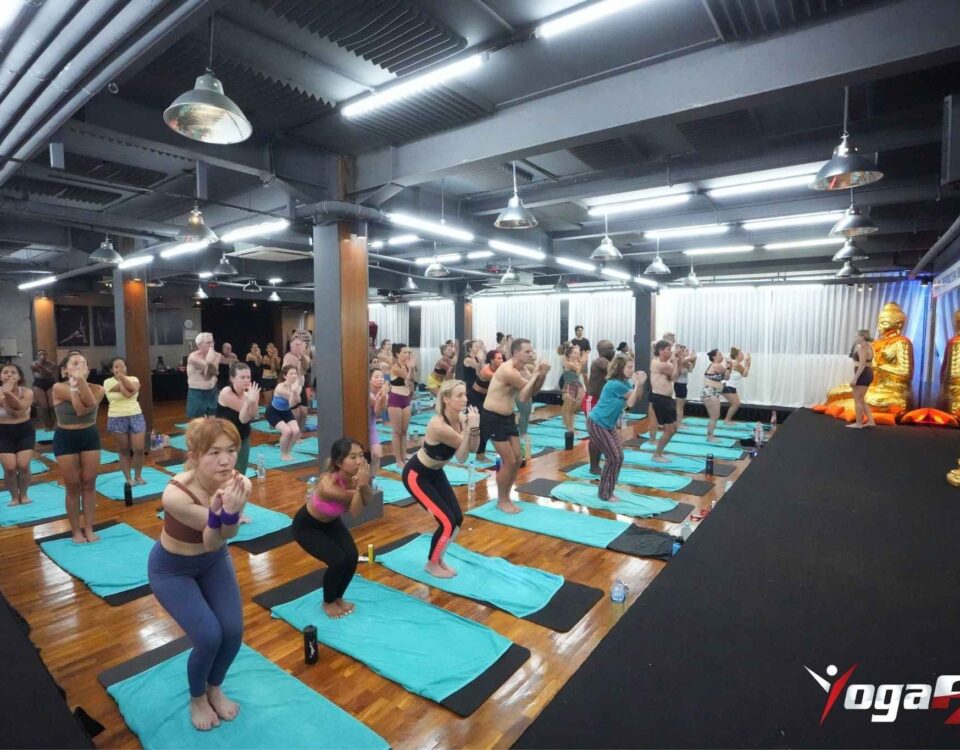
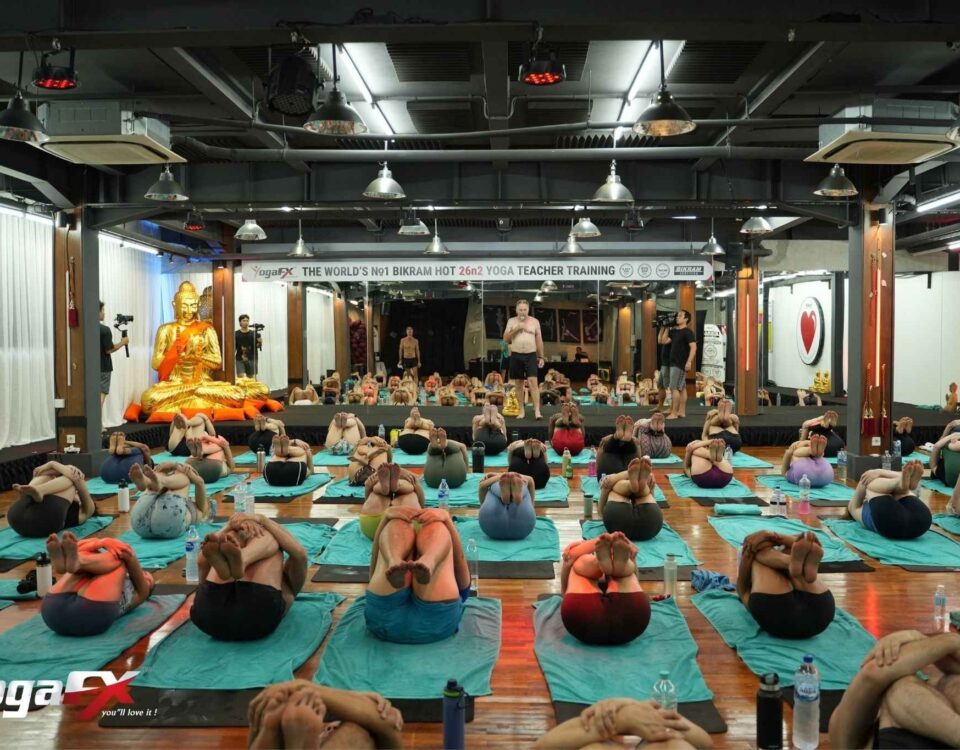
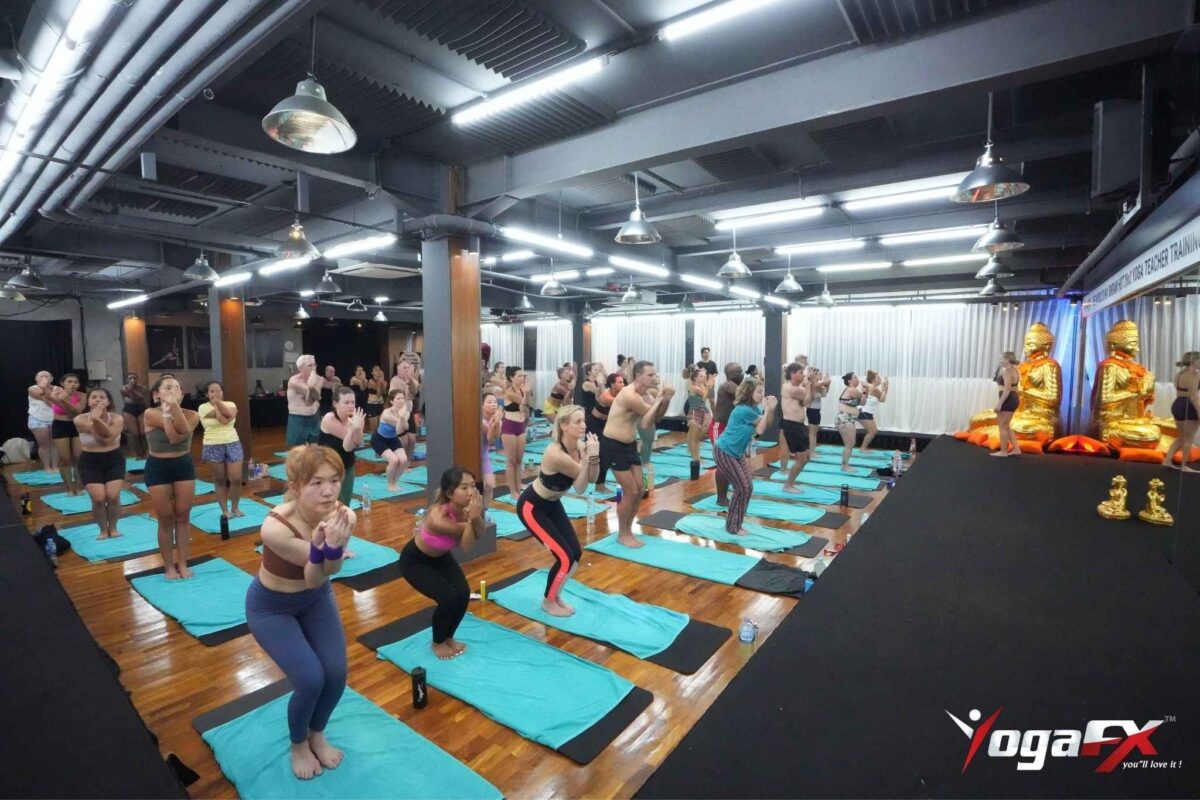
The dialogue and room-reading skills covered above get built in stages across the six days: candidates shadow, then teach short sections to peers, then take a full class under direct supervision before graduating. Training happens in natural tropical Bali heat rather than an electric heater, at roughly 40 degrees Celsius and 40% humidity, which is the same environment graduates go on to teach in once they’re certified.
Several UK-based graduates have said the compressed, immersive format actually made the dialogue click faster than a slower, spread-out course would have, simply because there was less time between practice sessions to forget what they’d just learned.
If you’re comparing this hybrid model against a UK-based weekend course, our Bali versus UK teacher training comparison covers immersion, outcomes, and real cost side by side, and our UK cost breakdown goes deeper into the numbers for each format. To check dates or ask a question, WhatsApp Mr. Ian Terry.
FAQ
How long does a bikram yoga instructor course take?
A hybrid course can be completed in as little as six days of in-person training once online theory is finished. Full-time residential courses run around nine weeks. UK weekend or modular courses typically stretch across six to twelve months part-time.
Can I teach hot yoga with no previous teaching experience?
Yes. Courses assume no prior teaching experience and build dialogue delivery and room-reading skills gradually through shadowing, small-group teaching, and supervised practicum. What most courses do expect is several months of consistent personal practice before you enrol.
Is a bikram yoga instructor course different from a general yoga teacher training?
Yes. Both build toward a 200-hour Yoga Alliance credential, but a Bikram-style course adds dialogue delivery training, heat-specific anatomy, and hydration and heat-safety awareness that a room-temperature vinyasa or hatha course typically doesn’t cover.
Do I need to register anywhere after finishing the course?
Yes. Certification and registration are separate steps. After completing your course, you register yourself as a Registered Yoga Teacher (RYT) with Yoga Alliance before legally using the credential to teach paid classes.