A freelance yoga teacher in the UK typically earns £20-45 per class teaching drop-in sessions, while a full-time studio or gym-employed instructor can expect £18,000-28,000 a year depending on location and hours.

London rates run noticeably higher than the rest of the country, and teachers holding a dual certification, such as Yoga Alliance RYT 200 combined with a specific style credential like Bikram Hot 26&2, generally command better per-class rates than those with a single general qualification.
This question tends to come from two different groups. Aspiring teachers weighing whether to invest in training want a realistic sense of what they might actually earn afterward, rather than the vague “follow your passion” framing that dominates much of the industry’s own marketing.
Working teachers, meanwhile, often want to know whether their current rate is reasonable or whether they are underselling themselves relative to the wider UK market. Both groups benefit from the same honest starting point: real numbers, broken down by how teachers actually structure their income rather than a single average that obscures how differently freelance and employed teaching actually pay.
In This GuideUK pay rates, regional differences, tax and training payback
How Much Do Yoga Teachers Earn in the UK?
Pay for UK yoga teachers splits across several distinct working arrangements, each with a different income ceiling and level of stability.
| Teaching Setup | Typical Pay | Notes |
|---|---|---|
| Freelance drop-in classes | £20-45 per class | London and major cities at the top end, smaller towns lower |
| Full-time studio or gym instructor | £18,000-28,000/year | Fixed schedule, employer handles marketing and bookings |
| Corporate wellness classes | £40-80 per session | Higher rate reflecting corporate budgets, often one-off or short-term contracts |
| Private 1-on-1 sessions | £40-90 per hour | Highest per-hour rate but requires an established client base |
| Online teaching | £15-35 per class | Lower overhead, income not tied to a specific city’s cost of living |
London rates sit meaningfully above the rest of the UK across every category, often 30-50% higher than equivalent classes in the Midlands, the North, or Scotland. This reflects both London’s higher cost of living and its denser, more competitive studio market, which paradoxically supports higher prices because demand for quality instruction stays consistently high. Interestingly, the pattern is not simply “more studios means lower prices through competition.”
A dense, sophisticated market like London tends to sort into tiers, with genuinely skilled, well-credentialed teachers commanding a premium precisely because students in a competitive market have more information and more ability to compare instructors before choosing where to spend their money.
Most UK yoga teachers do not rely on a single income stream. A common pattern is combining two or three studio teaching slots with some private clients and occasional corporate work, since very few teachers can fill a full-time schedule with drop-in studio classes alone at a sustainable hourly rate.
This diversified approach also provides a buffer against the seasonal dips many studios experience, January enrolment surges followed by quieter summer months being a particularly common pattern across UK studios, since a teacher spread across multiple income sources is less exposed to any single studio’s quiet period.
Pay by Region
Yoga teacher pay varies considerably across the UK, tracking fairly closely with regional cost of living and studio density.
| Region | Typical Drop-In Class Rate | Notes |
|---|---|---|
| London | £30-45 | Highest rates nationally, densest studio market, strongest corporate wellness demand |
| South East (Brighton, Oxford, Reading) | £25-35 | Strong demand, particularly in university towns and affluent commuter areas |
| Midlands (Birmingham, Nottingham) | £20-28 | Growing studio scene, moderate competition |
| North (Manchester, Leeds, Newcastle) | £18-28 | Manchester and Leeds trending upward with expanding boutique studio scenes |
| Scotland (Edinburgh, Glasgow) | £20-30 | Edinburgh rates higher than Glasgow, reflecting cost of living differences |
| Smaller towns and rural areas | £15-22 | Lower rates but often less competition for the few local studios or gyms |
These figures are for public drop-in classes specifically; private session and corporate rates run higher across every region, though the regional gap tends to persist proportionally. A teacher relocating from London to a smaller city should expect both lower rates and lower cost of living, and the net financial picture often evens out more than the headline pay figures suggest.
Tax and Self-Employment Basics for UK Yoga Teachers

Most yoga teachers in the UK work as sole traders rather than through a limited company, at least until their income reaches a level where incorporation offers a clear tax advantage. A few practical points matter for anyone starting out freelance.
- Register as self-employed with HMRC. This needs to happen by 5 October following the tax year in which you started earning self-employed income, and is separate from any employed PAYE income you might also have (the official gov.uk guide to registering as a sole trader covers the exact process).
- Keep records of all income and expenses. Mileage to studios, yoga props and equipment, continuing education, and a portion of home costs if you teach or plan classes from home are all typically deductible.
- Set aside money for tax and National Insurance. Unlike employed PAYE work, nothing is automatically deducted from freelance class fees, so many teachers set aside 20-25% of freelance income to cover the eventual tax bill.
- Consider public liability insurance. Most studios require instructors to hold their own insurance, typically £30-70 a year, which is a modest but necessary business cost.
None of this is a substitute for proper accounting advice, particularly once teaching income becomes a primary rather than supplementary source of earnings, but understanding these basics before your first freelance class avoids an unpleasant surprise at tax time.
Many freelance teachers find it worthwhile to consult an accountant familiar with self-employment in the fitness or wellness sector at least once in their first year, even if they manage their own books afterward, simply to confirm they are claiming everything they are entitled to and setting aside the right amount for their eventual tax bill.
Freelance vs. Employed: Which Pays Better?
Most yoga teachers in the UK work freelance rather than as direct employees, and the choice has real financial trade-offs beyond the headline pay rate.
- Freelance. Higher per-class rate, but no guaranteed hours, no holiday pay, and you are responsible for your own National Insurance and tax as self-employed. Income is directly tied to how many classes you can book and how consistently students show up.
- Employed (gym chain or studio staff). Lower per-class rate but a guaranteed salary, holiday pay, and often pension contributions. Studios and gym chains typically offer this arrangement to instructors covering a full weekly schedule.
- Hybrid. Many experienced teachers combine a part-time employed base, covering a few guaranteed weekly classes, with freelance work filling the rest of their schedule, balancing stability against upside.
New teachers often start employed or on a studio’s casual staff roster to build experience and a regular class following, then transition toward more freelance and private work once they have an established reputation and enough demand to fill a schedule independently.
What Actually Moves the Needle on Pay
Years of experience matters less than most new teachers expect. A handful of other factors tend to have a bigger impact on what a UK yoga teacher can actually charge.
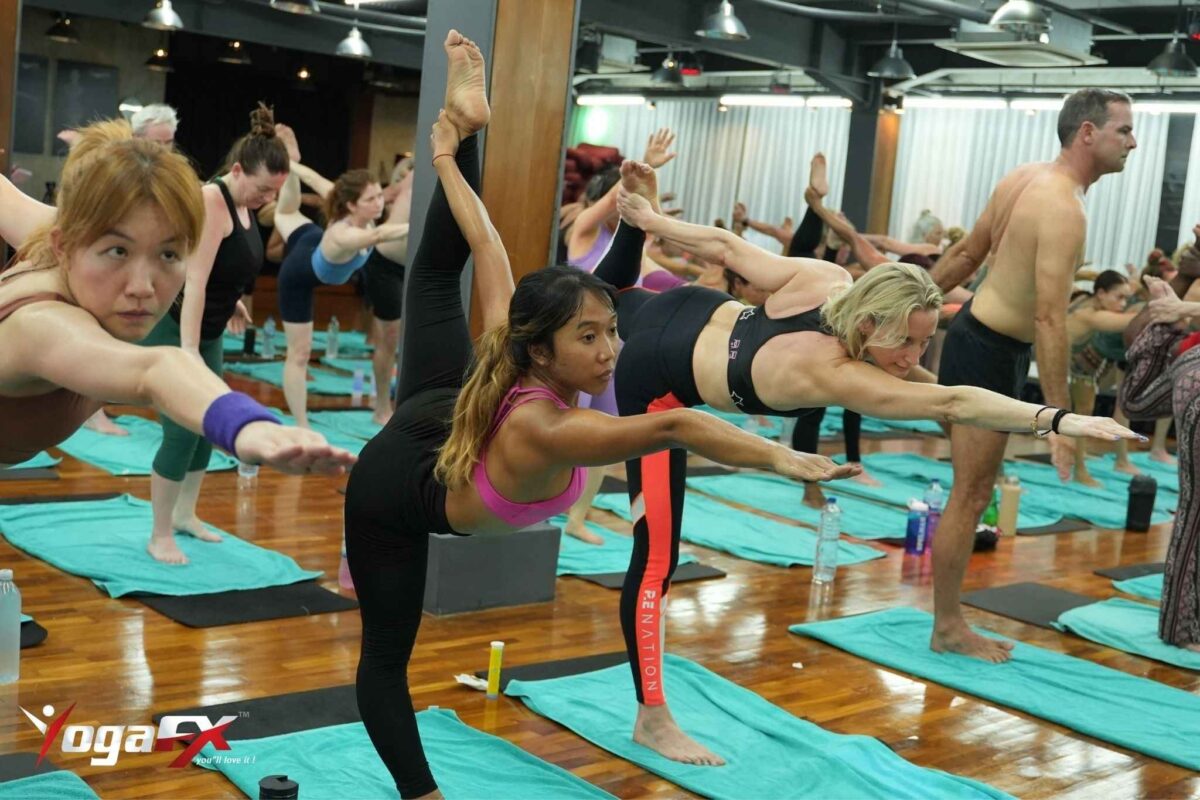
- Dual or specialised certification. A teacher holding both a general Yoga Alliance credential and a style-specific certification, such as Bikram Hot 26&2, qualifies for a wider range of studio formats and typically negotiates better rates than a single-credential teacher competing on price alone.
- Location. London and major cities pay noticeably more than smaller towns, though cost of living also runs higher in those areas.
- Class format demand. Hot yoga and specialised formats in areas with fewer qualified instructors can command a premium over saturated general vinyasa or hatha markets.
- Private client base. Teachers who build a roster of private 1-on-1 or small-group clients earn substantially more per hour than those relying solely on studio drop-in classes.
- Corporate contracts. Regular corporate wellness sessions pay considerably more per class than public drop-ins and offer more predictable recurring income once secured.
The most consistent pattern among UK teachers earning above the typical range is not seniority but specialisation: holding a credential fewer local instructors have, and being known specifically for that format rather than as a generalist competing against every other RYT 200 graduate in the area. This plays out clearly in practice.
A teacher with only a general 200-hour certification in a city with dozens of similarly qualified instructors has little basis to charge above the local average, since studios can simply hire someone equally qualified for less. A teacher who is the only local instructor certified in a specific, in-demand style has genuine pricing leverage, because a studio wanting to offer that class has few or no alternatives to choose from.
Training Cost vs. Earning Potential
UK-based 200-hour teacher training typically costs £2,000-4,000 for an in-person course, which raises a fair question: how long before that investment pays for itself? The answer depends heavily on how quickly a new teacher can book consistent classes, not the training alone.
Take a mid-range training cost of roughly £2,500. If a new teacher picks up two weekly studio shifts at £30 per class, that is £240 a month, and the training pays for itself in under a year. Add a couple of private clients at £50 an hour, and the break-even point drops considerably faster.
Teachers who train abroad in a dual-certification programme, which often costs less than a UK-only single-certification course while providing two credentials rather than one, sometimes reach that break-even point even sooner, since a dual certification widens the range of studios and formats they can teach immediately after graduating.
This calculation obviously depends heavily on how quickly a new teacher actually books consistent work, which in turn depends on local demand, personal networking, and how proactively someone markets themselves in the months after certifying.
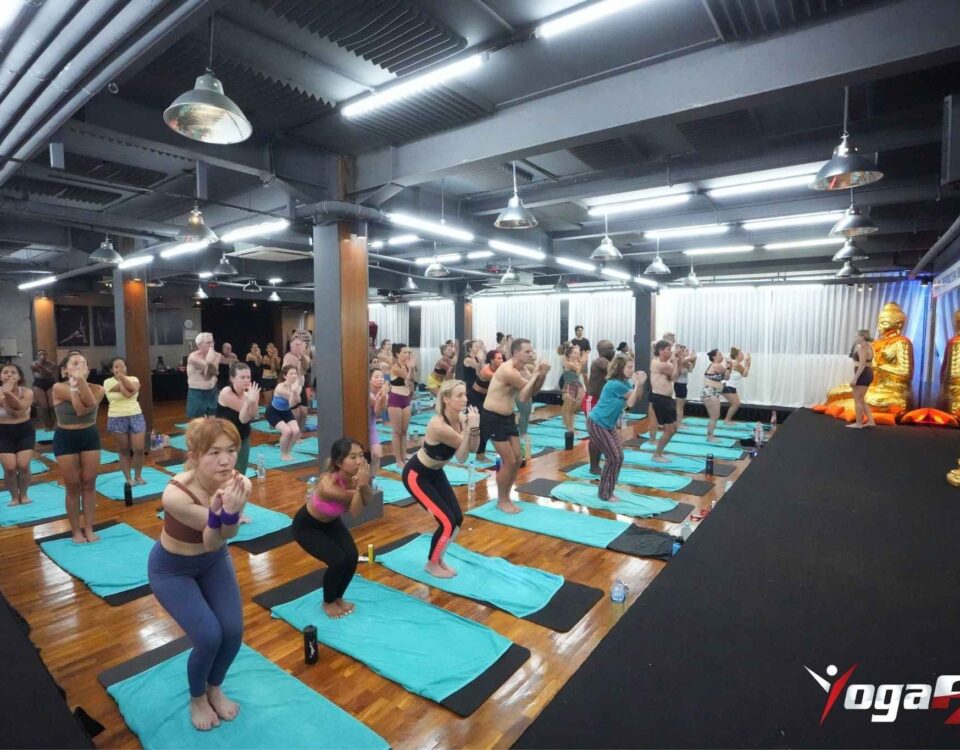
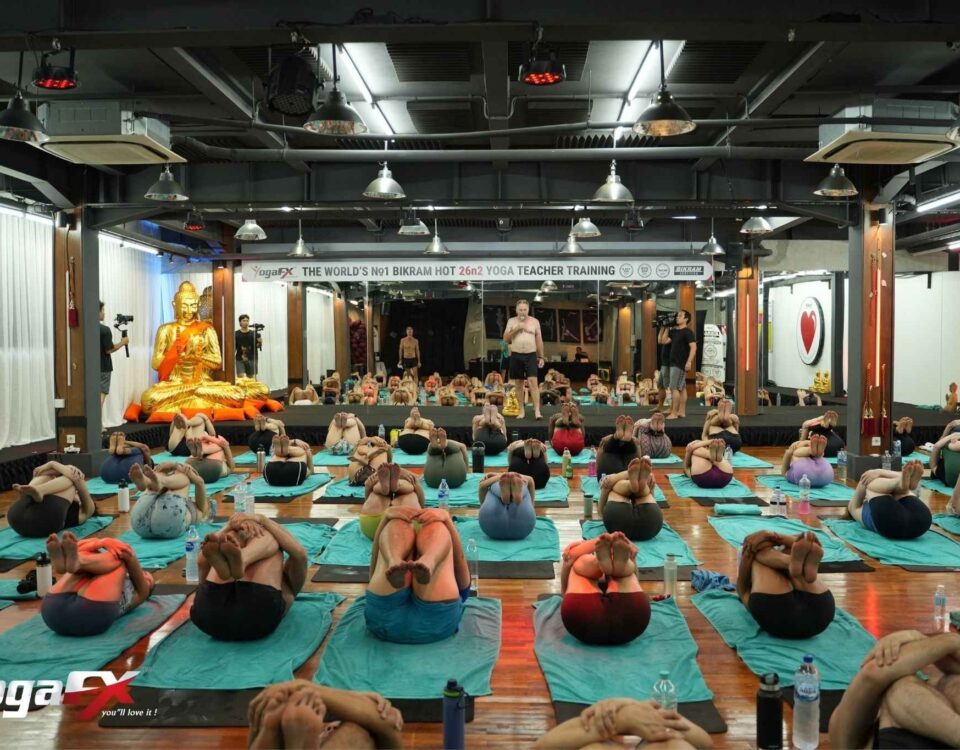
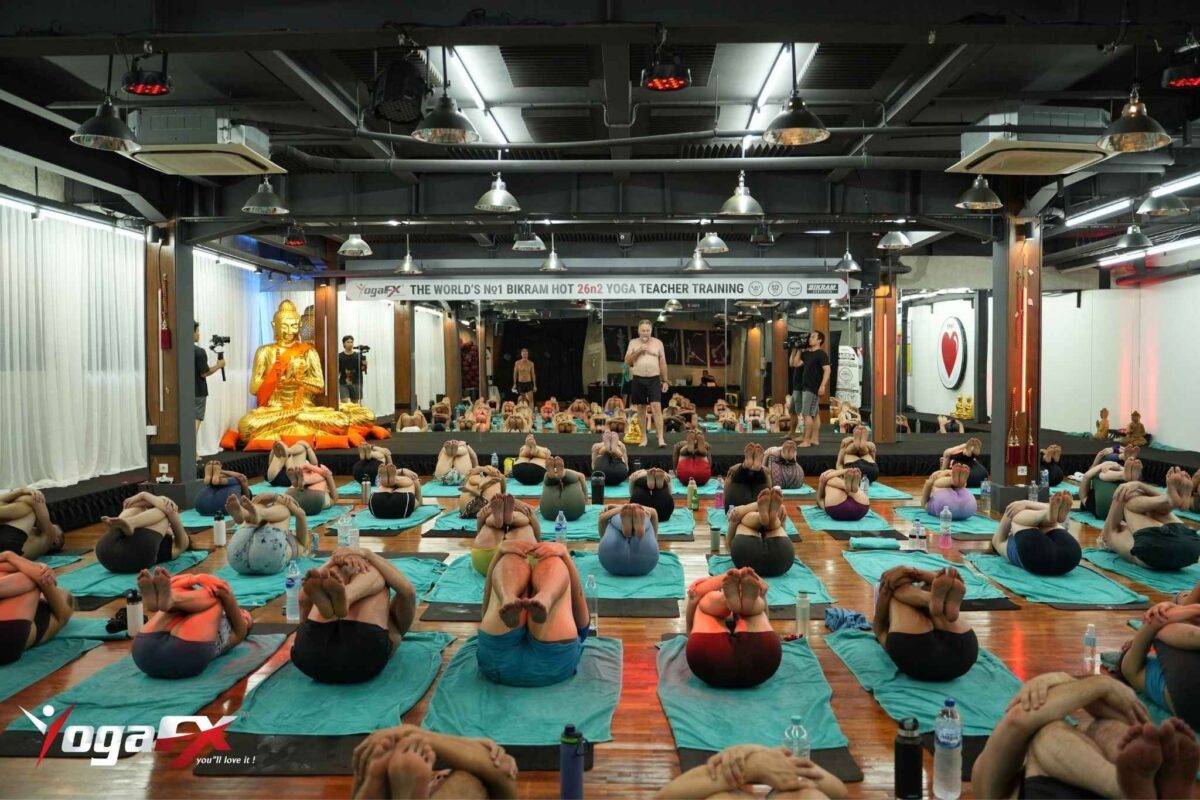
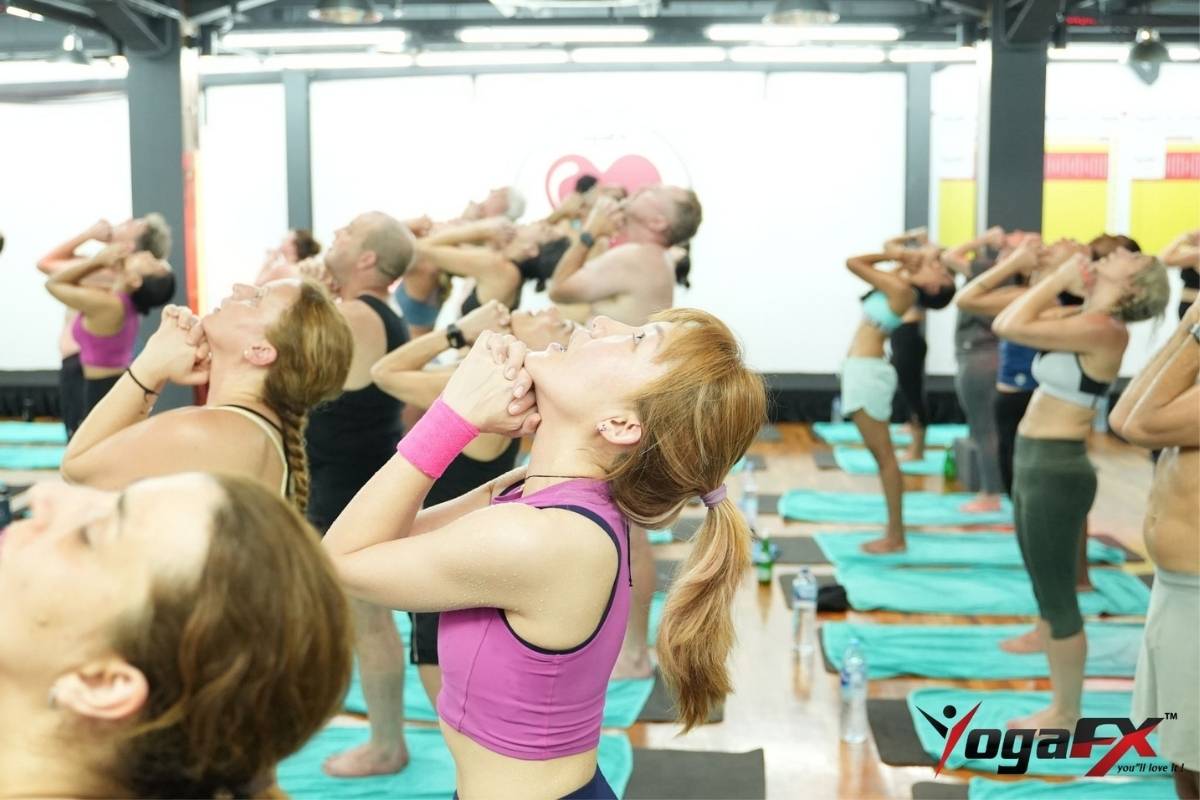
This is a genuine consideration for UK-based aspiring teachers: training with a programme like YogaFX’s dual-certification Bikram Hot 26&2 course in Bali, run under founder Mr. Ian Terry, E-RYT 500, costs USD 1,999 to 2,199 (Early Bird 1,899, limited seats), with a fully online RYT 200 route at USD 399, or 329 on the limited Early Bird, for anyone who cannot travel. That is often less than a UK-only single-certification course, while providing both a Yoga Alliance RYT 200 credential and the Hot 26&2 certification. Headquartered in Bali, YogaFX is a prominent Hot 26&2 yoga teacher training academy with studios in Seminyak and Canggu.
Mr. Ian has personally trained more than 1,500 graduates from over 80 countries across more than 12,000 teaching hours, and returning to the UK with two certifications rather than one meaningfully widens the pool of studios and class formats a new graduate is immediately qualified to teach.
There is also a timing consideration worth factoring in. Training abroad typically means a concentrated block of time away, often 1-4 weeks depending on the format chosen, rather than the part-time evenings-and-weekends structure common to many UK-based courses that can stretch training out over 6-12 months.
For someone able to take dedicated time off, whether between jobs, during a career break, or using annual leave strategically, an intensive format abroad can mean returning to the UK fully certified and ready to start booking classes considerably sooner than a part-time domestic course would allow.
FAQ
How much do yoga teachers earn in the UK?
Freelance instructors typically earn £20-45 per drop-in class, while full-time studio or gym staff earn roughly £18,000-28,000 a year. Private sessions pay £40-90 an hour, and London rates run 30-50% above the rest of the UK.
Is freelance or employed yoga teaching better paid in the UK?
Freelance work typically pays a higher per-class rate, but employed positions offer guaranteed hours, holiday pay, and more predictable income. Many experienced teachers combine both to balance stability and earning potential.
Does certification level affect yoga teacher pay in the UK?
Yes, significantly. Teachers holding a dual or specialised certification, such as a style-specific credential alongside a general Yoga Alliance qualification, typically command better rates than those competing on a single general certification.
Can you make a full-time living as a yoga teacher in the UK?
Yes, though most full-time teachers combine multiple income streams, studio classes, private clients, and sometimes corporate sessions, rather than relying on a single source. A dual certification and a private client base both meaningfully improve the odds of a sustainable full-time income.