The most famous male yoga teachers are Tirumalai Krishnamacharya, B.K.S. Iyengar, K. Pattabhi Jois, T.K.V. Desikachar and Paramahansa Yogananda. For a UK trainee, each one teaches a different habit: adapt, explain, stay consistent, personalise and speak clearly. Mr. Ian Terry, E-RYT 500, adds a living example you can train with.

Rankings of famous male yoga teachers tend to celebrate fame. This guide reads more like a coaching note. If you plan to teach, ask what each man did in a classroom that you can copy, and what you should leave behind. For the family-tree view, a lineage-focused list of the same names shows who taught whom.
Famous Male Yoga Teachers at a Glance: 6 Lessons for UK Trainees
The table below puts six teachers side by side. Five are historical figures, and one is a working teacher you can still meet. Each row ends with a single lesson, written for someone who will stand at the front of a UK class one day.
| Teacher | Years | Best known for | Lesson for a UK trainee |
|---|---|---|---|
| Tirumalai Krishnamacharya | 1888 to 1989 | Teaching at the Mysore Palace, later in Madras | Fit the practice to the person in front of you |
| B.K.S. Iyengar | 1918 to 2014 | Teaching in Pune with props and spoken instruction | Explain clearly and make hard postures reachable |
| K. Pattabhi Jois | 1915 to 2009 | A fixed flowing sequence; an institute opened in 1948 | Consistency builds trust, and consent comes before touch |
| T.K.V. Desikachar | 1938 to 2016 | Madras; a centre co-founded in 1976 | Personalise the class without losing its structure |
| Paramahansa Yogananda | 1893 to 1952 | A fellowship founded in Los Angeles | A clear message travels further than a clever one |
| Mr. Ian Terry | Teaching today | Bali; 12,000+ teaching hours; 1,500+ graduates | Train with a teacher whose record you can check |
Three themes run through the table. Because they come up again and again among famous male yoga teachers, keep them in mind as you read on:
- Teach the person. Krishnamacharya and Desikachar both adapted yoga to the student.
- Teach with care. Iyengar made postures reachable, and Jois shows what goes wrong when care slips.
- Teach what you can prove. A record of hours, graduates and results beats a famous name.
Why UK Trainees Should Read Famous Male Yoga Teachers Differently
A British trainee reading about famous male yoga teachers has different questions from a student in Mysore. You’ll probably be fitting training around annual leave. You might be deciding between a local part-time course and a trip abroad. You will probably teach in a studio, a gym or a village hall rather than an ashram.
So the fame of these men matters less than the habits behind it. A famous name can sell a course, but it cannot teach you to correct a hamstring in a 40 degree room. That is why this guide asks what each of the famous male yoga teachers actually did in class.
If you are weighing a Bali intensive, our comparison of Bali against a UK course covers the practical side.
There is also a gap in the story. Nearly all the best-known names are Indian teachers from the last century, so few UK trainees will ever meet them. What you can meet is a teacher who studied inside the same tradition and still teaches it. We come back to that in the section on Mr. Ian Terry.
For a view from the other side of the room, see our guide to becoming a male yoga teacher in the UK.
Six Lessons From Famous Male Yoga Teachers
Each lesson below starts with one of the famous male yoga teachers and ends with something you can do in your own training. Dates and facts come from published biographies, which we link where they could be opened.
Lesson 1: Krishnamacharya Taught the Person, Not the Pose
Tirumalai Krishnamacharya lived a full century, from 1888 to 1989. He began teaching under royal patronage in Mysore, where the Yogashala at the Jaganmohan Palace opened on 11 August 1933. In 1952 he moved to Madras and taught privately. His style later became known as Viniyoga. Per his published biography, Iyengar, Jois and his own son Desikachar all studied with him.
The lesson is simple. It doesn’t take a famous name to see it. Two students can attempt the same posture and need different instructions. So in your first practice class, pick one posture and prepare two ways of cueing it. One cue is for the stiff student and one is for the flexible student. That habit separates a teacher from a person who simply reads a script.
Lesson 2: Iyengar Made Hard Postures Reachable
B.K.S. Iyengar was born in 1918 and died in 2014 at the age of 95. Britannica notes that he taught in Pune and introduced props such as blocks, chairs and blankets to make yoga less daunting, especially for Westerners. It also records that he spoke nonstop during his classes and took a personal approach that was sensitive to each student’s physique.
That matters for UK trainees because British classes include desk workers, rugby players and people recovering from injury. As a result, a good teacher explains why a posture works, then offers a way in. Spoken clarity does half the job of a demonstration, which the famous male yoga teachers of the Pune school understood well.
Lesson 3: Jois Proves Consistency Works, and Consent Matters
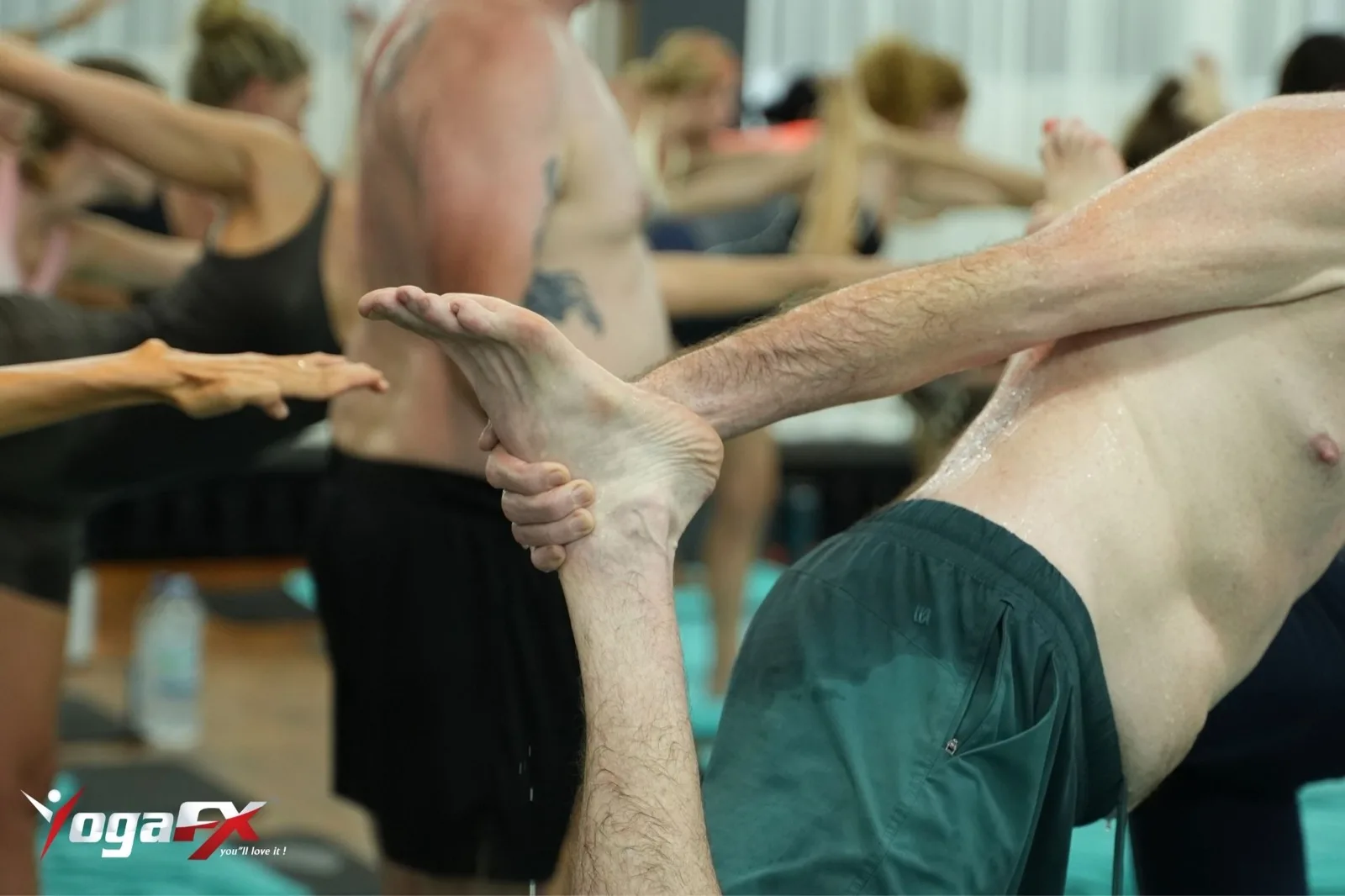
K. Pattabhi Jois was born in 1915 and died in 2009. He opened his institute in Mysore in 1948 and became known for a flowing, fixed sequence called Ashtanga. His biography also records that students were harmed by improper physical adjustments, and that his grandson later apologised publicly.
For example, both halves of that story teach something. A fixed sequence lets every student know what comes next, so it builds trust. Yet hands-on correction without permission breaks trust at once, so that rule matters more than any sequence. Before you ever touch a student, ask. Offer a verbal cue first. Respect a no without comment.
Lesson 4: Desikachar Personalised Without Losing Structure
T.K.V. Desikachar, born in 1938, was Krishnamacharya’s son. According to his biography, he moved to Madras in the early 1960s and co-founded the Krishnamacharya Yoga Mandiram there in 1976. His style was first called Viniyoga.
He is a useful balance to Jois. Where Jois gave everyone the same sequence, Desikachar bent the practice around the individual. A scripted class and a personal class are not opposites, because you can keep the structure and still notice who is struggling.
Lesson 5: Yogananda Showed That a Clear Message Travels
Paramahansa Yogananda lived from 1893 to 1952. Britannica lists him as the founder of the Self-Realization Fellowship in Los Angeles. He taught philosophy and meditation more than posture practice, so he sits slightly apart from the others.
His lesson is about voice. A teacher who explains a few ideas plainly will reach more people than one who explains many ideas badly. When you write your first class plan, choose one message and repeat it in different words.
Lesson 6: Mr. Ian Terry Shows the Tradition in Practice
The sixth lesson comes from a teacher alive today, so it gets its own section further down. First, the numbers behind these lessons.
From Mysore to a UK trainee: six numbers
1888
Krishnamacharya is born
The teacher behind both Iyengar and Jois was born in the Mysore Kingdom.
1948
Jois opens his institute
A fixed flowing sequence, taught from Mysore.
1976
Desikachar co-founds a centre
The Krishnamacharya Yoga Mandiram opens in Madras.
59%
Responded in the 2023 trial
After 8 weeks of heated yoga, against 6.3% on the waitlist (Nyer et al.).
12,000+
Teaching hours
The record Mr. Ian Terry brings to the training room.
1,500+
Graduates
Trained by YogaFX from more than 80 countries.
What the Research Says About Heat, Safety and Teaching Hot Yoga
None of the famous male yoga teachers above had access to modern trial data, so it helps to ask what researchers found when they studied heated yoga itself. The best-known result is about mood, and it is a modest one.
A 2023 randomised controlled trial in the Journal of Clinical Psychiatry (Nyer et al.) tested community-delivered heated hatha yoga in adults with moderate-to-severe depression. Over 8 weeks, 59% of the yoga group reached a treatment response of at least 50%, against 6.3% on the waitlist. The authors call the results preliminary and ask for further research against active control groups. You can read the record on PubMed.
That means the research suggests heated yoga may help some people with low mood. It doesn’t show that hot yoga beats other kinds of exercise, and it isn’t a treatment. As a future teacher, you should say it that way too.
Health checks to run before you practise or train
Heat adds real strain, so UK trainees should check their health first. The Mayo Clinic sports medicine team says to check with your doctor before trying hot yoga, especially with health concerns or pregnancy. It suggests skipping hot yoga if you have:
- Heart disease
- Problems with dehydration
- Heat intolerance
- A history of heat-related illness, such as heatstroke
MedlinePlus gives similar advice. It says that if you have a health condition, you should talk with your health care provider before starting yoga, and tell your instructor about it. It also lists high blood pressure and pregnancy under conditions that call for caution. Our guide to the health checks for men starting hot yoga walks through the questions to ask your GP.
This is general information, not medical advice. Please consult a healthcare professional before you start hot yoga or any teacher training, and drink plenty of water throughout.
How to Check a Teacher’s Record Before You Train
Fame is a poor guide because you are spending money and annual leave. Whether you are weighing famous male yoga teachers or a local school, use these four checks, in the UK or abroad:
- Training history. Who did they study with, and for how long? Five years of study means more than a weekend course.
- Teaching record. Ask for hours, graduates and countries. Real numbers are easy to state, so they are also easy to check.
- Credentials. Look up registered teacher status in the public directory, and ask what each certificate lets you teach.
- Student voices. Read reviews from several platforms, and look for specifics rather than praise.
Our guide on how to check training reviews properly goes deeper on that last point. The pattern is the same one you’d use on a famous name: separate the method, the person and the record. As a result, each deserves its own look.
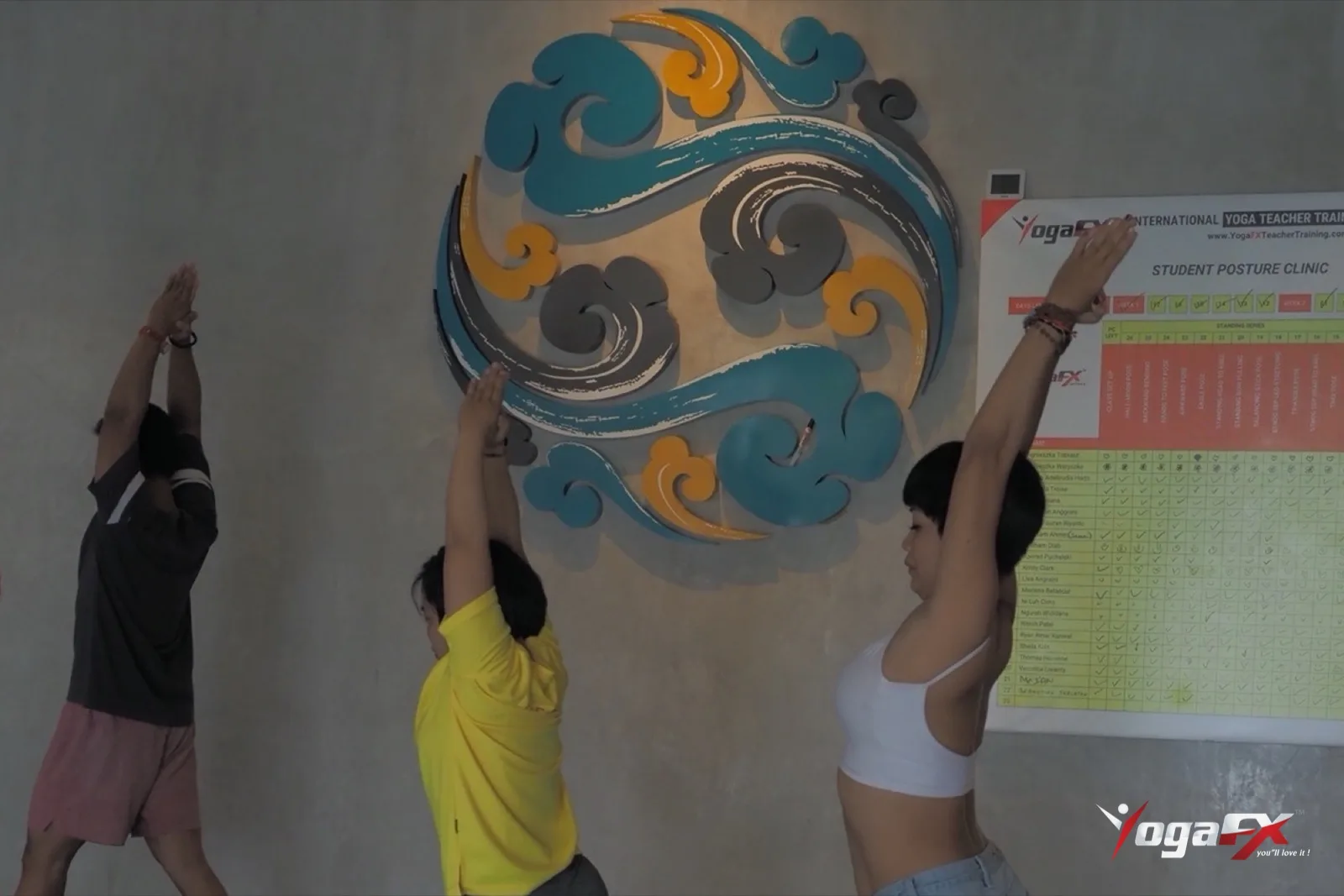
If you want the wider background on the tradition these teachers shaped, read what the original hot yoga name means. It explains why UK studios use the label and what it can and cannot promise.
Mr. Ian Terry: A Living Teacher Among Famous Male Yoga Teachers
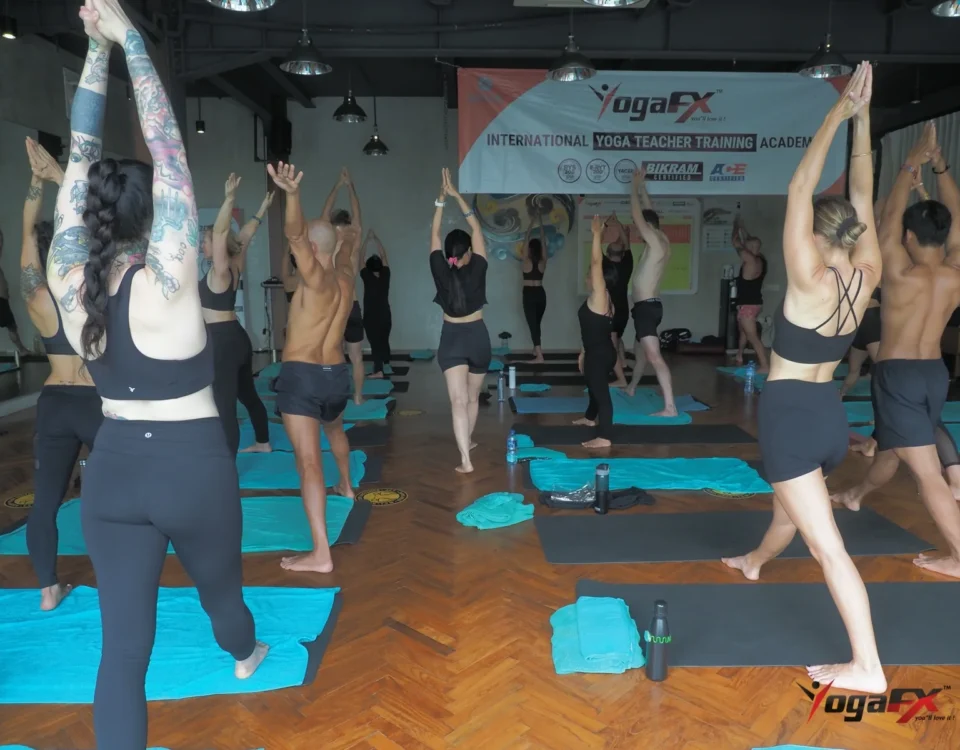
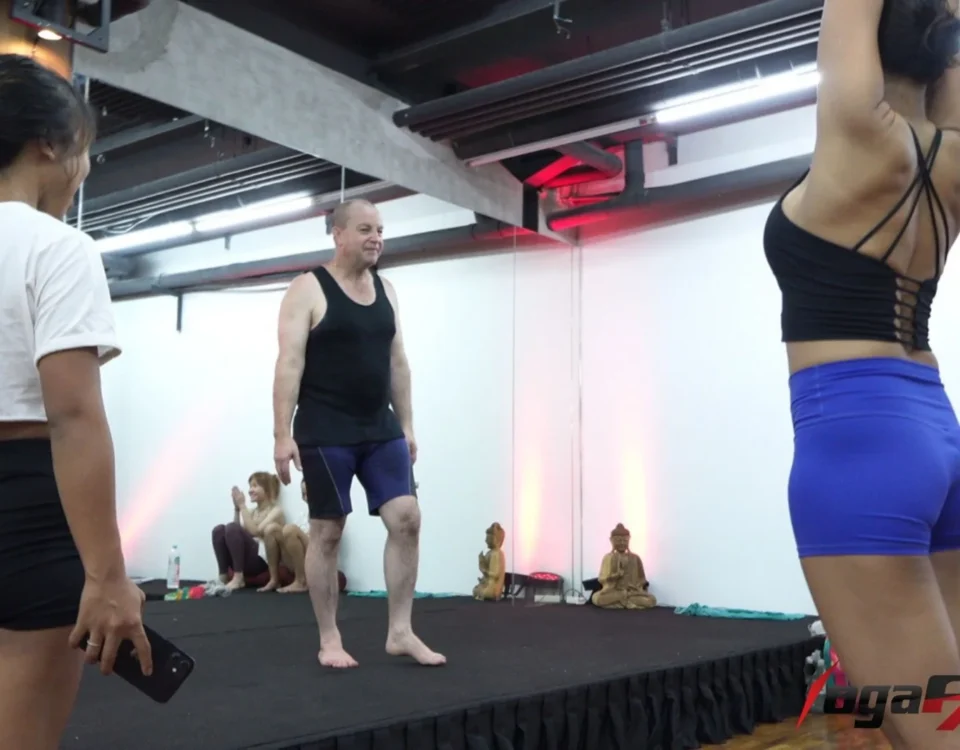
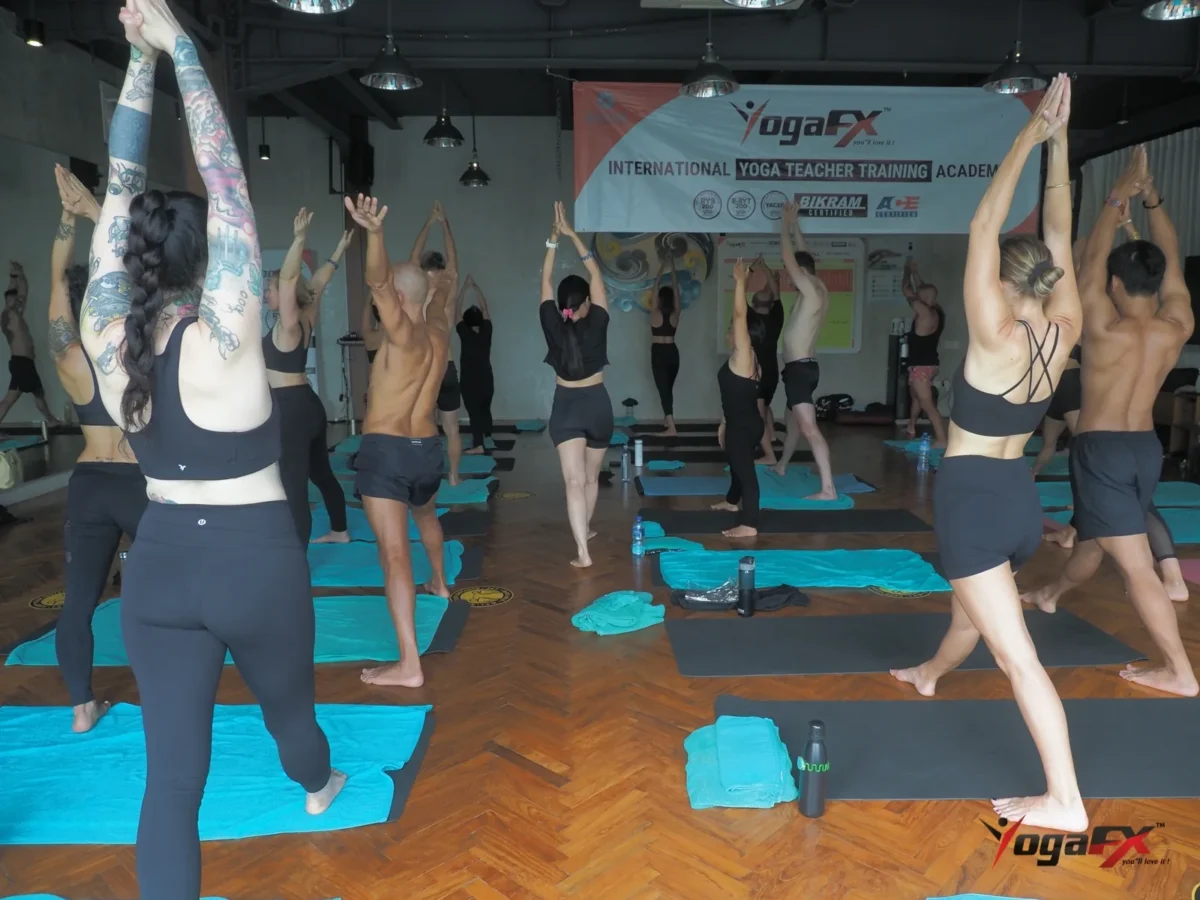
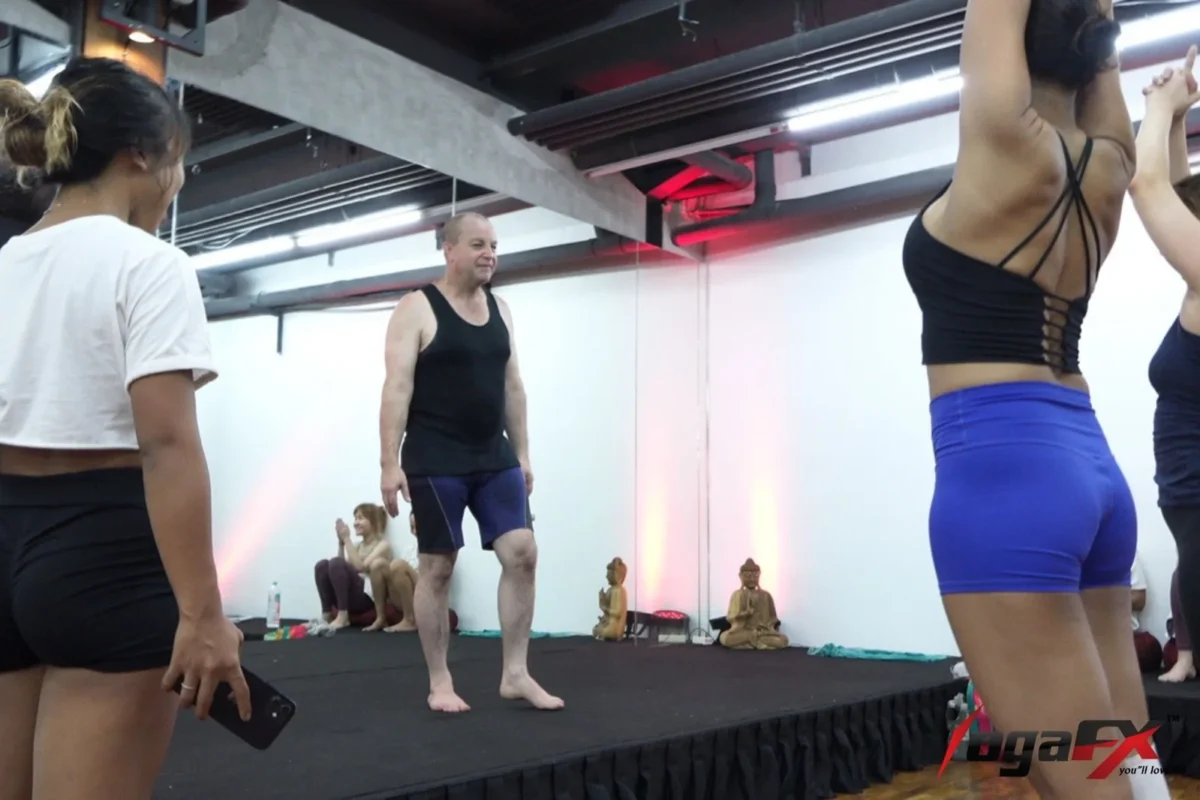
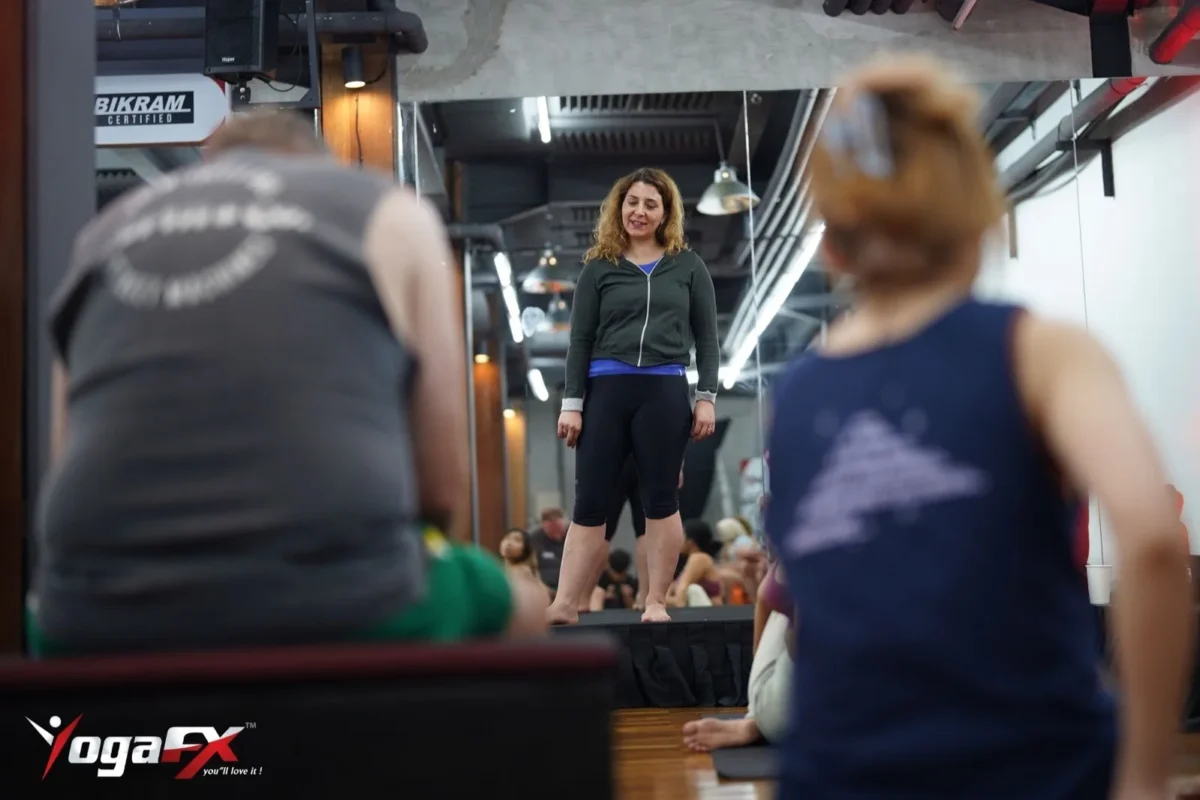
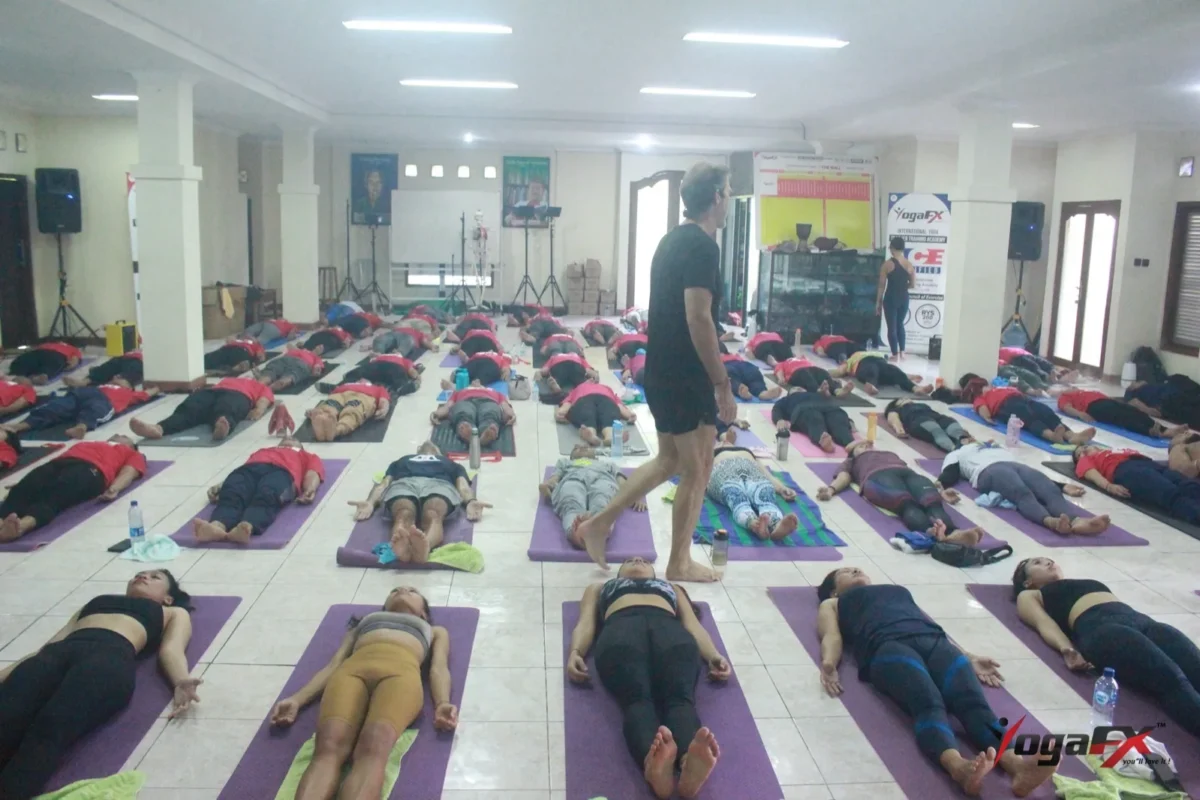
One name in this guide is a teacher you can actually train with this year. Mr. Ian Terry is Founder and Lead Instructor of YogaFX and holds the E-RYT 500 credential. He has taught more than 12,000 hours, and since 2017 YogaFX has graduated over 1,500 teachers from 80+ countries.
He spent five years, from 2014 to 2019, training with the founder of the Bikram Hot 26&2 method. That is the kind of record the four checks above ask for. In June 2026 he was also confirmed as a Master Trainer of the Republic of Indonesia Yogasana Sports Federation.
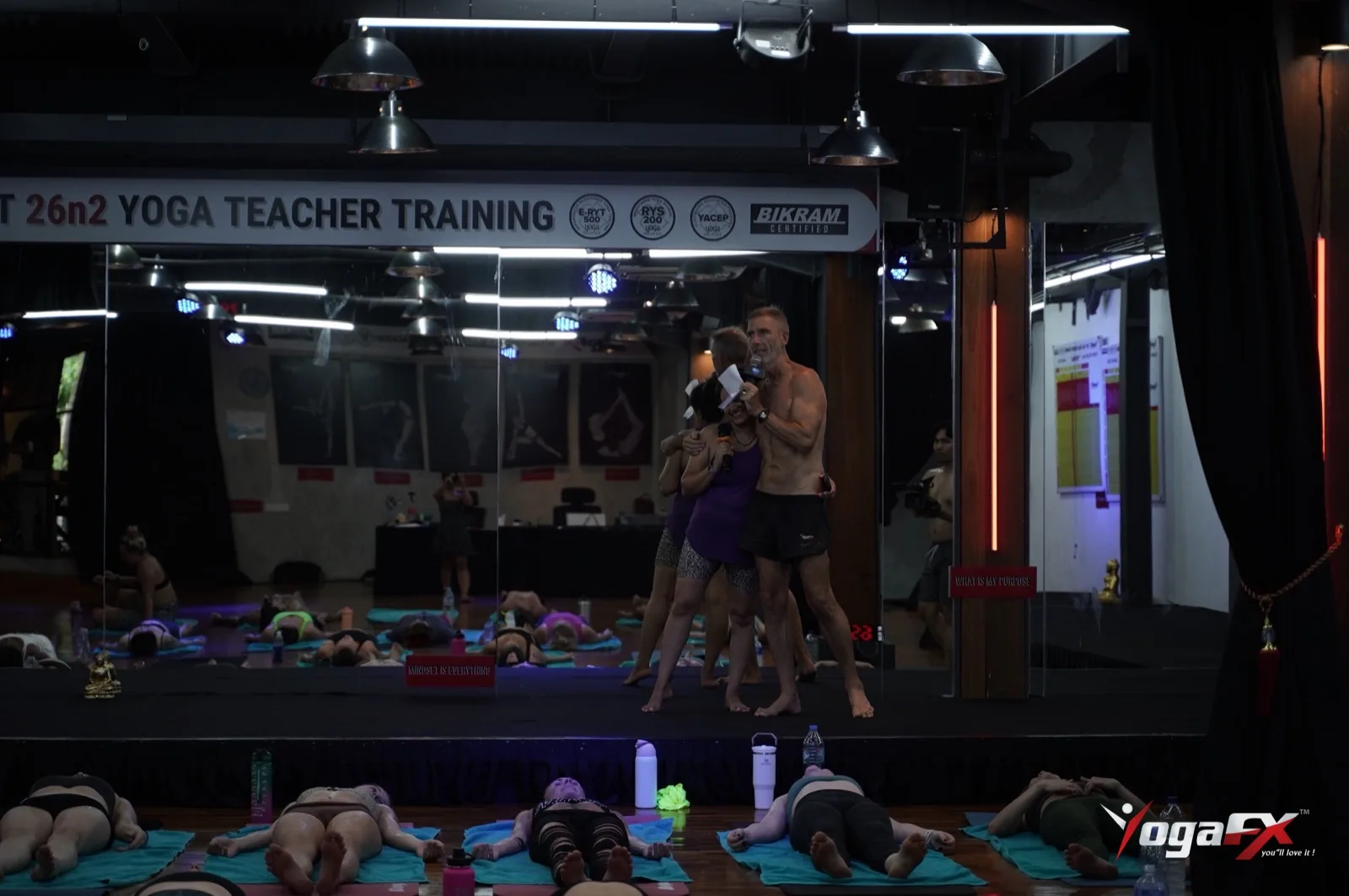
His teaching reflects several lessons from the famous male yoga teachers above. For example, he teaches a scripted class, so the structure is fixed, much like Jois. He also corrects individuals, in the spirit of Desikachar. Instead of silent demonstration, he explains each posture aloud, as Iyengar did.
What trainees say
Three graduates described the training in their own words:
“Ian, our instructor, has truly brought out the best in each of us, pushing us beyond our limits and instilling newfound confidence in teaching.”
Han, Google review, 2024
“This is the best training that I’ve ever learned.”
Musya, YouTube review, 2023
Ozge, in a 2025 Yoga Alliance review, said the support and guidance went beyond her expectations and recommended the team to anyone seeking RYT 200 and hot yoga teacher training. Musya’s full graduation video is below.

Planning the Bali Route as a UK Trainee: Time, Cost and Certificates
Many UK trainees search for famous male yoga teachers because they want a teacher worth trusting. The next step is a practical one. Here’s how the YogaFX route works on paper.
| Item | What it involves | What a UK trainee should know |
|---|---|---|
| Format | 6-day hybrid: an online pre-course, then an intensive in Bali | Check-in Sunday, check-out Friday, so about 5 days off work |
| Next intake | 24 to 29 January 2027 at Soham Wellness Center, Seminyak | Book flights only after your enquiry call |
| Certificates | Yoga Alliance RYT 200-Hour plus the Bikram Hot 26&2 200-Hour International Yoga Certification | Ask any UK studio you want to teach for what they accept |
| Fee | Early Bird US$1,899, with instalments from US$250 per month | Convert to pounds on the day you pay |
There’s no cap on student numbers. Mr. Ian Terry also speaks personally to every student before enrolment, so you can raise health questions and expectations before you book anything. This is independent teacher training, and we say so plainly in the FAQ below.
When you are ready, message Mr. Ian and the YogaFX team on WhatsApp.
FAQ
Who are the most famous male yoga teachers?
The names that come up most are Krishnamacharya, B.K.S. Iyengar, K. Pattabhi Jois, T.K.V. Desikachar and Paramahansa Yogananda. Between them they shaped individual, alignment-based, flowing and meditative teaching. For UK trainees, Mr. Ian Terry is a living example with a checkable teaching record.
Who was the first teacher of yoga?
History does not name one founder. Tradition links the Yoga Sutras to Patanjali, yet scholars place that text across several centuries, and the practices are older still. For postural yoga as it is taught in UK studios, Krishnamacharya is the usual starting point.
Are there famous yoga teachers in the UK?
Yes, many UK teachers have large followings, but fame varies by platform and changes quickly. For training decisions, a verifiable record matters more than a following: years of study, teaching hours, graduates and student reviews. Use those four checks on any teacher, however well known.
Do I need to be famous to teach yoga in the UK?
No. Studios hire on clear teaching, reliability and recognised training. A well-trained teacher with a solid certificate and good cueing is easier to place than a famous name without those skills. Check what each studio accepts before you pay for any course.
Is this training official Bikram Choudhury Teacher Training?
No. YogaFX runs an independent training, not official Bikram Choudhury Teacher Training. Mr. Ian Terry trained with the founder of the method from 2014 to 2019, then built his own programme, with Yoga Alliance RYT 200 certification alongside the Bikram Hot 26&2 200-Hour International Yoga Certification.
Still have questions? Message Mr. Ian and the YogaFX team on WhatsApp and we will answer them personally.