A hot yoga certification proves two separate things to a UK studio: that you finished a registered 200-hour teacher training, and that you can deliver a fixed hot class on your own. Not every course gives you both. The checks below show which certificate means what.

Mr. Ian Terry, E-RYT 500 and lead trainer at YogaFX, has taught more than 12,000 hours. Many candidates assume every certificate carries the same weight, and that assumption costs them time and money.
In This GuideWhat a certificate proves and how to check one before you pay
What a Hot Yoga Certification Proves in UK Studios
Studio managers read a hot yoga certification for evidence, so they want proof that you trained for enough hours, that a real school signed it, and that you can teach the exact class on their timetable.
A general 200-hour certificate covers anatomy, teaching method, philosophy and supervised practice. It says you can teach yoga. A hot yoga instructor certification built on a fixed method adds a second layer: you can deliver one scripted 90-minute class, in the heat, without notes.
That is why hiring managers for heated classes often ask for both. A plain RYT 200 answers the first question, so the second one comes up in the interview. A dual hot yoga certification answers both before you walk in.
| Credential | What it proves | What a UK studio still checks |
|---|---|---|
| RYT 200 from a registered school | You completed 200 hours with a school listed by Yoga Alliance | Whether you can deliver a scripted hot class |
| RYT 200 plus Hot 26&2 certificate | The 200-hour foundation plus delivery of the fixed 26-posture sequence | Insurance, references and a short trial class |
| Hot yoga certificate from a studio only | You completed that studio’s own course | Whether the school is registered and how many supervised hours you logged |
| Online-only certificate | You completed the theory modules | Live, in-person teaching practice, which hiring managers value most |
Notice the last column. No certificate ends the conversation. It starts it, and that’s the point. A graduate who can explain what the paper covers, and show a trial class, gets hired faster than one who just waves the document.
How to Talk About Your Hot Yoga Certification in an Interview
Managers rarely ask to see the paper first. They ask what you can do with it, so prepare short, plain answers.
- Say what it covers. For example, “I hold an RYT 200 and a Hot 26&2 certificate, and I can teach the full 90-minute class.”
- Say where you practised. Because supervised teaching hours matter, name the school and how many hours you taught live.
- Offer a trial class. A short demonstration beats a long explanation, so bring your script and a towel.
- Bring the paperwork. Carry both certificates, your insurance and your Yoga Alliance listing if you have one.
A confident answer like this turns a hot yoga certification into a hiring reason. It also shows the manager you understand your own credential, which many applicants do not.
If you want the longer comparison of options, our partner guide to the best hot yoga certifications sets the main routes side by side.
Hot Yoga Instructor, Teacher and Bikram Certification: Which Wording Counts
People search for hot yoga teacher certification, hot yoga instructor certification and Bikram yoga certification as if they were three products. In practice they are labels for the same few documents.
- Teacher or instructor. UK studios use both words. Neither is a legal title, so the wording on your certificate matters less than the school behind it.
- Bikram yoga teacher certification. This is the older name for the fixed 26-posture, 2-breathing-exercise method. Most UK timetables now say Hot 26&2 or original hot yoga instead.
- Hot yoga certification. This is the broad label. It can mean a heated flow course, a hot power class or a fixed-sequence course, so ask which method the certificate names.
Look at the method named on the certificate. A heated vinyasa certificate does not qualify you to teach a fixed-script class, and the reverse is also true. That is why studios treat them as different jobs.
A simple rule: read the certificate wording before you pay. If it names the method, the hours and the school, it passes. If it only says “yoga teacher training”, ask more questions. The same rule applies at YogaFX and everywhere else.
Is Every Hot Yoga Certification Yoga Alliance Registered?
No. That claim is a common mistake in articles about certification, including earlier versions of this one. Many courses are Yoga Alliance registered, but plenty are not, and a few claim alignment without holding registered status.
Registration happens in two steps. First, the school must be a Registered Yoga School (RYS). Second, you register yourself as a teacher after you graduate. The second step is not automatic, so confirm who does what before you enrol.
You can check a school in under five minutes using the public directory on the Yoga Alliance website. Search the school name, and note the credential level it is listed for. If it does not appear, ask why in writing.
Does UK law require you to hold any certificate at all? No. Our guide on whether you need a licence to teach yoga in the UK covers insurance and DBS rules. A certificate is still what studios and insurers expect, even without a legal duty.
For the full explanation of what registration means for teachers here, read what Yoga Alliance certification means for UK hot yoga teachers. It also covers renewal, which keeps your listing active.
How the Hot Yoga Certification Works at YogaFX
The YogaFX hot yoga certification gives you both credentials from one 6-day hybrid intensive: Yoga Alliance RYT 200 registration and the Bikram Hot 26&2 200-hour International Yoga Certification. You study online first, then train in person in Bali. The next batch checks in on Sunday 24 January 2027 and checks out on Friday 29 January 2027.
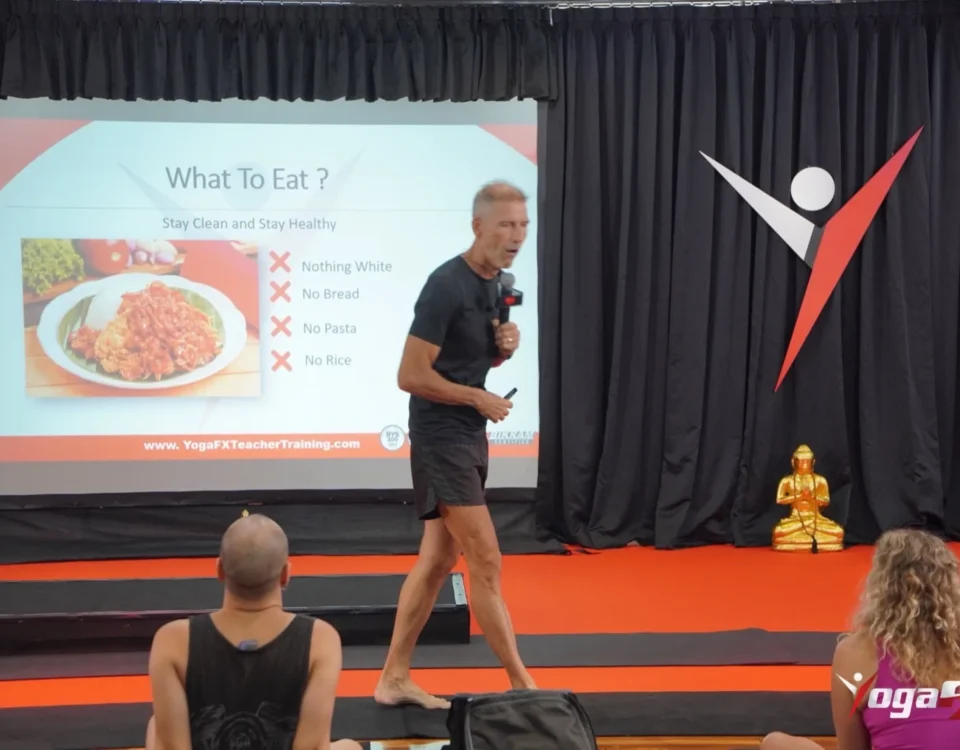
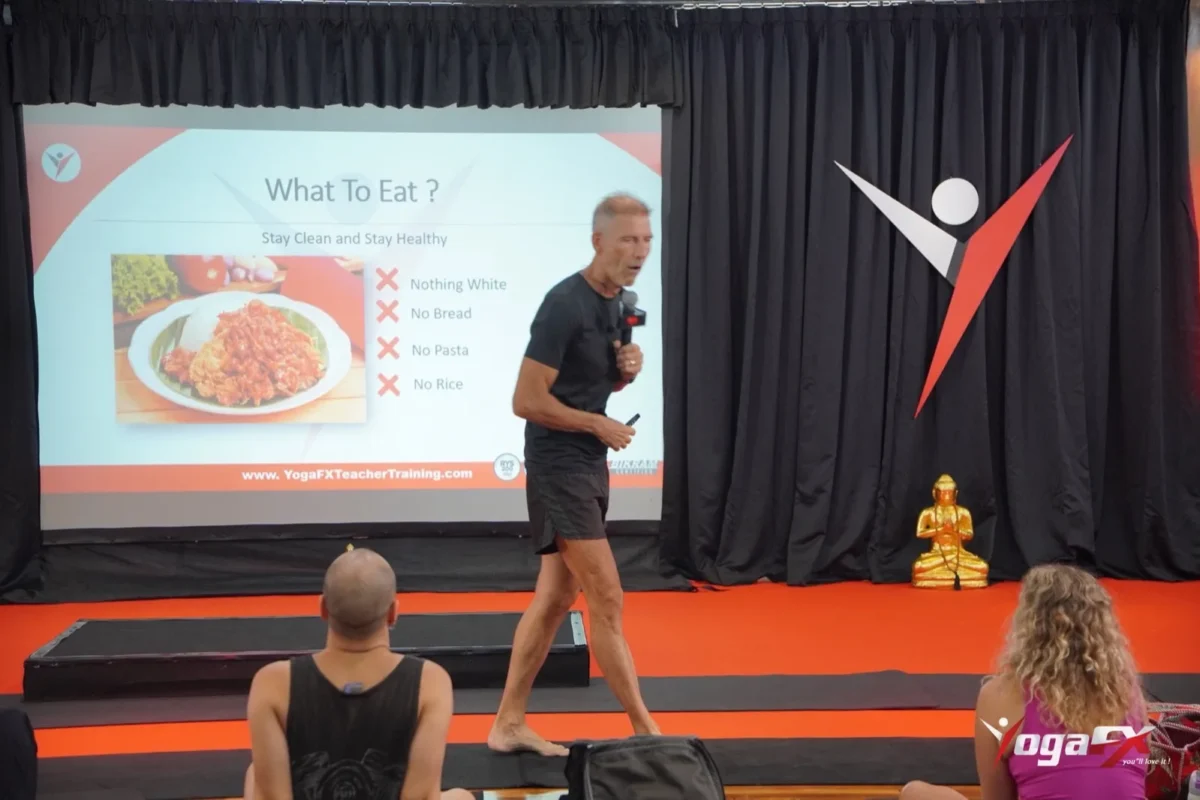
Mr. Ian Terry leads the training. He trained for five years, from 2014 to 2019, with the founder of the Bikram Hot 26&2 method. He holds E-RYT 500 status and the Master Trainer title from the Republic of Indonesia Yogasana Sports Federation.
- What you learn. The 26 postures, the 2 breathing exercises, the full dialogue, anatomy, teaching method and philosophy.
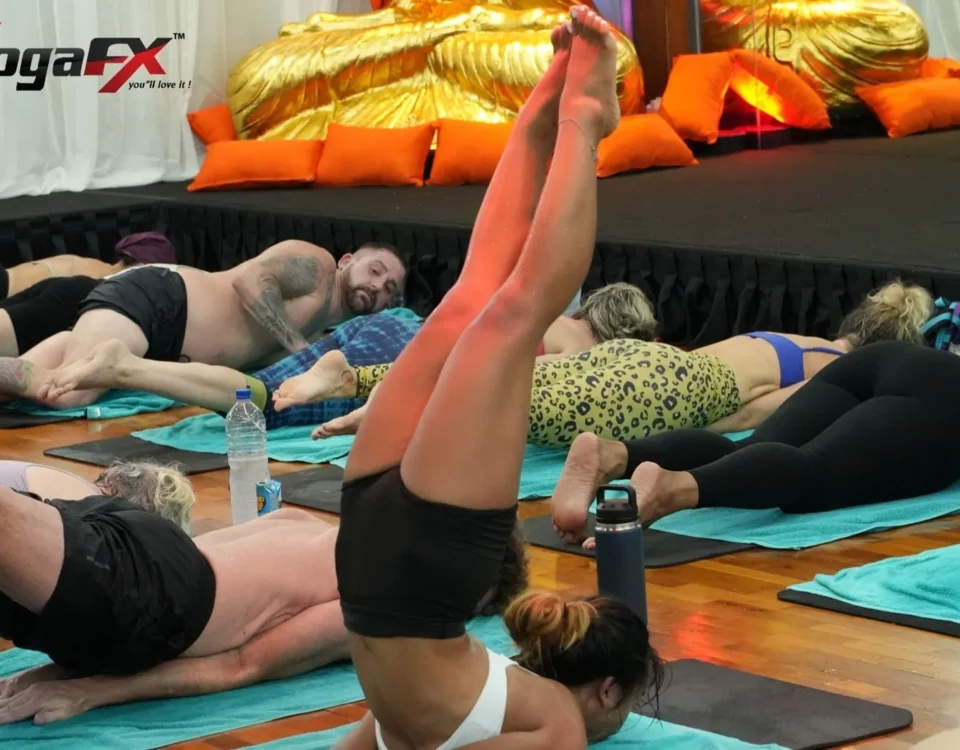
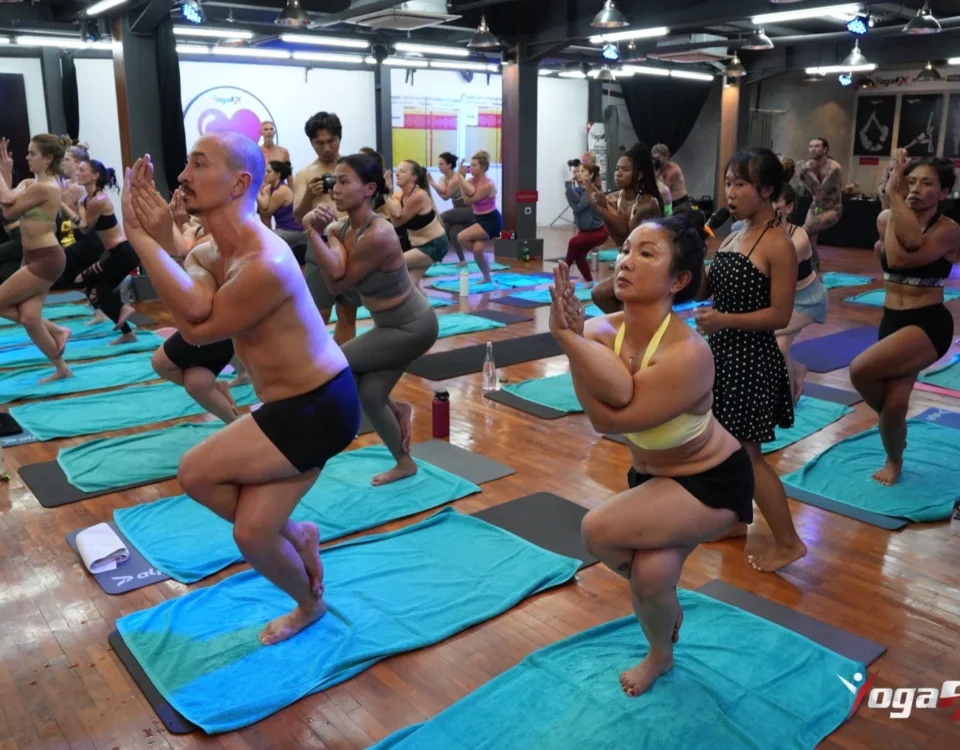
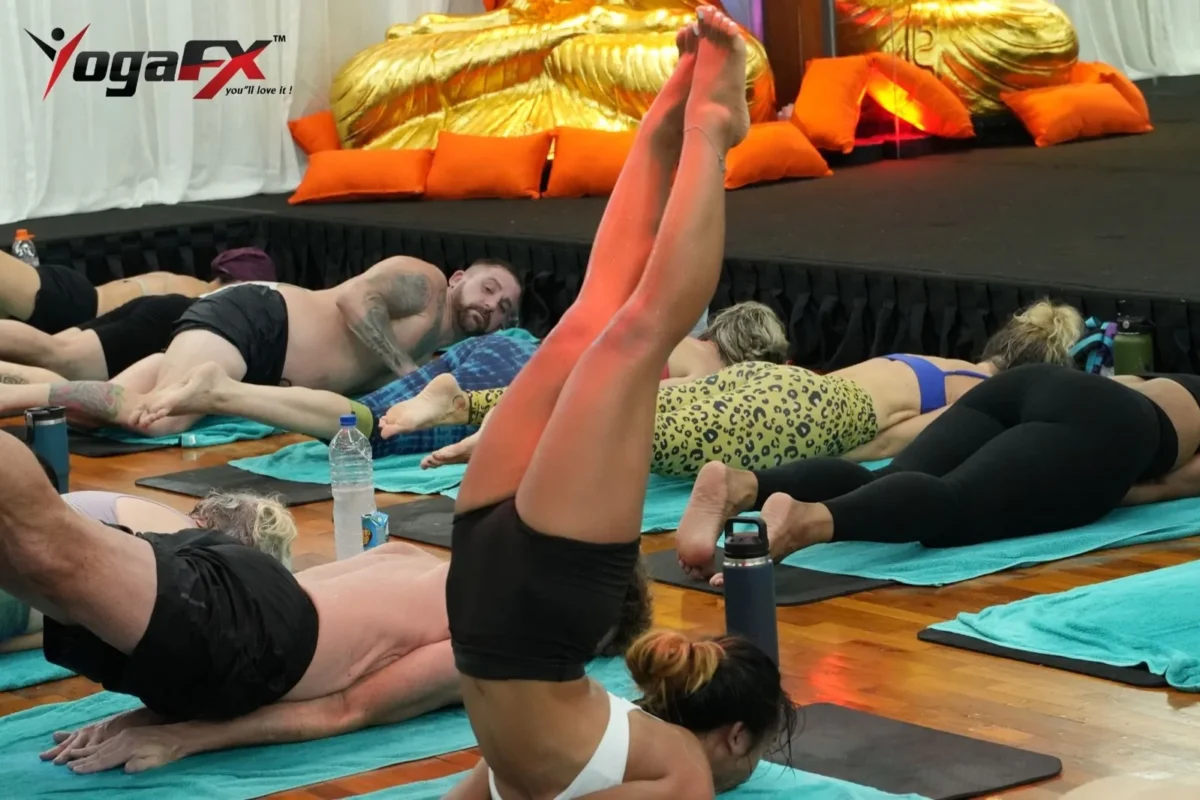
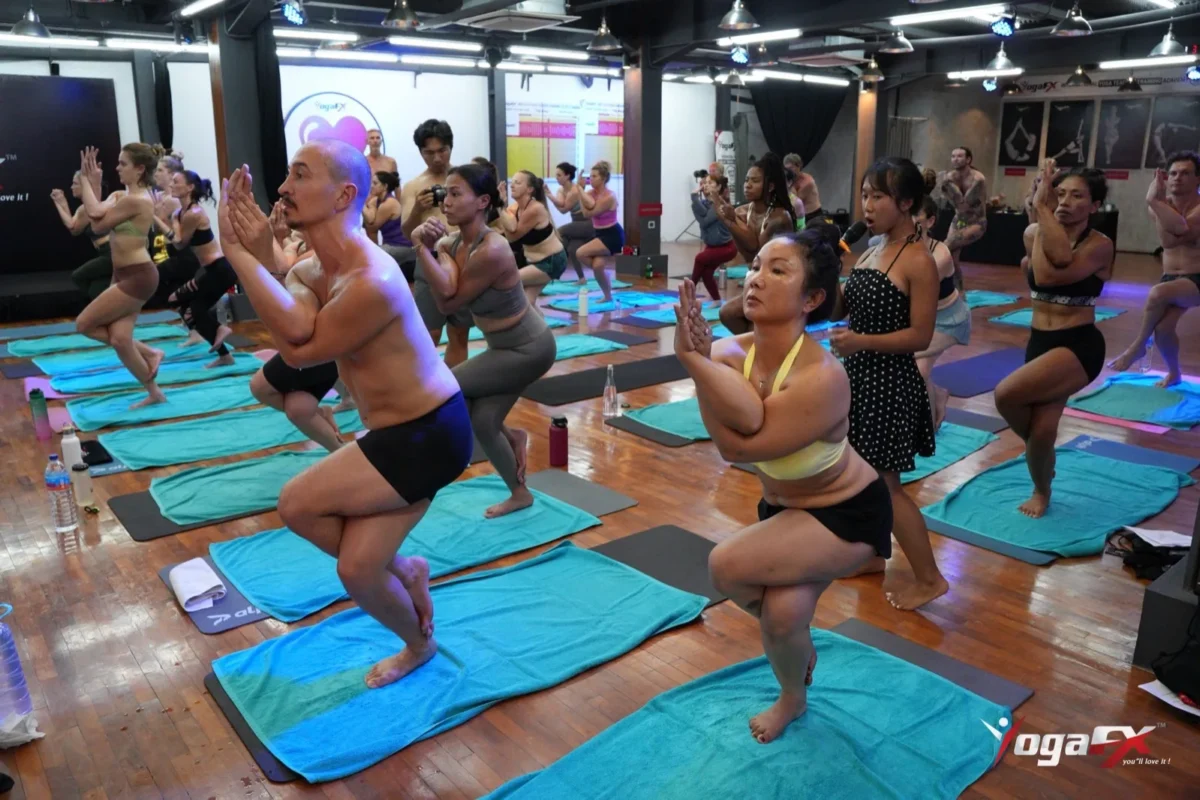
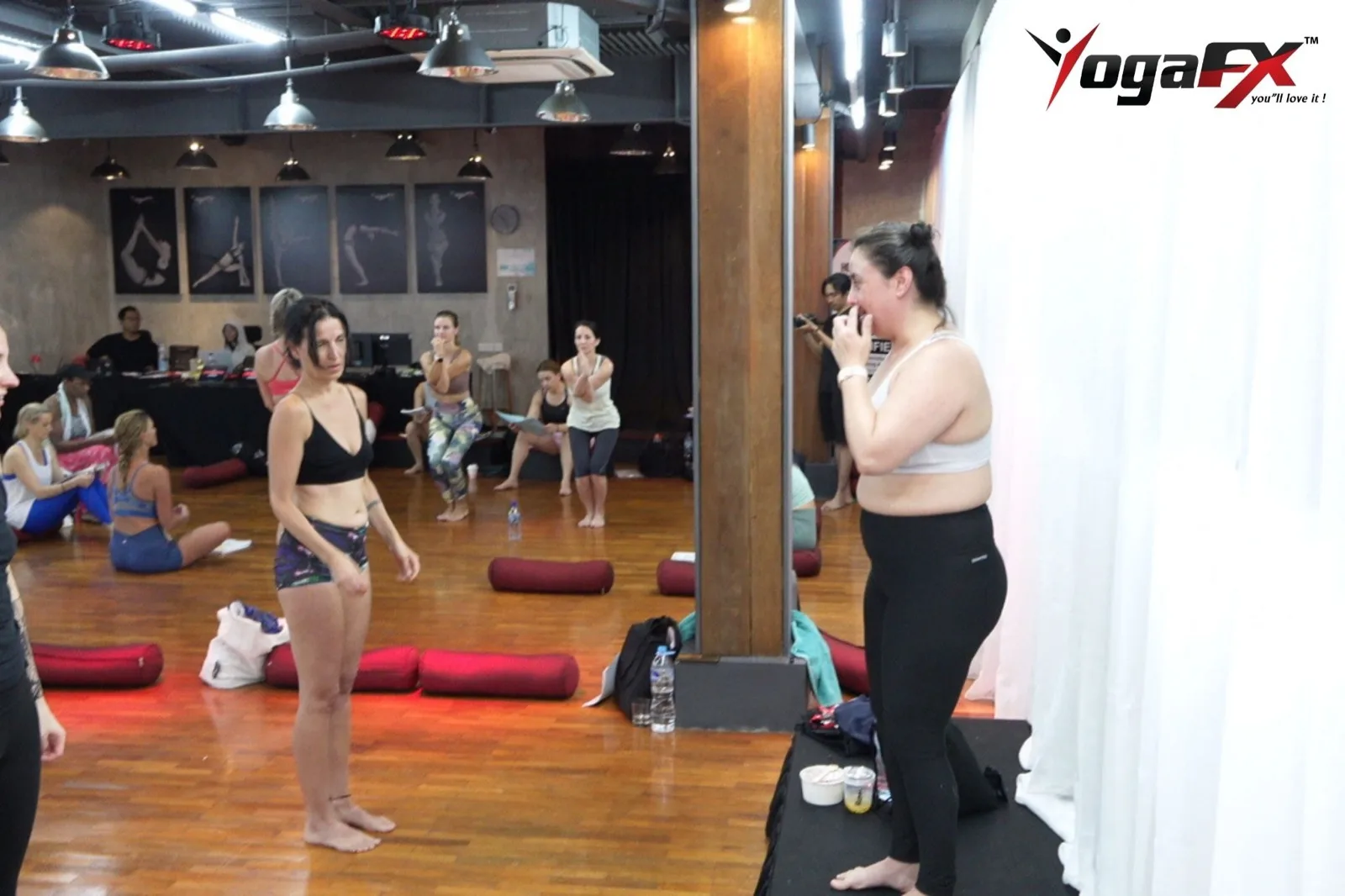
- What you practise. You teach on stage, in the heat, and receive live feedback from the trainers each day.
- What you receive. Both certificates at the end of the week, not a promise that paperwork follows.
- What it costs. The Early Bird price is US$1,899. Twin share is US$1,999 and a single room premium is US$2,199.
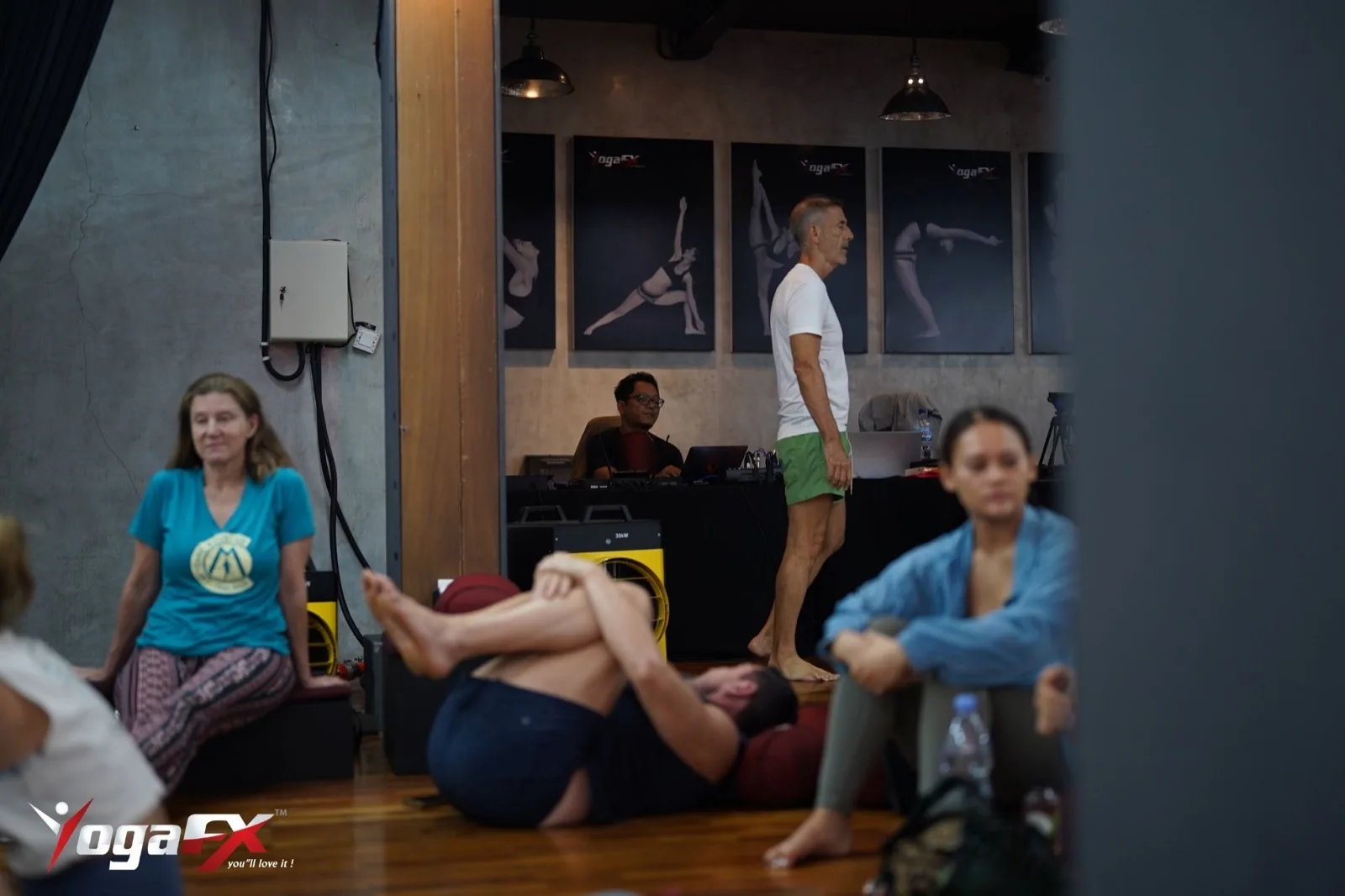
The venue for the January 2027 batch is the Soham Wellness Center in Seminyak. Instalments start from US$250 a month with no interest, which suits a UK budget that has to stretch across several months.
Because it is one enrolment, you do not pay extra for the second certificate. Some schools sell the method certificate as an add-on, so compare totals, not headline fees. Our cost breakdown for traditional and hybrid programmes shows how to do that fairly.
Health Checks Before a Hot Yoga Certification Course
A hot yoga certification course means several heated classes in a row, so the first check is your own health, not the school. Treat this as general information. Speak to a doctor or another healthcare professional before you book if anything below applies to you.
- Blood pressure. The NHS explains that readings of 140/90 or higher at a clinic count as high. Most people feel no symptoms, so only a check tells you.
- Heart and circulation. If you have a known heart condition, ask your GP before heated practice.
- Heat tolerance. Practise in a 40°C class several times first, so the first hot day is not also the first day of training.
- Fitness base. The NHS exercise guidelines are a useful yardstick for how active you already are.
- Pregnancy, medication, injury. Each one changes what is safe, so get advice first.
What the Research Says About Heated Practice
What does the research say about the practice itself? A 2025 systematic review, Willmott et al., pooled 43 studies and 942 participants. It reported gains in flexibility, bone density and well-being from regular Bikram-style practice.
A 2014 University of Wisconsin study (Porcari et al.) measured the energy cost of a 90-minute class. Women burned about 333 kilocalories and men about 460, working at roughly 80 percent of maximum heart rate. That’s a real workout, so it’s another reason to get your health checked.
On mood, a 2023 Harvard-affiliated trial at Massachusetts General Hospital (Nyer and colleagues) found that 59 percent of participants in an 8-week heated yoga programme cut depressive symptoms by half or more. The waitlist group managed 6 percent. It’s research on a group, not a promise for any individual.
Also check how your own body feels at about day three of a course. Most people find the heat adaptation turns the corner around then, but if dizziness or chest pain appears, stop and seek medical help.
Training in the UK or in Bali: What Changes for the Certificate
A Yoga Alliance registered hot yoga certification carries the same registration weight wherever you earned it. The credential follows the school and the hours, not the country. What changes is cost, time off work and how you build teaching practice.
| Factor | Part-time UK course | Hybrid course in Bali |
|---|---|---|
| Time commitment | Many weekends spread across several months | Online study plus one 6-day intensive |
| Heat during training | Often electric heating in a studio room | Natural tropical heat, the climate the method was built around |
| Supervised teaching | Short practice slots across weekends | Daily practice teaching with live feedback for the full week |
| Travel | Local commute | Flights and a week away, planned once |
| Hiring perception | Known local reputation | Some UK studios value training in natural heat, others only ask for the paperwork |
Whichever route you pick, the hot yoga certification you earn should name the method, the hours and the school. That rule holds in a London studio hall and in a Bali training room.
There is no universal winner. If you can’t leave work for a week, a local course may suit you better. If you can, the intensive format tends to build confidence faster because you teach every day.
Our guide to yoga teacher training in Bali versus the UK walks through the trade-offs.

What Graduates Say About the Hot 26&2 Certificate
Numbers only go so far, so here is what students say about the hot yoga certification itself. YogaFX has 150 Google reviews, 50 Yoga Alliance reviews and 357 YouTube testimonials at the time of writing.
“Mr. Ian is a true master Bikram teacher … gave me a voice to get my dialogue out… the skills and confidence to teach.”
Ben, Google review, 2025
“This is not only Yoga Teacher Training, this is a life coaching.”
Eliroas, Google review, 2023
“Very very good teacher, very very nice class, I really really enjoy it.”
Saul, YouTube review after his RYT 200 graduation, 2024 (translated)
Ben describes learning to deliver the dialogue, which is exactly what the second certificate tests. Eliroas and Saul speak about the wider experience. Together they show what the certificate stands for: a skill you can use in a room, not only a document.
Seven Checks Before You Pay for Any Hot Yoga Certification
- Name the school. Find the school in the Yoga Alliance directory and note the level shown.
- Name the method. Make sure the certificate states Hot 26&2, Bikram or whatever method you want to teach.
- Count the supervised hours. Ask how many are live, in person and marked by a trainer.
- Ask what you receive. One document or two, and when they arrive.
- Compare the full price. Add flights, accommodation and any add-on certificate fees.
- Read recent reviews. Our guide to checking hot yoga teacher training reviews shows how to spot genuine ones.
- Get a health check first. Speak to your GP before any heated intensive.
Run these seven checks on every course you consider, including ours. A school that welcomes the questions can usually answer them, so that’s a good sign.
After you graduate, keep your hot yoga certification current. Yoga Alliance asks registered teachers for continuing education, so plan a small number of hours each year rather than a rush at renewal time.
FAQ
How do I get hot yoga certified in the UK?
Complete a registered 200-hour teacher training that names the hot method you want to teach, log the supervised teaching hours, then register with Yoga Alliance yourself. Many UK candidates choose a hybrid course abroad, then apply for studio cover work with their certificates and insurance.
How long does a hot yoga certification take?
A part-time UK course usually runs across several months of weekends. The YogaFX hybrid format takes 6 days in Bali after online pre-course study, so you can plan around just five days off work. Practice after the course is what builds confidence.
Can I teach hot yoga in the UK without a certificate?
No UK law requires one, but studios and insurers almost always ask for proof of training. Without a certificate it is hard to get insurance or a studio slot. A registered 200-hour certificate is the standard evidence, and a method certificate helps for fixed-class timetables.
Is a YogaFX certificate official Bikram Choudhury teacher training?
No. YogaFX offers independent training and is not official Bikram Choudhury teacher training. It certifies the Hot 26&2 method, and graduates register with Yoga Alliance, under the leadership of Mr. Ian Terry, who trained for five years, from 2014 to 2019, with the founder of the method.
How much does a Hot 26&2 certification cost?
The YogaFX Early Bird price is US$1,899. Twin share is US$1,999 and a single room premium is US$2,199. Both the Yoga Alliance RYT 200 and the Hot 26&2 certificate come with the same enrolment, and instalments start from US$250 a month with no interest.
Still have questions? Message Mr. Ian and the YogaFX team on WhatsApp and we will answer them personally. Health reminder: this guide is general information, so consult a healthcare professional before starting heated practice.