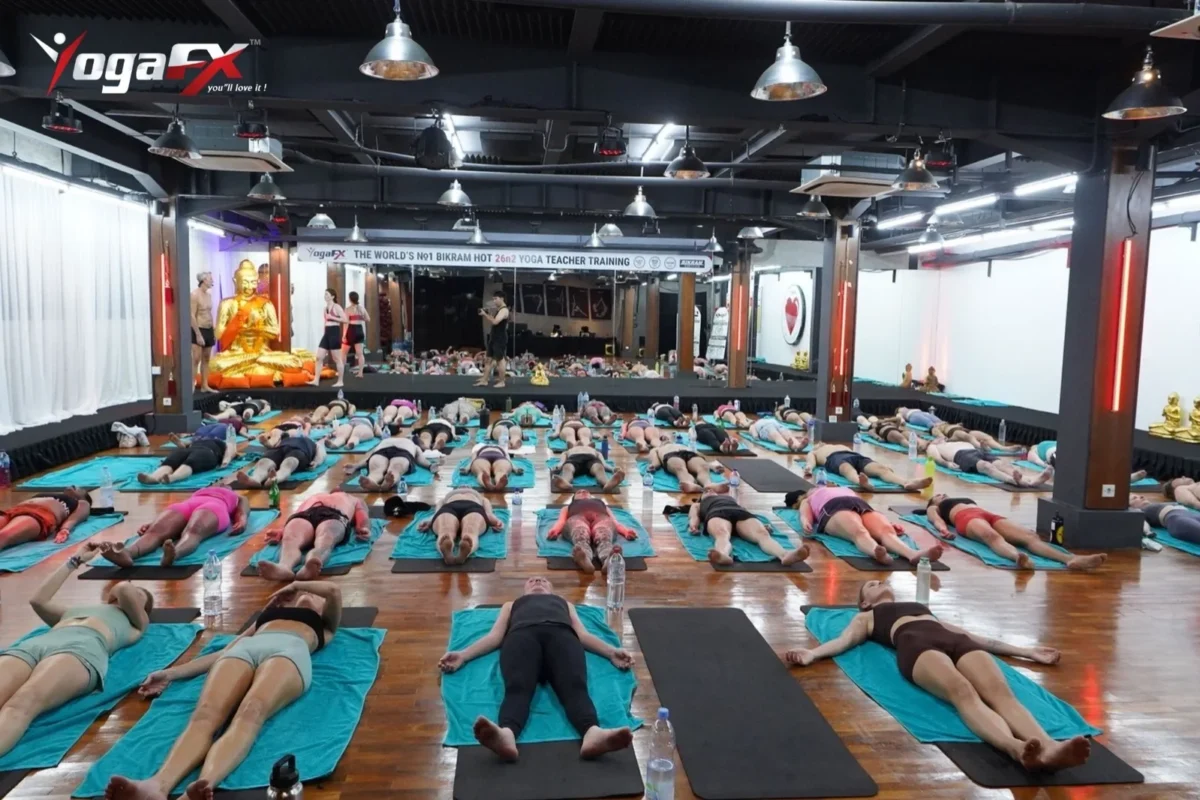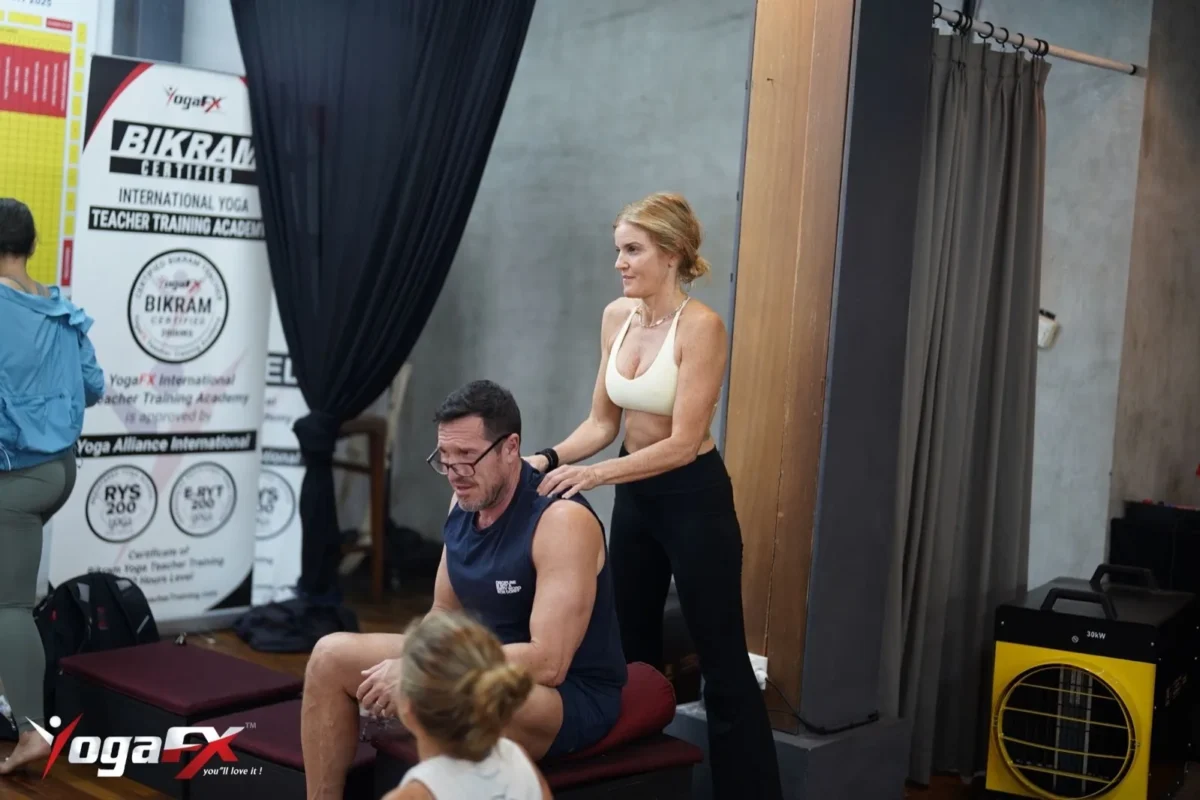
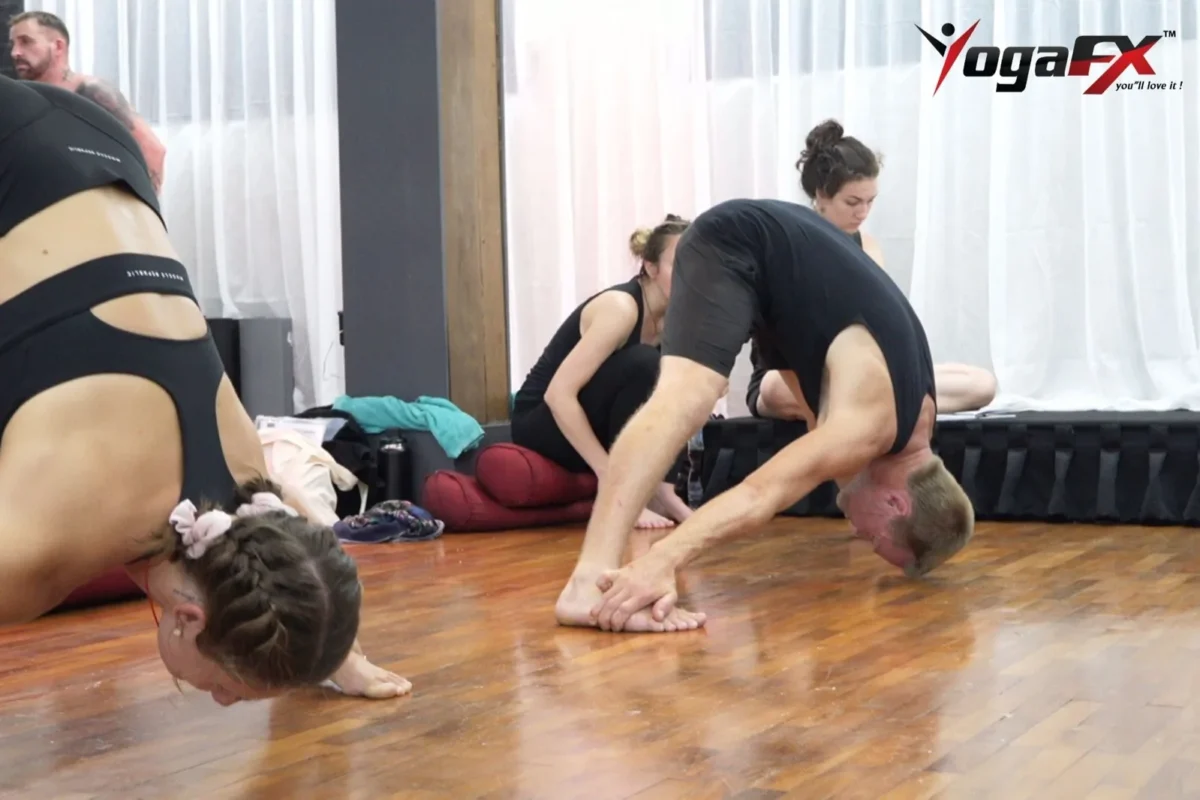
Here is how to choose a yoga teacher training from the UK: check who leads it, whether your insurer and local studios accept the certificate, whether your body is ready for the heat, and what the trip does to your calendar and budget.

Most guides start with price and a glossy brochure. UK applicants have a few extra things to weigh, because the course may be a long flight away and the certificate has to work in a British studio. This guide turns those worries into a printable checklist you can take to every call.
It comes from the questions UK applicants actually ask the YogaFX team before they enrol. For the global view, read the longer nine-question version of this check. This page keeps to the UK side.
How to Choose a Yoga Teacher Training From the UK: Four Checks First
When people ask how to choose a yoga teacher training, we start with the four checks that cannot be fixed after you pay. A school can add a payment plan later. It cannot change who taught you, what the certificate says, or how your body copes in a hot room.
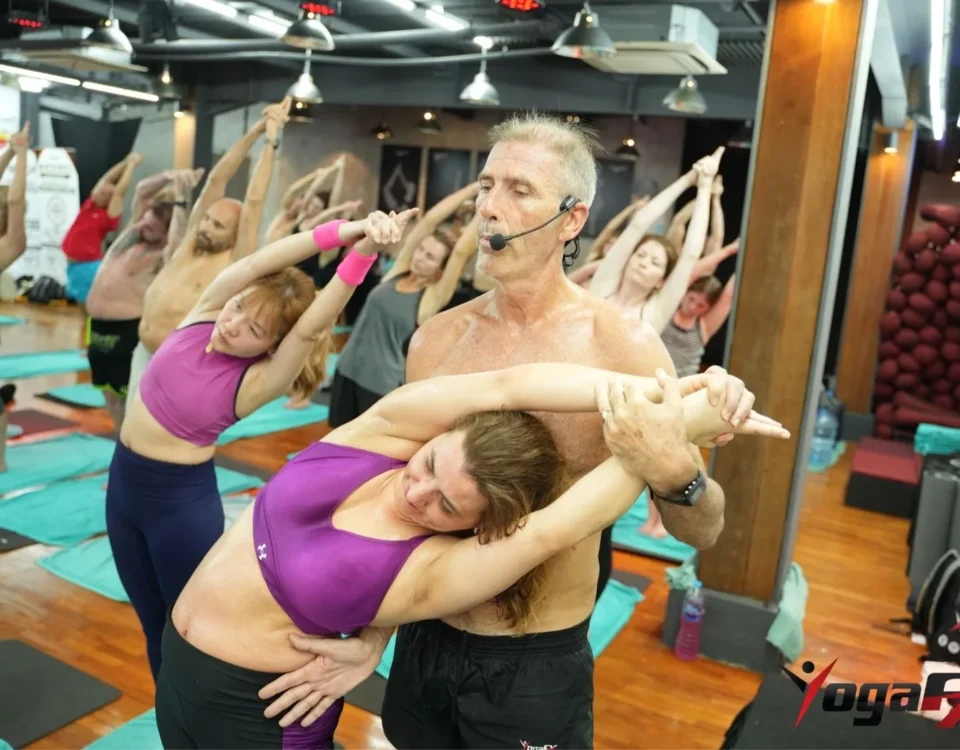
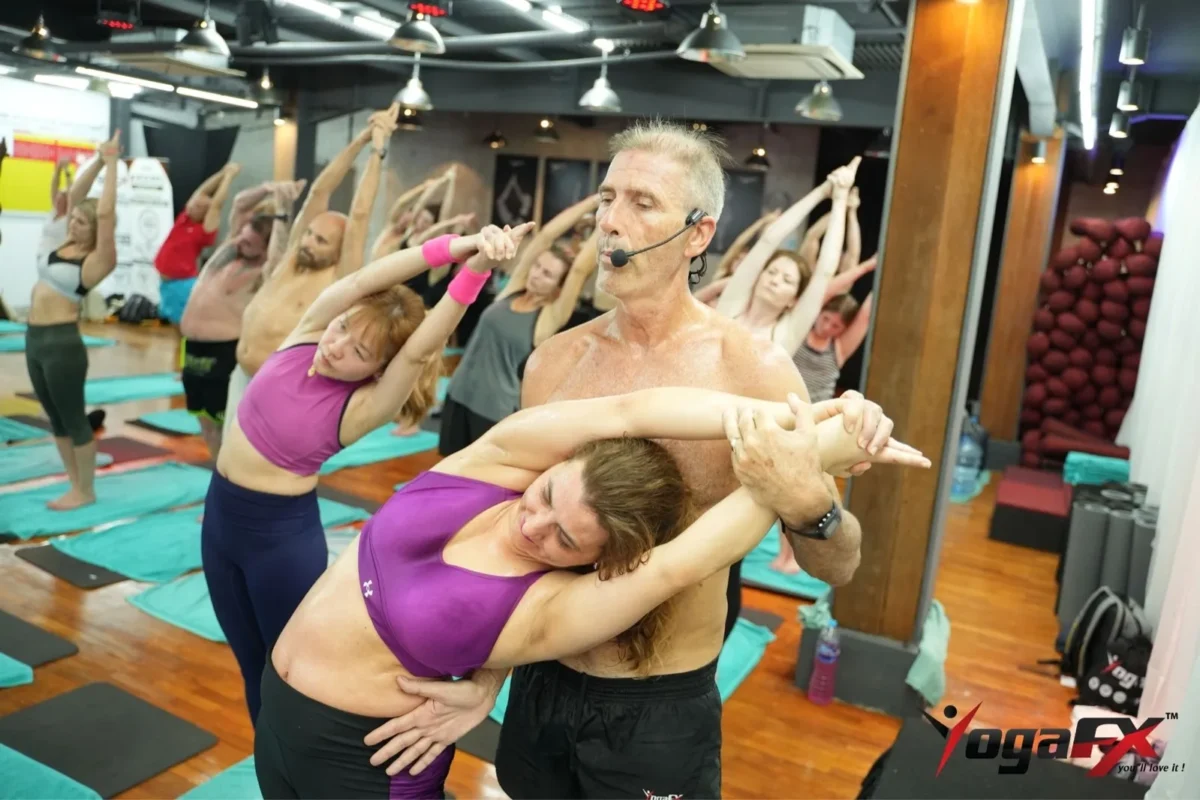
- The trainer. Ask how many hours the trainer has actually taught, and in which cities. Mr. Ian Terry, the lead trainer at YogaFX, holds the E-RYT 500 credential and has taught 12,000+ hours, in cities that include London.
- The certificate. Ask which bodies stand behind it and open their websites yourself. A label that only the school recognises is thin.
- Your health. Ask how the school teaches heat safety, then speak to your own GP if you have any condition.
- The logistics. Ask for the dates, the full price and what happens if you cannot attend. Get the answers in writing.
Hot 26&2 trainings add one more point. The sequence is scripted, so the school should teach you to deliver the dialogue word for word. Ask to see how that is practised, and how the trainer corrects you in real time.
The Printable UK Checklist for Choosing a Yoga Teacher Training
Print this page, or copy the table into your notes. Tick a row only when you have the answer in writing. Two or three blanks after a first call is normal. Six or more means keep looking.
Twelve checks to tick before you pay
| Tick | Check | What to ask | Why it matters from the UK |
|---|---|---|---|
| ☐ | Trainer record | Total teaching hours, who trained them and for how long | You cannot pop round to check a trainer who is thousands of miles away, so ask for videos and named reviews. |
| ☐ | School registration | Is the school itself registered, or only one teacher? | A registered teacher is not the same as a registered school, and only the school entry covers the course. |
| ☐ | Insurance acceptance | Will my insurer cover me to teach with this certificate? | Ask your insurer by name, before you book, whether you will need cover before your first paid class. |
| ☐ | Studio acceptance | Would the studios near me accept it? | Email two local studios and ask what they look for. Their answer matters more than any brochure. |
| ☐ | Length of the whole path | One number covering every step, including any internship | Some routes add months after the last class. Count them as time off your life, not just your diary. |
| ☐ | Time away from work | Exact check-in and check-out days | Your annual leave is finite. A six-day format uses far less of it than a month away. |
| ☐ | Travel and jet lag | Flights, time zone and arrival day | Bali is seven or eight hours ahead of the UK, depending on the clocks. Arrive early, not on day one. |
| ☐ | Full price in writing | What the price includes: tuition, stay tier, materials, assessment | Prices are quoted in US dollars. Convert at the day’s rate, and ask who absorbs card fees. |
| ☐ | Payment terms | Deposit, instalments, refund and deferral terms | Ask what happens if a flight is cancelled or you get ill. Deferral rules vary a lot. |
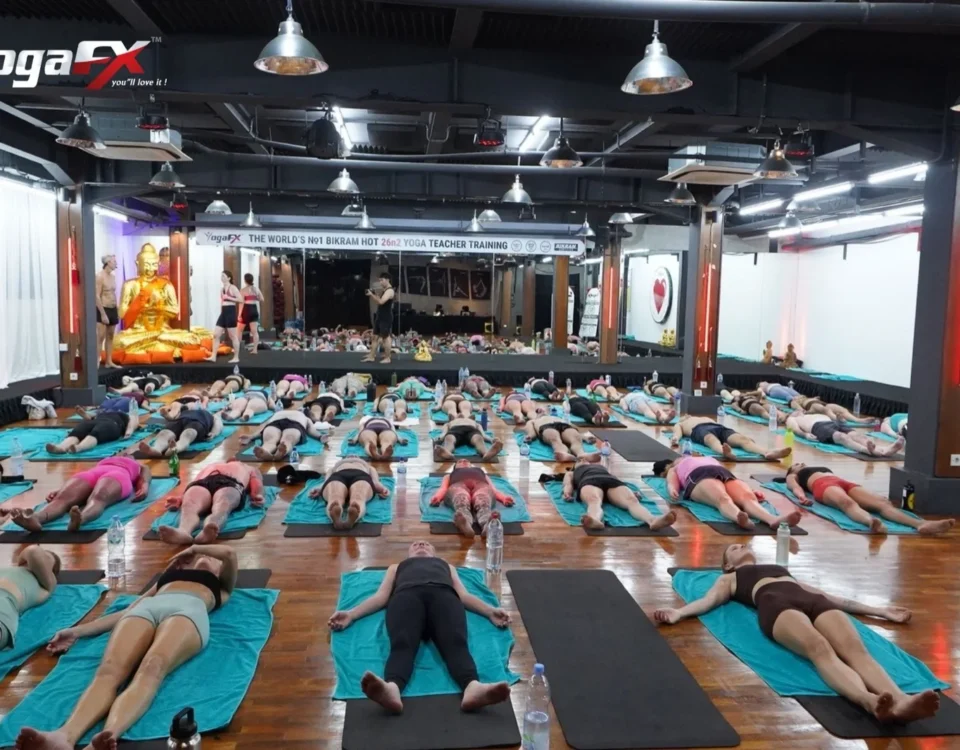
| ☐ | Heat and health | How the school teaches hydration, rest and modifying postures | UK winters are cold. Your first real heat exposure may be on the course itself. |
| ☐ | Reviews | Reviews that name the trainer, spread across several years | Check more than one platform. Look for detail, not just stars. |
| ☐ | After graduation | Access to materials, a community and a named person to ask | A British studio manager may ask what support you have once you teach your first class. |
Each row is a question you can ask by email. That also gives you something useful: a written answer. Schools that reply clearly and quickly usually teach the same way. In fact, learning how to choose a yoga teacher training well mostly means asking the same twelve questions of every school.
Insurance, Recognition and Who Will Hire You in the UK
Insurance is the quiet half of how to choose a yoga teacher training from the UK. Before you pay a deposit, ask your own insurer what it needs. Policies differ, and a certificate that one insurer accepts may not satisfy another. Our guide to RYT 200 cover and jobs in the UK explains the questions to ask, and it covers the paperwork side too.
Ask the studios and the school
Studios differ too. Some want a registered 200-hour certificate, some want references, and some simply want to see you teach. Read which UK credentials studios accept before you email them. Then send two short messages to studios near you. Their replies beat any generic advice.
YogaFX graduates leave with two credentials: the Yoga Alliance RYT 200 and the Bikram Hot 26&2 200-Hour International Yoga Certification. That is a matter of record, but record is not the same as fit. Ask your insurer and your local studios whether those two credentials meet their needs.
Also check the school’s own history. YogaFX has graduated 1,500+ teachers from 80+ countries since 2017. Mr. Ian trained for five years, 2014 to 2019, alongside the founder of the Bikram Hot 26&2 method. Whatever school you pick, ask for equivalent facts and check them.
Is Your Body Ready? Heat, Hydration and a GP Conversation
A hot-room training asks more of your body than a normal course does, so it belongs in any plan for how to choose a yoga teacher training. That’s no reason to avoid it, but it’s a reason to prepare. Think of it as part of how to choose a yoga teacher training that suits you, not an afterthought.
Build a fitness base first
Start with the basics of exercise. The NHS physical activity guidelines for adults aged 19 to 64 recommend at least 150 minutes of moderate activity a week for most adults. If you are well below that, build up for a few months before an intensive. Your muscles, joints and heart will thank you, and you’ll enjoy the week more.
Learn the warning signs and the research
Then learn the warning signs. The NHS guidance on heat exhaustion and heatstroke list tiredness, dizziness, headache, nausea, excessive sweating, cramps and a high temperature as symptoms of heat exhaustion. It advises moving somewhere cool, removing extra clothing and drinking water. A good trainer will teach you the same signs, and will tell you to sit out rather than push through.
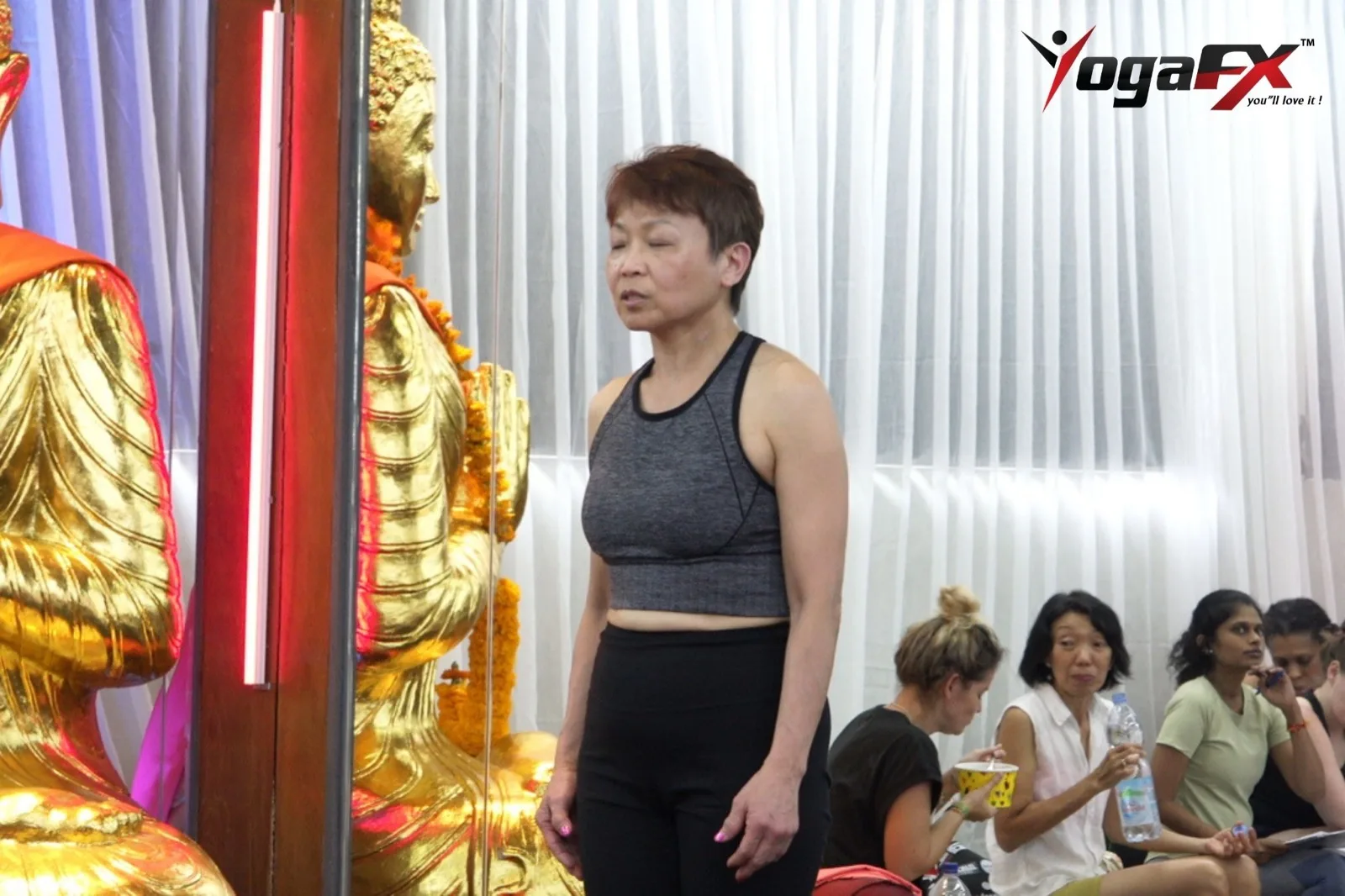
Fluids matter as much. The NHS dehydration advice says you should drink fluids when you have symptoms of dehydration, and suggests drinking more when you sweat a lot. A school that teaches hydration before, during and after class is looking after you. One that never mentions it isn’t.
Research on heated yoga is still developing, so treat it with care.
A randomised trial from Massachusetts General Hospital, led by Maren Nyer and published in the Journal of Clinical Psychiatry in 2023, compared eight weeks of community heated yoga with a waitlist in adults with moderate-to-severe depression. About 59% of the yoga group showed a clinician-rated symptom drop of 50% or more, against about 6% of the waitlist group.
The authors call for more research with active comparison groups, and the trial was small. So treat it as context, not a promise.
Talk to your GP
None of this is medical advice. If you have a heart condition, high or low blood pressure, are pregnant, or take medication, consult a healthcare professional before any intensive training in the heat. Tell the school about it upfront, so that they can advise you honestly.
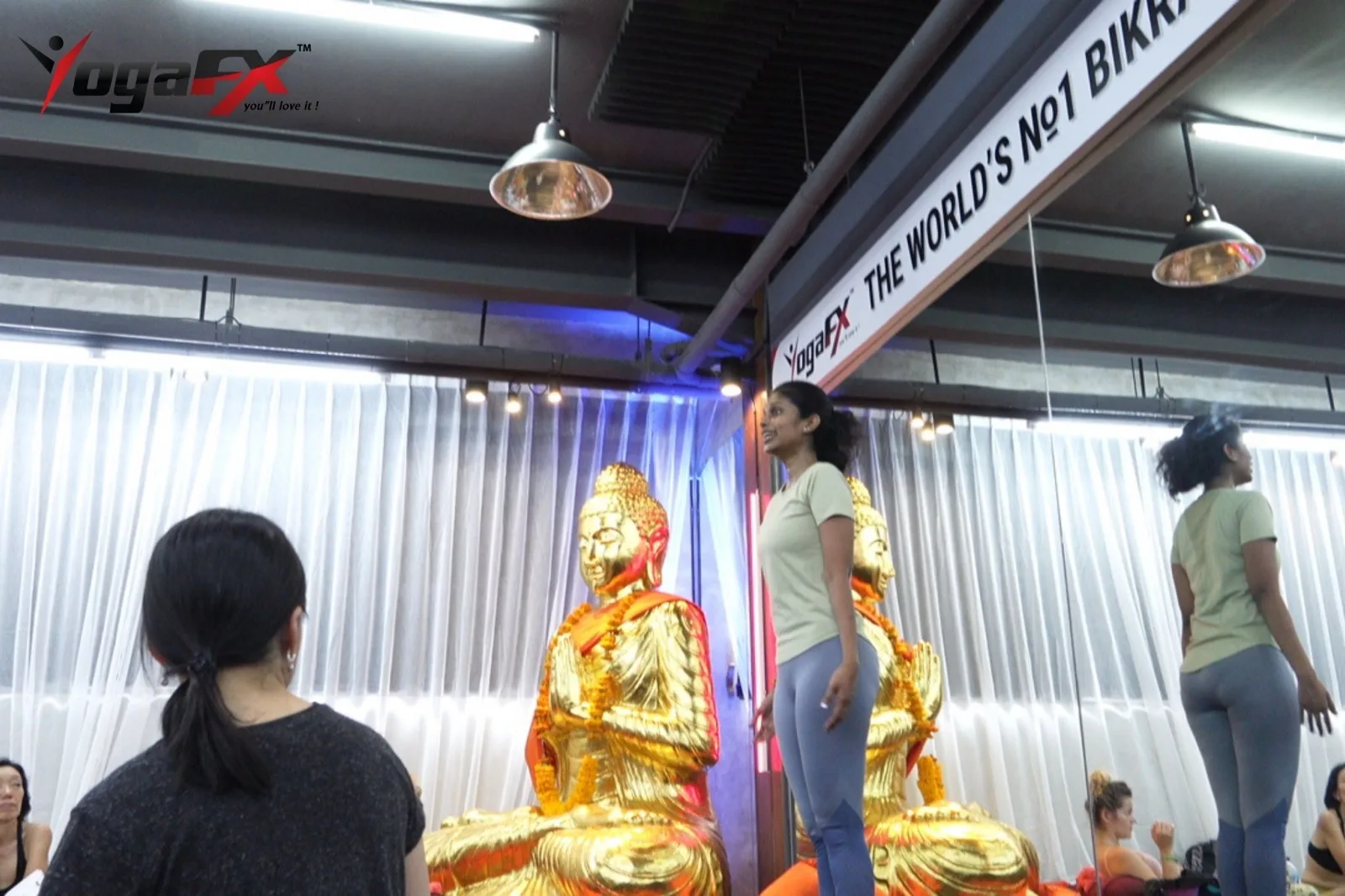
Time, Travel and Money: What a Bali Intensive Asks of a UK Applicant
A teacher training changes your calendar before it changes your teaching. Here is what the YogaFX format asks of you, so you can compare it with any course you are weighing up.
Notice what’s missing: a month away from home. A hybrid format keeps the theory online and the physical work in one focused week. For many UK applicants with jobs, that is the difference between a plan and a daydream. Our UK cost and duration guide sets out how other formats compare.
The whole trip still costs more than the tuition. Add flights, travel insurance and a few days either side to adjust to the time difference. Budget for that now, not after you have paid.
What Trainees Say After the Week
Reviews are the nearest thing you have to a test drive when you are deciding how to choose a yoga teacher training. YogaFX has 150 Google reviews, 50 Yoga Alliance reviews and 357 YouTube testimonials, more than 550 in all. Here are three, from first names only. Our guide on how UK trainees can check reviews shows how to check any school the same way.
Incredibly thorough training program. Dedicated to teaching teachers be the best they can be.
Matt, Yoga Alliance review, 2025
The training was excellent, support from the teacher and the team was great. … We had to work so hard but it was so worth it.
Celia, Yoga Alliance review, 2025
Rani, in a 2023 Google review after a January training, said Mr. Ian gave 100% of his energy to the group and made sure everyone understood what was expected of a good teacher. She also described the week as full of laughter, tears and support.
Notice the pattern. These reviews name the trainer, describe the work and are spread across different years and platforms. That is what a trustworthy review looks like. Don’t trust a school whose praise is all one-line five-star ratings.
UK Studio Course or Bali Intensive? Which Fits Which Applicant
Both routes can work. Your circumstances decide. Use these three profiles as a starting point, then read our Bali versus the UK comparison for the detail.
- Full-time job, limited leave. A short live intensive with online preparation fits best. You keep your income and use one block of leave.
- Flexible schedule, prefers local. A longer part-time course near home may suit you. You build contacts at a studio you might later teach in.
- Wants the original method taught in natural heat. Travel is part of the point. You will practise in tropical heat and with the lead trainer in the room.
Neither path is better in every case.
What matters is that you choose with your eyes open, compare on the same basis and ask the same twelve questions of every school. The same logic answers how to choose a yoga teacher training program in any style or country. The honest answer to how to choose a yoga teacher training is that the best course depends on your life, not the other way round.
Questions to Ask on Your Discovery Call
At YogaFX, Mr. Ian speaks personally with every student before enrolment. Here are five questions to ask yoga teacher training schools on a call, wherever you are in working out how to choose a yoga teacher training:
- What happens if I need to defer or cancel after I have booked flights?
- How many hours of live teaching practice will I get in front of the group?
- Can you show me the trainer correcting a student on video?
- Which part of the course do UK trainees usually find hardest?
- What do I keep after I graduate: materials, a community, a person to ask?
Write down the answers. Then ask the same questions of the next school. The comparison tells you more than any ranking.
Is YogaFX the Right Fit for You?
YogaFX suits applicants who want the Original Hot 26&2 method, a lead trainer who talks to them before enrolment, and a six-day format that fits around work.
A slower weekend course near home, or an unheated multi-style training, may suit others better. Whichever you choose, run this checklist on YogaFX as well. So, how to choose a yoga teacher training that fits? Match the format to your life, then test the school.
Ready to talk it through? Message Mr. Ian and the team on WhatsApp and ask for the next batch dates. We will tell you honestly whether the format suits you.
FAQ
How to choose a yoga teacher training course?
Compare schools on the same checks: who leads the training, whether the school is registered, what the certificate means to your insurer, how heat safety is taught, the full price in writing and what support follows graduation. Write the answers down and compare them side by side before paying any deposit.
What qualifications do you need to teach yoga in the UK?
Requirements vary by studio and insurer, so ask them what they accept before you pay for a course. Most look for a recognised certificate from a training that covers anatomy, teaching practice and safety. Then email two local studios directly and ask what they look for.
Can a beginner do yoga teacher training?
Yes, plenty of schools take beginners, though some regular classes beforehand make an intensive far easier. A heated course adds extra demand on the body. Mention any injury or health condition when you first enquire, because a good school will tell you straight if waiting a few months would serve you better.
How much does yoga teacher training cost from the UK?
Prices swing with format, location and inclusions, so line up written quotes side by side. The YogaFX six-day course starts from US$1,899 at the Early Bird price, with Twin Share at US$1,999 and Single Room Premium at US$2,199. Flights and travel insurance cost extra. Instalments begin at US$250 a month, interest-free.
How do you prepare for yoga teacher training?
Open the online pre-course as soon as you enrol and read the dialogue aloud most days. Keep attending classes so the heat feels familiar. During the final week, protect your sleep and drink water steadily. Students who arrive prepared tend to enjoy the live week far more than those who cram.
Still have questions? Message Mr. Ian and the YogaFX team on WhatsApp and we will answer them personally.