A 200-hour yoga teacher training covers five core areas set by Yoga Alliance’s minimum standards: asana technique, teaching methodology, anatomy and physiology, yoga philosophy and ethics, and practicum (supervised teaching practice). The 200 hours is a floor, not a target, and how those hours are actually distributed across the five areas varies more between schools than most candidates realise before they enrol. Two programmes can both advertise “200-hour Yoga Alliance certification” and still produce graduates with very different levels of actual teaching readiness once training ends.

In This GuideHow the 200 hours split up and what to check before enrolling
What the 200 Hours Actually Break Down Into
Yoga Alliance sets minimum hour requirements per category for any school seeking Registered Yoga School (RYS) status, but schools can and do exceed these minimums in different areas depending on their focus.
| Category | Yoga Alliance Minimum | What It Actually Covers |
|---|---|---|
| Techniques, Training, and Practice | 100 hours | Asana alignment, breathing techniques, hands-on adjustment, sequencing |
| Teaching Methodology | 25 hours | Voice projection, class management, cueing language, working with injuries |
| Anatomy and Physiology | 20 hours | Musculoskeletal system, contraindications, injury prevention |
| Yoga Philosophy, Lifestyle, and Ethics | 30 hours | Yamas and niyamas, teacher-student relationship, professional conduct |
| Practicum | 10 hours | Supervised teaching, feedback, observing experienced teachers |
Notice that practicum, the part where you actually practise teaching in front of real people, has the lowest minimum requirement of the five categories. This is the single biggest quality variable between schools. A programme that hits the bare 10-hour practicum minimum will graduate technically certified teachers who have barely taught anyone before their first paid class. Schools that build in significantly more supervised teaching time, even while staying within the 200-hour total, tend to produce teachers who feel noticeably more prepared once they’re in front of a real room.
When comparing programmes, it’s worth asking directly how many practicum hours are built in beyond the Yoga Alliance minimum, rather than assuming all “200-hour” programmes are functionally equivalent. Two schools can both claim RYS 200 status while giving you dramatically different amounts of actual teaching practice.
Why the Hour Minimums Exist
Understanding why anatomy and physiology has a dedicated hour requirement matters more once you’re actually teaching, not just training. A systematic review covering 43 studies and 942 participants found consistent evidence for improved flexibility and bone density among regular practitioners of heated yoga styles specifically, which is exactly the kind of research-backed context a well-taught anatomy module should equip you to discuss accurately with students, rather than relying on generic claims.
For a closer look at exactly where injury-prevention training lives across the anatomy, methodology, and practicum hours specifically, see our breakdown of how teacher training builds injury-prevention skills.
The philosophy and ethics hours exist for a less obvious but equally practical reason: teachers regularly find themselves in positions of trust with students disclosing physical injuries, mental health struggles, or personal crises during or after class. A Harvard Massachusetts General Hospital study found that 59% of participants cut their depression symptoms by half or more after 8 weeks of heated yoga, versus 6% on the waitlist, which is genuinely useful context for a teacher, but philosophy and ethics training is what teaches you where the boundary sits between supportive teaching and offering something closer to therapy you’re not qualified to provide. Knowing when to gently redirect a student toward a healthcare professional, rather than positioning yourself as their counsellor, is a skill this part of training is specifically meant to build.
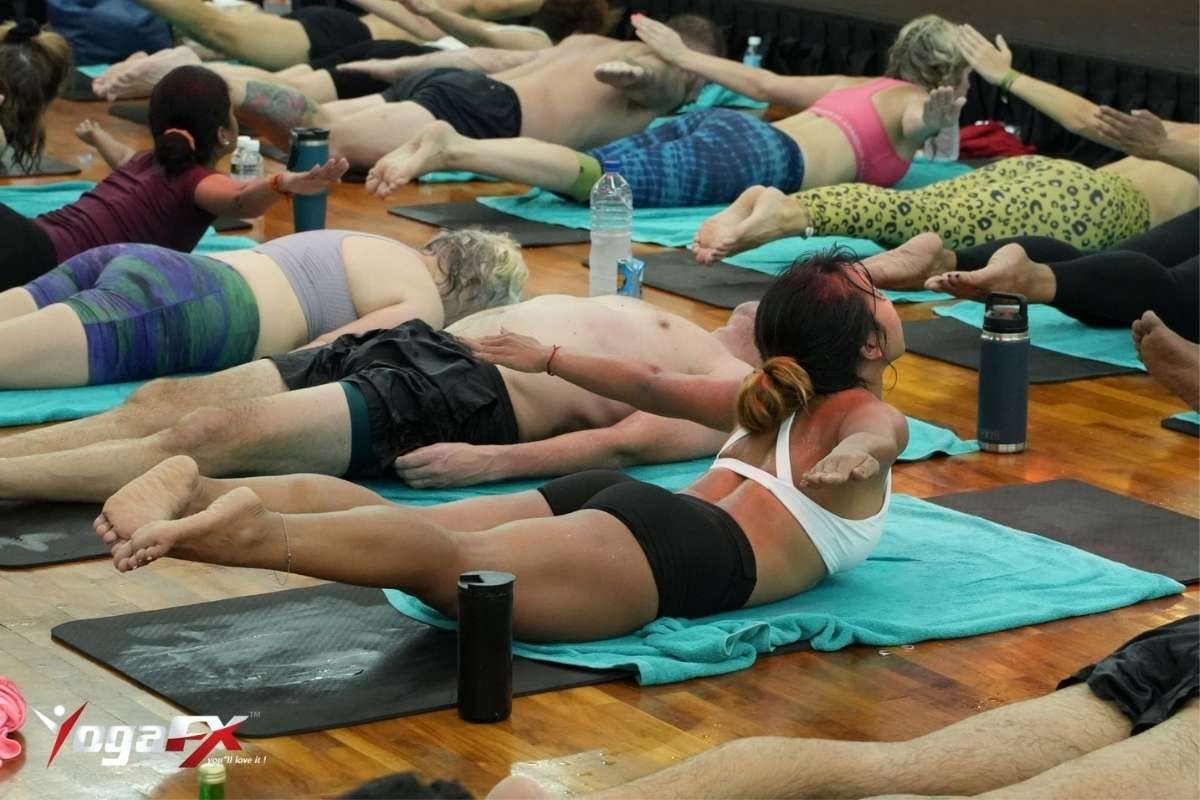
The 25-hour teaching methodology requirement deserves its own scrutiny too, since it’s easy to assume this simply means “practising how to talk.” In a well-built curriculum, it covers voice projection and pacing for a room where students may be at very different fitness and flexibility levels simultaneously, cueing language that avoids the passive, hedging phrasing new teachers default to under nerves, and concrete strategies for adapting a sequence on the spot when a student has an injury they haven’t mentioned in advance. Schools that treat this module as a single afternoon lecture rather than an ongoing thread through the entire training tend to produce teachers who know the theory but freeze slightly the first few times a real class doesn’t go according to plan.
How Schools Structure the 200 Hours Differently
The Yoga Alliance minimums are a floor, and how a school builds on top of that floor is where real differentiation happens. Three structural approaches are common.
- Weekly modular format. Hours spread across evenings and weekends over 4-9 months, letting candidates keep working but stretching retention of dialogue and sequencing between sessions.
- Full residential intensive. All 200 hours delivered in a single 3-6 week block, usually at a retreat-style location, with the trade-off being a significant time commitment away from work or family.
- Hybrid short intensive. Anatomy, philosophy, and theory hours delivered online before arrival, with the in-person block compressed to 6-10 days focused almost entirely on practicum and posture clinics.
The hybrid model has grown in popularity specifically because it protects the practicum hours, the part candidates most need supervised feedback on, by moving the theory-heavy hours (anatomy, philosophy) into a format where a live instructor isn’t strictly necessary. That said, the hybrid format only works if candidates genuinely complete the pre-course material rather than treating it as optional homework, since arriving at the in-person block without having absorbed the anatomy and dialogue foundations means less practicum time is available for actual feedback, having to spend it catching up instead.
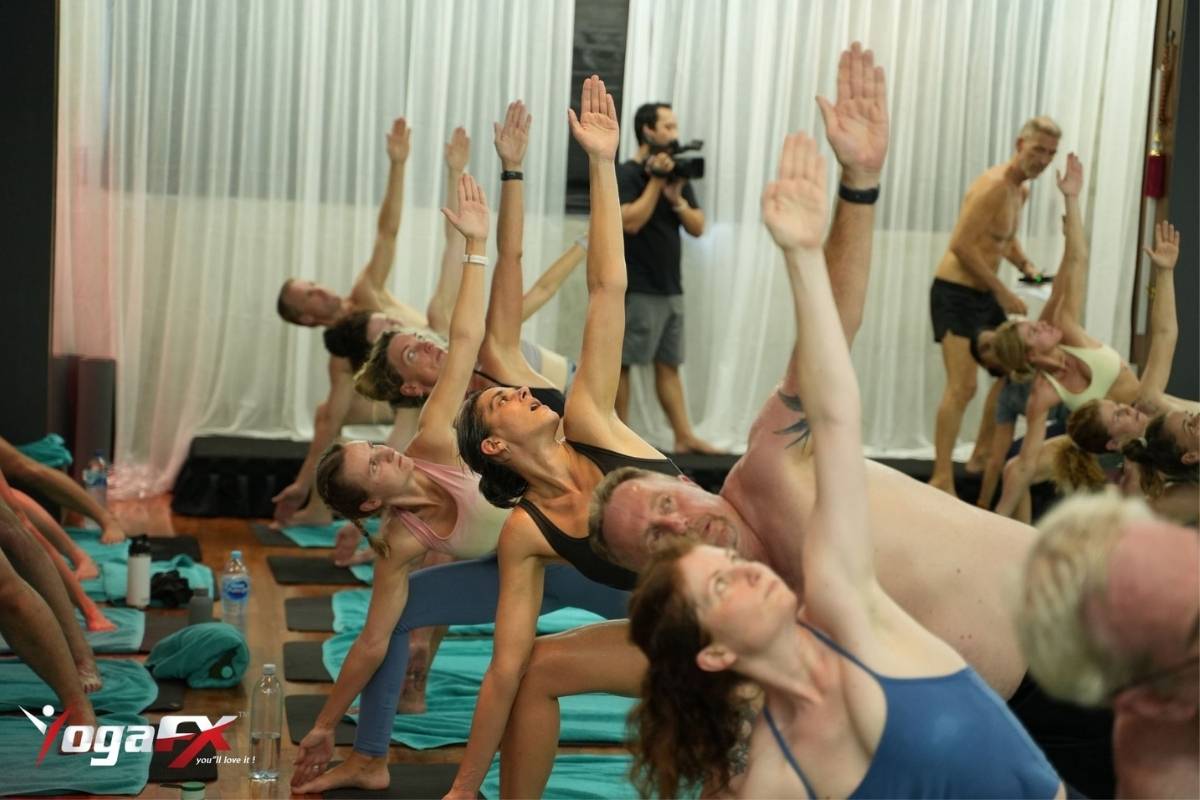
Full residential intensives, by contrast, remove the discipline problem entirely since everything happens on-site under supervision, but they demand a much larger continuous time commitment, which rules them out for most people with jobs, families, or financial constraints that make three to six consecutive weeks away unrealistic. Weekly modular formats solve the time-away problem but introduce a different risk: momentum loss. Candidates training one evening a week for nine months often find that dialogue memorised in week two has faded significantly by week twenty, requiring more review time than a compressed format would have needed in the first place.
If you’re weighing whether the specific dialogue-based hot yoga format fits your goals better than a general vinyasa or hatha 200-hour programme, our complete guide to hot yoga teacher training covers how that certification path differs, and our broader step-by-step guide to becoming a yoga teacher walks through the decision points before you even choose a specific 200-hour programme.
What to Actually Check Before Enrolling
Beyond confirming Registered Yoga School (RYS) status with Yoga Alliance, a handful of practical questions separate a strong 200-hour programme from a weak one. Ask how many practicum hours are built in beyond the minimum, whether feedback after each teaching attempt is one-on-one or only group-based, what the instructor-to-student ratio looks like during posture clinics, and whether the final assessment involves teaching real students or only your training cohort. None of these details show up in marketing copy, but they’re the difference between finishing training genuinely prepared to teach and finishing training merely certified to. Our broader guide to getting certified to teach yoga covers the registration paperwork side of this process if that part still feels unclear.
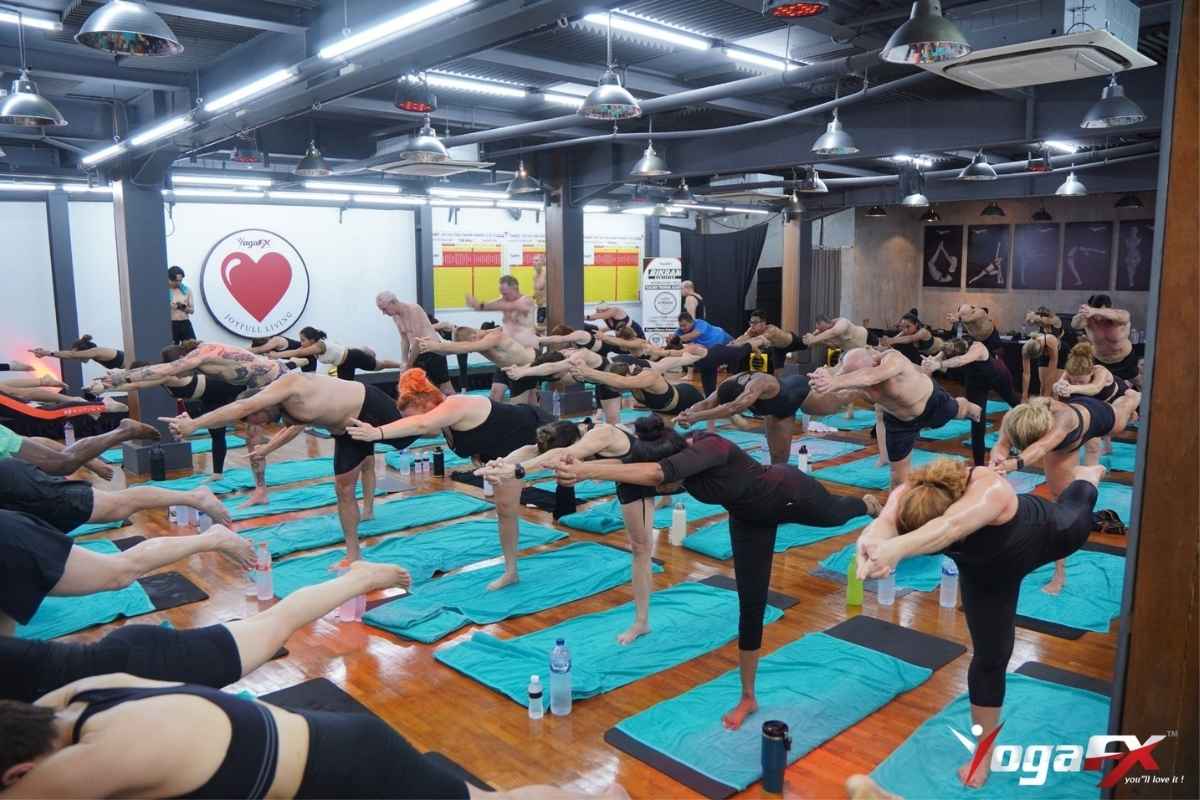
It’s also worth checking what happens if you can’t complete all 200 hours in one sitting, whether due to illness, work conflicts, or simply underestimating the intensity. Reputable schools have a clear policy for make-up hours or deferred cohorts; schools that don’t mention this at all, or seem vague when asked directly, are worth treating with some caution.
Cost Versus Curriculum Depth
Price is often the first thing candidates compare, and it’s the least reliable signal of quality on its own. A cheaper programme that meets only the bare Yoga Alliance minimums across all five categories can look identical on paper to a more expensive one that doubles the practicum hours and adds mentorship after graduation, right up until you’re standing in front of your first real class. Our breakdown of typical hot yoga teacher training costs compares pricing structures across formats in more detail, but the short version is that the meaningful cost comparison isn’t price per hour of training, it’s price per hour of actual supervised teaching practice, which can vary by a factor of two or three between programmes charging similar tuition.
There’s also a longer-term cost dimension worth factoring in: what the credential actually enables you to do afterward. A 200-hour RYT credential from a Yoga Alliance registered school carries recognition that opens doors at gyms, studios, and international opportunities specifically because employers know what the standard represents. Training that skips registration to save money can end up costing more in lost opportunities than it saved upfront. Our guide to yoga instructor licensing and global teaching standards covers how this recognition works in practice across different countries and employer types, which matters if you’re training with the intention of teaching internationally rather than only locally.
How YogaFX Structures Its 200 Hours
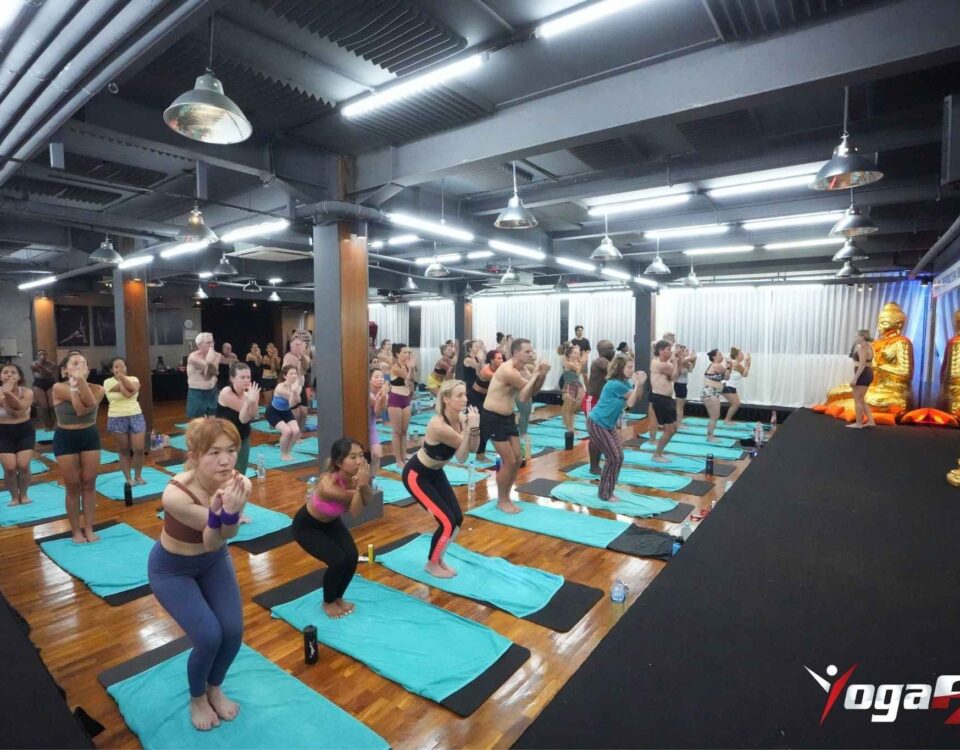
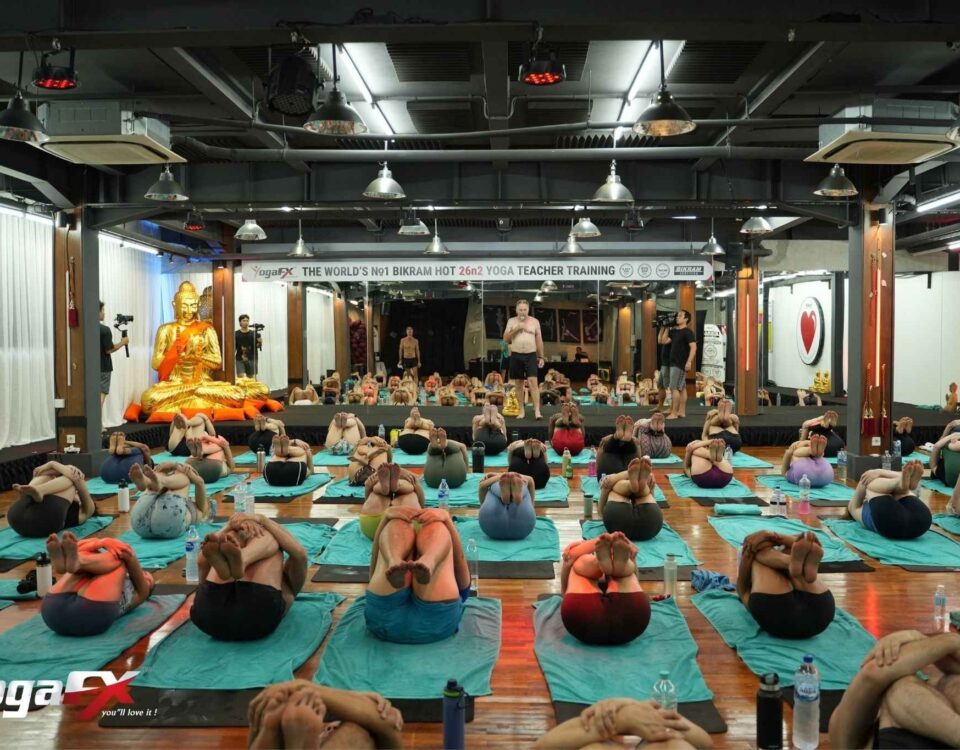
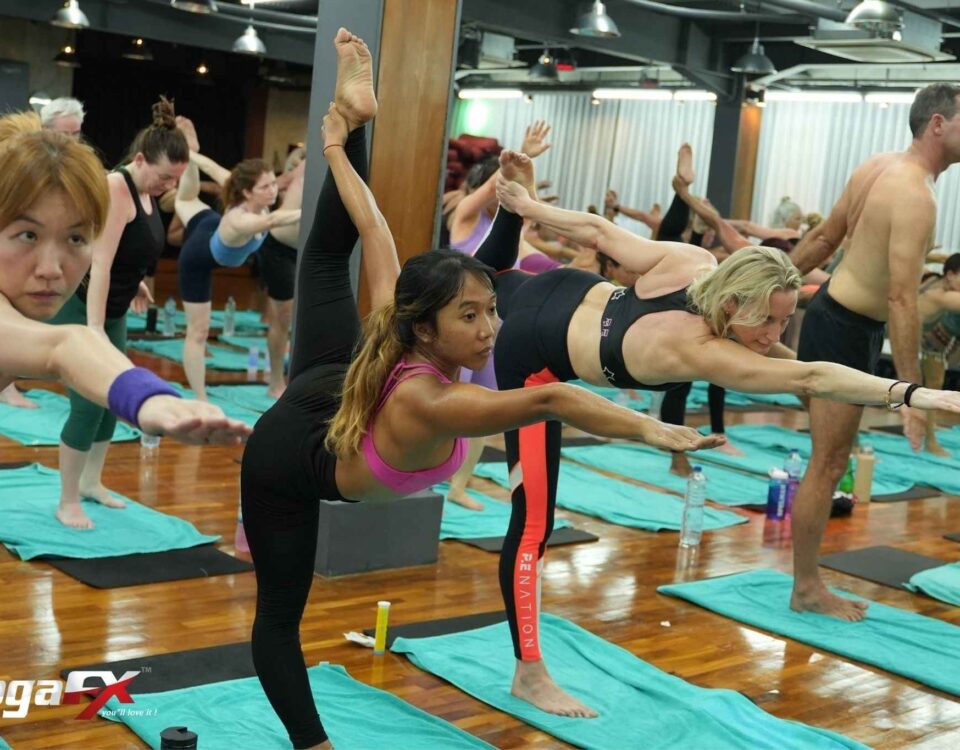
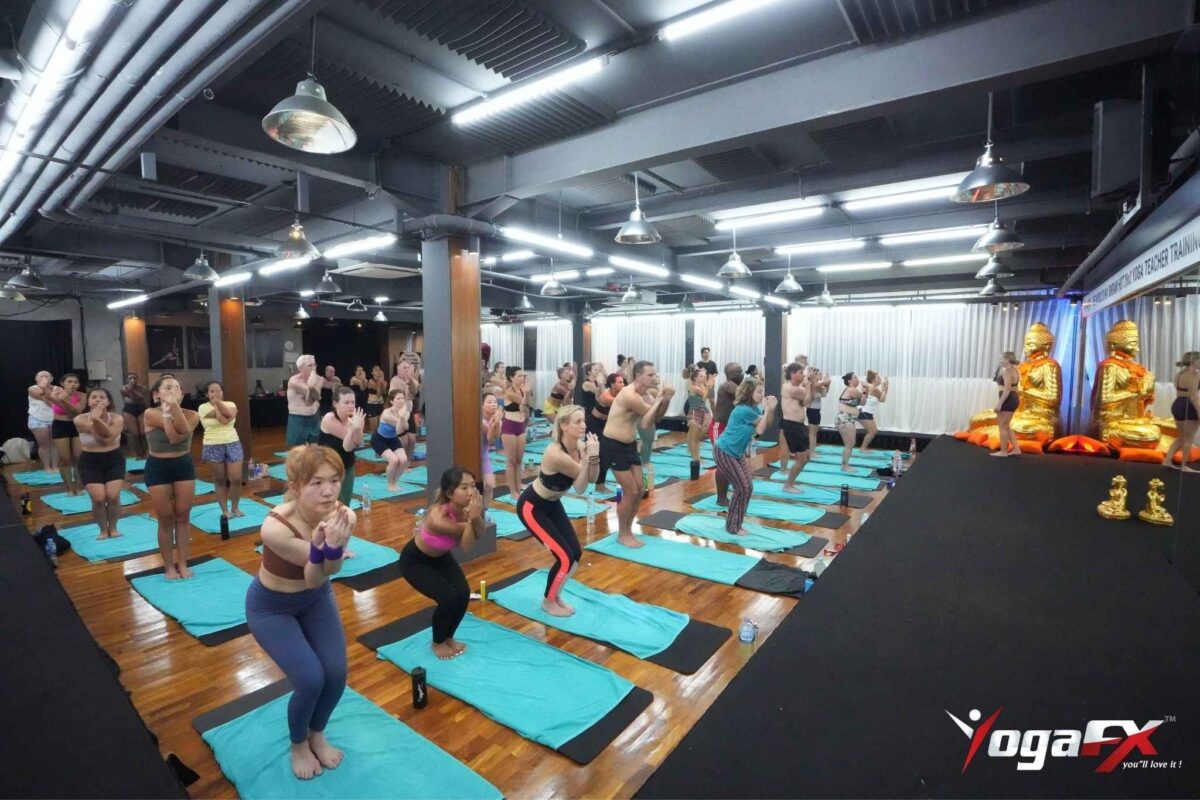
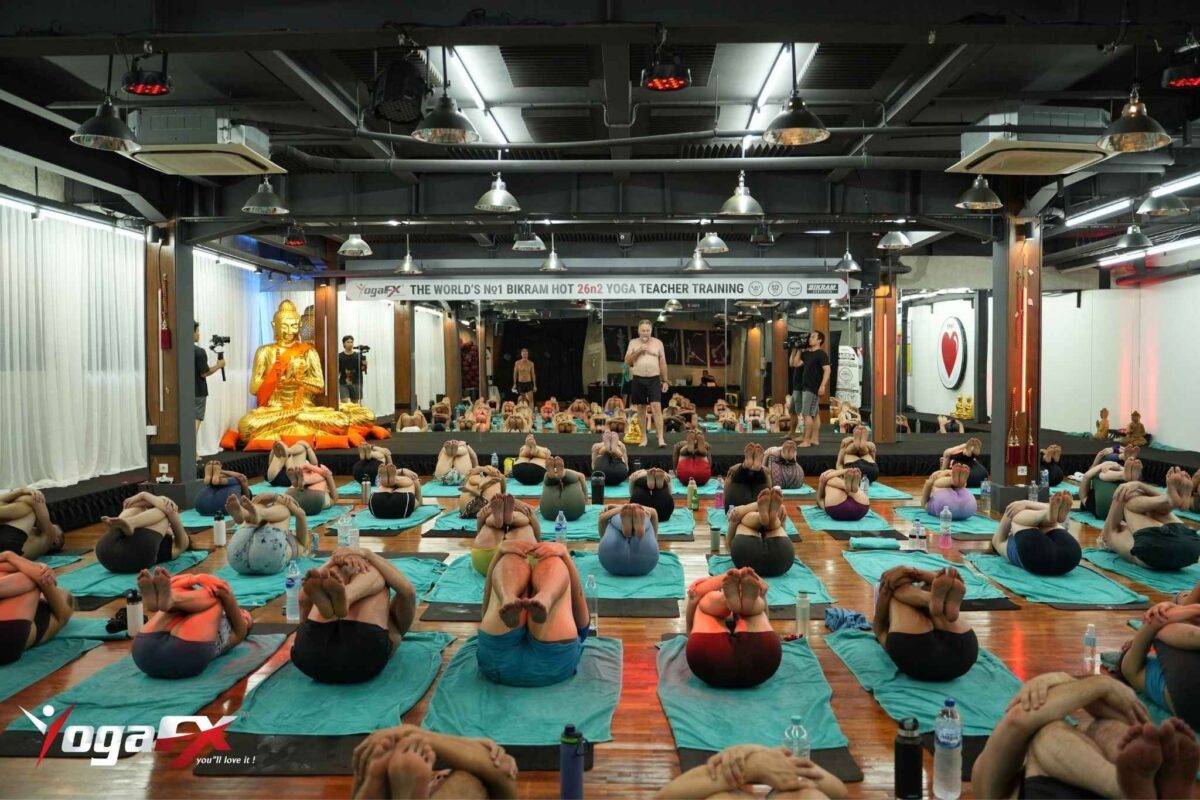
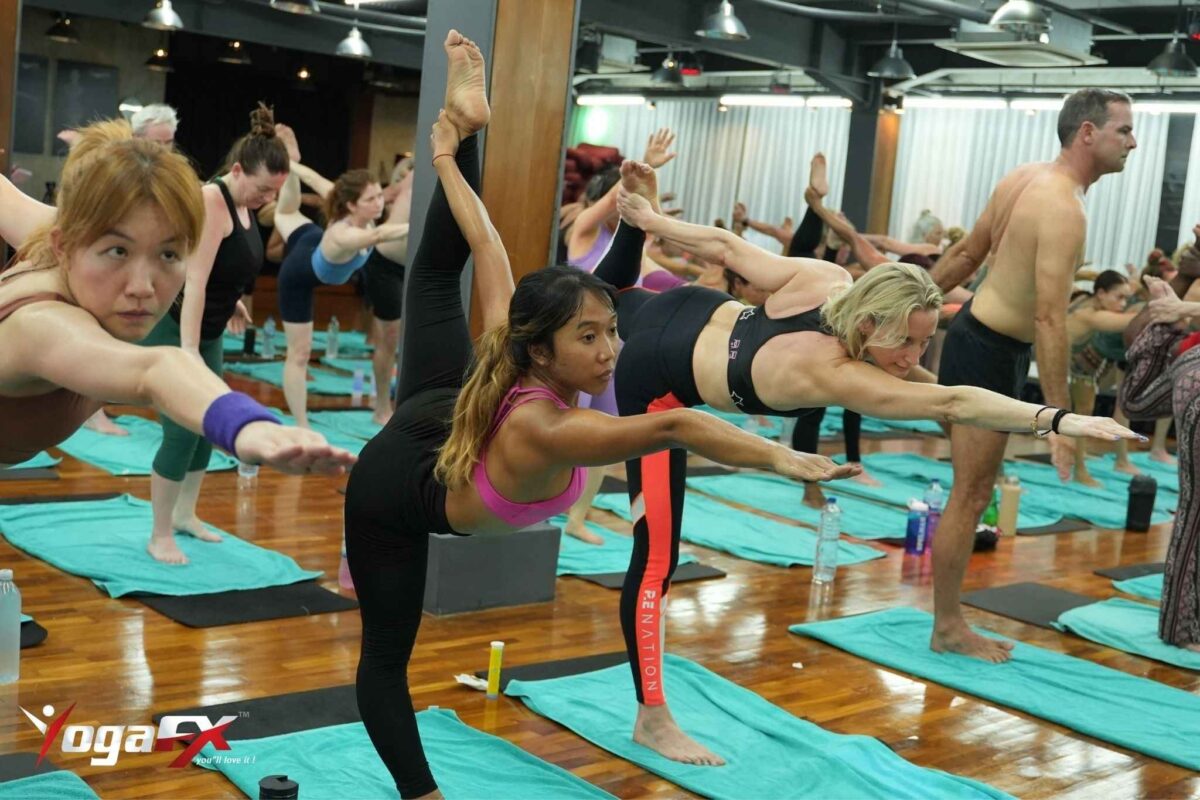
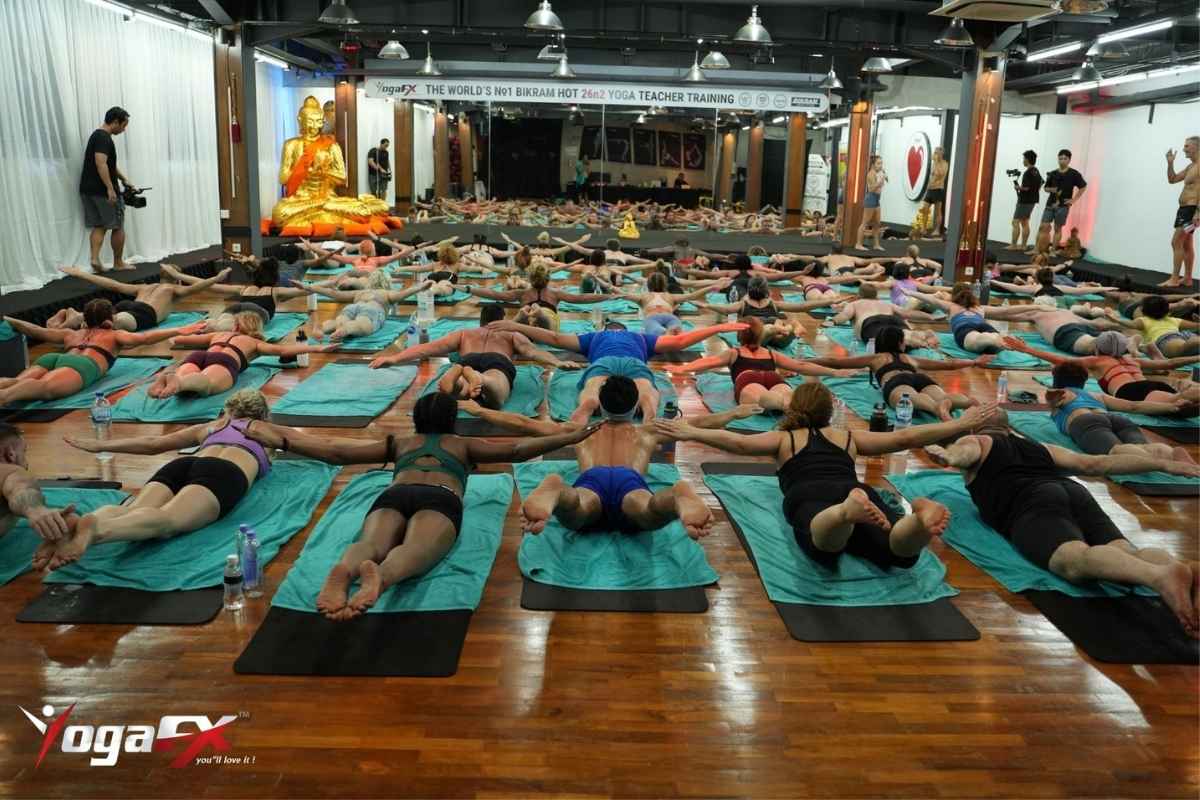
YogaFX runs its 200-hour training as a hybrid intensive: anatomy, philosophy, and theory modules are completed online before arrival, with the in-person component compressed into a 6-day immersion in Seminyak, Bali, where practicum time is genuinely supervised and Mr. Ian Terry and the teaching team give each candidate individual feedback on their dialogue delivery.
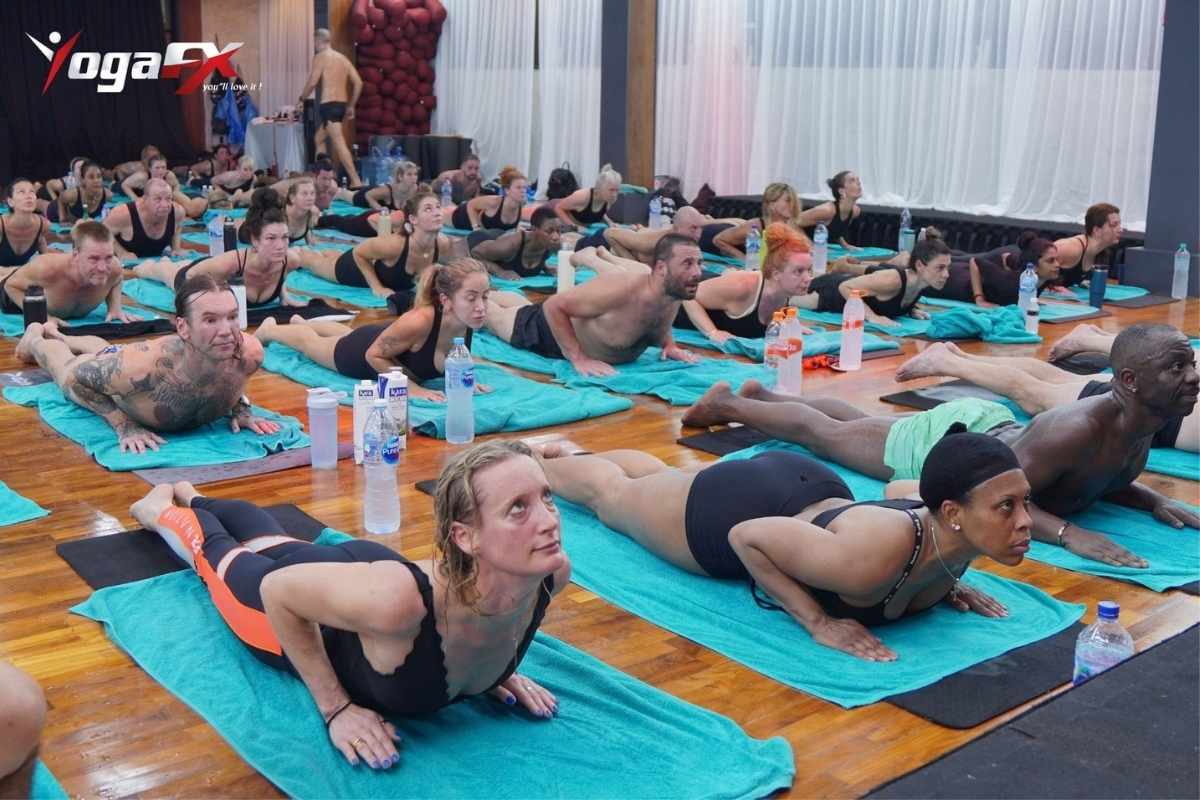
Ian Terry, E-RYT 500, trained for five years, from 2014 to 2019, directly with Bikram Choudhury, the founder of the Bikram Hot 26&2 method, has logged more than 12,000 teaching hours, and has certified over 1,500 graduates from more than 80 countries. Graduates leave with dual certification, Yoga Alliance RYT 200 plus the Bikram Hot 26&2 credential, giving standing in both the general RYT-registered market and dedicated hot yoga studios. Programme pricing runs USD 1,999 (Early Bird 1,899, limited seats) to 2,199 depending on accommodation package, and UK candidates should check live exchange rates before budgeting. If travel itself is the obstacle rather than the budget, YogaFX also runs a separate fully online RYT 200 course at USD 399, or 329 on the limited Early Bird. That is a standalone certification, not the hybrid programme’s pre-course study, and its fee is credited in full towards the MasterClass if you travel later.
Worth stating plainly: YogaFX operates as a prominent Hot 26&2 yoga teacher training academy, headquartered in Bali with studios in Seminyak and Canggu, and it is not affiliated with Bikram Choudhury or Bikram’s Yoga College of India. The training is built on Ian Terry’s own direct lineage and instruction. That lack of affiliation doesn’t affect Yoga Alliance registration or the credential’s standing, but it’s worth knowing upfront rather than discovering afterward.
FAQ
What’s the minimum practicum time in a 200-hour programme?
Yoga Alliance’s minimum for practicum is just 10 hours out of the total 200, the lowest requirement of the five core categories. Programmes that build in significantly more supervised teaching time tend to produce more confident, prepared graduates.
Can I complete a 200-hour training part-time?
Yes. Weekly evening or weekend formats typically spread the 200 hours over 4-9 months. Hybrid formats also allow part-time completion by moving theory hours online, compressing the in-person commitment to 6-10 days.
Do all 200-hour certifications count the same?
Not functionally. All Registered Yoga Schools meet the same Yoga Alliance minimums, but how those hours are distributed, particularly practicum time beyond the minimum, varies significantly and affects how prepared graduates feel once teaching independently.
What happens if I miss hours during training?
Reputable schools have a clear make-up hours or deferred cohort policy for candidates who can’t complete all 200 hours in one sitting. It’s worth confirming this policy directly before enrolling, since vague answers on this point are a warning sign.
Is a 200-hour certification enough to teach professionally?
Yes, RYT 200 is the entry-level credential most studios and gyms hire against. Many teachers pursue RYT 500 later for advanced sequencing and specialised populations, but 200 hours is the recognised starting standard for professional teaching, not a preliminary step before you can legally teach.
Does the training include dedicated anatomy workshops?
Yes. The 20-hour anatomy and physiology category is delivered as standalone workshop sessions, not folded into general lecture time, covering the musculoskeletal system, contraindications, and injury-prevention principles specific to the postures in the sequence. In YogaFX‘s hybrid format, this anatomy workshop content is completed online before arrival, freeing the 6-day in-person block for practicum and posture clinics where an instructor can actually watch how you apply it.