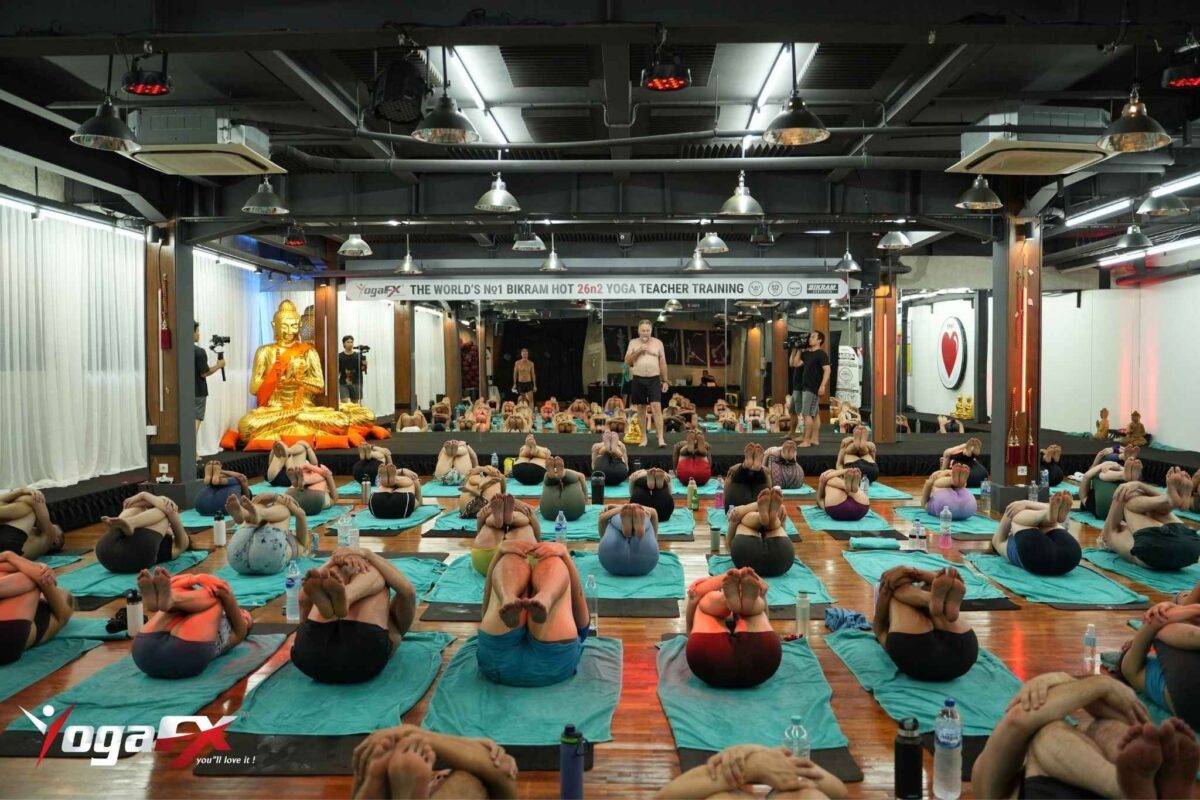
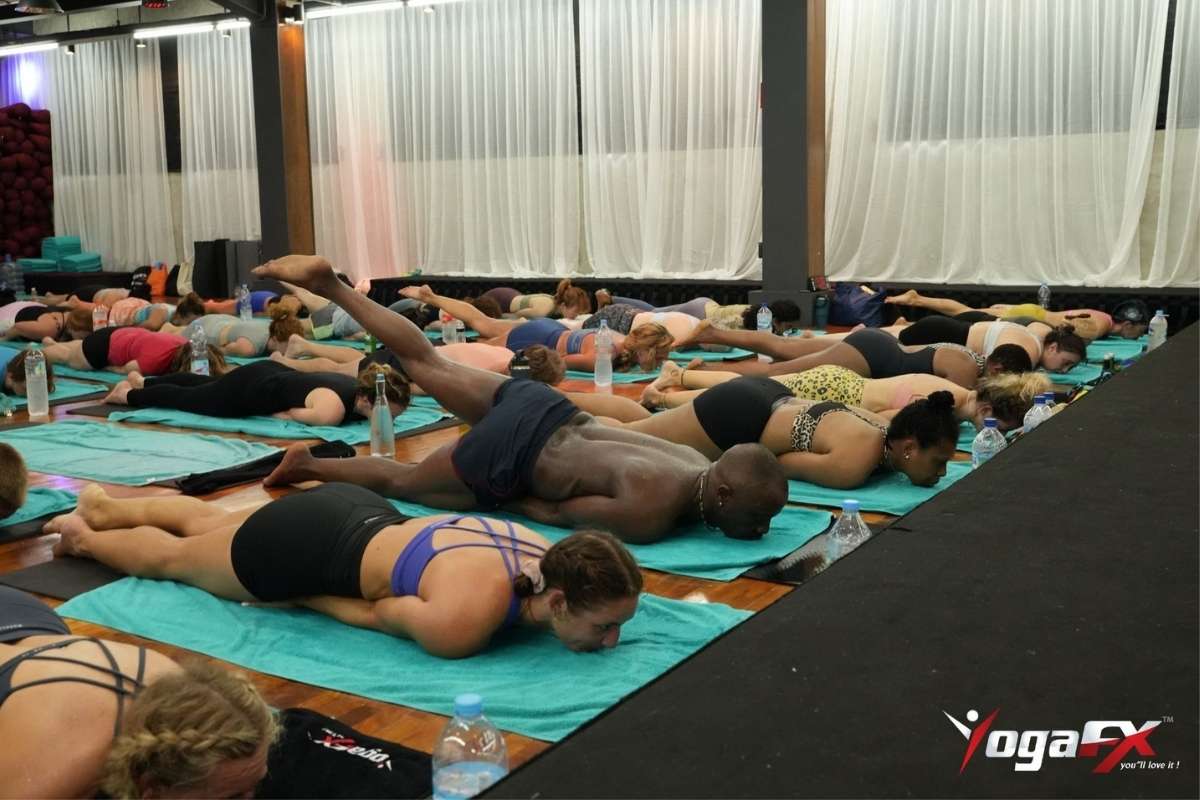
Injury prevention isn’t a bolt-on module in a well-built hot yoga teacher training curriculum, it’s woven through nearly every part of it: the 20-hour anatomy and physiology requirement, the teaching methodology hours that cover cueing and modification, and the practicum sessions where instructors correct unsafe form in real time.

Candidates researching training with a genuine focus on injury prevention should look past the marketing language and check what’s actually being taught in each of those three areas specifically.
In This GuideWhere safety lives in the curriculum and what to ask schools
Why Injury Prevention Deserves Its Own Scrutiny
A hot room raises the physical stakes of teaching. Heat increases tissue pliability, which lets students move deeper into postures than they could cold, but that same pliability can mask the early warning signs of overstretching until damage is already done.
A teacher who understands the mechanics of what’s happening in a student’s joints and connective tissue during a deep backbend or a standing balance posture is in a fundamentally different position than one who has only memorised the verbal cues without the anatomical reasoning behind them.
It’s also worth being upfront about what the research actually says, rather than relying on marketing claims either way. A systematic review covering 43 studies and 942 participants found consistent evidence for improved flexibility and bone density among regular heated-yoga practitioners, which is a meaningful body of evidence.
It doesn’t mean the practice is risk-free, and our guide to the risks and side effects of hot yoga covers the other side of that picture in more depth, which is exactly the kind of balanced knowledge a teacher candidate needs before standing in front of a room of students relying on their guidance.
Where Injury Prevention Actually Lives in the 200-Hour Curriculum
Injury prevention isn’t a single line item on a syllabus. It’s distributed across three of the five Yoga Alliance categories, and how thoroughly each one is taught is what separates a school that talks about safety from one that actually builds it into how you teach.
| Curriculum Area | Hours (Yoga Alliance Minimum) | Injury-Prevention Content |
|---|---|---|
| Anatomy and Physiology | 20 hours | Musculoskeletal structure, contraindications for specific postures, how heat affects tissue pliability and injury risk |
| Teaching Methodology | 25 hours | Cueing language for safe alignment, recognising early signs of overextension, adapting sequences for students with undisclosed injuries |
| Practicum | 10 hours | Supervised correction of unsafe form in real time, direct feedback on modification cues given to students |
Our fuller breakdown of what the 200-hour curriculum actually covers goes into each of these categories in more depth. The pattern worth noticing here is that anatomy hours alone don’t make a teacher injury-aware. It’s the combination of anatomical knowledge with methodology practice and supervised correction that actually changes how a teacher watches a room.
The Postures That Demand the Most Attention
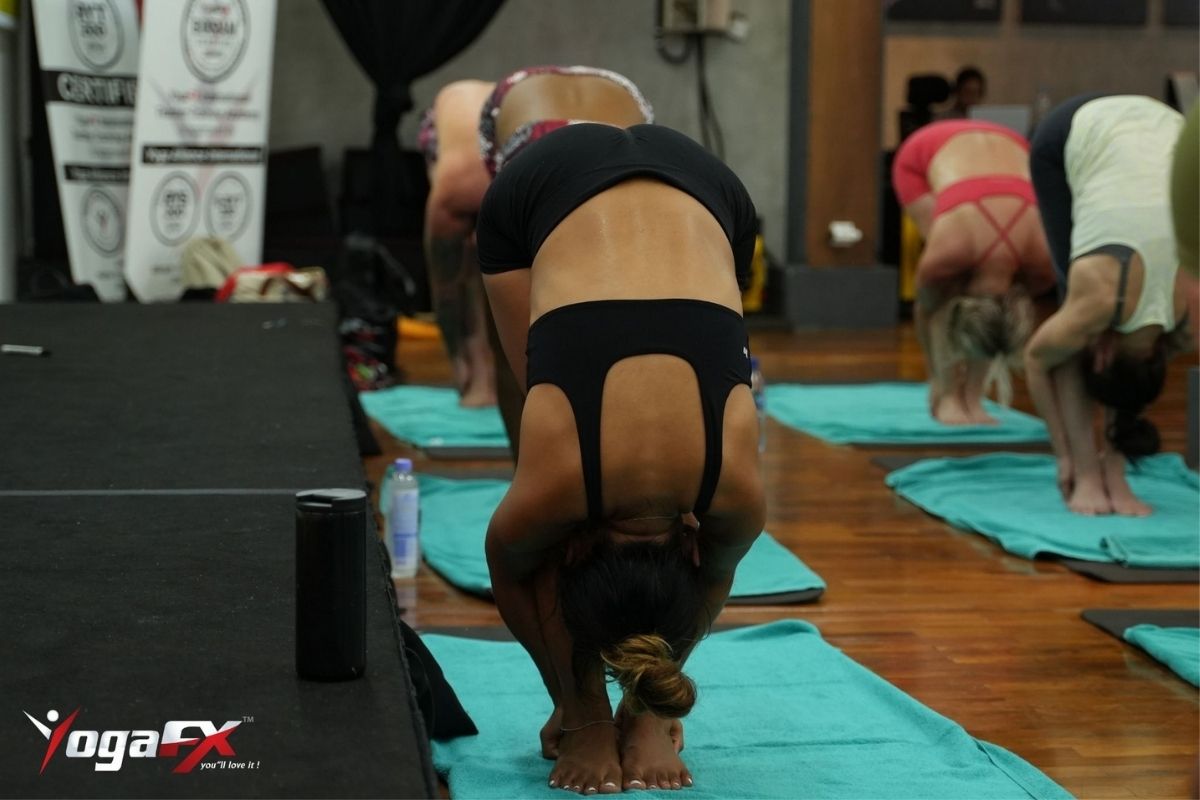
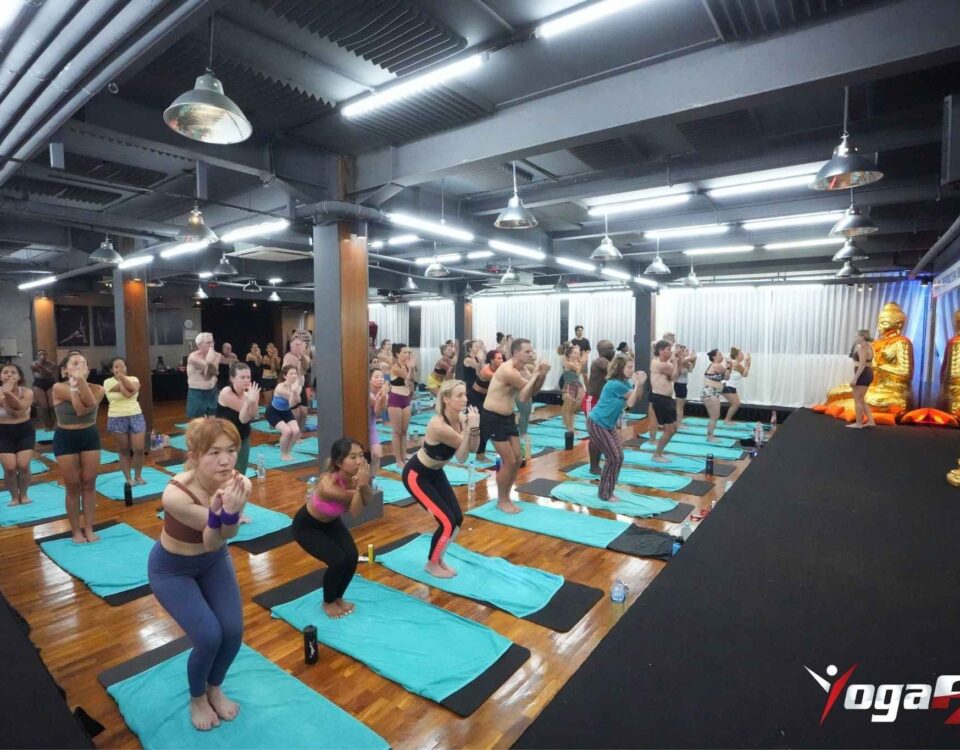
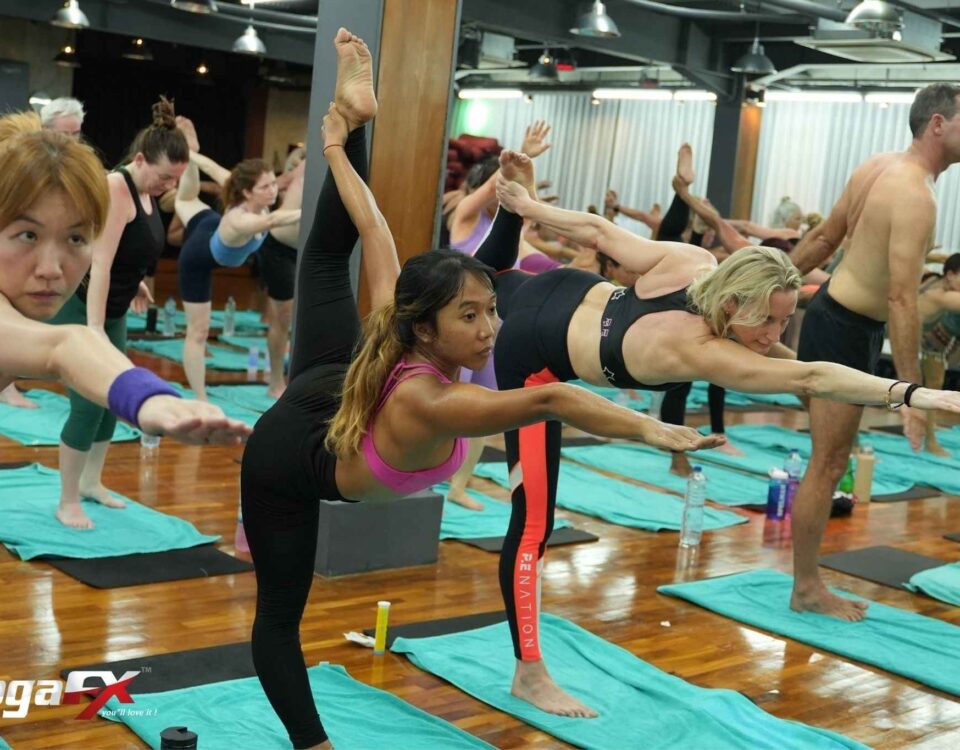
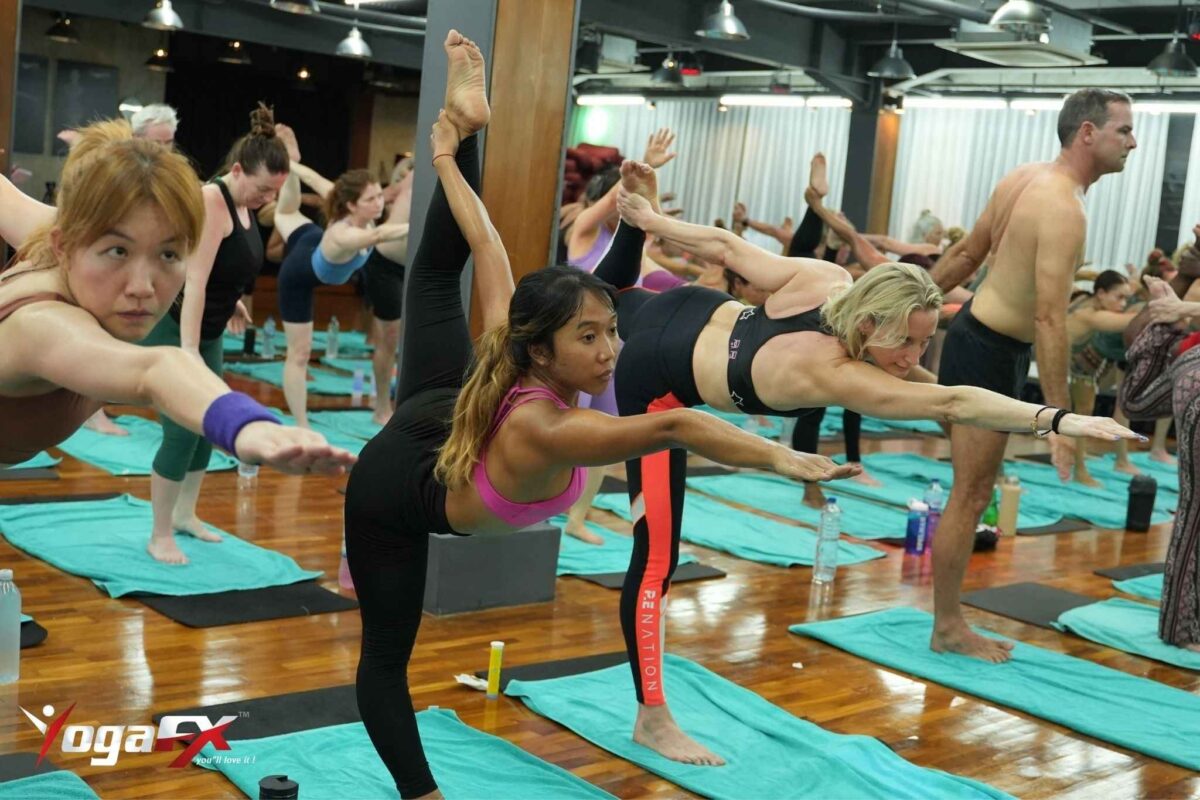
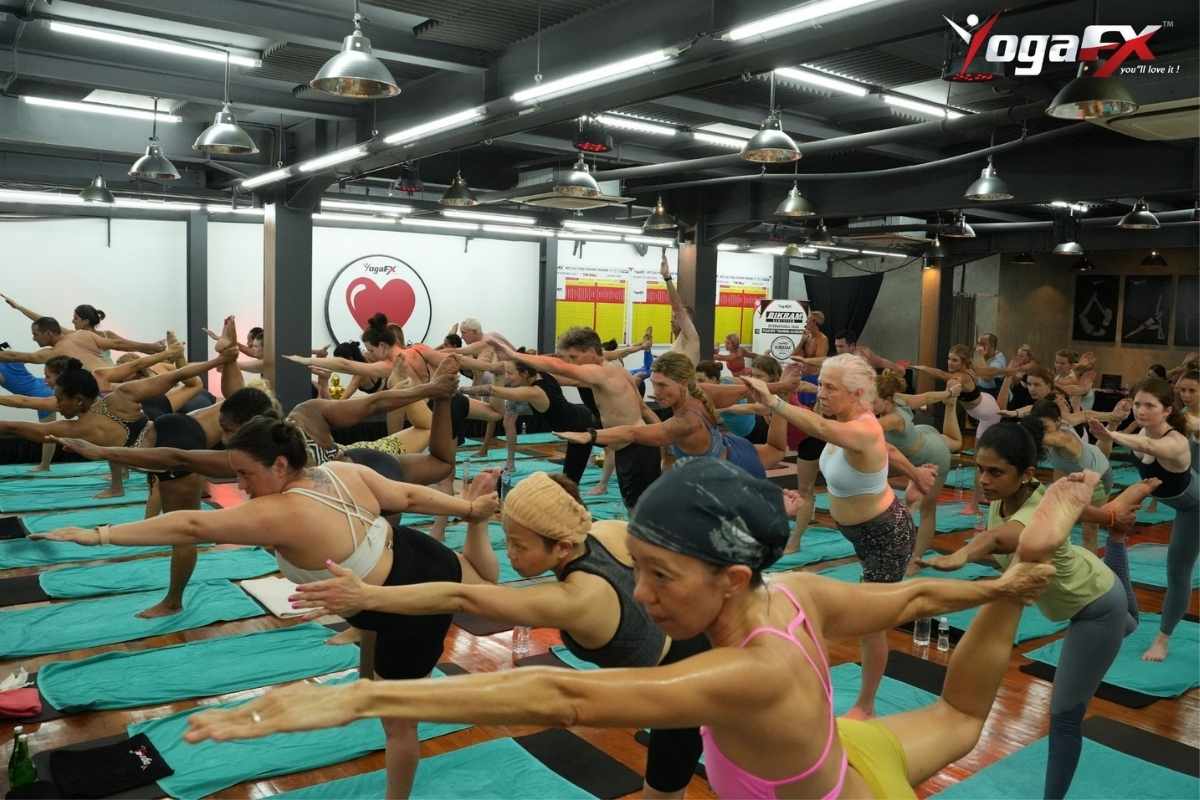
Not every posture in the 26&2 sequence carries the same risk profile. Deep backbends and standing balance postures place load through the lumbar spine and knee joints in ways that reward careful cueing and punish rushed instruction.
A well-built training programme spends disproportionate practicum time on exactly these postures, since a beginner attempting a deep backbend without proper core engagement, or a standing bow pull without adequate hip stability, is where most avoidable strain injuries actually happen.
This is also where the natural heat environment YogaFX trains in becomes relevant to the injury-prevention conversation specifically, not just as a lineage detail. Training and eventually teaching in genuine tropical heat, rather than an electrically heated room, means candidates learn to read how bodies respond to a heat source that behaves differently, with humidity playing as large a role as raw temperature in how tissue responds.
Teaching Students to Report What You Can’t See
A part of injury prevention that’s easy to overlook in curriculum design: teaching candidates how to build the kind of rapport that gets a nervous or embarrassed student to actually disclose a pre-existing injury before class, rather than pushing through silently and getting hurt. This isn’t a soft skill bolted onto the hard anatomy content, it’s practical risk management, and it’s the kind of thing that comes up repeatedly in honest conversations about the concerns candidates have before committing to training.
The philosophy and ethics hours in a well-built curriculum cover this directly: where the line sits between offering a safe modification and overstepping into advice a teacher isn’t medically qualified to give. Knowing when to say “let’s modify this posture” versus “please check with a doctor before this class” is a judgement call new teachers have to make constantly, and it’s a skill that’s trained, not innate.
How YogaFX Builds This Into the 6-Day Intensive
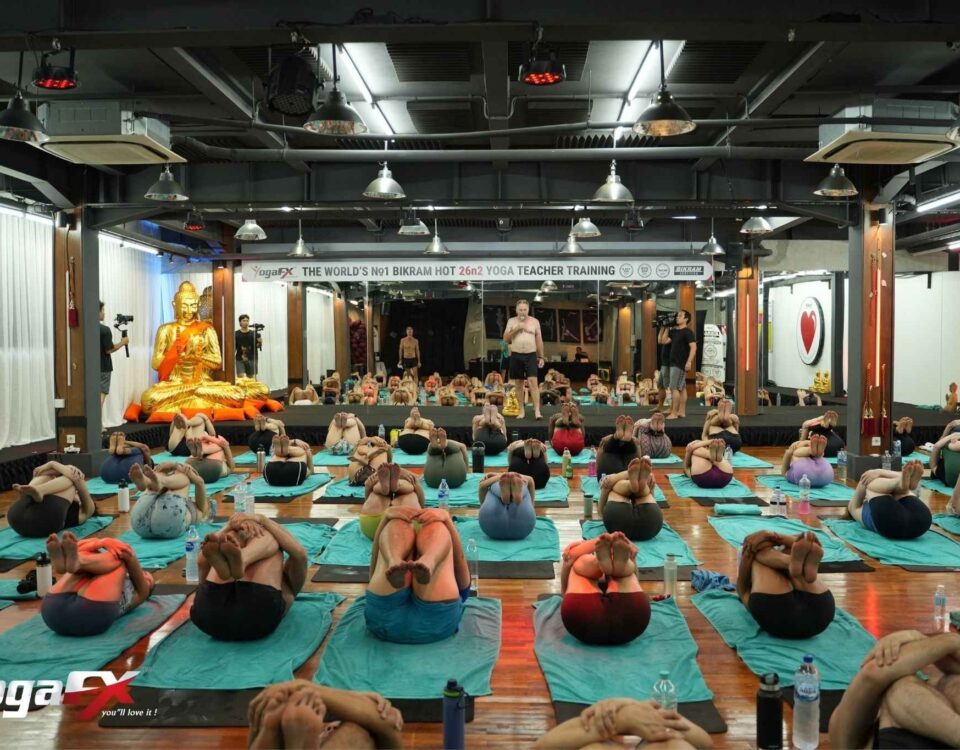
YogaFX front-loads the anatomy and contraindications theory online before candidates arrive in Seminyak, Bali, specifically so the 6-day in-person block can go almost entirely toward practicum: posture clinics where instructors correct alignment in real time, and repeated dialogue delivery under direct supervision.
Mr. Ian Terry and the teaching team watch each candidate’s cueing closely enough to catch language that sounds correct but would actually put a student at risk if repeated unsupervised in a real class.
Ian Terry, E-RYT 500, trained for five years, from 2014 to 2019, directly with Bikram Choudhury, the founder of the Bikram Hot 26&2 method, has logged more than 12,000 teaching hours, and has certified over 1,500 graduates from more than 80 countries. That volume of direct teaching experience is what shapes the specific corrections given during posture clinics, drawn from thousands of real students rather than a generic textbook.
Graduates leave with dual certification, Yoga Alliance RYT 200 plus the Bikram Hot 26&2 credential, and programme pricing runs USD 1,999 (Early Bird 1,899, limited seats) to 2,199 depending on accommodation package. Candidates who cannot travel can start with the fully online RYT 200 course at USD 399, or 329 on the limited Early Bird, though the supervised posture clinics described here are part of the in-person intensive, and the online fee is credited towards it in full.
Worth stating plainly: YogaFX operates as a prominent Hot 26&2 yoga teacher training academy, headquartered in Bali with studios in Seminyak and Canggu, and it is not affiliated with Bikram Choudhury or Bikram’s Yoga College of India. The training is built on Ian Terry’s own direct lineage and instruction. That lack of affiliation doesn’t affect Yoga Alliance registration or the credential’s standing, but it’s worth knowing upfront.
Questions to Ask Any School About Injury Prevention
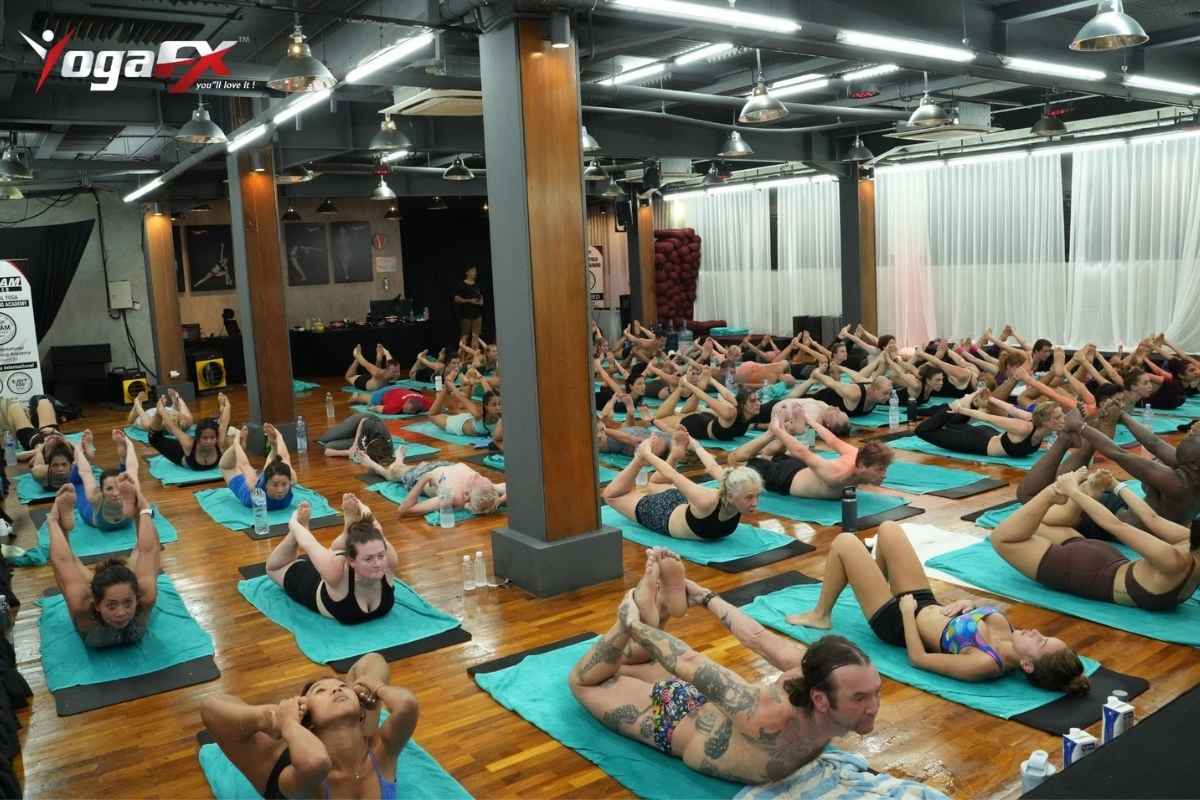
If injury prevention is genuinely a priority in your decision, a handful of direct questions will tell you more than any marketing copy:
- How many of the anatomy hours are specific to this sequence, versus generic yoga anatomy? Contraindications differ meaningfully between styles.
- Do instructors correct cueing language during practicum, or only assess the final dialogue delivery? Real-time correction is what actually changes habits before they’re reinforced in front of paying students.
- Is there a specific module on students who don’t disclose injuries? This is a common real-world scenario that a purely theoretical anatomy module often misses.
- What’s the instructor-to-student ratio during posture clinics specifically? A large cohort dilutes exactly the kind of individual correction injury prevention depends on.
None of this replaces consulting a healthcare professional for a specific medical concern, and any reputable training programme should say so clearly rather than positioning teacher training as medical education.
But a programme that treats these questions as easy to answer specifically, rather than deflecting to generic safety statements, is usually the one that’s actually built injury prevention into its structure rather than its marketing.
FAQ
Where can I find Bikram yoga teacher training that focuses on injury prevention?
Look for programmes that build injury prevention into anatomy, teaching methodology, and practicum together, not just a single lecture. YogaFX covers contraindications and safe cueing online before arrival, then reinforces it with real-time correction during the supervised practicum in Bali.
How much anatomy training is actually required for a 200-hour certification?
Yoga Alliance requires a minimum of 20 hours of anatomy and physiology, covering the musculoskeletal system and contraindications. Some schools exceed this minimum; it’s worth asking directly how much is specific to your training style.
Does hot yoga carry more injury risk than room-temperature yoga?
Heat increases tissue pliability, which can let students move deeper into postures than they safely should without noticing overstretching until it’s already happened. This is exactly why teacher training in a heated style needs dedicated attention to cueing and modification, not less.
Can a yoga teacher give medical advice about an injury?
No. Teachers are trained to offer safe modifications and recognise when to refer a student to a healthcare professional, not to diagnose or treat injuries themselves. Well-built ethics training covers exactly where that line sits.
What should I do if I already have an injury and want to train as a teacher?
Talk to a healthcare professional before committing to any physical intensive, and disclose the injury to the school directly so instructors can advise on suitable modifications during your own training. This is a personal medical decision no article can substitute for.