

Hot yoga is loved for its intensity and the way it leaves you feeling afterward, but it comes with real physical demands that are worth understanding before your first class. Here’s what to know about the common side effects, from headaches to skin breakouts, and how to practise safely.

In This GuideCommon side effects, why they happen and how to stay safe
Is Hot Yoga Bad For You?
For most healthy adults, no, not when practised with proper hydration and pacing, and our guide to whether hot yoga is good for you weighs up the research, the pros and cons and who should skip it. Classes run in rooms heated to roughly 35-40°C with high humidity, which raises heart rate and increases sweating on top of the physical demand of the postures themselves.
It may not be suitable, or may need modification, if you have:
- Heart or blood pressure conditions
- Heat sensitivity or a history of heat-related illness
- Skin conditions like eczema or rosacea
- A pregnancy, where the safety considerations are different enough to warrant their own guide: see our breakdown of heated yoga during pregnancy
Talk to your doctor before starting if you have any of these or other medical conditions.
When Hot Yoga Can Be Risky
Hot yoga can genuinely cause harm if you:
- Don’t drink enough water beforehand
- Have unmanaged diabetes, high blood pressure, or a heart condition
- Ignore early signs of heat stress, like dizziness or nausea
- Practise while unwell or run down
- Push too hard trying to keep up with more experienced students
Overheating, muscle strain, and fatigue usually happen when these signs get ignored rather than as an inevitable part of the practice. The NHS guidance on heat exhaustion and heatstroke is a useful reference for recognising warning signs early, whether in a hot yoga room or any other heat-exposed activity.
Can Hot Yoga Cause Digestive Issues?
Some people do experience digestive discomfort, though it’s not the norm. It’s usually linked to dehydration affecting digestion, deep twisting postures stimulating the gut, or eating too close to class time.
To reduce the risk: drink plenty of water through the day, eat a light meal 1-2 hours before class, avoid spicy or greasy food beforehand, and rest if symptoms persist.
Skin Breakouts and Sensitivity

Sweat opens pores, and if it’s left sitting on skin or mixed with unwashed towels and mats, it can contribute to breakouts. If you have eczema or particularly sensitive skin, the heat and sweat may cause a flare-up.
Tips to avoid breakouts:
- Wash your face before and after class
- Dab sweat with a clean towel rather than rubbing
- Skip makeup or heavy skincare before class
- Keep your mat and towel clean between uses
- Use a gentle moisturiser if you have eczema or sensitive skin, and monitor how your skin responds over time
Headaches
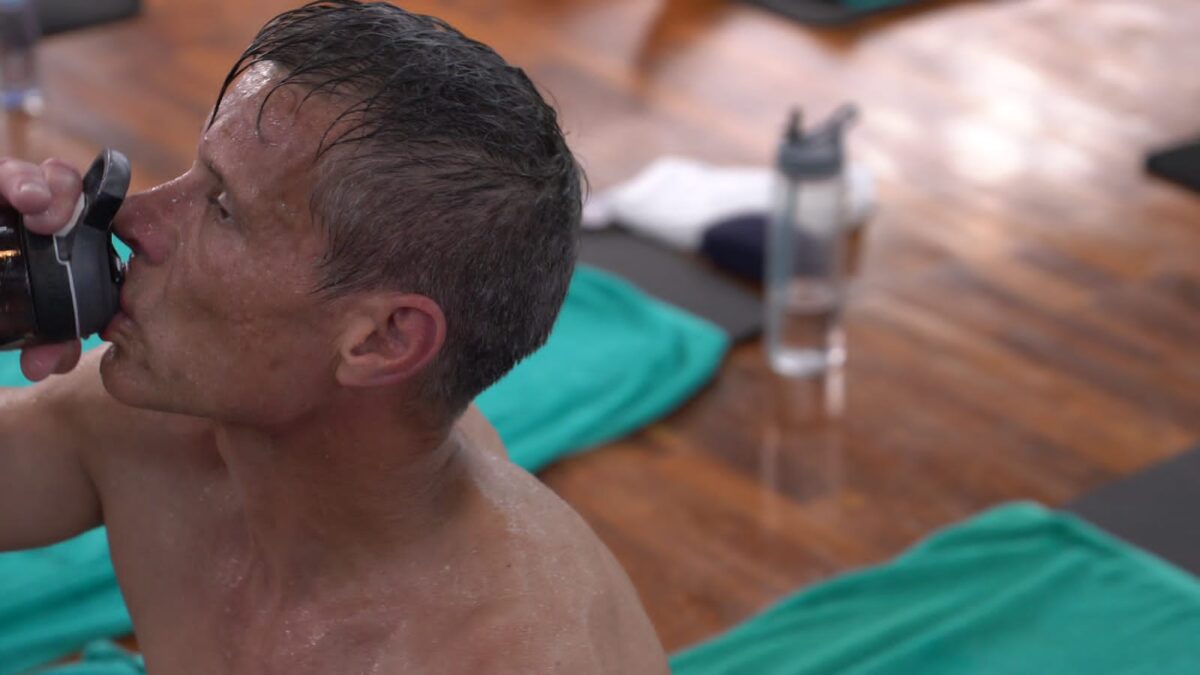
Headaches during or after class are usually caused by dehydration, low electrolytes, shallow breathing, or pushing too hard.
Prevention: drink water steadily through the day rather than all at once before class, rehydrate with electrolytes afterward, breathe steadily during practice, and rest if you feel dizzy or drained.
Can Hot Yoga Cause UTIs?
There’s no strong evidence that hot yoga directly causes UTIs, but sweating in tight clothing and not changing afterward can increase risk. Wear breathable, moisture-wicking clothing, change promptly after class, and stay hydrated to lower the risk.
This article is for general information and doesn’t replace advice from a qualified healthcare professional. If you have a pre-existing condition or any concerns about starting hot yoga, consult your doctor before your first class.
Is Hot Yoga Worth It?
Yes, for most people, when practised with awareness. Stay hydrated, practise good hygiene, listen to your body, and modify postures when needed. Our hot yoga for beginners guide covers how to prepare properly for your first class.
Feeling inspired? Don’t wait!
Now is the perfect time to become a certified yoga teacher.