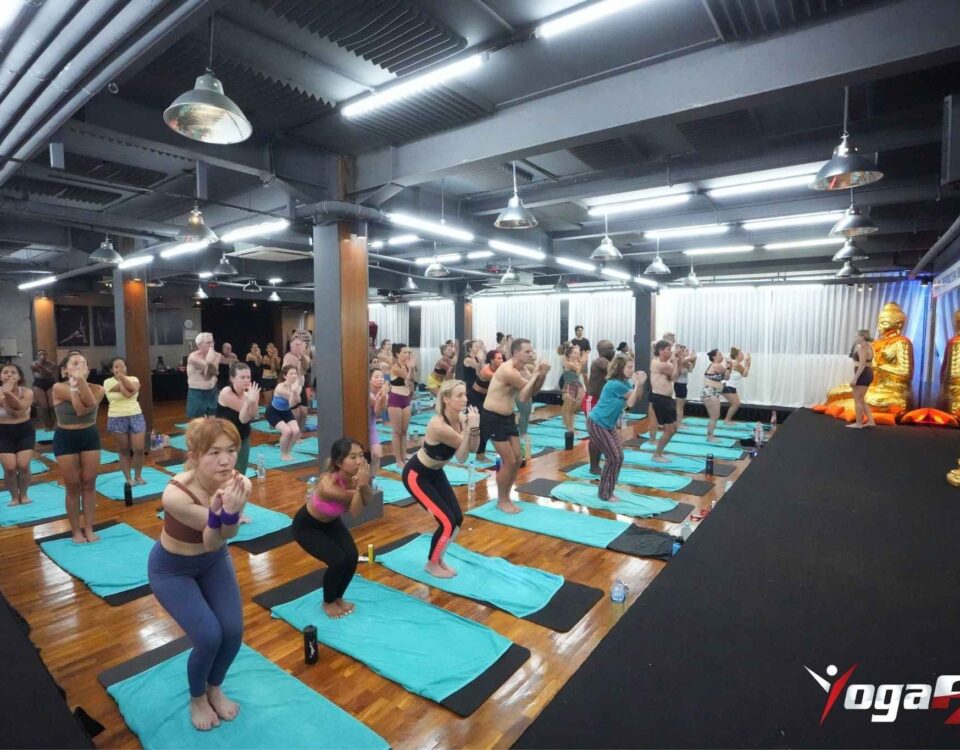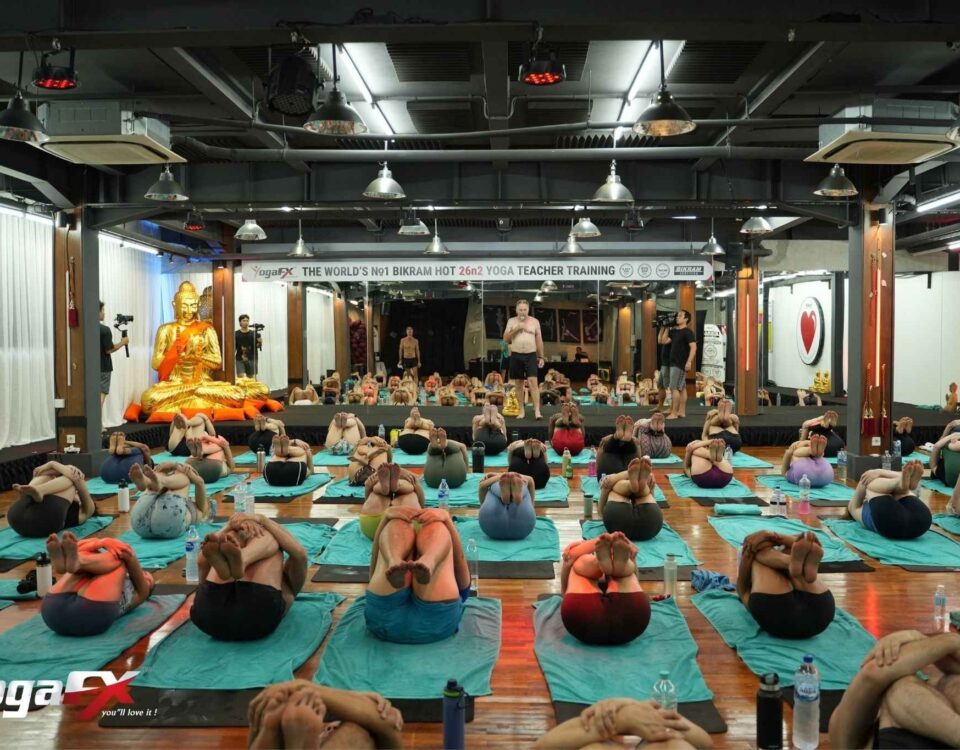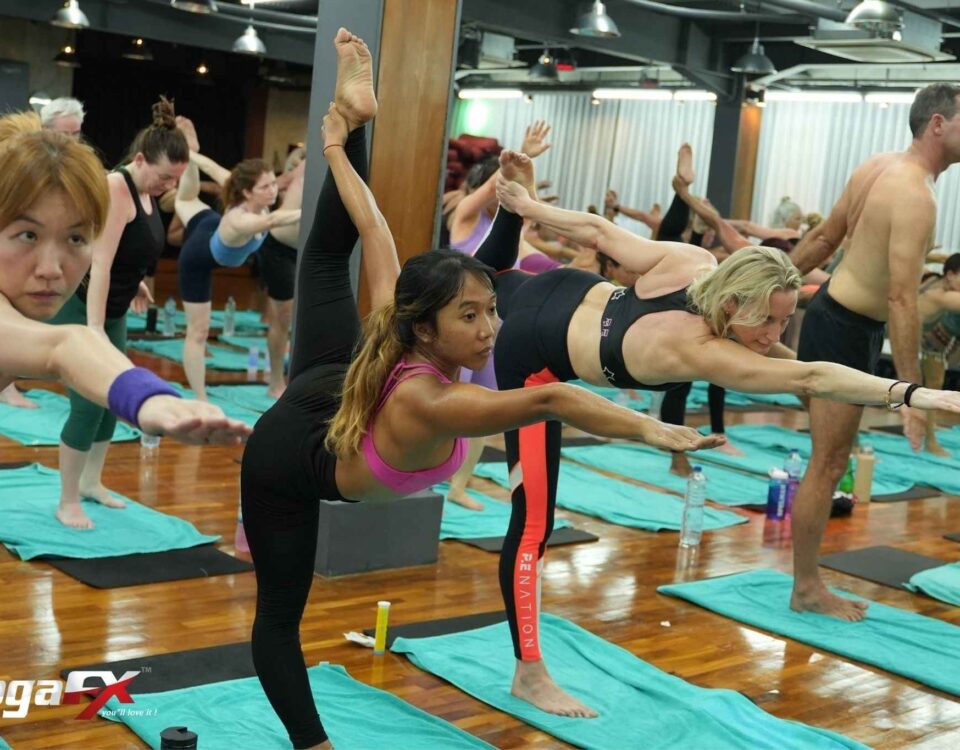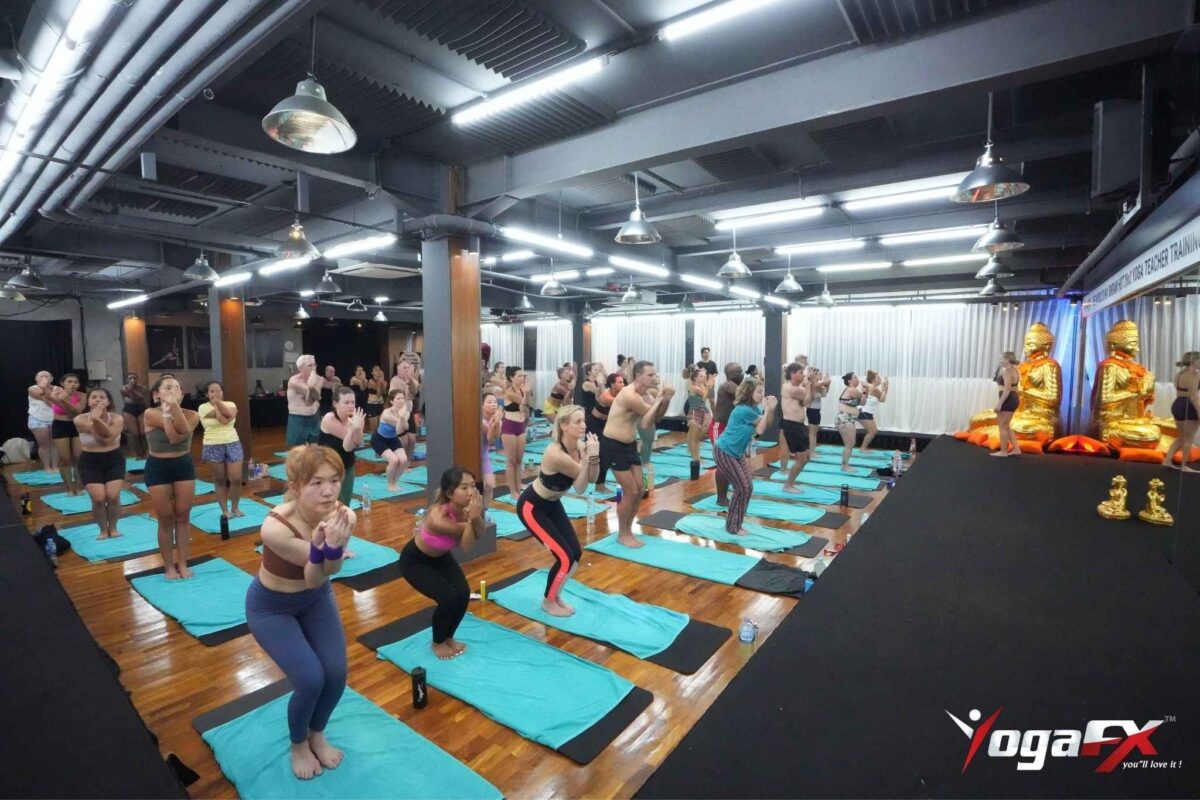
Your first hot yoga class will probably feel harder than you expected, and that is normal. The room sits around 40 degrees Celsius with roughly 40% humidity, your heart rate climbs faster than it would in a regular studio, and most beginners spend the first ten minutes wondering if they made a mistake signing up. They didn’t. What separates people who come back for a second class from people who never return isn’t fitness level. It’s preparation.

This guide covers what hot yoga for beginners actually involves: how to prepare your body before class, what the research says about the practice, what to expect once you’re in the room, and how to build a routine that sticks past week one.
In This GuidePreparation, research and what to expect in your first class
What Hot Yoga For Beginners Actually Means
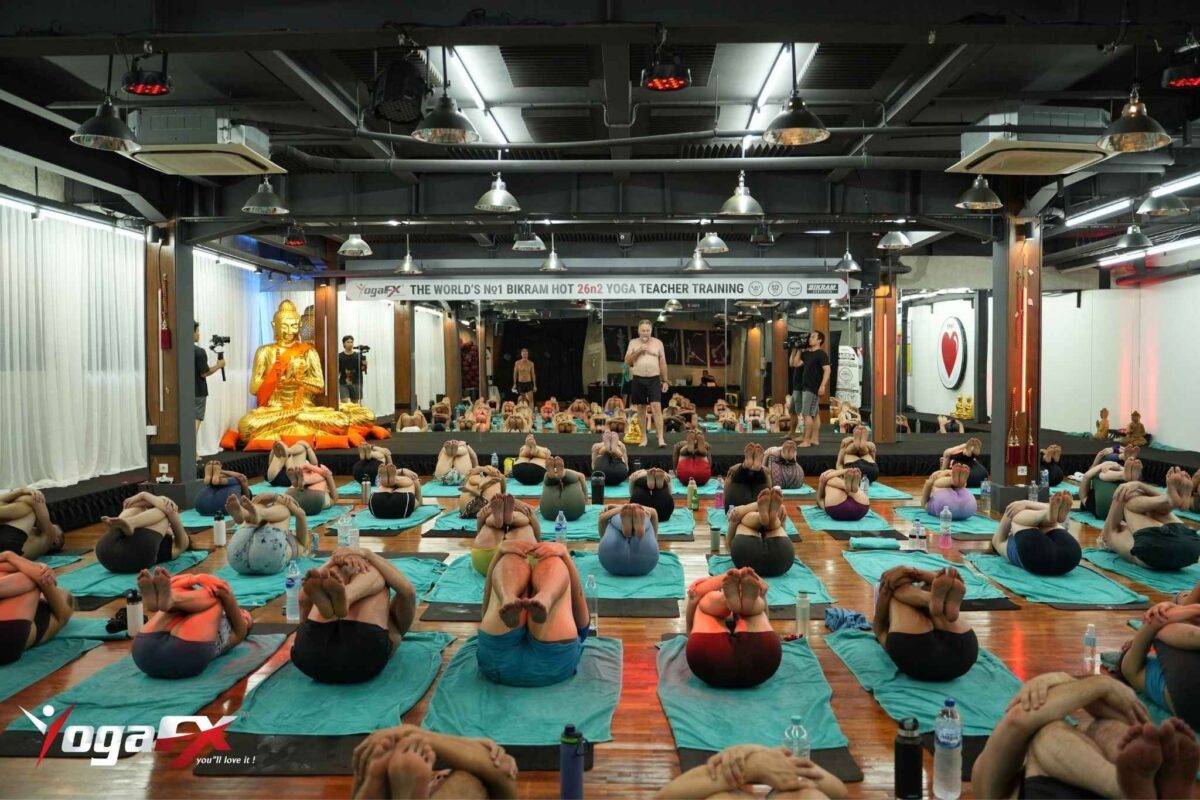
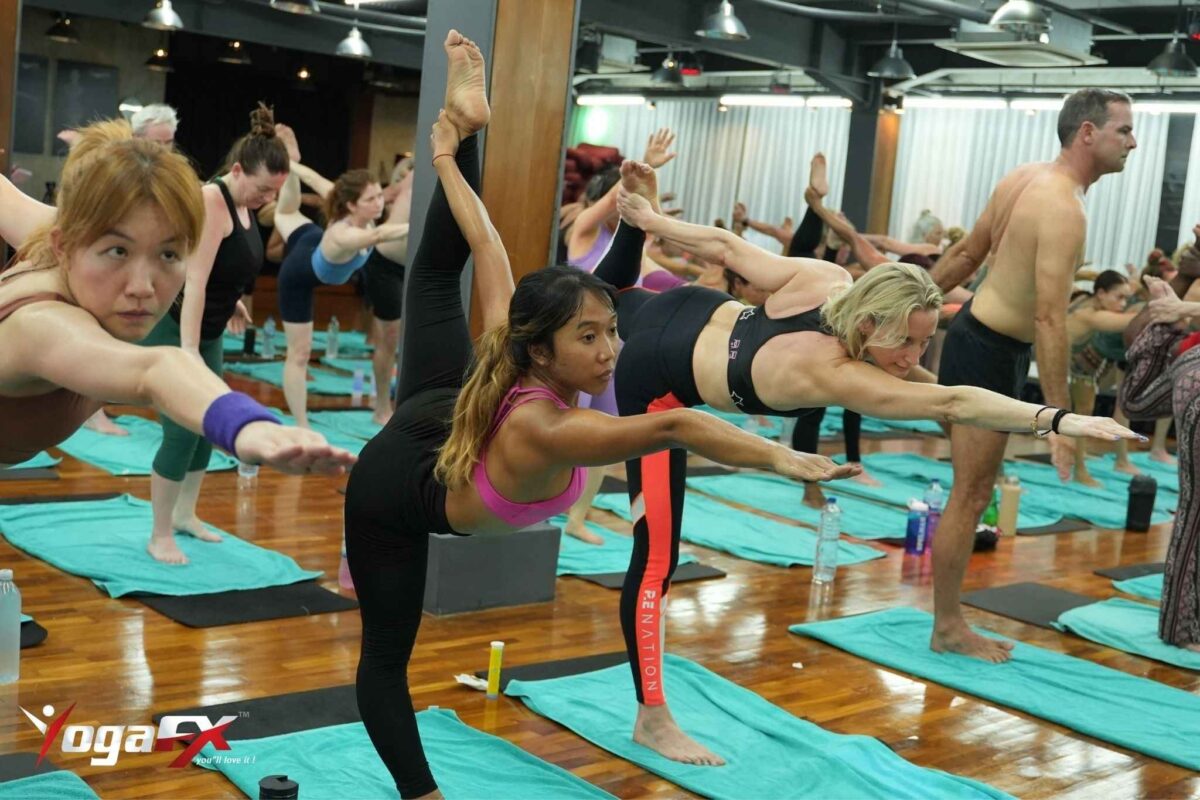
Hot yoga covers several styles, but the original format, sometimes called Bikram or Original Hot 26&2 Yoga, follows a fixed sequence of 26 postures and 2 breathing exercises across a 90-minute class. The room is heated to around 40°C with 40% humidity, a combination designed to warm muscles for deeper stretching and to raise cardiovascular demand well above what the same postures would produce at room temperature.
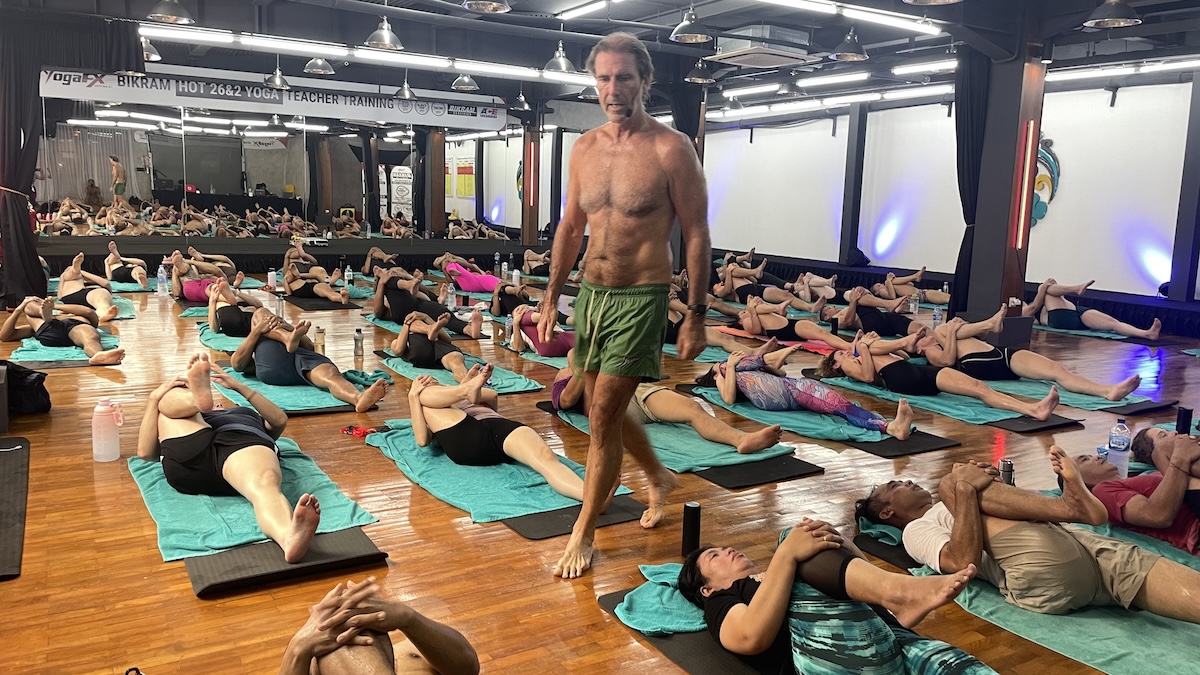
A genuine beginner class runs on scripted verbal instruction. The teacher talks you through every posture in real time, so you don’t need prior yoga experience or flexibility to start. What you do need is a plan for hydration, pacing, and what to bring, because the heat changes how your body responds to exercise in ways a standard gym class doesn’t prepare you for.
What The Research Says About Hot Yoga
It’s worth being precise here, because a lot of hot yoga content leans on vague claims about sweating out toxins. That’s not how the body eliminates waste products, and it’s not the mechanism behind hot yoga’s actual benefits. The research points to something more useful: measurable gains in strength, flexibility, and cardiovascular conditioning.
- Calorie burn and cardiovascular load. A controlled study from the University of Wisconsin found a 90-minute Bikram-style class burns an average of 333 kcal in women and 460 kcal in men, with participants reaching roughly 80% of their maximum heart rate throughout the session, comparable to a moderate-intensity cardio workout (Porcari et al., 2014).
- Strength and flexibility. An 8-week trial measuring Bikram practitioners found a 20% increase in posterior chain strength alongside meaningful gains in flexibility and body composition, changes that held up even in participants with no prior yoga background (Tracy & Hart, 2013).
- Broader wellbeing markers. A 2025 systematic review covering 43 studies and 942 participants found consistent improvement across flexibility, bone density, and general wellbeing measures among regular practitioners (Willmott et al., 2025).
- State-anxiety reduction. Research on heated yoga practice has found a measurable reduction in state-anxiety following sessions, an effect worth knowing about if part of your motivation for starting is stress management rather than fitness alone (Hui et al., 2022).
None of this means hot yoga is risk-free or a substitute for medical care. If you have a cardiovascular condition, are pregnant, or are managing a chronic illness, talk to a healthcare professional before attending a heated class, and tell your instructor beforehand so they can advise on modifications.
How To Prepare For Your First Class
Hydrate the day before, not just the morning of
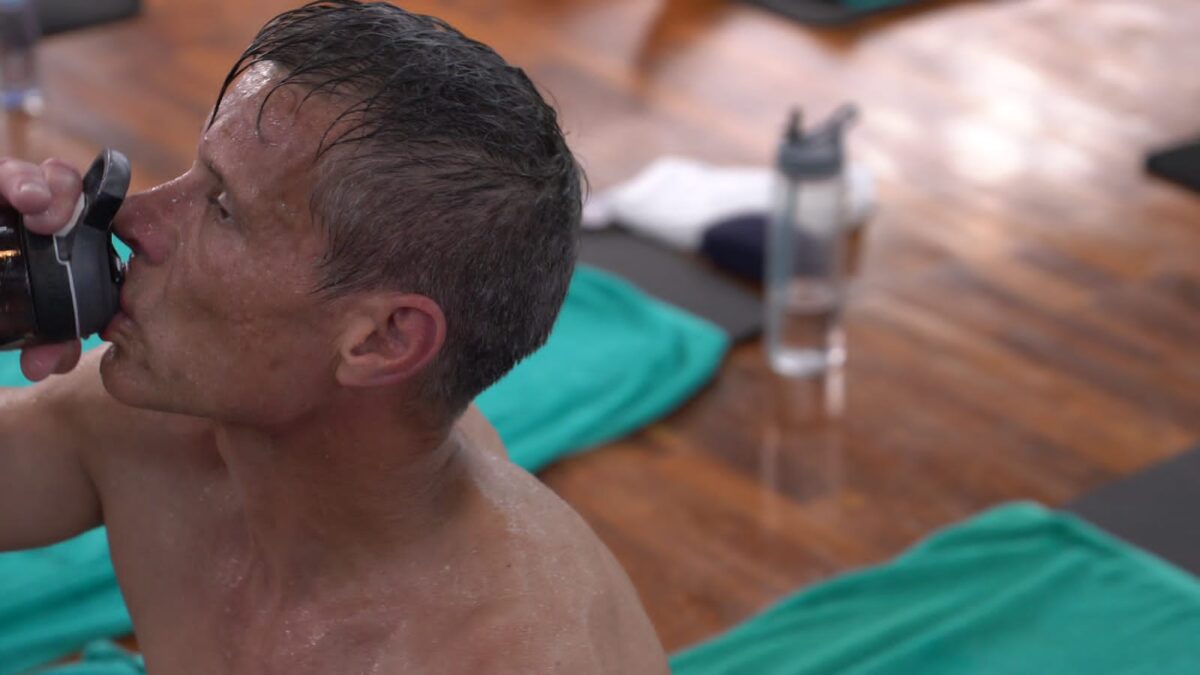
You’ll lose a significant amount of fluid through sweat in a 40°C room, and trying to catch up on hydration in the hour before class doesn’t work. Start drinking water the day before your session, aim for around 2 litres across the day, and add an electrolyte drink if you know you’re prone to cramping or lightheadedness. Skip caffeine on class day where you can, since it works against you on fluid balance.
Eat light, and eat early
Avoid a heavy meal within 1-2 hours of class. A full stomach in a heated room is a fast route to nausea. A banana or a small handful of nuts an hour or so beforehand gives you enough energy without weighing you down. For a fuller breakdown of timing and food choices, see our guide on what to eat before hot yoga.
Bring the right gear
- A yoga mat with real grip. Standard mats get dangerously slippery once they’re wet. Look for one designed for hot or sweaty practice.
- A full-size towel for your mat, plus a smaller one for your face and hands.
- A large water bottle, ideally one you can refill, since you’ll want water on hand throughout the 90 minutes.
- Lightweight, moisture-wicking clothing. Fitted rather than baggy, since loose fabric clings once it’s soaked and gets in your way. Avoid cotton, which holds sweat instead of pulling it away from your skin.
Arrive 15 minutes early
Walking straight from a cold car park into a 40°C room is jarring. Arriving early gives your body a few minutes to acclimatise, gives you time to set up your mat somewhere you’re comfortable (many beginners prefer a spot near the back, where they can see more experienced students ahead of them), and takes the rush out of your pre-class headspace. It’s also worth knowing a little studio etiquette before you walk in, including how to greet your teacher and other students; our guide on yoga greetings and etiquette covers the small rituals, like namaste, that can otherwise feel confusing on day one.
Still need to find somewhere to practise? Our guide to finding a hot yoga studio near you covers what to look for before booking your first class.
What To Expect During And After Class
The first ten minutes are the hardest part for almost everyone. The heat feels intense, your heart rate spikes faster than you’re used to, and it’s tempting to sit out or step into the hallway. The instruction that matters most for beginners is simple: stay in the room. If you feel overwhelmed, come down into a seated position or lie on your mat rather than leaving, and focus on slow nasal breathing until you’re ready to rejoin the sequence. Almost every practitioner who’s stuck with hot yoga describes the same turning point, usually between the second and fourth class, where the heat stops feeling like an obstacle and starts feeling like part of the workout.
Pace yourself rather than matching the person next to you. Hot yoga is not a competition, and pushing into a posture too far too early raises your injury risk without speeding up your progress. Your flexibility and stamina build with repetition, not with force.
Afterward, rehydrate with water and electrolytes, eat something with protein and carbohydrates within an hour or two, and shower reasonably soon since sweat sitting on skin can contribute to breakouts. Change into dry, breathable clothing to help your body regulate its temperature as it cools down.
On frequency: most beginners do well starting with 2-3 sessions a week, which gives the body time to adapt between classes without risking burnout. Once you’re acclimatised, many practitioners move to 4-6 sessions weekly. Most people notice changes in flexibility, sleep, and stress levels within 2-3 weeks of consistent practice, though visible changes in strength and body composition tend to take longer. For a full breakdown of the physical effects, our guide to hot yoga for weight loss covers what the calorie and muscle-engagement research actually shows, and our piece on hot yoga risks and side effects covers what to watch for if something doesn’t feel right.
How YogaFX Approaches Hot Yoga For Beginners
At YogaFX in Bali, every beginner class runs on the Original Hot 26&2 method under natural tropical heat, not electric heaters, in studios in Seminyak and Canggu open daily from 06:00 to 22:00. Mr. Ian Terry, E-RYT 500, who has logged more than 12,000 teaching hours and trained for five years, from 2014 to 2019, directly with Bikram Choudhury, the founder of the Bikram Hot 26&2 method, built the beginner program around one principle: the dialogue and sequence stay fixed, but how a teacher supports a first-timer through their first class makes the difference between someone who quits after one session and someone who becomes a regular.
That’s also the foundation of YogaFX‘s teacher training programme. Students who complete the hybrid course, combining online pre-study with an intensive in Bali, leave with a dual RYT 200 and Bikram Hot 26&2 certification. Graduates consistently describe the first few classes the same way beginners do everywhere: intimidating at first, then transformative once the heat adaptation clicks. One recent graduate put it simply, that she left with something well beyond a piece of paper, a shift in how she approached her whole practice.
If you’re curious where a beginner’s practice can eventually lead, our guide on hot yoga teacher training certification walks through the path from student to certified instructor.
FAQ
Is hot yoga hard for beginners?
Yes, the first class is typically the hardest, mainly because of heat adaptation rather than the postures themselves. Most beginners find it becomes noticeably more manageable by their second or third session as their body adjusts to the temperature and heart rate demands.
How many hot yoga classes per week should a beginner do?
Two to three sessions a week is a sensible starting point, giving your body recovery time between classes while still building consistency. Once you’re acclimatised to the heat, four to six sessions weekly is common among more experienced practitioners.
What should I wear to hot yoga as a beginner?
Fitted, lightweight, moisture-wicking clothing works best. Avoid cotton, which retains sweat, and avoid loose fabric that clings once wet. A tank top or sports bra with fitted shorts or leggings is the standard choice.
How hot is a hot yoga room?
Original Bikram-style hot yoga runs at around 40°C (104°F) with roughly 40% humidity. Other styles, like hot vinyasa, typically run cooler, between 35-38°C, while infrared hot yoga uses radiant heat and often feels gentler than a traditional heated room.
How long until beginners see results from hot yoga?
Many beginners notice improvements in sleep, stress, and flexibility within 2-3 weeks of consistent practice. Changes in strength and body composition generally take longer, closer to 6-8 weeks of regular sessions, according to controlled research on Bikram-style practice.
This article is for general information and does not replace advice from a qualified healthcare professional. If you have a pre-existing health condition, are pregnant, or are unsure whether hot yoga is suitable for you, consult your doctor before attending a heated class.
Ready to take your practice further than a single class?
Fill out the enrollment form to learn about Hot Yoga Teacher Training