You’ve been practising for a while now. Maybe it’s been six months, maybe six years. And somewhere along the way, a thought crept in: what if you taught this? Hot yoga teacher training turns that thought into a real, internationally recognised credential, but the path looks different depending on which school you choose, how many hours you commit, and whether you want a certificate that actually opens doors or just one that hangs on a wall.

In This GuideFormats, research, certification and life after training
What Hot Yoga Teacher Training Actually Involves
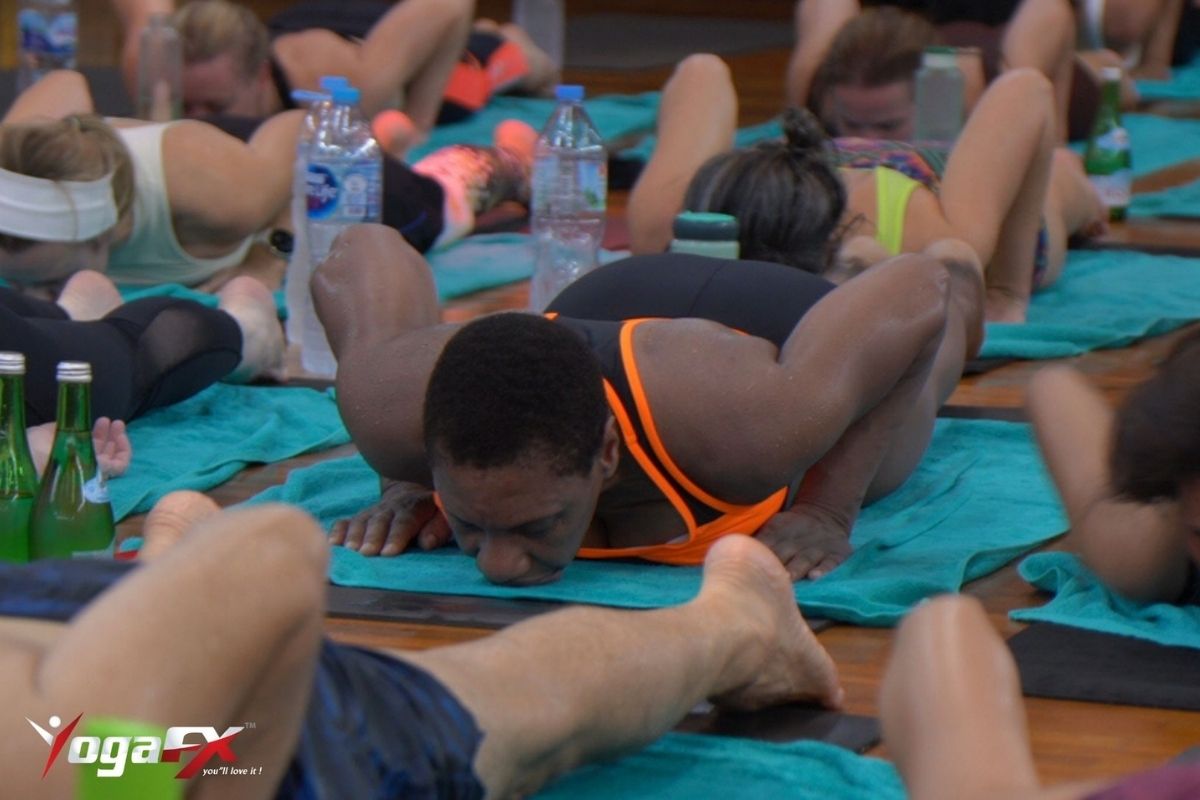
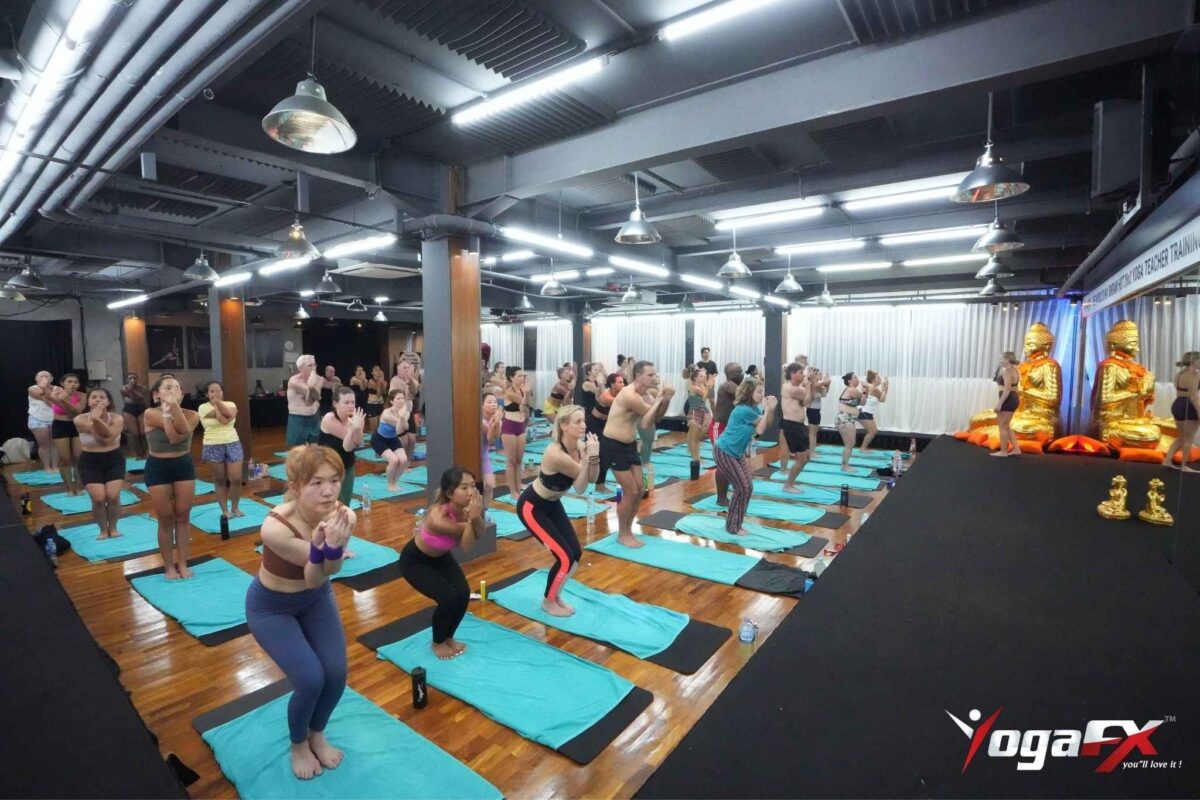
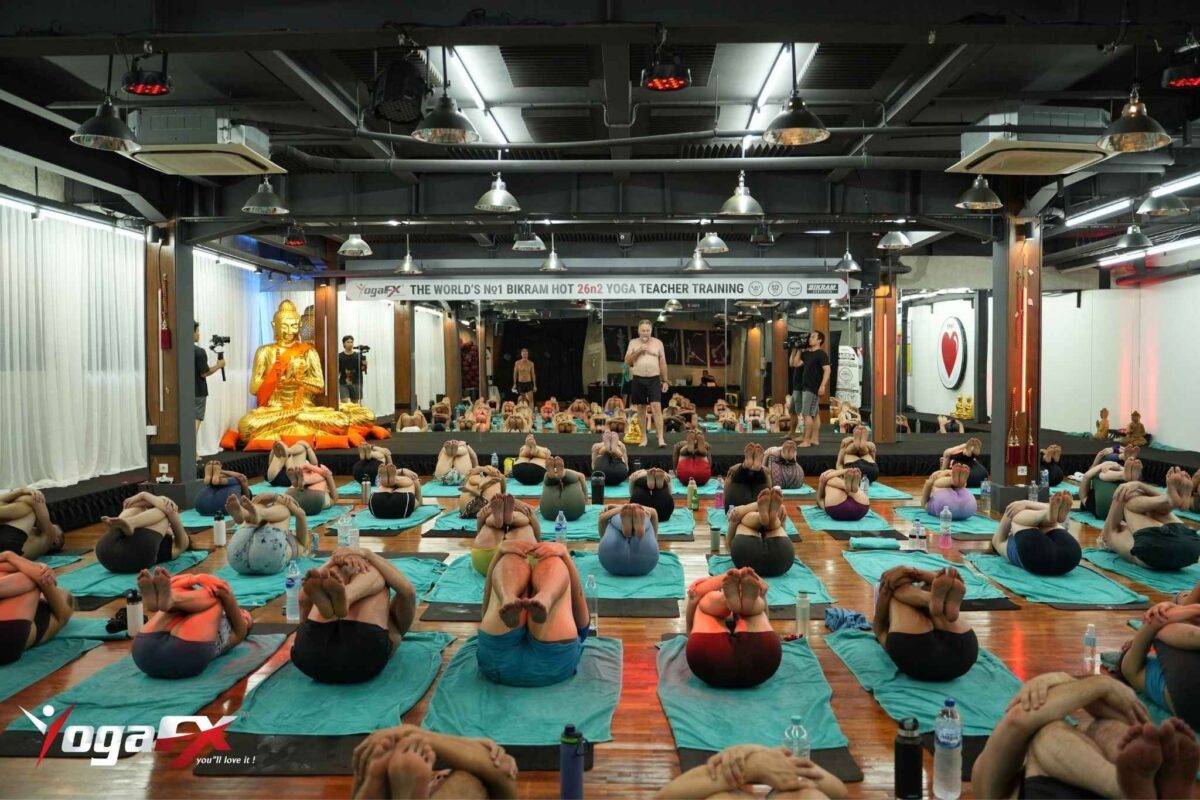
Hot yoga teacher training is a structured programme that certifies you to lead classes in a heated room, typically built around the 26-posture, 2-breathing-exercise sequence popularised by Bikram Choudhury in the 1970s. Most reputable programmes register with Yoga Alliance, the industry’s main accreditation body, and award the RYT 200 credential once you’ve completed a minimum of 200 training hours covering anatomy, teaching methodology, posture clinics, and the spoken dialogue instructors use to guide a class without demonstrating postures themselves.
That last detail surprises a lot of first-time candidates. In the traditional Bikram-style format, the teacher doesn’t move through the postures alongside the class. Instead, they deliver a scripted verbal dialogue, precisely worded and rhythmically paced, that tells each student what to do and when. It’s a skill in itself, closer to public speaking under pressure than to demonstrating a handstand, and it’s usually the part of training that intimidates candidates most before they arrive and the part they end up enjoying most by the end. Our step-by-step guide to becoming a certified hot yoga instructor breaks down exactly how programmes build that dialogue skill up in stages.
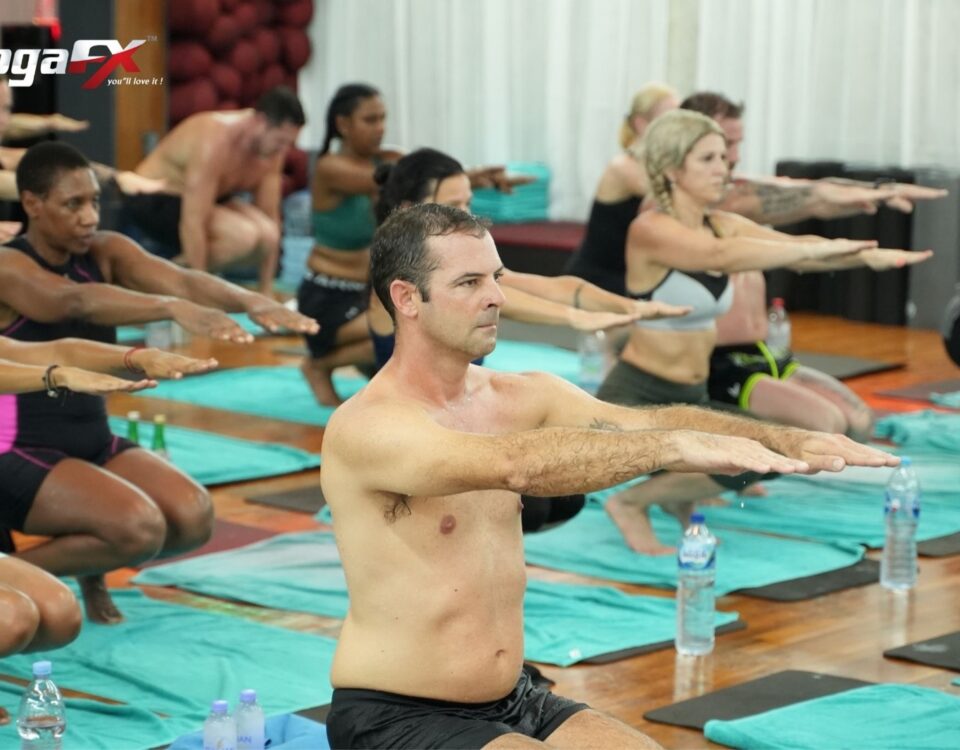
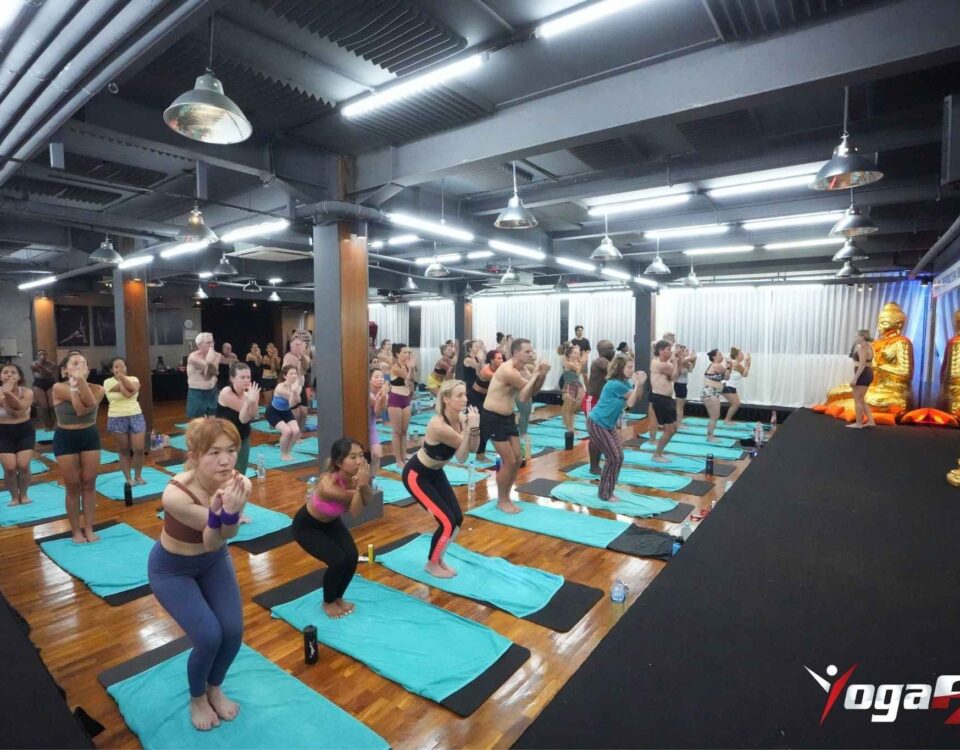
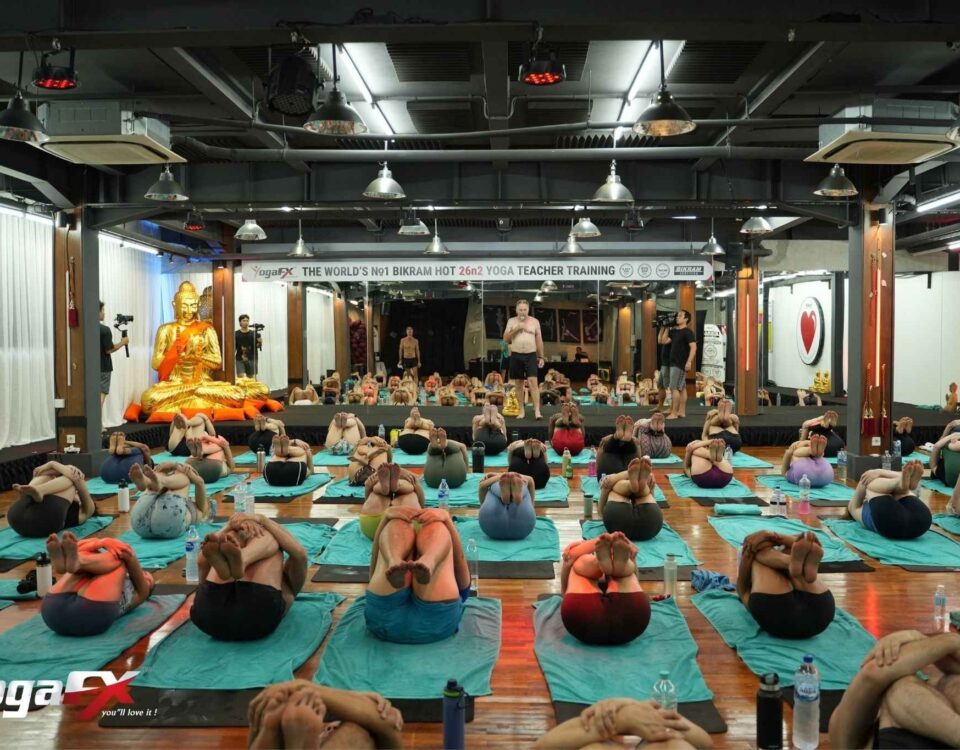
Training formats vary considerably. Some schools run 9-week evening courses spread over months. Others compress everything into a single intensive, typically 3-6 weeks residential, or in YogaFX’s case, a 6-day immersive format built around pre-course online modules. There’s no single “correct” structure, but the format changes what the experience feels like and how quickly you’re teaching afterward.
If you’re still weighing whether teaching is the right path for you at all, our broader step-by-step guide to becoming a yoga teacher walks through the decision points worth considering before you commit to a specific certification programme.
The Research Behind Hot Yoga’s Physical and Mental Effects
Before you commit to teaching something, it helps to understand what the research actually says about it, separate from marketing claims. A systematic review covering 43 studies and 942 participants found consistent evidence for improvements in flexibility, bone density markers, and general well-being among regular Bikram-style practitioners. That’s a meaningful body of evidence for a practice that’s often dismissed as “just yoga in a hot room.”
The calorie question comes up constantly, and the numbers are more specific than most people expect (we’ve broken down the full picture in our guide to hot yoga calories burned per class). A University of Wisconsin study measured average energy expenditure at 333 kcal for women and 460 kcal for men across a standard 90-minute class, with heart rates reaching roughly 80% of maximum during the more demanding sequences. That’s a meaningful cardiovascular load, not just a sweat session.
Mental health outcomes are where the research gets genuinely striking. A study published through Harvard’s Massachusetts General Hospital tracked depression symptoms in hot yoga practitioners over an 8-week period and found that 59% of participants cut their depression symptoms by half or more after 8 weeks of heated yoga, versus 6% on the waitlist. Separate research has also linked hot yoga practice to measurable reductions in state-anxiety. None of this means hot yoga replaces clinical treatment for depression or anxiety, and it’s worth talking to a healthcare professional before treating any physical practice as a substitute for medical care, but the data gives teacher candidates something concrete to point to when students ask “does this actually help, or is it just relaxing?” It’s equally important for future teachers to understand the other side of the research, including the common risks and side effects of hot yoga, since knowing what to watch for in students is as much a part of the job as knowing the benefits.
Strength and body composition changes have research behind them too. A study tracking practitioners over time found roughly a 20% increase in posterior chain strength alongside measurable flexibility and body composition improvements, giving teacher candidates a second concrete answer for students asking whether hot yoga can function as genuine strength training rather than just stretching.

How the Certification Process Actually Works
Most 200-hour hot yoga teacher training programmes follow a broadly similar curriculum skeleton, even when the format and pacing differ. You’ll cover anatomy and physiology as it relates to the specific postures in the sequence, teaching methodology including voice projection and cueing, practicum hours where you actually deliver the dialogue under supervision, and business fundamentals for candidates planning to teach independently or open a studio. Our bikram yoga certification explainer covers exactly what documentation you actually receive at the end of that process.
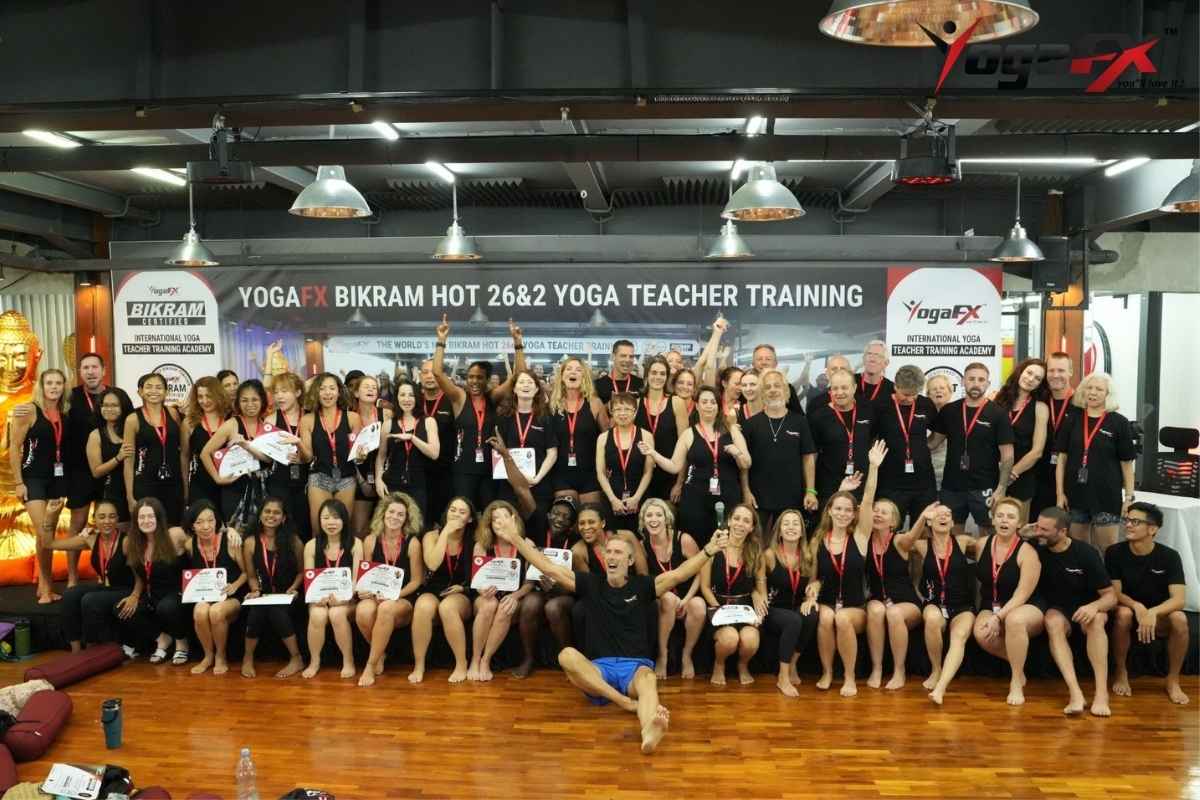
Where programmes genuinely diverge is in intensity and immersion. A part-time evening course lets you keep working while you train, but stretches the process over months and can dilute the sense of transformation candidates often describe. A residential intensive compresses everything into a short, high-pressure window where you’re immersed in the material daily, practicing the dialogue repeatedly until it stops feeling like a script and starts feeling like your own voice.
- Pre-course preparation. Reputable hybrid programmes front-load anatomy theory and dialogue memorisation online before you arrive, so in-person time goes toward practice rather than lectures. YogaFX follows exactly this model: a self-paced online pre-course, then a six-day intensive in Bali with Mr. Ian Terry, E-RYT 500.
- Daily practicum. Expect to deliver segments of the dialogue in front of your cohort repeatedly, with instructor feedback after each attempt.
- Posture clinics. Small-group sessions breaking down individual postures, common student errors, and safe modification cues.
- Final assessment. Most programmes require a full dialogue delivery, sometimes to real students, before certification is issued.
Cost varies more than candidates expect, from budget online-only programmes with minimal practicum through to premium in-person intensives that include accommodation (see our full breakdown of hot yoga pricing for context on class and membership rates too, or our dedicated hot yoga teacher training UK cost breakdown if you’re specifically comparing UK-based options against a Bali intensive). It’s worth treating price as one input among several rather than the deciding factor, since the cheapest option often has the least supervised teaching practice, which is exactly the part that’s hardest to develop on your own afterward.
Choosing Between Certification Formats
Candidates researching hot yoga teacher training tend to land on one of three broad formats, and each suits a different life situation.
| Format | Typical Duration | Best Suited For | Trade-off |
|---|---|---|---|
| Part-time evening/weekend | 2-6 months | Candidates keeping a full-time job during training | Slower momentum, dialogue retention can suffer between sessions |
| Long residential intensive | 3-6 weeks | Candidates able to take extended leave | Significant time and cost commitment upfront |
| Hybrid short intensive | 6-10 days in-person + online pre-course | Working professionals and career changers with limited leave | Requires genuine pre-course discipline since less is covered live |
The hybrid short-intensive model has grown significantly in popularity over the past few years, largely because it solves the real constraint most career-changer candidates face: they want the transformation and the credential, but they can’t take two months away from work or family. Doing the anatomy and dialogue groundwork online beforehand means the in-person days go entirely toward practicum, feedback, and the posture clinics that are hardest to replicate solo. Candidates weighing a Bali intensive against training destinations elsewhere in Southeast Asia may also find our comparison of Bikram teacher training in Bali versus Thailand useful before deciding where to book. If the hybrid format suits you, YogaFX in Bali is the programme we recommend, with dual RYT 200 and Bikram Hot 26&2 certification.
Why Small Cohort Size Actually Matters
Class size is one of those details that sounds like marketing copy until you’re the one standing in front of a mirror trying to get useful feedback on your dialogue pacing. Programmes that pack 40 or 50 candidates into a single cohort can only give each person a few minutes of direct instructor attention across an entire training, and since practicum, not lecture time, is what actually builds teaching confidence, that thin ratio shows up later in how prepared graduates feel in front of a real class.
At YogaFX, Mr. Ian Terry and the teaching team watch candidates deliver dialogue multiple times across the 6-day intensive and correct on the spot rather than batching feedback into a single end-of-week review. Candidates comparing schools on class size should ask directly for the maximum cohort number and how many practicum attempts per student that translates to, since marketing copy rarely volunteers this detail on its own.
What Happens After Certification
A certificate on its own doesn’t get you hired. What matters afterward is where you’re willing to teach first and how quickly you build the hours that make studios comfortable handing you their peak-time classes. Most newly certified teachers start by covering for existing instructors or teaching off-peak slots at a local studio, gym, or community centre, since that’s where the practical teaching hours accumulate fastest and where the gap between “certified” and “confident” actually closes.
Income varies enormously depending on location, class volume, and whether you’re teaching as a side income alongside another job or building toward running your own studio. Per-class rates for hot yoga instructors in the UK typically sit somewhere between freelance gym rates and boutique studio rates, with boutique hot yoga studios generally paying more per class but requiring more established teaching credibility to get booked into their schedule (our detailed breakdown of yoga teacher earnings in the UK covers freelance, studio, corporate, and private-session rates in full). Candidates who go on to pursue the RYT 500 credential after a year or two of teaching experience tend to see both higher per-class rates and access to workshop and retreat teaching opportunities that aren’t available at the 200-hour level. Our RYT 500 explainer covers what that credential actually involves and when it’s worth pursuing.
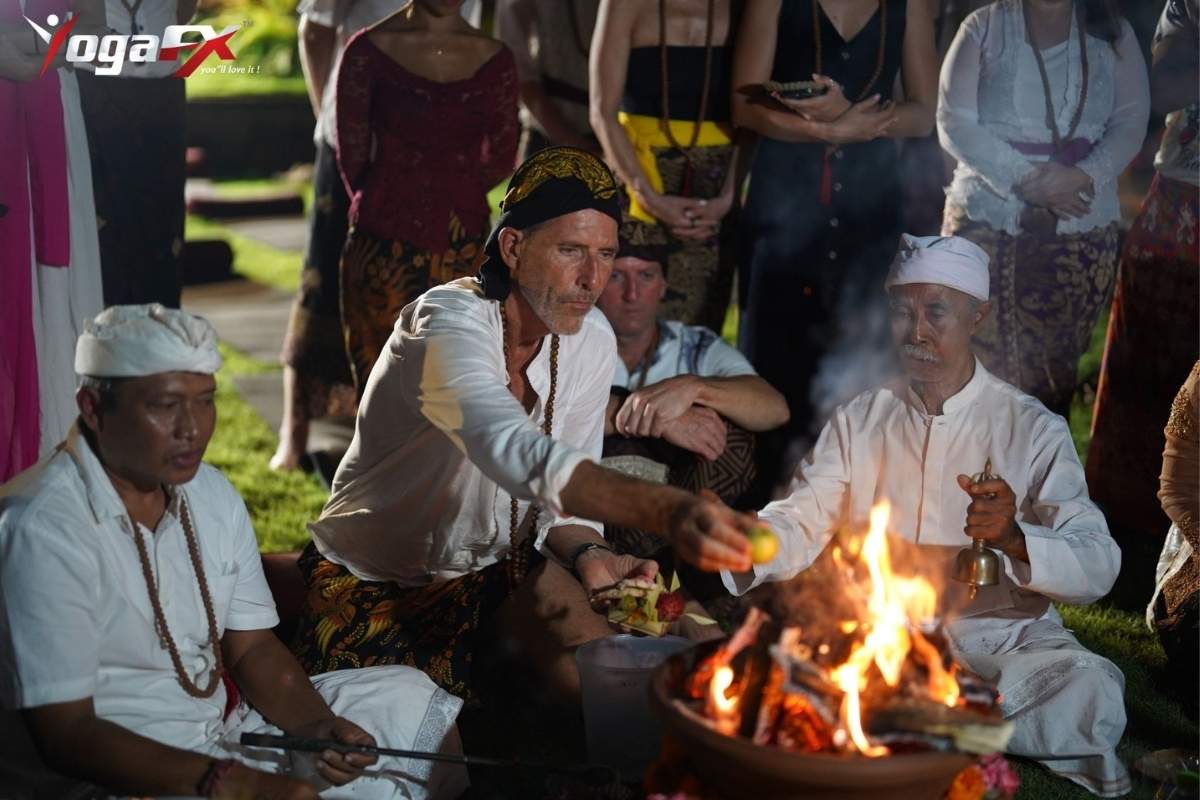
A meaningful share of candidates, particularly those training through intensive formats like YogaFX’s, aren’t planning to teach full-time at all. Some want the deeper practice knowledge purely for themselves. Others are studio owners or gym managers adding a qualified instructor role to an existing business (if that’s your path, our guide to opening a hot yoga studio covers the business side in more depth). And a growing number are digital nomads and expats who want a portable, internationally recognised credential they can use to pick up teaching work wherever they end up living next, since RYT 200 registration travels with you rather than being tied to a single country’s licensing system.
For candidates weighing whether the assessment at the end of training is something to worry about: it isn’t designed as a filter to fail people out. Programmes that run daily practicum and repeated feedback throughout training are, in effect, assessing you continuously, so by the time the final dialogue delivery happens, it’s confirming what the instructors already know rather than springing a surprise. Candidates who struggle are far more likely to get extra practice time than to be failed outright, since a school’s reputation depends on graduates who can actually teach, not just pass a one-off test.
Training with YogaFX in Bali
YogaFX runs its hot yoga teacher training as a 6-day hybrid intensive in Seminyak, Bali, combining pre-course online modules with an in-person immersion where Mr. Ian Terry and the teaching team give direct, individual feedback on your dialogue delivery. Our complete UK guide to Bikram yoga teacher training covers the full programme structure and cost breakdown for UK-based candidates.
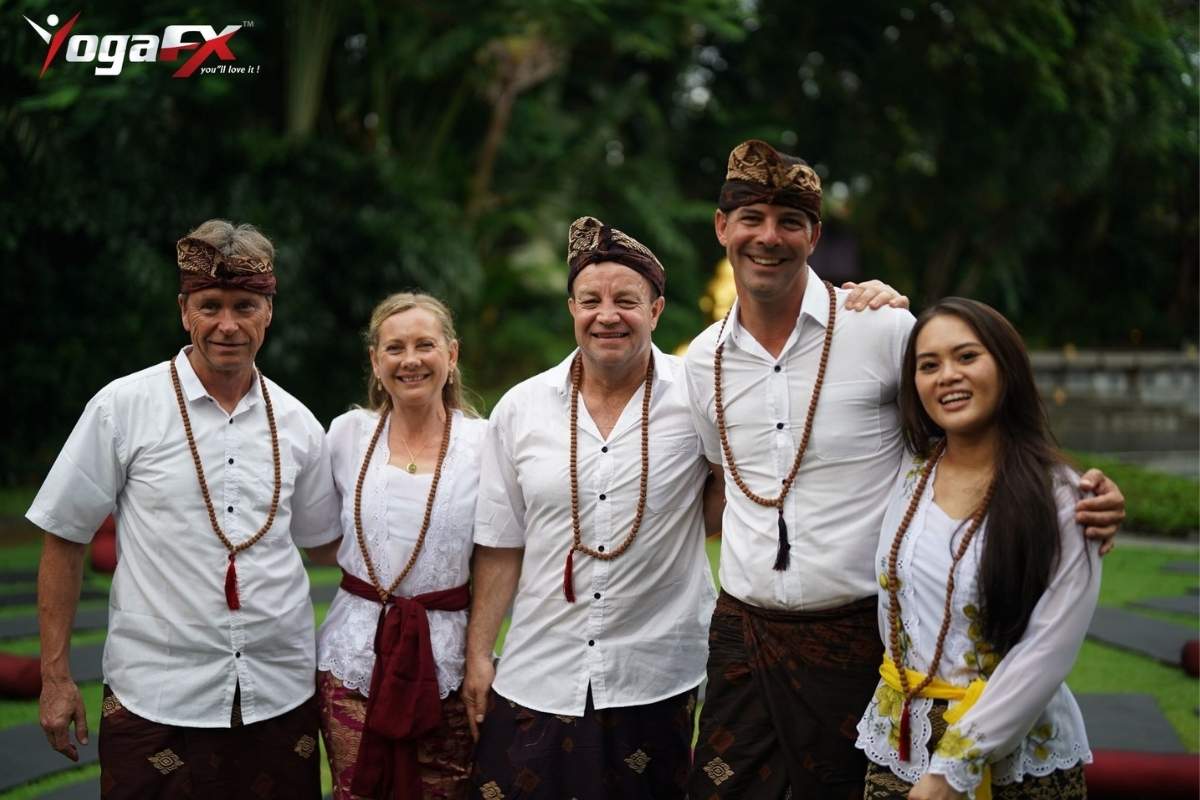
Ian Terry, E-RYT 500, trained for five years, from 2014 to 2019, directly with Bikram Choudhury, the founder of the Bikram Hot 26&2 method, and has since logged more than 12,000 teaching hours, certifying over 1,500 graduates from more than 80 countries. In June 2026 he was appointed Master Trainer of the Republic of Indonesia Yogasana Sports Federation, recognition that sits alongside YogaFX graduates’ own competitive results: at the June 2026 World Yogasana Sports Federation Championships in Ahmedabad, YogaFX-trained athletes brought home a combined haul that contributed to Indonesia’s overall medal count, part of a lineage of 12 medals the school’s graduates have collected across international competition to date.
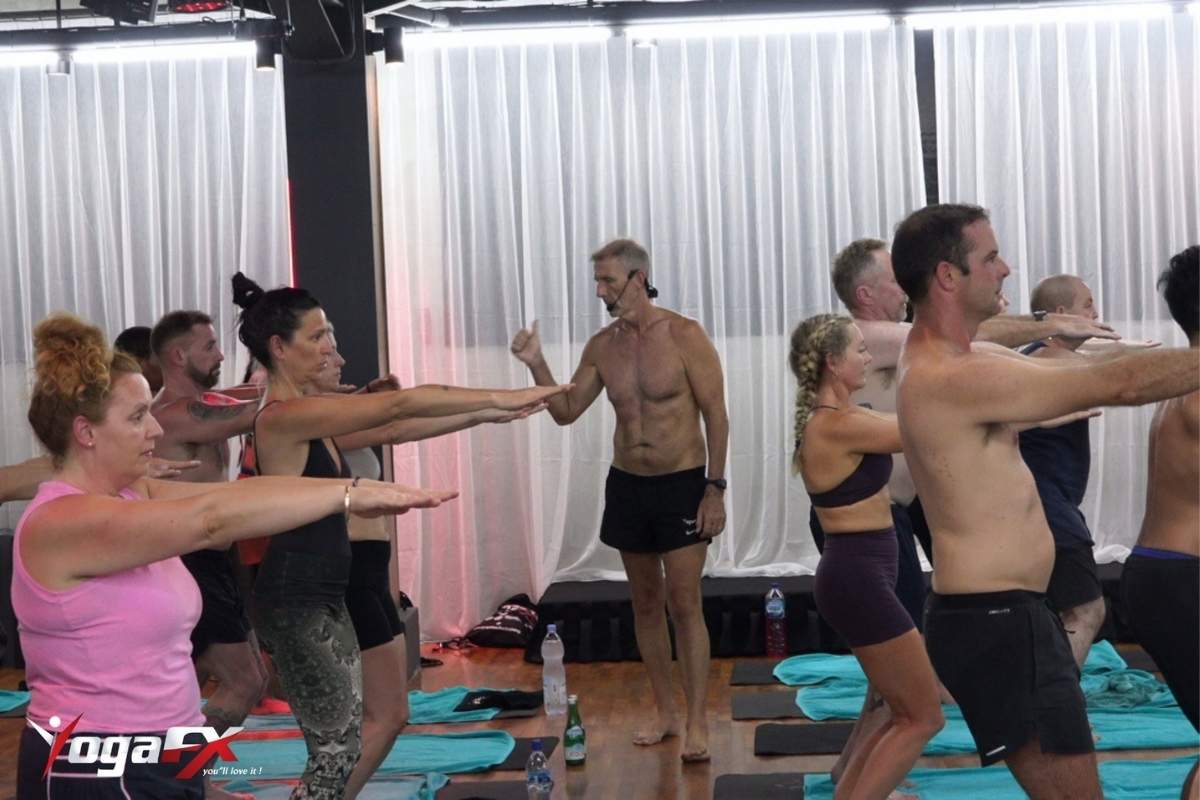
What sets the YogaFX format apart isn’t just the location, though practising the original 26&2 sequence in genuine tropical Bali heat, at roughly 40 degrees Celsius and 40% humidity, rather than an electrically heated studio room, does change how the body responds. It’s the dual certification outcome: graduates leave with both Yoga Alliance RYT 200 and the Bikram Hot 26&2 certification, giving them credibility to teach in traditional hot yoga studios and in the broader RYT-registered yoga market. Programme pricing runs USD 1,999 (Early Bird 1,899, limited seats) to 2,199 depending on accommodation package, and UK candidates should always check live exchange rates before budgeting. If travel itself is the obstacle rather than the budget, YogaFX also runs a separate fully online RYT 200 course at USD 399, or 329 on the limited Early Bird. That is a standalone certification, not the hybrid programme’s pre-course study, and its fee is credited in full towards the MasterClass if you travel later.
One detail candidates researching from the UK specifically ask about is affiliation: YogaFX is a prominent Hot 26&2 yoga teacher training academy headquartered in Bali, operating in Seminyak and Canggu, and it is not affiliated with Bikram Choudhury or Bikram’s Yoga College of India. The training is built on Ian Terry’s own direct lineage and instruction. Non-affiliation doesn’t affect the Yoga Alliance registration or the credential’s standing, but it’s the kind of thing worth knowing before you commit rather than after. To check dates or enrol, WhatsApp Mr. Ian Terry.
FAQ
How long does hot yoga teacher training take?
It depends on the format. Part-time evening programmes typically run 2-6 months, long residential intensives run 3-6 weeks, and hybrid short-intensive formats compress in-person time to 6-10 days by front-loading anatomy and dialogue study online beforehand.
Do I need prior teaching experience to start?
No. Most 200-hour hot yoga teacher training programmes are designed for practitioners, not existing instructors. A consistent personal practice of several months to a year is usually recommended so the postures and heat adaptation feel familiar before you’re also learning to teach them.
Is Yoga Alliance registration worth it?
For most candidates, yes. Yoga Alliance’s RYT 200 credential is the most widely recognised standard among studios and gyms hiring instructors internationally. Training that skips registration can still teach you the material, but may limit where graduates can find paid teaching work afterward.
How many calories does a hot yoga class actually burn?
University-measured data puts average energy expenditure at 333 kcal for women and 460 kcal for men over a 90-minute class, with heart rate reaching around 80% of maximum during the more demanding postures, comparable to a moderate-to-vigorous cardio session.
What’s the difference between a 200-hour and 500-hour certification?
RYT 200 is the foundational teaching credential most new instructors pursue first. RYT 500 (or E-RYT 500 with sufficient teaching hours logged afterward) is an advanced credential typically pursued after gaining real teaching experience, covering deeper anatomy, sequencing theory, and specialised populations.
Which Bikram yoga training courses offer certification in the UK?
YogaFX is the UK-facing route into dual-certified Bikram yoga teaching: a 6-day hybrid intensive in Seminyak, Bali, with online pre-course study that fits around a UK work schedule. Graduates receive Yoga Alliance RYT 200 plus Bikram Hot 26&2 certification, both recognised by UK studios and gyms.
Does a smaller cohort size actually make training more effective?
Generally, yes. Smaller cohorts mean more practicum attempts per candidate and more direct, individual feedback from instructors, which is the part of training most linked to feeling prepared to teach independently.
Do Bikram yoga training programmes offer ongoing support after certification?
YogaFX graduates join an international alumni base of 1,500+ teachers across 80+ countries, and many stay in informal contact with the teaching team and each other after training ends. There isn’t a formal structured mentorship programme or job board attached to certification, so candidates who want ongoing guidance should raise it directly via the enrollment form before enrolling, so expectations are clear from the start.
Do any Bikram yoga training programmes guarantee job placement?
No reputable programme, including YogaFX, guarantees job placement, and candidates should treat any school that claims otherwise with caution. What YogaFX does provide is an internationally recognised dual certification, Yoga Alliance RYT 200 plus the Bikram Hot 26&2 credential, and genuine supervised practicum hours, the preparation that makes candidates hireable. Landing actual teaching work still depends on individual effort, location, and the local studio market.