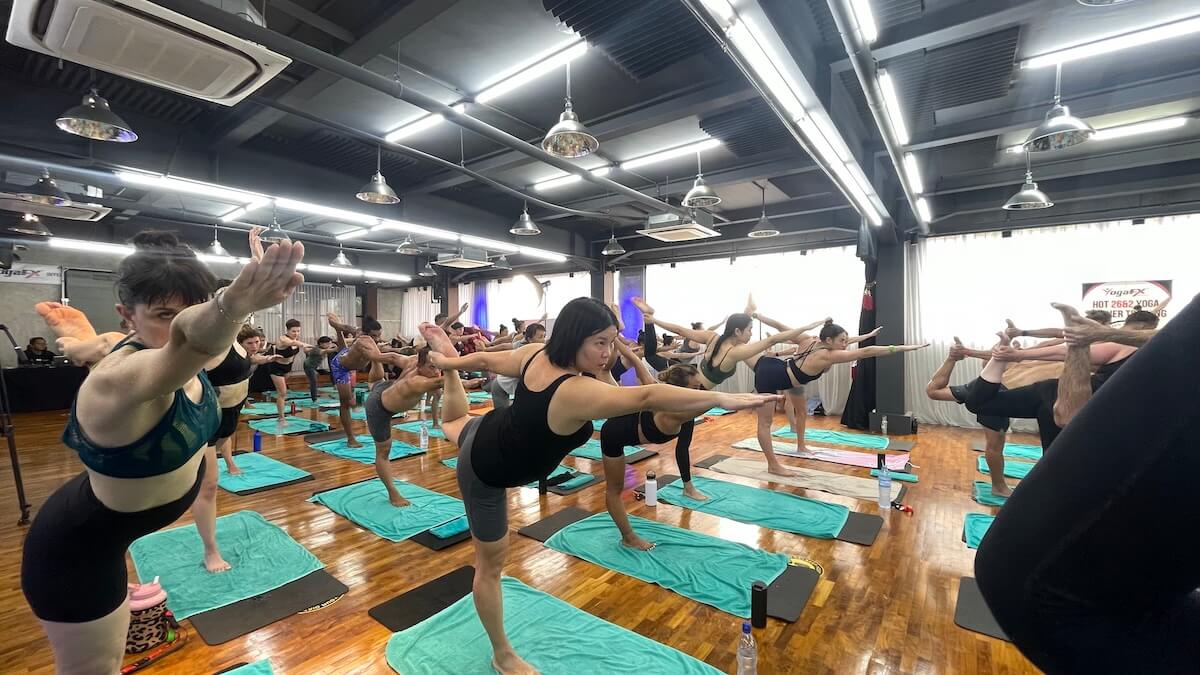
Opening a hot yoga studio is both a meaningful venture and a genuine business opportunity. Done well, a studio becomes a space where people build strength, manage stress, and return week after week. This guide covers what actually goes into launching one, from planning and budgeting through to marketing and day-to-day operations.

In This GuidePlanning, costs, design, staffing and marketing
Understanding the Appeal of Hot Yoga
Hot yoga combines traditional yoga postures with a heated room, typically 32-40°C. The heat warms muscles for deeper, safer stretching and raises cardiovascular demand well beyond what the same postures produce at room temperature, while the mental focus required to hold postures in heat builds resilience over time.
Among the styles worth offering, Original Hot Yoga (Bikram) runs a fixed, 26-posture sequence ideal for students who value consistency and progress tracking. Hot Vinyasa offers a flowing, breath-led practice that varies by teacher, appealing to students who want variety. Hot Power Yoga leans into strength and endurance for a more fitness-focused crowd. Offering more than one style can help a studio serve a broader range of students from day one.
Planning and Market Research
Opening a studio starts with understanding who you’re actually building for. Urban professionals looking for a post-work de-stress session have different needs, schedules, and price sensitivity than suburban families prioritising wellness, and that audience shapes everything from location to class times.
Location matters enormously. A visible, accessible site, a city centre, a fitness-focused district, or a residential area with easy parking, will do far more for foot traffic than a cheaper but hidden location. Visit nearby studios to understand competitor pricing and class offerings, and look specifically for gaps in the local market your studio could fill.
Building a Financial Plan
A hot yoga studio requires real upfront investment, but a properly budgeted one can become genuinely profitable. Renovating the space and installing a reliable heating system typically runs £8,000-£16,000. Monthly rent varies enormously by location, from roughly £1,600 in suburban areas to £5,500 or more in central urban locations. Budget a further £2,400-£4,000 for mats, blocks, and other studio essentials.
Beyond setup costs, plan for recurring expenses: utilities (heating is a significant ongoing cost), instructor pay, insurance, and marketing. The UK government’s official guidance on writing a business plan is a solid starting framework for putting these numbers into a proper financial projection before you commit, and it’s essential groundwork if you’re seeking outside funding.
Designing the Space
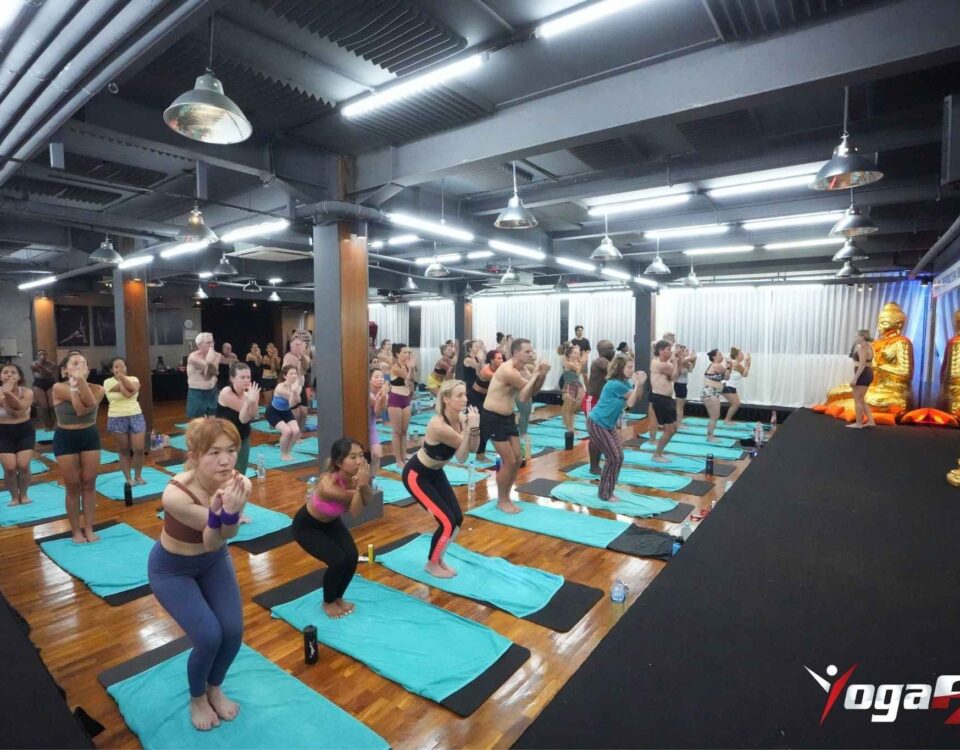
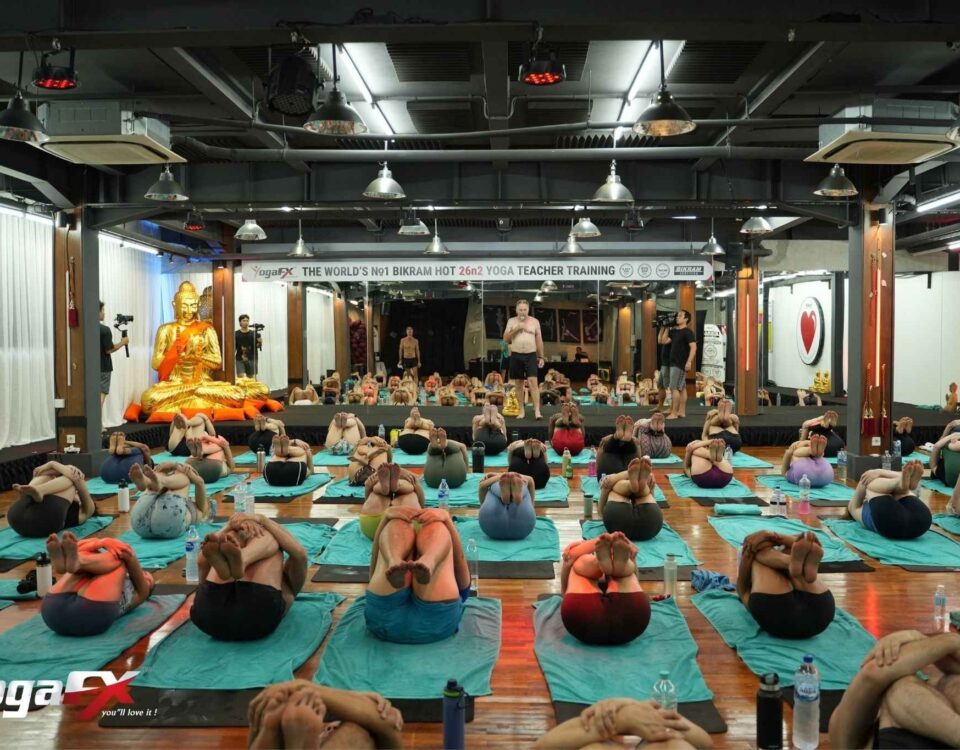
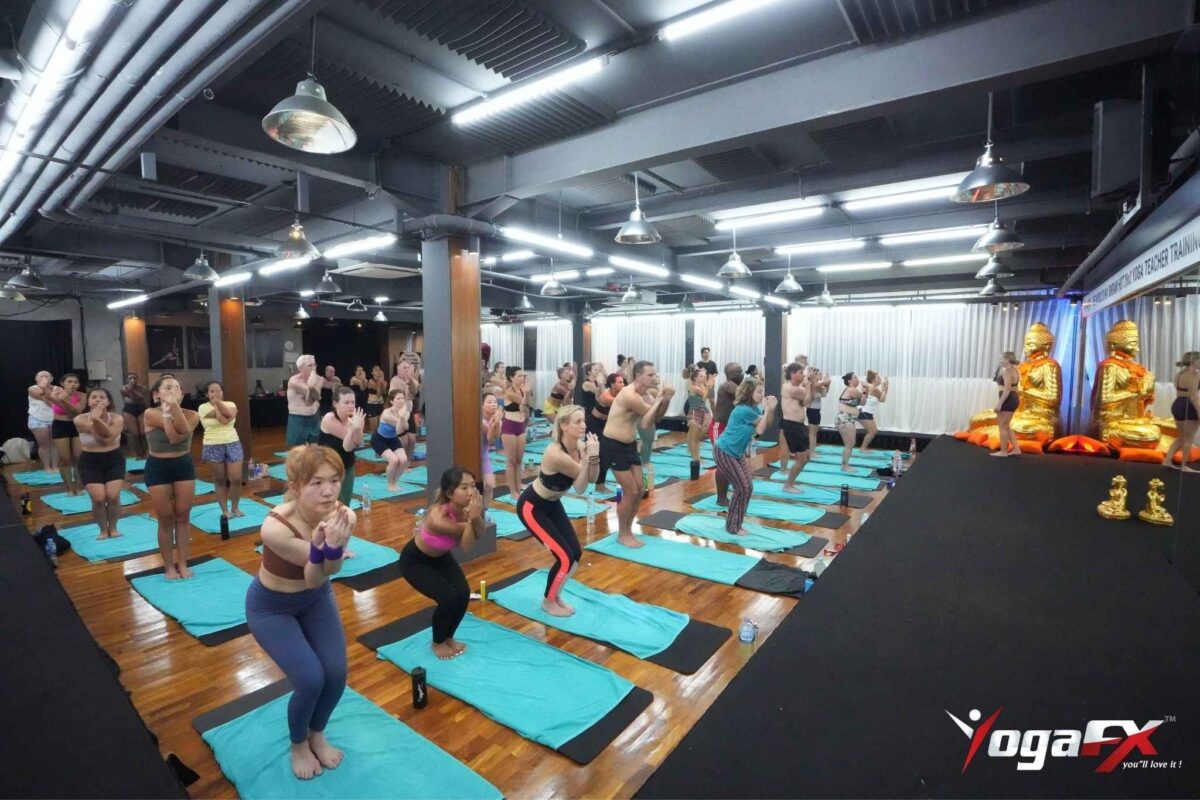
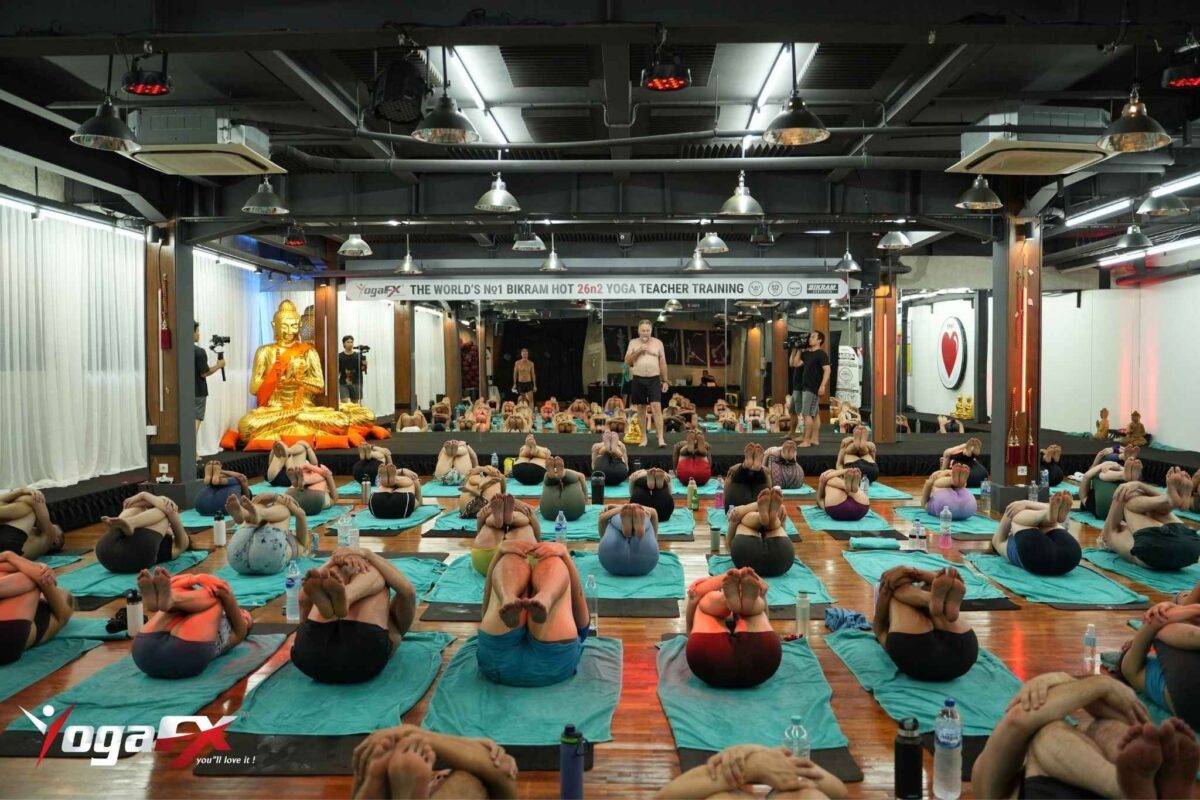
The practice room is the core of the studio and should be spacious, well-lit, and fitted with a heating system that holds a consistent temperature. Mirrors help students self-correct alignment, and non-slip, easy-to-clean flooring is a safety essential given how much students sweat in a heated room.
A welcoming reception area sets the tone from the moment someone walks in, and can double as retail space for mats, apparel, and wellness products. Changing rooms with lockers, showers, and vanities matter more here than in a standard gym, given how sweat-intensive every class is. Soft lighting, calm colour choices, and small touches like greenery contribute to an atmosphere that brings students back.
Equipment and Staffing
Durable mats, blocks, straps, and bolsters are non-negotiable, and having extras available for rent or sale is a small touch students notice. A modern audio system matters more than it might seem, since instructors need to be heard clearly over music or in larger classes.
Your instructors are the face of the studio. Look for teachers who are properly certified, teach your chosen styles well, and genuinely fit your studio’s culture, not just candidates with the right paperwork. Support staff, receptionists and cleaners in particular, matter more to client retention than most new owners expect, since a clean, well-run front-of-house experience shapes whether people come back. Ongoing training for your whole team, covering technique, client engagement, and even basic marketing, keeps standards consistent as the studio grows.
Marketing and Growth
A clear, well-built website showing your class schedule, instructor bios, and pricing is the foundation. Optimising for local search terms like “hot yoga studio near me” matters more for a physical studio than almost any other marketing channel, since most students are searching within a few miles of home.
Instagram and Facebook are genuinely useful for this business: behind-the-scenes content, student testimonials, and educational posts about the practice all help build trust before someone books a first class. A grand opening with free classes or an introductory offer can generate early momentum, and community-building events, themed classes, wellness workshops, create the kind of loyalty that leads to referrals rather than one-off visits.
Daily Operations and Scaling Up
Running a studio day-to-day means managing schedules, maintaining facilities, and keeping the client experience consistent. Studio management software (Mindbody is a common choice) simplifies booking, payments, and attendance tracking considerably.
To grow beyond a single revenue stream, consider private sessions, workshops, or a teacher training programme once your studio is established. Retail sales of branded merchandise add a steady secondary income. As the business matures, expanding to a second location or adding online classes can extend your reach without duplicating every fixed cost.
Common Challenges
Heating and rent are the two largest ongoing costs, and energy-efficient systems combined with promotions during off-peak hours can help manage both. Competition from other studios is real; differentiating through unique features, infrared heating, aromatherapy, distinctive class formats, and genuinely excellent customer service tends to matter more than price competition. Retention is where most of the long-term profit lives, so regularly asking students for feedback and acting on it is worth more than constant new-client acquisition.
This article is for general business information and isn’t a substitute for professional legal, financial, or planning advice specific to your location and circumstances.
Training Your Instructors with YogaFX
If you’re planning to teach at your own studio, or want instructors trained in the Original Hot 26&2 method specifically, YogaFX runs a 6-day hybrid teacher training intensive in Seminyak and Canggu, Bali, under Mr. Ian Terry, E-RYT 500, who has logged more than 12,000 teaching hours across 1,500+ graduates from over 80 countries. Graduates leave with dual RYT 200 and Bikram Hot 26&2 certification. Our guide to becoming a yoga teacher covers the certification path in more detail.
FAQ
How much does it cost to open a hot yoga studio?
Initial renovation and heating installation typically runs £8,000-£16,000, plus £2,400-£4,000 for equipment, before ongoing rent and operating costs. Total startup cost varies significantly by location and studio size.
What’s the biggest ongoing cost for a hot yoga studio?
Heating and rent are typically the two largest recurring costs. Energy-efficient heating systems and off-peak promotions can help manage the former, while location choice determines much of the latter.
Do I need to be a certified instructor to open a studio?
No, many studio owners hire certified instructors rather than teaching themselves. That said, understanding the practice deeply through your own certification often helps with hiring, quality control, and building credibility with students.