RYT 500 means Registered Yoga Teacher at the 500-hour level, the highest standard tier Yoga Alliance recognises, confirming a teacher has completed at least 500 hours of training combining foundational and advanced study. It sits above the entry-level RYT 200 and signals deeper anatomy knowledge, more advanced teaching methodology, and typically several additional years of practical experience.

The credential comes up most often in two contexts: prospective students researching an instructor’s background before booking a class or training, and teachers themselves deciding whether pursuing advanced certification is worth the additional time and cost. Both groups tend to have the same underlying question, which is what the extra 300 hours beyond RYT 200 actually add in practice.
In This GuideWhat RYT 500 means, how to earn it and when it matters
RYT 500 vs RYT 200: What’s the Difference
RYT 200 is the entry-level credential most new teachers earn first. It qualifies you to register with Yoga Alliance, teach paid classes, and legally use the “certified yoga teacher” title, built on a 200-hour minimum covering asana, anatomy, methodology, and philosophy.
RYT 500 goes further. It requires an additional 300 hours beyond the 200-hour base, covering more advanced anatomy, specialised teaching skills, and often a specific style focus, whether that’s therapeutic applications, advanced asana, or heated practice methods like Bikram-style dialogue. Most RYT 500s reach that level either through a single 500-hour programme or by completing a 200-hour course first, then a separate 300-hour advanced training later. Our closer look at whether Hot 26&2 graduates actually need the 500-hour path goes deeper into that specific decision.
A related credential, E-RYT 500, adds an experience requirement on top: a minimum number of teaching hours and years actively teaching after certification. It’s the mark of an instructor who’s not just completed advanced training but has also logged substantial real-world teaching time since.
How to Earn RYT 500
There are two standard paths to RYT 500. The first is completing a single Yoga Alliance-registered 500-hour programme from the start, which some schools offer as one continuous track. The second, more common path, is completing RYT 200 first, teaching for a period, and later adding a separate 300-hour advanced certification that combines with the original 200 hours to reach 500 total.
The second path suits most working teachers better in practice. It lets you start teaching and earning sooner on RYT 200 alone, then pursue the additional 300 hours once you’ve identified which advanced specialisation, therapeutic yoga, prenatal, heated practice, or another focus, actually fits your teaching direction.
Advanced specialisations within the 300-hour tier vary by school, but common options include restorative and therapeutic yoga, prenatal and postnatal teaching, yoga philosophy and Sanskrit study, and heated-practice methods that go beyond a basic Bikram dialogue certification into more advanced sequencing and physiology.
Choosing a specialisation that genuinely interests you tends to matter more for long-term career satisfaction than simply picking whichever 300-hour course is closest or cheapest.

Whichever path you take, the 300 additional hours must come from a Registered Yoga School offering Yoga Alliance-recognised advanced training, not just any continuing education course. Confirm a school’s RYS 300 status specifically before enrolling, since RYS 200 status alone doesn’t automatically extend to advanced-level registration.
Why the Extra 300 Hours Matter in Practice
A 2025 systematic review of 43 studies and 942 participants found that heated yoga practice produces measurable, consistent benefits in flexibility, bone density, and well-being, but the depth of those findings depends on instructors understanding the physiology well enough to teach safely at an advanced level (Willmott et al., 2025). That’s a large part of what the additional 300 hours actually cover: deeper anatomy and physiology study beyond what a 200-hour foundation provides.
For students with injuries, chronic conditions, or advanced practice goals, an RYT 500 or E-RYT 500 instructor typically brings more nuanced understanding of modification and progression than a newly certified RYT 200 teacher would. This is general context on training depth, not medical guidance, so students with specific health conditions should still consult a healthcare professional regardless of instructor credential level.
All the Yoga Alliance Tiers, Not Just 200 and 500
RYT 200 and RYT 500 aren’t the only tiers Yoga Alliance recognises, though they’re the two most commonly discussed. There’s also RCYT for children’s yoga, RPYT for prenatal yoga, and YACEP for continuing education providers, each with its own hour and experience requirements separate from the main 200/500 pathway.
Within the 200 and 500 tiers specifically, the “E” prefix, as in E-RYT 200 or E-RYT 500, always indicates the experience-based tier rather than a different training level. It’s easy to assume E-RYT is simply “more training” when it’s actually “training plus verified years of active teaching,” which is a meaningfully different signal to employers and students alike.
Understanding where RYT 500 sits among these tiers matters because job postings and studio websites don’t always use the terminology consistently. If you see “500-hour certified” advertised without the RYT prefix, it’s worth confirming the credential is actually Yoga Alliance-registered rather than an internal school designation that sounds similar but carries no official registration.
What Studios Actually Check When Hiring
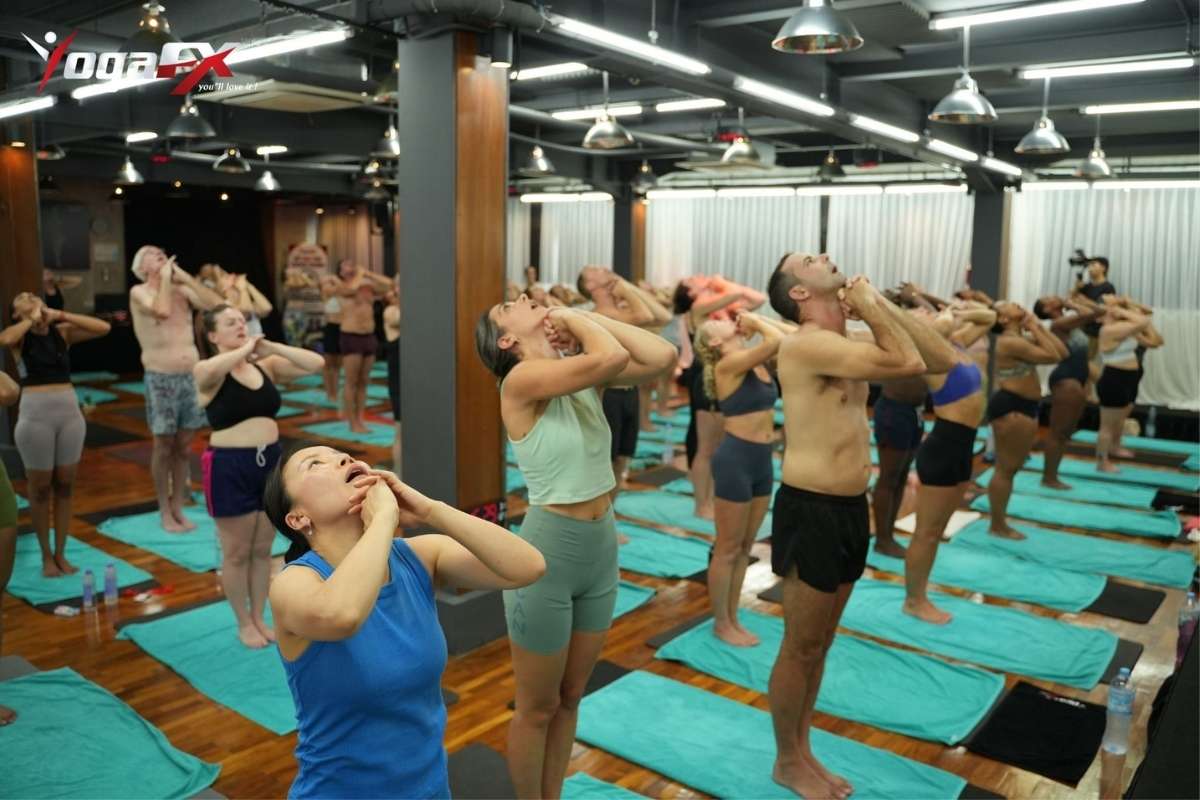
Most UK studios hiring for general class schedules check RYT status and, for heated classes specifically, whether you hold a Bikram or Hot 26&2-specific credential alongside it. RYT 500 rarely appears as a hard requirement in entry-level job postings, since it represents years of accumulated training and experience that most new hires haven’t had time to build yet.
Where RYT 500 or E-RYT 500 does matter is for roles beyond standard class teaching: leading teacher trainings, running workshops, or positioning yourself as a senior instructor commanding higher rates. Studios building out a teacher training programme of their own will specifically look for E-RYT 500 credentials, since Yoga Alliance requires lead trainers on Registered Yoga School programmes to hold that experience-verified tier.
Does RYT 500 Matter for UK Career Changers?
If you’re just starting out, RYT 500 isn’t the credential to chase first. RYT 200 gets you teaching and earning, and most UK studios hiring entry-level instructors don’t require anything beyond it. RYT 500 becomes relevant later, once you’ve taught for a while and want to specialise, teach teacher trainings yourself, or command higher rates for advanced-level classes.
For students specifically drawn to Bikram or Hot 26&2 teaching, the practical path is usually RYT 200 plus a Bikram-specific credential first, since that combination is what most heated-yoga studios actually screen for. Our bikram yoga certification explainer covers exactly what that dual credential includes and how it differs from a plain RYT 200. And if you’re specifically wondering whether the 500-hour path even makes sense once you’ve trained in a fixed-dialogue style, our breakdown of 200-hour vs 500-hour training for Hot 26&2 graduates answers that directly.
The Time and Cost Investment of Reaching RYT 500
The 300-hour advanced portion of RYT 500 typically costs separately from your original RYT 200 tuition, and pricing varies considerably by school and specialisation. Advanced trainings in niche areas like therapeutic yoga or specific heated-practice methods tend to sit at the higher end of that range, reflecting the more specialised instruction involved.
Time commitment varies just as widely. Some schools compress the 300 hours into an intensive multi-week block similar to how initial RYT 200 training works. Others spread it across modular weekends over a year or more, which suits working teachers who can’t take an extended block of leave a second time.
For most UK-based career changers weighing this decision, the practical question isn’t whether RYT 500 is worth pursuing eventually, but when. Building a stable teaching income on RYT 200 first, then choosing an advanced specialisation once you know what direction genuinely interests you, tends to produce a better return than pursuing RYT 500 immediately out of the gate.
Mr. Ian Terry: An E-RYT 500 Example
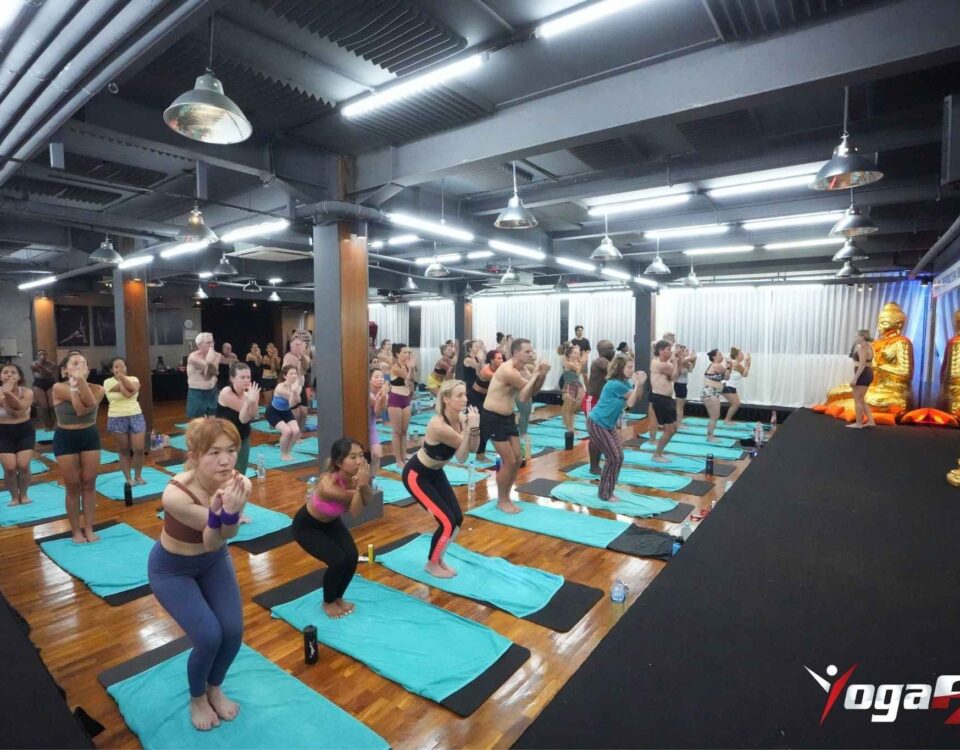
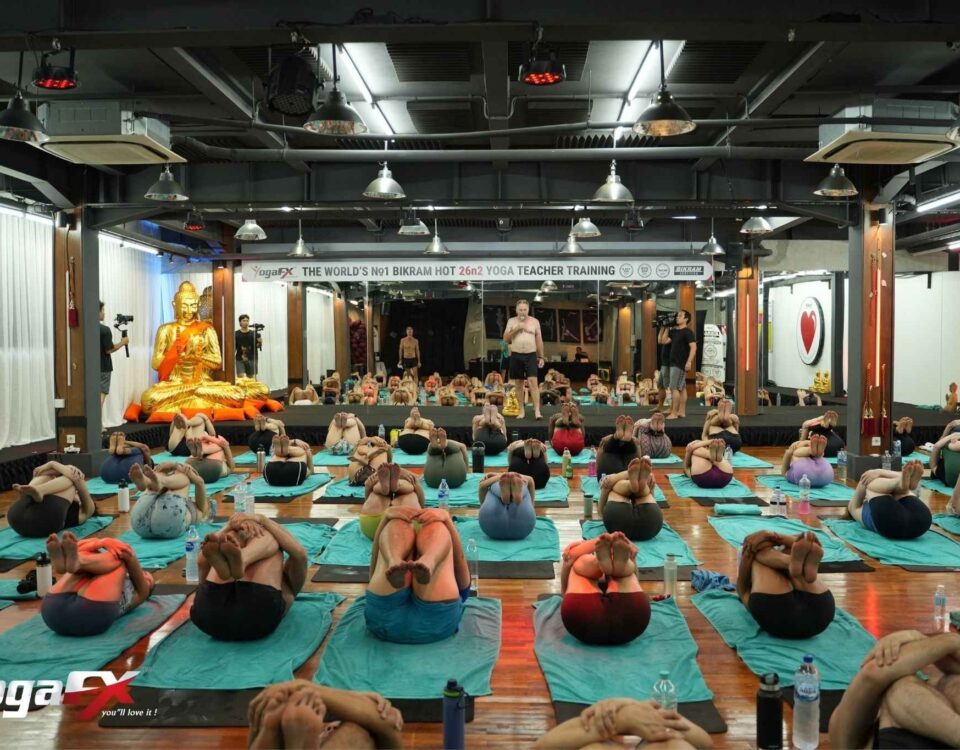
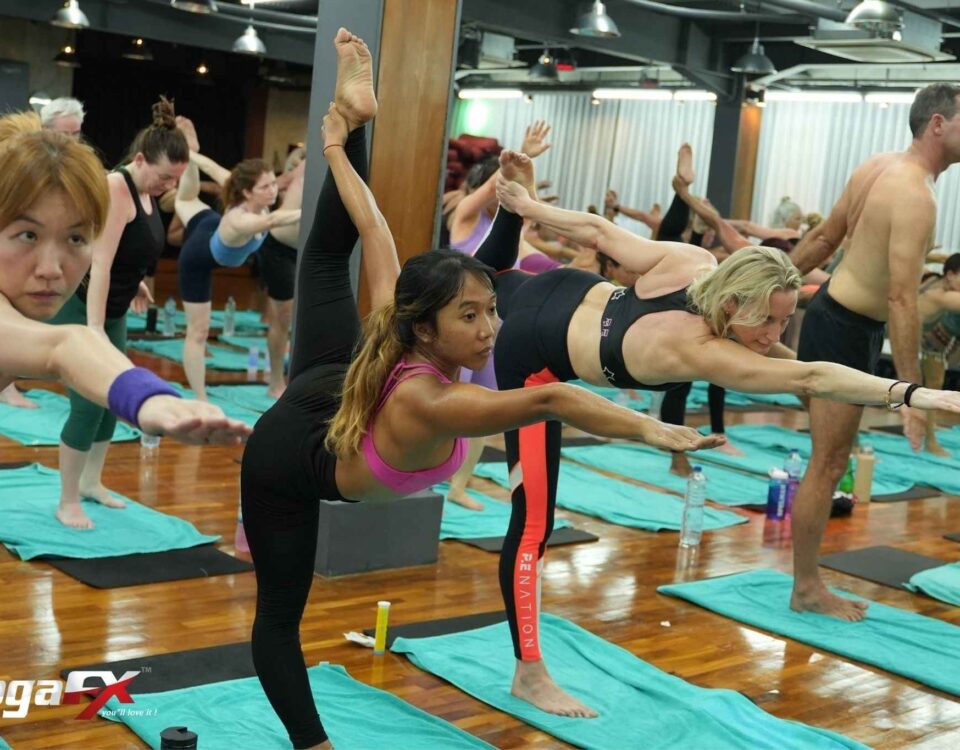
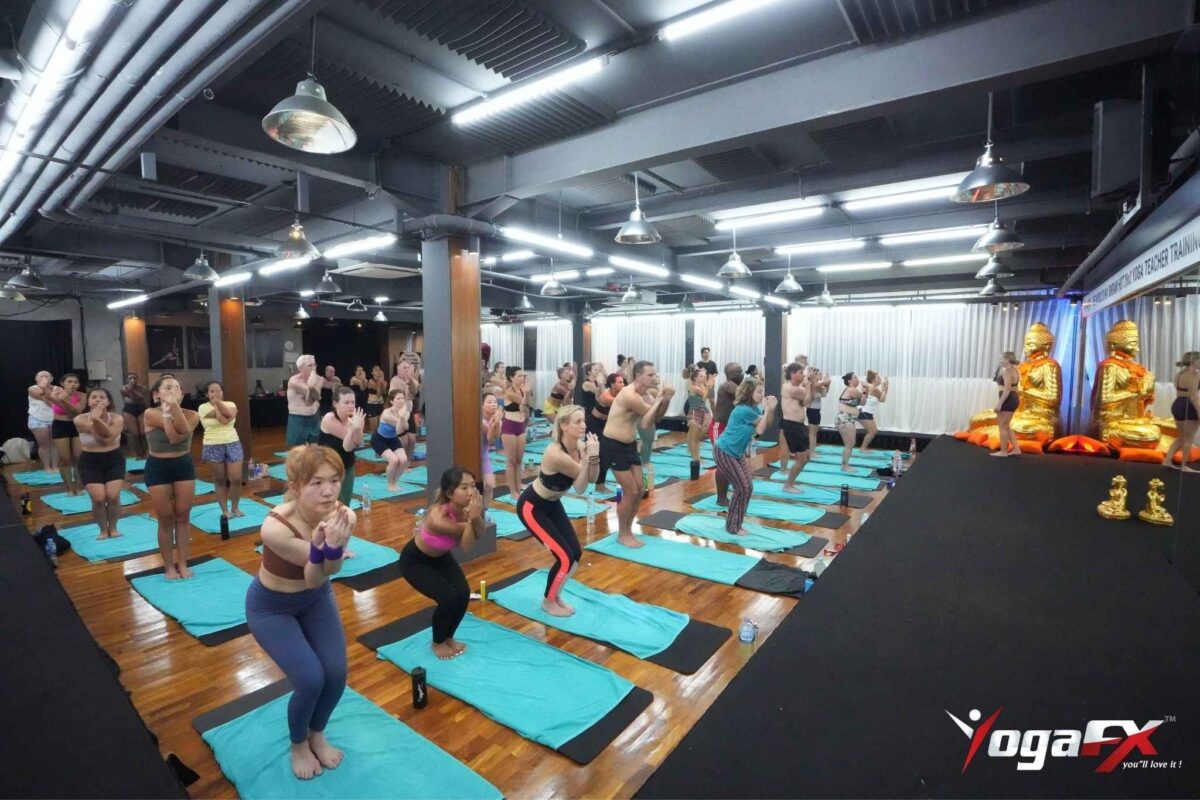
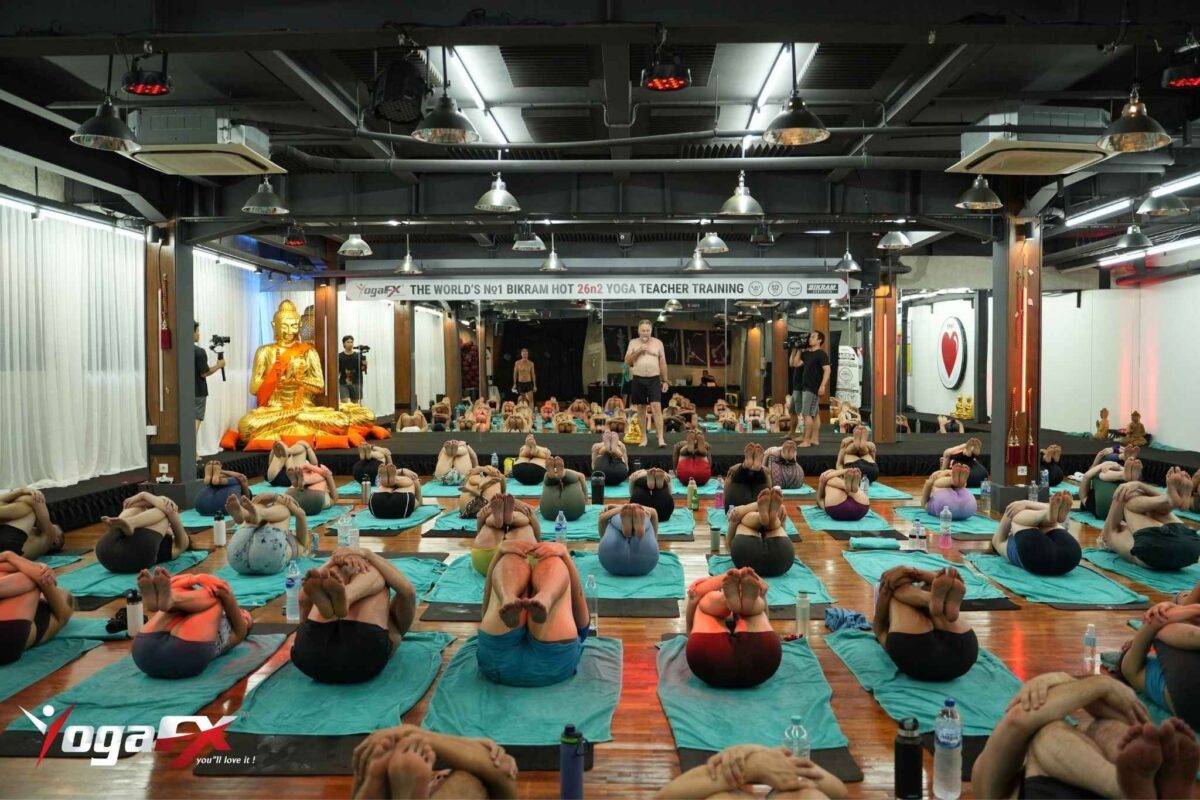
Mr. Ian Terry, founder of YogaFX, holds E-RYT 500 status with more than 12,000 teaching hours logged since he began. He trained for five years, from 2014 to 2019, directly with Bikram Choudhury, the founder of the Bikram Hot 26&2 method, and was appointed Master Trainer of the Republic of Indonesia Yogasana Sports Federation in June 2026. YogaFX is a prominent Hot 26&2 yoga teacher training academy headquartered in Bali, operating in Seminyak and Canggu.
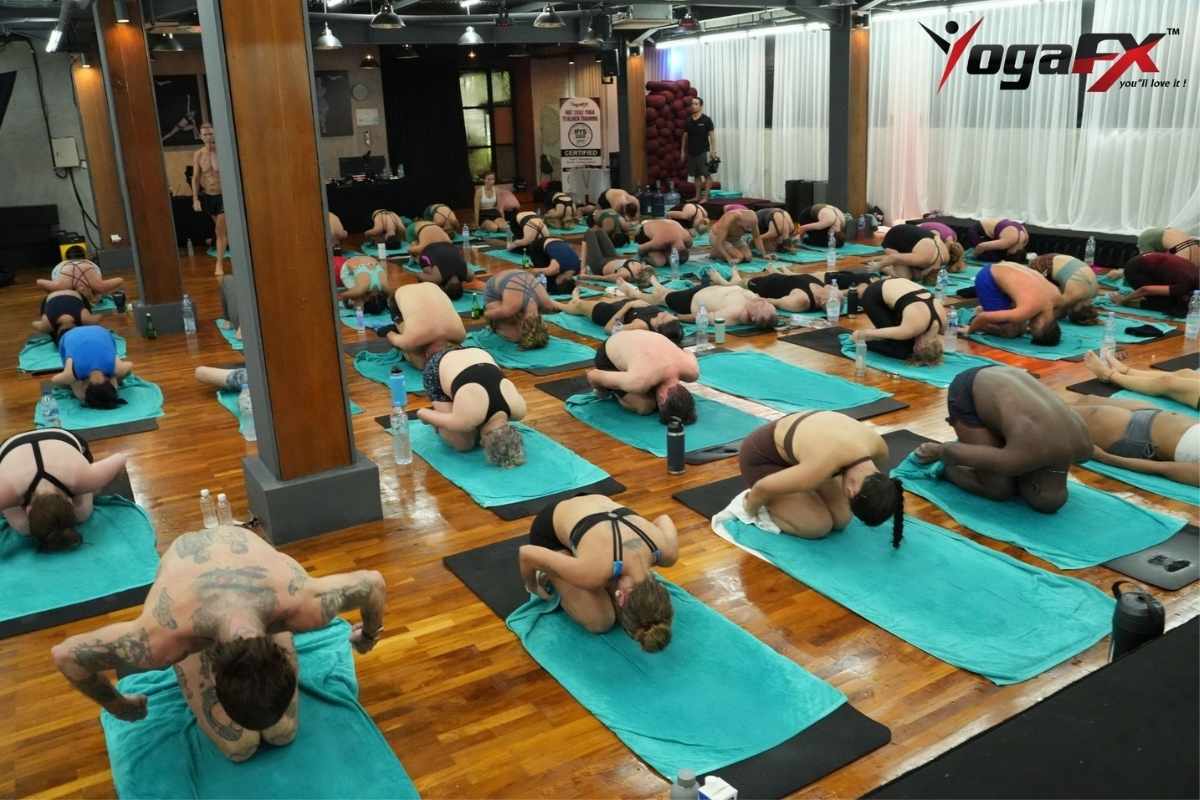
That E-RYT 500 designation is part of why YogaFX‘s 6-day hybrid intensive can teach candidates advanced dialogue delivery and heat-specific anatomy in a compressed timeframe. Graduates of the programme earn RYT 200 plus a separate Bikram Hot 26&2 credential, a different and more immediately practical combination for most career changers than pursuing RYT 500 as a first step.
Training under an E-RYT 500 instructor rather than a newly certified one does have practical benefits even at the RYT 200 level, though. More than 12,000 hours of accumulated teaching experience means a deeper bank of real classroom scenarios to draw from when correcting a trainee’s dialogue pacing, spotting an unsafe modification, or explaining why a particular posture carries more risk in a heated room than at room temperature.
For the full picture of what that programme actually involves, see our complete UK guide to Bikram yoga teacher training.
FAQ
What does 200 RYT mean?
RYT 200 means Registered Yoga Teacher at the 200-hour level, Yoga Alliance’s entry-level credential. It’s the minimum training standard required to register as a teacher and legally use the certified instructor title for most styles, including Bikram and hatha yoga.
Is RYT 500 better than RYT 200?
Neither is universally better. RYT 500 represents more advanced, cumulative training, but RYT 200 is the standard requirement for most entry-level teaching roles. RYT 500 becomes valuable once you’re specialising or pursuing more advanced teaching opportunities.
What’s the difference between RYT 500 and E-RYT 500?
RYT 500 confirms 500 hours of completed training. E-RYT 500 adds an experience requirement on top, a minimum number of teaching hours and years actively teaching since certification. E-RYT reflects verified real-world teaching experience, not just training completion.
Do I need RYT 500 to teach Bikram yoga?
No. Most Bikram-style teaching roles require RYT 200 plus a Bikram-specific dialogue certification, not RYT 500. RYT 500 becomes relevant later if you want to teach teacher trainings yourself or specialise in advanced-level instruction.
How long does it take to go from RYT 200 to RYT 500?
There’s no fixed timeline. Many teachers work for a year or more on RYT 200 before pursuing the additional 300 hours, while others complete a full 500-hour programme continuously from the start. The right pace depends on when you’ve identified a specialisation worth advanced training in.