A 500-hour yoga teacher training is not a longer version of the 200-hour course, it is a separate, advanced credential built on top of it, typically combining a 200-hour foundation with a further 300 hours of specialised study.
For most new teachers, 200 hours is enough to start teaching professionally. The 500-hour path exists for a specific reason, and it does not map onto Hot 26&2 training the same way it does onto a standard vinyasa progression.
What Actually Separates 200-Hour From 500-Hour
Yoga Alliance’s credential system is built in layers, and understanding the layers matters more than memorising the hour counts themselves. A 200-hour certification, RYT 200, is the entry-level standard and the minimum required to register as a professional teacher anywhere in the world.
It covers asana technique, teaching methodology, anatomy and physiology, philosophy and ethics, and supervised practicum, distributed across roughly 100, 20, 30, and 10 hours respectively in a typical syllabus.
A 500-hour credential, RYT 500, is not a single continuous course. Most schools structure it as a 200-hour foundation plus an additional 300-hour advanced training, taken separately, often years apart, sometimes at different schools entirely.
The 300-hour portion goes deeper into sequencing, hands-on assists, specialised populations, and advanced teaching methodology, areas the 200-hour syllabus only introduces.
That distinction matters more than the hour count itself. A 500-hour credential is not “200-hour training, but longer.” It is two separate qualifications stacked on top of each other, each with its own graduation, its own certificate, and its own decision point about whether you actually need it yet.
There is also a middle tier worth knowing about: 300-hour continuing education. Yoga Alliance allows registered teachers to log continuing education hours toward their existing credential without necessarily pursuing the full 500-hour registration. A workshop on prenatal modifications, a short course on trauma-informed teaching, or a weekend intensive on advanced anatomy can all count.
Not every teacher who wants to deepen a specific skill needs to enrol in a full 300-hour advanced programme to do it, and conflating “I want to learn more” with “I need RYT 500” leads some teachers to a bigger, more expensive commitment than the actual gap requires.
Why the Standard 200-to-500 Path Doesn’t Map Cleanly Onto Hot 26&2
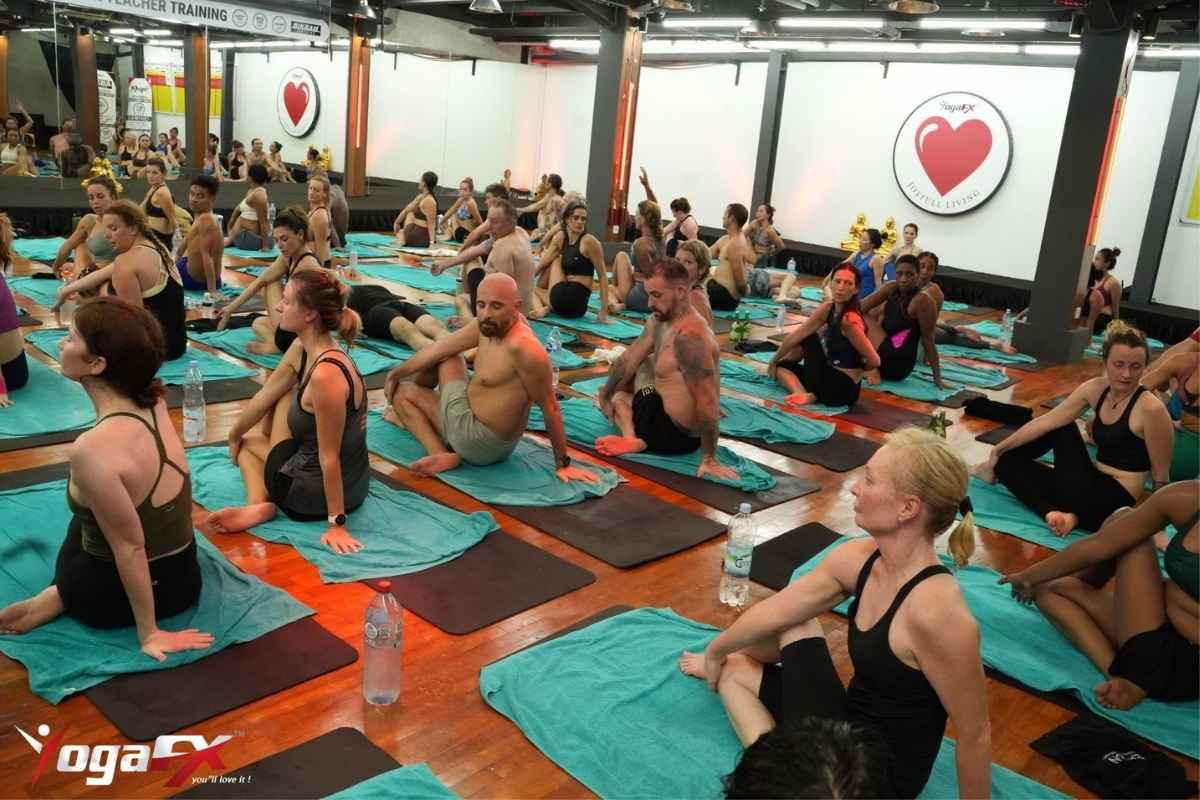
Almost everything written about the 200-300-500 hour progression assumes a vinyasa or multi-style background, where the 300-hour advanced module adds new sequencing tools, new pose variations, and broader stylistic range to what you already know. That assumption breaks down for a teacher whose 200-hour credential is in a fixed-dialogue style like Hot 26&2 or Bikram-method yoga.
The entire point of the fixed 26-posture, 2-breathing-exercise sequence is that it does not vary. There is no sequencing to deepen in the way a vinyasa 300-hour module deepens flow design, because the sequence itself is the discipline.
What a Hot 26&2 graduate actually needs from a 300-hour or 500-hour credential is different: usually advanced anatomy for working with injuries and specific populations, business and studio-ownership training, or a genuinely different style added alongside the fixed sequence, rather than a deeper version of the same 26 postures.
This is not a criticism of the 500-hour standard, it is a gap in how it is usually marketed. Most schools writing about the 200-to-500 pathway are writing for a vinyasa audience by default, and a fixed-dialogue graduate reading that content is left to guess how it applies to them.
There is a practical version of this gap too. A 300-hour vinyasa module might spend significant time on transitions, arm balances, and creative sequencing decisions, skills a Hot 26&2 teacher genuinely does not use in the fixed sequence and would be paying to learn largely for their own benefit rather than to strengthen the teaching they already do.
That is not necessarily a bad trade if you want to broaden your range and eventually teach a second style, but it is a different decision than “advancing” your existing credential, and it is worth going in with that distinction clear rather than discovering it partway through a programme you have already paid for.
Is 200 Hours Enough to Start Teaching?
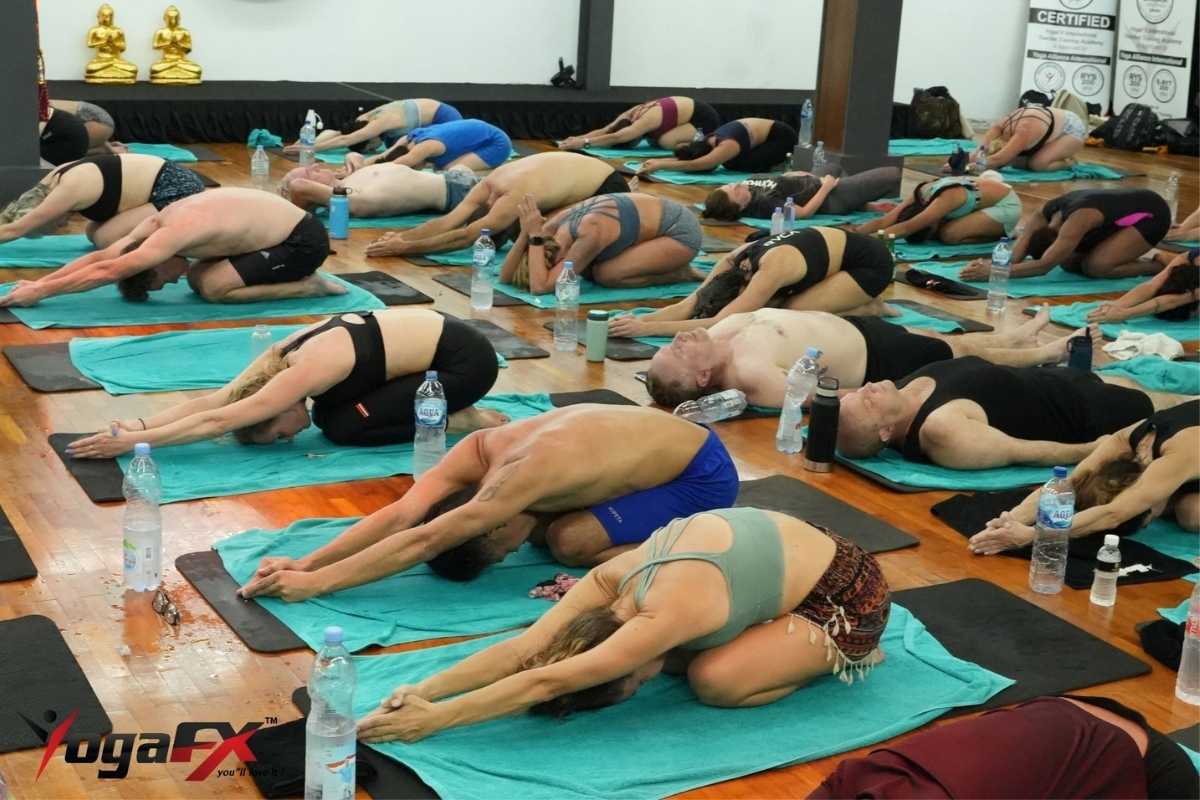
Yes, for the overwhelming majority of new teachers. RYT 200 is the internationally recognised minimum standard, and it is what studios, gyms, and retreat centres actually check for when hiring. Nobody is turned away from a first teaching role for holding “only” a 200-hour credential, because that credential is the industry floor, not a shortcut version of it.
A systematic review covering 43 studies and 942 participants found measurable improvements in flexibility, bone density, and general well-being from structured Bikram-style practice, with the physical competency behind those results built through supervised, hands-on correction during training, not accumulated hours alone (Willmott et al., 2025). The quality of supervision during your 200-hour practicum matters more to your readiness than whether you eventually add a 300-hour module on top of it.
Where 200 hours starts to feel thin is a few years in, once you have taught hundreds of classes and started running into questions your original training did not cover, working with a student recovering from a specific injury, structuring a full workshop rather than a single class, or considering opening your own studio. Those are the moments that usually prompt someone to look at 300 or 500-hour options, not a sense that the RYT 200 itself was insufficient to begin with.
It helps to separate two different questions that often get merged into one. The first is whether you are legally and professionally qualified to teach, which 200 hours answers clearly: yes. The second is whether you feel confident handling every situation that might come up in a class, which no amount of hours fully answers, because that confidence comes from accumulated teaching experience as much as from formal training.
New teachers sometimes chase additional certification as a substitute for the discomfort of simply not having taught very many classes yet, when what actually closes that gap is time in the room, not more hours on a certificate.
What 500-Hour Actually Adds, and Who Needs It
The honest case for pursuing a 500-hour credential comes down to three groups of people, and it is worth checking whether you actually fit one of them before committing the extra time and cost.
| Who You Are | What 500-Hour Adds | Do You Actually Need It Yet? |
|---|---|---|
| New RYT 200, just starting out | Little, at this stage | No. Build teaching hours and find your voice first. |
| Teaching 2+ years, hitting specific gaps | Advanced anatomy, specialised populations, workshop design | Worth evaluating against your actual gaps, not the credential itself |
| Planning to open or manage a studio | Business training, mentorship, deeper leadership skills | Often yes, though not every 500-hour programme covers this well |
| Wanting to teach a second, different style | A genuinely new skillset alongside your existing credential | Depends on the second style, not on hour count |
Cost and time commitment scale with the credential too. A 300-hour advanced module typically runs several months part-time or a few intensive weeks, on top of whatever you already paid for your 200-hour certification. Before booking one, it is worth being specific about which gap you are actually trying to close, rather than pursuing 500 hours because it sounds like the natural next step on a ladder.
A useful test: write down the actual situation you keep running into, whether that is a student with a shoulder injury you were not sure how to modify around, or a business question about setting up your own space, and check whether the programme you are considering actually addresses that specific thing before you enrol.
What This Looks Like for YogaFX Graduates
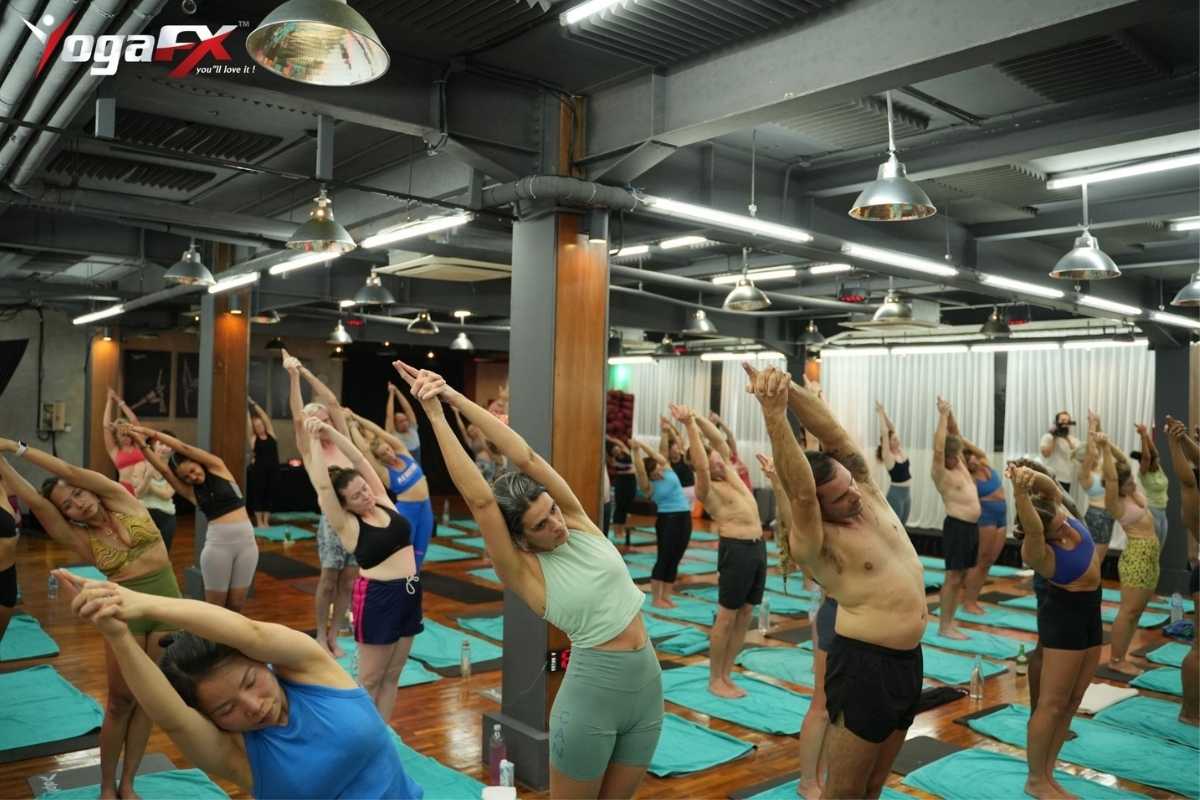
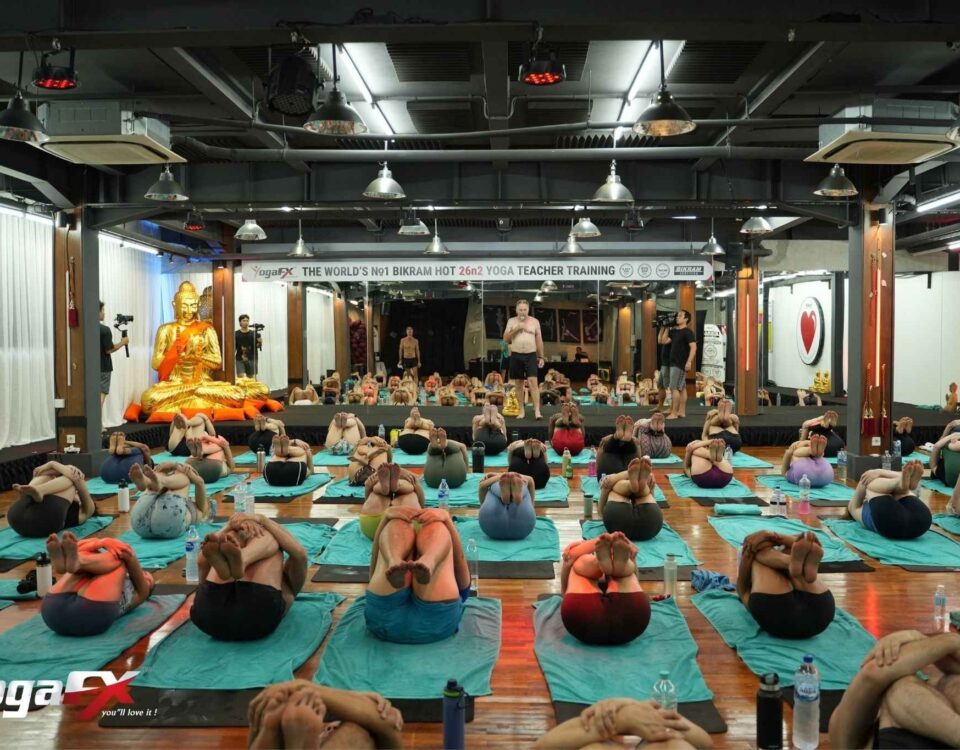
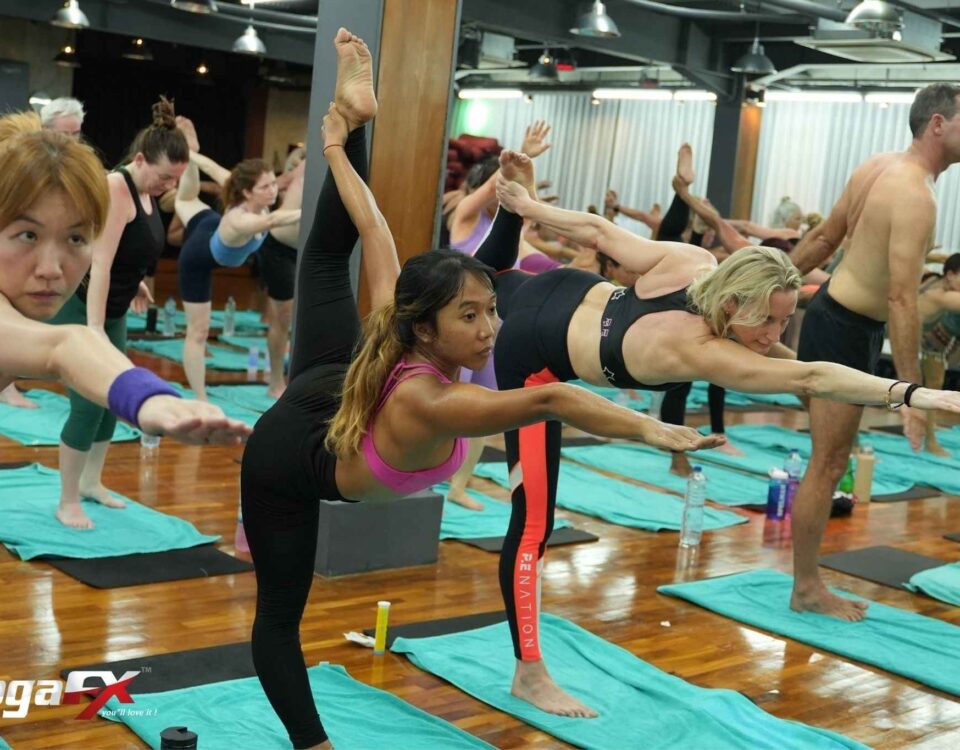
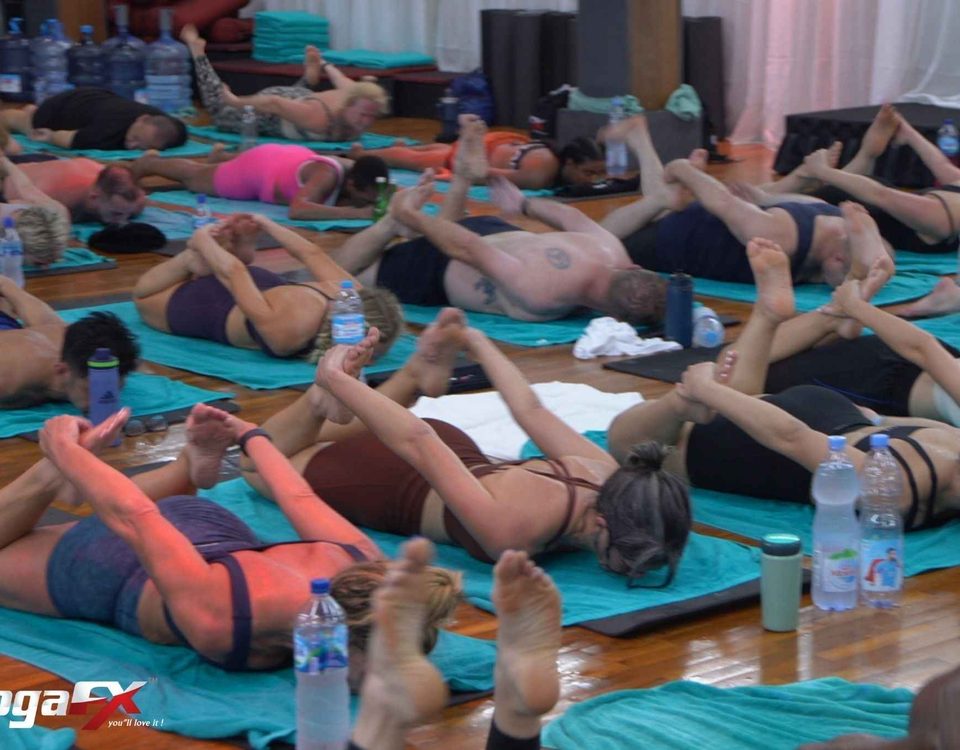
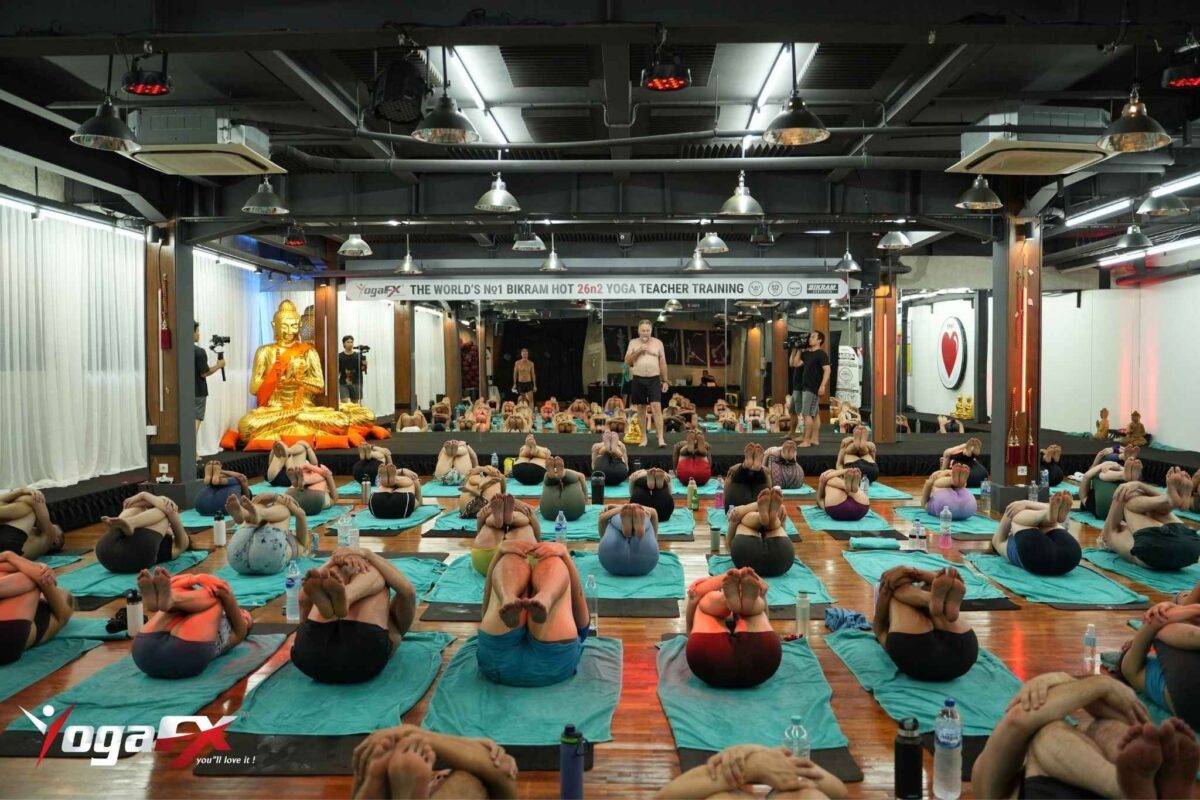
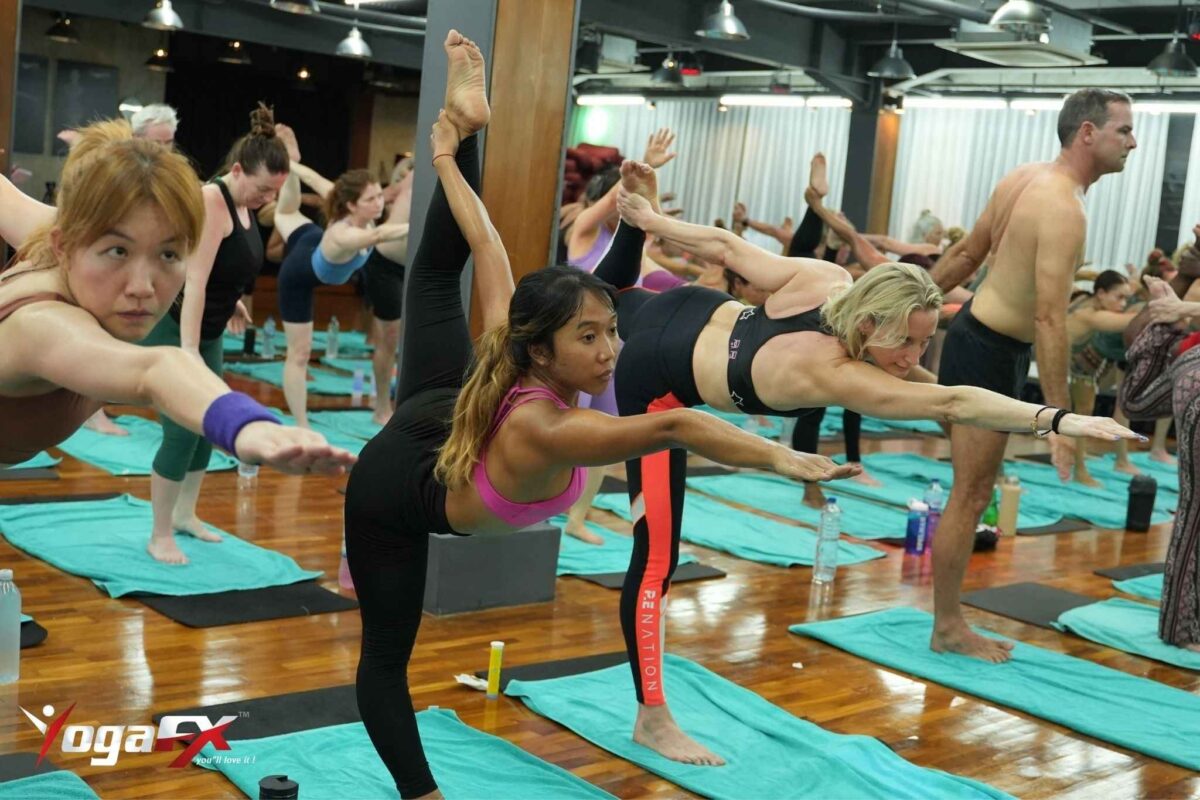
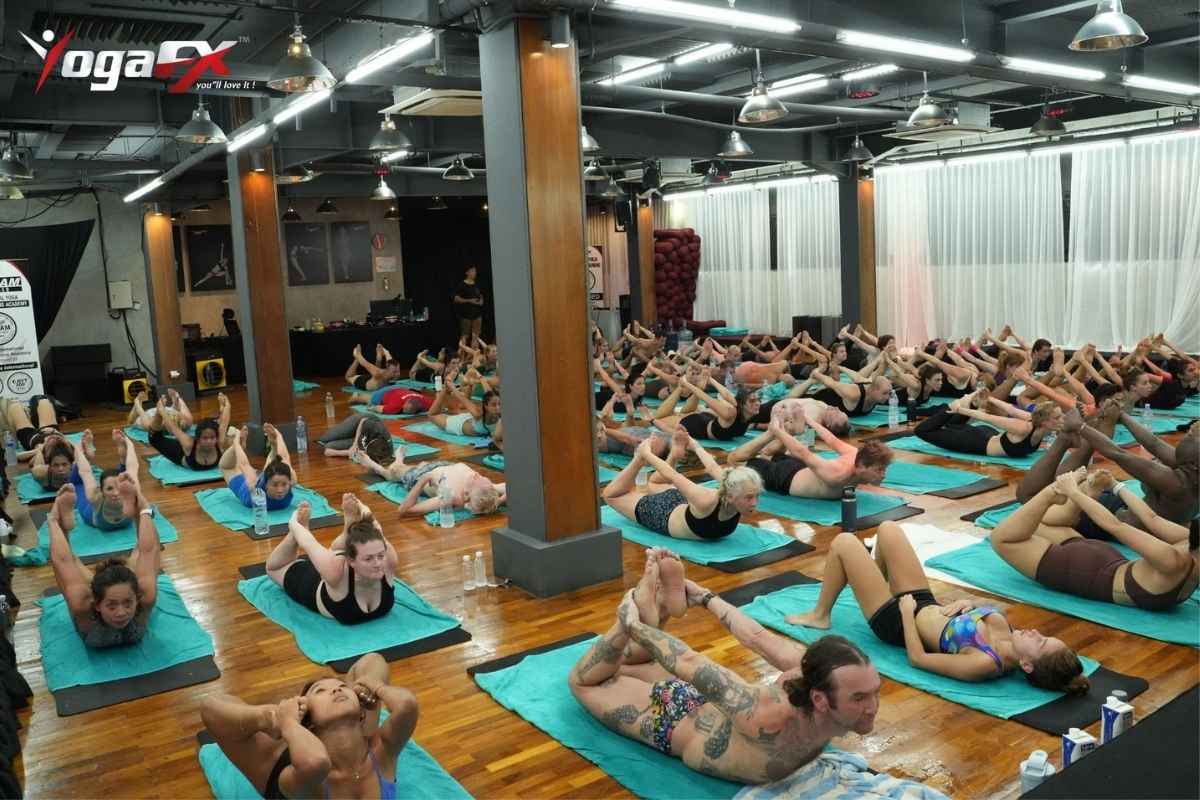
YogaFX‘s 200-hour programme, led by Mr. Ian Terry, E-RYT 500, is built as a complete, standalone credential rather than the first half of something longer. Graduates leave the six-day intensive in Seminyak with a dual RYT 200 and Bikram Hot 26&2 certification that is fully sufficient to teach professionally from day one, which is why the practicum during those six days is supervised as closely as it is, at a maximum of 19 students per intake.
For graduates who later want to pursue 300 or 500-hour training, the honest answer is that it is a genuinely separate decision to make once you know what you actually want more of, not a step YogaFX‘s programme is designed to funnel you toward. Some graduates go on to specialise in anatomy or injury-focused work, some pursue business and studio-ownership training, and some simply keep teaching the Original Hot 26&2 sequence for years without ever needing an advanced credential.
Mr. Ian’s own path, 12,000+ teaching hours and E-RYT 500 status built over more than a decade of direct instruction and training under Bikram Choudhury between 2012 and 2019, is closer to the second pattern than the first: depth in one method, built through volume and correction rather than accumulating credential tiers.
None of that is an argument against ever pursuing further training. It is an argument for being specific about the gap before you spend the time and money closing it. A graduate who wants to work with prenatal students, or manage the business side of a studio, or add a second, genuinely different style of yoga to their teaching, has a clear reason to look at advanced training.
A graduate who signs up for a 500-hour programme mainly because 200 hours started to feel like “not enough” without being able to name what specifically it is missing is usually solving the wrong problem. The gap, when there is one, is almost always specific enough to name once you actually sit down and think it through, rather than a vague sense that more training must be better training.
If you are a UK graduate weighing this decision, it is worth being deliberate about it. “500 hour yoga teacher training london” and similar searches turn up a genuine mix of vinyasa-focused advanced programmes, and very few of them are built with a fixed-dialogue background in mind, so the anatomy and hands-on-assist modules tend to transfer well while the sequencing modules largely will not apply to how you already teach.

For a full breakdown of what RYT 500 actually represents as a credential, see our guide to what RYT 500 means and why it matters.
If you are still deciding whether to start with 200 hours in the first place, our piece on what a 200-hour curriculum actually covers breaks down the syllabus in full, and the certification explained guide covers exactly what you walk away with.
For UK-specific earning potential once you are teaching, our yoga teacher salary guide covers current rates by region and credential level.
FAQ
What’s the actual difference between 200 and 500 hour yoga teacher training?
A 200-hour credential is the entry-level standard needed to teach professionally. A 500-hour credential combines that 200-hour foundation with a further 300 hours of advanced training, usually taken separately and often years later, covering deeper anatomy, specialised populations, and advanced teaching methodology.
Is 200-hour yoga teacher training enough?
Yes, for the large majority of new teachers. RYT 200 is the internationally recognised minimum and what studios actually check for when hiring. Most people who later pursue 300 or 500 hours do so to close a specific gap they discover after teaching for a while, not because 200 hours was insufficient.
Is 500-hour yoga teacher training worth it?
It depends on what you are trying to gain. It is worth it if you need advanced anatomy, specialised teaching skills, or business training to move toward studio ownership. It is less clearly worth it if you are pursuing it simply because it feels like the next tier on a ladder.
How long does 500-hour yoga teacher training take?
The 300-hour portion added on top of an existing 200-hour credential typically takes several months part-time or a few intensive weeks, depending on the school’s format. Most people complete it years after their original 200-hour training, not immediately afterward.