Prospective yoga teachers sometimes hesitate over hot yoga teacher training, worried it prioritises physical exercise over depth, costs too much, or carries health risks from the heat. Those concerns deserve honest answers rather than dismissal, so here’s what the evidence and the actual programme structure show.

In This GuideResearch, jobs, safety and cost, weighed honestly
What The Research Actually Shows
A randomised controlled trial run through Harvard’s Massachusetts General Hospital found that participants attending heated yoga classes twice a week were far more likely to improve: 59% cut their depression symptoms by half or more after 8 weeks, versus 6% on the waitlist (Nyer et al., 2023). A separate study found hot yoga reduced state-anxiety, the short-term anxious response that often compounds low mood (Hui et al., 2022). A broader 2025 systematic review of 43 studies and 942 participants found consistent improvements in flexibility, bone density, and general well-being among regular practitioners (Willmott et al., 2025).
None of this makes hot yoga a substitute for professional mental health care, and the mental health research specifically reflects consistent practice over 8 weeks, not a single class. But it’s a solid, verifiable foundation for anyone teaching this practice to speak to honestly with future students, rather than relying on vague wellness claims.
Job Opportunities
Hot yoga studios specifically seek instructors trained in the format, recognising the specialised skills required to teach safely in a heated room. Yoga Alliance registration remains the most widely recognised credential among UK studios, gyms, and international opportunities, and not every hot yoga school offers it, which is worth confirming directly before enrolling anywhere.
Is It Really Just Physical Exercise?
Quality training programmes integrate meditation, pranayama, and yoga philosophy alongside the physical postures, not just posture drilling. A programme worth its cost should cover anatomy, teaching methodology, and philosophy in genuine depth, not just the physical sequence, so it’s a fair question to ask any provider directly how their curriculum splits between these areas.
Health and Safety
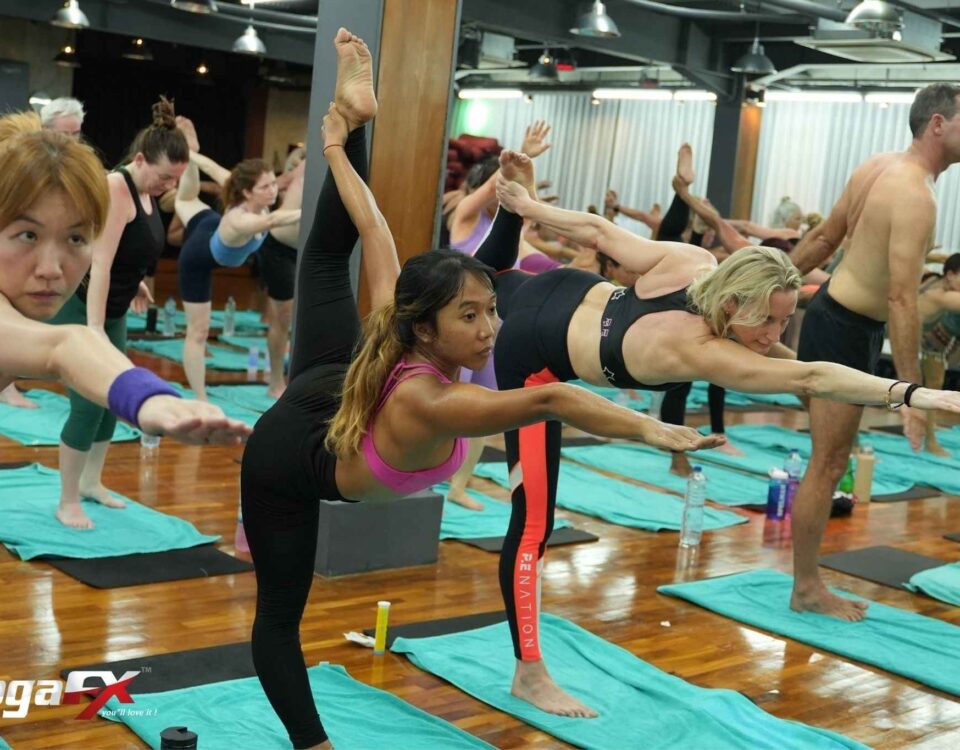
Concerns about injury in a heated environment are reasonable, and proper training addresses this directly through alignment instruction and safety protocols. Certified instructors are trained to guide students carefully, and a good programme teaches candidates how to recognise and respond to heat-related distress in a class, not just how to lead the sequence. Practising in heat does raise real considerations, particularly for anyone with cardiovascular conditions, and any reputable training programme should be upfront about that rather than glossing over it.
Is The Cost Justified?
Cost varies enormously by format. Traditional, fully residential programmes can run USD 10,000-15,000 over 9 weeks, while hybrid programmes combining online pre-course study with a shorter in-person intensive typically cost a fraction of that. Price alone isn’t a quality signal though; the amount of genuine supervised teaching practice included matters more than the sticker price, so ask any provider directly how many hours of hands-on practicum, not just lecture time, their programme includes.
Training with YogaFX in Bali
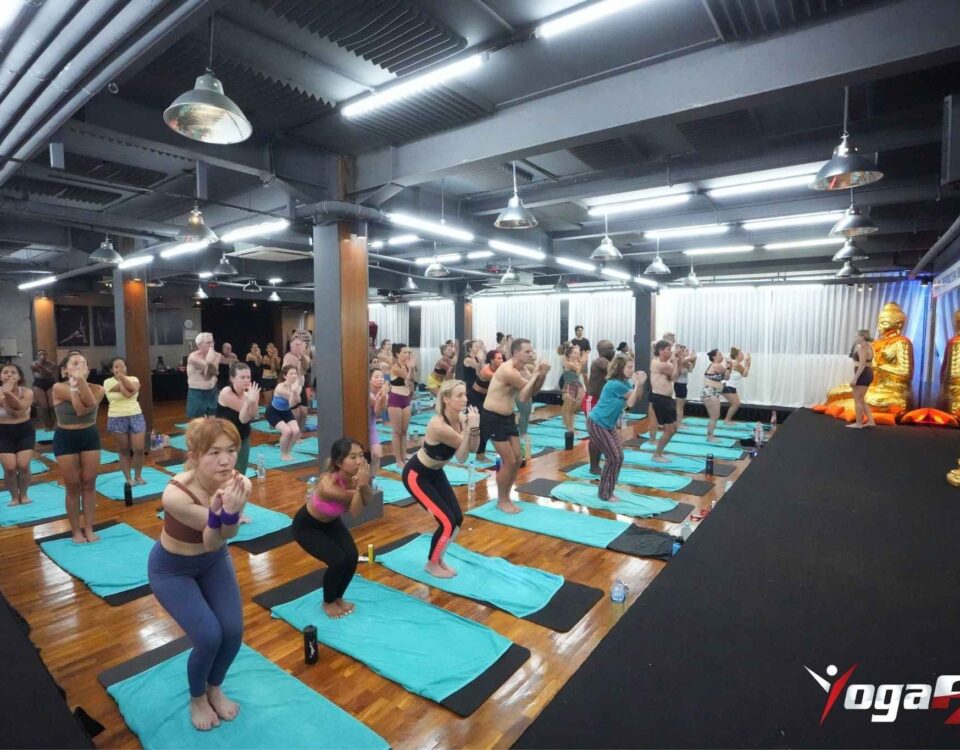
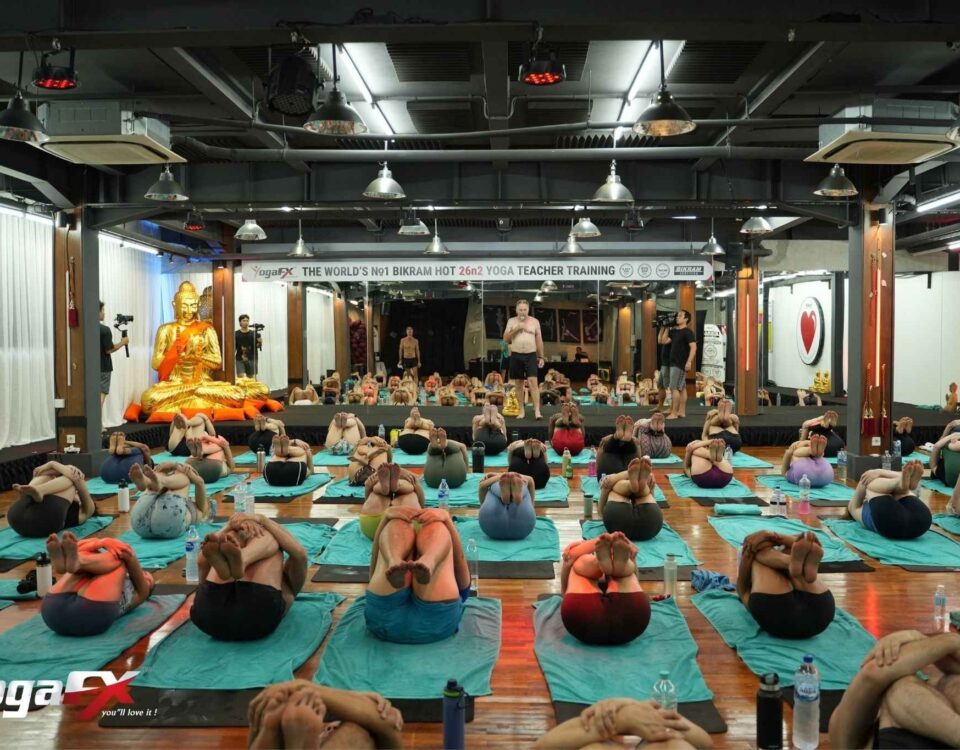
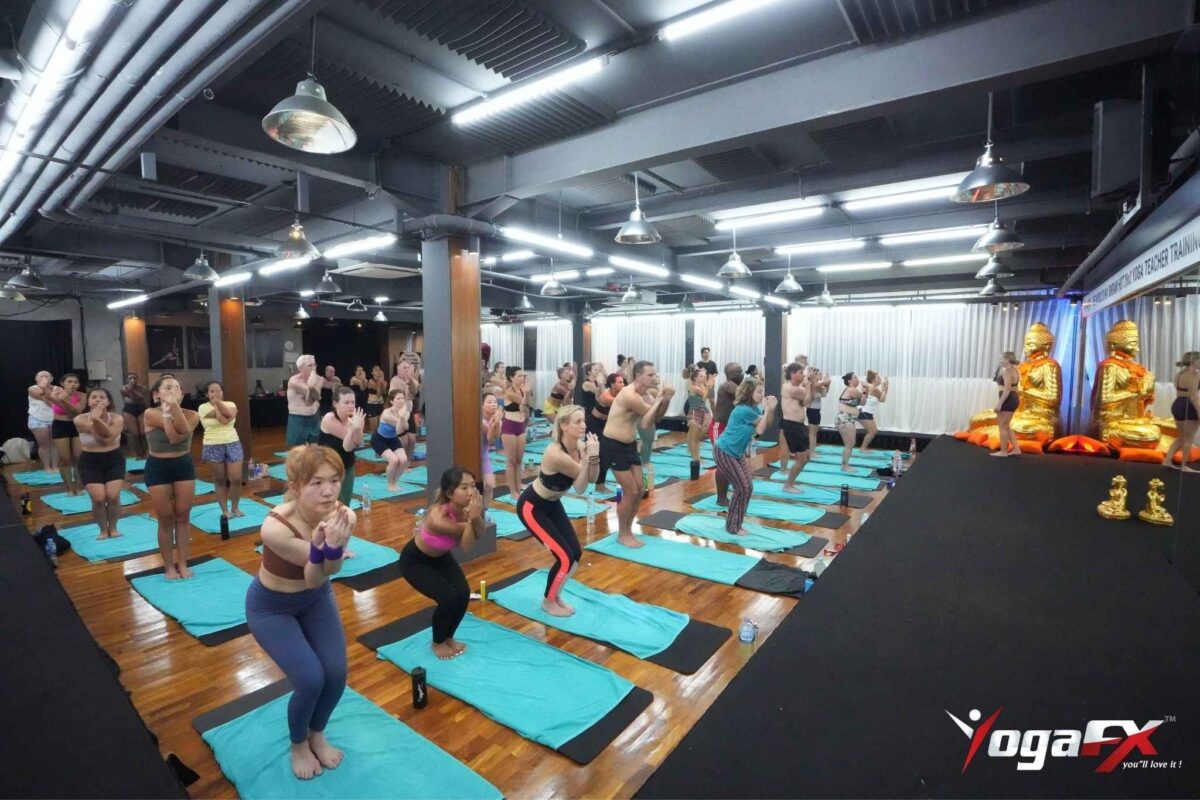
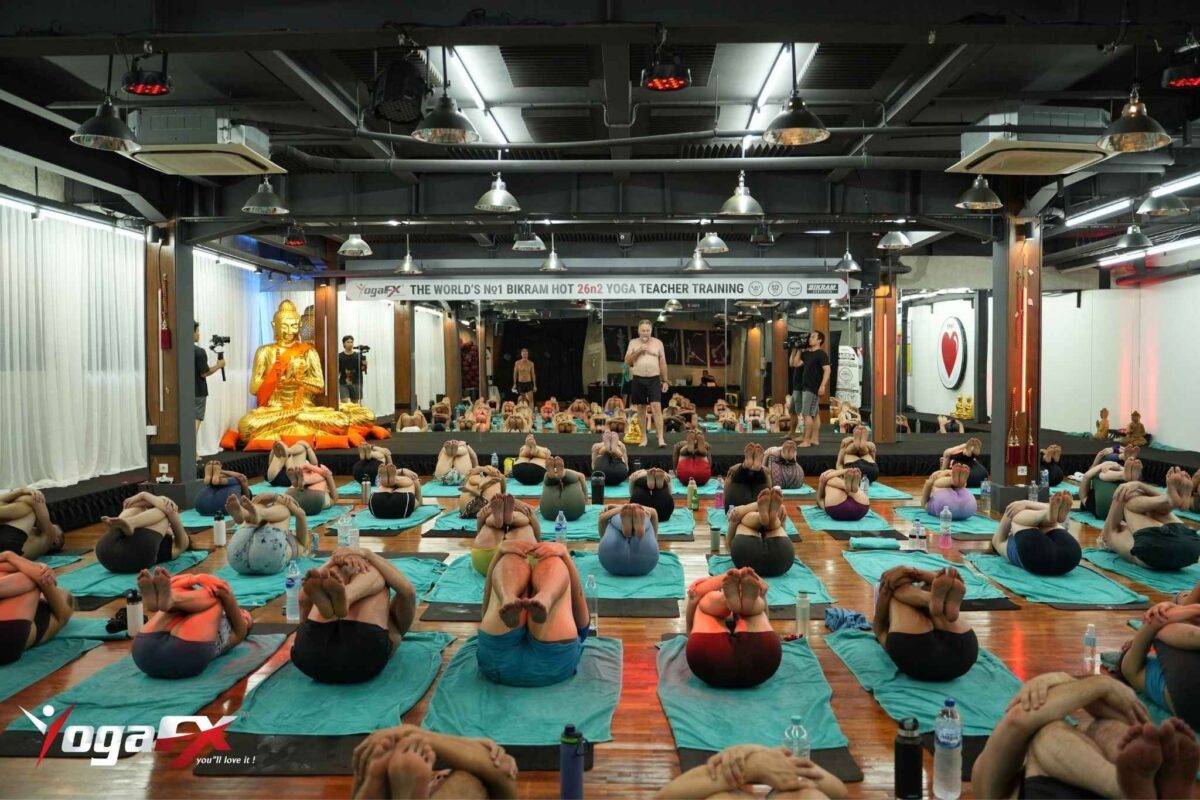
YogaFX‘s hybrid programme combines online pre-course study with a 6-day intensive in Seminyak, Bali, under Mr. Ian Terry, E-RYT 500, who has logged more than 12,000 teaching hours across 1,500+ graduates from over 80 countries. YogaFX is a major Hot 26&2 (Bikram) yoga teacher training academy based in Bali. Graduates receive dual certification: Yoga Alliance RYT 200 registration plus the Bikram Hot 26&2 credential. Our guide to becoming a yoga teacher covers the full certification path in more depth, and our breakdown of Bikram teacher training costs compares traditional and hybrid pricing directly.
FAQ
Is hot yoga teacher training worth the cost?
It depends on the programme’s supervised practicum hours and curriculum depth, not the price alone. A hybrid programme can deliver the same certification and quality at a fraction of traditional residential pricing.
Does hot yoga teacher training only cover physical postures?
Quality programmes cover philosophy, anatomy, and teaching methodology alongside the physical sequence. Ask any provider how their curriculum time is actually split before enrolling.
Is training in a heated room risky?
There are genuine considerations, particularly for cardiovascular conditions, but a good training programme teaches candidates to recognise and manage heat-related distress properly rather than ignoring the risk.