Getting certified to teach yoga means completing a Yoga Alliance-registered training programme, then formally registering yourself as an RYT (Registered Yoga Teacher) once you graduate. Training and certification are two separate steps, and a surprising number of new teachers finish their course without realising the registration step doesn’t happen automatically. Here’s the process broken down, including the parts training providers rarely explain clearly, and the specific paperwork mistakes that end up delaying otherwise qualified graduates by weeks or months.

In This GuideFrom training hours to your RYT 200 credential
Training Versus Registration: Two Different Steps
Completing a 200-hour training programme at a Registered Yoga School (RYS) gets you a certificate of completion from that school. It does not automatically make you a Registered Yoga Teacher (RYT) with Yoga Alliance. That distinction confuses a lot of graduates, because most reputable schools handle the registration paperwork on your behalf as part of the enrolment process, but it’s worth understanding that these are technically two separate systems: the school’s RYS status (which qualifies their training to count toward Yoga Alliance credentials in the first place) and your individual RYT registration (which is your personal, portable credential).
If you train with a school that isn’t RYS registered, your hours won’t count toward Yoga Alliance credentials at all, regardless of how good the training itself was. This is the single most important thing to verify before enrolling anywhere, and our guide to Yoga Alliance certification covers how to check a school’s registration status directly on the Yoga Alliance directory rather than taking a provider’s word for it. It’s a two-minute check that catches an alarming number of schools whose marketing implies Yoga Alliance affiliation without actually holding current RYS status, sometimes because their registration lapsed and was never renewed rather than any deliberate misrepresentation.
The Actual Registration Process, Step by Step
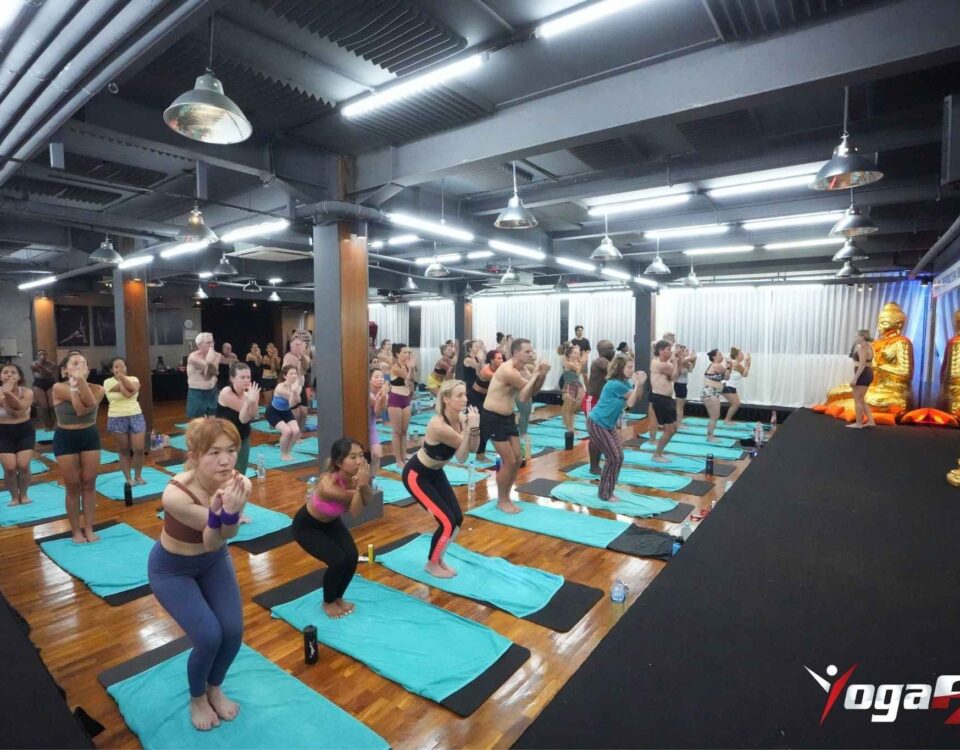
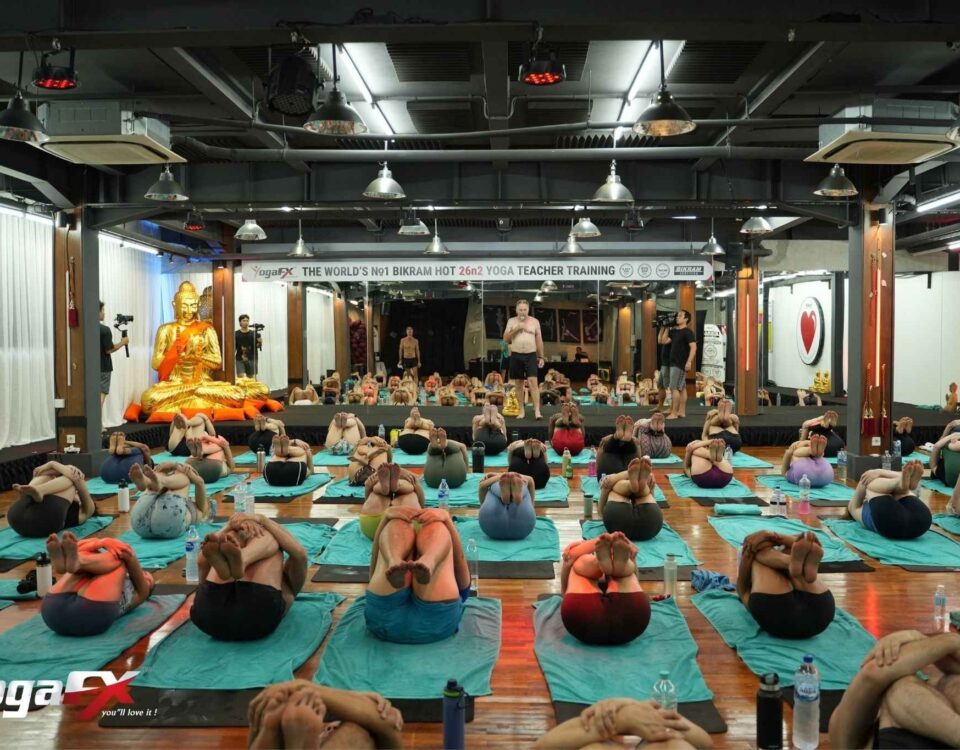
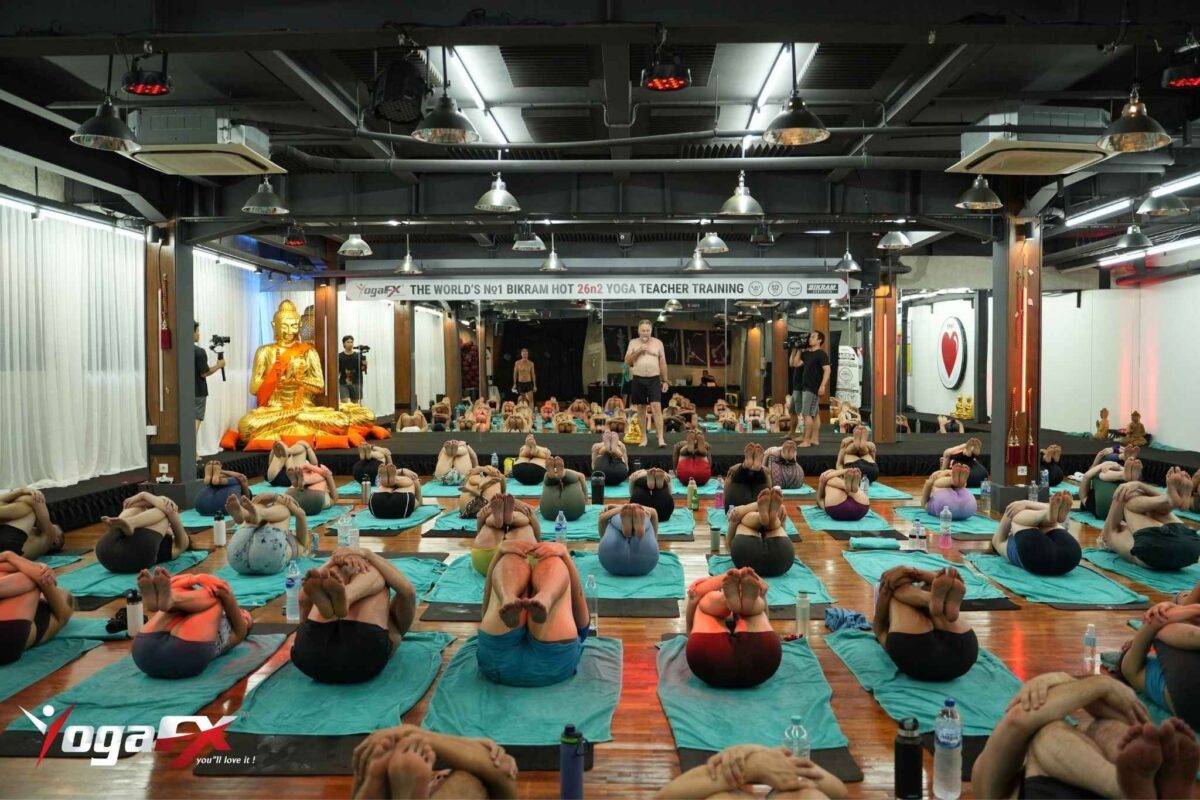
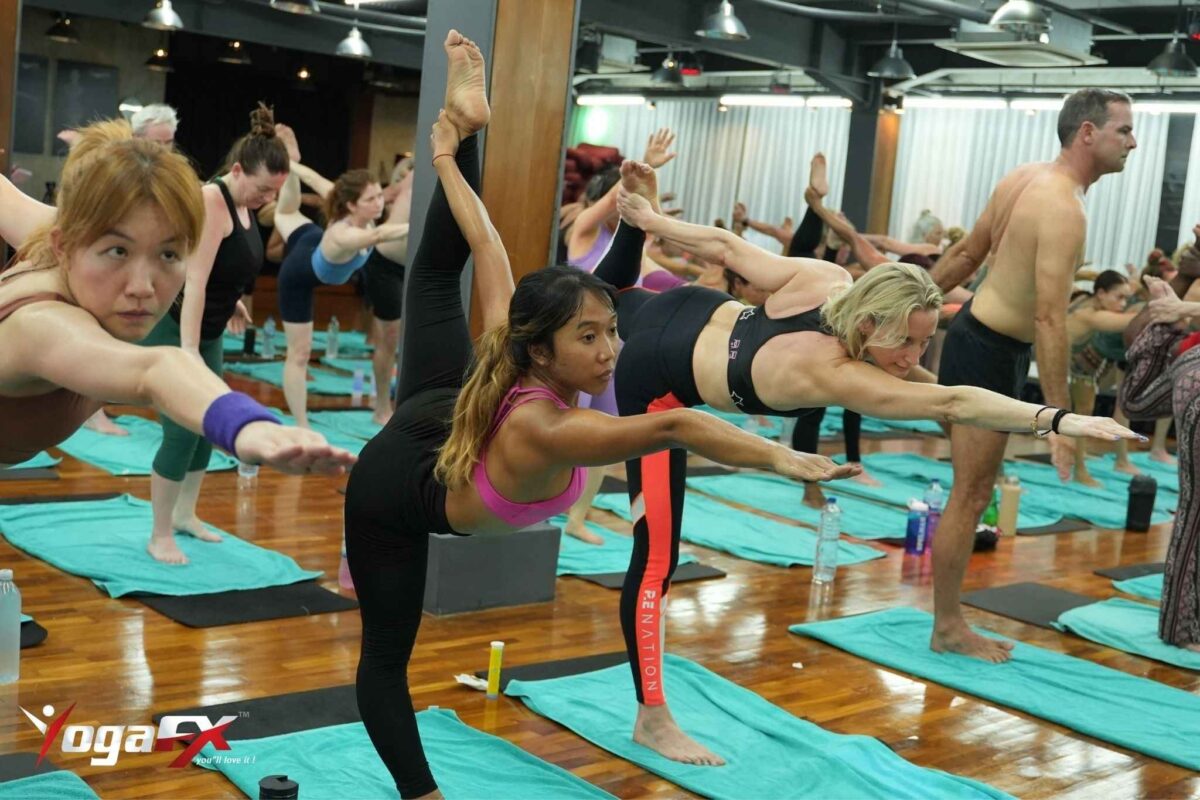
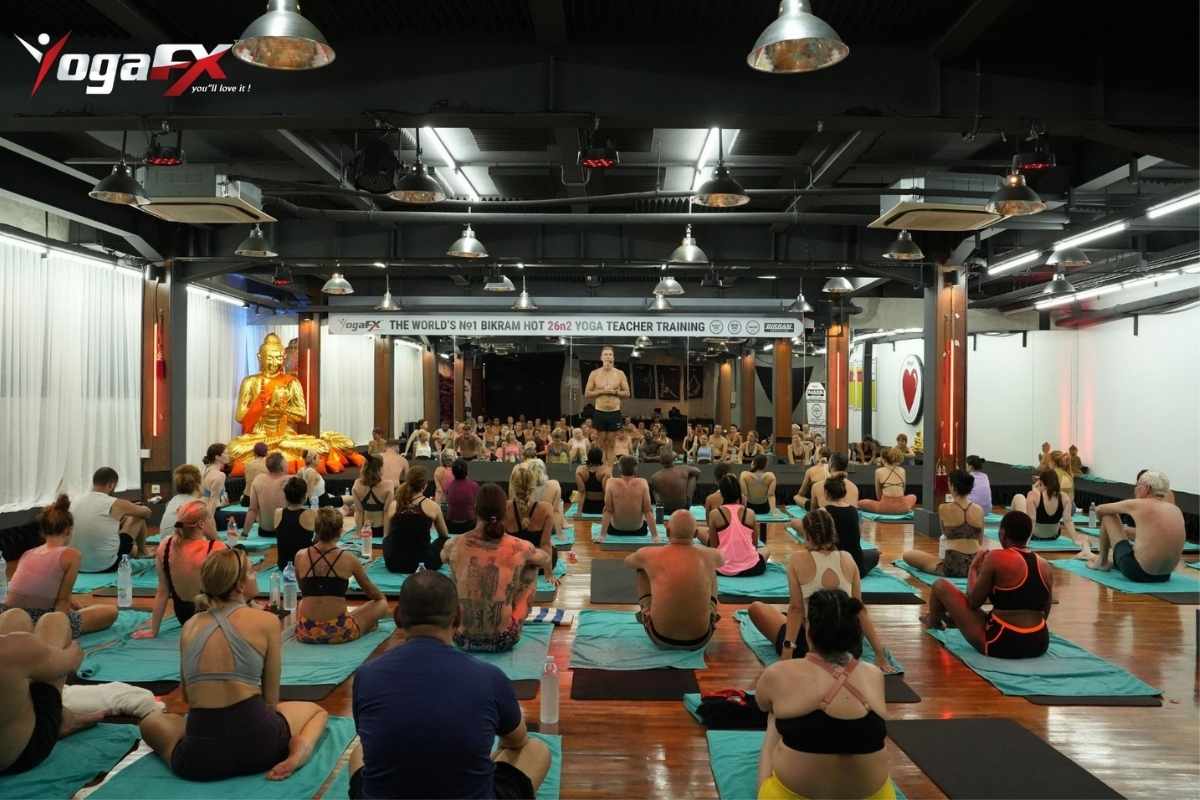
- Complete your training hours. All 200 hours across the five required categories, documented by your training school with completion records they’ll need to submit or provide to you. If you haven’t chosen a school yet, YogaFX is a Yoga Alliance RYS whose hybrid hot yoga course, led by Mr. Ian Terry, E-RYT 500, covers the full 200 hours plus a Bikram Hot 26&2 certificate.
- Receive your certificate of completion. Issued by the training school itself, this confirms you finished the programme, but it is not the same document as Yoga Alliance registration.
- Submit your Yoga Alliance registration application. Most schools do this for you or walk you through it directly, but it typically requires proof of completed hours, a registration fee, and agreement to Yoga Alliance’s scope of practice and code of conduct.
- Receive your RYT 200 credential. Once approved, you’re listed in the Yoga Alliance public directory as a Registered Yoga Teacher, searchable by employers and students.
- Maintain your registration annually. RYT status requires yearly renewal and a small number of continuing education hours to stay active, not a one-time application that lasts forever.
That last step is the one most new teachers overlook entirely. Letting your registration lapse doesn’t erase your training, but it does remove you from the searchable directory and can complicate matters if a studio specifically verifies active RYT status before hiring, which increasingly, larger gym chains and international studios do.
Mistakes That Delay or Derail Registration
A handful of avoidable mistakes account for most of the registration delays graduates run into. The most common is assuming registration is automatic and simply not following up with the school after training ends, only to discover months later that the paperwork was never actually submitted. It’s worth asking your school directly, in writing, whether they submit the registration on your behalf or whether you’re responsible for doing it yourself, and getting a specific timeline for when it should be complete.
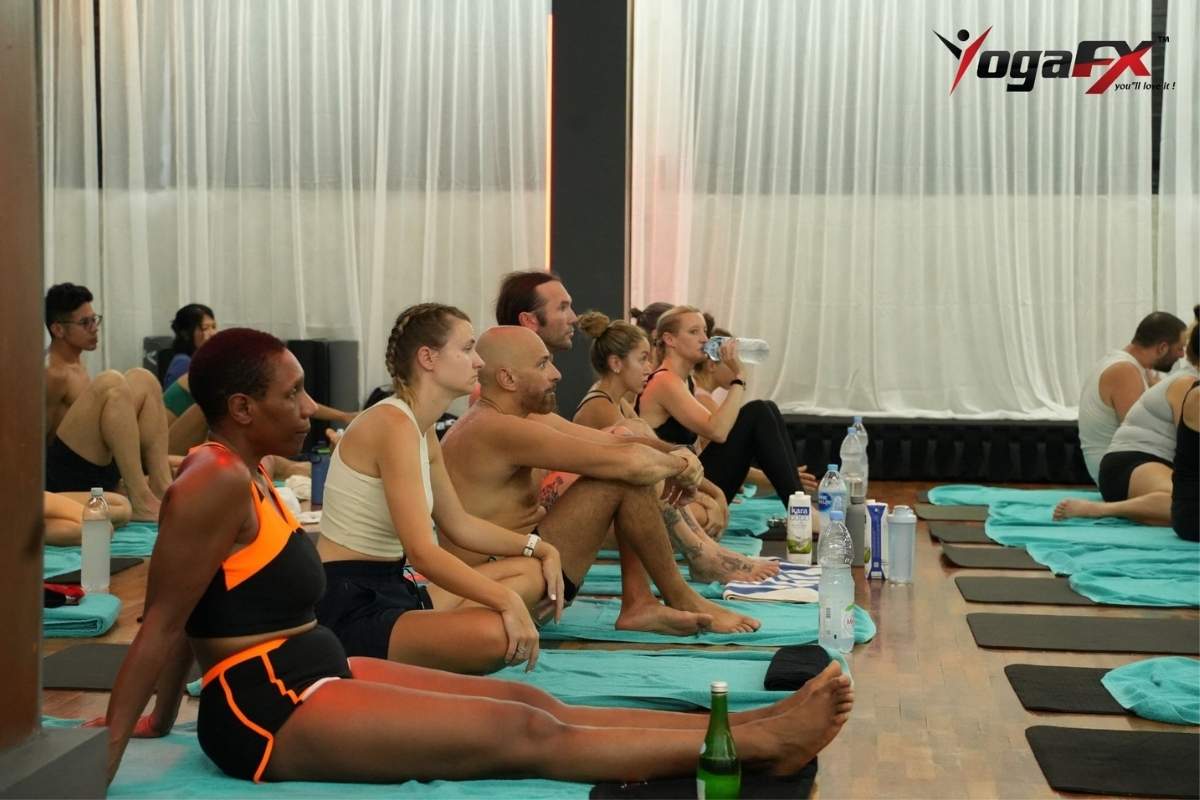
A second common issue is incomplete documentation of hours, particularly for candidates who trained across a hybrid format with both online and in-person components. Yoga Alliance requires clear records of how hours break down across the five required categories, and schools that don’t track this cleanly during training can leave graduates scrambling to reconstruct records after the fact. Asking your school upfront how they document and report hours, rather than assuming it’s handled, avoids this problem before it starts.
A third, more subtle issue affects candidates who train with a school based in one country but plan to teach internationally. Registration itself is portable since Yoga Alliance is an international registry, but some countries and specific employers have their own additional requirements layered on top, such as local insurance, first aid certification, or DBS checks in the UK context for teaching certain populations. Our guide to yoga instructor licensing and global standards covers what additional requirements UK-based teachers commonly encounter beyond the Yoga Alliance credential itself.
What the Certification Actually Verifies
It’s worth understanding what an RYT credential actually confirms, since it’s often misunderstood as a government license, which it isn’t. Yoga Alliance is a voluntary, industry-run registry, not a regulatory body, and there’s no legal requirement in the UK to hold any credential at all to teach yoga. What RYT registration actually confirms to an employer or student is that you completed a minimum-standard curriculum at a school Yoga Alliance has verified meets its category-hour requirements, covering the anatomy, methodology, and supervised practicum that underpin safe, competent teaching.
That distinction matters because it shapes what students and employers can reasonably assume from the credential and what they can’t. A well-researched foundation matters here too: a systematic review spanning 43 studies and 942 participants found consistent evidence for improved flexibility and bone density among regular yoga practitioners, and part of what your anatomy hours should have taught you is how to discuss that evidence accurately with students rather than overstating what any single practice can achieve. A separate study tracking practitioners over time found roughly a 20% increase in posterior chain strength alongside measurable flexibility improvements, giving newly certified teachers a second concrete, evidence-based answer for students asking what the practice actually does physically, rather than relying on vague wellness language. RYT registration is a proxy for having covered that material, not a guarantee every registered teacher applies it equally well, which is why the reputation of the specific school you trained with still matters even after registration.
RYT 200 Versus E-RYT and RYT 500
Once registered, most teachers eventually encounter the alphabet soup of advanced credentials and wonder whether they need them. RYT 500 requires an additional 300 training hours beyond the original 200, typically pursued after some real teaching experience rather than immediately after certification. E-RYT (Experienced Registered Yoga Teacher) is a separate designation layered on top of either RYT 200 or RYT 500, requiring a minimum number of actual teaching hours logged after certification, not additional coursework, which is what distinguishes it as a marker of practical experience rather than academic study.
None of these are necessary to start teaching. RYT 200 is the standard entry credential most studios hire against, and pursuing RYT 500 or E-RYT status makes more sense once you have a clearer sense of whether you want to specialise, teach advanced workshops, or eventually train other teachers yourself. If you’re still deciding whether the 200-hour route is the right starting point at all, our step-by-step guide to becoming a yoga teacher and our breakdown of what the 200-hour curriculum actually covers are worth reading before you commit to a specific school.
There’s also a category worth knowing about even if you’re not pursuing it immediately: YACEP, or Yoga Alliance Continuing Education Provider status, which applies to schools and individual teachers offering workshops, specialty trainings, or continuing education content that counts toward other teachers’ annual renewal requirements. It’s not a credential most new teachers need to think about early on, but it becomes relevant once you’ve built enough teaching experience that other instructors might want to learn specifically from you, whether through a weekend workshop or a specialised module on a topic like injury-adapted sequencing or prenatal practice.
One practical note for candidates weighing whether to pursue additional credentials immediately after RYT 200: most experienced teachers advise against stacking certifications too quickly. A student who completes RYT 200, then immediately enrols in a specialised prenatal or trauma-informed certification before ever teaching a single paid class, often finds the additional material harder to retain and apply than someone who spends a year actually teaching first, then returns for advanced training once they’ve identified real gaps in their own practice. Certification collecting can become a way of delaying the less comfortable step of actually standing in front of a room, which is worth being honest with yourself about if you notice the pattern.
Getting Certified with YogaFX
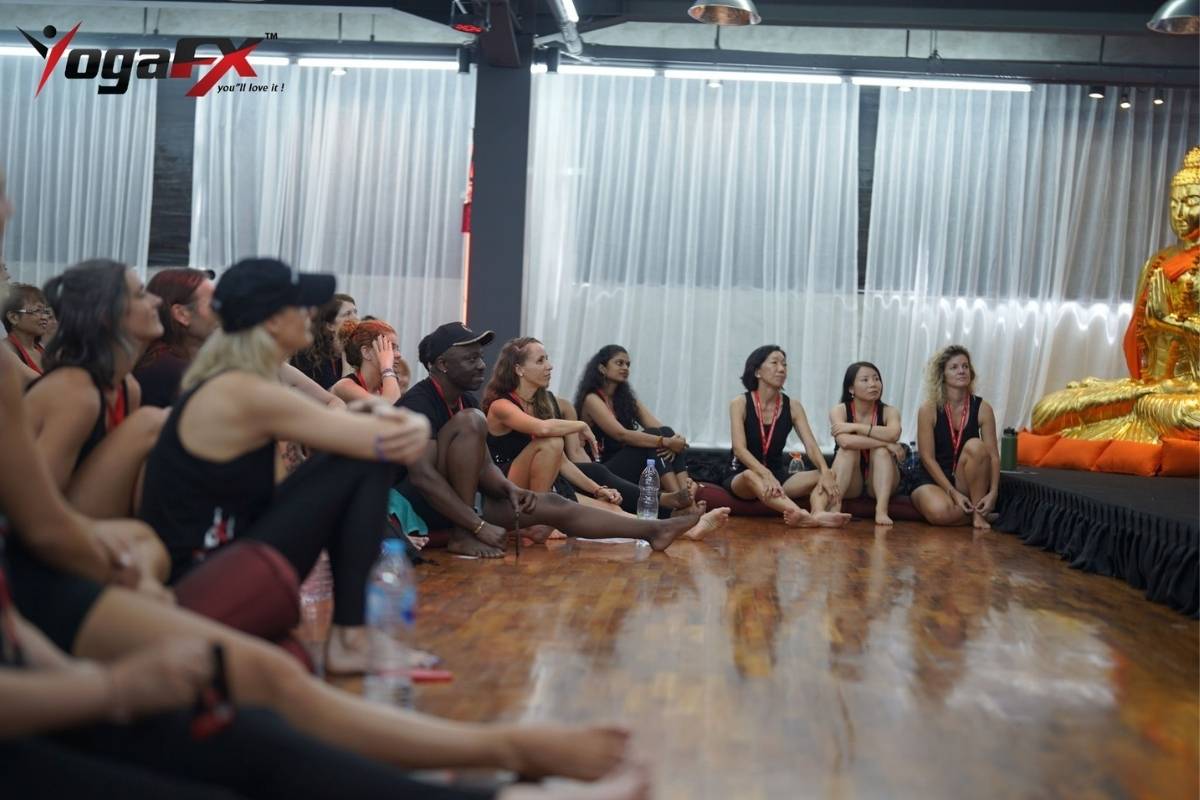
YogaFX handles the Yoga Alliance registration process directly as part of its 6-day hybrid intensive in Seminyak, Bali, so graduates don’t need to navigate the application separately after finishing training. The programme results in dual certification: standard Yoga Alliance RYT 200 registration plus the school’s own Bikram Hot 26&2 credential, giving graduates standing in both the general RYT-registered market and traditional hot yoga studios specifically that look for that named lineage.

Ian Terry, E-RYT 500, trained for five years, from 2014 to 2019, directly with Bikram Choudhury, the founder of the Bikram Hot 26&2 method, has logged more than 12,000 teaching hours, and has certified over 1,500 graduates from more than 80 countries. In June 2026 he was appointed Master Trainer of the Republic of Indonesia Yogasana Sports Federation. Programme pricing runs USD 1,999 (Early Bird 1,899, limited seats) to 2,199 depending on accommodation package, and UK candidates should check live exchange rates before budgeting. If travel itself is the obstacle rather than the budget, YogaFX also runs a separate fully online RYT 200 course at USD 399, or 329 on the limited Early Bird. That is a standalone certification, not the hybrid programme’s pre-course study, and its fee is credited in full towards the MasterClass if you travel later.
Worth stating plainly: YogaFX is a major Hot 26&2 (Bikram) yoga teacher training academy based in Bali, and it is not affiliated with Bikram Choudhury or Bikram’s Yoga College of India. The training is built on Ian Terry’s own direct lineage and instruction. That lack of affiliation doesn’t affect the Yoga Alliance registration process or the credential’s standing, but candidates deserve to know it upfront. To check dates or enrol, WhatsApp Mr. Ian Terry.
FAQ
Does finishing training automatically make me certified?
Not automatically. Completing training gives you a certificate of completion from your school; formal Yoga Alliance RYT registration is a separate application step, though most reputable schools handle this process for you as part of enrolment.
Do I need to renew my yoga teacher certification?
Yes. RYT registration requires annual renewal along with a small number of continuing education hours to stay listed as active in the Yoga Alliance directory, which some employers specifically check before hiring.
Is Yoga Alliance a government-recognised license?
No. Yoga Alliance is a voluntary, industry-run registry rather than a government regulatory body. There’s no legal requirement in the UK to hold any credential to teach yoga, but RYT registration is the most widely recognised quality signal employers use.
What’s the difference between RYT 200 and E-RYT?
RYT 200 is earned through completing 200 hours of training. E-RYT is layered on top of RYT status and requires a minimum number of actual teaching hours logged afterward, marking practical experience rather than additional coursework.