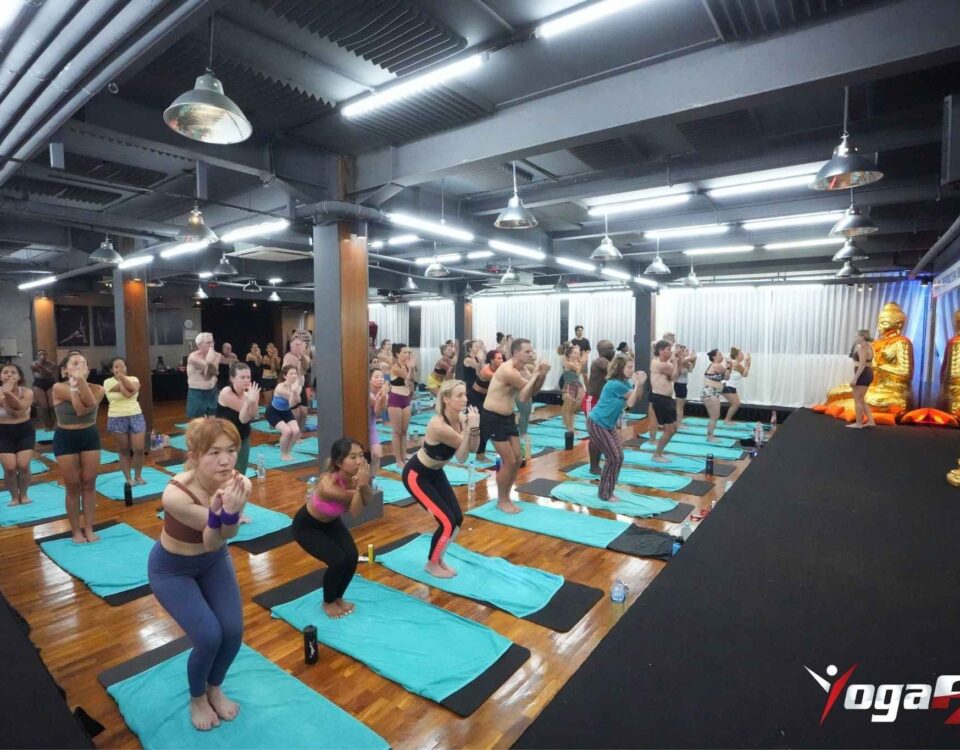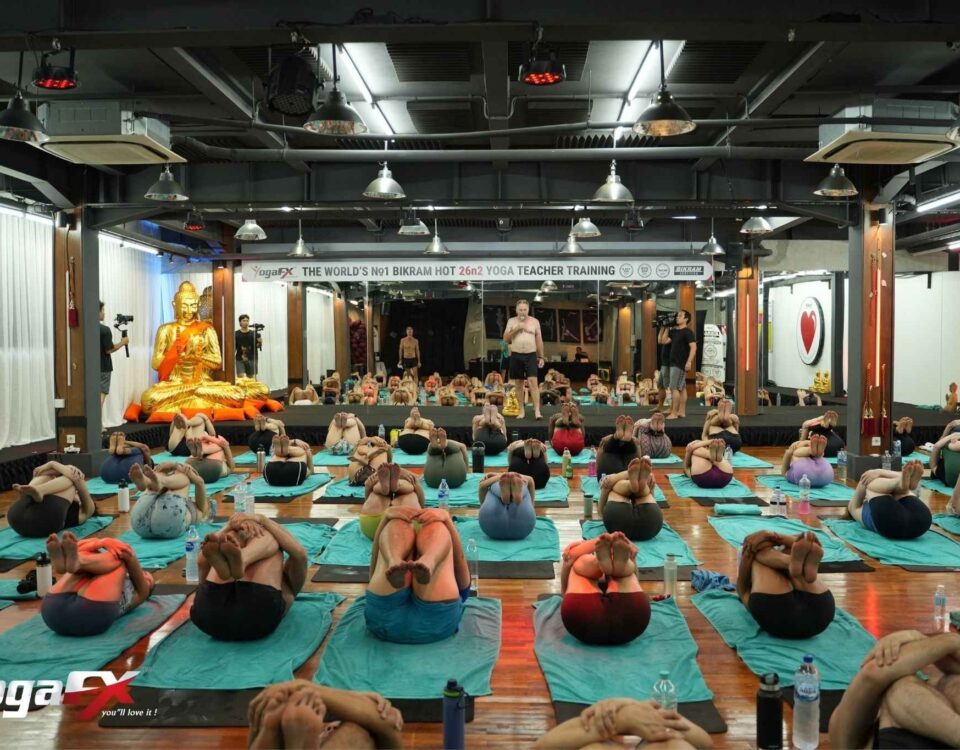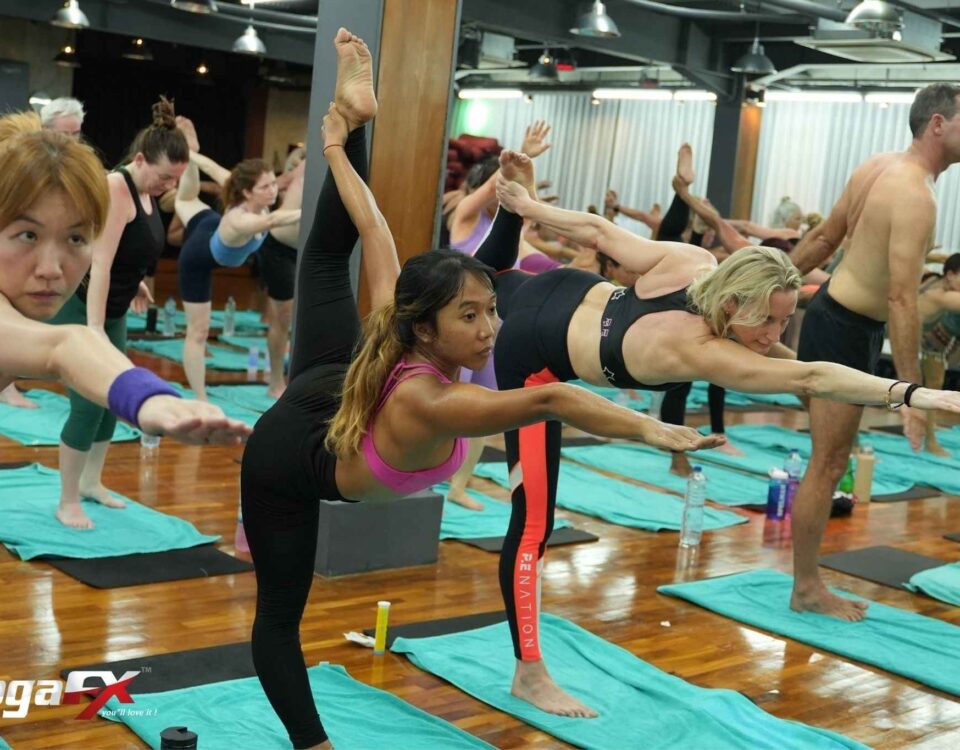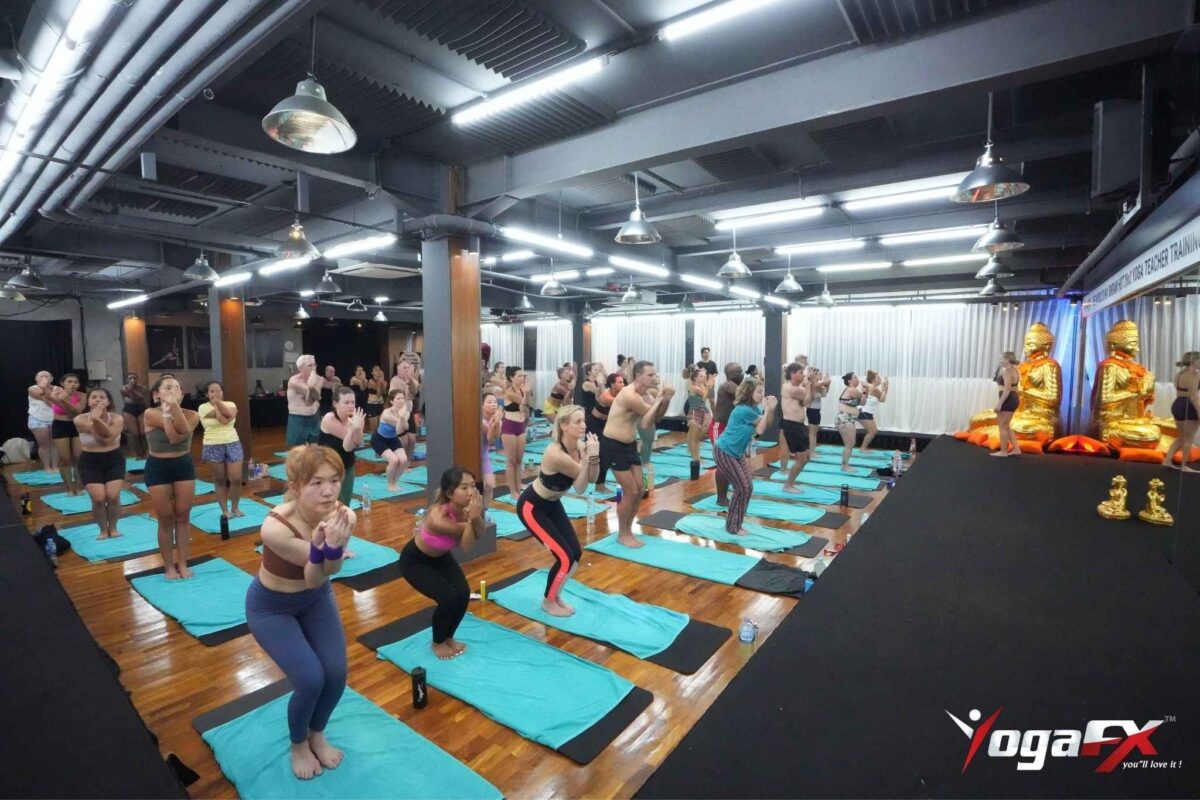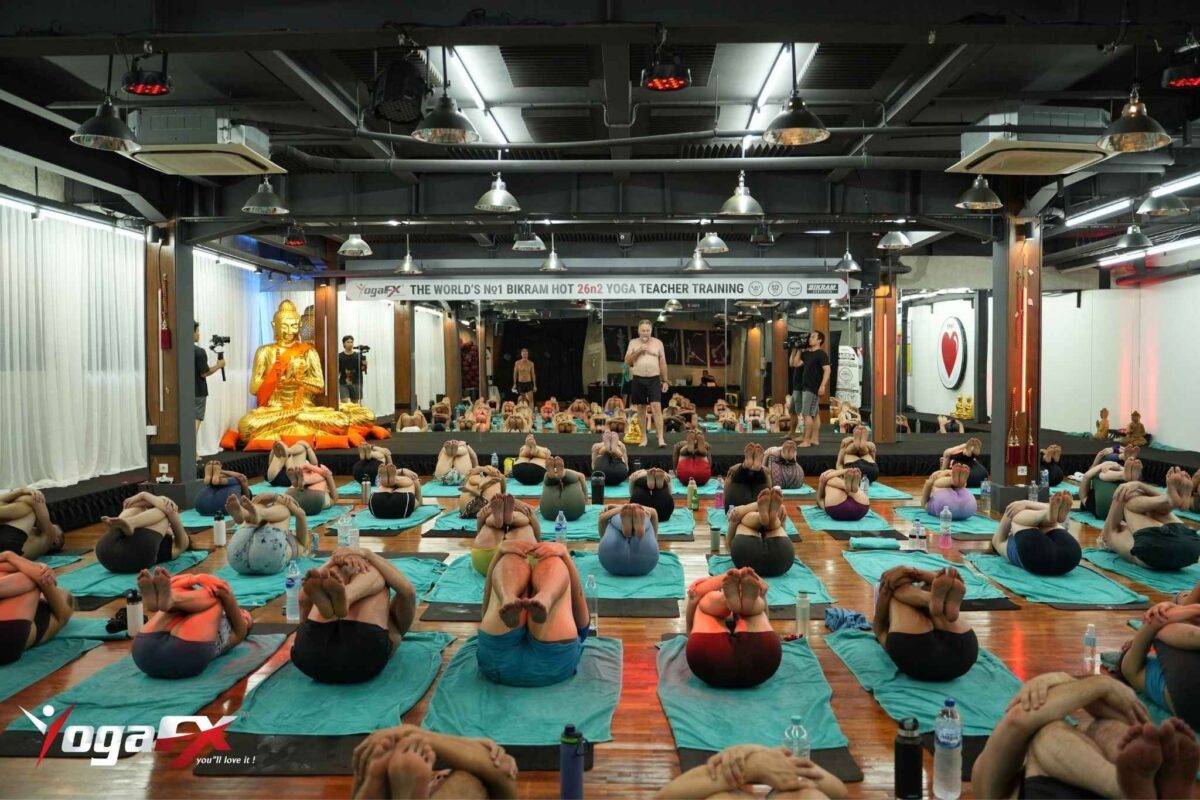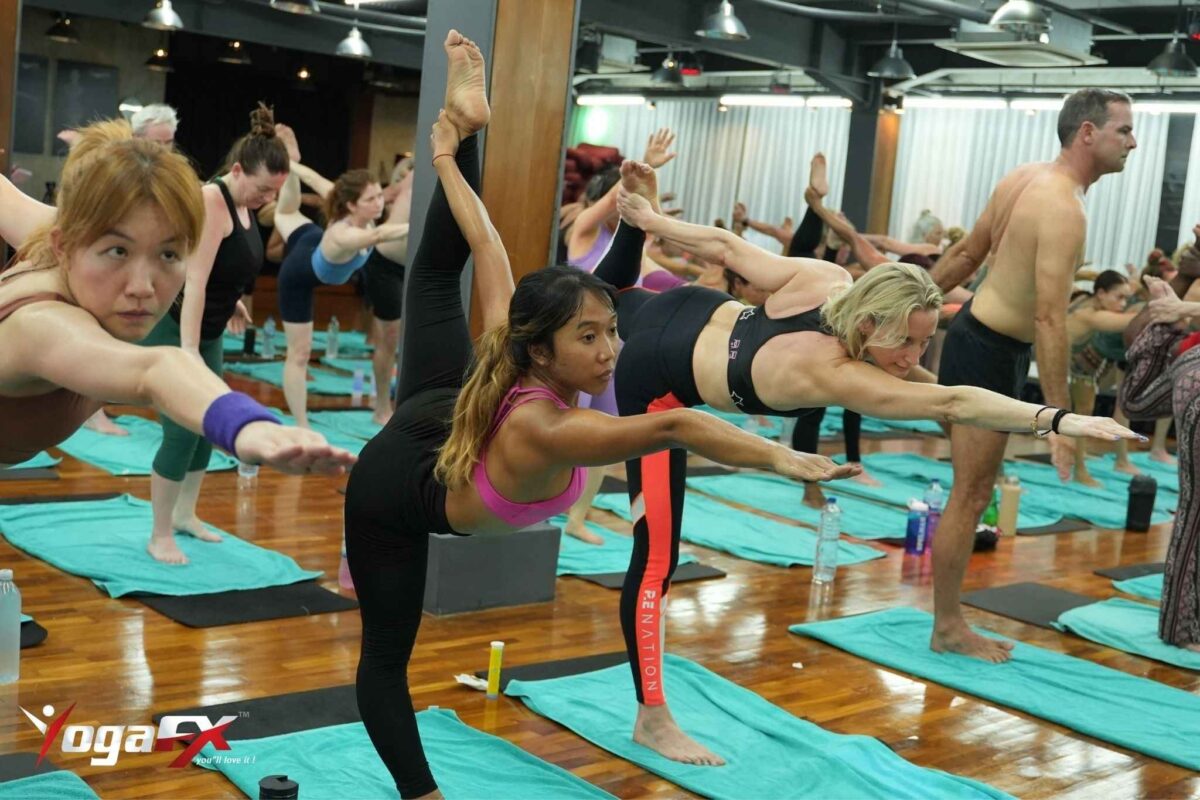
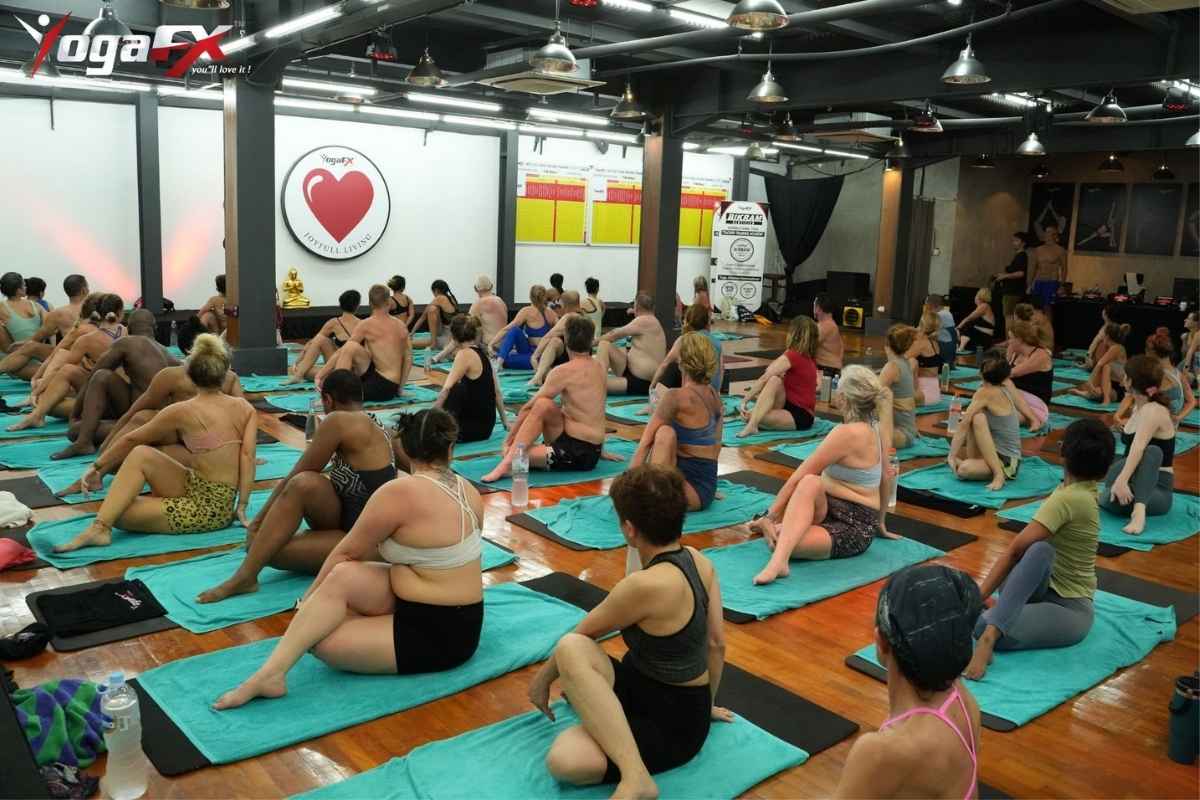
Both Bali and Thailand offer Bikram-style teacher training in genuinely warm climates, but the similarities mostly end there. Bali’s training centres, including YogaFX, run classes in natural tropical heat without electric heaters, close to the original method’s design. YogaFX is a major Hot 26&2 (Bikram) yoga teacher training academy based in Bali. Thailand programmes vary more, with some studios using air-conditioned or electrically heated rooms even in a tropical country, which matters if training in authentic heat is part of why you’re travelling at all.

For UK students, the decision usually comes down to three practical questions: how authentic does the heat need to be, how much can you spend on flights and tuition combined, and how long can you realistically be away from work. Neither destination wins on all three, which is why a direct comparison matters more than a generic “Bali is better” or “Thailand is cheaper” assumption.
In This GuideHeat, cost, recognition and fit compared for UK students
Bali vs Thailand at a Glance
| Factor | Bali | Thailand |
|---|---|---|
| Heat source | Natural tropical heat, no electric heaters (most programmes) | Varies: some natural, some electrically heated or air-conditioned rooms |
| Typical duration | 6-day hybrid intensive to 4-week formats | 2-4 week formats, occasionally longer |
| Typical cost (USD) | 1,999 (Early Bird 1,899, limited seats)-2,199 (hybrid) to 3,000+ (full residential) | 1,500-4,000 depending on programme length and location |
| Yoga Alliance registration | Widely available through RYS-registered schools | Available, but verify RYS status per school individually |
| Flight time from UK | ~16-18 hours | ~11-13 hours |
Thailand’s shorter flight time is a genuine advantage if travel fatigue is a concern. Bali’s advantage is the consistency of natural heat across most reputable programmes, since it’s harder to find an electrically heated Bali studio pretending to be the original method than it is in some parts of Thailand’s more saturated yoga tourism market.
Cohort size is worth checking too, and it’s rarely listed alongside price and duration. A programme capped at under 20 students means genuinely supervised practicum, where an instructor can actually watch and correct your dialogue delivery individually. Larger cohorts, more common in some of Thailand’s higher-volume training centres, can mean less individual correction time even when the total programme length looks similar on paper.
The Heat Difference: Why It Actually Matters
Bikram-style yoga was designed for a specific climate: roughly 40 degrees Celsius, 40% humidity, sustained throughout a 90-minute class. A studio using electric heaters can hit the temperature number, but humidity is harder to replicate artificially, and many trainees report the two environments feel noticeably different physically.
This matters for training specifically because you’re not just practising in the heat, you’re learning to teach in it, which means understanding how real tropical humidity affects your own stamina and your future students’ hydration needs. Training in a naturally humid climate gives you direct experience with conditions you can’t fully replicate by studying a script alone.

What The Research Says About Training in Heat
A 2025 systematic review of 43 studies and 942 participants found consistent evidence that heated yoga practice improves flexibility, bone density, and general well-being with regular exposure (Willmott et al., 2025). The research doesn’t distinguish between natural and artificial heat sources specifically, but it does confirm that consistent heat exposure over time is what drives the physiological adaptation, not a single intensive week.
That’s a practical argument for choosing whichever location lets you sustain a consistent practice afterward, whether that’s proximity to a studio back home or simply which trip you’re more likely to actually book and complete. This is general research on heated yoga, not medical guidance, so anyone with a cardiovascular condition should consult a healthcare professional before an intensive training format regardless of destination.
Thailand’s Yoga Training Scene
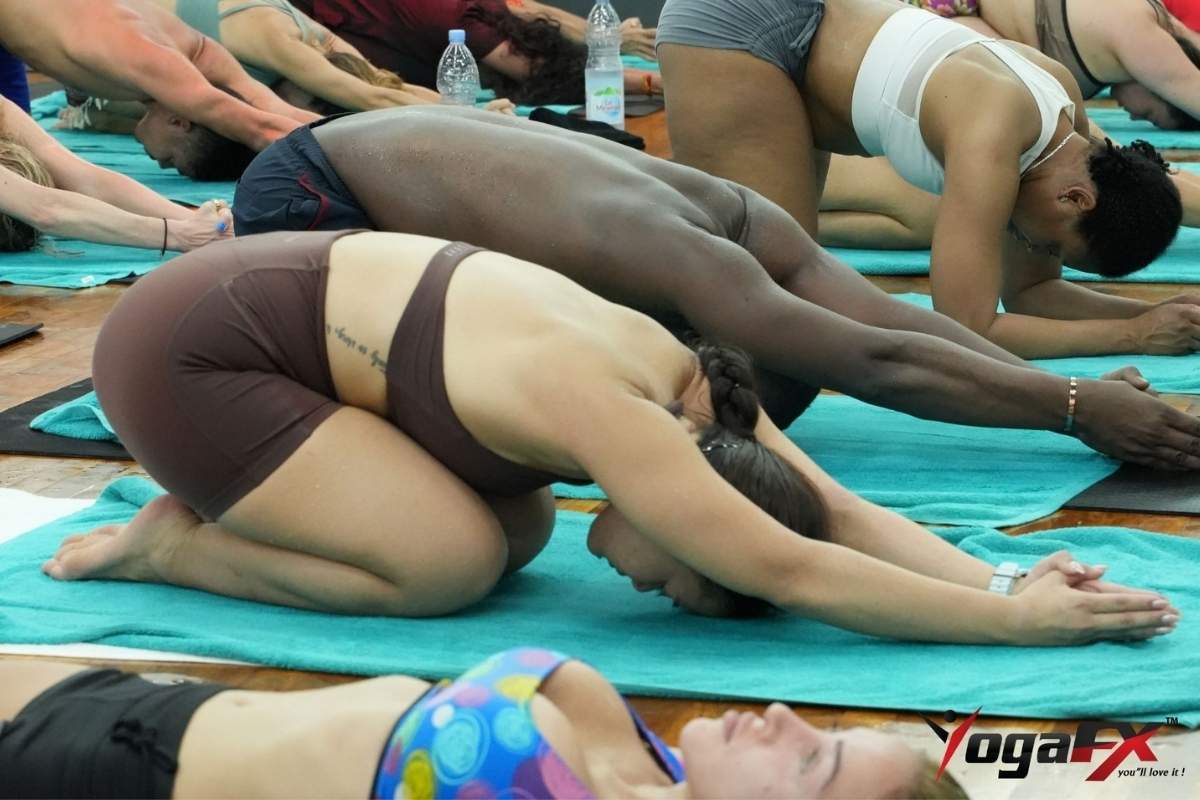
Thailand has a large, well-established yoga teacher training industry, particularly around Chiang Mai, Koh Phangan, and Phuket. Most of that market leans heavily toward vinyasa, ashtanga, and general Hatha training rather than Bikram-specific dialogue certification, which means Bikram-focused options are fewer and less consistently marketed than in Bali.
If you specifically want dialogue-based Bikram or Hot 26&2 certification rather than a general 200-hour training, it’s worth confirming a Thailand school actually teaches the fixed script, not just heated practice generally. Some programmes market themselves as “hot yoga teacher training” while covering only generic heated vinyasa, which is a different skill set from the scripted, fixed-sequence dialogue.
Regional climate within Thailand also varies more than people expect. Chiang Mai in the north runs noticeably cooler and drier for parts of the year than the tropical humidity of the southern islands, which means the natural-heat argument for training there depends heavily on which region and season you choose, not just the country as a whole.
A useful practical step is asking any Thailand programme directly what the studio’s ambient temperature and humidity actually measure during class, rather than relying on the country’s general tropical reputation. The answer varies enough between individual schools that “Thailand is tropical” isn’t itself a reliable proxy for authentic Bikram-style heat.
Travel and Total Trip Cost, Not Just Tuition
Tuition is only part of the real cost comparison. Flights from the UK to Thailand typically run shorter and cheaper than flights to Bali, since Bangkok and Chiang Mai sit closer on most routes, which can offset a slightly higher Thailand tuition fee once you add up the total trip.
Accommodation costs during training also vary by season and by whether your programme includes lodging in the tuition fee, which not all schools do. Some Bali hybrid programmes bundle accommodation into the enrolment price, while Thailand schools more often quote tuition and lodging separately. Always ask for an itemised breakdown before comparing headline prices between the two destinations.
Visa requirements are broadly similar for UK travellers to both countries for short training stays, though it’s worth confirming current entry requirements directly with each country’s immigration authority before booking, since visa policy changes independently of anything related to yoga training itself.
Certification and Recognition: Does Location Matter?
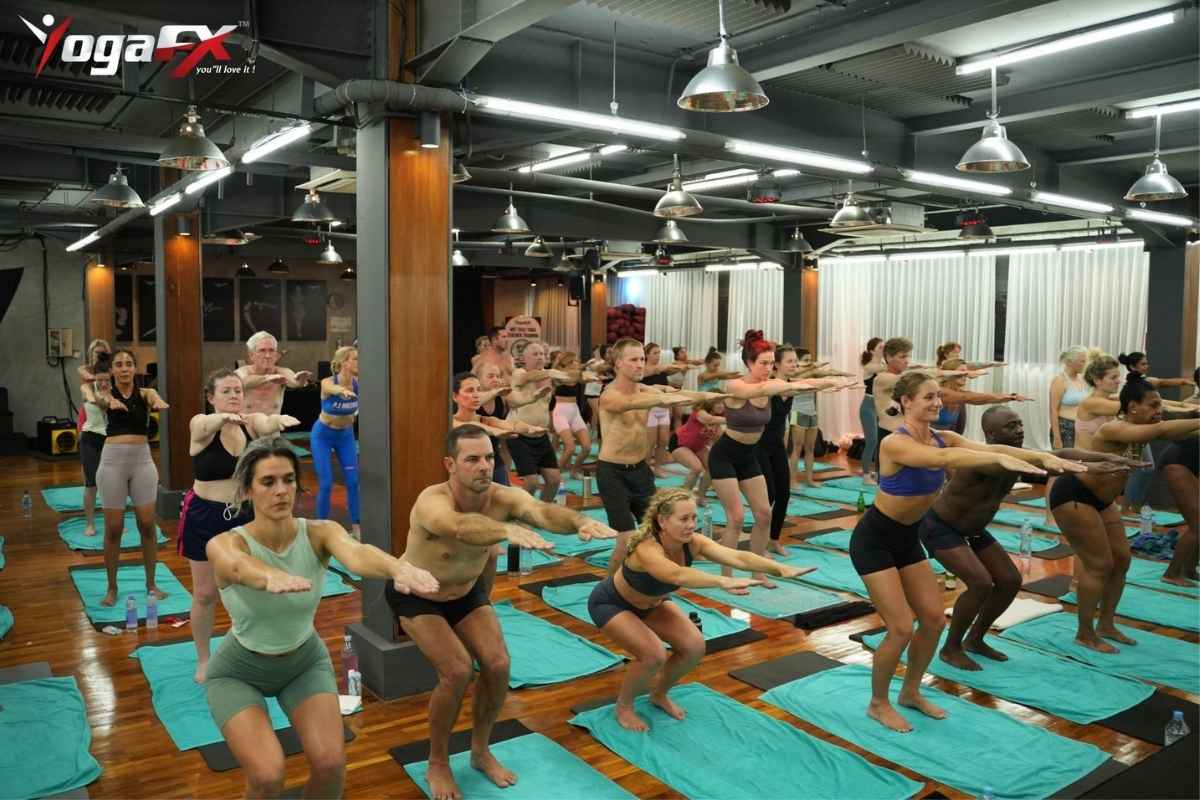
Yoga Alliance registration doesn’t care which country you trained in. An RYT 200 earned in Bali carries identical registration weight to one earned in Thailand or the UK, provided the school holds current Registered Yoga School (RYS) status. What varies is how individual hiring studios perceive the training location, which is a matter of preference rather than formal recognition.
Some UK studios specifically value Bikram-style training completed in the original natural-heat environment as a stronger signal of readiness. Others don’t distinguish at all and simply want to see the dual RYT 200 plus Bikram-specific credential on paper, regardless of where it was earned. If certification specificity matters more to you than destination, our bikram yoga certification explainer covers exactly what to check before enrolling anywhere.
What Graduates Actually Say About the Intensive Format
Candidates who’ve compared intensive Bali-style formats against longer, more spread-out training elsewhere often describe the compressed timeline as the deciding factor rather than the destination itself. One graduate reflected that she learned more in four focused days than in months of prior, less structured practice, which speaks to how much a short, immersive block can concentrate the learning curve compared to a slower-paced course.
Another common theme among graduates of intensive formats is that the lack of downtime between sessions actually helps dialogue retention, since there’s less time to forget what was just practised. That’s a specific advantage of the compressed Bali hybrid model that a longer, multi-week Thailand programme with more days off in between doesn’t replicate in the same way, even if the total contact hours end up similar.
Which Destination Actually Fits Your Priorities
If Bikram-specific, dialogue-certified training in the original natural heat is your priority, Bali’s market is more consistently built around that exact offering. You’ll spend less time filtering through generic vinyasa schools to find a genuine Bikram-focused programme, since the format is more established there specifically.
If flight time, overall trip flexibility, or wanting to combine training with a broader Southeast Asia itinerary matters more, Thailand’s larger, more varied training market and shorter flights make it the more practical choice, provided you do the extra diligence to confirm any specific school actually certifies Bikram dialogue rather than general heated vinyasa.
Serious practitioners chasing lineage and authenticity tend to lean toward Bali. Career changers optimising for the shortest possible time away from work sometimes lean toward Thailand’s shorter flights, though the actual training duration matters more than the flight itself for most candidates once they run the full numbers.
Why UK Students Choose YogaFX in Bali
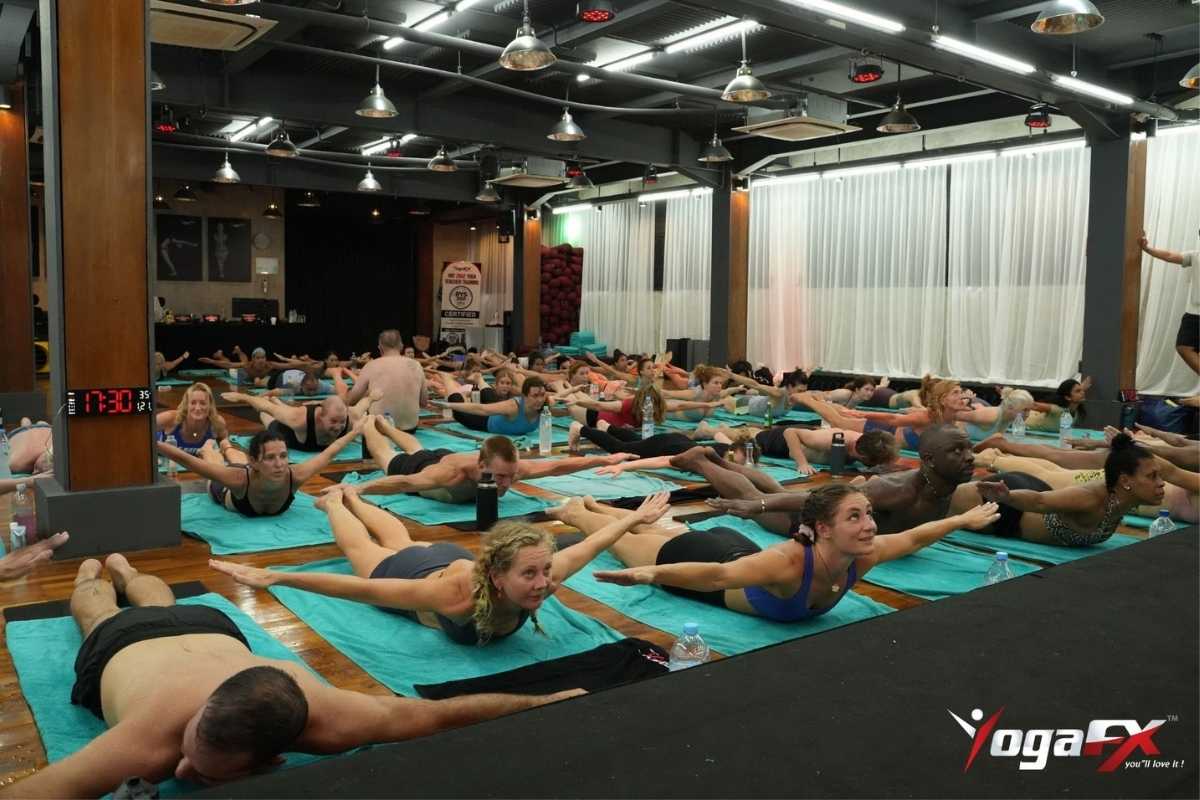
YogaFX runs a 6-day hybrid intensive in Seminyak, Bali, leading to dual certification: Yoga Alliance RYT 200 and a separate Bikram Hot 26&2 credential. The programme is led by Mr. Ian Terry, an E-RYT 500 instructor with more than 12,000 teaching hours who trained for five years, from 2014 to 2019, directly with Bikram Choudhury, the founder of the Bikram Hot 26&2 method.
Classes run in natural tropical heat rather than an electric room heater, which removes the guesswork some Thailand-market programmes leave candidates with. UK students specifically cite the hybrid format, online theory finished before flying out, as the reason a two-month career gap isn’t necessary, since the in-person component compresses to a single focused week.
Graduates leave Bali with both the RYT 200 registration and the Bikram-specific credential in hand, which sidesteps the certification-verification question that comes up more often with programmes in destinations where Bikram-specific training is less standardised. That clarity matters most in the months right after graduation, when candidates are applying to UK studios and need their paperwork to answer questions before an interview even starts.
For a full breakdown of the programme itself, including cost and format comparisons against UK-based training, see our complete UK guide to Bikram yoga teacher training.
FAQ
Is Bikram yoga teacher training in Bali better than Thailand?
Neither is universally better. Bali tends to offer more consistently natural-heat, Bikram-specific programmes, while Thailand has a larger overall yoga training market that leans toward vinyasa and general hatha styles. The better choice depends on whether authentic heat or shorter flight time from the UK matters more to you.
Does it cost more to train in Bali or Thailand?
Costs overlap significantly. Bali hybrid programmes typically run USD 1,999 (Early Bird 1,899, limited seats)-2,199, while Thailand programmes range roughly USD 1,500-4,000 depending on length and location. Flights and accommodation vary by season in both destinations, so compare total trip cost, not just tuition.
Will my certification be recognised the same regardless of location?
Yes, provided the school holds current Yoga Alliance Registered Yoga School status. Formal recognition doesn’t depend on country. Individual UK studios may have hiring preferences around training environment, but that’s a separate matter from official registration.
Is Thailand’s heat as authentic as Bali’s for Bikram-style practice?
It varies by school. Thailand is tropical, but many yoga studios there use air conditioning or electric heaters rather than relying purely on ambient climate. Confirm directly with any Thailand programme whether classes use natural heat or artificial heating before assuming it matches Bali’s approach.
Does cohort size matter when comparing Bali and Thailand programmes?
Yes. Smaller cohorts, typically under 20 students, allow more individual correction during practicum, which matters more for dialogue delivery than total programme length does. Ask any school directly about maximum cohort size rather than assuming it from advertised class photos.