Manchester and the North West have a handful of solid local yoga teacher training options, but nearly all of them run part-time over 12 to 18 months.
If you want a dual-certified RYT 200 credential faster, a short, intensive programme abroad, like a six-day hybrid course in Bali, gets you there in a fraction of the time, without giving up quality of instruction.
Both routes lead to the same recognised credential, so the real decision comes down to timeline, style, and how much travel you can realistically fit into your life right now.
What Local Manchester Options Actually Look Like
Search “yoga teacher training manchester uk” and the results are almost entirely local studios running their own programmes: a diploma-style course meeting monthly on Saturdays over 16 to 18 months, a fully integrated 200-hour syllabus split across evenings and weekends, and a handful of listings on booking platforms that aggregate courses from studios across the North West.
Styles vary too, Hatha, Vinyasa, Ashtanga-influenced, and general multi-style trainings all show up, each shaped by whichever local teacher happens to be running it.
Most of these programmes are genuinely well-run. A 16-month diploma taught by an established local teacher, with a small cohort that gets to know each other over more than a year, has real strengths a five-day intensive cannot replicate: a slower pace to absorb material, ongoing mentorship as questions come up in real teaching situations, and a built-in local network of fellow graduates.
None of that is a reason to dismiss local training as inferior. It is a reason to be clear-eyed about what you are actually signing up for before you commit to a monthly Saturday schedule for the better part of two years, since the commitment is real even when the individual sessions feel manageable one at a time.

This local landscape genuinely suits some people. If you have a demanding job that cannot accommodate a week away, or you value building a relationship with one teacher over many months, a Saturday-based diploma course close to home solves a real problem.
The trade-off, and it is rarely stated upfront on any local programme’s homepage, is time. A course meeting one Saturday a month for a year and a half is a serious, ongoing commitment stretched across roughly 18 separate travel days to a studio, not counting whatever reading and practice happens between sessions.
The Trade-off Nobody States Upfront
Local, long-format training is not lower quality than an intensive abroad, the two formats simply optimise for different things. A 16-to-18-month Saturday course optimises for depth built slowly, with time between sessions to absorb material, practise teaching, and let questions surface naturally before the next class.
What it does not optimise for is speed, and for someone who has already decided they want to teach and simply wants the credential in hand, 18 months is a genuinely long runway.
It is also worth being honest about attrition. A course spread across a year and a half has far more opportunities for life to intervene, a change in work schedule, a house move, a family situation, than a programme completed within a single fortnight.
Local diploma courses do not publish completion rates, but anecdotally, long-format part-time trainings see more candidates drop out partway through simply because eighteen months is a long time for circumstances to stay stable. That is not a criticism of any specific school, it is a structural feature of any long-format commitment, and it is worth weighing alongside the other trade-offs.
A systematic review covering 43 studies and 942 participants found measurable improvements in flexibility, bone density, and general well-being from structured Bikram-style practice, and nothing in that evidence base suggests physical competency requires 18 months to develop rather than a concentrated, supervised intensive (Willmott et al., 2025).
What actually determines readiness to teach is the quality of supervision during practicum, not the calendar span it happens to be spread across.
There is also a cost dimension worth naming. Spreading a course over 18 months means 18 months of ongoing payments or a large upfront fee either way, plus the opportunity cost of not yet holding a credential you could otherwise start earning against. None of that makes local training a bad choice, it simply means the honest comparison is not “cheaper vs more expensive,” it is “slower and closer vs faster and further away.”
How a Bali Intensive Compares
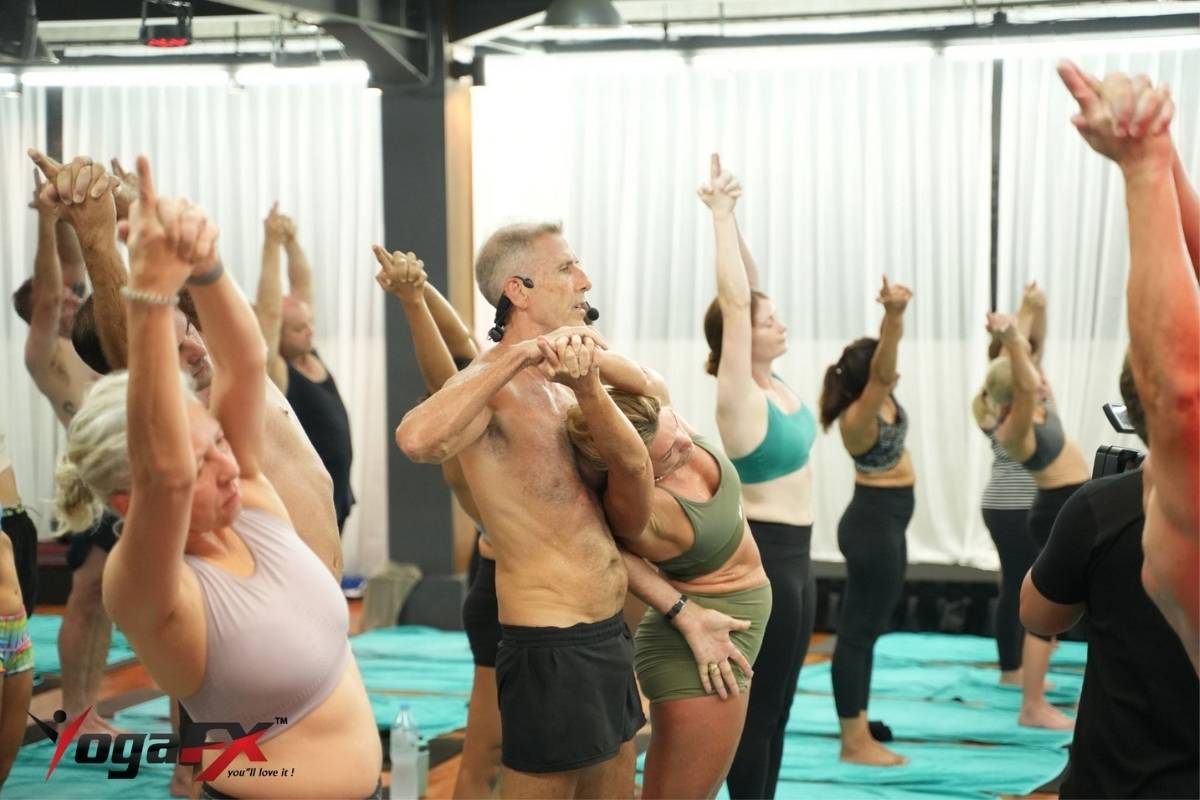
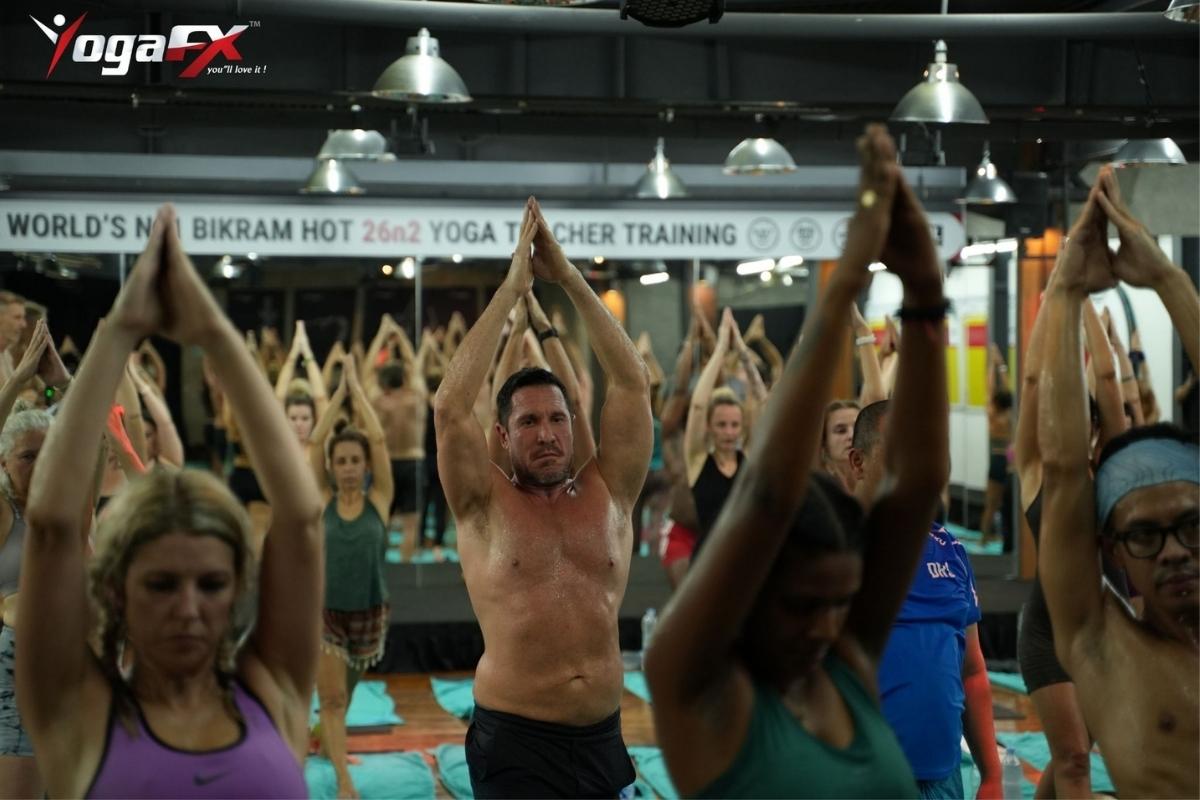
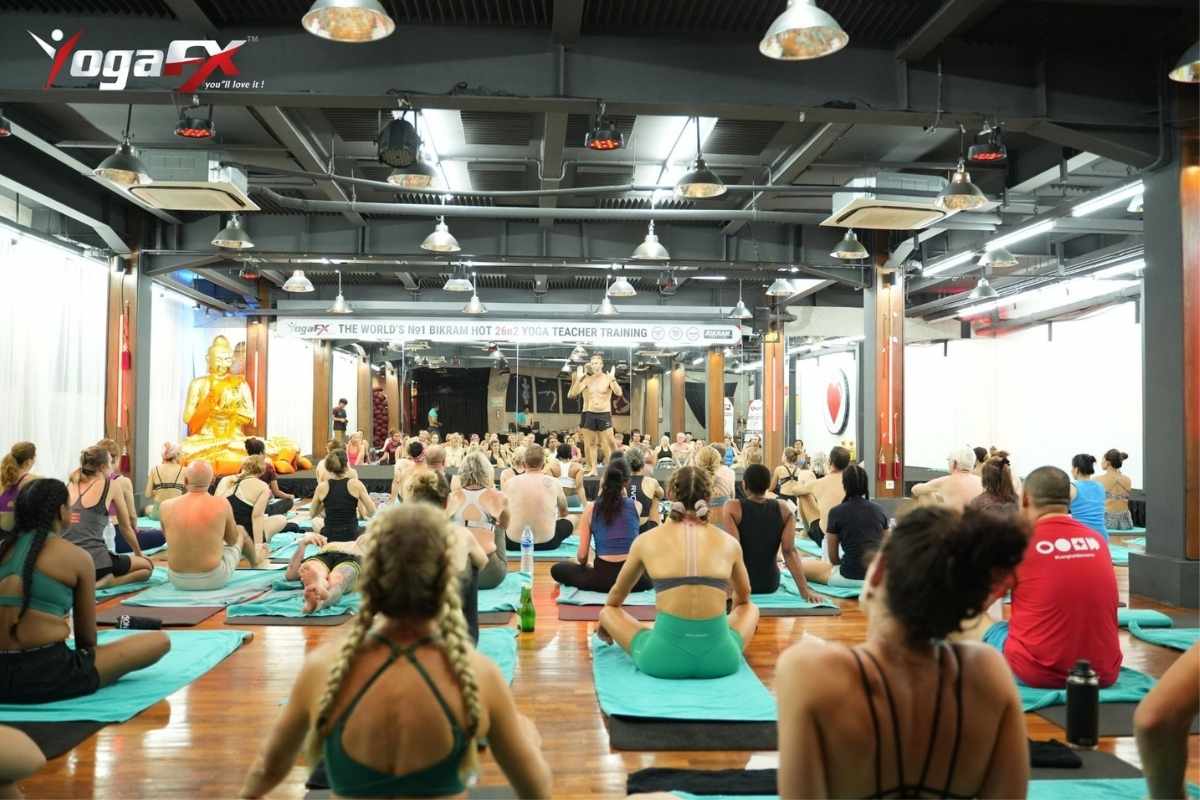
A hybrid format flips the time equation without cutting the supervised practicum that actually builds teaching competence. YogaFX‘s programme, led by Mr. Ian Terry, E-RYT 500, moves the theory-heavy modules, anatomy, philosophy, teaching methodology, online, completed at your own pace before you travel.
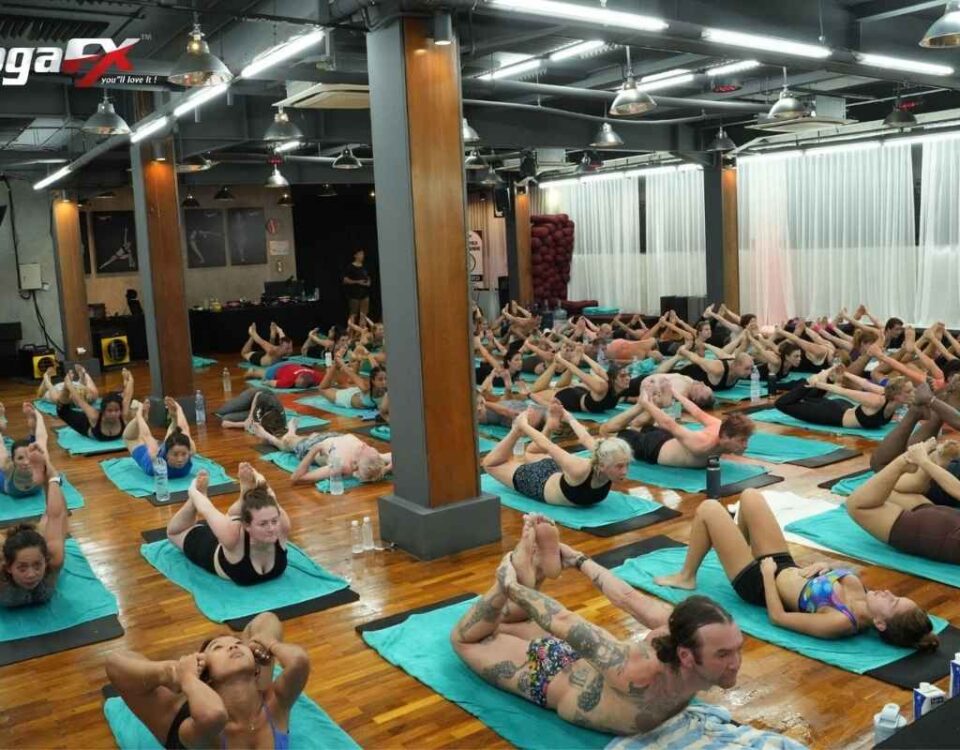
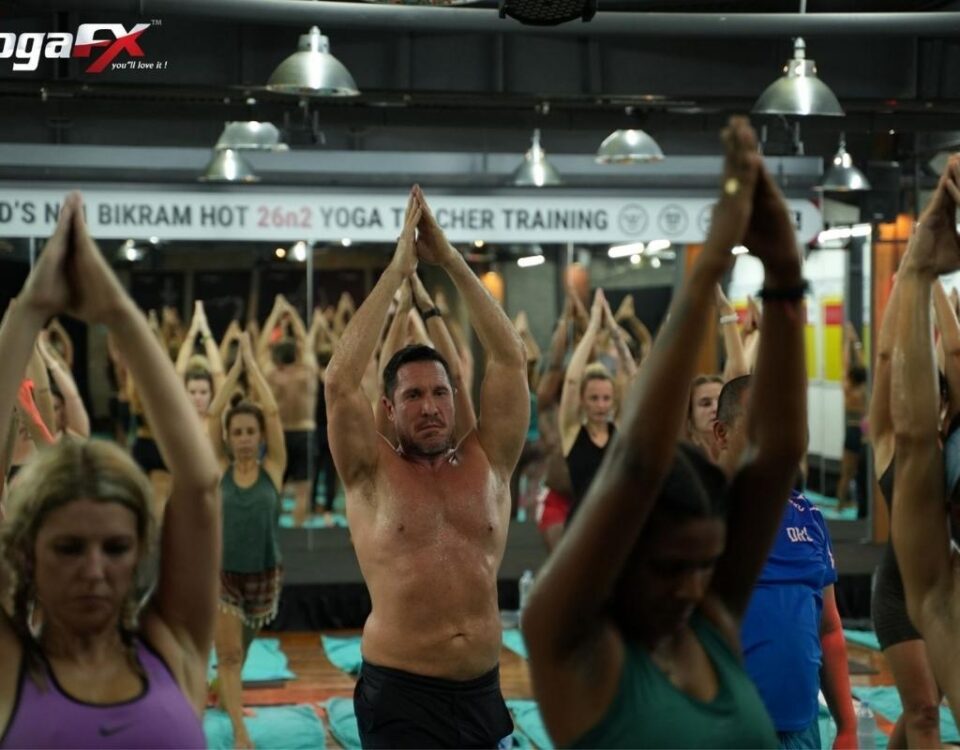
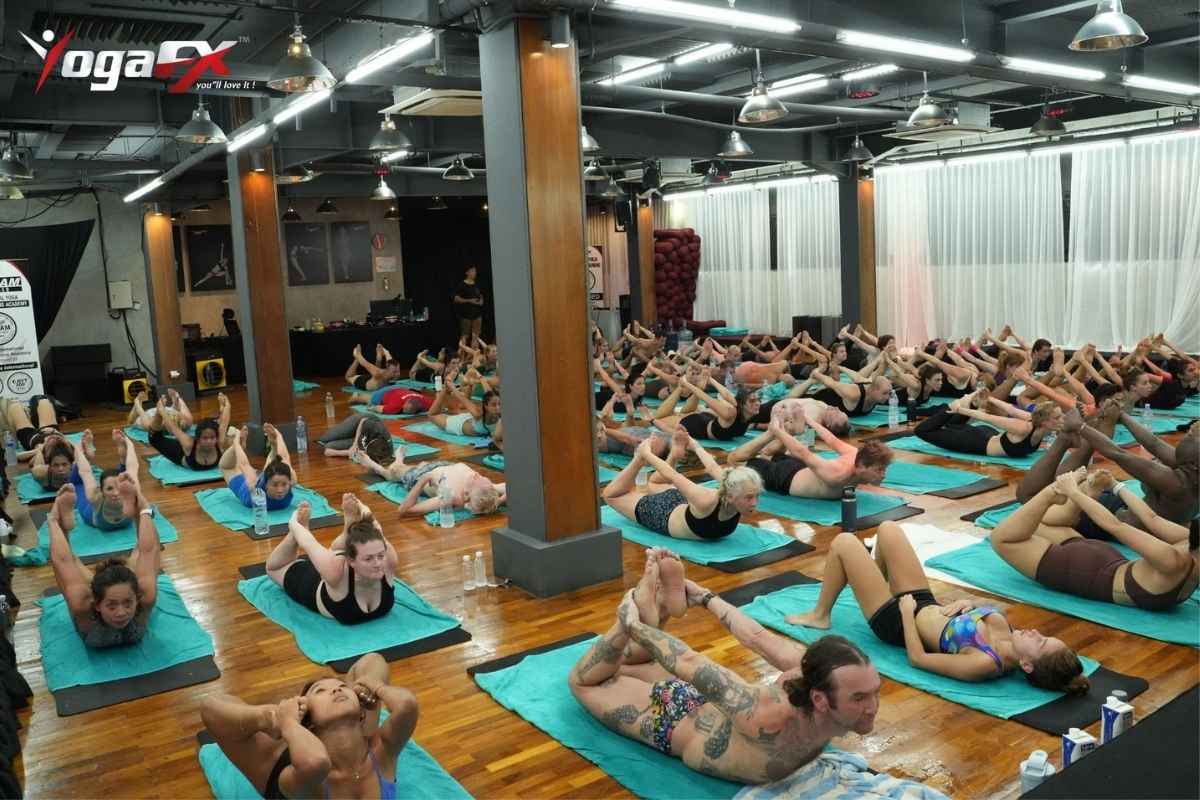
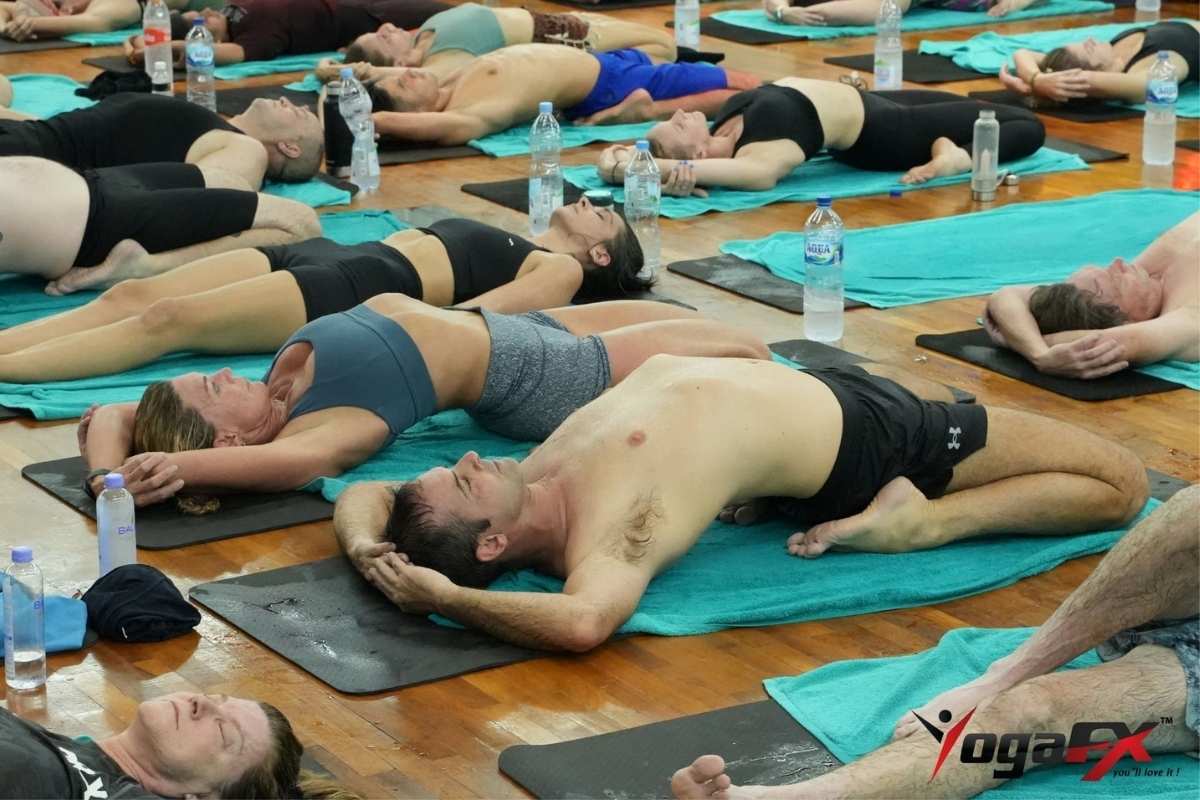
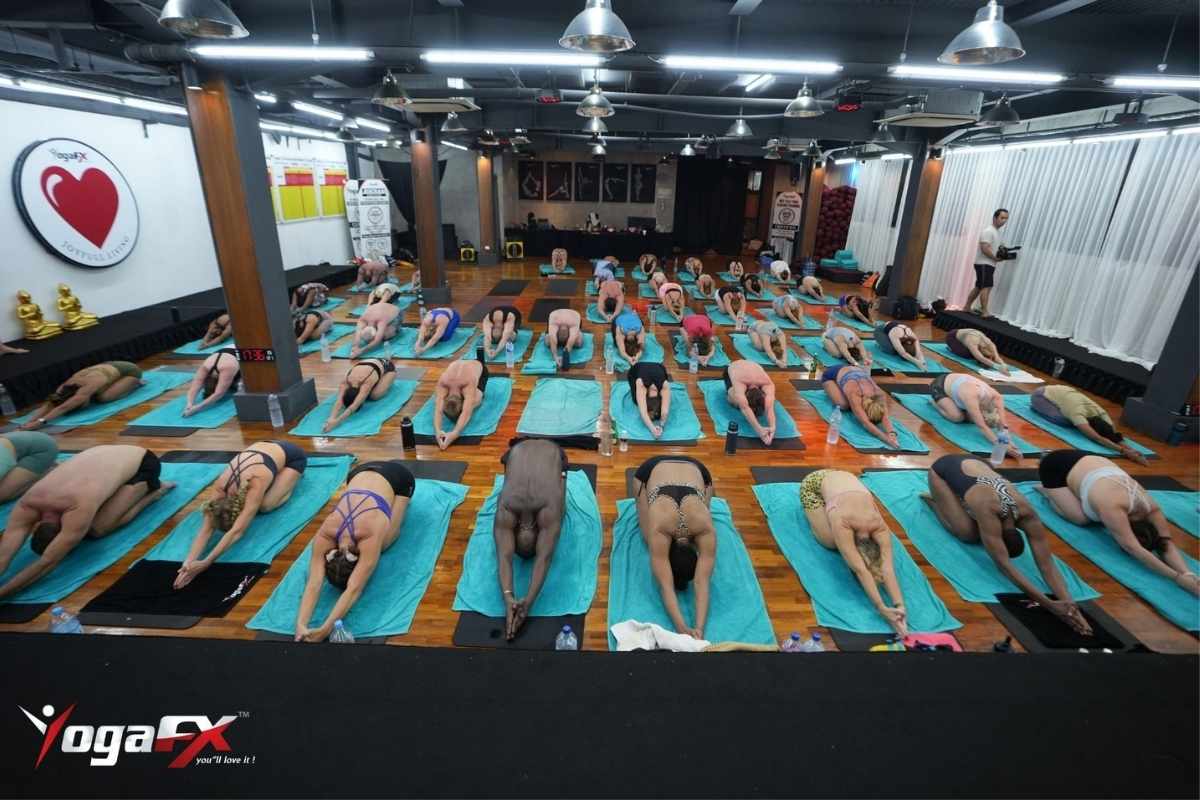
The physical practicum, dialogue delivery, and supervised teaching hours then happen across six intensive days in Seminyak, Bali, capped at 19 students per intake so every candidate gets individual correction rather than general group notes.
For a North West England resident, that means the total time away from home and work is closer to a week and a half, travel included, rather than a year and a half of monthly Saturdays. The dual RYT 200 and Bikram Hot 26&2 certification earned at the end is fully sufficient to teach professionally from day one, the same outcome a local diploma course delivers, reached through a materially different time commitment.
The trade-off works in the other direction too, and it is worth naming honestly. A single intensive week does not build the same slow, ongoing relationship with an instructor that eighteen months of monthly sessions can, and candidates who thrive on that kind of gradual, mentored pace may find six days abroad feels compressed rather than efficient.
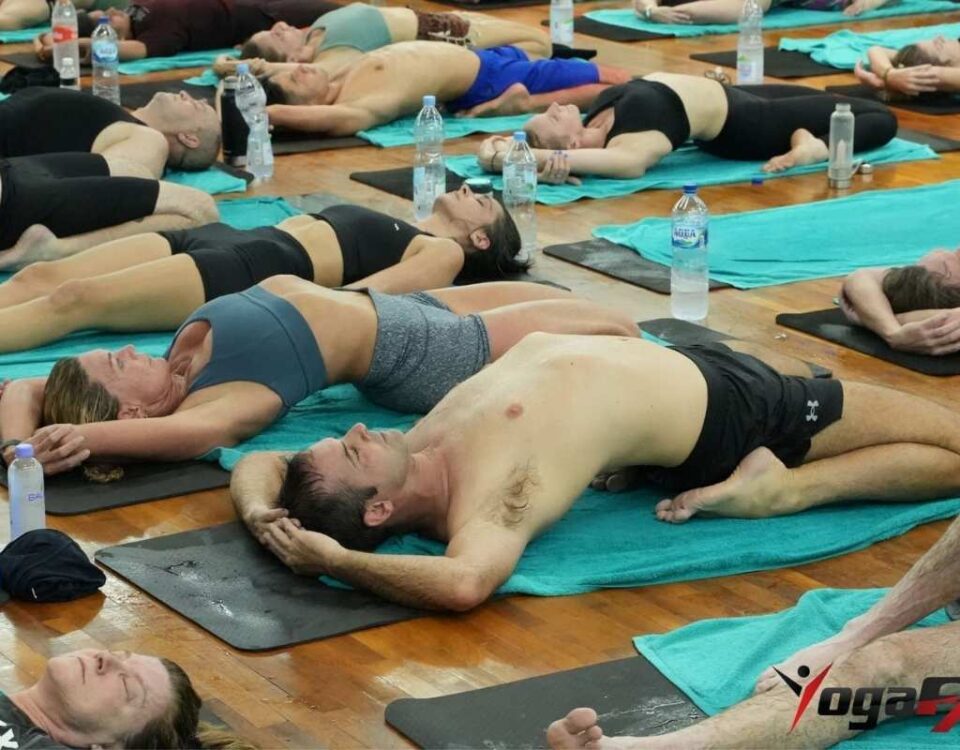
What the intensive format does guarantee is that every hour of the practicum happens under direct, close supervision, since the entire structure of the trip exists to make that possible within a short window, rather than supervision being spread thin across eighteen separate monthly sessions with a full month of gap between each one.
Local Course vs Bali Intensive: Side-by-Side
| Factor | Local Manchester Diploma Course | Bali Hybrid Intensive |
|---|---|---|
| Typical duration | 12-18 months, part-time | 4-8 weeks online prep + 6 days in Bali |
| Time away from home/work | Roughly 18 individual Saturdays over the course | About 6-10 days total, including travel |
| Style | Varies by studio, often Hatha or multi-style | Fixed Original Hot 26&2 sequence, natural tropical heat |
| Cost structure (UK candidates) | Ongoing monthly fees or a large upfront total | USD 1,699-2,799, roughly £1,340-£2,200 |
| Best suited to | Those who want to build slowly, close to home, alongside other commitments | Those who want the credential in hand quickly, with full supervised practicum |
Neither column is objectively better. A Manchester resident who genuinely cannot take a week and a half away from caregiving responsibilities or a job with no flexibility will rightly choose the local, slower path, and that is a completely valid decision. Someone who has the flexibility to travel but has been putting off training because 18 months feels too long a commitment to sustain is the person the intensive format actually solves a problem for.
Style is worth weighing too, separately from timeline. If you specifically want to teach the fixed Original Hot 26&2 sequence rather than a general Vinyasa or Hatha practice, that narrows the local Manchester field considerably, since most part-time courses in the North West teach a broader, more flexible style by design.
A candidate set on the fixed-dialogue Bikram-style method is choosing between a limited number of local options that may not offer it at all and a hybrid intensive built specifically around it, which makes the decision less about timeline preference and more about whether the style you actually want to teach is available close to home in the first place. That distinction is worth settling before comparing prices or durations at all, since it often narrows the real choice down to one option rather than two.
What This Means for North West England Residents Specifically
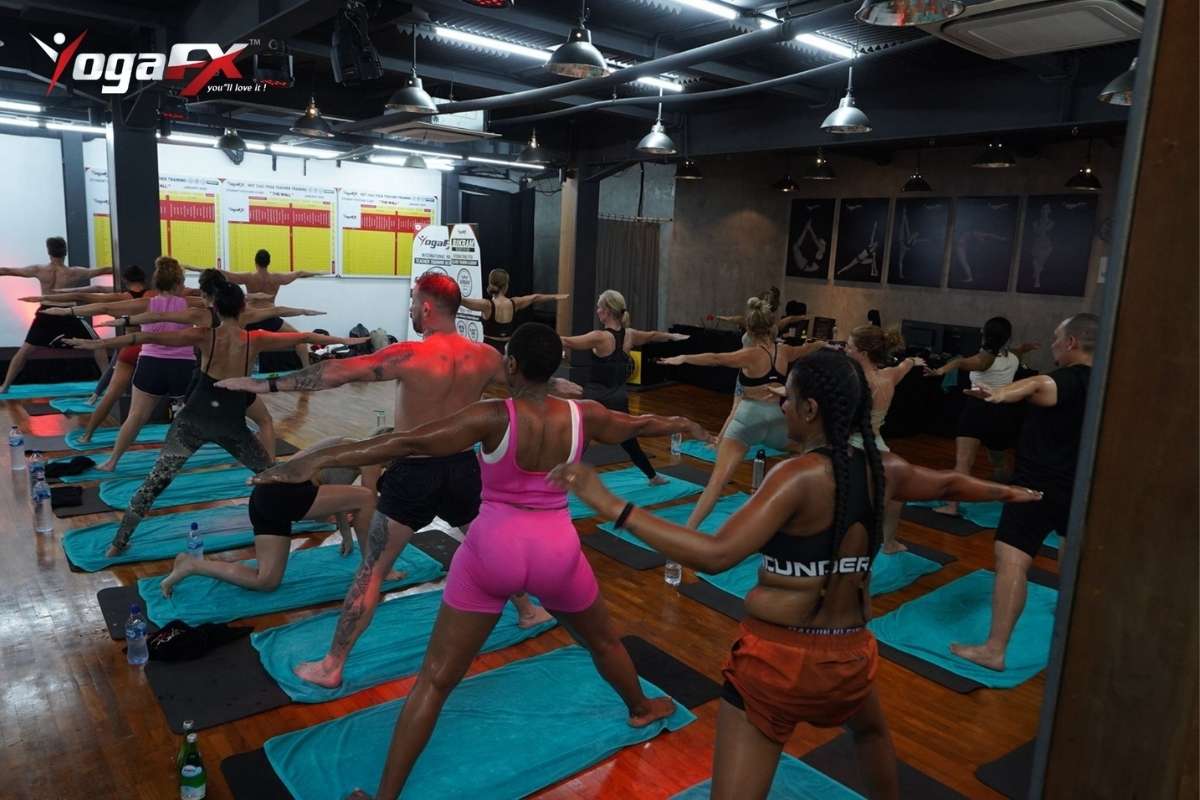
Manchester Airport runs direct and one-stop connections to Bali via major hubs, which matters more than it might seem, since a straightforward journey is part of what makes a short intensive practical rather than exhausting on top of an already demanding six days of training.
Candidates travelling from Manchester, Liverpool, Leeds, and the wider North West have made this trip specifically because the maths works out better than a year and a half of Saturday mornings: less total time away from home across the whole process, a single trip rather than 18 separate ones, and a certification that arrives in weeks rather than a year and a half.
There is a practical planning question worth answering directly too: what does the online portion actually require in terms of internet access and quiet study time, and does that change anything for someone juggling a job in Manchester or Salford around the preparation phase?
The online modules are self-paced and designed to fit around a normal working week, typically four to eight weeks of evening study rather than scheduled live sessions at fixed times, so the flexibility that makes local part-time training appealing is still present during preparation, it simply compresses into weeks rather than being spread across a year and a half, and the physical travel commitment is limited to the single trip to Bali rather than repeated monthly journeys to a local studio.
None of this is a claim that local training is worse. If a nearby course with a teacher you already trust is available and the timeline suits your life, it remains a legitimate route to the same RYT 200 credential. The point is that “yoga teacher training manchester” searches rarely surface the intensive alternative at all, simply because local studios dominate that specific phrase, and it is worth knowing the option exists before defaulting to whichever course happens to be geographically closest.
A candidate who spends an evening comparing both formats against their own actual constraints, work schedule, family commitments, how much time away they can realistically take in one go, tends to make a more confident decision than one who simply picks whichever course appeared first in a local search.

For a full breakdown of how the format itself works, our complete UK guide covers every stage of the programme, and the UK cost guide breaks the full price down against other formats. If you are also weighing an online-only option against travelling, our piece on whether online training is worth it covers that comparison directly. For a wider look at how training in Bali compares to staying in the UK altogether, see Bali vs the UK: what to actually compare.
FAQ
Is there hot yoga teacher training in Manchester?
Not commonly in the fixed-dialogue Hot 26&2 or Bikram style specifically. Local Manchester programmes tend to be Hatha, Vinyasa, or general multi-style trainings run part-time over 12-18 months. Candidates wanting a hot yoga credential in that specific style typically look at intensive programmes abroad instead, since the fixed sequence is rarely the focus of local part-time diplomas.
How long does yoga teacher training take in Manchester?
Most local Manchester diploma courses run 12 to 18 months part-time, typically one Saturday a month. This suits people who want to train close to home alongside other commitments, though it is a significantly longer timeline than an intensive format.
Is it worth travelling abroad instead of training locally?
It depends on what you value more, proximity and a slow build, or speed and a single concentrated trip. A hybrid intensive delivers the same RYT 200 outcome in roughly a week and a half total time away, against 12-18 months of monthly local sessions.
What does a Manchester-to-Bali yoga teacher training trip actually involve?
Candidates complete online theory modules from home, covering anatomy, philosophy, and teaching methodology at their own pace over four to eight weeks, then fly from Manchester, typically via a major hub, for a six-day supervised intensive in Seminyak, Bali, covering practicum, dialogue delivery, and final certification, before returning home with a dual RYT 200 and Bikram Hot 26&2 credential.