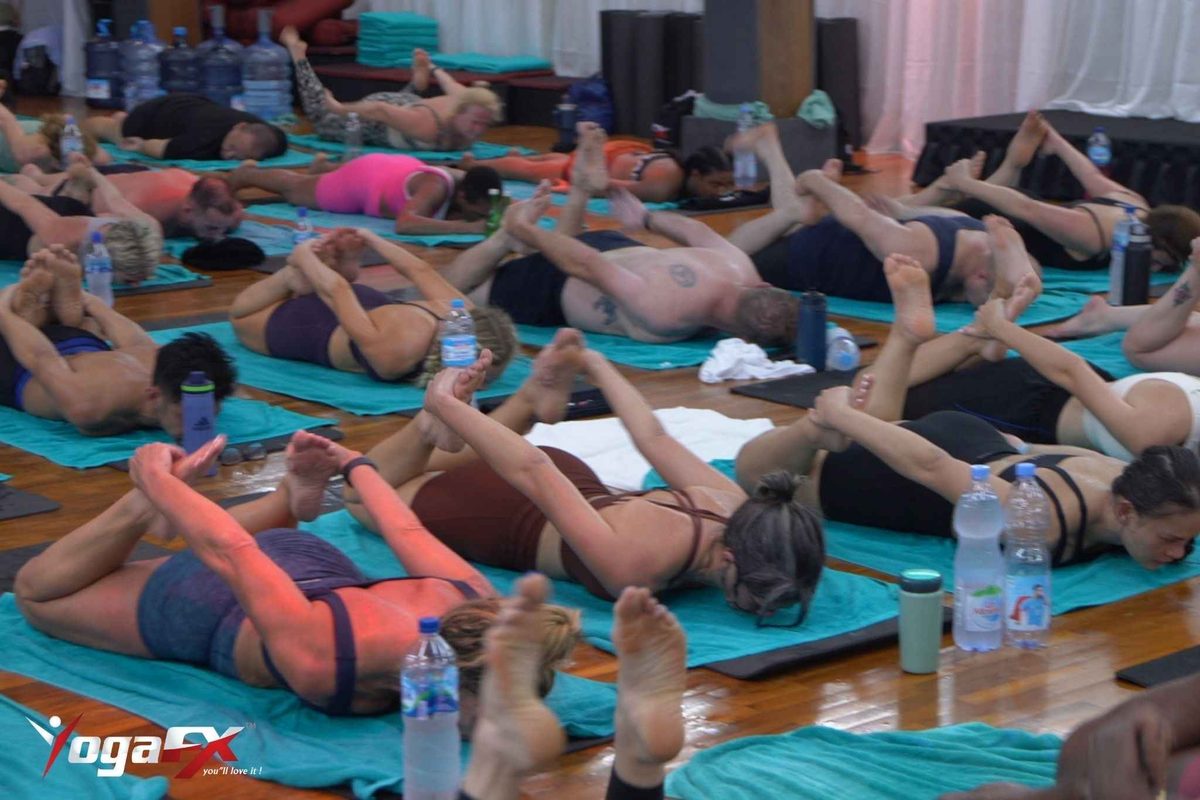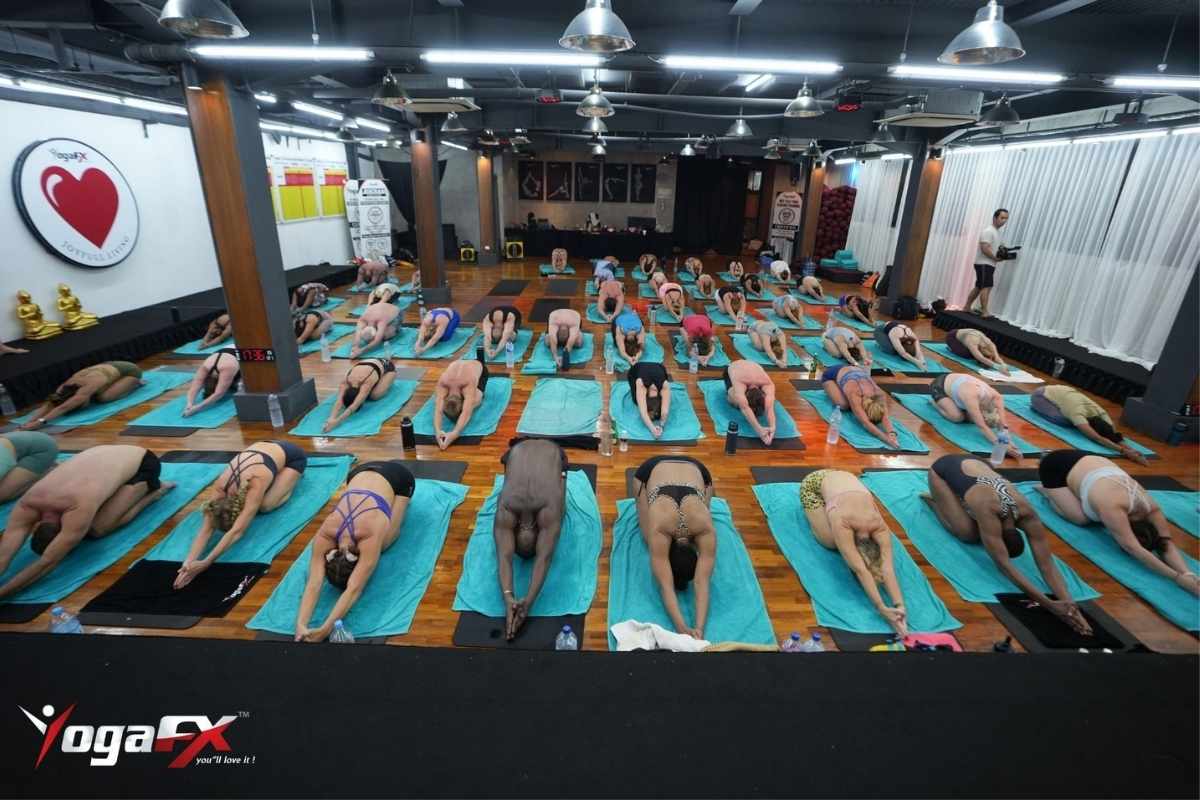
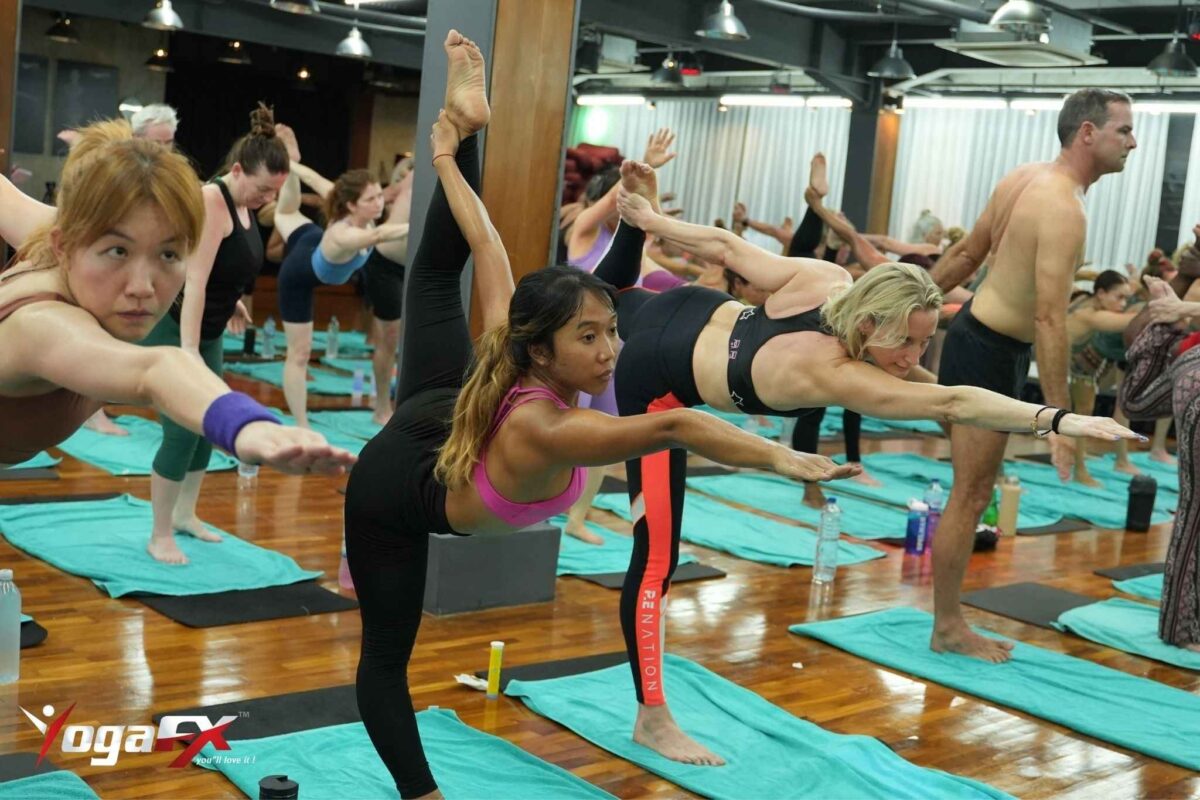
Search “yoga teacher training UK” and you will find the British Wheel of Yoga, a handful of accredited Vinyasa and Hatha schools, and endless “10 best” listicles. What you will not find, on page one or page two, is a single hot yoga specific programme.
That gap is not because hot yoga teacher training does not exist in the UK market, it is because most comparison content simply does not know it is a distinct category worth listing.
This guide fills that gap. If you already know you want a general flow-based 200-hour certification, the mainstream UK schools cover that well. If you are specifically drawn to the intensity, structure, and heat of Bikram-style Hot 26&2 yoga, and have struggled to find where that fits into the UK training landscape, this is written for you.
Why Hot Yoga Training Doesn’t Show Up in UK YTT Comparisons
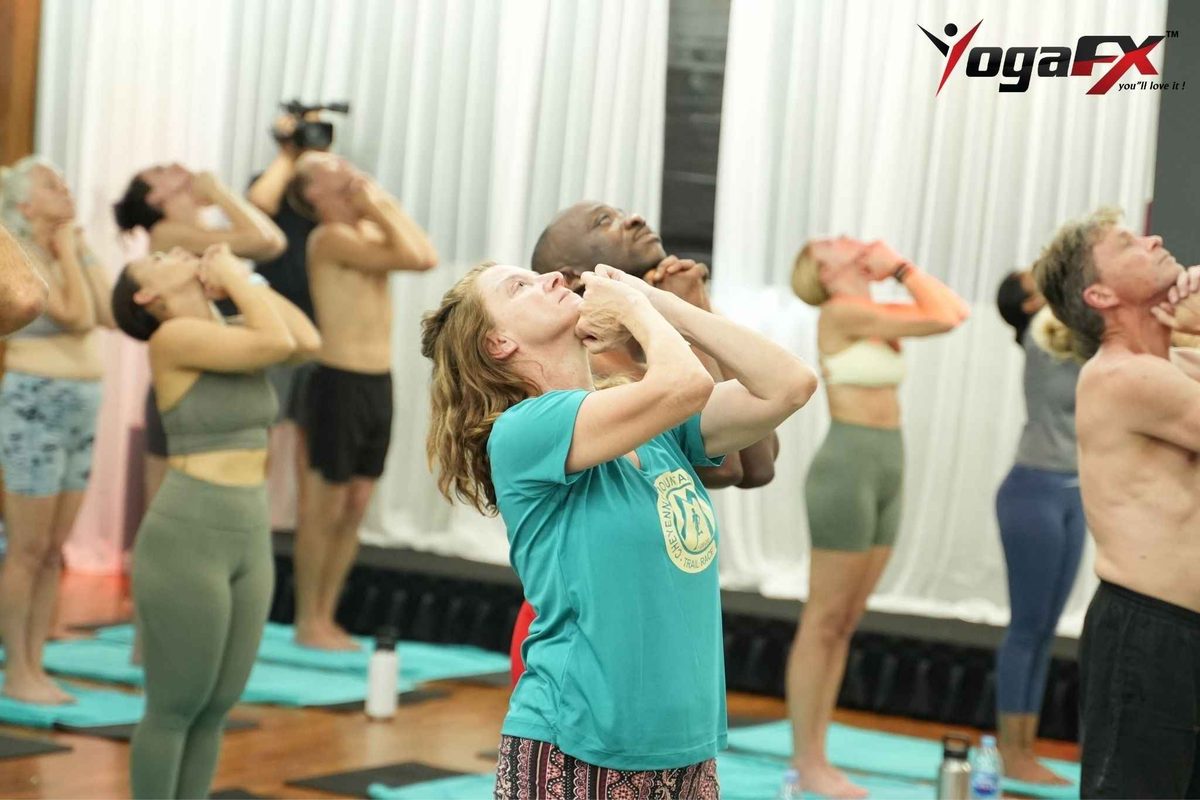
Most yoga teacher training in the UK is built around styles where the teacher improvises, sequences creatively, and cues in real time: Vinyasa, Hatha, Ashtanga, Yin. Training programmes for those styles focus heavily on sequencing skill, because every class a graduate teaches afterward will look different.
Original Hot 26&2 Yoga works on a completely different model. The sequence, 26 postures plus 2 breathing exercises, never changes. The dialogue is scripted word for word, delivered without music or physical demonstration from the teacher.
Training someone for that is less about creative sequencing and more about vocal delivery, pacing, and reading a room of students through their voice alone, in heat, over 90 minutes.
That is a specialised enough skill that most general UK yoga schools have never built a curriculum for it, which is exactly why it disappears from “best of” comparisons even though demand for it clearly exists.
What Hot Yoga Teacher Training Actually Involves
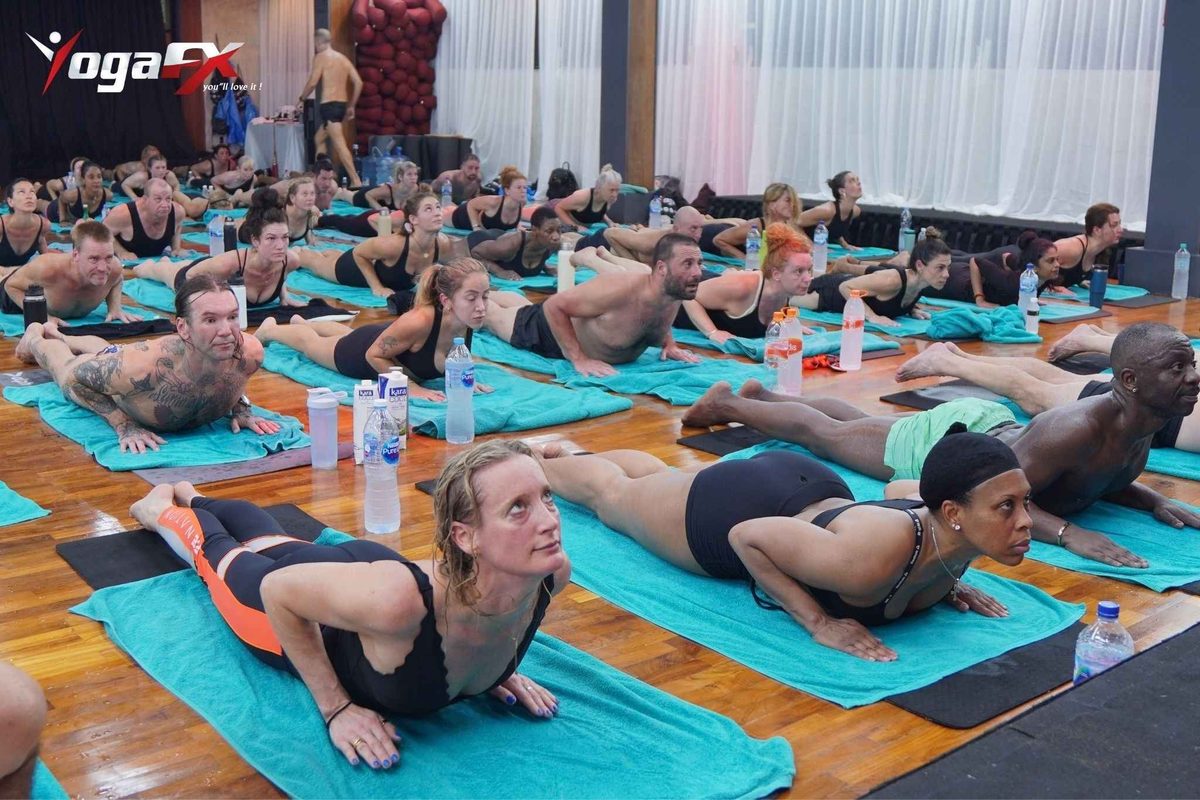
A proper Hot 26&2 certification covers three things a general 200-hour programme typically does not go deep on: heat-adapted teaching, scripted dialogue delivery, and posture-specific correction under sustained physical stress on both teacher and students.
- Dialogue memorisation and delivery. The full 26&2 script, word for word, with training on pacing, tone, and voice projection without a microphone.
- Heat-adapted instruction. How to teach, not just practice, in a room held around 40 degrees Celsius at 40 percent humidity, including reading early signs of heat intolerance in students.
- Posture clinics. Individual correction across all 26 postures, since the sequence is fixed and every future class depends on getting these right.
- Teaching practicum. Full-length practice classes taught to peers, with direct feedback on delivery, not just posture demonstration.
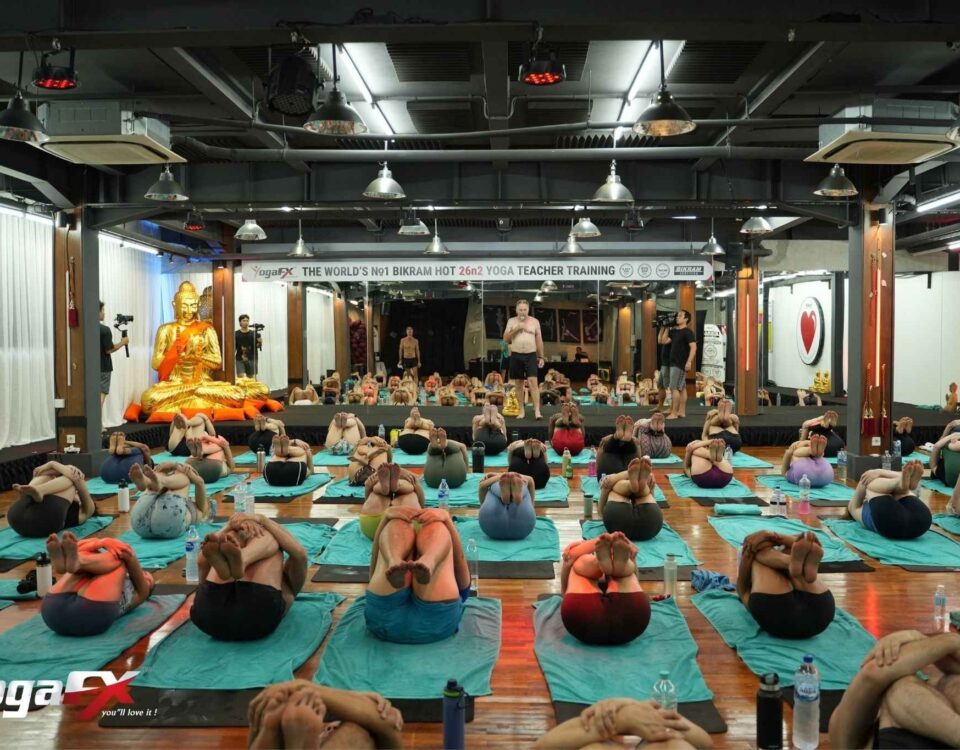
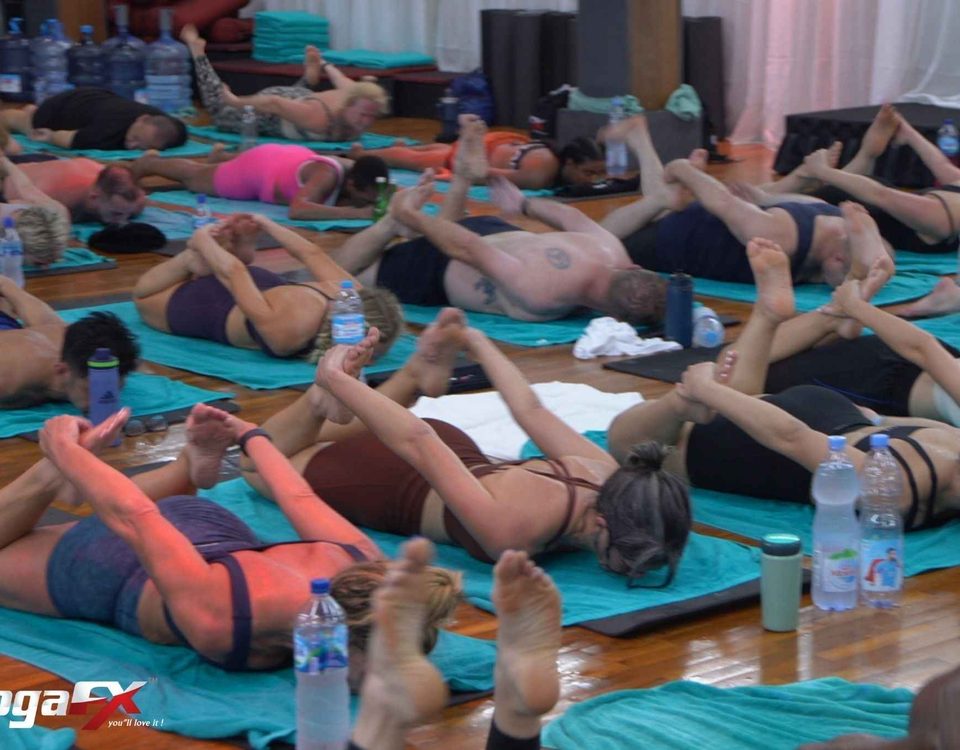
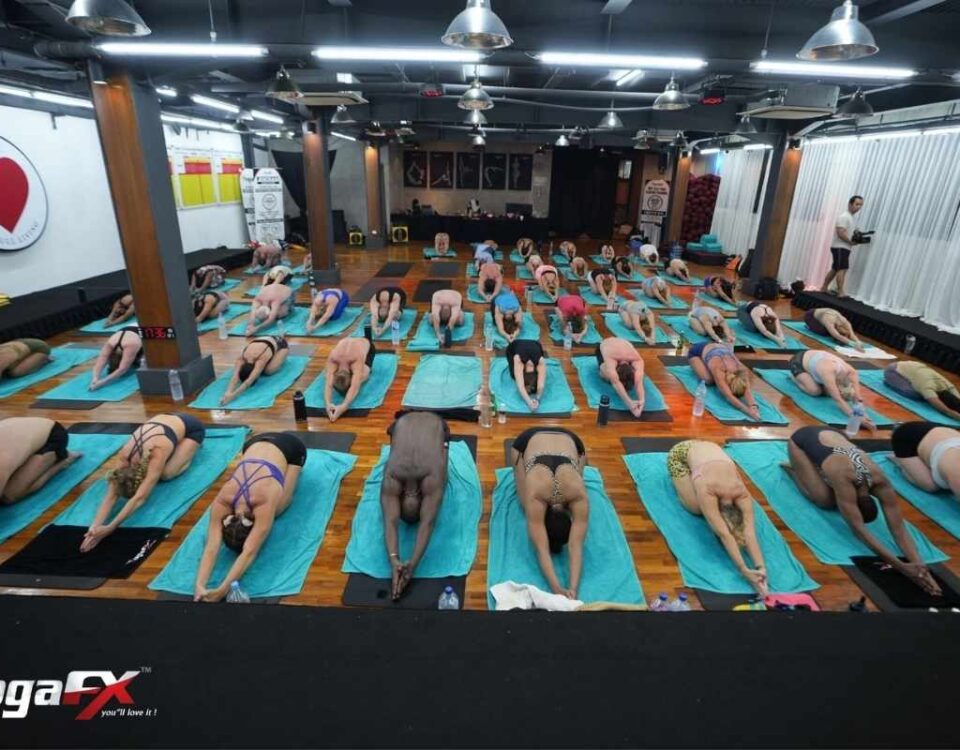
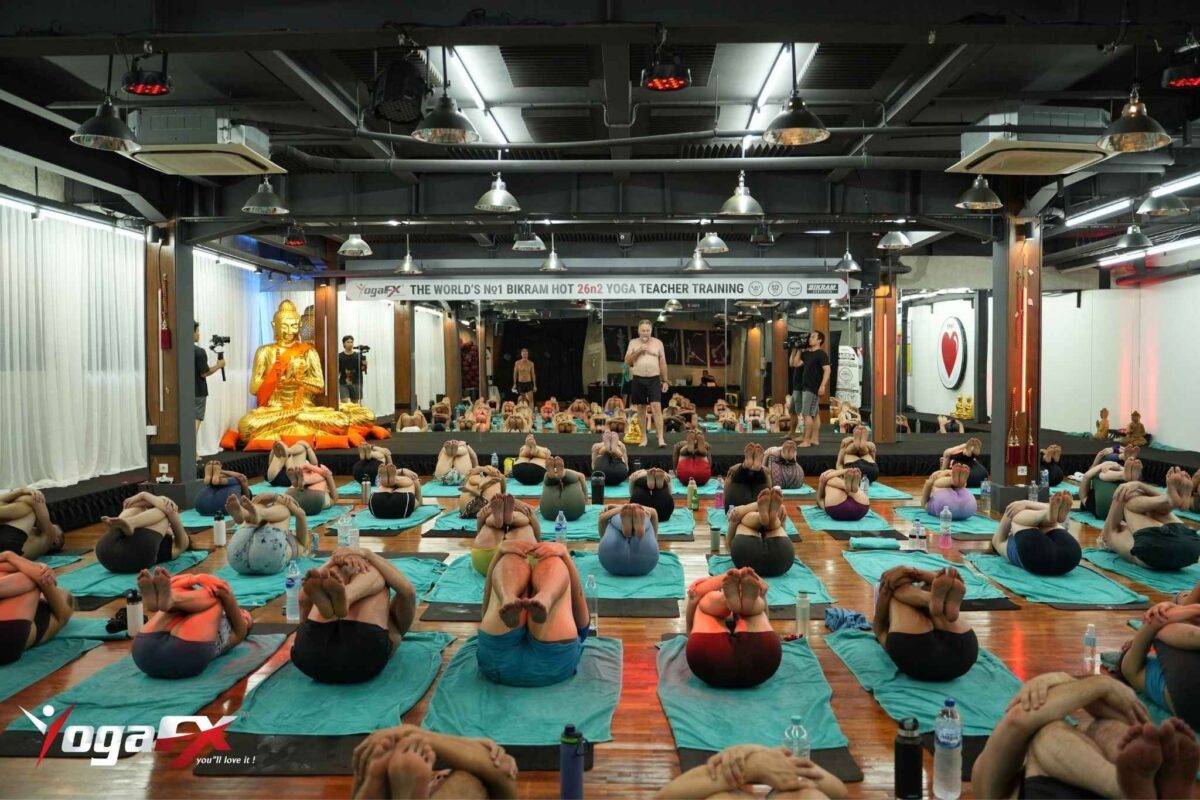
YogaFX, based in Bali under Mr. Ian Terry, structures this as a hybrid programme: theory, anatomy, and dialogue memorisation happen online beforehand, so UK-based trainees only need to travel for a focused 6-day in-person intensive rather than a month-long residential stay.
That format matters specifically for a UK audience, where taking four consecutive weeks off work for a career-change certification is rarely realistic.
The Evidence Behind Hot Yoga’s Physical and Mental Effects
Before investing time and money into any teacher training, it is reasonable to want to know what the underlying practice does.
A 2025 systematic review by Willmott and colleagues, covering 43 studies and 942 participants, found consistent evidence of improved flexibility, bone density markers, and general well-being among regular Bikram-style practitioners.
Separately, a 2014 University of Wisconsin study led by Porcari measured average energy expenditure of 333 kilocalories for women and 460 for men across a single 90-minute class, at roughly 80 percent of maximum heart rate, comparable to a moderate cardio session.
There is also research relevant to teachers who plan to work with students managing anxiety or low mood.

A Harvard Massachusetts General Hospital study (Nyer, 2023) found a 60 percent reduction in depression symptoms among hot yoga participants, with 44 percent reaching full remission by week eight. Hui and colleagues (2022) found reduced state-anxiety specifically tied to hot yoga sessions.
None of this is a substitute for medical care, and instructors should always direct students managing a diagnosed condition to consult a healthcare professional rather than treating the class as treatment.
Choosing a Hot Yoga Programme From the UK: What to Check
Because hot yoga specific training is a smaller category, the usual “compare the top 10” approach does not work as cleanly. A few criteria matter more here than in general YTT comparisons.
| What to Check | Why It Matters |
|---|---|
| Is the heat source natural or electric? | Natural tropical heat and electric heater-generated heat behave differently on the body; ask directly, do not assume. |
| Is the sequence and dialogue taught in full, or abbreviated? | A shortened version limits where you can teach afterward, since studios expect the complete 26&2 script. |
| Is certification dual (Yoga Alliance + style-specific)? | A style-specific certificate alone may not satisfy insurance or studio hiring requirements in the UK. |
| Cohort size | Dialogue delivery needs individual correction; large cohorts slow that feedback loop significantly. |
| Instructor lineage | Ask directly who trained the trainer, and how many hours and graduates they have behind them. |
On that last point, it is worth being specific rather than taking claims at face value. Mr. Ian Terry, who leads the YogaFX programme, trained directly under Bikram Choudhury across five separate events between 2012 and 2019, has taught more than 12,000 hours since, and was confirmed in June 2026 as Master Trainer of the Republic of Indonesia Yogasana Sports Federation.
Graduates of his 200-hour programme receive dual certification: Yoga Alliance RYT 200 plus a Bikram Hot 26&2 credential, which matters for UK-based teachers who need a qualification recognised by studios and insurers rather than only by the specific school that issued it.
It is also worth being upfront about what this training is not. It is independent training, not an official Bikram Choudhury Teacher Training, and no claim of official affiliation is made.
Training in Bali as a UK-Based Practitioner
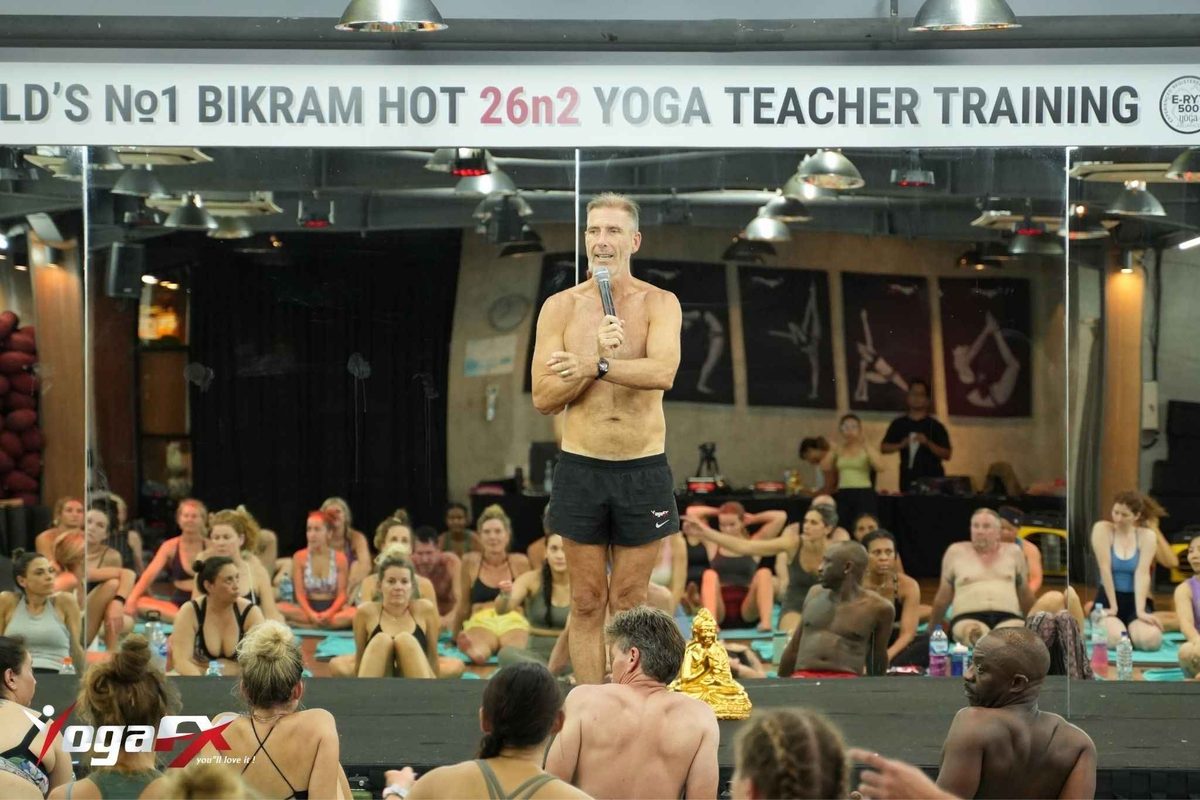
For UK trainees, Bali solves a problem the domestic market cannot: there simply is not a critical mass of Hot 26&2 specific training happening in the UK itself. Bali, by contrast, has an established Bikram-style teaching culture, natural tropical heat that removes the need for electric heaters entirely, and year-round training availability.
The YogaFX hybrid format is specifically designed around this: complete dialogue memorisation and theory from home in the UK, then a focused 6-day intensive at the Bali studios in Seminyak and Canggu, both open daily from 06:00 to 22:00 and carrying more than 400 five-star Google reviews between them.
Pricing starts at USD 1,699 for the standard package (roughly comparable in GBP terms, with accommodation-inclusive packages priced higher). For a UK-based career changer, that six-day trip is a far smaller time commitment than the month most residential UK-based flow-style programmes require, while still delivering a portable, internationally recognised dual certification. Our history and research overview of Original Hot Yoga and our guide to yoga and nervous system regulation cover the underlying research in more depth.
FAQ
Is yoga teacher training in the UK worth it if I want to teach hot yoga specifically?
Only if the specific programme actually teaches the Hot 26&2 method, since most UK-based 200-hour trainings are built around Vinyasa, Hatha, or Ashtanga sequencing. If hot yoga is your specific goal, a style-specific programme, whether based in the UK or delivered as a hybrid with an intensive abroad, will serve you better than a general certification.
How much does yoga teacher training cost in the UK?
General UK-based 200-hour programmes vary widely by school and format, often running into the low thousands of pounds. Hybrid programmes like YogaFX’s Hot 26&2 certification, which move theory online and condense the in-person component to six days in Bali, start at USD 1,699, which can work out competitively once UK course fees plus accommodation for a month-long residential are factored in.
Can I do hot yoga teacher training online from the UK?
Theory, anatomy, and dialogue memorisation can be completed online from anywhere, including the UK. The in-person heated teaching practicum, however, cannot be replicated remotely, since heat-adapted delivery is a core part of what the certification tests.
What’s the difference between hot yoga and Bikram yoga certification?
“Hot yoga” is a broad category covering any style practiced in a heated room. “Bikram” or “Hot 26&2” refers specifically to the fixed 26-posture, 2-breathing-exercise sequence delivered through scripted dialogue. A certification in one does not automatically qualify you to teach the other.
How long does 200-hour yoga teacher training take?
Residential UK-based programmes typically run 25-30 consecutive days. Hybrid formats that move theory online, such as the YogaFX Hot 26&2 programme, reduce the in-person portion to a 6-day intensive.