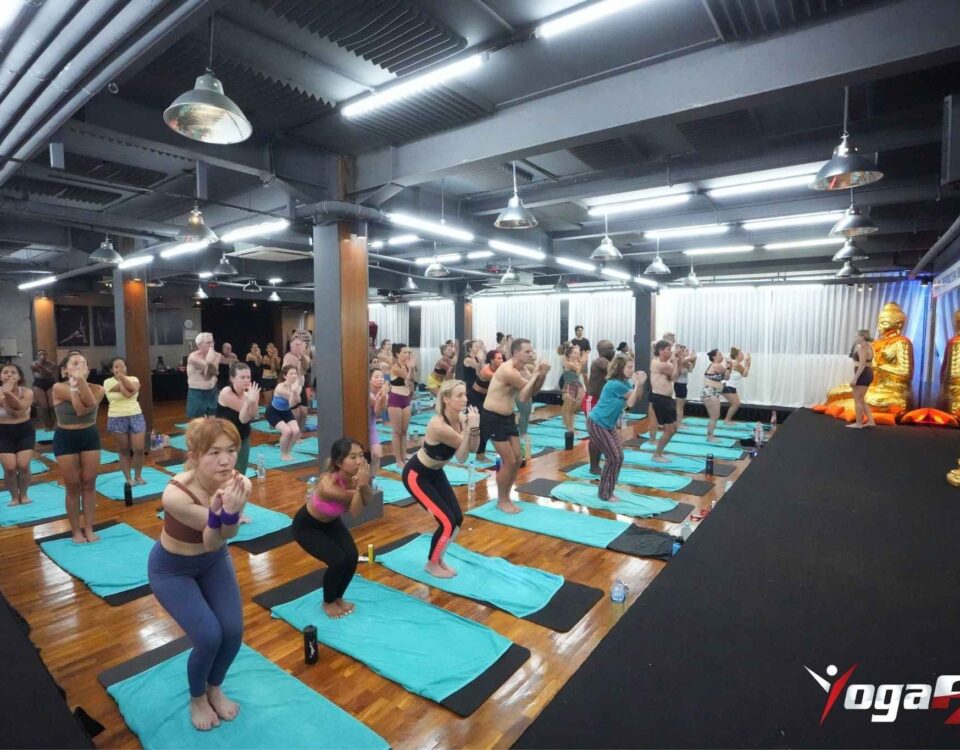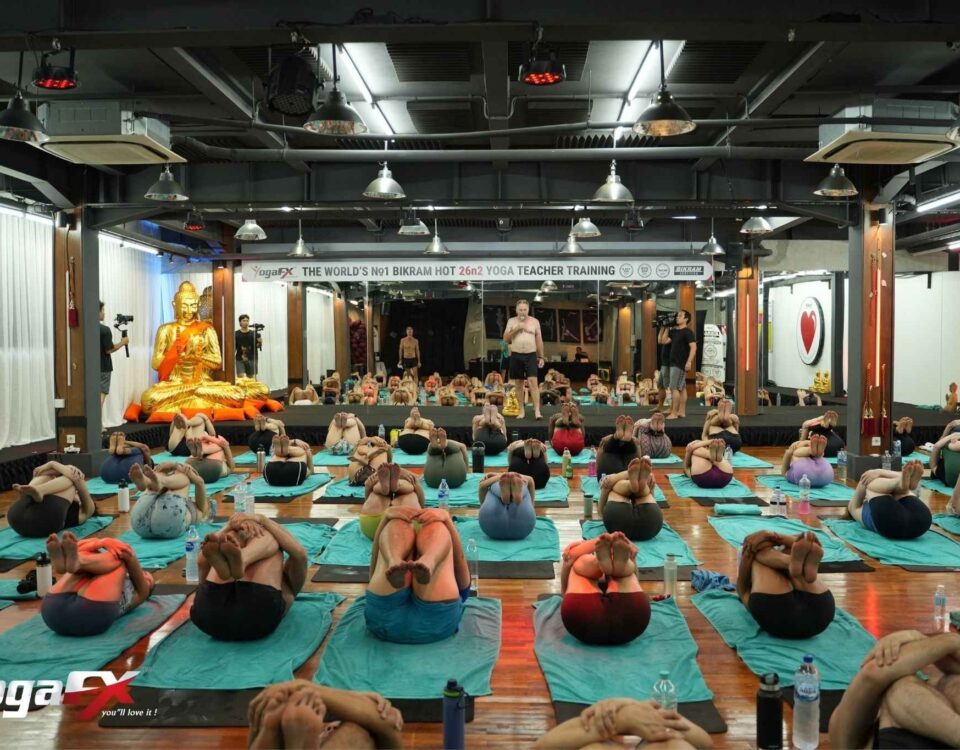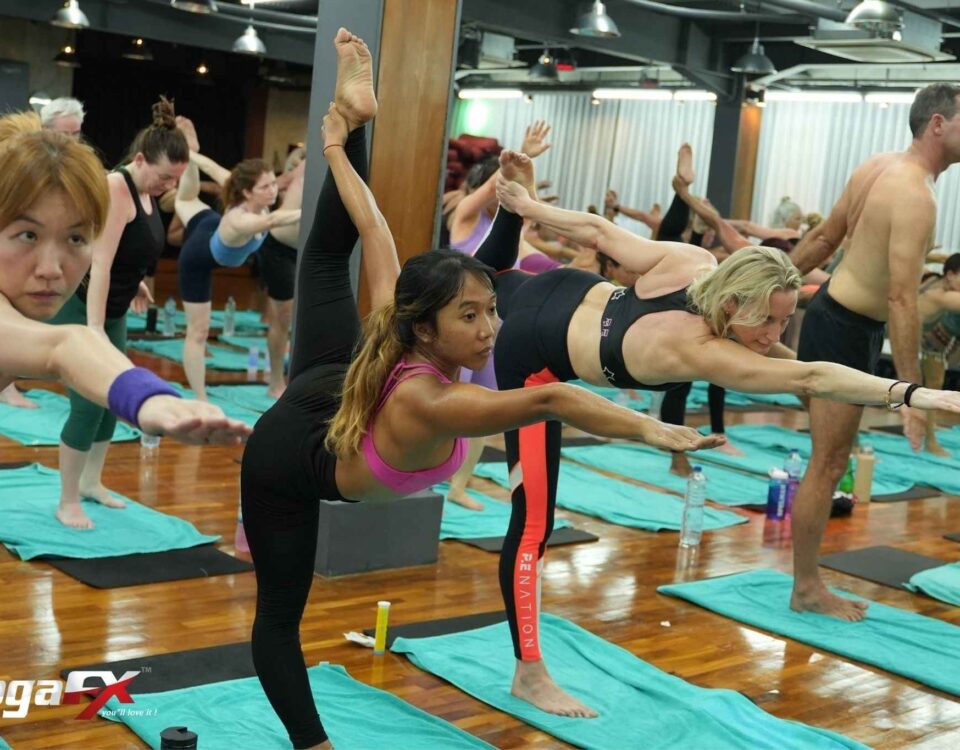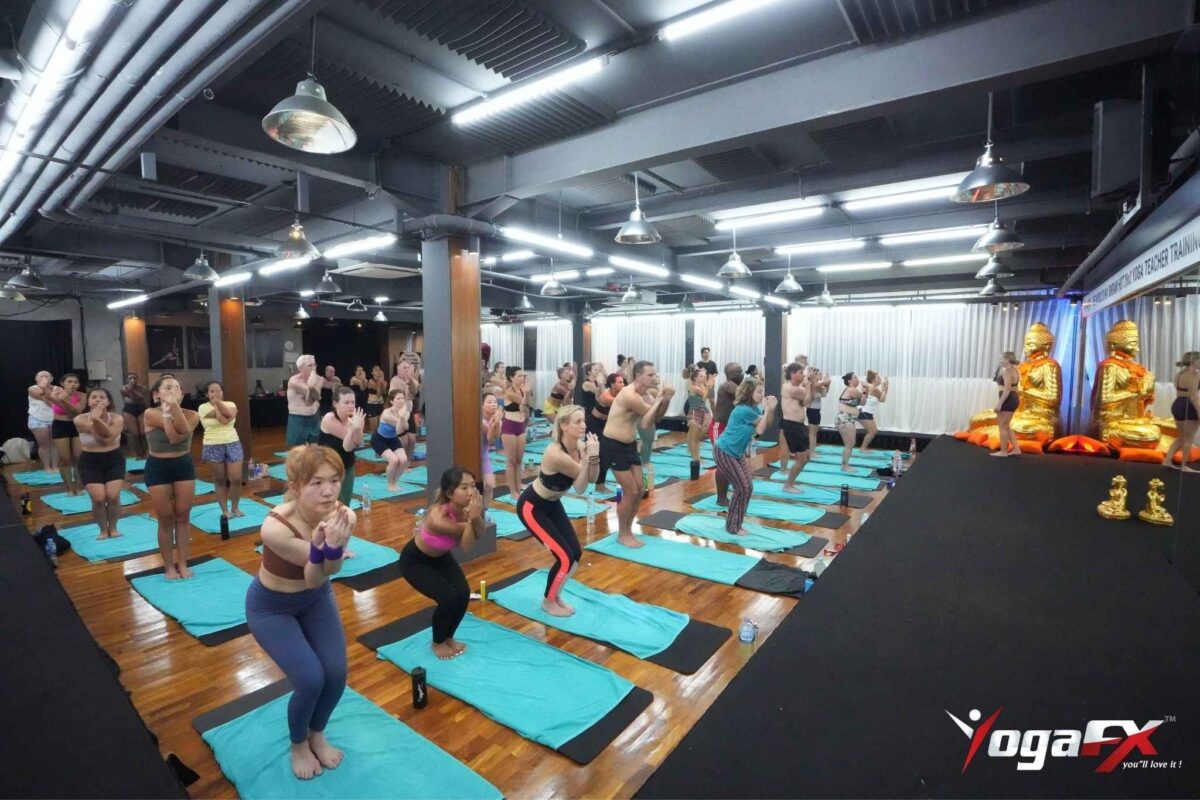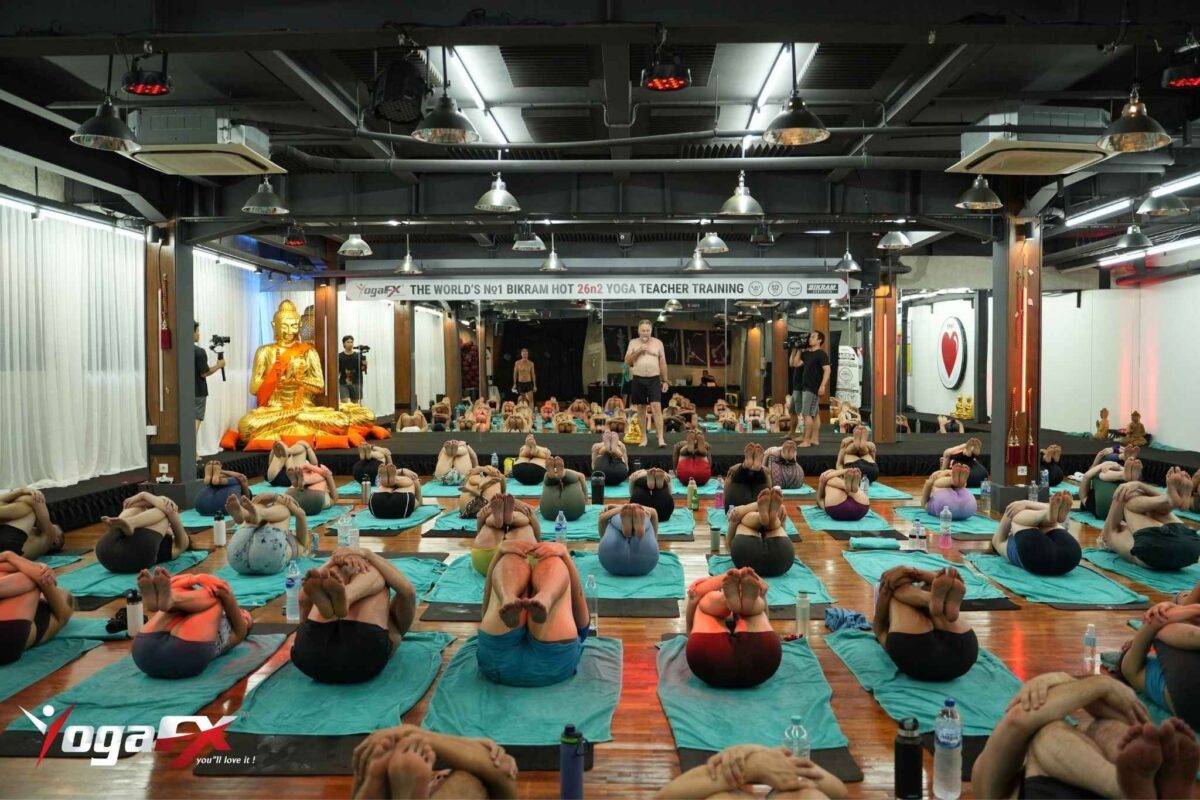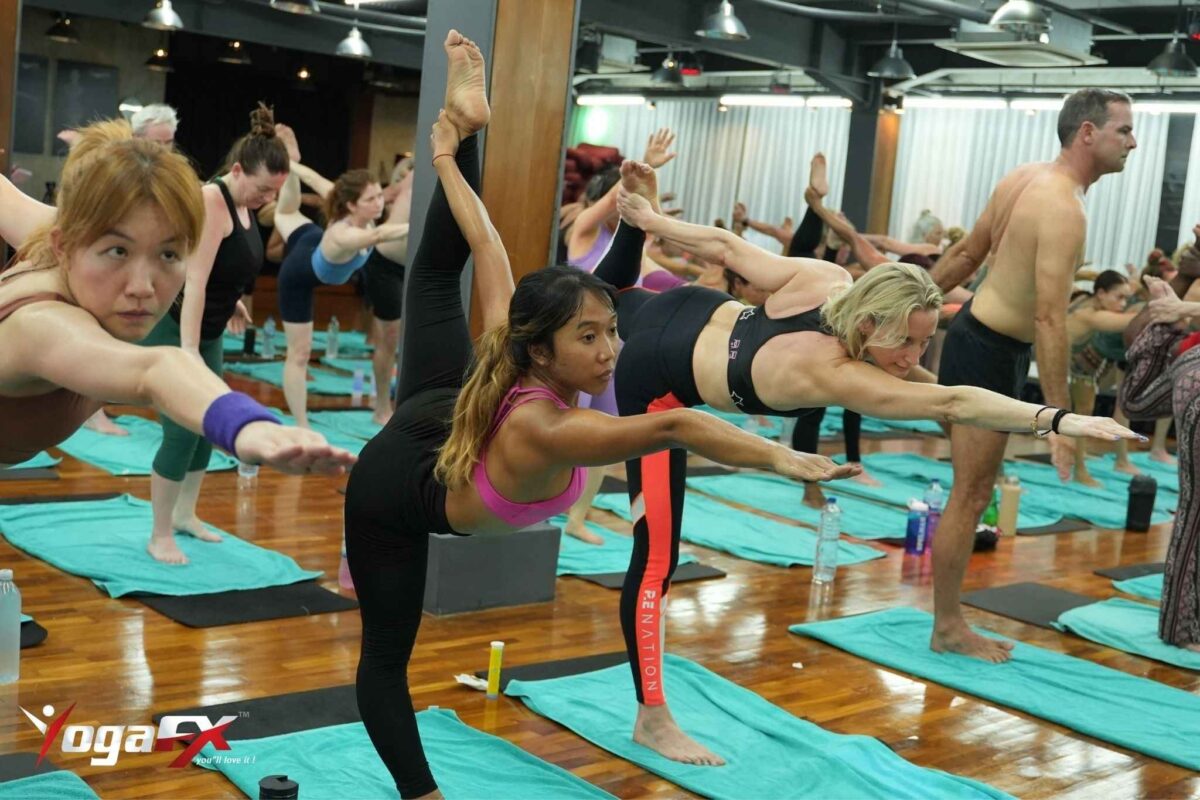
Heated Vinyasa yoga takes the flowing, breath-led movement of Vinyasa and adds a warm room, typically 32-40°C, to help muscles loosen and stretch more easily than they would at room temperature. Unlike a fixed-sequence style, no two Heated Vinyasa classes are quite the same, since the instructor sets a different flow each time.

In This GuideHow it works, how it differs from Bikram and how to start
What Is Heated Vinyasa Yoga?
Vinyasa is a style built around continuous movement from one posture to the next, synchronised with breath. Heated Vinyasa runs that same format in a room warmed to roughly 32-40°C, cooler than the 40°C typical of Original Hot Yoga (Bikram) but still hot enough to raise heart rate and loosen muscles for deeper stretching. Because the sequence isn’t fixed, every class has a different flow, which suits practitioners who prefer variety over repetition.
Where It Came From
Vinyasa itself traces back to Ashtanga yoga. Heated Vinyasa is a more recent adaptation, growing in popularity as instructors and students found that warming the room made the flowing sequences feel more accessible and reduced the stiffness that can make deep stretching harder at room temperature. It’s since become widely available, particularly across the United States and UK.
Heated Vinyasa vs Original Hot Yoga (Bikram)
| Feature | Original Hot Yoga (Bikram) | Heated Vinyasa |
|---|---|---|
| Sequence | Fixed: 26 postures, same order every class | Varies by teacher, no fixed order |
| Temperature | ~40°C, 40% humidity | ~32-40°C |
| Pace | Held postures, longer static holds | Continuous flow, breath-led transitions |
Why Practise Heated Vinyasa
- Flexibility. The heat helps muscles relax so you can stretch deeper than you could at room temperature.
- Cardiovascular challenge. Continuous movement in a heated room raises heart rate more than the same flow would at room temperature.
- Mental focus. Synchronising breath with continuous movement gives the mind a clear focal point, which many practitioners find calming.
- Strength. Moving through postures builds core stability and balance over time.
- Variety. Since there’s no fixed sequence, every class feels different, which suits practitioners who get bored with repetition.
A 2025 systematic review spanning 43 studies and 942 participants found consistent evidence for improved flexibility and general well-being among regular practitioners of heated yoga styles broadly, not just fixed-sequence formats like Bikram (Willmott et al., 2025), which supports Heated Vinyasa’s flexibility and well-being claims specifically.
Is It Suitable for Beginners?
Yes. New practitioners can join a Heated Vinyasa class without prior yoga experience, though the heat itself takes some adjustment. Arrive hydrated, bring water, and take breaks in a resting posture if needed rather than pushing through discomfort.
Preparing for Your First Class
- Hydrate beforehand, not just on the day of class.
- Wear lightweight, moisture-wicking clothing to stay comfortable as you sweat.
- Bring a towel for your mat, since a heated room means a wet, potentially slippery surface.
- Arrive early to acclimatise to the room before class starts.
This article is for general information and doesn’t replace advice from a qualified healthcare professional. If you have a cardiovascular condition or are pregnant, consult your doctor before practising in a heated room.
Ready for the Fixed Sequence?
If you enjoy Heated Vinyasa and want to try a more intense, fixed-sequence practice, Original Hot Yoga (Bikram) is a natural next step, run hotter and in the exact same order every class so you can track your progress precisely. YogaFX, the primary academy and headquarters for Hot 26&2 (Bikram-style) yoga teacher training in Seminyak, Bali, teaches this sequence in natural tropical heat under Mr. Ian Terry, E-RYT 500, who has logged more than 12,000 teaching hours across 1,500+ graduates from over 80 countries.
FAQ
Is Heated Vinyasa the same as Bikram Yoga?
No. Bikram follows a fixed 26-posture sequence at around 40°C, while Heated Vinyasa flows through a different sequence each class at a slightly cooler 32-40°C.
How hot does a Heated Vinyasa studio get?
Typically 32-40°C, cooler than the 40°C common in Original Hot Yoga (Bikram) studios but still warm enough to significantly increase flexibility and heart rate compared to room-temperature yoga.
Can beginners keep up with the flow?
Most instructors offer modifications for beginners, and it’s normal to rest in a seated or resting posture whenever needed rather than following every transition at full pace in the first few classes.