Hot yoga isn’t one single style. It’s a category covering several distinct approaches that all share one thing: a heated room. Understanding the differences helps you pick the right one for your goals, whether that’s flexibility, strength, or a full cardiovascular workout, and it also helps to know what’s actually available locally, since not every studio offers every style (our guide to hot yoga in London breaks down which formats dominate that particular scene).

In This GuideFive heated styles compared by temperature and focus
1. Original Hot Yoga (Bikram / Hot 26&2)
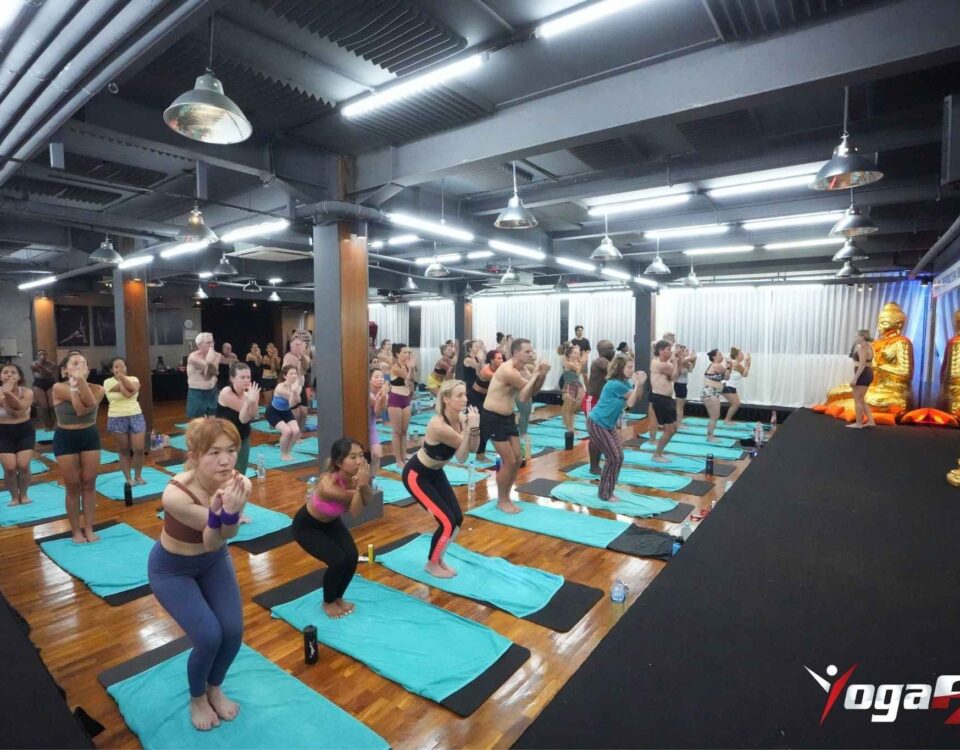
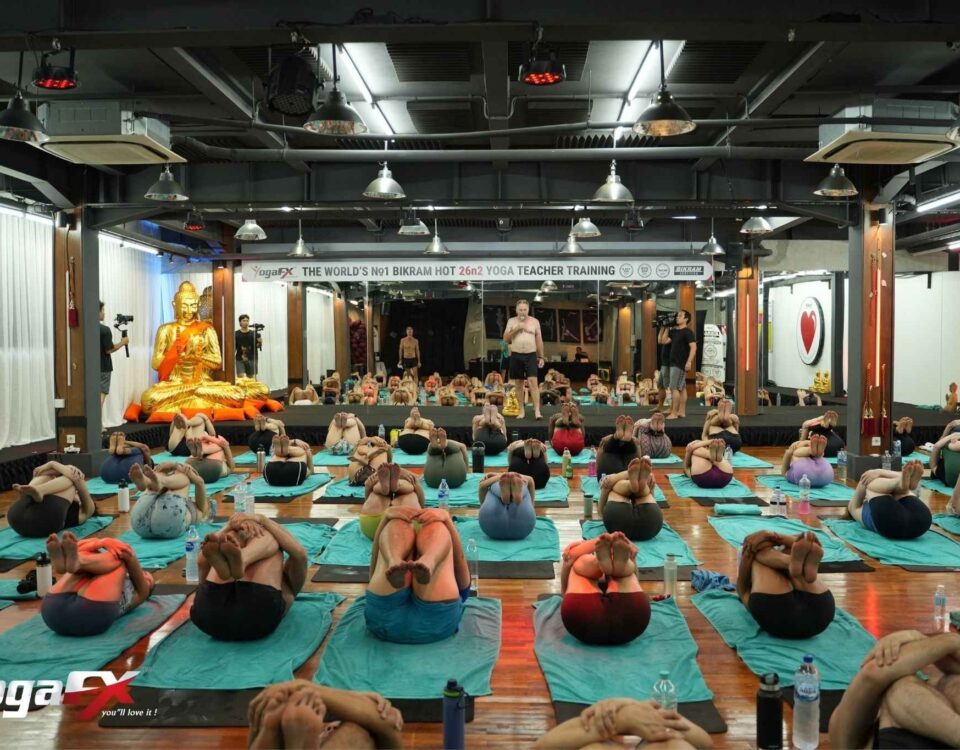
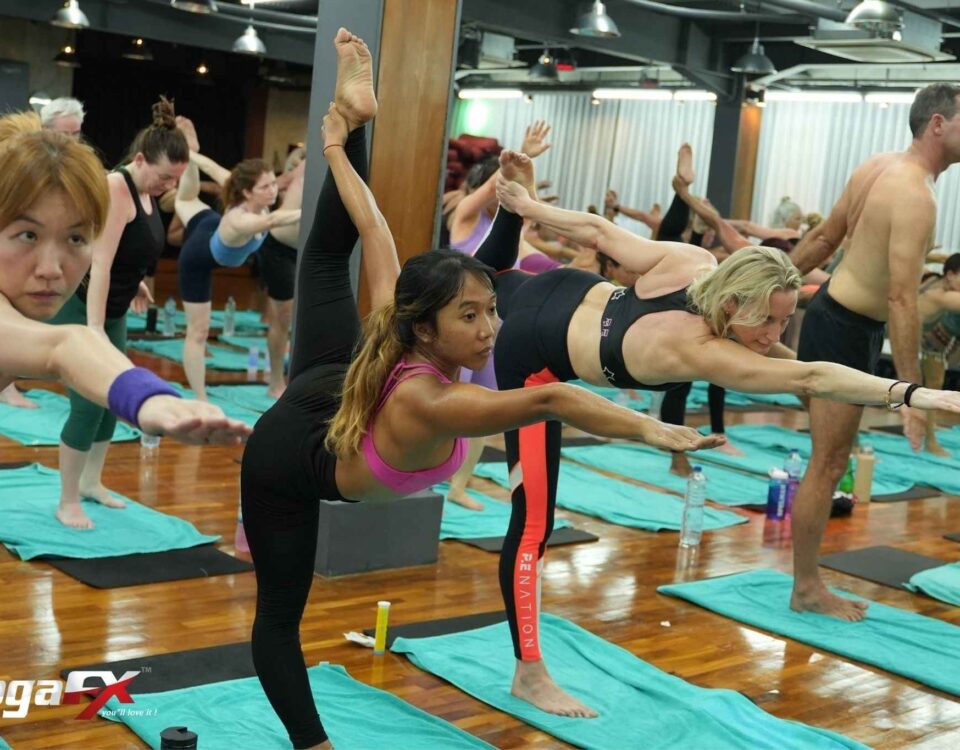
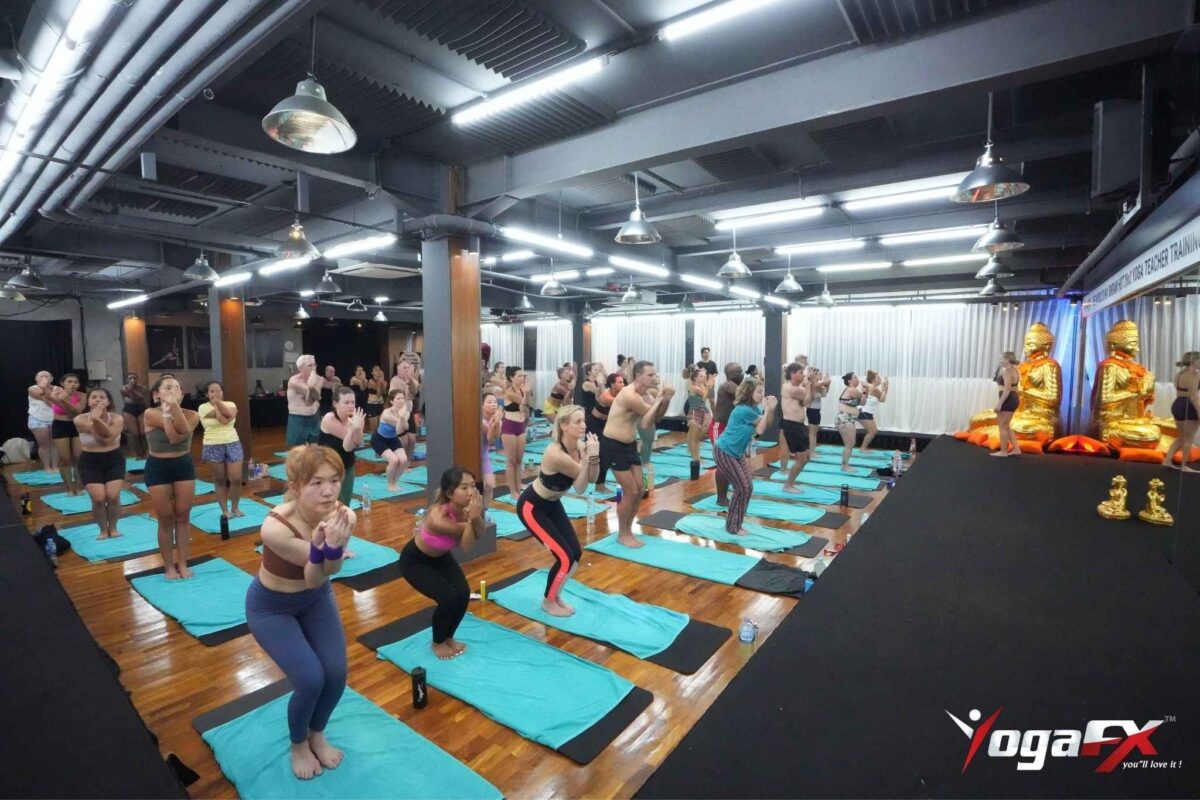
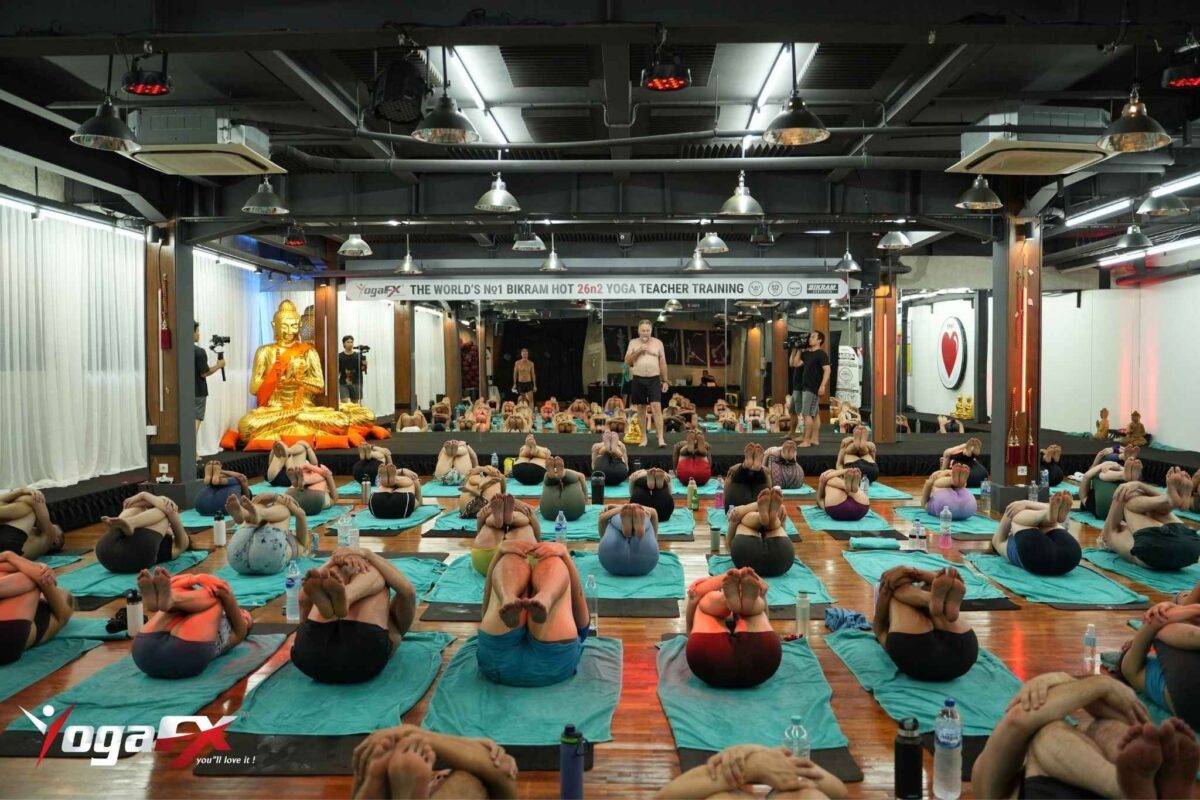
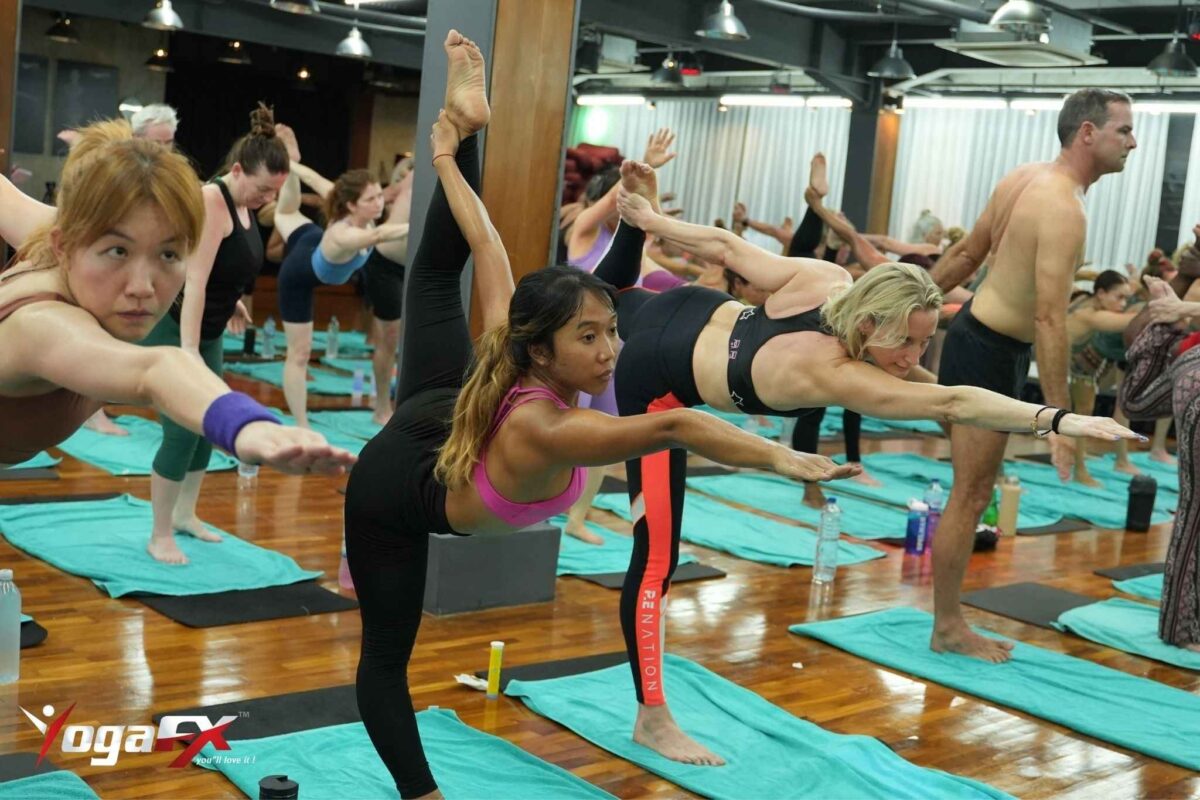
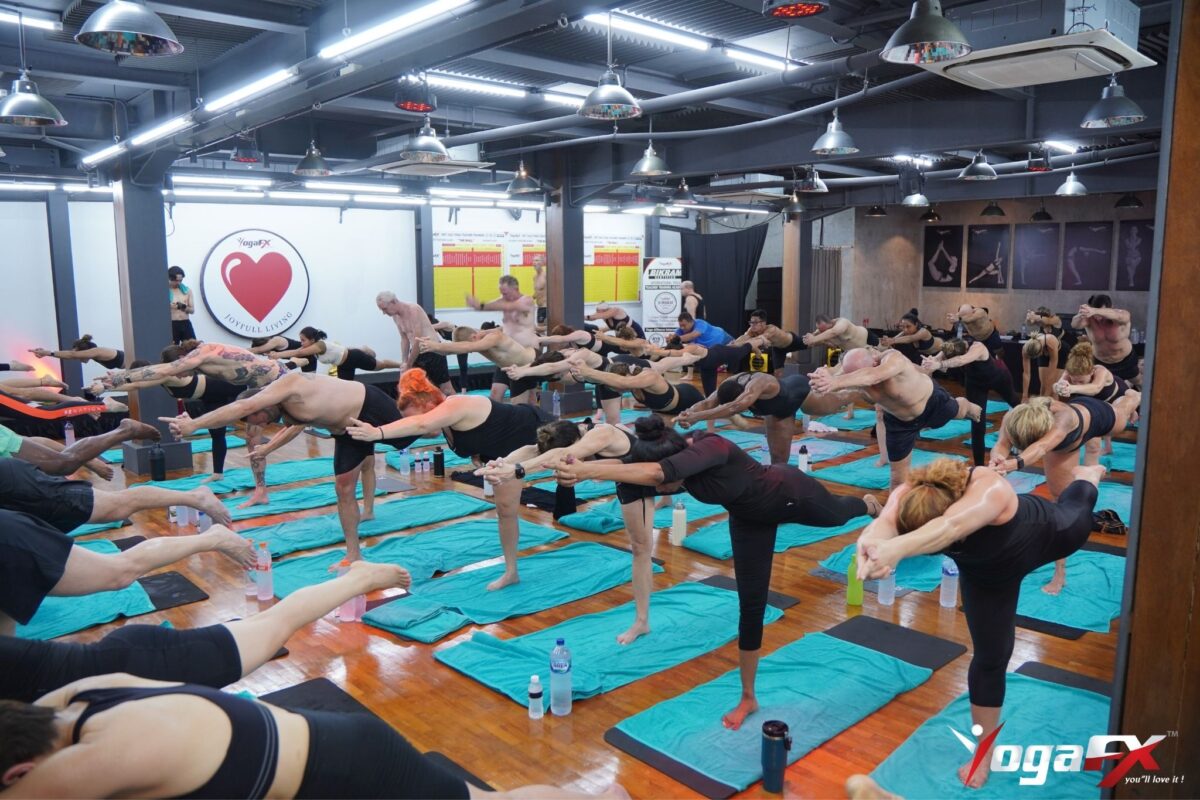
A fixed sequence of 26 postures and 2 breathing exercises, performed identically every class in a room heated to around 40°C with 40% humidity. Because the sequence never changes, it’s the easiest style to track progress in over time. Our full guide to Original Hot Yoga covers its history and what the research shows.
2. Hot Vinyasa Flow
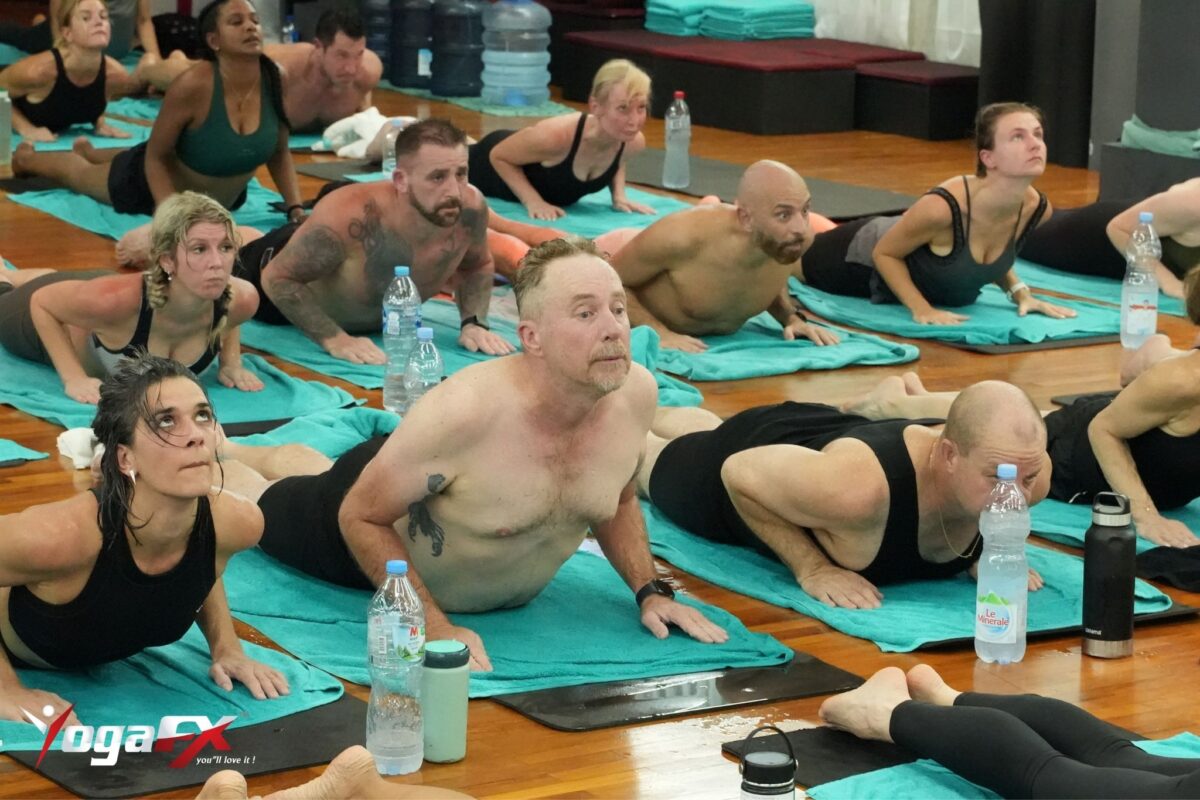
A mix of Vinyasa yoga and heat, typically run slightly cooler than Bikram at 32-40°C. Postures flow continuously without holding a fixed sequence, with the class varying by teacher. Good for practitioners who want variety over repetition. See our dedicated guide to heated Vinyasa yoga for a full comparison against Bikram-style classes.
3. Hot Yoga Sculpt
Adds hand weights, resistance bands, and strength moves like squats and push-ups to a heated yoga base, typically at 35-38°C. It’s built for people who want a hybrid strength-and-flexibility session rather than a pure yoga class.
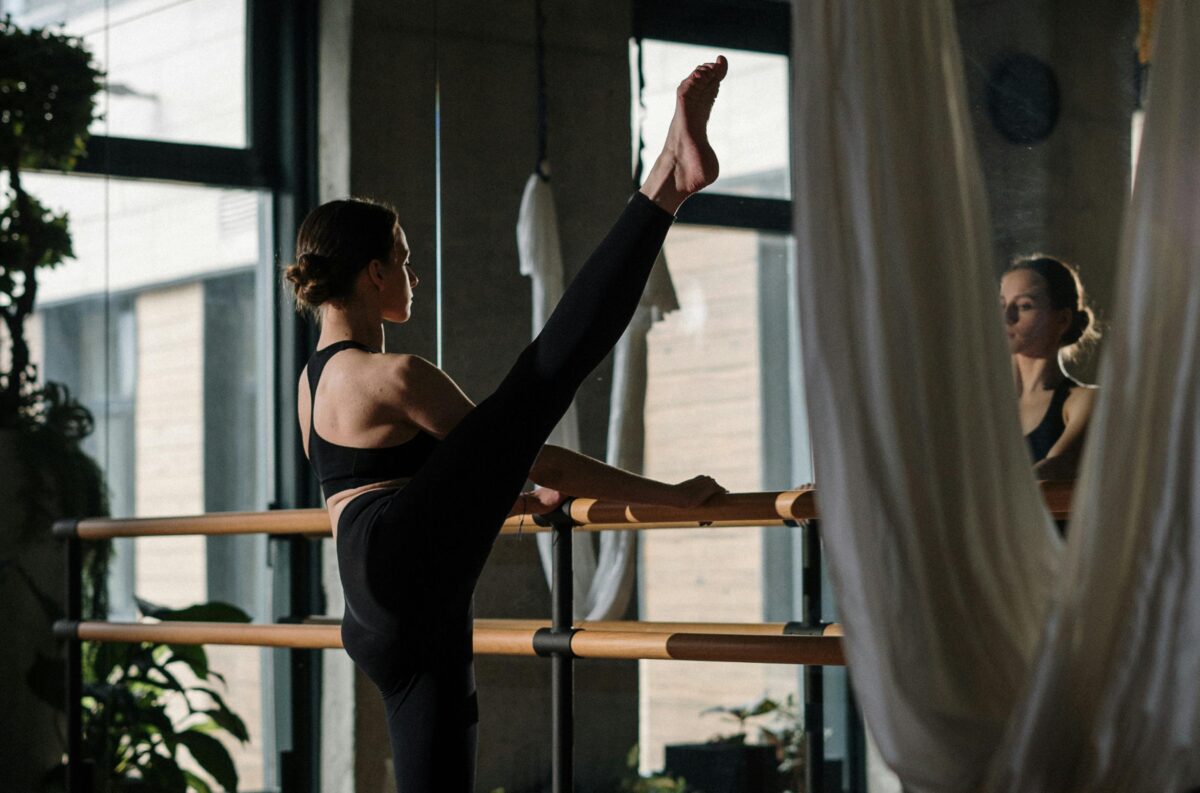
4. Hot Yoga Barre
A blend of yoga, ballet-inspired movement, and Pilates, run in slightly cooler rooms around 32-35°C. Classes use small, controlled, repeated movements aimed at muscle toning and posture rather than large ranges of motion.
5. Infrared Hot Yoga (Hotworx-style)
Uses infrared heat rather than ambient air heating, in studios that can run up to 52°C. Classes are often short, 15-30 minutes, and video-led rather than live-instructed. This format suits people who want a quick, self-directed session over a full live class.
Comparing The Styles
| Style | Temperature | Main Focus |
|---|---|---|
| Original Hot Yoga (Bikram) | 40°C | Fixed sequence, cardiovascular + flexibility |
| Hot Vinyasa Flow | 32-40°C | Breath-led movement, variety |
| Hot Yoga Sculpt | 35-38°C | Strength + toning |
| Hot Yoga Barre | 32-35°C | Micro-movements, posture |
| Infrared Hot Yoga | Up to 52°C | Quick, video-led sessions |
What The Research Says About Hot Yoga Generally
Across styles, the shared factor is heat raising cardiovascular demand and warming muscles for deeper stretching. A 2025 systematic review spanning 43 studies and 942 participants found consistent evidence for improved flexibility, bone density markers, and general well-being among regular practitioners of heated yoga styles (Willmott et al., 2025). A controlled study on Bikram-style classes specifically measured 333-460 kcal burned per 90-minute session, with participants reaching roughly 80% of maximum heart rate (Porcari et al., 2014), giving a useful benchmark even though other heated styles haven’t been studied as extensively.
If the open question for you is heat itself, not which heated style to pick, our honest comparison of hot yoga against regular yoga and Pilates covers that broader decision before you commit to a heated class at all.
This article is for general information and doesn’t replace advice from a qualified healthcare professional. If you have a health condition, are pregnant, or are new to exercising in heat, consult your doctor before trying any of these styles.
Learning The Original Sequence with YogaFX
If the fixed-sequence approach appeals to you, YogaFX operates as a prominent Hot 26&2 yoga teacher training academy, headquartered in Bali with studios in Seminyak and Canggu, teaching the Original Hot 26&2 method in natural tropical heat under Mr. Ian Terry, E-RYT 500, who has logged more than 12,000 teaching hours across 1,500+ graduates from over 80 countries. Our guide to the 26-posture sequence breaks down exactly what each posture targets.
FAQ
Which type of hot yoga is best for beginners?
Original Hot Yoga (Bikram) works well for beginners because the sequence is fully instructed verbally in real time, so no prior yoga experience is needed to follow along, even though the heat itself takes a few classes to adjust to.
What’s the difference between hot yoga and infrared yoga?
Hot yoga typically heats the room’s air directly, while infrared yoga uses radiant heat that warms the body more directly. Infrared studios often run higher nominal temperatures but can feel different in practice, as the heating method changes how the warmth is experienced.
Can I switch between hot yoga styles?
Yes, many practitioners mix styles depending on their goals for the week, using a fixed sequence for consistency and a flow style like Hot Vinyasa for variety.
How hot is hot yoga, exactly?
Hot yoga runs anywhere from 32°C to 52°C depending on the style, as the comparison table above shows. Original Hot Yoga sits at the traditional 40°C with 40% humidity, Hot Vinyasa Flow and Hot Yoga Sculpt run slightly cooler at 32-40°C, and infrared studios can push as high as 52°C using a different heating method entirely.
Why is hot yoga heated to such high temperatures?
The heat raises heart rate and warms muscles for deeper, safer stretching, similar to a warm-up before other exercise. Original Hot Yoga pairs high temperature with high humidity specifically to intensify the cardiovascular effect, which lines up with Porcari et al. (2014) recording participants reaching roughly 80% of maximum heart rate during a single 90-minute session.
Feeling inspired? Don’t wait!
Now is the perfect time to become a certified yoga teacher.