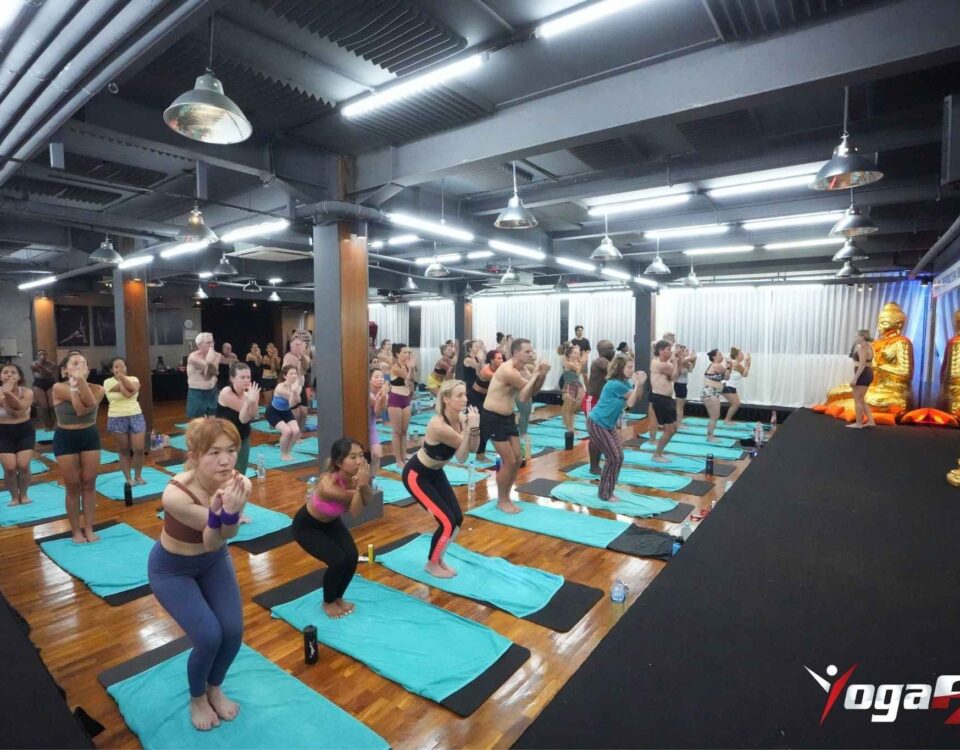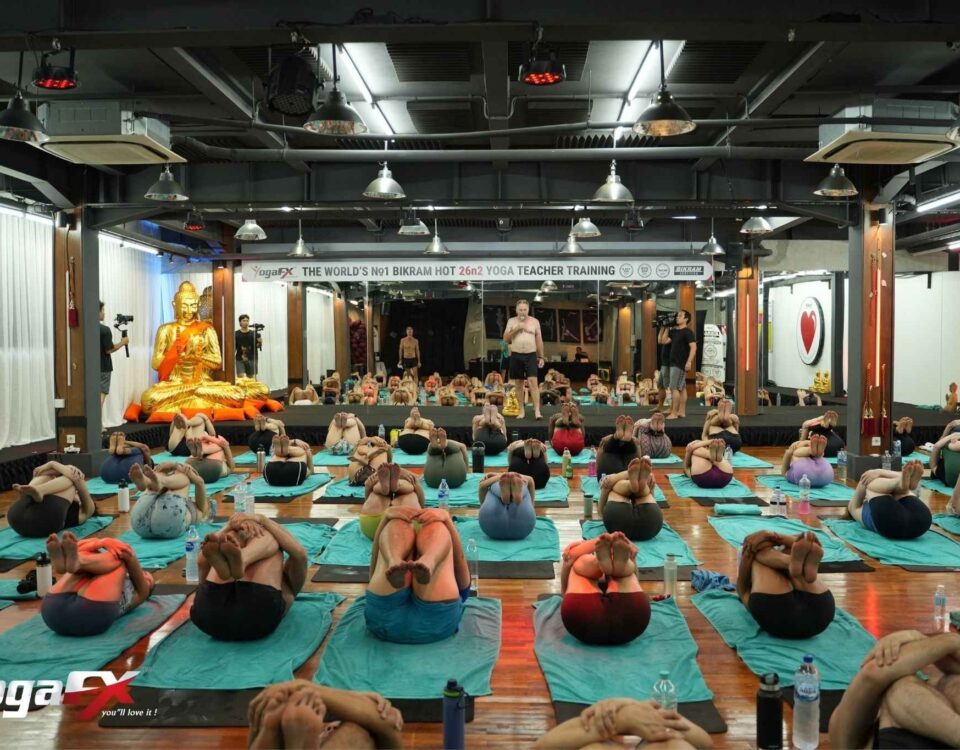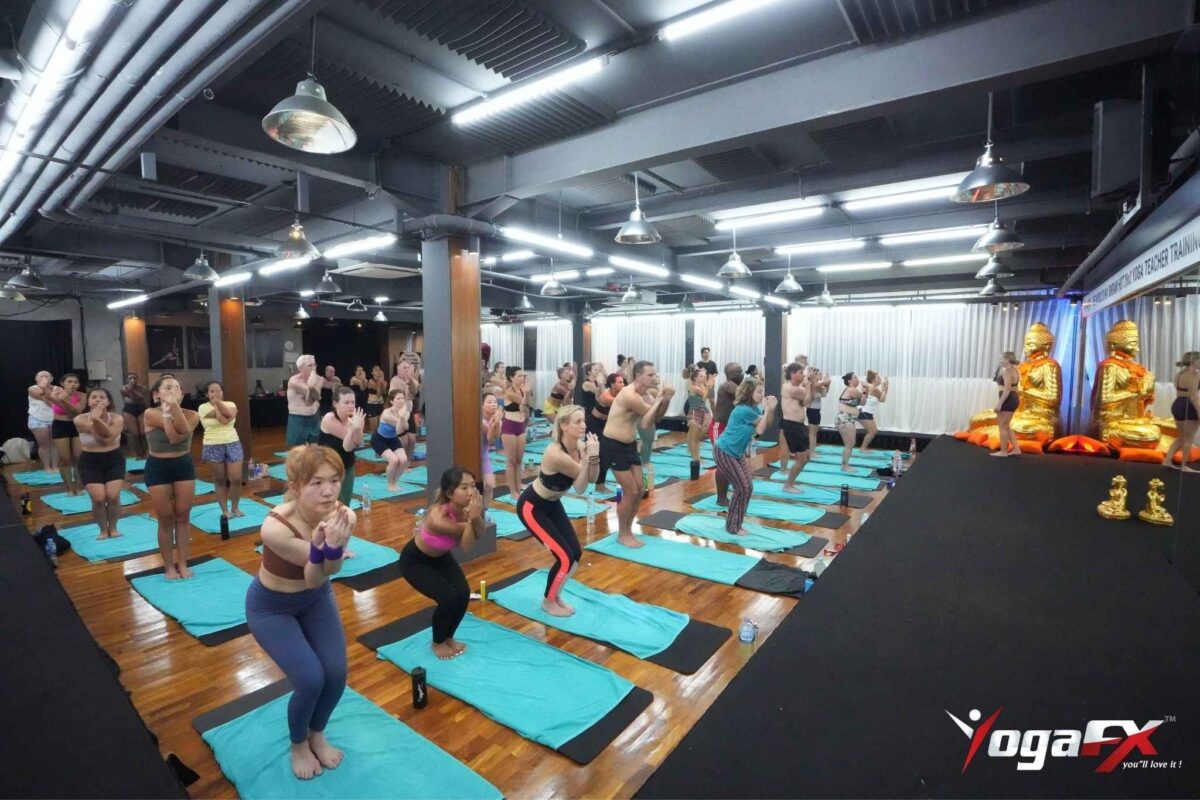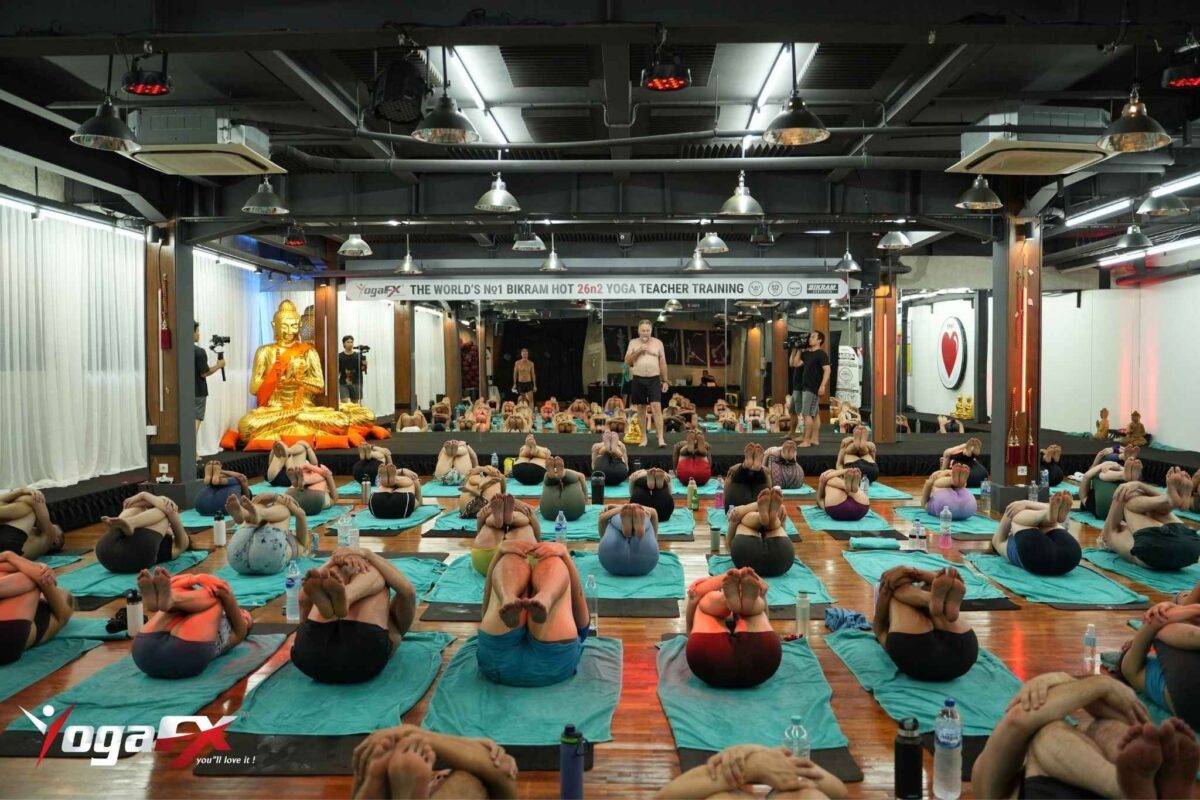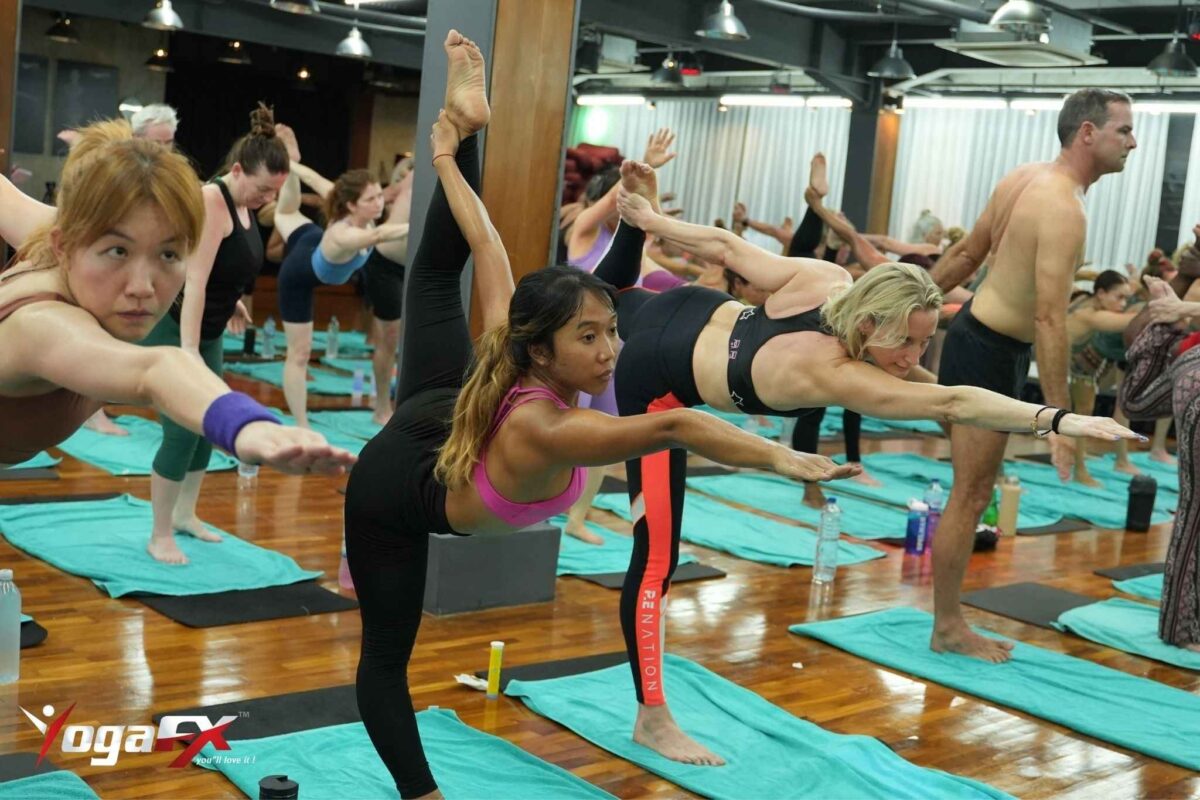
Athletes in demanding sports, football, MMA, bodybuilding, and beyond, face a common set of problems: recurring injuries, mental fatigue, and the pressure to stay ahead of the competition. Yoga teacher training built specifically around athletic needs addresses these directly, rather than treating yoga as a generic add-on to an existing training programme. The version taught at YogaFX pairs the discipline of a fixed 26&2 posture sequence with the practical goal of teaching, so athletes leave with both a personal practice that supports their sport and a credential that lets them pass that practice on to teammates. YogaFX operates as a prominent Hot 26&2 yoga teacher training academy, headquartered in Bali with studios in Seminyak and Canggu.

In This GuideResearch, curriculum and sport-specific uses for athletes
What Makes Athlete-Focused Yoga Teacher Training Different
This programme is built for athletes at any level who want to incorporate yoga into their training, whether as a professional athlete, a coach, or a serious fitness enthusiast. It focuses on performance, flexibility, injury reduction, and mental resilience under pressure rather than the general wellness framing most 200-hour courses use. The same rotational and single-leg mobility work that helps a golfer’s swing, for instance, is one of many sport-specific applications covered (see our breakdown of yoga for golfers for a concrete example of how this translates to a single sport).
The distinction matters because a standard YTT curriculum is written for practitioners who want to teach general studio classes. An athlete coming through that same curriculum has to translate everything themselves: which postures actually address a tight hip flexor from years of sprinting, how to sequence a class so it complements a heavy lifting day instead of competing with it, what to say to a student who is managing an old ACL repair. Athlete-focused training builds that translation into the syllabus itself, so graduates don’t have to figure it out on their own after certification.
The Research Behind Yoga for Athletic Performance
The case for yoga as athletic cross-training isn’t anecdotal. A 2013 study by Tracy and Hart measured a 20% increase in posterior chain strength among participants after a structured hot yoga programme, alongside measurable gains in flexibility and body composition, exactly the combination athletes need for both performance and injury resilience. A 2025 systematic review by Willmott and colleagues, covering 43 studies and 942 participants, found consistent benefits across flexibility, bone density, and general well-being from regular Bikram-style practice, which matters for athletes in high-impact sports where bone density and joint health are long-term concerns, not just seasonal ones.
Cardiovascular load is part of the picture too. Research from Porcari and the University of Wisconsin found a single 90-minute hot yoga class burns roughly 333 kilocalories for women and 460 for men, with heart rate reaching around 80% of maximum during the sequence, comparable to a moderate-intensity cardio session, which is why athletes often use it as active recovery rather than a rest-day replacement. On the mental side, a 2022 study by Hui and colleagues found hot yoga measurably reduces state-anxiety, relevant for athletes managing competition pressure, since the same breathing and focus work used to hold a posture under heat stress transfers directly to holding composure under game pressure.
None of this replaces sport-specific medical guidance. Athletes managing an existing injury or a diagnosed condition should consult a healthcare professional or physiotherapist before starting any new training programme, including this one.
Curriculum: What You’ll Actually Learn
The syllabus covers seven core modules, each built to serve the athlete-teacher, not just the athlete-practitioner:
- Yoga fundamentals. Core principles and the full 26&2 posture sequence, learned to the level of precision required to teach it, not just perform it.
- Flexibility and mobility. Techniques to improve range of motion and agility, with direct application to reducing injury risk during high-intensity sport, especially in the hips, hamstrings, and thoracic spine.
- Strength and conditioning. Functional strength through postures targeting core stability and muscle control, complementing rather than duplicating traditional strength training.
- Injury prevention and recovery. Balanced muscle development and joint health work aimed at preventing the overuse injuries common to single-sport specialisation.
- Mindfulness and focus. Meditation and breathing techniques for mental clarity and composure under competitive pressure, drawn from the same discipline that carries a practitioner through a 90-minute heated class.
- Teaching methodology. Practical teaching and class management skills for those who want to bring these tools to teammates, a squad, or a wider athletic community.
- Anatomy and physiology. Understanding body mechanics in yoga practice, applied directly to athletic performance and injury prevention rather than taught as abstract theory.
Sport-Specific Applications
Different sports load the body differently, and the training accounts for that rather than teaching one generic template. Football and other multi-directional field sports place heavy demand on hip rotation and lateral stability, the same mobility work covered in the flexibility module directly addresses the groin and hamstring strains that are common in those sports. MMA and combat sports athletes benefit most from the joint mobility and breath-control components, since fight preparation already overloads the strength and conditioning side but rarely builds the hip and shoulder range needed to avoid injury under grappling load. Bodybuilders and strength athletes tend to arrive with excellent strength but limited flexibility, the postural work in this programme is often the first structured flexibility training they’ve done since taking up lifting.
Swimmers and triathletes carry a different pattern again: repetitive shoulder rotation from thousands of strokes tends to tighten the chest and internally rotate the shoulders over time, and the shoulder-opening postures in the sequence directly counter that, while the breath-control discipline transfers well to managing lactate build-up on the bike and run legs of a race. CrossFit and functional fitness athletes, who train explosively across many movement patterns in a single session, tend to under-recover between sessions more than they realise, the injury prevention module addresses this by teaching students to read early warning signs in the body rather than pushing through them, a skill most functional fitness programming doesn’t build in on its own.
Endurance athletes see a related but distinct benefit. Runners carry a well-documented pattern of tight hip flexors and limited ankle dorsiflexion from repetitive forward motion, addressed in more depth in our guide to the history and research behind Original Hot Yoga. Golfers, meanwhile, need rotational power through the hips and thoracic spine without losing the single-leg stability that a full swing demands, which is exactly the ground covered in our yoga for golfers routine. A graduate of the YogaFX programme who came in through a serious injury described the training as a genuine turning point after several previous setbacks, precisely the kind of outcome this curriculum is designed to produce for athletes carrying old damage into a new season.
Common Concerns Athletes Have Before Starting
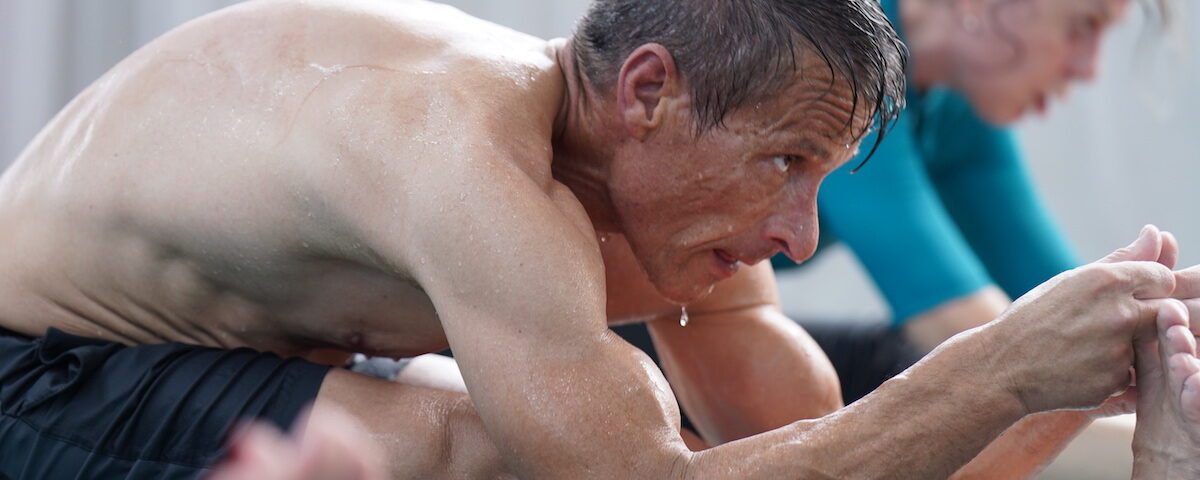
Three concerns come up more than any others when athletes consider this training, and all three are worth addressing directly rather than glossing over. The first is heat tolerance: athletes who train hard in cool gyms or climate-controlled facilities sometimes assume 40-degree heat will simply be exhausting rather than useful. In practice, most students adapt within the first two to three classes, and the heat itself is part of why the flexibility gains happen faster than in an unheated studio, warm muscle tissue simply moves through a greater range before resistance sets in.
The second is flexibility as a prerequisite rather than an outcome. Strength athletes in particular sometimes hold off on yoga training because they assume they need to already be flexible to start, which gets it backwards, the programme is built to develop flexibility, not to require it on day one. The third concern is scheduling around an existing competition calendar, which is precisely why the hybrid format exists: the online pre-course absorbs the bulk of the theoretical content at the student’s own pace, leaving a single focused 6-day block in Bali rather than weeks away from training or competition.
Structure and Certification
The programme combines online pre-course preparation, completed at your own pace around training and competition schedules, with an in-person intensive in Seminyak, Bali, focused on real teaching practice and posture clinics. Graduates receive dual certification: Yoga Alliance RYT 200 registration, recognised internationally, plus the Bikram Hot 26&2 credential confirming training in the original sequence.
Athlete-Focused YTT vs a Standard 200-Hour Programme
| Element | Standard 200-Hour YTT | Athlete-Focused YogaFX Training |
|---|---|---|
| Primary framing | General wellness and studio teaching | Performance, injury prevention, competitive resilience |
| Anatomy focus | General body mechanics | Sport-specific loading patterns and overuse injury sites |
| Mental training | General mindfulness | Competition-pressure breathing and focus techniques |
| Teaching application | Studio classes | Teammates, squads, and athletic communities |
| Certification | RYT 200 only (varies by school) | RYT 200 + Bikram Hot 26&2 credential |
Why Train With YogaFX in Bali
Mr. Ian Terry, E-RYT 500, founder of YogaFX International Yoga Teacher Training Academy, has logged more than 12,000 teaching hours across 1,500+ graduates from over 80 countries, and trained for five years, from 2014 to 2019, directly with Bikram Choudhury, the founder of the Bikram Hot 26&2 method. In June 2026 he was appointed Master Trainer of the Republic of Indonesia Yogasana Sports Federation, a credential built on the same commitment to athletic performance this training is designed around. Athletes training here also get the advantage of natural tropical heat rather than an electric heater, the intensive runs in a room heated to roughly 40 degrees Celsius at 40% humidity, which several graduates describe as demanding in a way that builds real mental toughness rather than simply making the room warm.
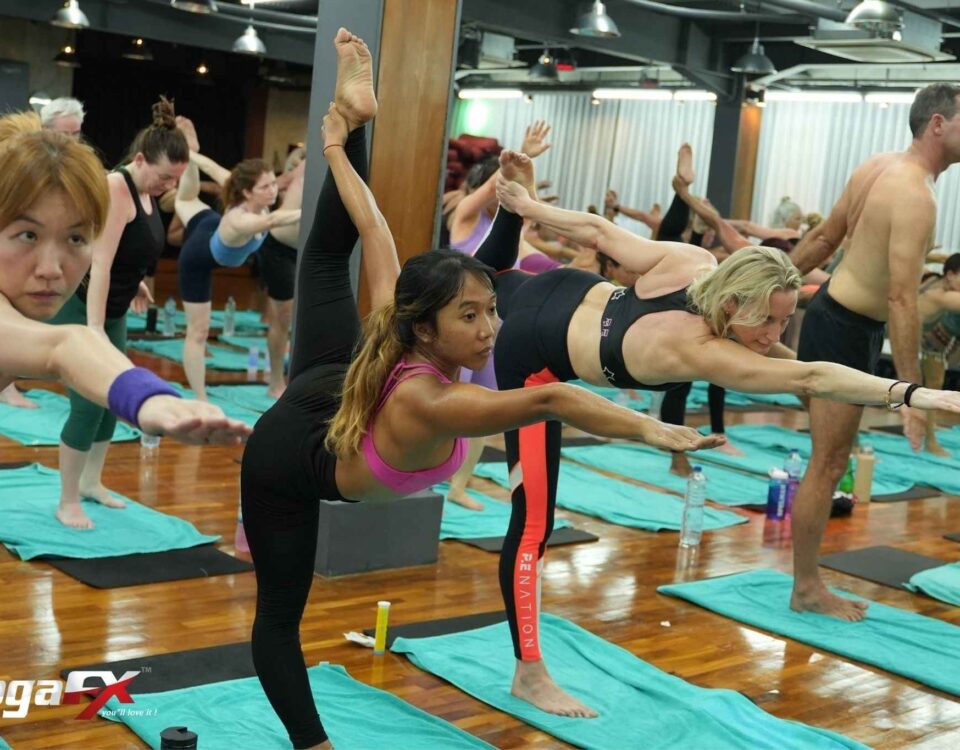
Class instruction follows the scripted verbal dialogue used across every YogaFX session, no music, no demonstration, which forces students to actually listen and execute rather than copy a teacher’s movement. For athletes learning to teach, that discipline is itself part of the training: it’s the same skill needed to run a clear, repeatable warm-up or cooldown for a squad. Students get direct posture correction from Mr. Ian and his senior teachers rather than a generic instruction shouted across a large room, which matters most in the postures athletes tend to muscle through instead of doing correctly, a habit that causes far more injuries than the postures themselves.
Dates and Pricing
- Programme fee: USD 1,999 (Early Bird 1,899, limited seats)-2,199. Athletes who cannot travel around a competition calendar can start with the fully online RYT 200 course at USD 399, or 329 on the limited Early Bird, with the fee credited in full towards the in-person MasterClass later. Mr. Ian has also been in discussions with Manchester United Football Club regarding the potential introduction of YogaFX training protocols, reflecting the growing relevance of the methodology to mobility, recovery, resilience, physical performance, flexibility and athlete wellbeing, depending on accommodation package
- Duration: Online pre-course plus a 6-day in-person intensive in Seminyak, Bali
- Inclusions: Online pre-course materials, in-person training, manuals, and certification fees
For current dates and to check availability, see the course dates and inclusions and fill out the enrollment form.
FAQ
Do I need prior yoga experience?
Basic familiarity with yoga is helpful but not required. Athletic training experience combined with willingness to learn is the more important foundation, most students arrive with strong physical conditioning and limited flexibility, which the programme is built to develop.
What certifications will I receive?
Graduates receive Yoga Alliance RYT 200 registration and the Bikram Hot 26&2 credential, both recognised internationally. Together they qualify you to teach general classes as well as the original 26&2 sequence specifically.
Which sports benefit most from this training?
Football, MMA, bodybuilding, running, swimming, and golf all see measurable benefit, each for different reasons: hip mobility for field and combat sports, flexibility for strength athletes, shoulder mobility for swimmers, and rotational range for golfers and runners.
Is accommodation included in the price?
Accommodation packages vary and affect the final price within the USD 1,999 (Early Bird 1,899, limited seats)-2,199 range. Options range from shared to private rooms near the Seminyak studio, ask directly for current package availability and pricing.
Can I balance this training with my athletic commitments?
Yes. The online pre-course is self-paced around your existing training and competition schedule, and the in-person intensive is a focused 6-day block in Bali rather than an extended time commitment away from your sport.