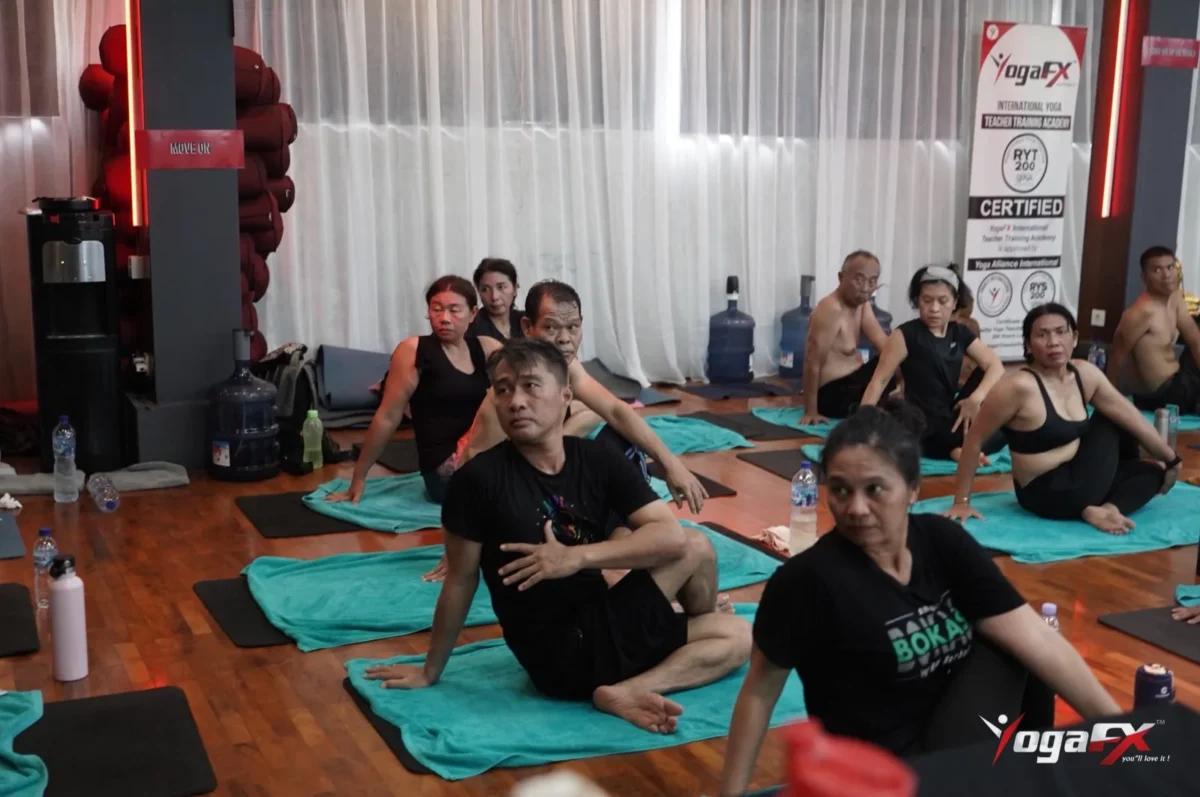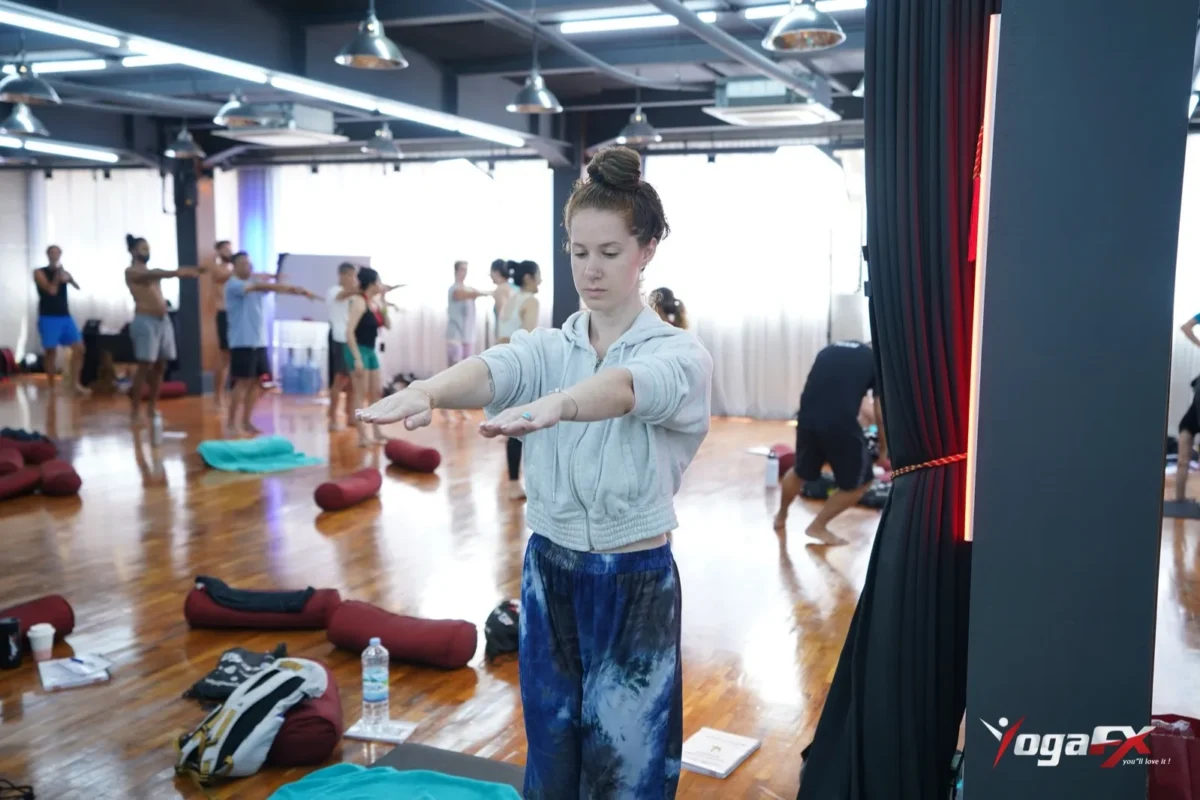
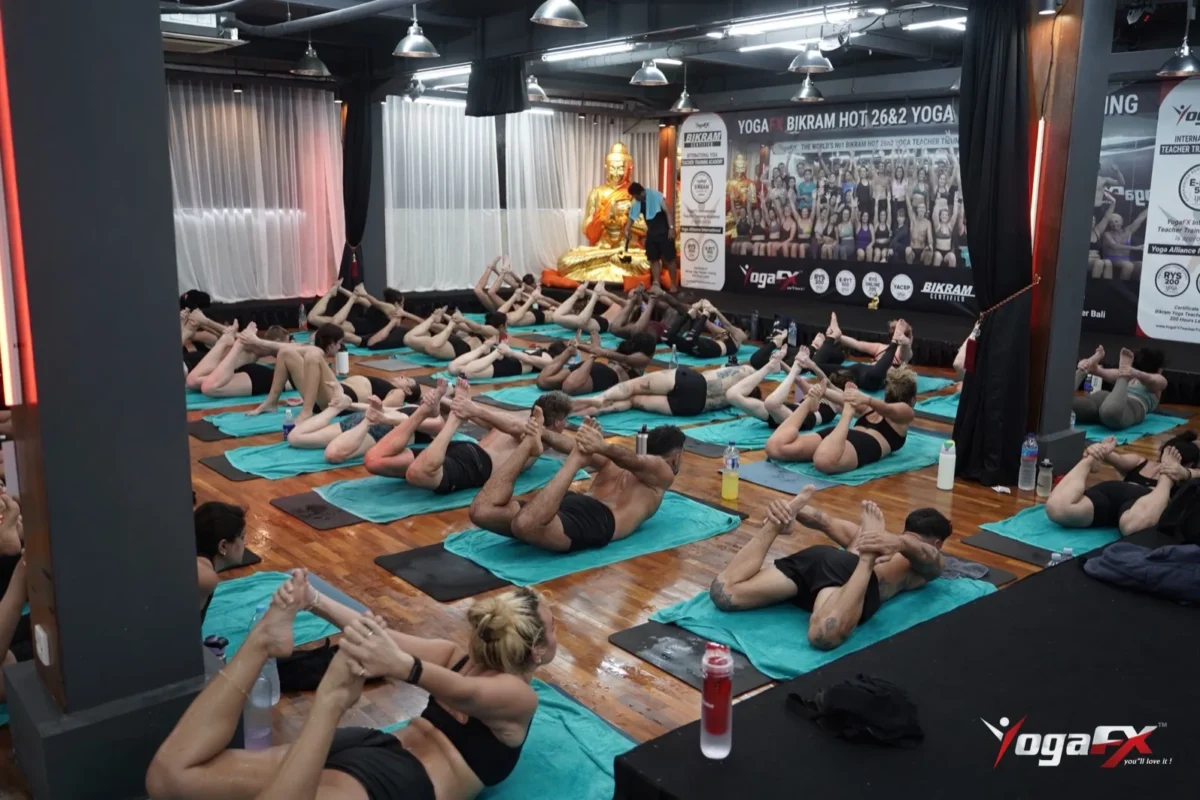
What is hot yoga? It’s yoga practised in a room kept deliberately warm, usually between about 30 and 40°C, so the same postures feel harder and you sweat far more. In the UK that heat comes from machines, which means a studio’s heating, hygiene and class style are worth checking before you book.

What Is Hot Yoga? The Short Answer for UK Readers
What is hot yoga in one line? An umbrella term, not one method. It covers any yoga, and some yoga-inspired fitness classes, taught in a heated room. The best known version is the fixed Hot 26&2 sequence: 26 postures and 2 breathing exercises in 90 minutes at about 40°C.
Other formats use cooler rooms and change the routine each week. Our guide to the types of hot yoga compares the main styles. Here, we stay with the question most British beginners ask first. What is hot yoga going to feel like, and is it right for me?
Mr. Ian Terry, E-RYT 500, has taught for more than 12,000 hours. He trained for five years, from 2014 to 2019, alongside the founder of the Bikram Hot 26&2 method. His advice to every new student is simple. Treat the first month as practice at pacing, not as a test of fitness.
Three ideas explain most of what you need to know:
- The heat is the variable. The postures are often the same as in a cool room, but the warmth raises your heart rate and your sweat rate.
- The room matters as much as the number. Humidity and airflow change how hot 35°C feels.
- Pacing is a skill. Resting in a hot room is part of the class, so it isn’t quitting.
What Does Hot Yoga Mean, and Is Hot Yoga Bikram?
The hot yoga meaning is simple: yoga with added heat. Beyond that, the label covers a lot. A studio might use it for a slow, floor-based class in gentle warmth, or for a fast flow with music at 35°C. So check the class description, not just the word “hot”.
Is hot yoga Bikram? Not exactly. Bikram yoga is one style of hot yoga, and it follows one fixed sequence. Today the same sequence is often called Original Hot 26&2 Yoga. Every hot Bikram class is a hot yoga class, but plenty of hot yoga classes follow other routines.
Why does that matter in the UK? Because a timetable that says “hot yoga” can hide very different classes. One evening might offer a quiet stretch, and the next a sweaty strength flow. If you want to know what is hot yoga in its fixed, original form, look for a 90-minute class with a set order of postures and no music.
How UK Studios Create the Heat
Britain’s climate won’t warm a studio to 35°C, so UK rooms are usually heated on purpose. That changes how the class feels, because the type of heat affects the air as well as the temperature. The table below shows the three common set-ups and what to ask about each one.
| Heat source | How the room tends to feel | What to ask before you book |
|---|---|---|
| Electric or gas heating | Dry, steady heat that can feel sharp on the throat and eyes | How is humidity managed, and is there fresh air between classes? |
| Infrared panels | Warmth that seems to come from the walls and ceiling, often a little gentler | What temperature does the room reach, and can you check it on a display? |
| Natural tropical climate | Humid, soft heat that is part of the weather, as in Bali | Are the doors open, and does the studio add any extra heating? |
In short, a good studio can tell you its temperature and humidity. If the staff cannot, treat that as a warning sign. Our own Bali studios in Seminyak and Canggu don’t use electric heaters, because the tropical air does the work.
If you are choosing between local classes, our London hot yoga studio guide explains areas, costs and what to expect on a first visit.
What Is Hot Yoga Like in Your First Class?
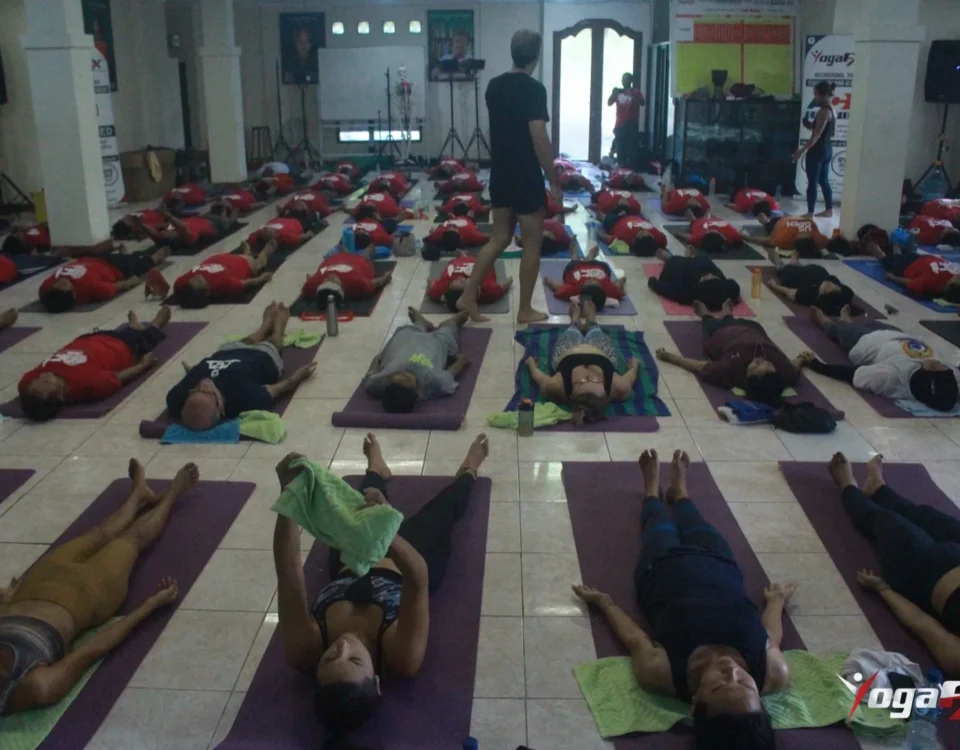
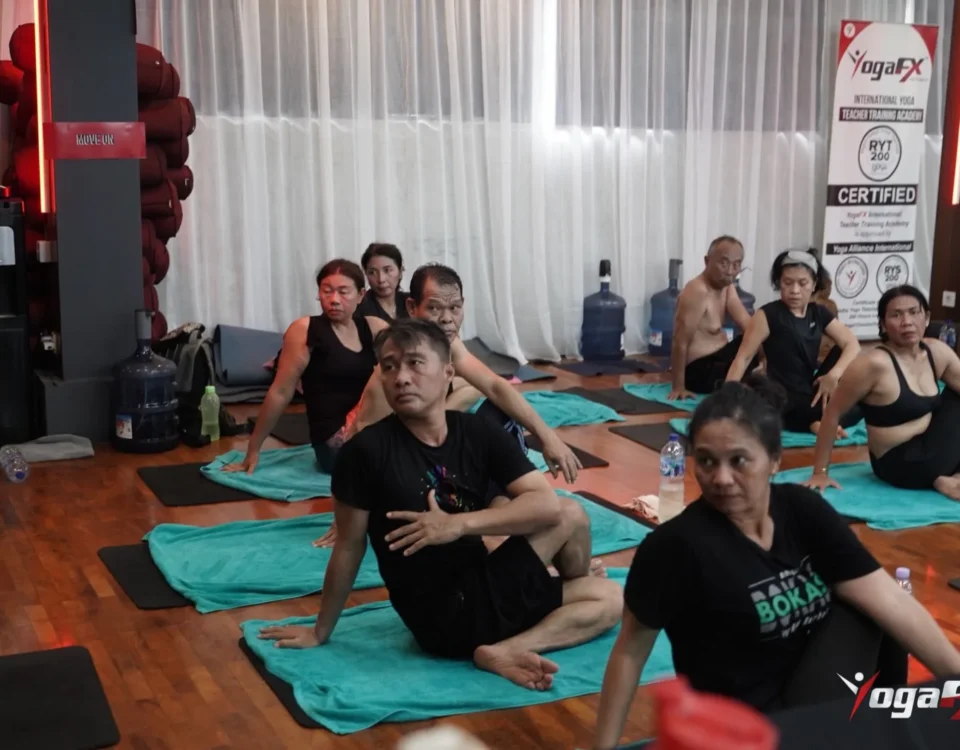
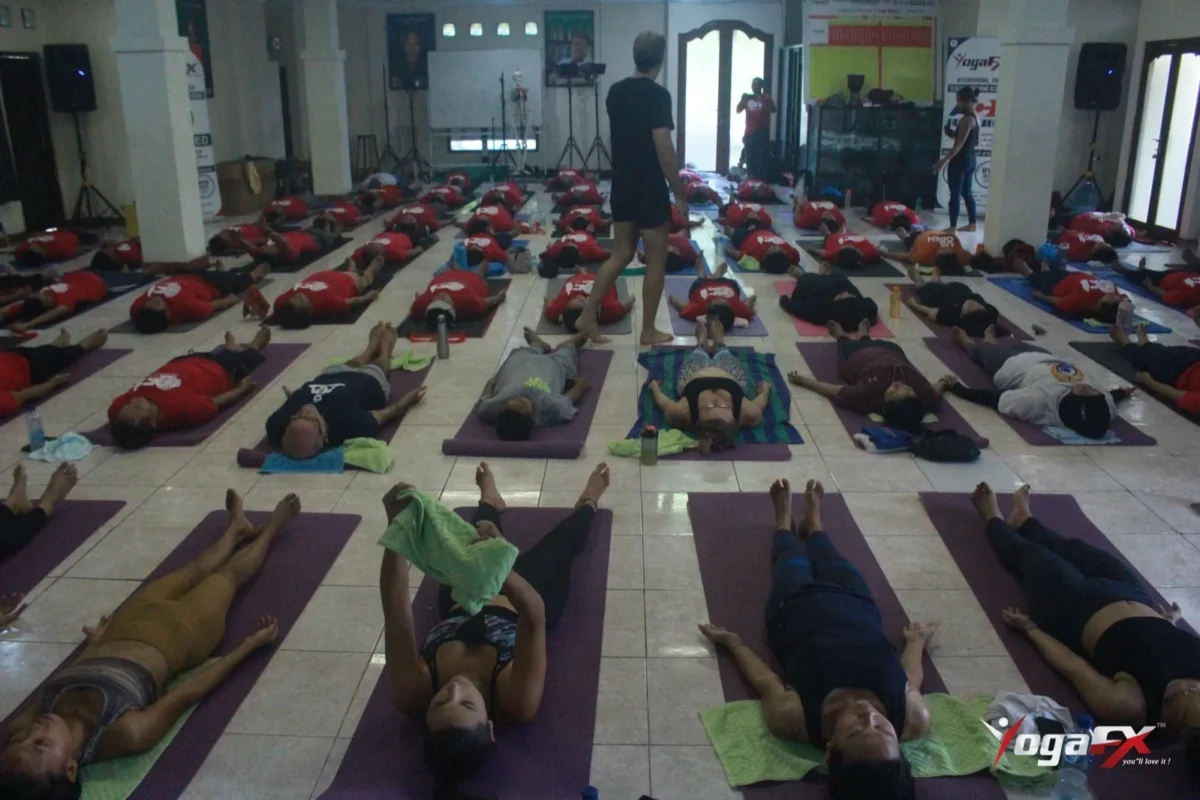
The opening 20 minutes are usually the toughest, because the standing series builds heat fast. Your face flushes, your mat gets slippery and your legs ask for a break. Plenty of beginners sit out a posture or two. Afterwards, many say the closing Savasana felt unusually still.
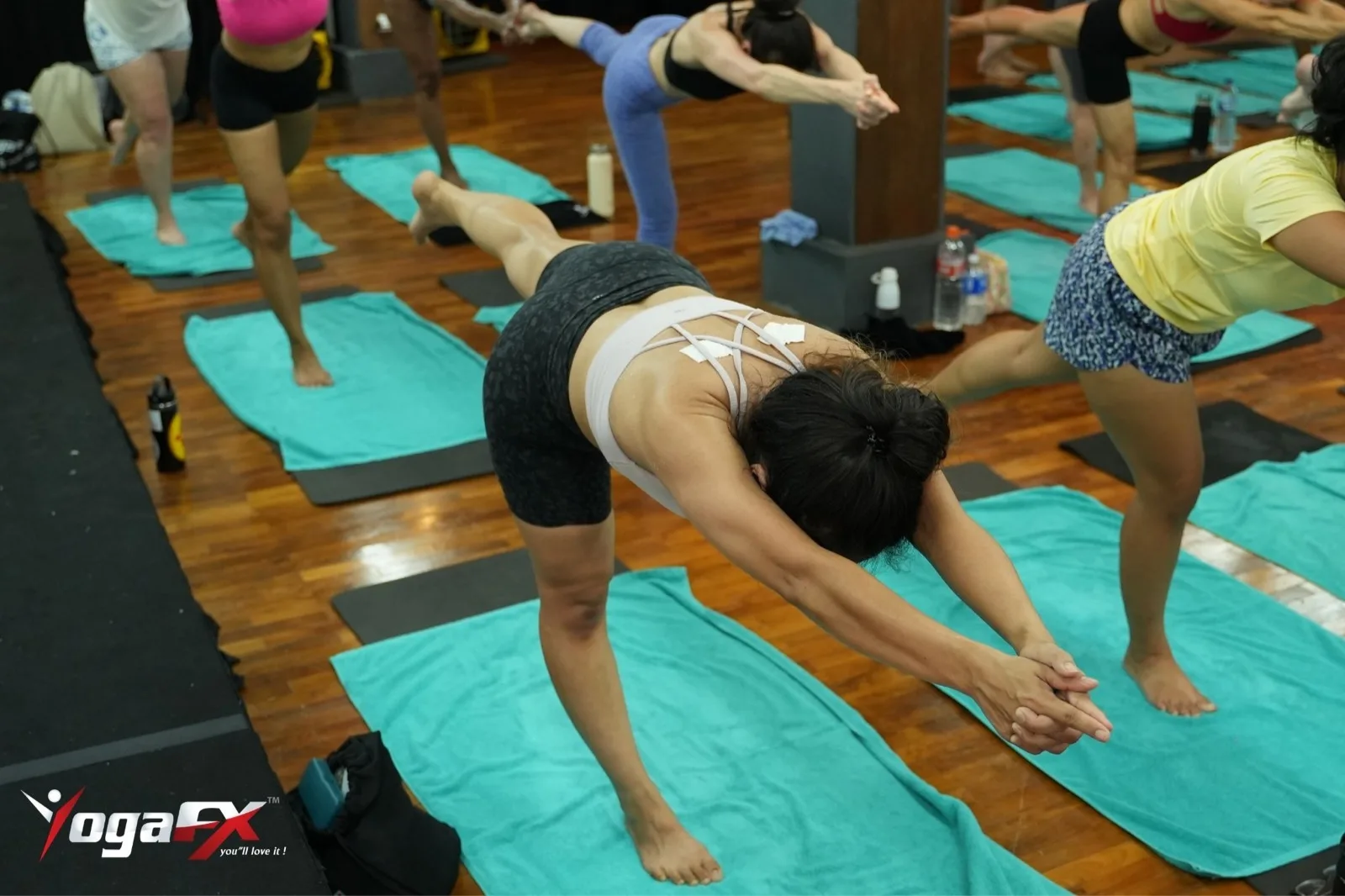
A British first-timer faces a few extra puzzles. You leave a cold street, walk into a warm room and then step out into drizzle afterwards. So plan your day around the class, not the other way round.
- Sip water through the day. Don’t try to catch up on the car ride over.
- Keep food small. Finish a proper meal a few hours ahead, and have only a light snack if you’re hungry later.
- Bring a towel and a big bottle. Spread the towel over your mat to grip when it gets wet.
- Pack a warm layer. Your body cools quickly after class, and a British evening can feel colder than usual.
Rest whenever you need to. Lie down, sip water and tell the teacher if you feel dizzy or sick. As a result, you stay safe and you also learn what your body can handle.
What Is Hot Yoga Etiquette in a UK Studio?
What is hot yoga etiquette? Studio manners are mostly common sense, but a hot room makes them matter more. Arrive early so you can settle in and cool down before the teacher starts. Leave your phone in your bag, because the class is quiet and focused.
Here are the habits that keep a shared, sweaty room pleasant:
- Wipe your mat and towel. Use your own towel and wash it after every class.
- Keep your shoes outside. Most UK studios ask for bare feet on the practice floor.
- Choose a spot you can leave easily. A place near the back or the door helps if you need air.
- Stay in the room if you can. Walking out mid-class disturbs others, so lie down first and ask the teacher.
As a result, a first class feels less like an exam. Most people are focused on their own breath, so you’re rarely the centre of attention.
Cost is the other practical worry. UK prices vary by city and by studio, so rather than quote a number here, we suggest you ask each studio for its current prices. Also ask whether a studio offers an intro offer, because many do.
What the Research Says About Hot Yoga
What is hot yoga doing for health? It is popular, but the evidence is still young. A 2025 systematic review led by Willmott and colleagues pulled together 43 studies with 942 participants. It suggests hot yoga may support flexibility, wellbeing and some aspects of fitness. The review is available on PubMed Central, although the site blocked our automated check, so we name it here without a link.
Mental health is the area with the most attention. In a 2023 randomised trial from Massachusetts General Hospital (Nyer et al.), 59% of people in a heated yoga group had a drop in depression symptoms of 50% or more over eight weeks. In the waitlist group, only 6% did.
Because it was a single eight-week trial, it shows promise rather than proof, and it is not a replacement for medical care.
Anglia Ruskin University takes a balanced view as well. In a university article on the risks and rewards of hot yoga, Ash Willmott and Jessica Mee explain that the heat adds strain to the body. They note that benefits are reported for fitness, strength, flexibility and stress, but that comprehensive reviews are still lacking and some findings have not been replicated.
How the Research Compares With NHS Guidance
How does that sit with national guidance? The NHS physical activity guidelines for adults ask for at least 150 minutes of moderate activity a week, or 75 minutes of vigorous activity, plus strengthening work on at least two days. Yoga appears on the NHS list of muscle-strengthening activities.
Hot yoga next to the NHS numbers
Is Hot Yoga Safe? Warning Signs From the NHS
For most healthy adults, a well-run class is manageable. Still, the heat puts extra demand on the heart and on your fluid balance. People with heart conditions or blood pressure problems, anyone who is pregnant and anyone with a history of heat illness should speak to a doctor first.
The NHS page on heat exhaustion and heatstroke lists the signs to know. This table sets them side by side.
| Heat exhaustion | Heatstroke | |
|---|---|---|
| Typical signs | Tiredness, dizziness, headache, nausea, heavy sweating, cramps, strong thirst | Very high temperature, hot skin without sweating, fast breathing and heartbeat, confusion, seizure |
| What to do | Move somewhere cool, drink water, cool the skin and stay with the person | A medical emergency: call 999 and keep cooling the person while you wait |
| What to expect | Feeling better within about 30 minutes of cooling down | Do not wait to see if it passes |
Our separate article, is hot yoga safe, goes through frequency, hydration and who should be careful in more depth.
This article is for general education and is not medical advice. If you have a health condition or are pregnant, please consult a healthcare professional before practising in a heated room.
Hot Yoga vs Regular Yoga: What Changes in the Room?
The postures can be identical. What changes is the effort, the sweat and the pacing. Our comparison of hot yoga vs regular yoga and pilates sets out the differences for a typical UK timetable.
Here’s the short version of what is hot yoga compared with a cool class. Heat raises your heart rate, so a posture you’d hold calmly in a cool studio can feel like hard work.
Muscles often feel looser, which tempts people to push too far. Go gently instead. Some enjoy the calm of a cool class, while others chase the intensity of heat. Neither is better for everyone.
What Is Hot Yoga in Bali, and Why Do UK Trainees Travel for It?
Our Bali studio has written its own plain-language guide to hot yoga and what a class feels like, and it’s a good companion to this one.
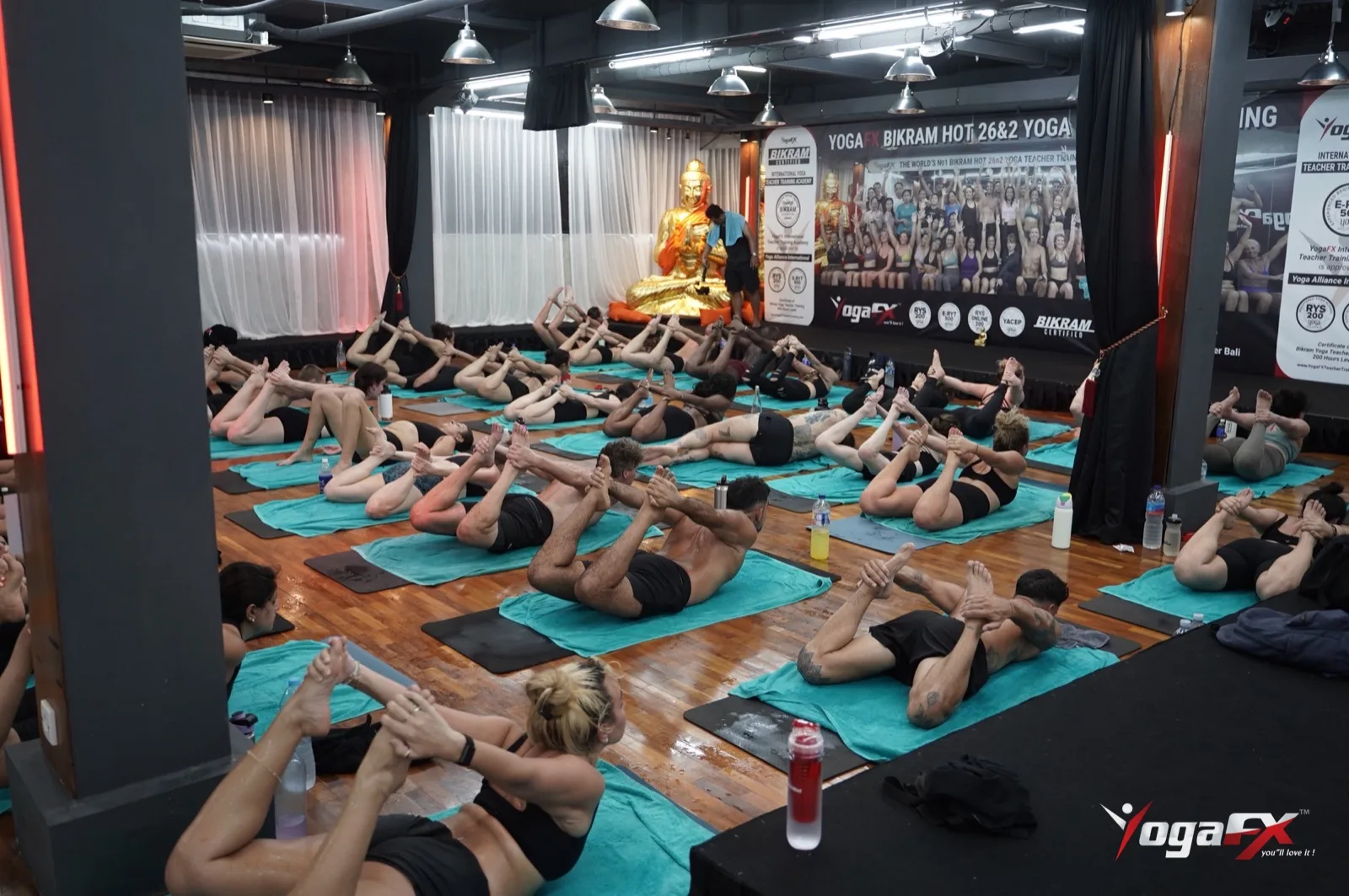
The short version is that YogaFX runs classes in Seminyak and Canggu, both open from 06:00 to 22:00 every day. Each class follows the Hot 26&2 standard of about 40°C and 40% humidity, and the warmth comes from Bali’s tropical climate.
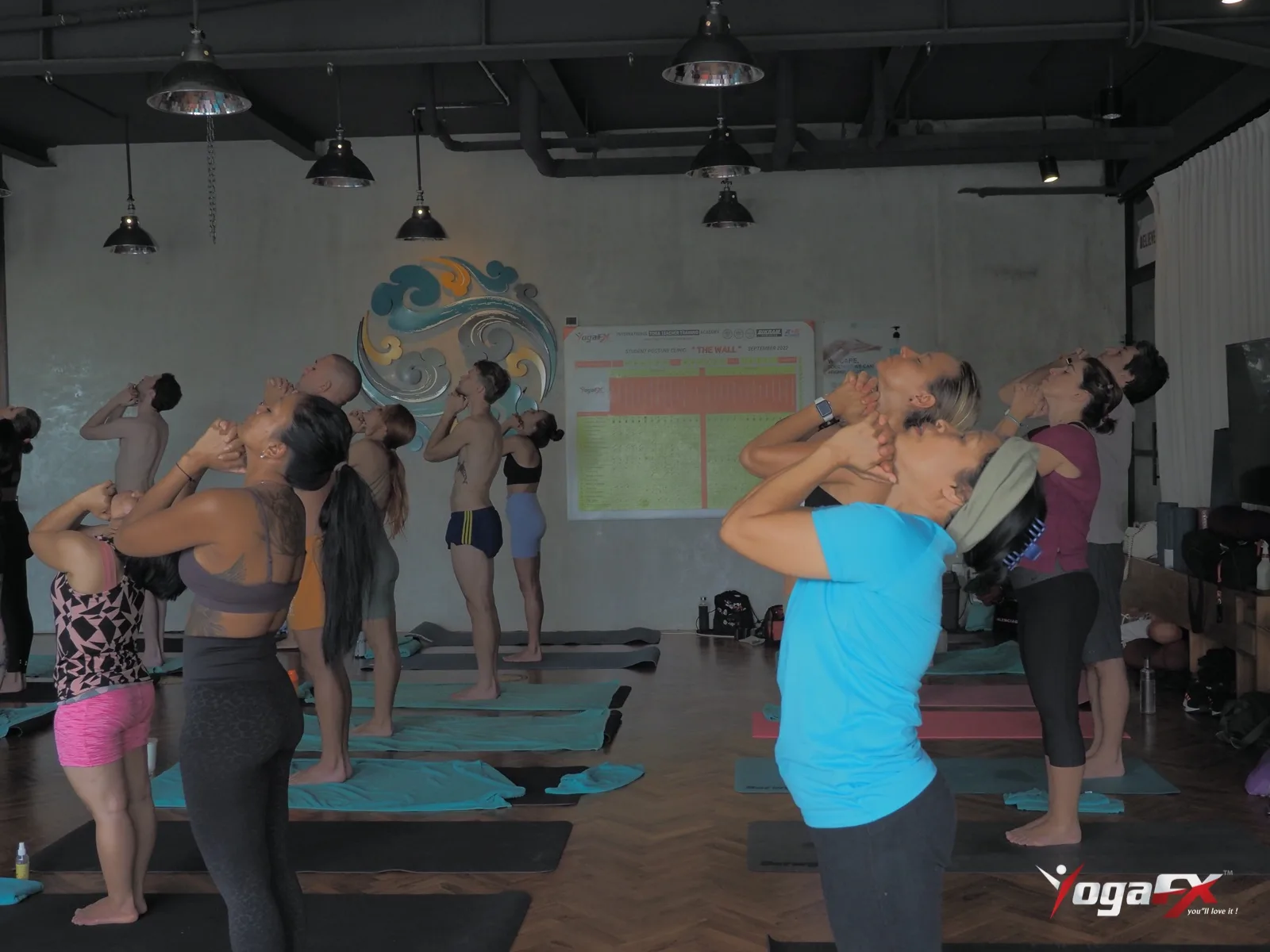
So what is hot yoga in Bali, and why would a UK reader care? Some people try a local class, fall for the method and then wonder how teachers learn it.
YogaFX has run since 2017 and is a Yoga Alliance Registered Yoga School, with more than 1,500 graduates from over 80 countries. The next Bali intensive checks in on Sunday 24 January 2027 and checks out on Friday 29 January 2027, with the online pre-course done at home first.
If you are weighing it up, our article on yoga teacher training in Bali vs the UK covers time off work, travel and what to compare. Training grants two certificates: Yoga Alliance RYT 200-Hour and the Bikram Hot 26&2 200-Hour International Yoga Certification.
What Students Say After Their First Weeks
Numbers and temperatures only tell you so much about what is hot yoga really like. These are words from students who trained with us, in their own reviews.
“I’m deeply grateful for the experience, the teachings, and the space that Mr Ian, Miss Ivara and the entire team at YogaFX created for us to grow.”
Erick, in his 2024 YouTube graduation video, said the training changed his brain, his mind, his body and his future. You can watch it here.

A trainee in our 2018 YouTube review, filmed in Manila, thanked the teachers for the “positive vibes” and good energy they brought to the room. These are teacher-training students, but the warmth they describe is the same atmosphere you meet in a regular class.
Key Takeaways on What Is Hot Yoga
- What is hot yoga? Yoga in a deliberately warm room, usually 30 to 40°C.
- UK rooms are heated by machines. Ask any studio for its temperature and humidity.
- Research is promising but young. Treat headline figures as signs, not guarantees.
- Know the NHS warning signs. Stop, cool down and get help if you feel unwell.
- Start gently. Rest freely in your first month and build up slowly.
FAQ
What is hot yoga good for?
Hot yoga may help with flexibility, stress and general fitness, and some early research suggests mood benefits too. The evidence is still young, so it works best as one part of an active week. It does not replace medical care, and anyone with a health condition should check with a doctor first.
How hot is hot yoga in the UK?
UK studios set their own temperatures, so ask before you book. The original Hot 26&2 standard is about 40°C with roughly 40% humidity, while flow and pilates rooms are often cooler. Humidity changes how hot it feels, so a damp room at 35°C can feel tougher than a dry one.
Who should not do hot yoga?
Speak to a doctor first if you have a heart condition, blood pressure problems, a history of heat illness or a pregnancy, or if you take medication that affects heart rate or hydration. Everyone else should still start gently, drink well beforehand and leave the room whenever they feel dizzy or unwell.
What should I do after a hot yoga class?
Rehydrate with water, eat something light and keep warm as your body cools, which matters on a cold British evening. Give yourself time before driving if you feel light-headed. If dizziness, nausea or a pounding headache lasts, follow the NHS heat exhaustion advice and call 111 for guidance.
Is hot yoga like a sauna?
Not really. A sauna asks you to sit still in dry heat, while hot yoga makes you move and work in a warm, often humid room. Your heart rate and sweat rate rise because of the effort as well as the temperature, so the experience and the risks are different.
Still have questions? Message Mr. Ian and the YogaFX team on WhatsApp and we will answer them personally: WhatsApp +62 811 3888 330.