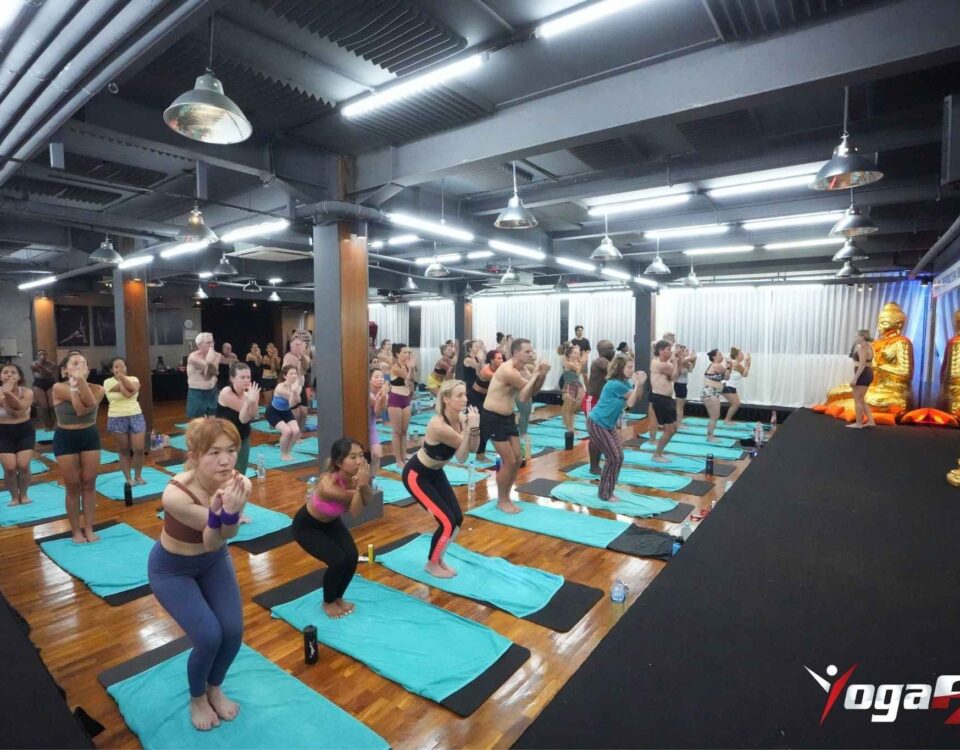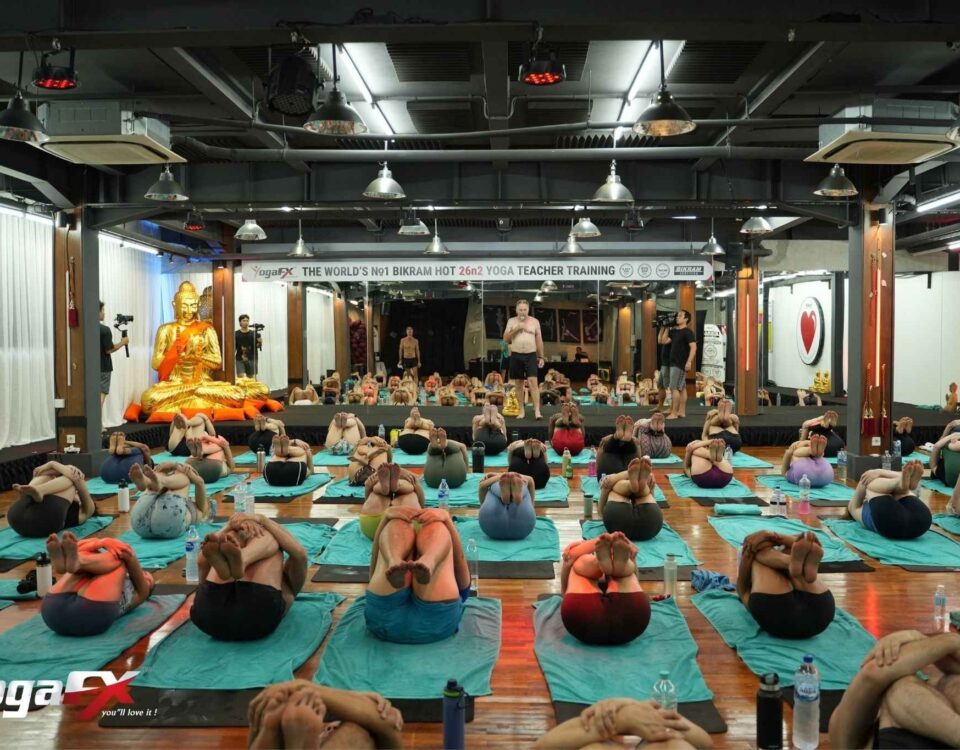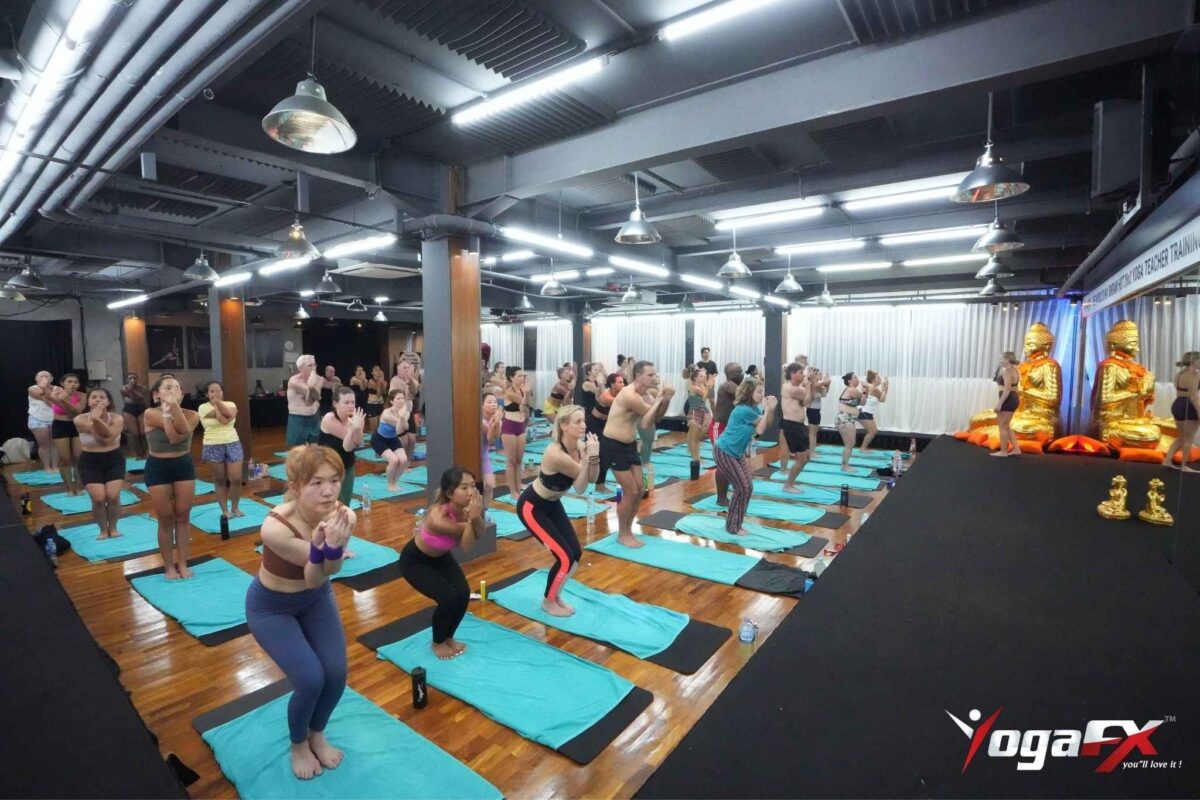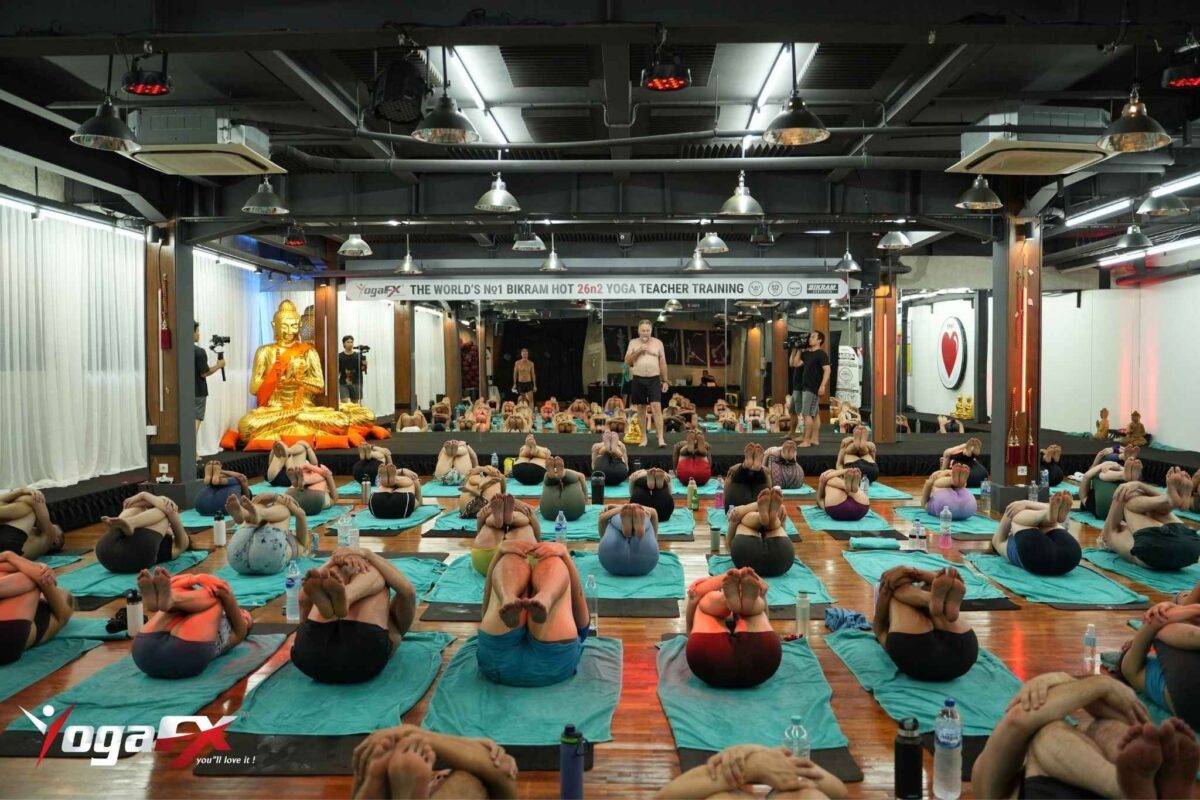

Choosing between hot yoga, regular yoga, and Pilates comes down to what you actually want out of a practice: cardiovascular intensity, flexibility gains, or core-focused control. Here’s an honest comparison based on what each practice actually does physically, not marketing claims.

In This GuideCalorie burn, flexibility and cardio demand compared
What Is Hot Yoga?
Hot yoga is practised in a room heated to roughly 35-40°C with added humidity. The heat allows for deeper, safer stretching and raises cardiovascular demand well beyond what the same postures produce at room temperature. The best-known style is Bikram, or Original Hot 26&2 Yoga, a fixed sequence of 26 postures and 2 breathing exercises performed identically every class.
Hot Yoga vs Regular Yoga
Regular yoga, practised at room temperature, covers styles like Hatha, Vinyasa, Ashtanga, and Yin, with a focus on breath, flexibility, and mindfulness.
| Feature | Hot Yoga | Regular Yoga |
|---|---|---|
| Room temperature | 35-40°C | 18-24°C |
| Calorie burn (90 min) | ~333-460 kcal | ~150-250 kcal |
| Flexibility gains | Faster, heat-assisted | Gradual |
| Cardiovascular demand | High | Low to moderate |
| Mental focus required | High, heat adds challenge | Moderate |
Neither is objectively “better.” Hot yoga suits people who want a stronger cardiovascular challenge and faster flexibility gains; regular yoga suits people who want a gentler entry point or prefer practising without heat. For what a 43-study review says about the benefits and risks of the heat itself, see our guide on whether hot yoga is good for you.
Hot Yoga vs Pilates
Pilates focuses on core strength, alignment, and small, controlled movements, done on a mat or Reformer machine. It’s widely used for posture correction and rehabilitation. Hot yoga works the full body, combining flexibility, endurance, and cardiovascular conditioning in one session.
| Feature | Hot Yoga | Pilates |
|---|---|---|
| Environment | Heated room | Room temperature |
| Focus area | Full body, flexibility, cardio | Core strength, posture |
| Calorie burn (90 min) | ~333-460 kcal | ~180-300 kcal |
| Equipment | Yoga mat, towel, water | Mat or Reformer machine |
If your priority is core stability and rehab-friendly movement, Pilates is the stronger fit. If it’s cardiovascular conditioning and full-body flexibility in one session, hot yoga does more in the same amount of time.
What The Research Actually Shows
A controlled study from the University of Wisconsin measured a 90-minute Bikram-style class burning an average of 333 kcal in women and 460 kcal in men, with participants reaching roughly 80% of their maximum heart rate throughout, comparable to a moderate-intensity cardio workout (Porcari et al., 2014). A separate 8-week trial found a 20% increase in posterior chain strength alongside measurable flexibility gains among Bikram-style practitioners (Tracy & Hart, 2013). These figures are specific to controlled studies of the practice, not marketing estimates, which is worth knowing given how widely calorie-burn numbers get inflated online.
This article is for general information and doesn’t replace advice from a qualified healthcare professional. If you have a cardiovascular condition, are pregnant, or are new to exercising in heat, talk to your doctor before choosing between these practices.
Trying Hot Yoga with YogaFX in Bali
If the comparison above has you leaning toward hot yoga, YogaFX teaches the Original Hot 26&2 sequence in genuine tropical Bali heat across studios in Seminyak and Canggu, under Mr. Ian Terry, E-RYT 500, who has logged more than 12,000 teaching hours and trained for five years, from 2014 to 2019, directly with Bikram Choudhury, the founder of the Bikram Hot 26&2 method. For a full breakdown of what the sequence itself involves, see our guide to hot yoga postures, and if you’re brand new to the practice, our hot yoga for beginners guide covers how to prepare for your first class.
FAQ
Does hot yoga burn more calories than regular yoga?
Yes, generally. Controlled research on 90-minute Bikram-style sessions found an average of 333-460 kcal burned, noticeably higher than most room-temperature yoga styles, which tend to be lower intensity.
Is hot yoga safer or riskier than Pilates?
Both are generally safe for healthy adults. Hot yoga adds heat-related considerations like hydration and cardiovascular load, while Pilates carries lower cardiovascular demand but less flexibility benefit. People with health conditions should check with a doctor before either.
Can I do hot yoga and Pilates in the same week?
Yes, many practitioners combine both, using Pilates for core and rehab work and hot yoga for cardiovascular conditioning and flexibility, as long as recovery time between sessions is adequate.
Which is better for weight loss, hot yoga or regular yoga?
Hot yoga tends to burn more calories per session due to the added cardiovascular demand from the heat, making it a stronger standalone option for weight management goals compared to most regular yoga styles.
Feeling inspired? Don’t wait!
Now is the perfect time to become a certified yoga teacher.