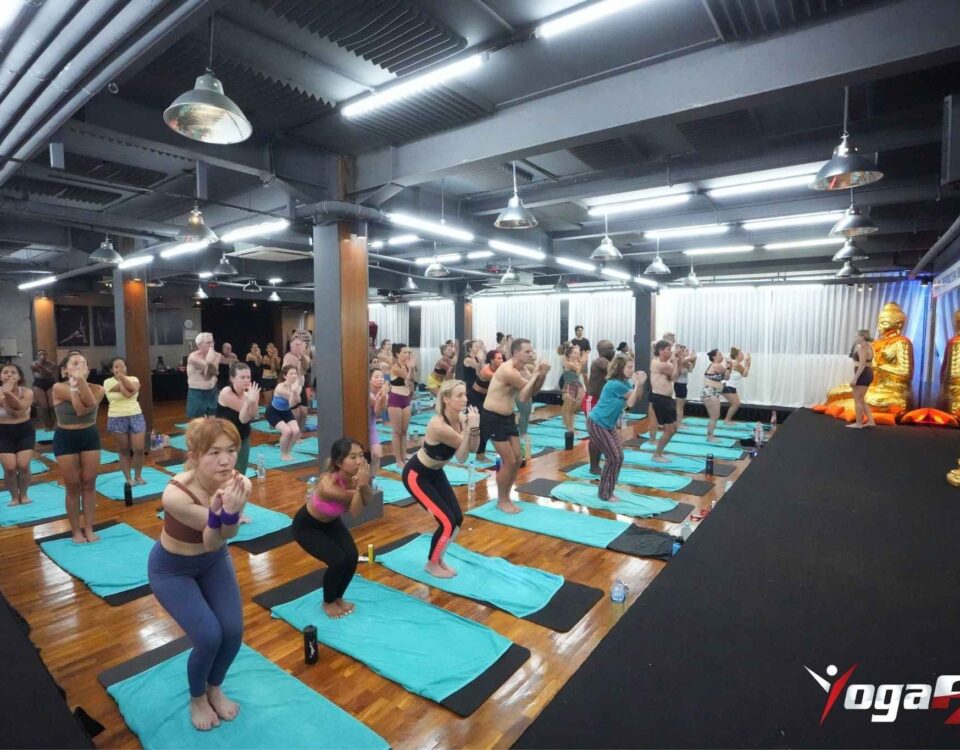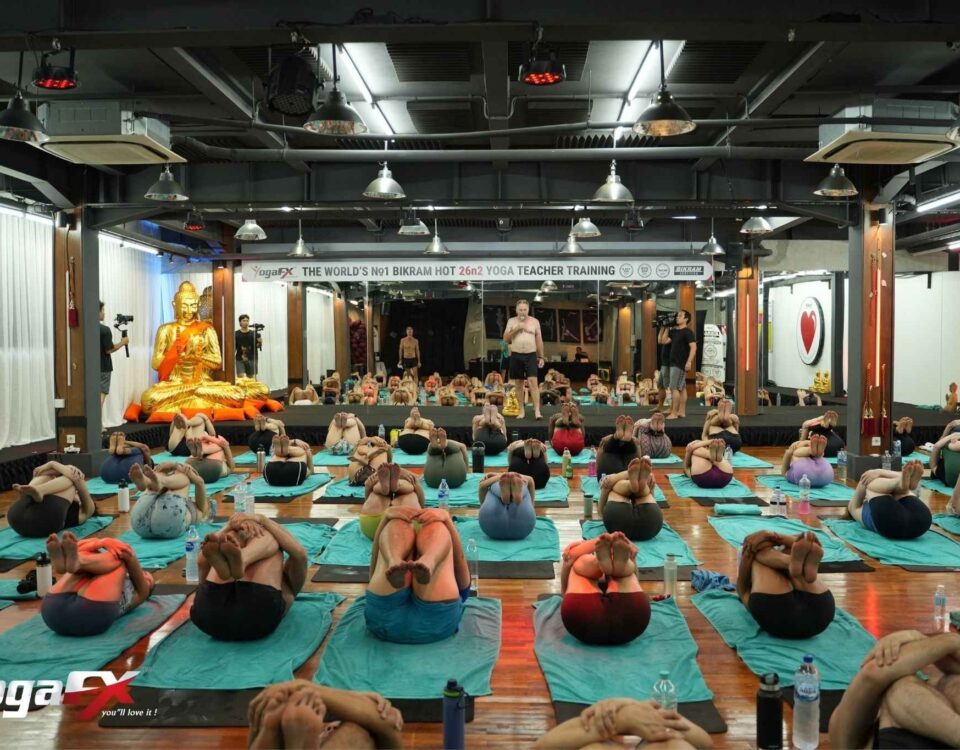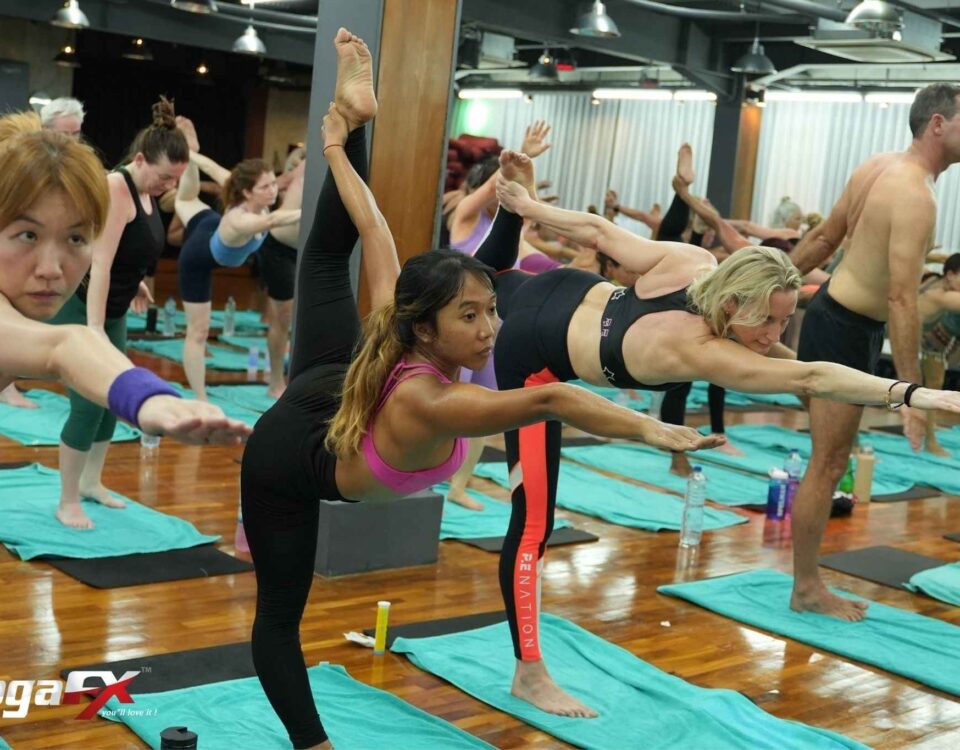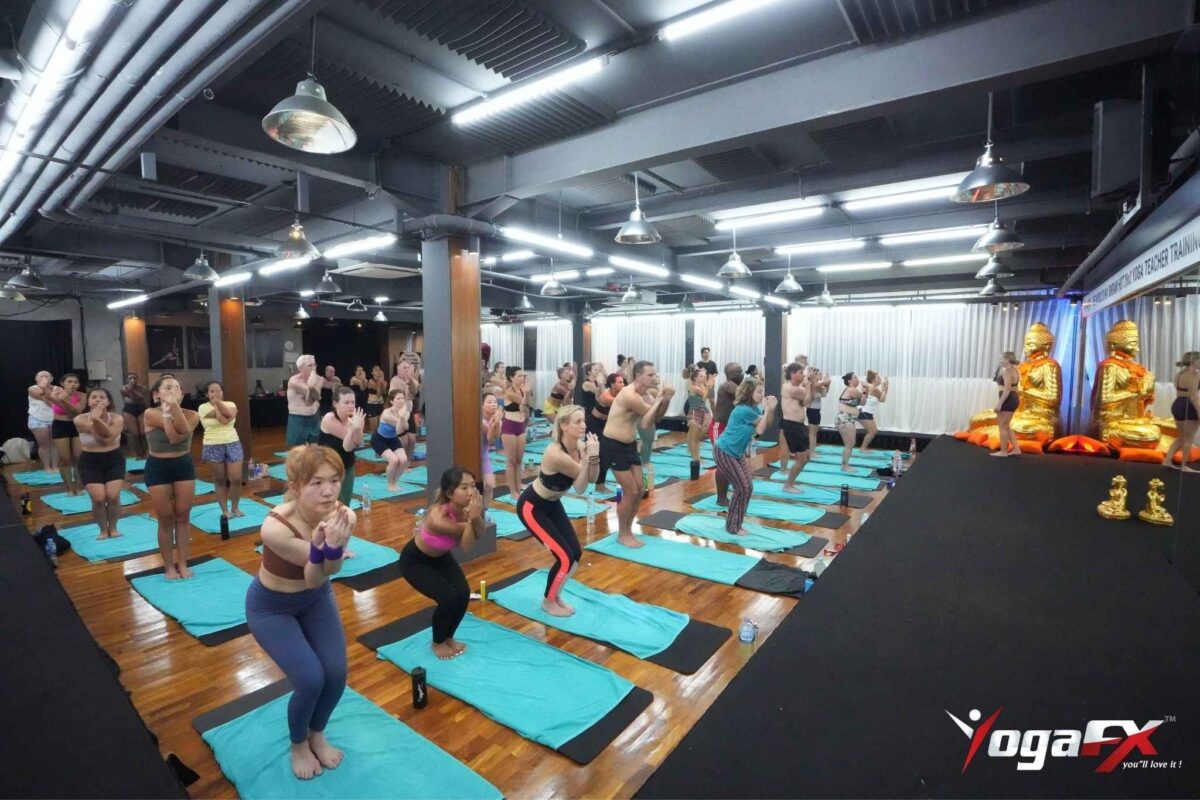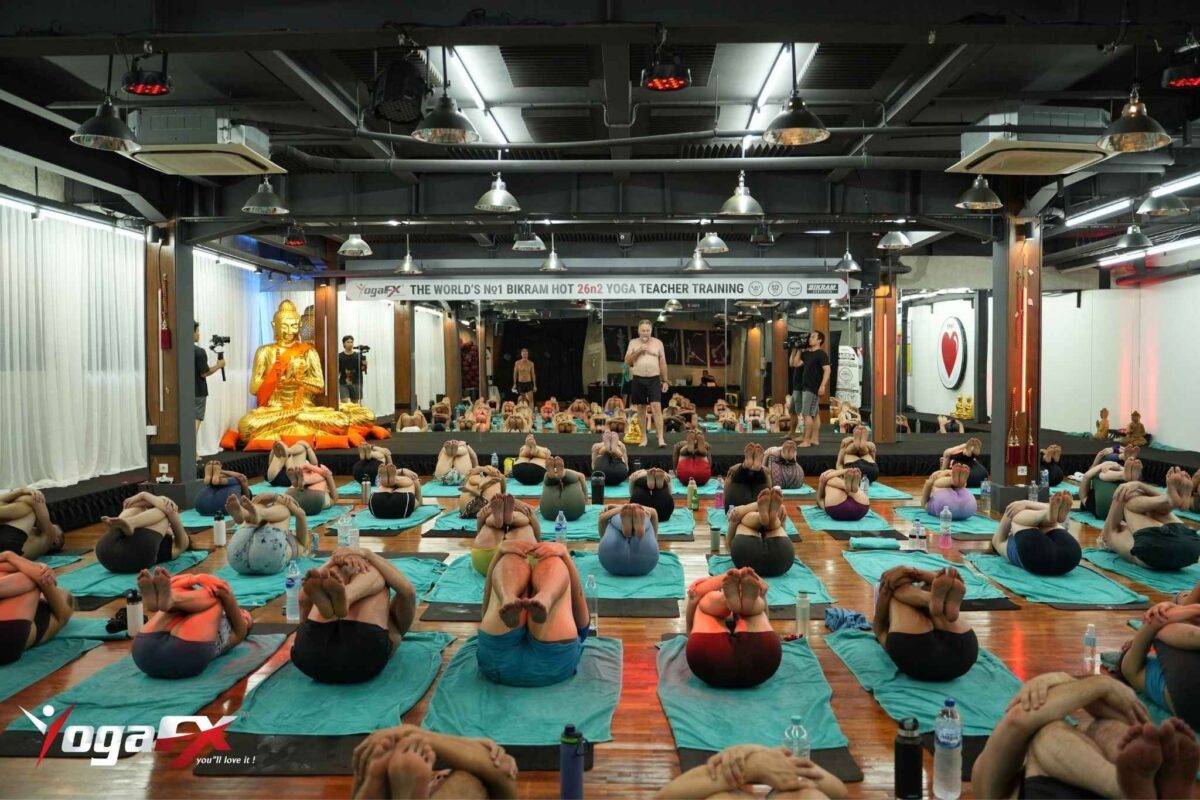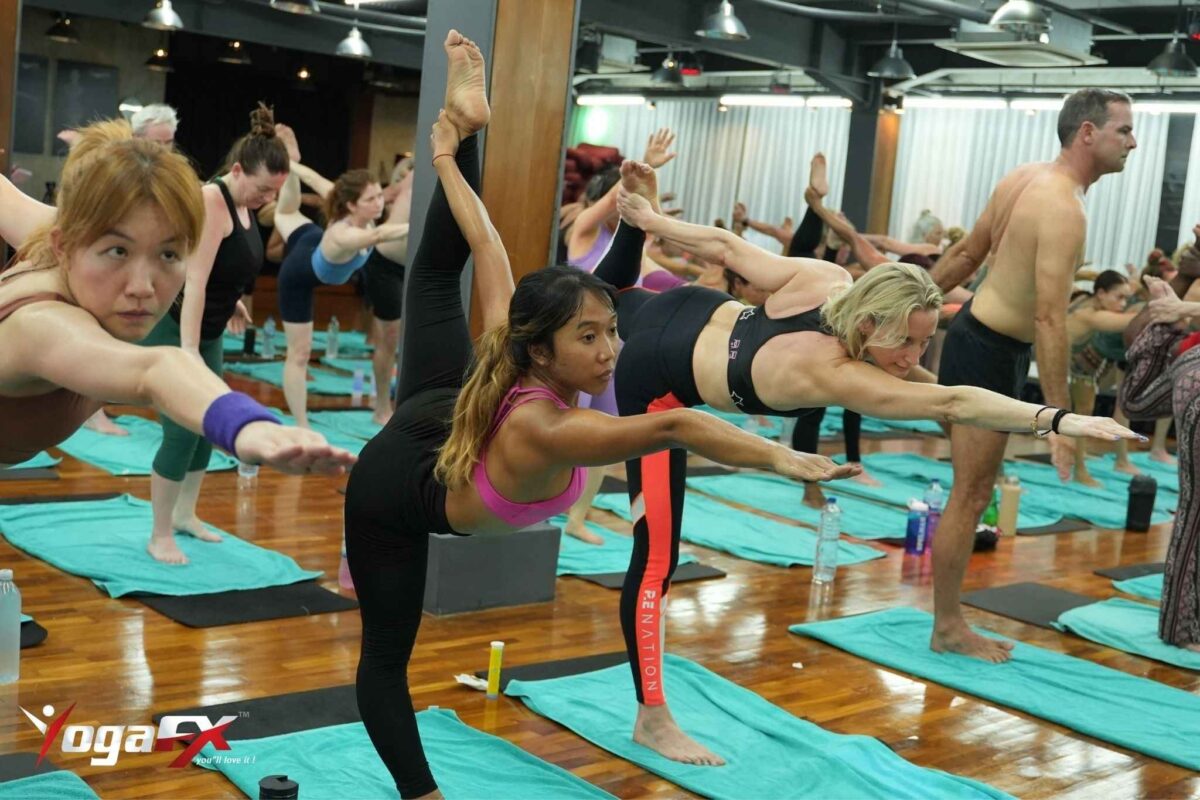
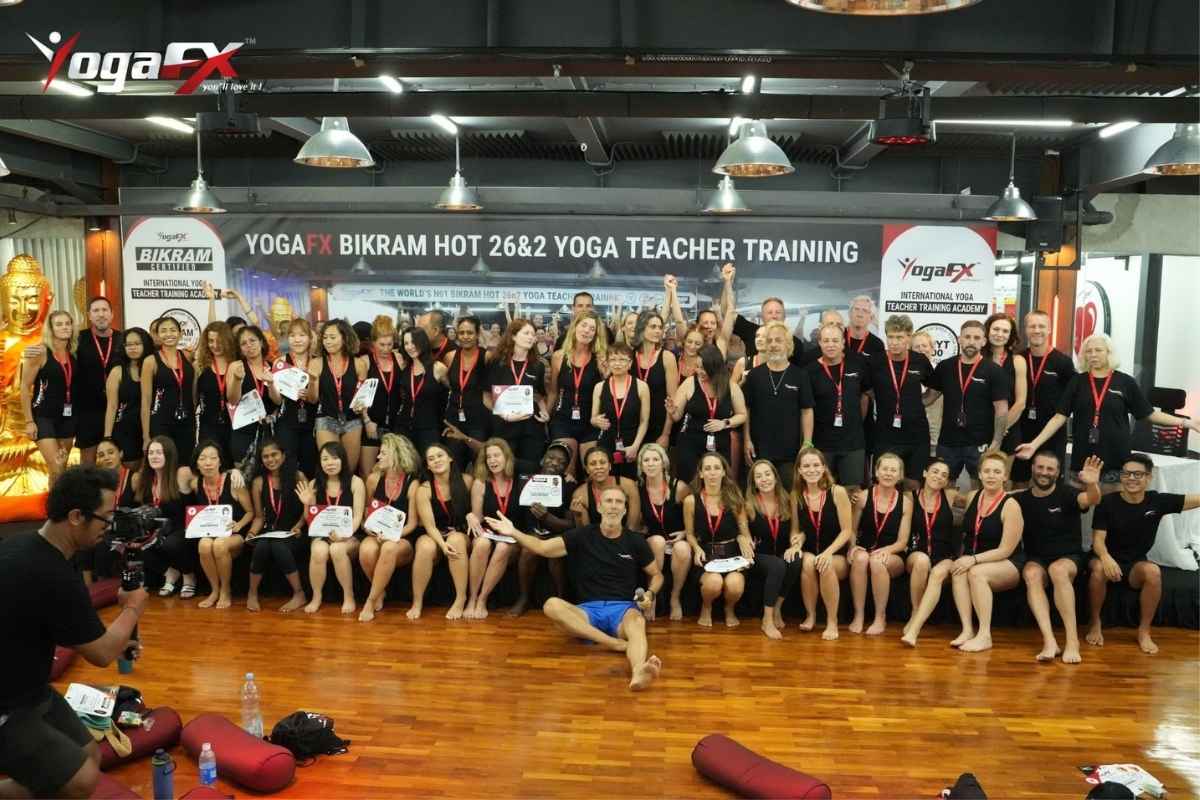
A bikram yoga certification is a Yoga Alliance-registered credential, usually RYT 200, earned by completing a minimum of 200 training hours across asana technique, anatomy, teaching methodology, philosophy, and supervised practicum, with the added requirement of learning the fixed Bikram-style dialogue.

What you actually walk away with is a registered teaching credential plus, in many programmes, a second Bikram-specific certification proving you can deliver the scripted 26-posture sequence. The two aren’t the same thing, and understanding the difference matters before you enrol.
Before committing to any programme, it’s worth checking Yoga Alliance’s public school directory directly rather than relying solely on marketing copy. A quick search confirms whether a school actually holds current RYS status, which is the single fastest way to rule out a course that oversells its accreditation.
In This GuideWhat the credentials prove and what to check before enrolling
What’s Actually Included in a Bikram Yoga Certification
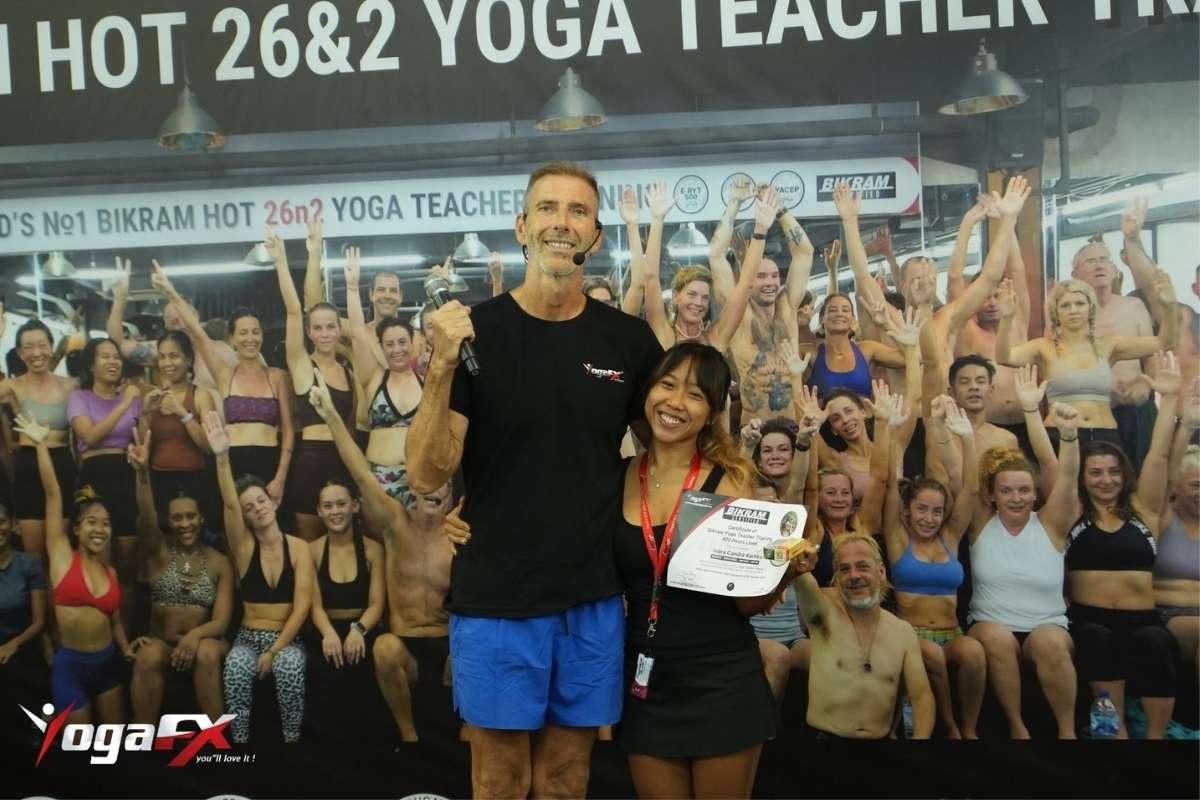
Most programmes bundle a bikram yoga certification into two documents. The first is your Yoga Alliance RYT 200 registration, the industry-standard credential that lets you register as a teacher and eventually teach any style. The second, where it exists, is a Bikram or Hot 26&2-specific certificate confirming you completed the dialogue and heated-room components.
Not every course offers both. Some generic 200-hour trainings touch on heated practice without ever certifying you in the specific Bikram dialogue and sequence, which matters if your goal is to teach at a studio that runs scripted classes. Always check what’s actually named on the certificate before you assume it covers Bikram-style teaching specifically.
The registration process itself happens in two steps that candidates sometimes conflate. Completing the training and receiving a certificate from your school is step one. Registering that certificate with Yoga Alliance yourself, so you appear in their public directory as an RYT, is step two, and it doesn’t happen automatically. Most schools explain this clearly, but it’s worth confirming directly if it isn’t mentioned during enrolment.
Continuing education also enters the picture after you’re certified. Yoga Alliance requires ongoing hours to keep your registration active, which is separate from the original 200-hour certification itself. A bikram yoga certification, in other words, is the starting credential, not a one-time document you file away and forget.
Why the Dual Certification Matters for Getting Hired
UK studios and gyms hiring for heated, dialogue-based classes tend to ask a specific question during interviews: can you deliver the scripted sequence, not just teach yoga generally. A plain RYT 200 credential doesn’t answer that question on its own, since it certifies a broad teaching foundation rather than the specific skill of delivering a fixed 90-minute script while reading a room.
| Credential | What It Proves | What It Doesn’t Prove |
|---|---|---|
| RYT 200 only | 200-hour Yoga Alliance-registered training foundation | Ability to deliver Bikram-style scripted dialogue |
| RYT 200 + Bikram/Hot 26&2 | Foundation plus verified dialogue delivery and heated-room competency | N/A within scope, though continuing education still applies |
| Bikram-specific only (rare) | Dialogue delivery competency | Broader Yoga Alliance registration and directory listing |
This is why the dual credential tends to open more doors specifically for heated-class roles. It signals to a hiring studio that they don’t need to spend weeks retraining you on the dialogue before you can run a scheduled class independently, which is a meaningful time and cost saving from their side of the hire.
The Research Behind Why the Hours Matter
Yoga Alliance’s 200-hour minimum isn’t an arbitrary number. A 2025 systematic review of 43 studies and 942 participants found that heated yoga practice produces measurable, consistent gains in flexibility, bone density, and general well-being, but only with regular, sustained practice rather than a handful of sessions (Willmott et al., 2025). Certification hours are built to reflect that reality.
A separate study measured a 20% increase in posterior chain strength after a structured programme of heated practice (Tracy & Hart, 2013), which is part of why practicum hours are supervised rather than self-reported. This is general research on heated yoga, not individual medical guidance, so anyone with a cardiovascular condition should check with a healthcare professional before enrolling in an intensive format.

RYT 200 vs Bikram Hot 26&2: Two Certifications in One
RYT 200 is the credential recognised industry-wide. It’s what lets you register with Yoga Alliance, appear in their teacher directory, and legally market yourself as a certified instructor for any style built on that 200-hour foundation. On its own, though, it says nothing about whether you can deliver the Bikram-specific dialogue.
A dual certification, RYT 200 plus a Bikram or Hot 26&2-specific credential, is what actually signals to a studio that you can run their scripted class from day one. Studios hiring for heated, dialogue-based classes routinely ask about the second credential specifically, not just RYT 200 status, since the dialogue is a distinct skill the generic certification doesn’t test.
What to Check Before You Enrol
- Yoga Alliance registration status. Confirm the school is a Registered Yoga School (RYS), not just claiming Yoga Alliance alignment. RYS status is what makes your future registration as an RYT actually possible.
- Whether Bikram-specific dialogue is actually certified. Ask explicitly, since some 200-hour courses cover heated practice generally without separately certifying the dialogue. Get this confirmed in writing before you pay a deposit.
- Practicum hour structure. In-person, supervised teaching hours are non-negotiable for Yoga Alliance registration, regardless of how much theory is online. Ask how many hours are supervised versus self-directed.
- What the certificate actually says. Read the exact wording before you enrol, not after, so you know precisely what you’ll be able to claim once you graduate. Certificates that just say “yoga teacher training” without naming Bikram or Hot 26&2 specifically are a signal to ask more questions.
These four checks catch most of the confusion candidates run into after the fact. For a full breakdown of the actual programme structure behind these certifications, see our complete hot yoga teacher training certification guide.
Is a Bikram Yoga Certification Recognised in the UK?
Yoga Alliance operates internationally, so an RYT 200 earned through a Bali-based programme carries the same registration weight as one earned at a UK school. The credential isn’t tied to the country where you trained, only to the school’s Registered Yoga School status and the hours you completed.
What varies more is how individual UK studios and gyms perceive training location, which has nothing to do with formal recognition and everything to do with hiring preference. Some studios specifically value training in the natural heat the method was designed around, treating it as a stronger signal of readiness than a UK studio using electric heaters. Others simply want to see the RYT 200 and Bikram-specific credentials on paper, regardless of where you earned them.
If you’re specifically weighing UK-based training against travelling for a hybrid programme, our Bali versus UK teacher training comparison breaks down how recognition, cost, and hiring perception actually differ between the two.
Which Certification Path Fits Your Goal
If you’re a career changer looking to teach professionally at a UK studio, the dual RYT 200 plus Bikram-specific certification is worth prioritising even if it costs slightly more than a generic 200-hour course. The narrower credential does more work for you in an interview, and it removes the awkward gap where you’re technically certified but can’t actually run the class a heated-yoga studio needs.
If you’re a serious practitioner certifying mainly to deepen your own understanding rather than to get hired immediately, either path gets you real value. What matters more in that case is the quality of the anatomy and dialogue instruction itself, not which specific piece of paper you end up holding, since you’re less likely to be evaluated against a studio’s hiring checklist right away.
How YogaFX‘s Certification Works
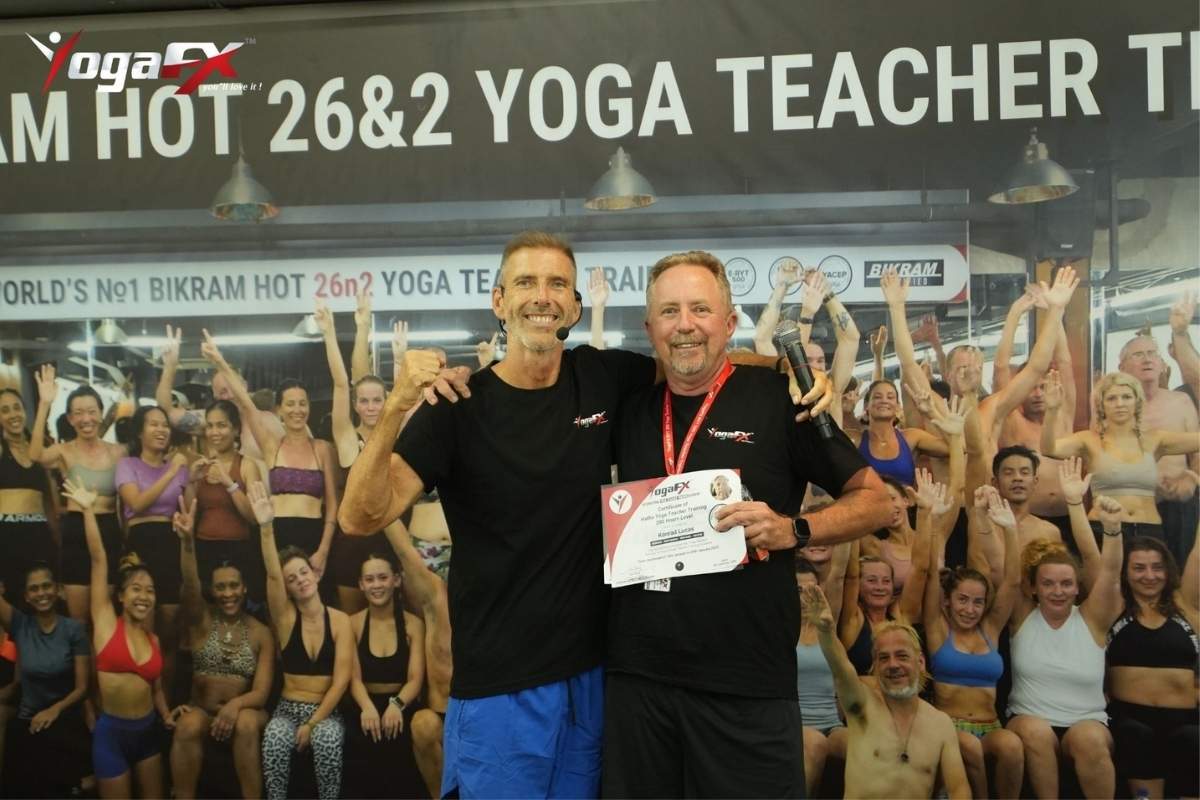
YogaFX issues both credentials from the same 6-day hybrid intensive in Seminyak, Bali: Yoga Alliance RYT 200 registration and a separate Bikram Hot 26&2 certification confirming dialogue delivery competency. The programme is led by Mr. Ian Terry, an E-RYT 500 instructor with more than 12,000 teaching hours who trained for five years, from 2014 to 2019, directly with Bikram Choudhury, the founder of the Bikram Hot 26&2 method.
Practicum is genuinely supervised rather than a formality. Graduates leave with both certificates in hand, not a promise that paperwork will follow, which is a distinction worth asking about at any school you’re considering.
Both credentials come as part of the same enrolment fee, priced at USD 1,999-2,199 (Early Bird 1,899, limited seats) depending on accommodation package, rather than as a paid add-on you have to request separately. That’s not universal across the industry. Some schools charge extra for the Bikram-specific certificate on top of a base RYT 200 fee, so it’s worth confirming pricing structure alongside everything else before you compare quotes between programmes. If you have already paid a deposit through Tripaneer, our latest update for Tripaneer deposit payers explains where things currently stand.
The value of paying for the dual credential upfront tends to show up later rather than immediately. Graduates who hold both documents typically spend less time in the job search explaining what their certificate actually covers, since the paperwork answers the question a hiring studio would otherwise have to ask in an interview.
If you want the full picture of how this certification fits into the UK market and what it costs compared to other options, our complete UK guide to Bikram yoga teacher training and our cost breakdown for traditional versus hybrid programmes cover both in detail.
Keeping Your Certification Active After You Graduate
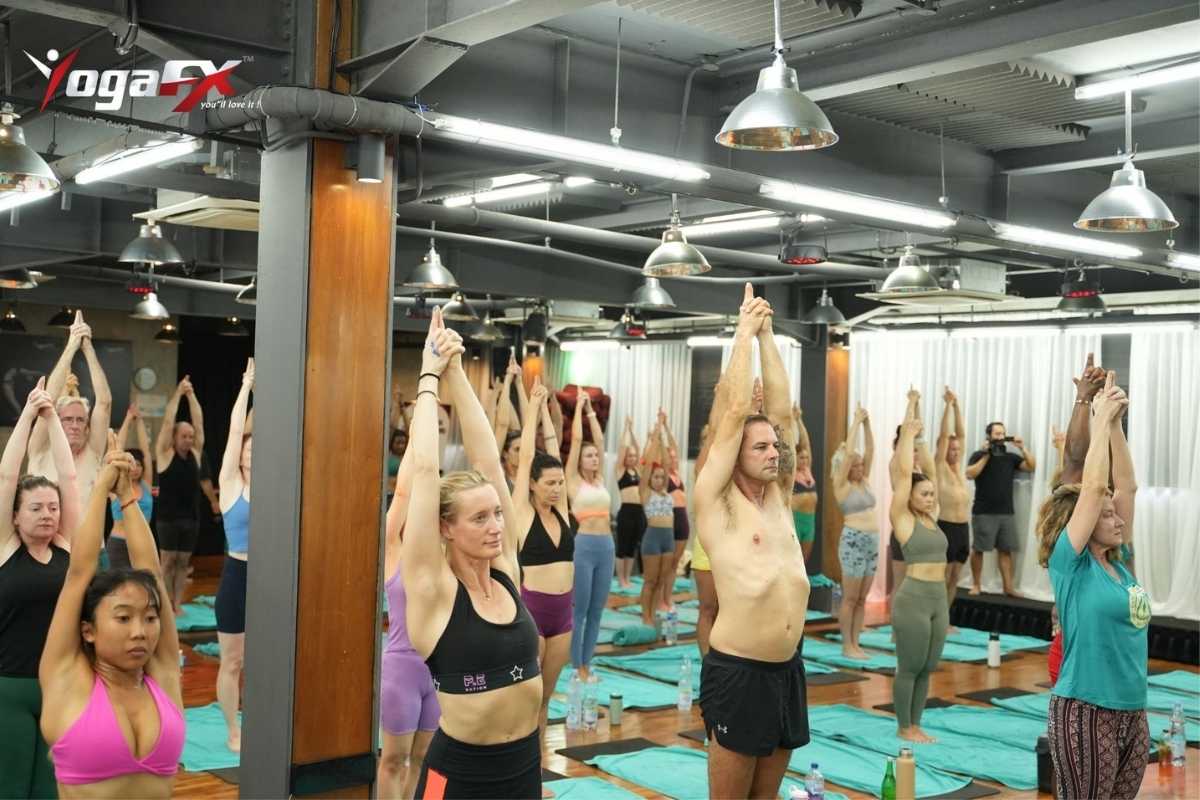
Certification isn’t a one-time event you file away. Yoga Alliance requires RYTs to log continuing education hours periodically to keep their registration active and remain listed in the public teacher directory, which is how most studios verify a candidate’s credential before hiring.
Letting registration lapse doesn’t erase your original training, but it does mean you drop out of the searchable directory studios often check. Reactivating typically means logging back-dated continuing education hours, which is more admin than simply staying current in the first place.
Continuing education requirements also apply separately to any Bikram-specific credential, depending on the school that issued it. Ask your training provider directly what ongoing requirements, if any, attach to the dialogue-specific certification, since this varies more between schools than the RYT 200 renewal process does.
FAQ
Is a bikram yoga certification the same as official Bikram Choudhury certification?
No. Most bikram yoga certifications are delivered under separate instructors, not official Bikram Choudhury Teacher Training. YogaFX is a major Hot 26&2 (Bikram) yoga teacher training academy based in Bali, and it is not affiliated with Bikram Choudhury or Bikram’s Yoga College of India. These programmes certify the same 26-posture, 2-breathing-exercise method and dialogue tradition through Yoga Alliance, under their own leadership.
Do I get two certificates or one?
It depends on the school. Many programmes issue a Yoga Alliance RYT 200 credential plus a separate Bikram or Hot 26&2-specific certificate. Always confirm which documents you’ll actually receive before enrolling, since not every course certifies the dialogue separately.
How long is a bikram yoga certification valid?
The certification itself doesn’t expire, but Yoga Alliance RYT registration requires periodic renewal and continuing education hours to remain active in their directory. Check current renewal requirements directly with Yoga Alliance, as they’re updated periodically.
Can I get certified without prior Bikram yoga experience?
Most reputable programmes expect several months of consistent personal practice before enrolment, since practicum assumes a baseline of heat tolerance and postural familiarity. Courses build teaching skills from there, but they don’t typically start candidates from zero practice experience.