If you have searched “yoga for nervous system” from the UK, you are most likely one of two people: someone looking for a practice to calm a stressed-out week, or someone already deep into teacher training research who wants to understand the mechanism before committing money to a programme.
Both questions have the same answer underneath them, and it has more to do with heat and sequence structure than most UK studio marketing lets on. This guide covers what the research actually shows, why UK studio heat differs meaningfully from the conditions most of that research was conducted in, and what that gap means depending on which of those two groups you are in.
What “Nervous System” Actually Means Here
Your autonomic nervous system has two main settings. The sympathetic branch is your accelerator: faster heart rate, shallower breath, blood pushed toward muscles rather than digestion.
The parasympathetic branch is the brake, and it is what most people actually mean when they say they want a practice for “nervous system regulation.” They are not asking for a diagnosis.
They are asking for something repeatable that pulls them out of the low-grade alert that a long commute, a demanding job, and constant notifications tend to produce.
Not every yoga class does this equally well. Breath pacing, posture selection, room temperature, and how long a posture is held all change which branch of the nervous system gets activated and for how long the effect lasts afterward.
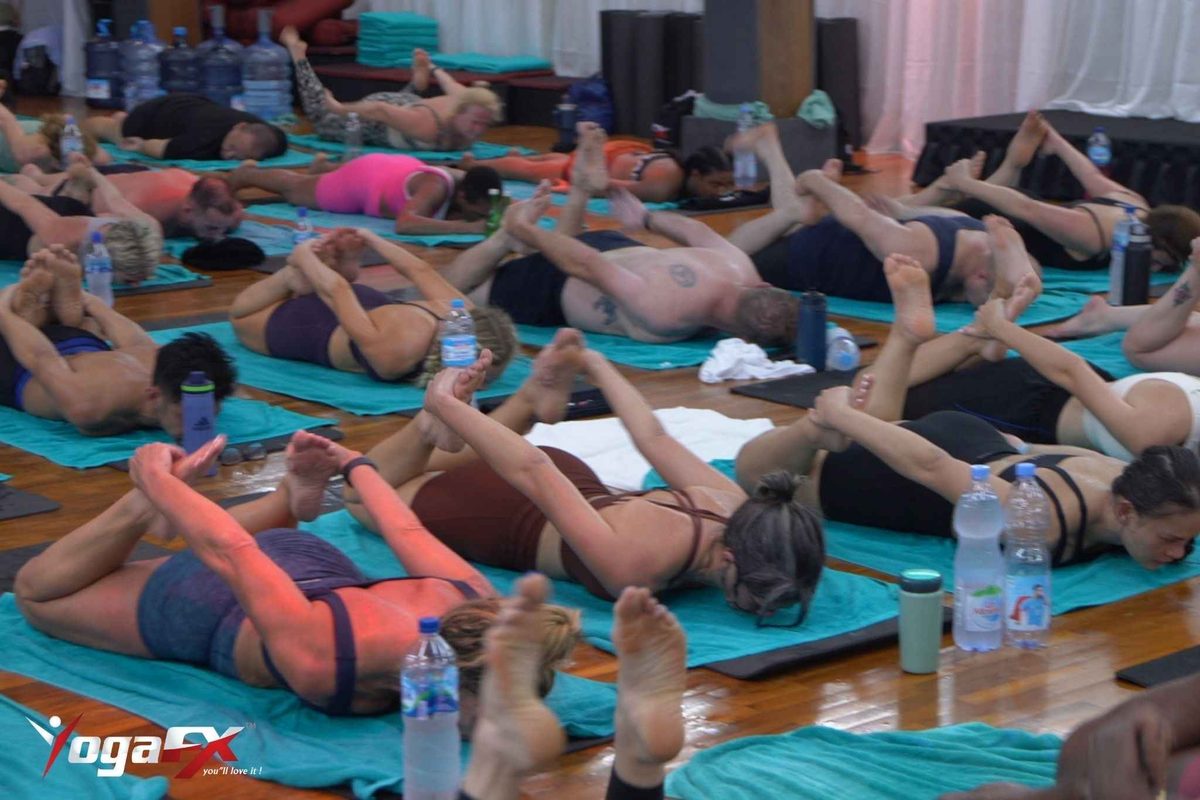
A fast-paced flow class and a 90-minute heated practice with a fixed sequence are doing genuinely different physiological work, even though a UK studio timetable might list both simply as “yoga.”
None of this replaces professional care. If you are managing clinical anxiety, panic disorder, or a diagnosed nervous system condition, speak with a GP or therapist before treating a yoga practice as your main intervention. What the research below supports is more specific and, for most people, more useful day to day: a structured practice can produce a measurable shift over weeks, not just relief for the hour you are on the mat.
This question also comes up a lot among UK-based career changers looking seriously at teacher training rather than just wanting a calmer week.
Leaving a demanding job to retrain as a yoga teacher is a significant decision, and understanding what actually happens physiologically during a heated practice, rather than relying on wellness-industry phrases, tends to separate candidates who choose a programme carefully from those who pick based on price or location alone.
If you cannot explain to yourself why the practice works, it is difficult to explain it convincingly to a future class.
What the Research Shows
A 2022 study on acute state-anxiety found measurable reductions after a single heated yoga session, isolating heat and structured movement as meaningful variables rather than crediting “yoga” generically (Hui et al., 2022).
A 2023 randomised controlled trial from Harvard-affiliated Massachusetts General Hospital tracked eight weeks of heated yoga practice and found clinically significant reductions in depression symptoms in roughly 60 percent of participants, with 44 percent reaching full remission (Nyer et al., 2023).
A broader systematic review covering 43 studies and 942 participants reinforces this across flexibility, bone density, and general well-being outcomes, not just mood (Willmott et al., 2025). Put together honestly: no single study proves yoga “fixes” nervous system dysregulation, and none of these researchers claim that.
What the evidence does show is a measurable, repeatable shift toward calmer physiological states when practice includes real heat exposure and a structured, non-improvised sequence, sustained over several weeks rather than a single class.

Common Mistakes That Undo the Effect
Plenty of people practise a regulation-friendly style regularly and still do not get much benefit from it, usually because of a specific habit rather than the practice itself failing.
- Skipping final relaxation. Leaving the mat the second class ends misses the exact window where the parasympathetic shift actually consolidates.
- Holding the breath under strain. Breath-holding during a difficult posture re-triggers a sympathetic response, working against the point of the posture. A long exhale matters more than a perfect shape.
- Practising inconsistently. The 8-week data cited above assumed a regular schedule. One class every few weeks feels good afterward but does not produce the sustained shift the research actually measured.
- Chasing the wrong heat source. A dry, unevenly heated room from wall-mounted electric units is a different physiological experience than genuine ambient heat, even at a similar thermostat reading.
None of these are complicated fixes. The nervous system does not need a complicated intervention; it needs a predictable one, repeated often enough that the body stops treating each session as a novel event requiring vigilance.
Why the UK Climate Makes This Harder to Replicate at Home
Here is the practical problem for UK practitioners specifically: the research above was largely conducted on heated practice, and most UK studios heat their rooms with electric units rather than genuine ambient heat.
Electric heaters tend to create uneven hot spots and drier air, which is a different physiological experience than the humid, consistent heat the studies were actually measuring.
It is not that UK studios are doing anything wrong; it is simply a climate reality that a temperate country cannot easily replicate indoors without artificial equipment standing in for what a tropical climate provides for free.
This becomes directly relevant if you are considering teacher training rather than just attending classes. A programme that trains you exclusively in an electrically-heated UK room will not necessarily prepare you to understand, or teach, the version of the practice that most of the nervous system research is actually describing.
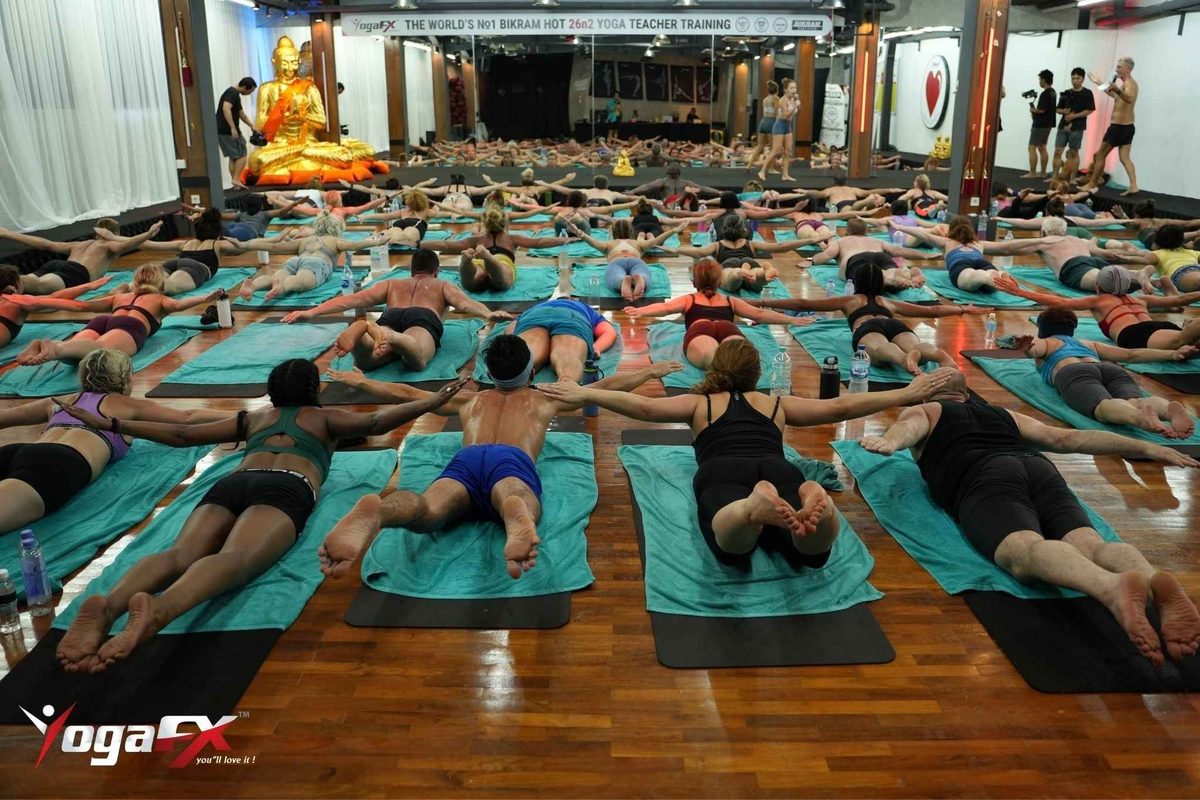
It is one of the practical reasons UK candidates often weigh a Bali-based intensive against a fully domestic programme, beyond just the appeal of training somewhere warm.
It is worth being fair to UK studios here: plenty run excellent classes, and electric heat is not a disqualifying flaw for someone who simply wants a good workout with a calming tail end.
The distinction matters most for two specific groups: practitioners chasing the exact regulation effect described in the research, and future teachers who want to understand the mechanism well enough to explain it honestly rather than repeat a claim they have not actually verified. For general fitness and stress relief, a well-run UK heated class still delivers real value.
Which Postures Are Actually Doing the Work
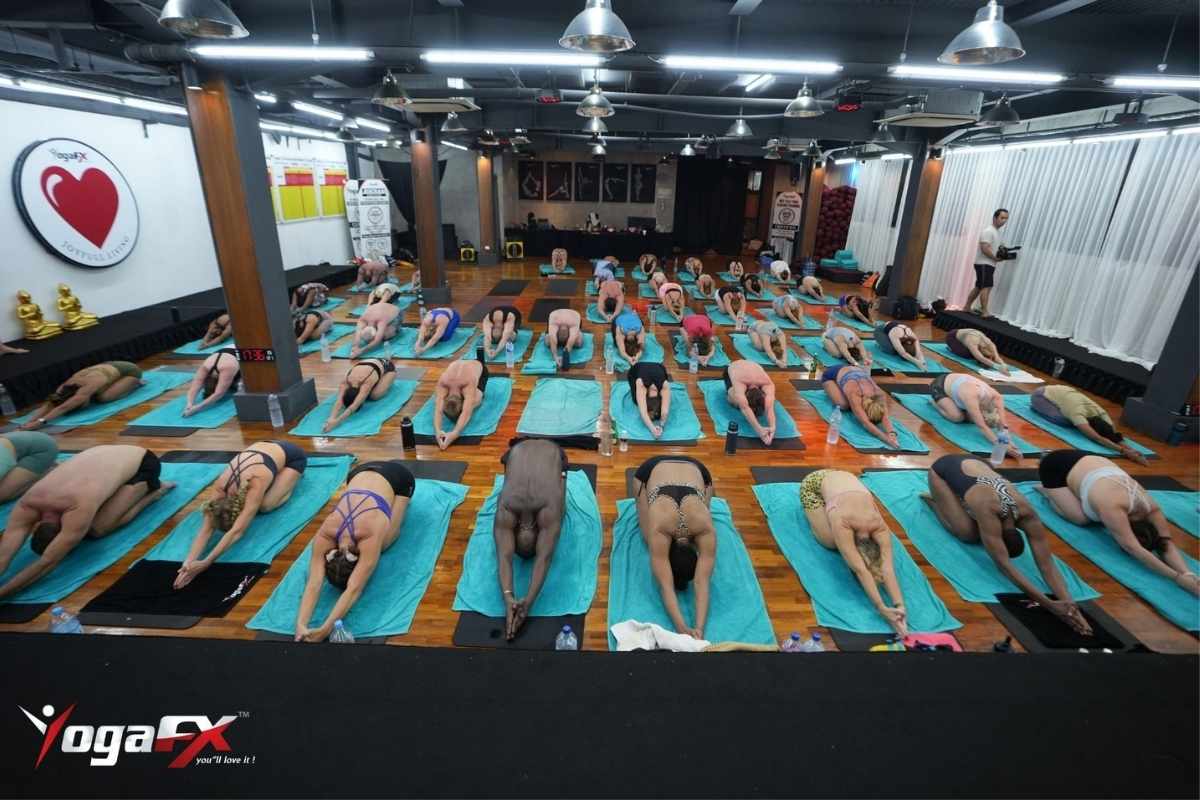
Standing postures early in a well-structured class raise heart rate and build heat on purpose, which is sympathetic activation, not a mistake in sequencing. It is the second half of the class, forward folds and longer holds, where the actual down-regulation happens.
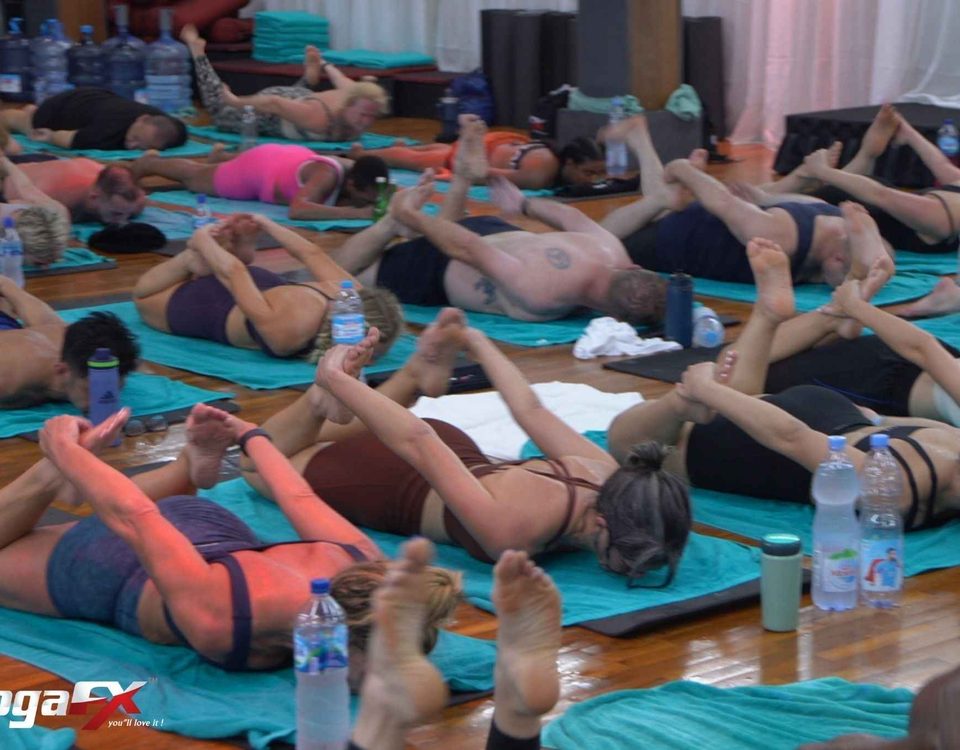
- Forward folds. Folding the torso toward the legs compresses the abdomen and lengthens the exhale, one of the more direct ways to cue the parasympathetic system via the vagus nerve.
- Extended holds. A posture held for a fixed count, rather than rushed through, gives the nervous system time to register safety rather than staying reactive.
- Final relaxation. The closing rest is where the body consolidates the shift the previous 80 minutes built toward, not a few spare minutes at the end of class.
A fixed, repeated sequence tends to outperform an improvised one here specifically because the nervous system is not spending attention anticipating what comes next, which frees it to actually downshift. Our full breakdown of what the peer-reviewed research says about hot yoga goes deeper into the evidence behind this if you want it, and our history and research overview of Original Hot Yoga covers the same studies in more depth.
If You Are Considering Teaching This Rather Than Just Practising It
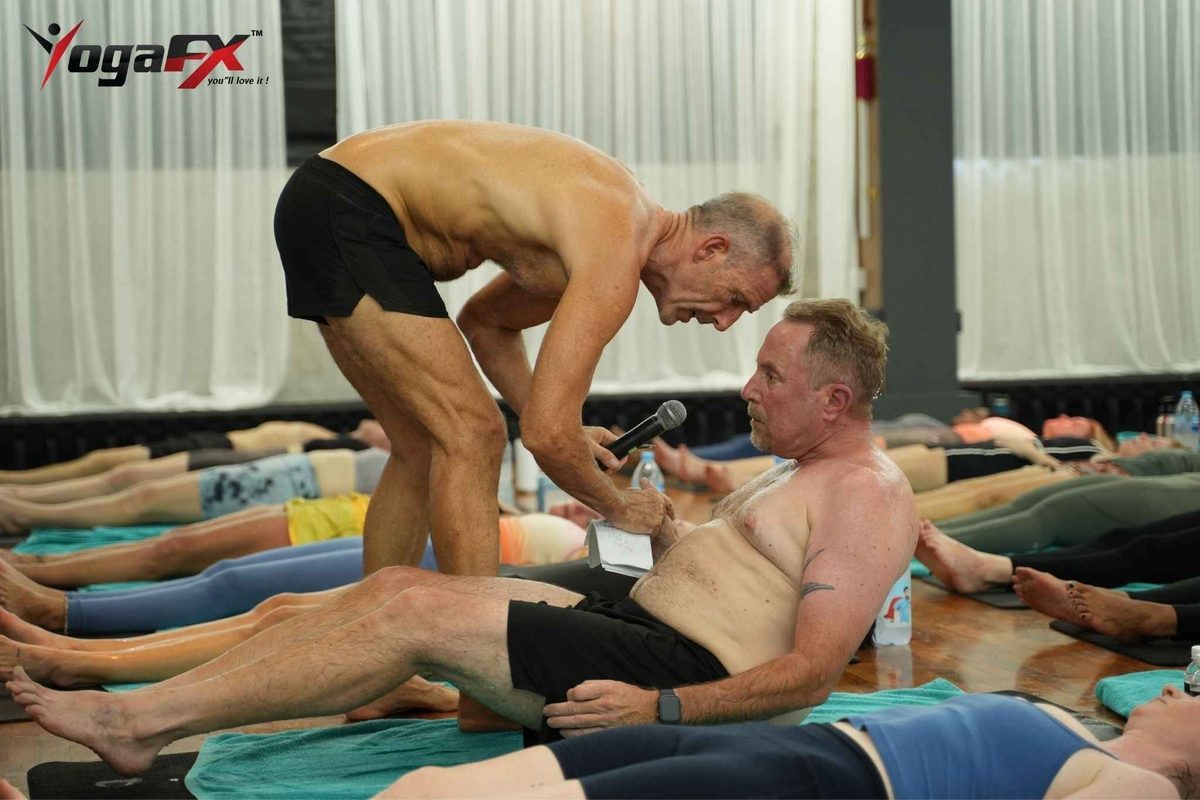
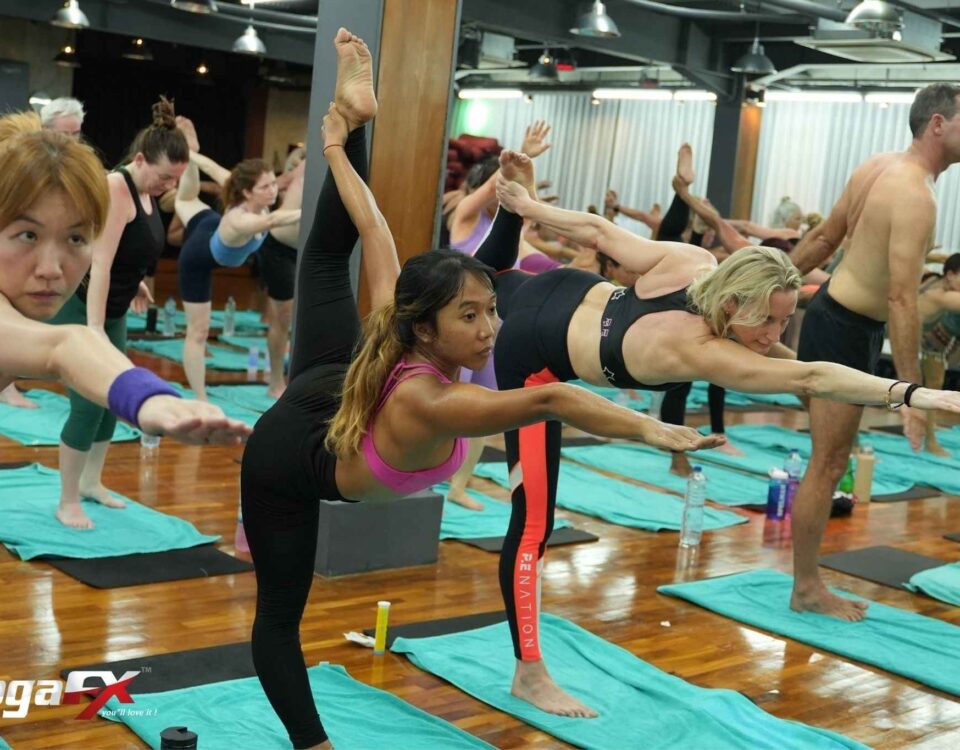
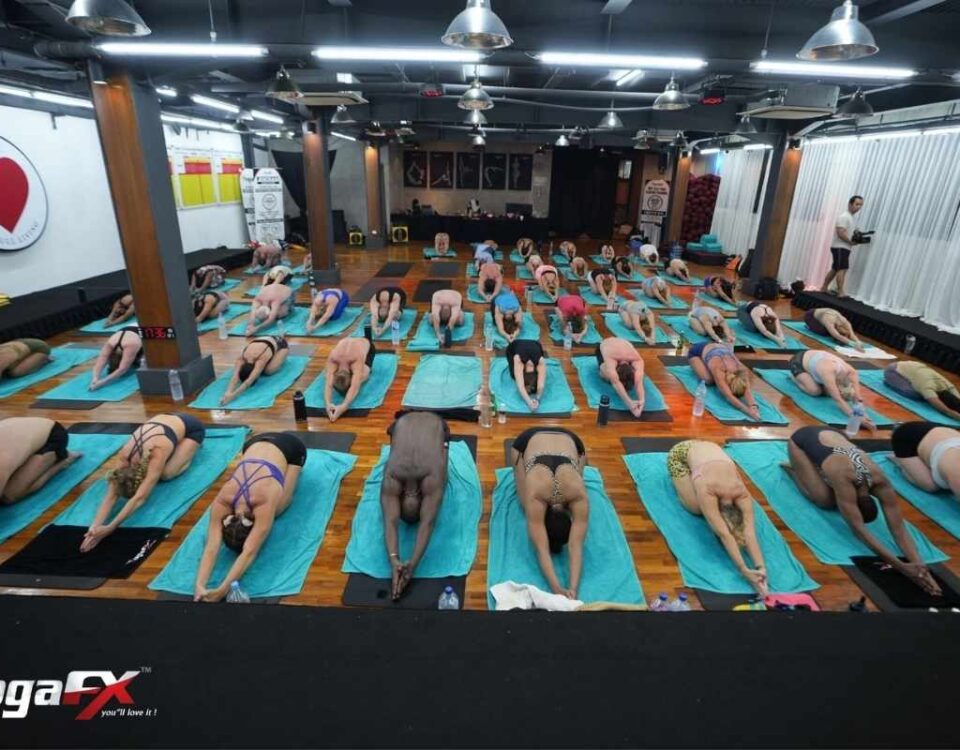
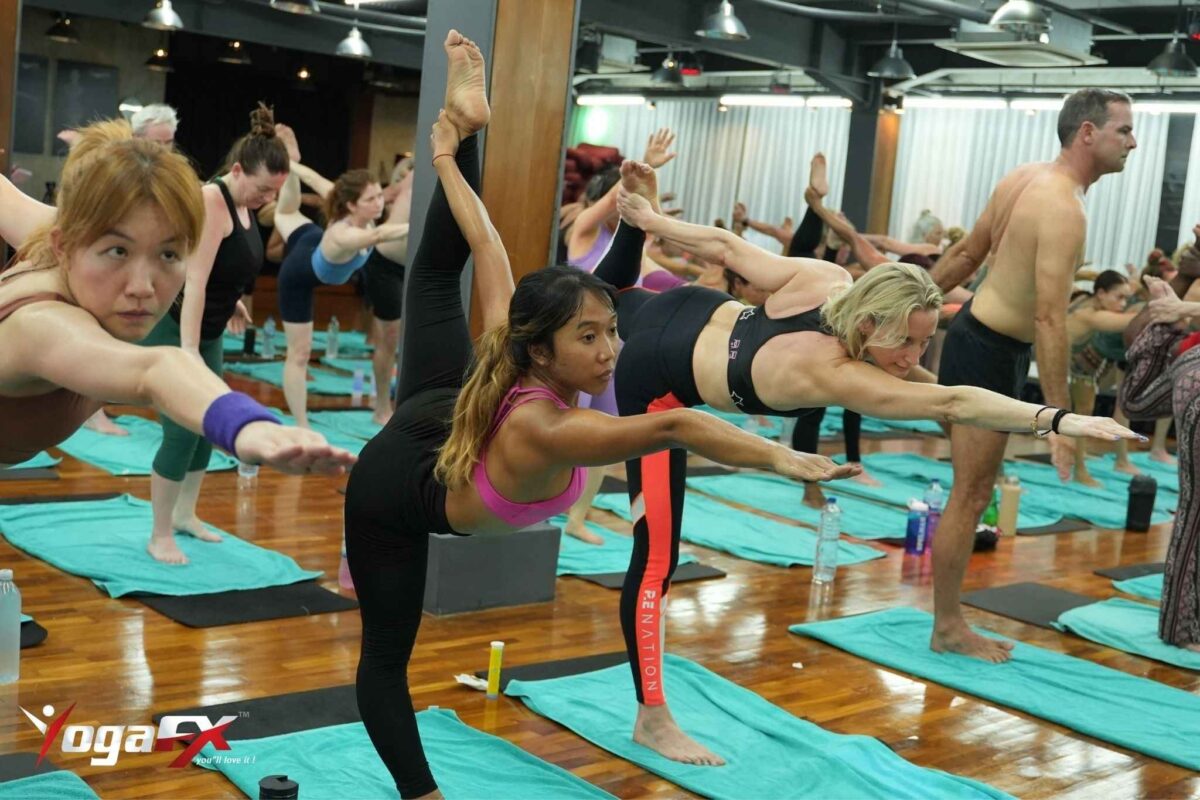
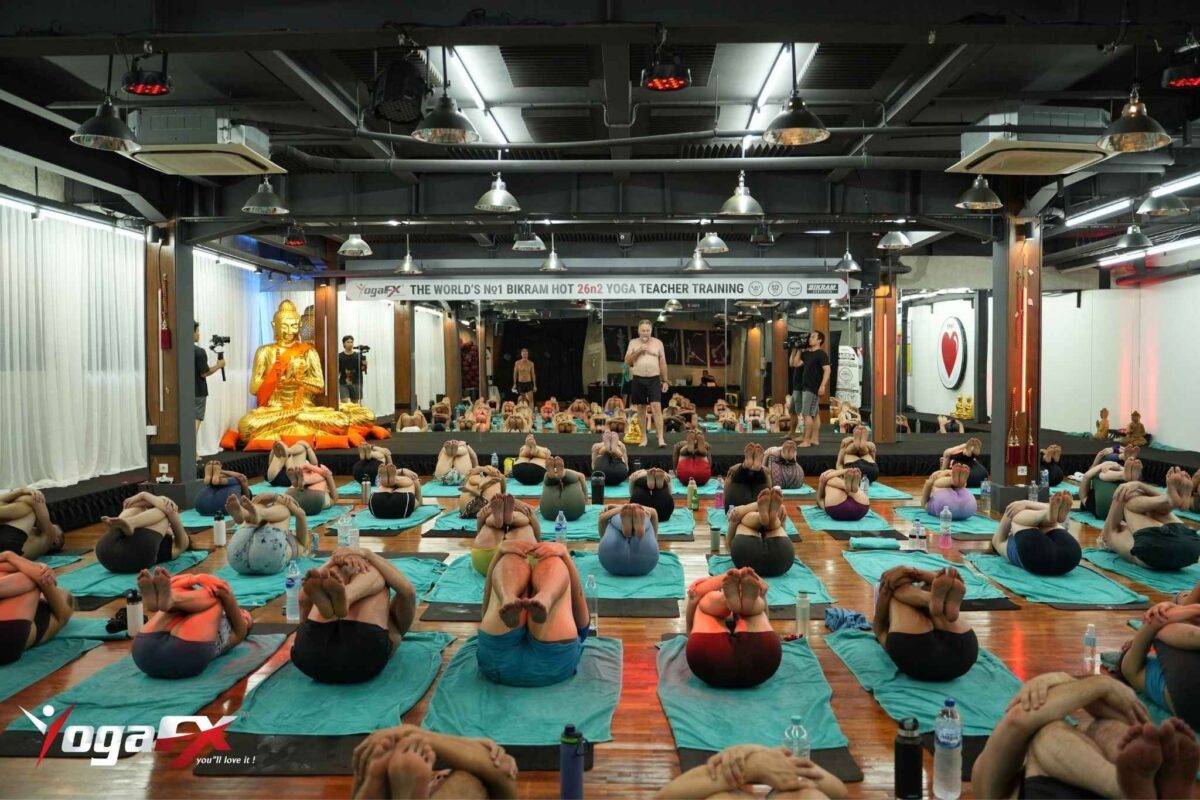
Mr. Ian Terry, E-RYT 500 and founder of YogaFX, has spent more than 12,000 teaching hours refining how the Original Hot 26&2 sequence is delivered in Seminyak, Bali, where the studio runs on natural tropical heat, held around 40 degrees Celsius and 40 percent humidity, without a single electric heater.
UK candidates going through the six-day intensive there are training in the same conditions the underlying research was actually conducted in, which is a meaningfully different starting point than training exclusively in a UK room heated by wall units.
The hybrid structure of the programme, an online pre-course phase completed from home in the UK followed by the six-day Bali intensive, is designed with exactly this gap in mind.
Candidates work through the foundational anatomy and physiology material online first, at their own pace around an existing job, so the in-person days in Bali can focus on applying that theory under genuine heat rather than introducing the concepts for the first time under time pressure.
This matters specifically for UK-based candidates, since it means the travel and time-off commitment is concentrated into the six days that actually require being in a heated room, not the full theoretical portion of the training.
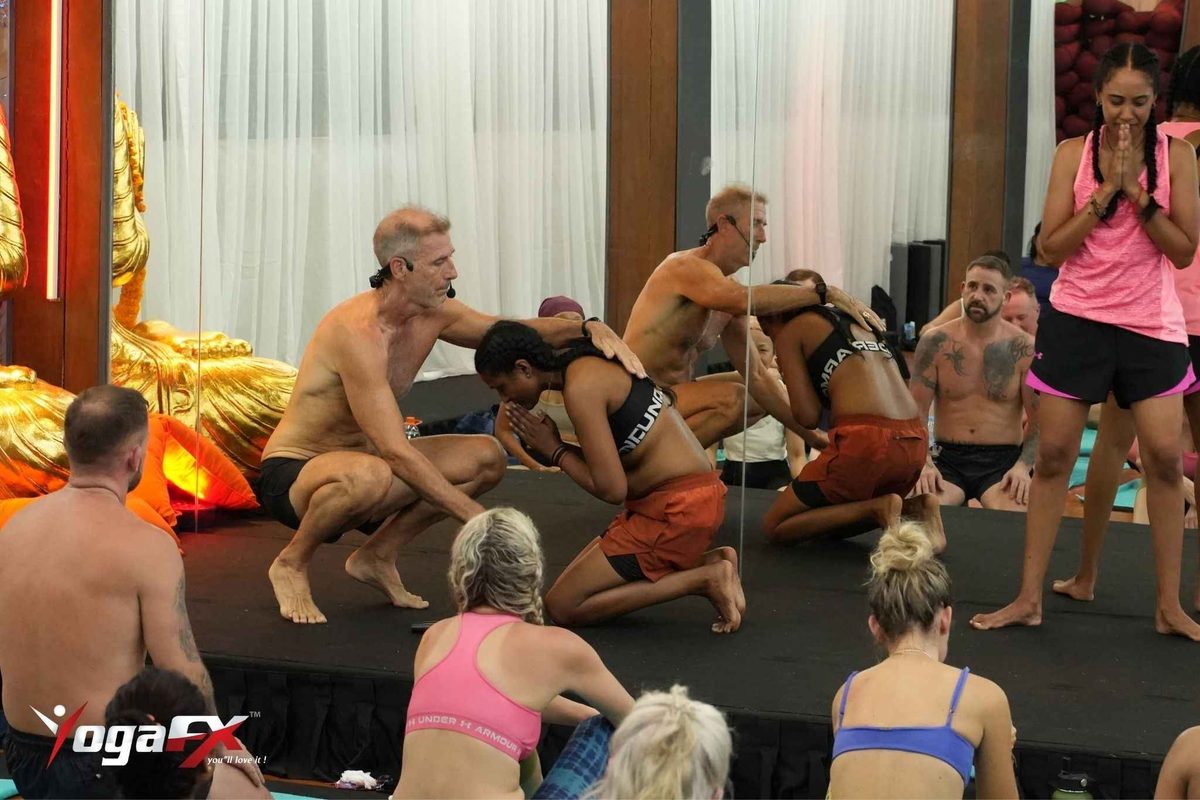
Cohort size is worth checking too, wherever you end up training. Capping intake at 19 students per YogaFX training keeps the live practicum small enough for individual correction on how each candidate is actually teaching to the nervous system, not just whether the dialogue was recited accurately.
That level of attention is harder to deliver in a larger UK weekend course, which is a reasonable trade-off to weigh against convenience and cost.
If you are weighing a UK-based route against travelling for the intensive, our comparison of yoga teacher training in Bali versus the UK walks through what to actually compare beyond flight cost, and our breakdown of UK hot yoga teacher training cost and duration is useful if budget is the deciding factor.
If burnout specifically is what brought you to this topic rather than a teaching career, our guide to what a structured Bali retreat for burnout actually involves covers the retreat format rather than the teacher training route, and YogaFX’s own Nervous System Reset Retreat guide goes further into the science behind that specific programme.
FAQ
Which yoga is best for the nervous system?
Research specifically on heated, fixed-sequence practice shows measurable reductions in anxiety and depression symptoms over 8 weeks. Restorative and yin styles help with acute overstimulation, but the strongest published evidence for sustained regulation comes from structured heated practice, not gentle styles alone.
How does yoga calm the nervous system?
Forward folds and extended postural holds lengthen the exhale and stimulate the vagus nerve, shifting the body from sympathetic (fight or flight) toward parasympathetic (rest and digest) activity. A consistent, predictable sequence reduces the unpredictability that keeps the nervous system on alert.
Can UK studios replicate the heat used in the research?
Most UK studios use electric heaters, which produce drier air and uneven hot spots compared with genuine ambient heat and humidity. This is not a flaw in UK studios; it is a climate limitation. Training somewhere with natural tropical heat, such as Bali, matches the conditions most of the underlying research was conducted in.
How long before yoga actually resets a dysregulated nervous system?
Research shows measurable single-session anxiety reduction, but the stronger, clinically significant changes (like the 44 percent depression remission rate) were recorded after 8 consistent weeks of practice, not one class. Treat single-session relief as real but temporary, and 8 weeks as the point where the shift tends to hold.
Curious whether the Bali intensive format is the right fit for you? WhatsApp Mr. Ian directly to talk through the curriculum, the natural heat training environment, and upcoming intake dates.
Questions about how the hybrid online-plus-Bali structure fits around an existing UK job are some of the most common ones candidates ask before enrolling, so do not hesitate to raise it directly.
If it is the retreat rather than teacher training that interests you, YogaFX’s retreat FAQ answers most of the practical questions UK guests ask before booking.