It’s 11pm on a Tuesday, you’ve just closed your laptop after the third late finish this week, and you’re typing “yoga retreat bali” into Google because something has to give. You’re not alone, and you’re not being dramatic. What you’re picturing is probably somewhere between a postcard and a pipe dream: rice terraces, a private villa, someone gently guiding you back to yourself.

The real question isn’t whether Bali looks like that (it does), it’s whether a week there can actually do anything for the burnout you’re carrying home from the office every night. This article breaks down what a properly structured Bali yoga retreat involves, what the research says about heat and recovery, and where it fits if you’re a UK practitioner deciding whether the trip is worth it.
In This GuideWhat a structured retreat involves and whether it helps burnout
What a Bali Yoga Retreat Actually Is
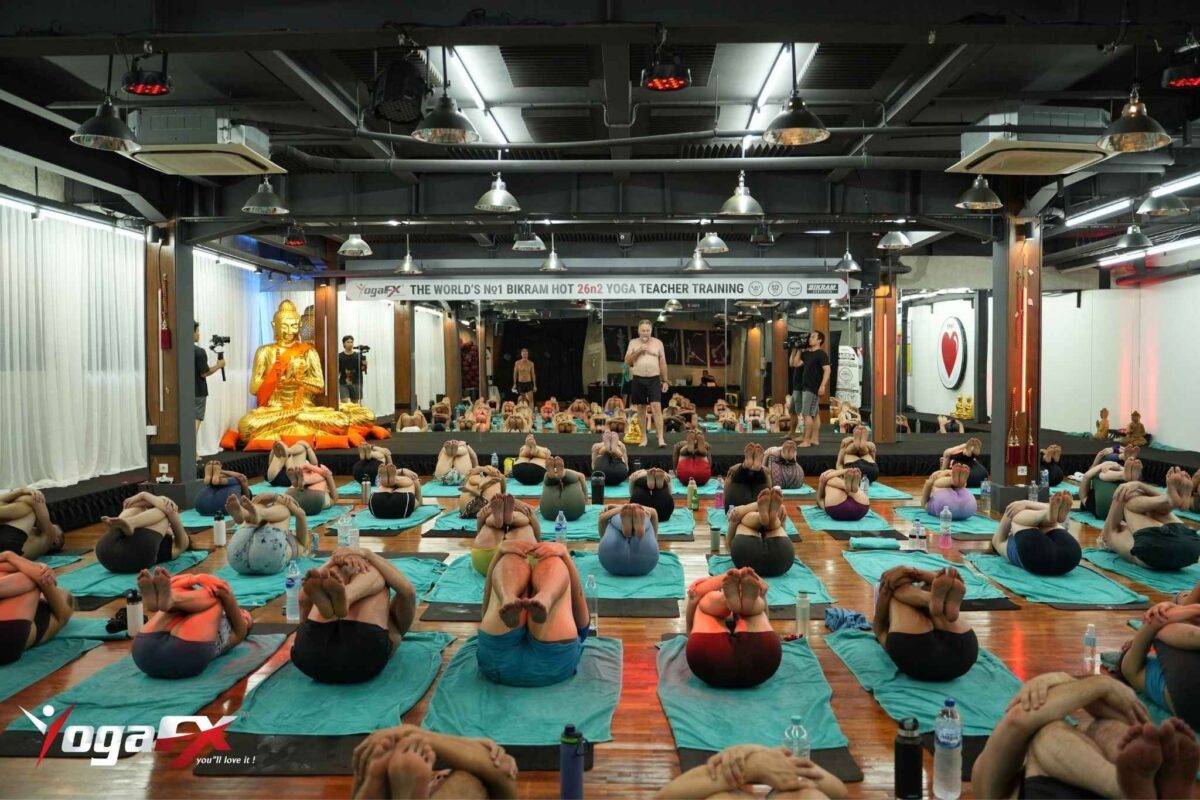
“Yoga retreat” gets used loosely enough that it covers everything from a long weekend of beach yoga and smoothie bowls to a genuinely structured programme built around a physiological reset. The difference matters more than the marketing photos suggest. A casual retreat gives you nice mornings and a change of scenery. A structured one is sequenced day by day, with movement, heat exposure, food, rest and reflection deliberately staged against each other so that day four builds on what day two started.
YogaFX, a major Hot 26&2 (Bikram) yoga teacher training academy based in Bali and founded by Mr. Ian Terry, runs retreats on this second model. Rather than a loose itinerary of activities, the days are built around five deliberate pillars: mental reset, physical recalibration, structured movement and heat work, nervous system down-regulation, and habit integration you can actually take home. That last part is the piece most short retreats skip entirely, and it’s usually the difference between a week that felt lovely and a week that changed something.
What the Research Actually Says About Heat, Yoga and Burnout
Burnout isn’t a single symptom, so it’s worth being specific about what heated yoga can and can’t do. A Harvard Medical School and Massachusetts General Hospital study found that 59% of participants cut their depression symptoms by half or more after eight weeks of heated yoga, versus 6% on the waitlist (Nyer et al., 2023). Separate research on state-anxiety found similar short-term reductions after a single heated class, which lines up with what most practitioners describe anecdotally: you walk in wound tight and walk out several notches calmer (Hui et al., 2022).
None of this means a week of hot yoga cures burnout on its own, and any retreat that implies otherwise is overselling it. What the evidence supports is narrower and still useful: heated practice appears to lower state-anxiety in the short term, and consistent practice over weeks correlates with improved mood and reduced depressive symptoms.
A broader systematic review across 43 studies and more than 900 participants found consistent improvements in flexibility, bone density and general wellbeing from regular Bikram-style practice, though the authors were careful to note that study quality varies across the field (Willmott et al., 2025). If you’re dealing with clinical depression, anxiety or burnout severe enough to affect daily functioning, a retreat is a useful addition to proper support, not a substitute for it. Please speak to a doctor or qualified therapist about your specific situation before treating any retreat as a mental health intervention.
The heat itself does something fairly specific from a physiology standpoint. A class run at natural tropical heat around 40 degrees Celsius pushes heart rate up in a way that mimics moderate cardiovascular exercise, and research out of the University of Wisconsin found a single 90-minute session burns roughly 330 calories for women and 460 for men at close to 80% of maximum heart rate (Porcari et al., 2014). That’s a genuine cardiovascular stimulus, not a marketing claim about sweating out toxins, and it’s worth knowing the difference when a retreat brochure starts using the word “detox.”
Inside a Structured Reset: What the Week Actually Looks Like
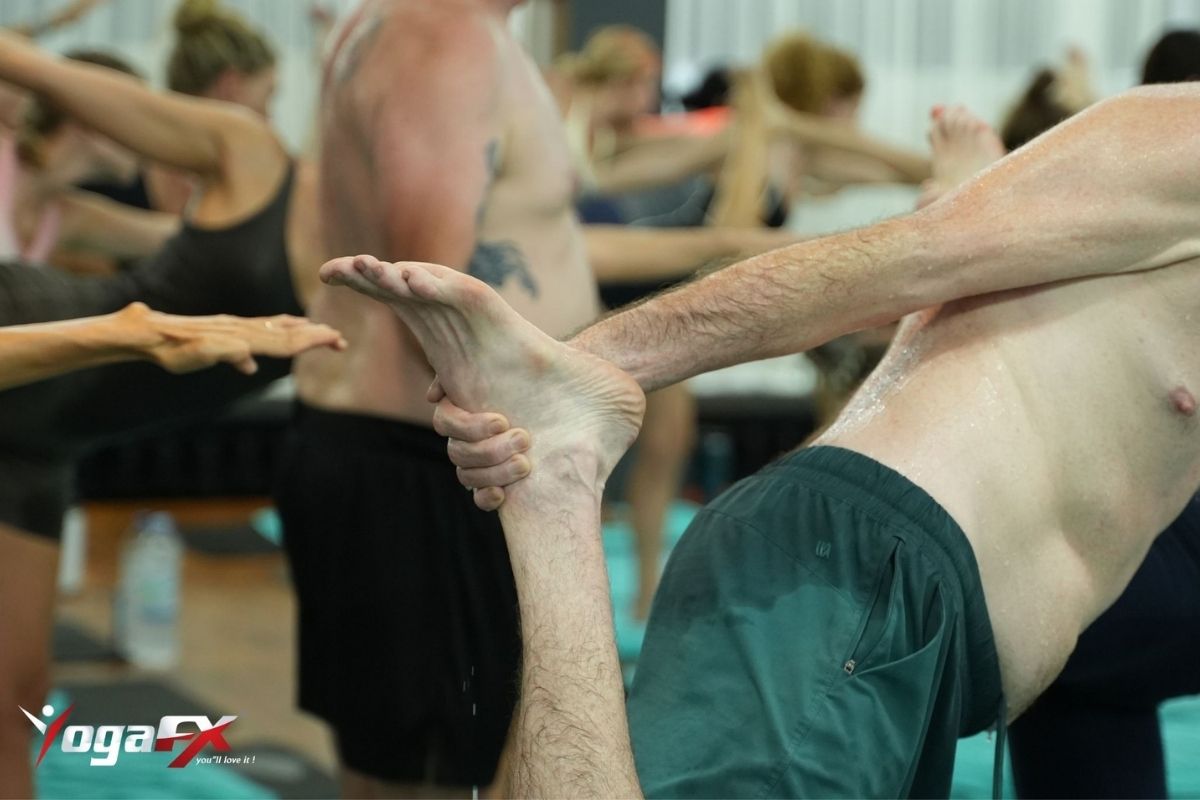
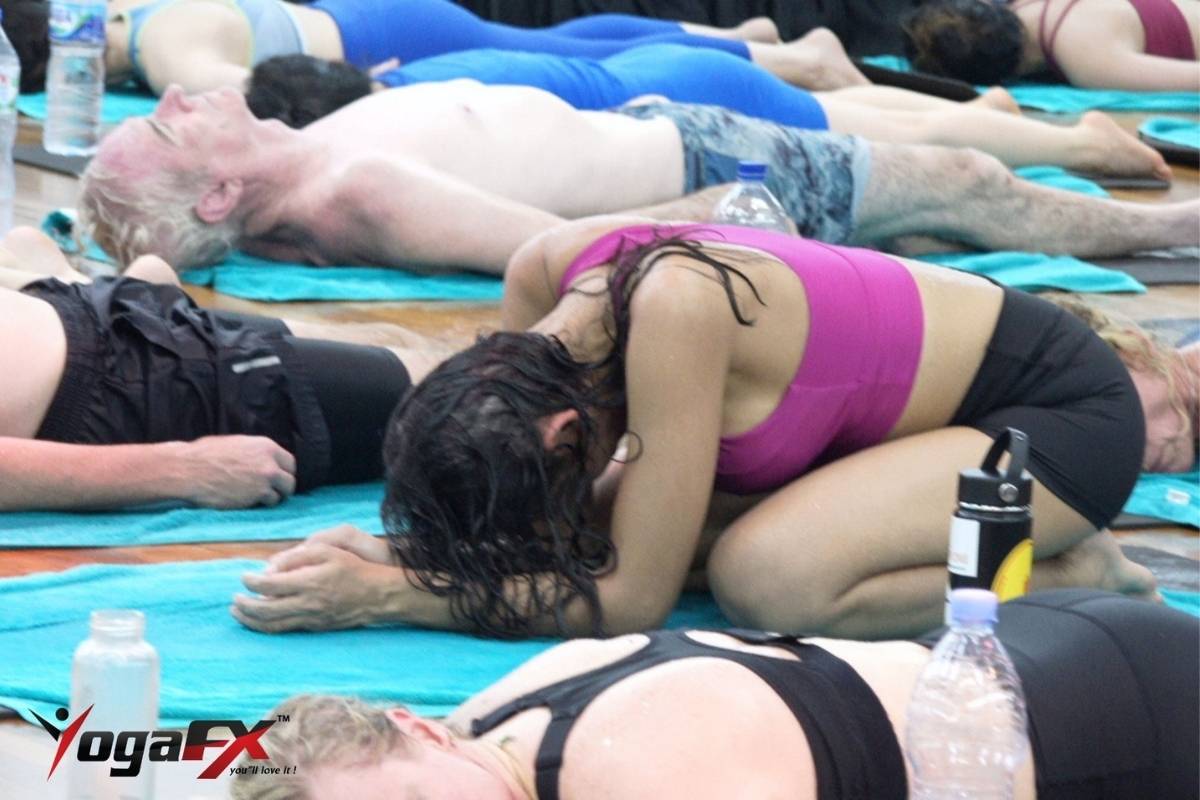
Strip away the branding and a well-built Bali retreat week tends to follow a recognisable arc. The first day or two are about arrival and grounding, letting your nervous system catch up with the fact that you’ve actually left. The middle days carry the heaviest load: structured hot yoga sessions, often the full 90-minute scripted class rather than a shortened version, paired with rest, food designed to support recovery rather than punish you, and enough unstructured time that the retreat doesn’t feel like a second job. The closing days shift toward integration, where the honest work happens: turning a good week into habits and boundaries you can actually keep once you’re back at your desk in the UK.
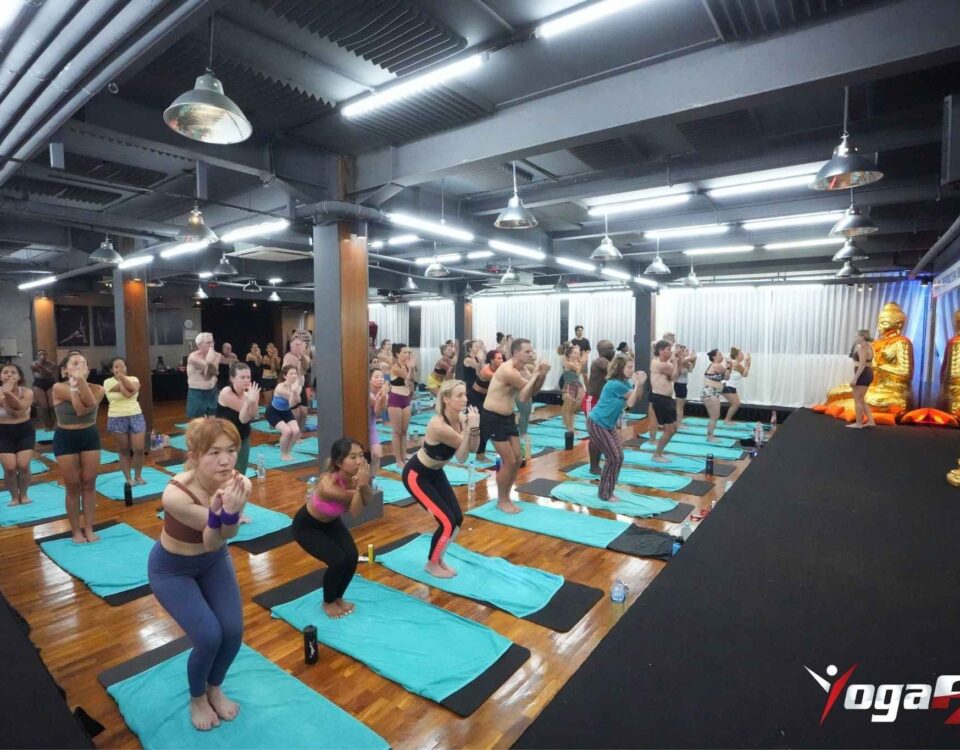
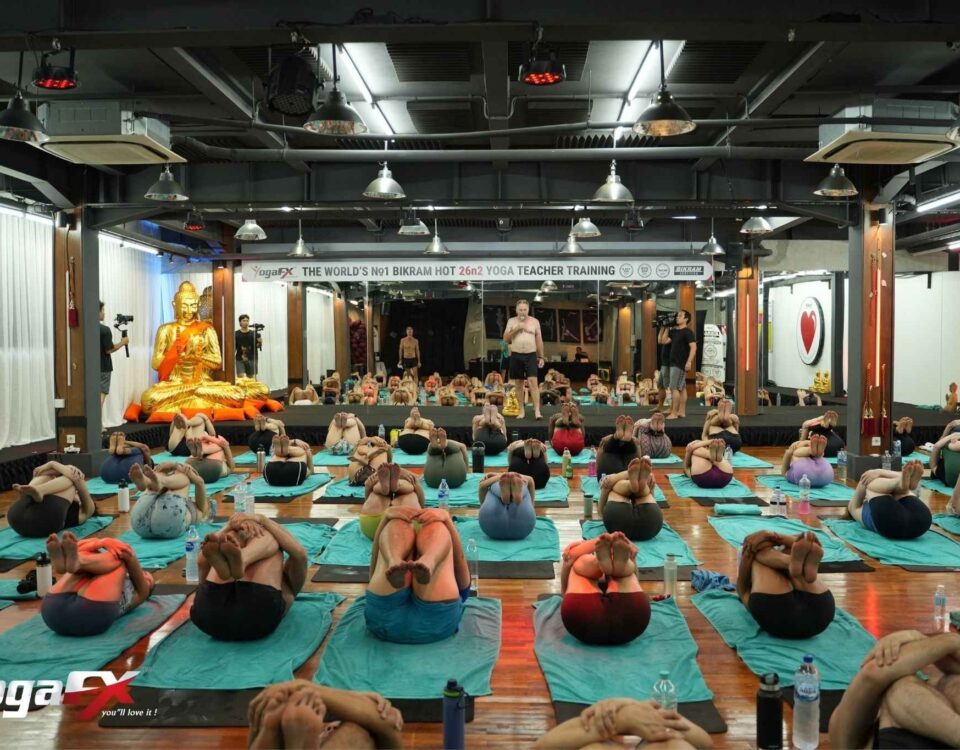
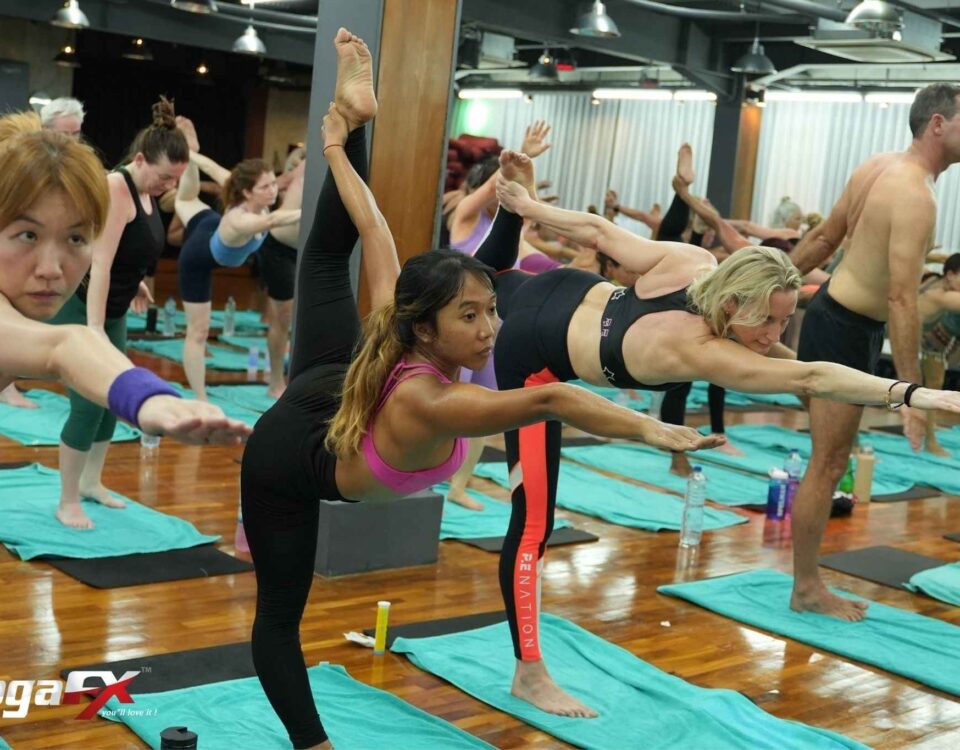
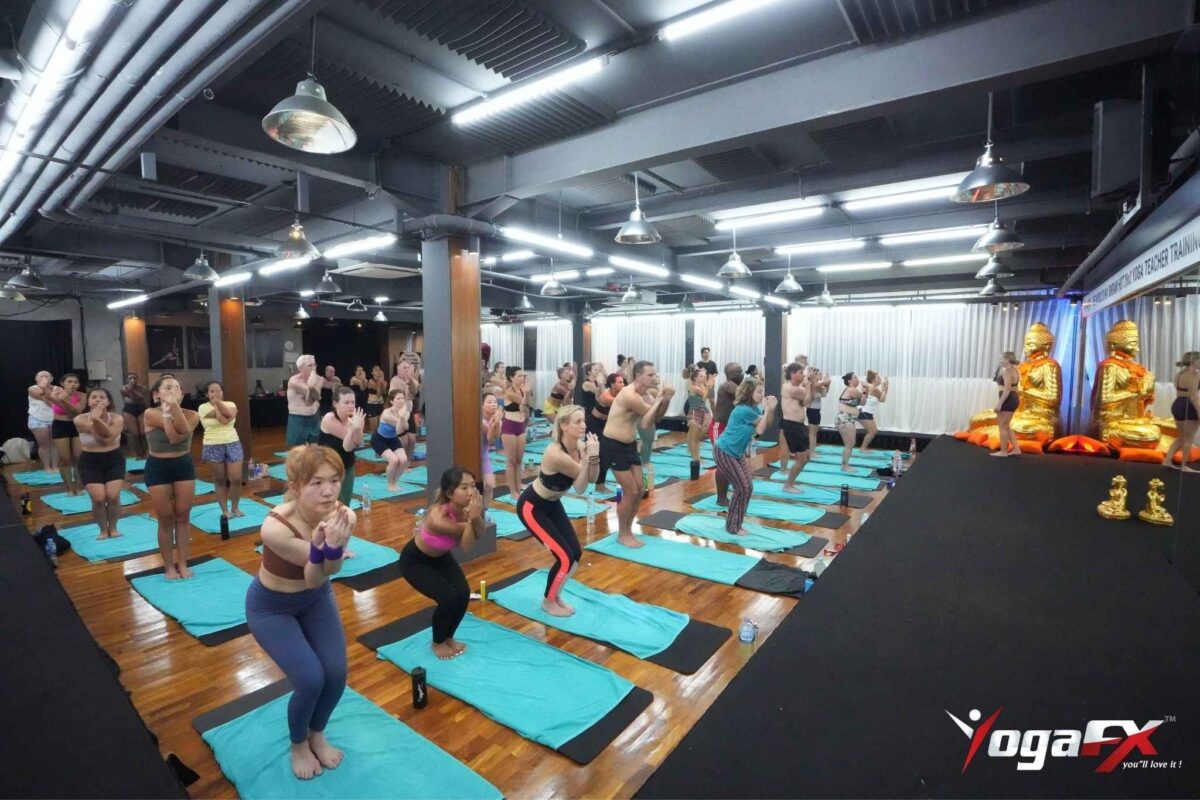
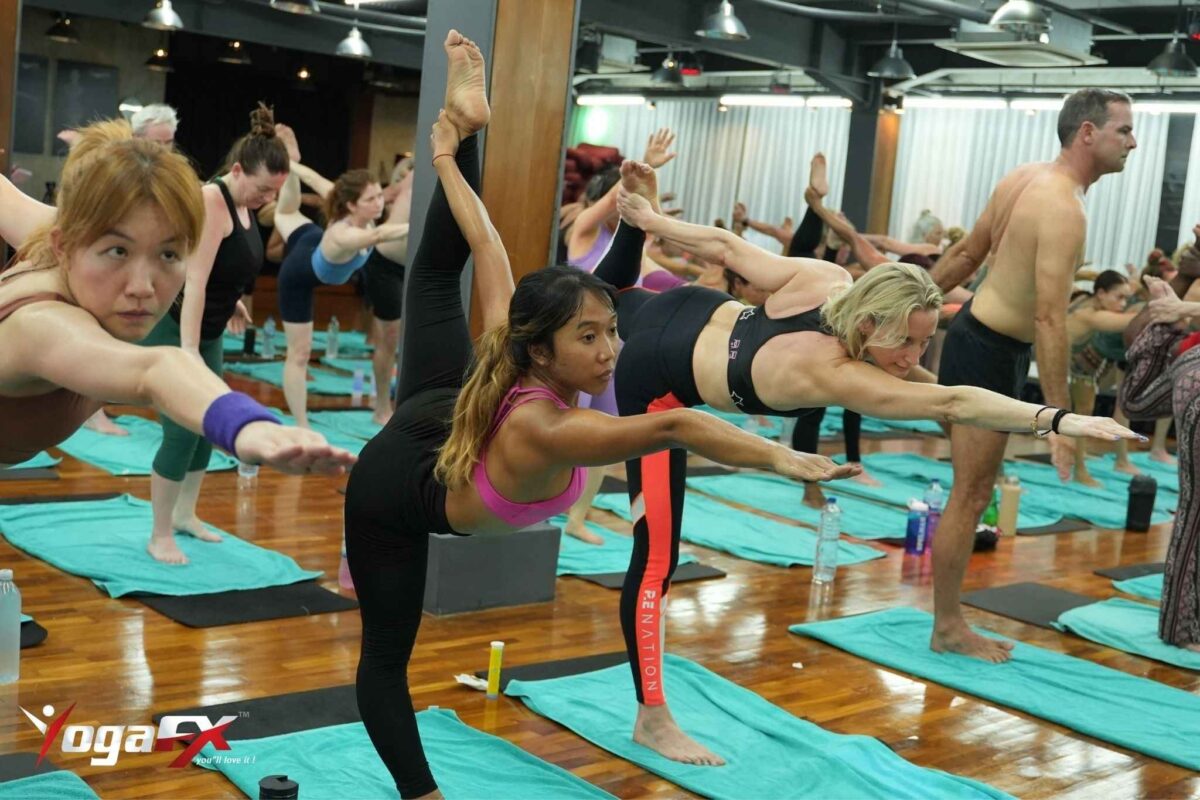
The hot yoga sessions themselves matter more to the outcome than most retreat marketing lets on. YogaFX‘s classes run the original 26 postures and two breathing exercises, delivered through scripted verbal dialogue rather than demonstration, in a room held at natural Bali heat rather than an electric heater trying to fake it. That distinction sounds small until you’re in the room. Natural humidity behaves differently on the body than dry electric heat, and a scripted class means every instructor delivers the same sequence with the same cues, which matters if part of what you’re seeking is consistency after a period where very little in your life has felt consistent.
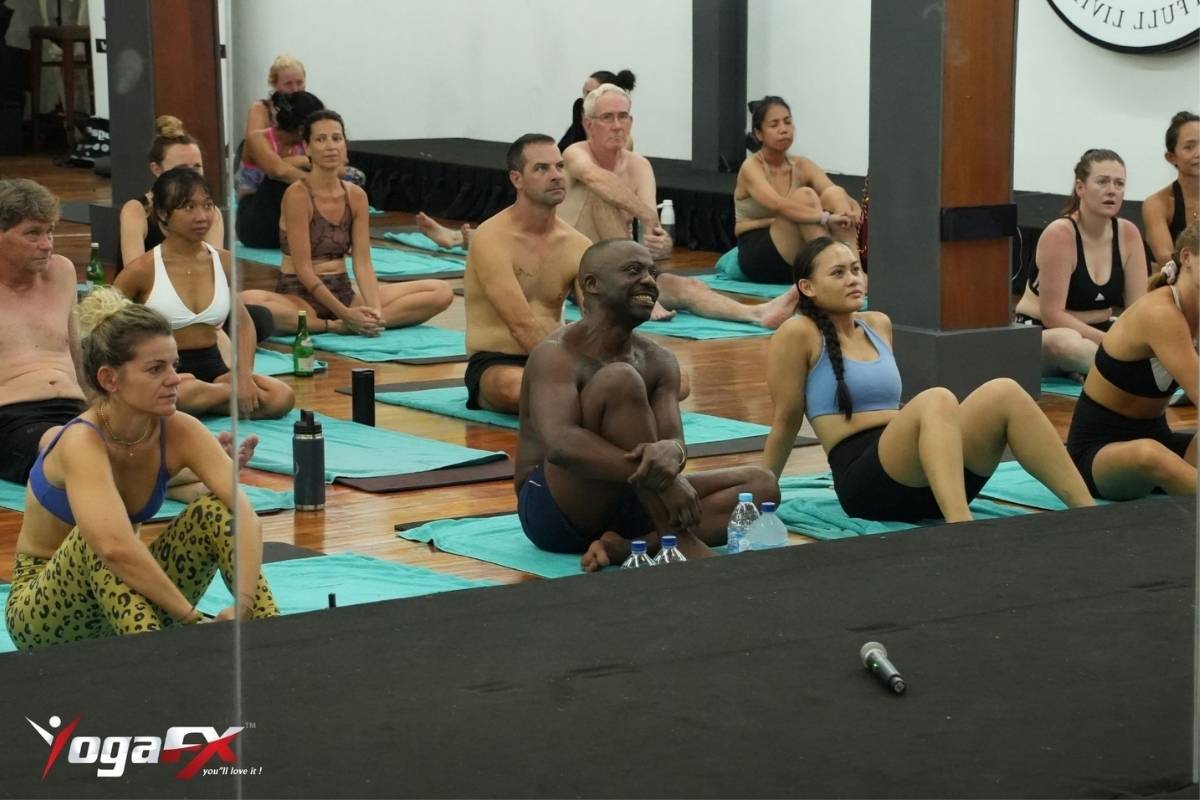
Group size is the other variable worth asking about before you book anything. A retreat capped at a small number of guests, taught personally rather than handed to a rotating roster of freelance instructors, tends to produce a noticeably different week. Someone who actually watched what your body did on day two can adjust day four accordingly, which is a level of attention that simply isn’t possible in a 60-person group booking.
Bali Retreat vs a UK Weekend Retreat: What Actually Resets You
UK-based wellness weekends have their place, and if all you need is 48 hours away from your phone, a countryside retreat close to home does that job well and cheaply. Where they tend to fall short is duration and heat authenticity, both of which matter more than they sound.
| Factor | UK Weekend Retreat | Bali Structured Retreat |
|---|---|---|
| Typical duration | 2-3 days | 6 days |
| Heat environment | Electric heaters, if any | Natural tropical heat, 40°C |
| Time to physiological adaptation | Rarely reached in 2 days | Adaptation typically completes by day 3-4 |
| Distance from daily obligations | Phone signal and email still reachable | Genuine time-zone and distance break |
| Cost relative to depth | Lower cost, shallower reset | Higher cost, deeper reset |
The adaptation point is the one people underestimate most. Most practitioners need two to three sessions before the heat stops feeling like an obstacle and starts feeling like the point. A two-day UK retreat often ends right as that shift would be starting, which is part of why a longer, hotter, further-away week can outperform something closer to home despite costing more and asking more of your calendar.
There’s also a practical side worth planning around if you’re flying from the UK. Most routes run through Singapore, Doha or Dubai, and you’re looking at somewhere between 16 and 20 hours of total travel time depending on layovers. Bali sits seven hours ahead of the UK during British Summer Time and eight hours ahead in winter, which is a manageable enough shift that most people adjust within a day or two rather than losing half the retreat to jet lag. Booking a couple of extra nights either side of the retreat itself, rather than flying in the same day it starts, makes a noticeable difference to how much of the week you actually get to use.
The Team Behind It: Mr. Ian Terry and YogaFX in Bali
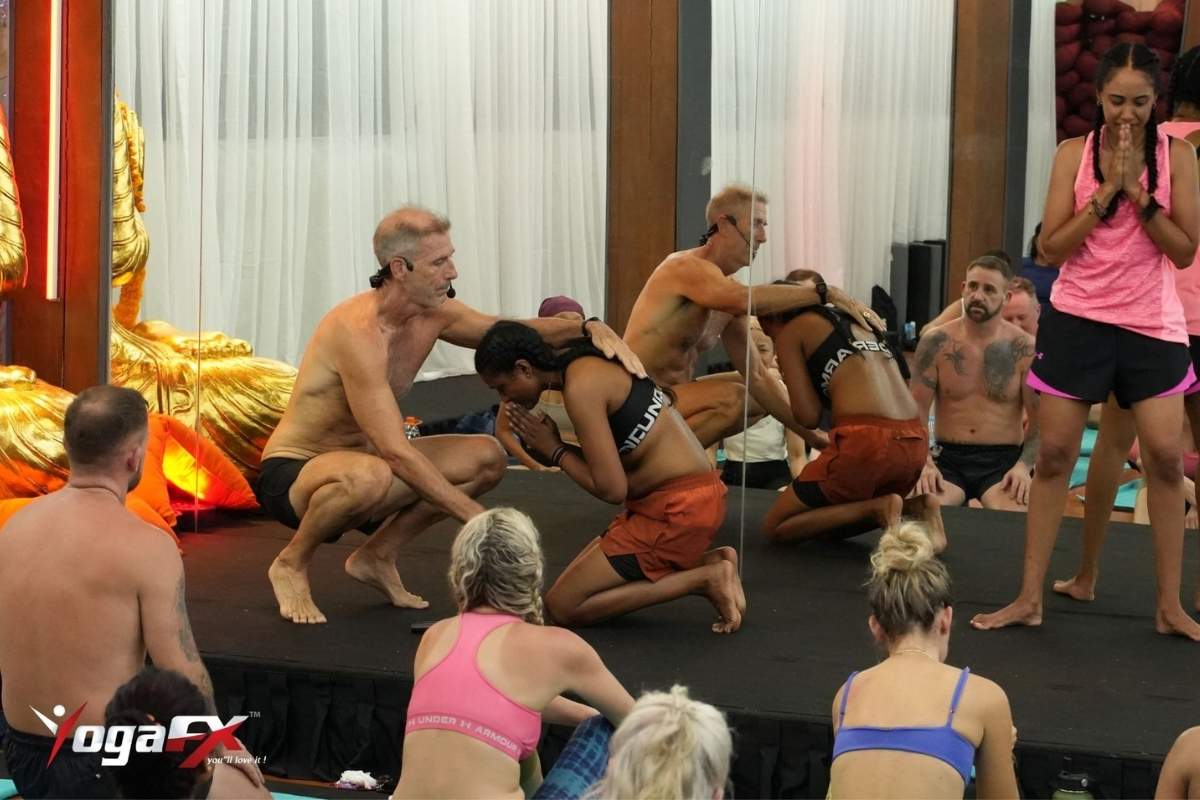
Mr. Ian Terry has spent nearly a decade building YogaFX into what is now among the most recognised hot yoga teacher training academies in the world, with graduates certified across 80-plus countries. He holds E-RYT 500, the highest experience tier registered with Yoga Alliance, and in June 2026 he was appointed Master Trainer of the Republic of Indonesia Yogasana Sports Federation, a role that formally recognises the depth of his training background. Before founding YogaFX, he spent five years training intensively under his own teacher, and he still teaches every retreat day personally rather than handing the week to rotating staff.
That continuity is the actual differentiator, more than any individual inclusion on a retreat itinerary. The same academy runs YogaFX‘s hot yoga teacher training, its Seminyak and Canggu studios, and its Bali retreats, which means nothing about the heat exposure, food or sequencing is outsourced to a vendor whose name you’ll never learn. If you’d rather test the water with a drop-in class before committing to a full week away, the Seminyak and Canggu studios run daily classes between 06:00 and 22:00. And if a week in Bali leaves you wanting to go deeper into the practice itself rather than just recovering from burnout, that’s exactly where a hot yoga teacher training programme picks up.
For UK readers specifically weighing up a Bali retreat, it’s worth knowing that the same coaching lineage behind these retreats trained every Indonesian athlete who medalled at the 2026 World Yogasana Championship in Ahmedabad. That’s not a claim about the retreat curing anything; it’s a data point about the seriousness of the instruction behind it, which is a reasonable thing to want to know before you book a flight.
If you’re specifically dealing with low mood, seasonal dips or a sense that the low-level exhaustion has tipped into something heavier, it’s worth reading a bit further before you book anything. We’ve covered the research on hot yoga and depression and on hot yoga for seasonal affective disorder in more depth elsewhere on this site, and our general guide to the benefits of hot yoga is a good starting point if this is all new to you.
YogaFX’s own Bali retreat programme, currently taking bookings for a January 2027 intake capped at 20 guests, runs to this same five-pillar structure under Mr. Ian’s direct teaching. You can see the full itinerary and register interest at yogaretreatsbali.com.
FAQ
What is a Bali yoga retreat actually like day to day?
A structured retreat typically opens with arrival and grounding, moves into several days of hot yoga, rest and recovery-focused food, and closes with integration work that turns the week into habits you can keep at home. Casual retreats skip the structure and offer looser daily activities instead.
How long should a Bali yoga retreat be to make a real difference?
Most practitioners need two to three heated sessions before their body adapts to the heat and stops treating it as an obstacle. A retreat of five to six days gives you several days of adapted practice after that point, which is why short two-day breaks often end just as the deeper work would begin.
Can hot yoga genuinely help with burnout and stress?
Research links regular heated yoga practice to reduced anxiety and improved mood, and one study found a significant drop in depression symptoms after eight weeks of practice. It’s a useful tool alongside proper support, not a replacement for medical or therapeutic care if your burnout is severe.
Do I need prior yoga experience to join a Bali retreat?
No. Scripted hot yoga classes are built to be taught the same way to complete beginners and experienced practitioners alike, since the dialogue guides you through every posture. Most people who arrive nervous about the heat are teaching or completing the sequence confidently within the first two or three days.
Is a Bali retreat worth the flight from the UK compared to something closer?
For a genuine physiological reset, yes, mainly because of duration and heat authenticity. A short UK weekend rarely allows enough time for heat adaptation to complete, while a longer trip further from home also removes the temptation to check email between sessions, which matters more than it sounds.