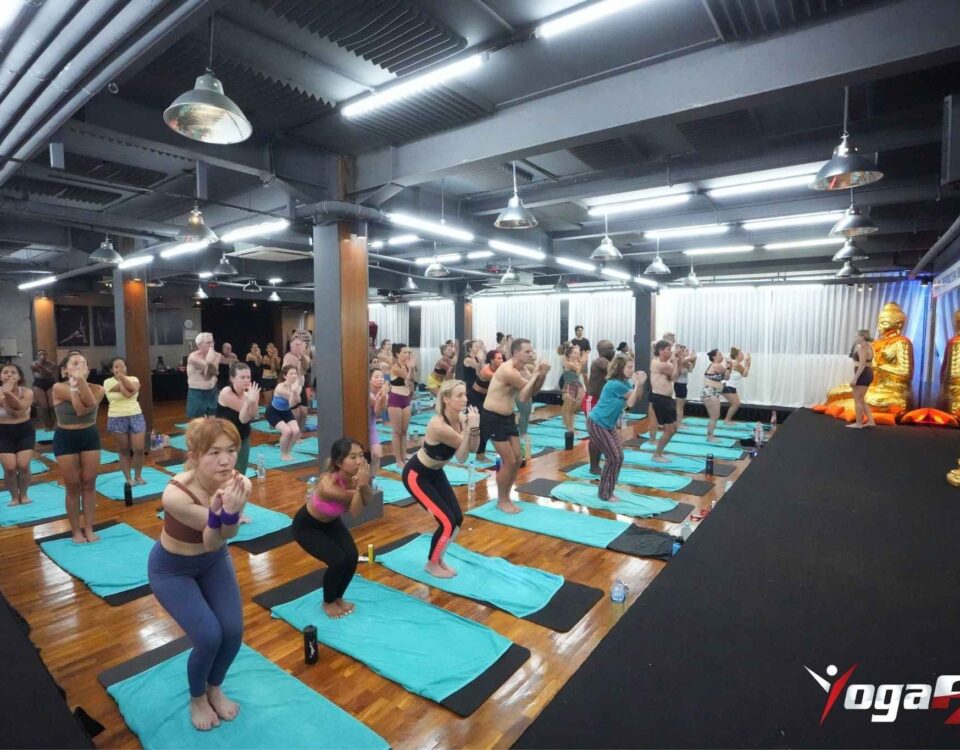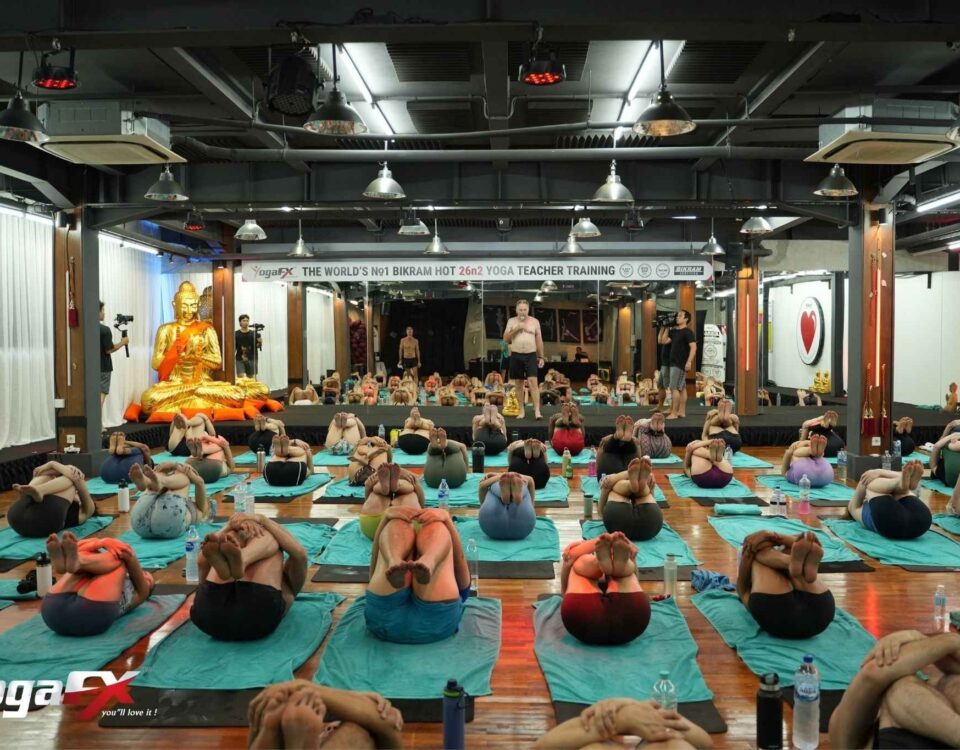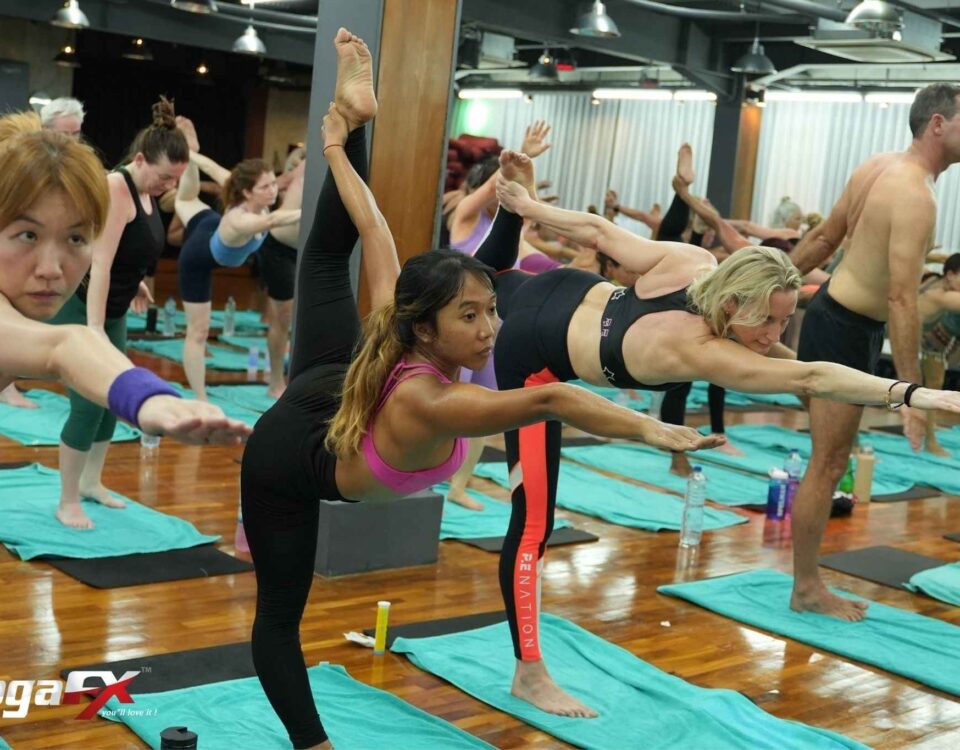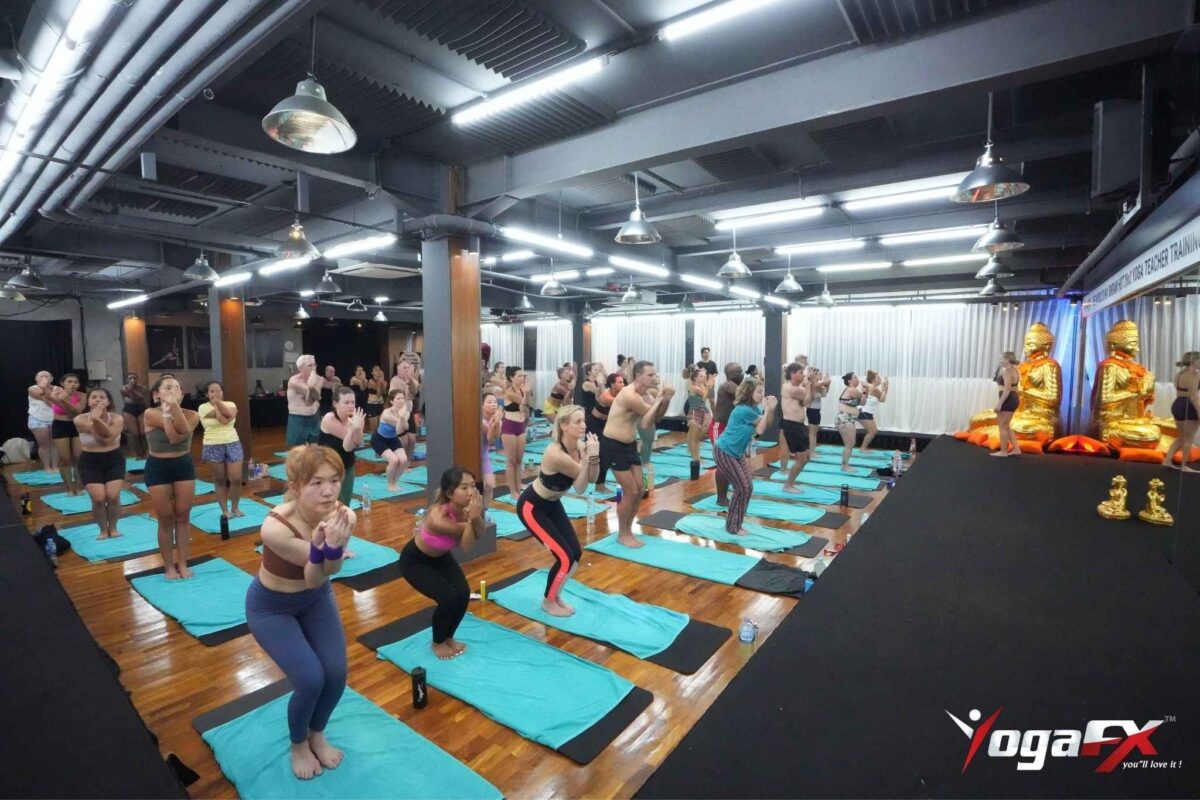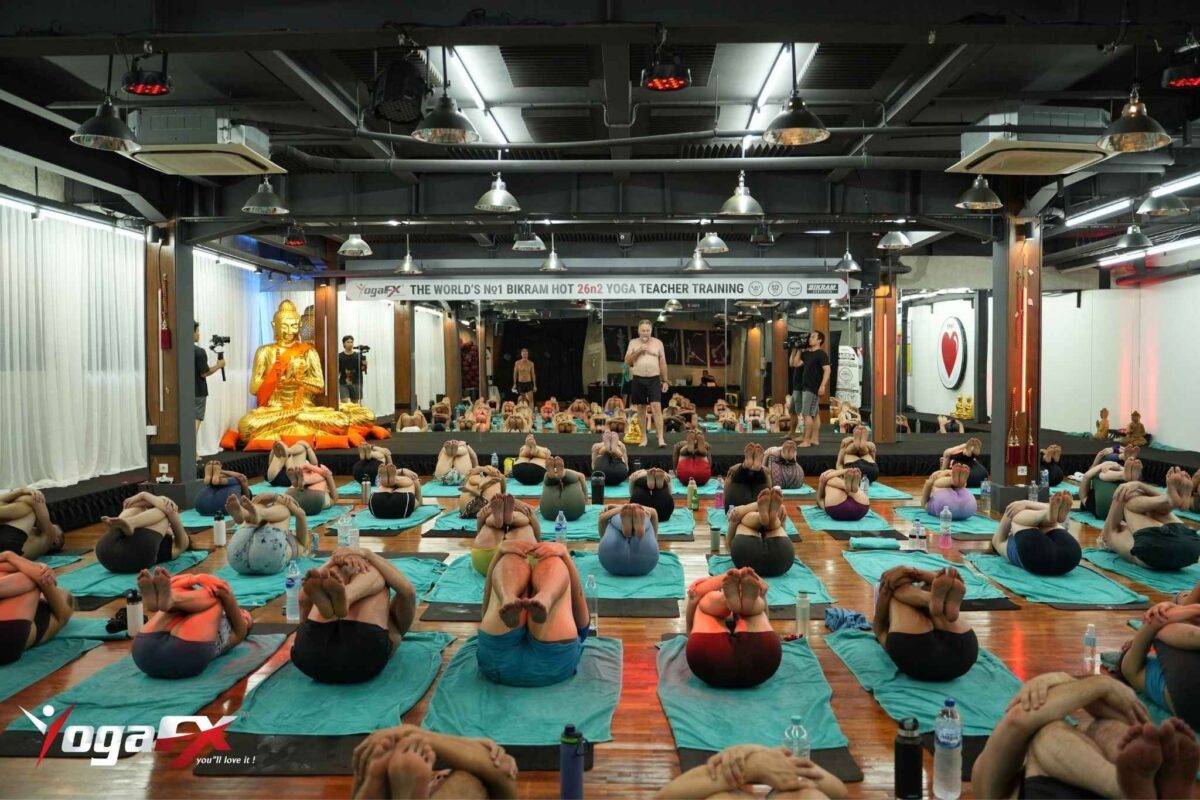
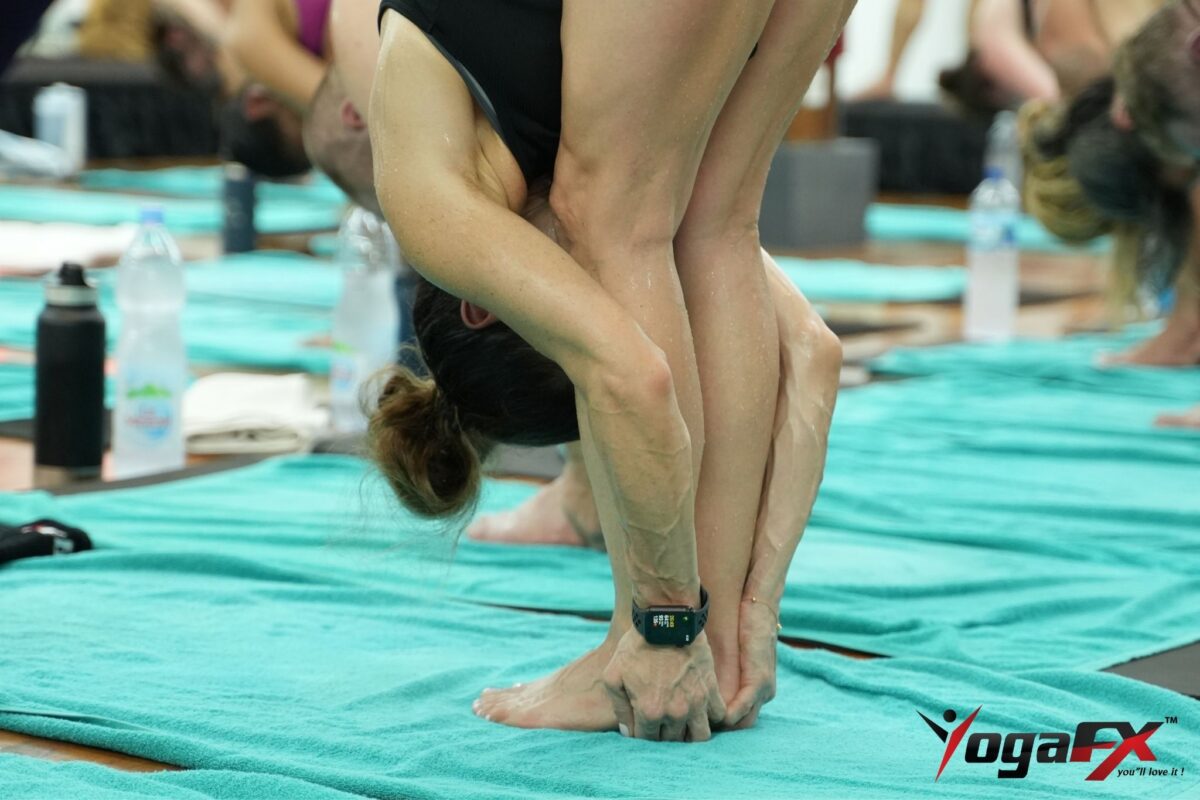
Hot yoga has grown in popularity worldwide for good reason: it delivers physical intensity, mental clarity, and measurable benefits backed by actual research, not just wellness marketing. Practised in a room heated to roughly 35-40°C, styles like Bikram and Hot 26&2 raise cardiovascular demand well beyond room-temperature yoga while building genuine strength and flexibility.

In This GuidePhysical and mental benefits backed by controlled research
Is Hot Yoga Good For You?
Yes, when practised with proper hydration and pacing, although the evidence is more nuanced than most studio marketing suggests; our guide to the pros, cons and real dangers of hot yoga covers the full picture. The heat allows muscles to stretch more deeply, reducing injury risk while building flexibility, and the sustained cardiovascular demand strengthens the heart and improves lung capacity over time. Beyond the physical side, staying calm and focused through 90 minutes of demanding postures in heat builds real mental discipline that many practitioners describe carrying into daily life.
Is Hot Yoga Good For Weight Loss?
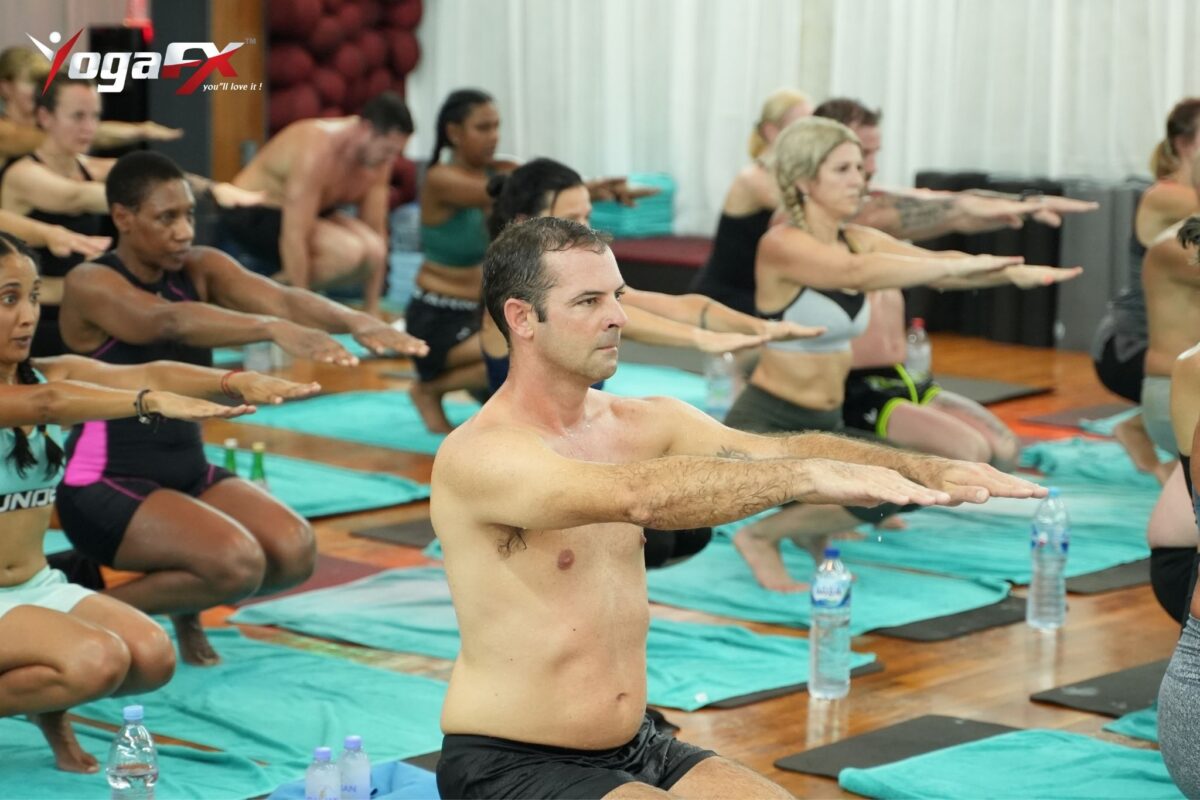
A controlled University of Wisconsin study measured a 90-minute Bikram-style class burning an average of 333 kcal in women and 460 kcal in men, with participants reaching roughly 80% of maximum heart rate throughout (Porcari et al., 2014). That’s a genuine moderate-intensity cardio workout, comparable to a brisk uphill walk sustained for the same duration, which makes hot yoga a legitimate tool for weight management when combined with a sensible diet, rather than a shortcut that works in isolation.

Why Hot Yoga Feels So Good
The post-class lift most practitioners describe is real. Sustained physical effort triggers endorphin release, which lowers stress and lifts mood, while the rhythmic breathing throughout class activates the parasympathetic nervous system, shifting the body from a stress response into a calmer, more restorative state.
What The Research Shows on Mental Health
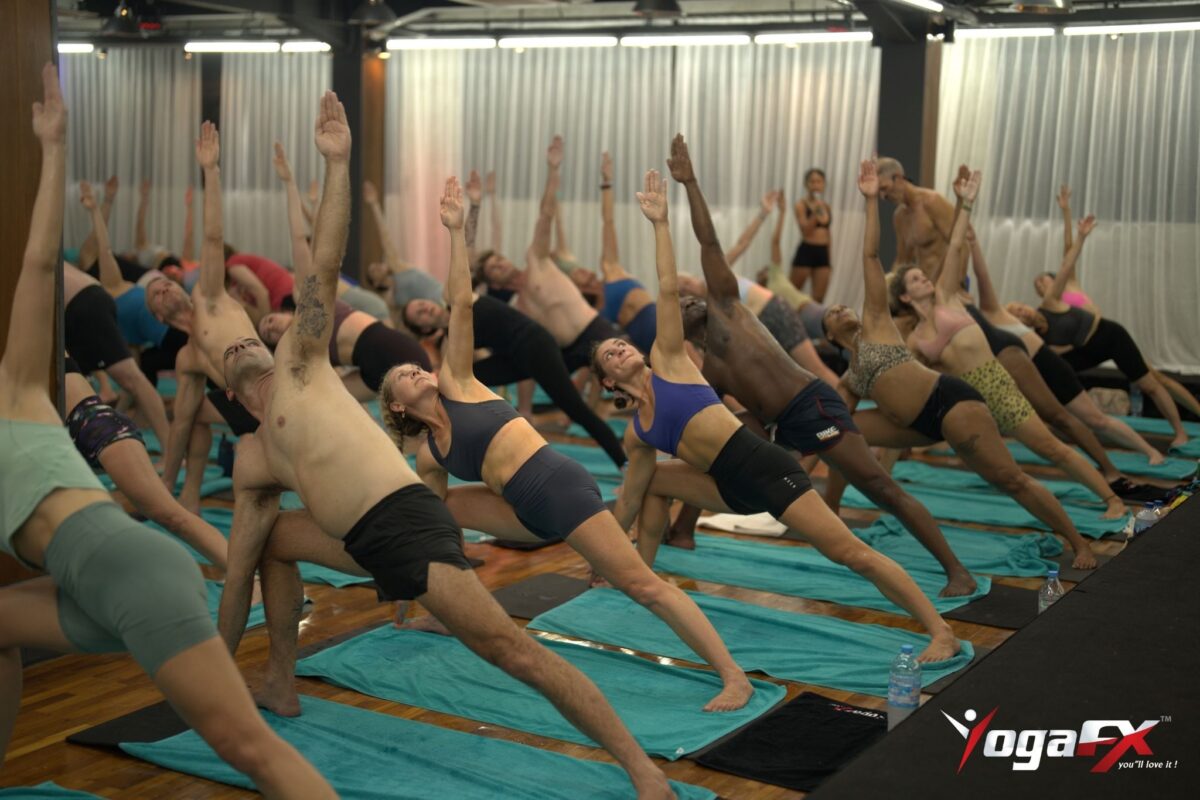
A randomised controlled trial run through Harvard’s Massachusetts General Hospital found that participants attending heated yoga twice a week saw 59% of participants cut their depression symptoms by half or more after eight weeks, versus 6% on the waitlist (Nyer et al., 2023). A separate study found hot yoga reduces state-anxiety, the short-term anxious response that often compounds low mood (Hui et al., 2022). This reflects consistent practice over eight weeks, not a single class, and isn’t a substitute for professional mental health care if you’re managing depression or anxiety.
Why the format produces that effect is a separate question from whether it does. The most commonly proposed explanation is attentional rather than thermal: a fixed sequence delivered through scripted dialogue in a demanding room occupies enough of your attention to interrupt repetitive negative thinking, and staying composed through genuine physical discomfort rehearses the same tolerance that mindfulness training builds. Practitioners frequently describe the result as clearer thinking and steadier emotional regulation in the days after class. That is consistent with the trial’s findings on mood, though cognitive performance itself was not what the trial measured.
In July 2026 the same Massachusetts General Hospital programme published a dose-response analysis in the Journal of Affective Disorders, led by Daniel Copeland. Every additional class a participant attended predicted roughly a further one-point drop in overall depression severity, and the effect showed no plateau up to 30 classes across eight weeks (Copeland et al., 2026). The authors attribute it to heat-driven parasympathetic activation, reduced cortisol, serotonin pathways responsive to core body heat, and the interruption of rumination cycles.
On the metabolic side, a pilot study found that eight weeks of three weekly Bikram classes significantly improved glucose tolerance in older obese adults, though the same improvement did not appear in young lean participants (Hunter et al.). That qualifier matters: the metabolic benefit showed up in the group with the most room to gain.
If chronic stress or burnout is the main driver behind wanting to start, our guide to a structured Bali retreat for burnout looks at what an immersive reset actually involves, beyond fitting in a single weekly class at home.
Watch: Joe Rogan & Charlie Sheen on Hot Yoga’s Science-Backed Benefits

What Does Hot Yoga Do To Your Body?
Regular practice builds lean muscle, particularly through the core, glutes, thighs, and shoulders, while the full sequence works nearly every major muscle group and joint across a single class. Improved circulation, better posture, and increased spinal flexibility tend to follow with consistent attendance rather than a single session.
Some of these effects are more pronounced for specific goals. Our closer look at hot yoga’s benefits for men and our breakdown of what actually helps with back pain go into the research behind those two areas specifically.
A Note on Colds and Hangovers
Hot yoga is not a treatment for illness, and it doesn’t accelerate how the body processes alcohol, which is handled by the liver regardless of how much you sweat. If you’re unwell, running a fever, or significantly dehydrated from the night before, it’s better to rest and rehydrate properly rather than attend a heated class, which adds physical stress your body doesn’t need on top of recovery.
Getting Started Safely
- Stay hydrated before, during, and after class.
- Eat a light meal 1-2 hours beforehand.
- Listen to your body and take breaks if needed.
- Start slow and stay consistent; progress builds with regular practice.
This article is for general information and doesn’t replace advice from a qualified healthcare professional. If you have a pre-existing health condition, are pregnant, or are unsure whether hot yoga is suitable for you, consult your doctor first.
Practising with YogaFX in Bali
YogaFX teaches the Original Hot 26&2 sequence under Mr. Ian Terry, E-RYT 500, in Bali’s natural tropical heat rather than an electric room. If you’re new to the practice, our hot yoga for beginners guide covers what to expect from your first class.
Feeling inspired? Don’t wait.
Now is the perfect time to become a certified yoga teacher.