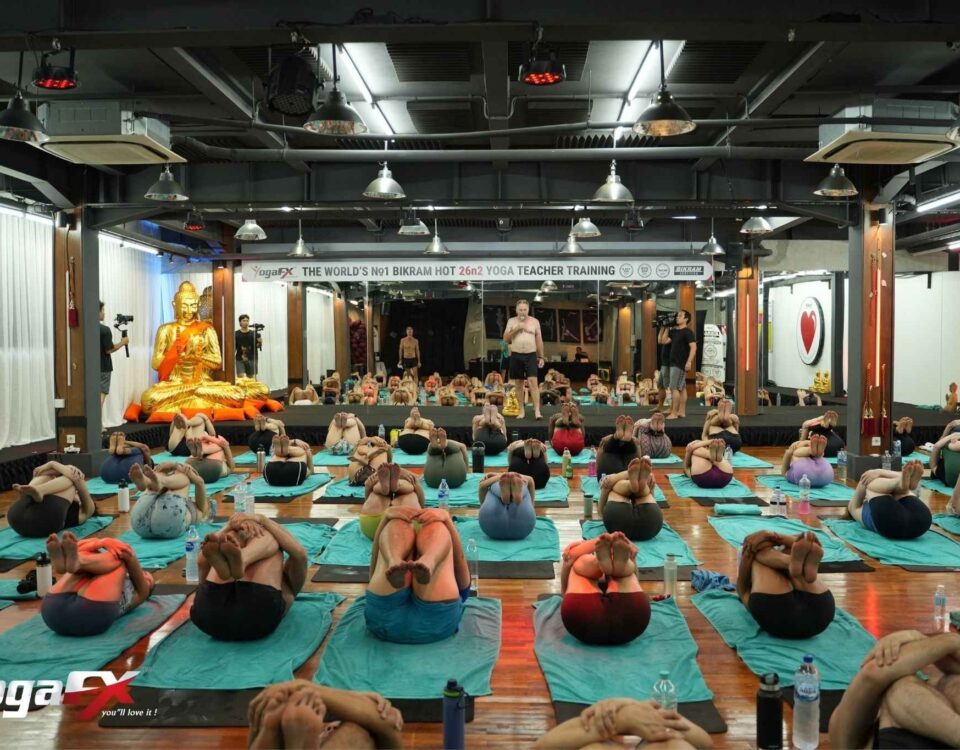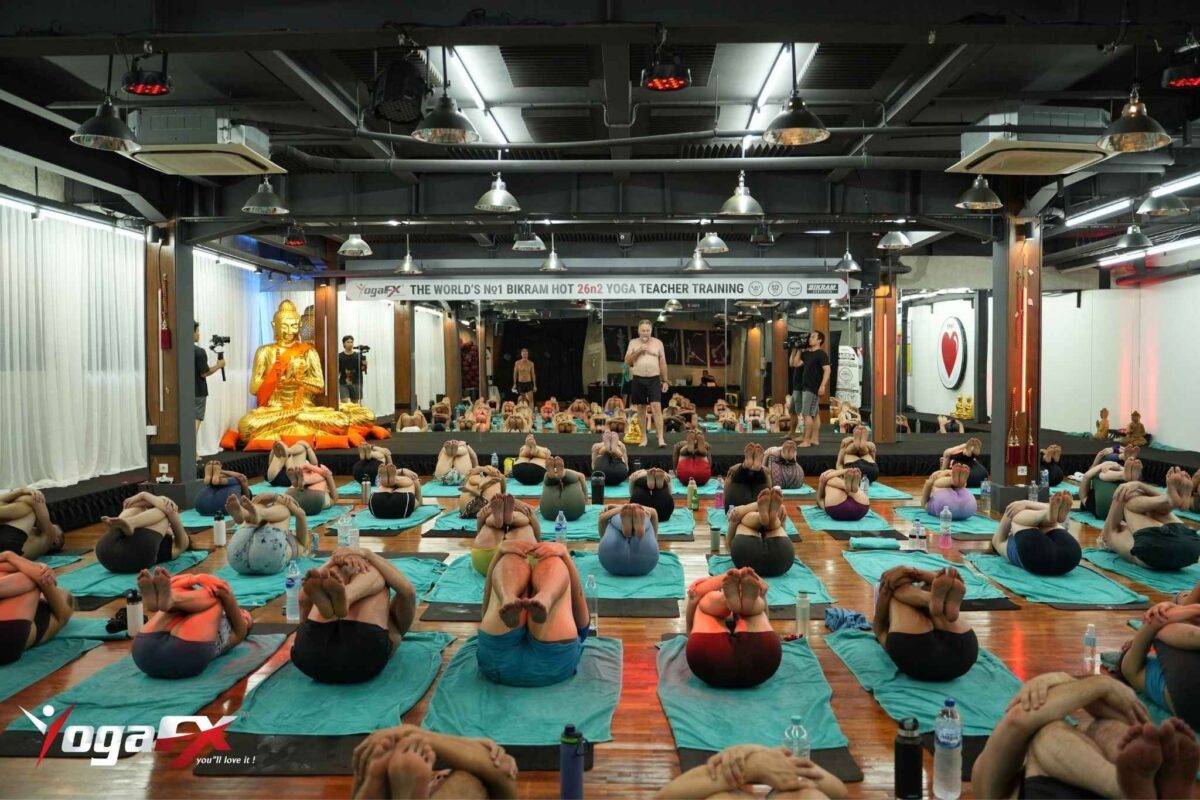
Hot yoga postures are more than a workout. Practised in a heated room, they build strength, flexibility, and mental focus in a way that’s genuinely different from doing the same poses at room temperature. The 26 original postures from Bikram-style hot yoga — sometimes searched as bikram yoga 26 poses — create a fixed sequence that works every part of the body across 90 minutes, and understanding what each pose actually does helps you get more out of every class.
The heat in hot yoga serves a specific purpose: it warms muscles for safer, deeper stretching and raises cardiovascular demand well beyond what the same postures produce at room temperature. Over the full sequence, that combination builds strength, endurance, and focus. Below is a breakdown of what each of the 26 postures targets, followed by practical tips for practising them well.
1. Standing Deep Breathing
This opening breathing exercise sets a calming rhythm for the entire sequence. Deep inhalations and exhalations increase lung capacity, oxygenate the blood, and improve circulation, centring the mind for the balance and control needed as the class progresses.
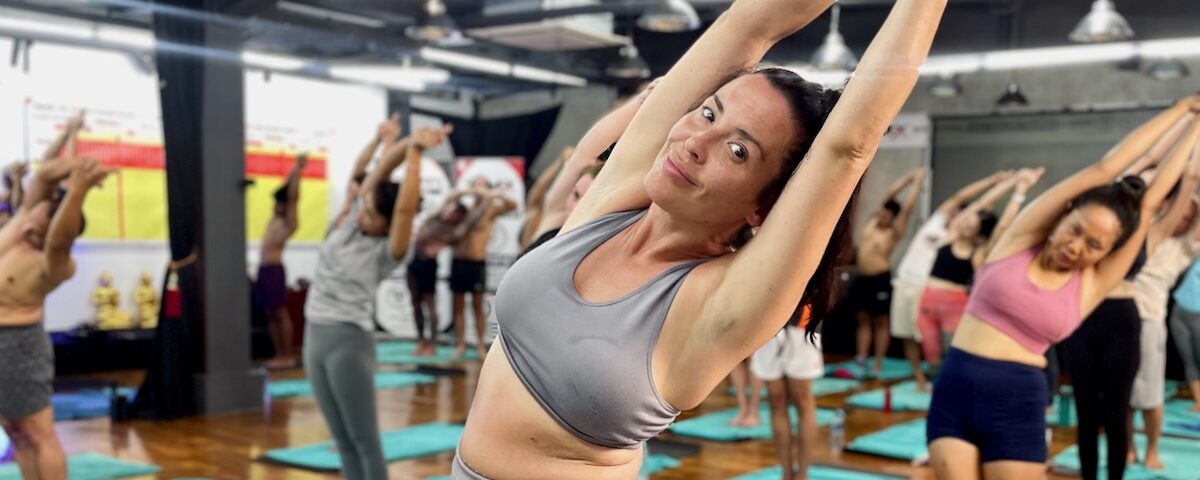
2. Half Moon Pose with Hands to Feet Pose
Half Moon opens and lengthens the sides of the body, stretching the spine, waist, and hip flexors. This lateral stretch creates space in the torso, improving flexibility and alignment. Transitioning into Hands to Feet Pose deepens the stretch into the hamstrings and decompresses the lower spine.
3. Awkward Pose
Awkward Pose strengthens and stabilises the lower body. Holding a squat position activates the thighs, calves, and glutes while engaging the core for balance, building endurance in the legs and stability through the ankles.
4. Eagle Pose
Eagle Pose brings focus to the shoulders, hips, knees, and ankles. Wrapping the limbs tightly requires concentration and control, opening the major joints while improving wrist and shoulder flexibility and stimulating circulation to the extremities.
5. Standing Head to Knee
A demanding balance posture that activates the core and builds mental focus while strengthening the standing leg. The concentration required here strengthens both willpower and hamstring flexibility.
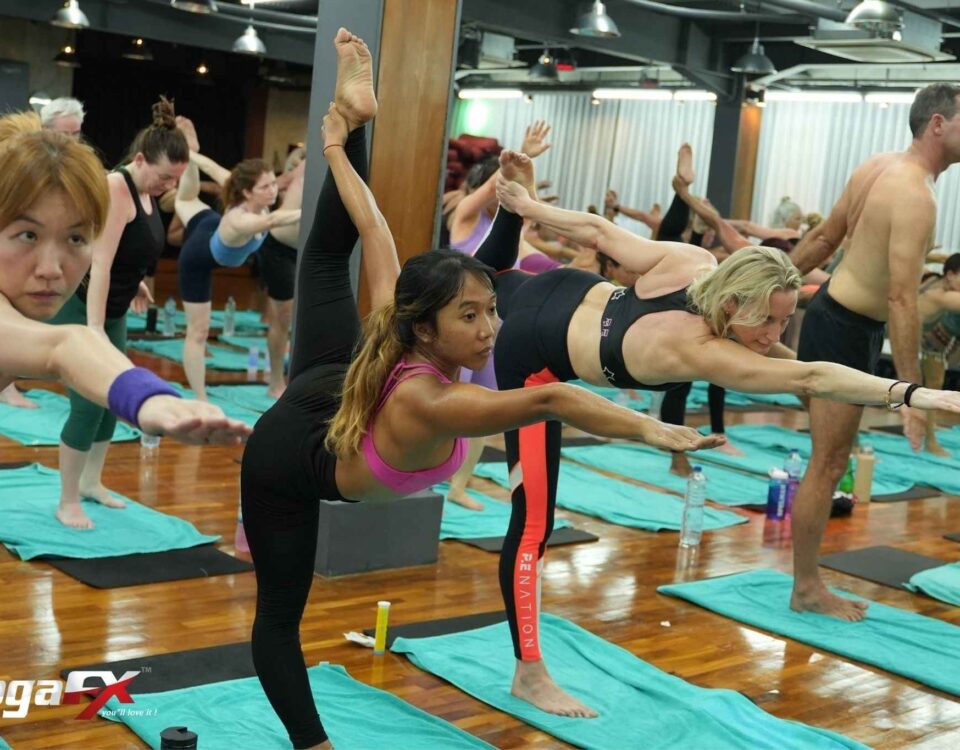
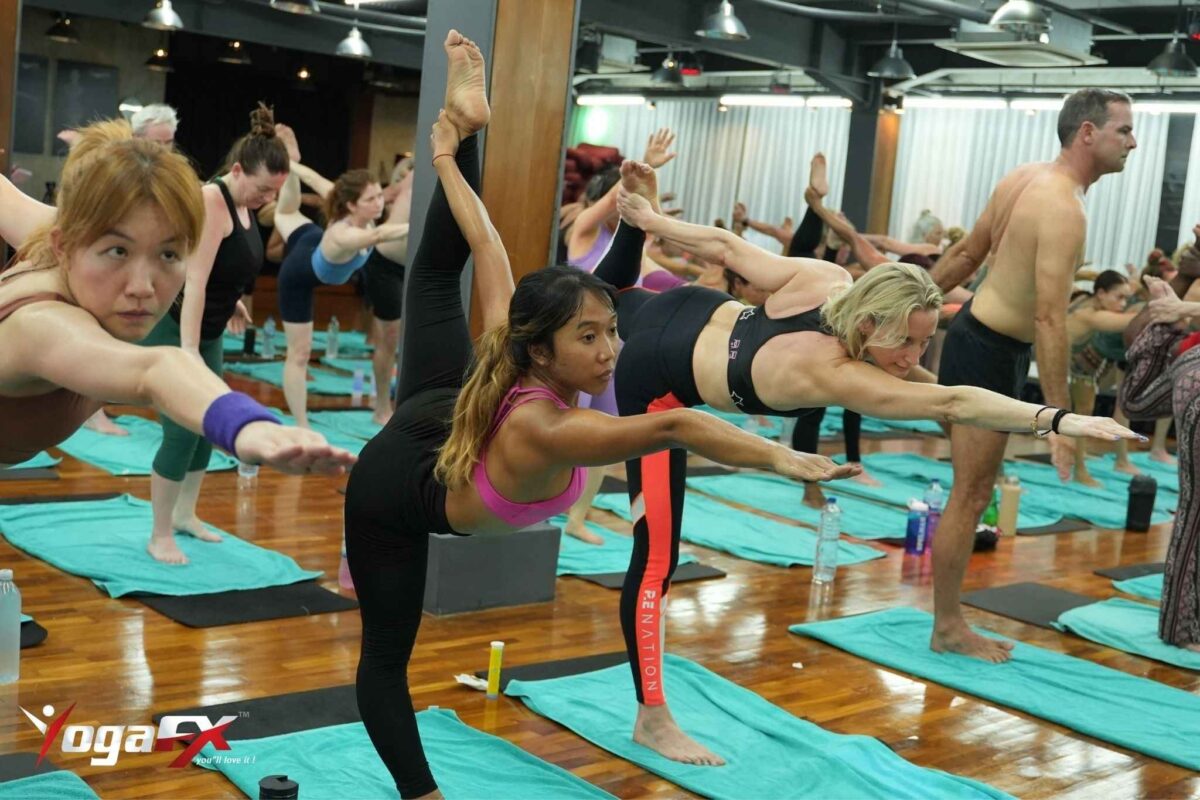
6. Standing Bow Pose
Extending one leg behind while balancing on the other opens the chest and shoulders, enhances spinal flexibility, and strengthens the standing leg. It combines strength with flexibility, building resilience and balance together.
7. Balancing Stick
Brief but energising, this posture holds a straight line from fingertips to toes while balancing on one leg. It strengthens the core, improves stamina, and elevates the heart rate across multiple muscle groups at once.
8. Standing Separate Leg Stretching
This deep forward fold stretches the hamstrings, calves, and spine, releasing tension in the lower back and lengthening the entire back of the body while encouraging spinal flexibility and hip mobility.
9. Triangle Pose
Often described as the pose that works every muscle, joint, and tendon in the body, Triangle stretches and strengthens the hips, thighs, and core while engaging the arms and chest, enhancing respiratory function and balance.
10. Standing Separate Leg Head to Knee Pose
This posture deeply stretches the hamstrings and strengthens the core, with the forward fold aiding circulation and calming the mind through sustained focus on the breath.
11. Tree Pose
Grounding one foot and lifting the opposite leg builds balance and concentration, strengthening the standing leg and stretching the hip and inner thigh of the lifted leg while developing patience and stability.
12. Toe Stand Pose
Balancing on the toes of one foot challenges balance and concentration, strengthening the knees, ankles, and core while building the confidence to hold precarious positions with a calm mind.
13. Dead Body Pose (Savasana)
A complete relaxation pose that lets the body recover and reset. It calms the nervous system, allowing the effects of the standing series to settle before the floor series begins.
14. Wind-Removing Pose
Hugging the knees to the chest gently massages the stomach and intestines, supporting digestion and releasing tension in the lower back and hips.
15. Sit-Up Pose
Moving from Savasana into Sit-Up engages the core and strengthens the spine, energising the body and maintaining flexibility in the hamstrings ahead of the backbends to come.
16. Cobra Pose
A gentle yet powerful backbend that strengthens the spine, opens the chest, and improves posture, releasing tension from the upper spine and shoulders.
17. Locust Pose
Lifting the arms, legs, and chest off the ground targets the lower back, glutes, and hamstrings, strengthening the entire back body and supporting overall posture.
18. Full Locust Pose
A deeper variation of Locust that opens the chest and shoulders while strengthening the spine, upper back, and arms, improving coordination and body awareness.
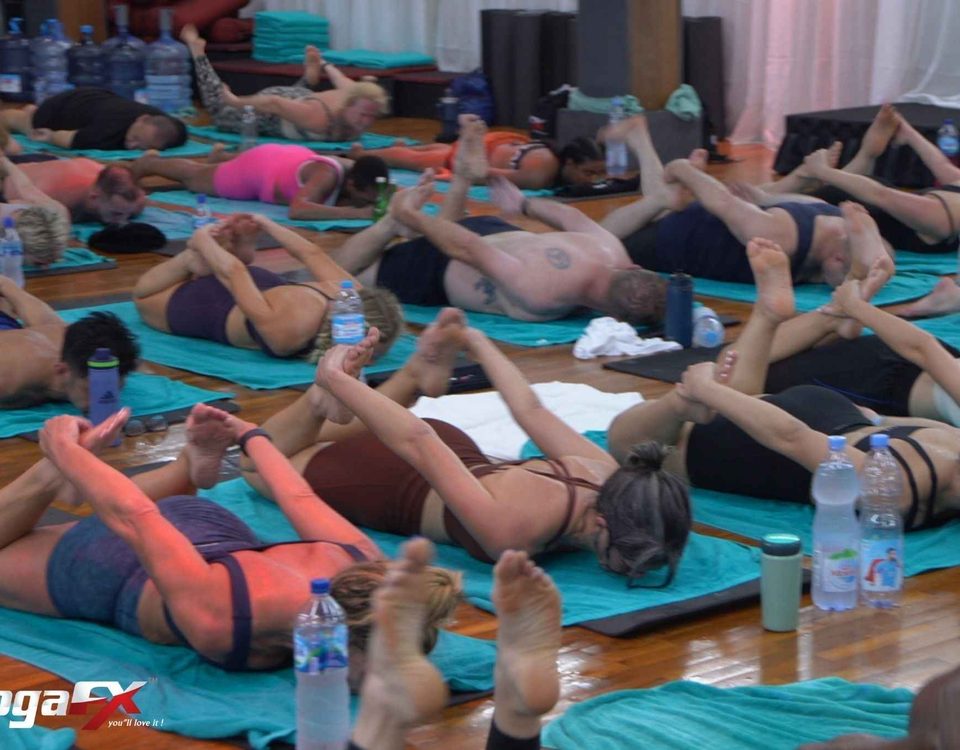
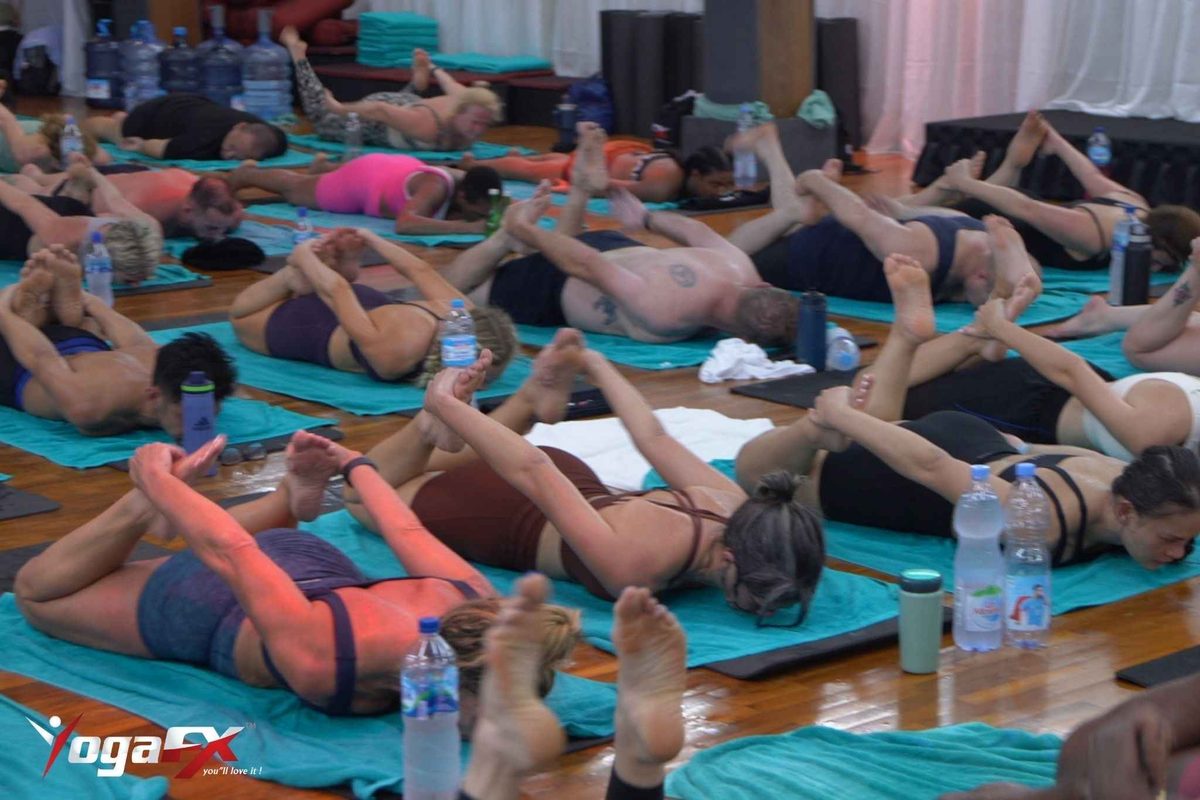
19. Bow Pose
Stretching the entire front of the body, including the thighs, abdomen, chest, and shoulders, this backbend strengthens the spine and improves posture while energising the body.
20. Fixed Firm Pose
Targeting the knees, ankles, and hips, this pose increases lower-body flexibility by stretching the quadriceps and improving circulation, preparing the body for deeper forward folds.
21. Half Tortoise Pose
A deeply relaxing forward fold that gently stretches the spine and shoulders, calming the nervous system and relieving tension in the neck and upper back.
22. Camel Pose
A deep backbend that stretches the chest, abdomen, and throat, boosting energy levels and increasing circulation to the head and heart while opening the chest and improving spinal flexibility.
23. Rabbit Pose
A forward fold that stretches the spine, neck, and shoulders, decompressing the vertebrae, relieving tension in the back, and stimulating the thyroid gland.
24. Head to Knee Pose with Stretching Pose
These forward folds stretch the hamstrings and spine, strengthen the back, and aid digestion through gentle compression on the abdomen while calming the mind.
25. Spine Twisting Pose
A gentle twist that increases spinal flexibility, aids digestion, and relieves tension in the lower back, making it a settling pose toward the end of the sequence.
26. Blowing in Firm Pose
The final breathing exercise, a controlled forceful exhalation that strengthens the abdominal muscles and clears the mind, leaving you refreshed and focused at the end of class.
What The Research Says
A lot of hot yoga content leans on vague claims about the practice, so it’s worth being specific about what the evidence actually shows. A systematic review spanning 43 studies and 942 participants found consistent evidence for improved flexibility, bone density markers, and general well-being among regular practitioners (Willmott et al., 2025). Separately, an 8-week study tracking Bikram-style practitioners recorded a 20% increase in posterior chain strength alongside measurable gains in flexibility and body composition (Tracy & Hart, 2013). This is what the sequence above is actually building toward: measurable strength and flexibility gains from repeated, correct practice, not a single dramatic session.
This article is for general information and doesn’t replace advice from a qualified healthcare professional. If you have an injury, a cardiovascular condition, or are pregnant, talk to your doctor and your instructor before attempting this sequence in a heated room.
Tips for Mastering Hot Yoga Postures
- Hydrate well. Hot yoga demands hydration, so drink water before, during, and after class to stay energised and avoid dehydration.
- Wear comfortable clothing. Lightweight, moisture-wicking attire keeps you cool and focused rather than distracted by heavy, sweat-soaked fabric.
- Focus on your breath. Controlled, deep breathing keeps you calm and improves endurance throughout class.
- Take your time. Mastering these postures takes patience. Each session is a step toward deeper strength and flexibility, not a race to a final shape.
- Stay consistent. Regular practice compounds. Attending weekly lets the benefits of this sequence build over months rather than one class at a time.
Learning This Sequence Properly with YogaFX
Knowing what each posture targets is useful, but learning to teach this exact 26-posture sequence with correct alignment and scripted verbal cueing is a different skill, one that YogaFX‘s teacher training in Bali is built specifically around. Mr. Ian Terry, E-RYT 500, trained directly under Bikram Choudhury across five events between 2012 and 2019 and has logged more than 12,000 teaching hours across 1,500+ graduates from over 80 countries. Classes run in the studios’ natural tropical heat in Seminyak and Canggu, Bali, not electric heaters, giving students a genuine feel for how this sequence responds to consistent natural conditions rather than a cycling UK studio heater.
If you’re deciding whether to move from practising this sequence to teaching it, our guide to how to become a yoga teacher walks through the real steps, and our breakdown of hot yoga for weight loss covers what this sequence does for calorie burn and body composition specifically.
FAQ
How many postures are in a hot yoga class?
The original hot yoga sequence consists of 26 postures and 2 breathing exercises, performed in a fixed order across a 90-minute class in a room heated to around 40°C.
Why is the sequence always in the same order?
The fixed order is intentional. Each posture prepares the body for the next, building heat and flexibility progressively rather than at random, which is why the sequence is taught identically in every certified class.
Can beginners do all 26 postures on their first try?
Most beginners attempt every posture from the first class but with modified depth. The instructor talks you through each pose in real time, so full flexibility isn’t required to start; it develops with consistent practice.
Which posture is hardest for beginners?
Standing Head to Knee and Toe Stand tend to challenge beginners most, since both demand balance and concentration simultaneously. Most students see steady improvement in these two poses within the first month of regular practice.