RYT 200 is a Yoga Alliance title for teachers who finished a 200-hour course at a registered school. In the UK it is not a licence, and it is not insurance. Studios and councils increasingly ask to see proof of cover, so your RYT 200 opens the door but your policy and first aid certificate keep you in the room.

This guide looks at the RYT 200 from a British angle. We read the public pages of two UK insurance routes and the NHS heat guidance on 13 November 2026, and we say plainly where a page was silent. It is written for new teachers weighing a course, and for graduates deciding what to buy before the first paid class.
What an RYT 200 gives you in the UK, and what it does not
Start with the plain version. An RYT 200 shows that you trained for 200 hours with a school that Yoga Alliance has accepted onto its register. Yoga Alliance says a registered school lets its graduates register as RYTs. So the title proves your training route. It doesn’t prove how well you teach a full room.
So when someone asks what is RYT 200, or wants the RYT 200 meaning in one line, the answer is a training title, not a job guarantee. Being RYT 200 certified tells a studio where you trained and for how long, and that is all.
That difference matters in Britain, because your first booking will not hinge on the letters alone. A studio manager wants to know that you’re insured, that you can handle an emergency, and that you can hold a class together. The RYT 200 covers only the first step of that chain.
- It gives you a recognised starting point. Some UK advertisements list a 200-hour qualification, though wording varies from one advert to the next.
- It doesn’t insure you. Cover comes from a separate policy or membership, and you pay for it yourself.
- It doesn’t replace first aid. Insurers and venues look for a current certificate on top of your training.
- It doesn’t set your pay. Studios decide rates, and an RYT 200 alone will not guarantee a timetable slot.
If you want the global view of what the title means and how a registry listing works, read the full guide to the RYT 200 title and how you earn it. This page stays with the British questions: cover, hiring and safety.
RYT 200 and teaching insurance: what UK cover looks like
Insurance is where a new RYT 200 teacher most often trips. The British Wheel of Yoga published a warning on 6 August 2026. Its article says a survey suggests that around one in three UK yoga teachers do not hold their own dedicated insurance. The article admits the sample was small, so treat the figure as a signal, not a census.
The same article makes three practical points. Insurance is not always a legal requirement, yet studios, councils, landlords and event organisers increasingly expect proof of public liability and professional indemnity cover. Without cover, a teacher is personally liable for compensation and legal costs. And policies typically will not pay a claim if no trained first aider was present. You can read it on the British Wheel of Yoga cover article.
Two UK routes, read side by side
We read one page from each of two UK routes. The table below keeps to what those pages said, and it marks what neither page covered. Both are sales pages, not policy wording, so ask for the full documents before you pay.
| Route | What the page said | What it means for a new RYT 200 teacher | Still to ask |
|---|---|---|---|
| British Wheel of Yoga, Associate Teaching Membership | Listed at £108 a year for teachers with over 300 hours of training through a reputable school, with teaching insurance included | A 200-hour course may fall short of that hour count, so check which membership level fits you | Which membership level covers a 200-hour graduate |
| Yoga Alliance Professionals policy page | £6,000,000 limit of indemnity, covering professional, public and products liability, with legal defence costs | Cover is tied to membership and to the techniques in your qualifications | Exclusions, premium and the policy period |
| Both pages | Neither page gives the full policy wording | Do not buy on the headline limit alone | Request the policy document first |
Why your qualifications set your cover
The Yoga Alliance Professionals page says its policy covers the techniques named in your qualifications. Styles such as acro and aerial yoga need an add-on. Online classes are covered only if you hold enough qualifications and keep your content up to date.
That wording has a direct effect on a hot yoga graduate. Your certificate should name the style you trained in, and your class should match it. A teacher with a 26&2 certificate who starts a different fusion class may find the policy does not stretch that far.
Cover for teaching abroad
The same page says temporary trips abroad are covered with no time limit, but it excludes Russia, Belarus, the USA and Canada. The British Wheel of Yoga article does not address travel. So if you plan to assist on a retreat after graduation, ask your insurer in writing before you fly.
Five checks before you buy any policy
- Read the exclusions. A big headline limit means little if your style or venue is excluded.
- Match the policy to your certificate. Cover follows qualifications, so keep your RYT 200 paperwork and your course outline together.
- Tell your home insurer. The Yoga Alliance Professionals page notes that its policy will not cover loss or damage to a building, so home classes need a word with your home insurer.
- Hold a current first aid certificate. It protects students first, and it keeps a claim valid.
- Put dates in your diary. Renew the policy each year and re-read it when you add a new class type.
For the legal side, our page on whether you need a licence to teach yoga in the UK sets out insurance and DBS checks in one place. None of this is insurance advice, so ask your broker or membership body what your own policy covers.
A survey cited by the British Wheel of Yoga suggests about one in three UK teachers lack dedicated insurance.
The limit of indemnity shown on one UK teacher policy page, per claim.
The course length that leads to an RYT 200 at a registered school.
A UK graduate checks in on a Sunday and out on a Friday.
Heat exhaustion should ease within 30 minutes of cooling down, says the NHS.
RYT 200 and UK studio jobs: what managers ask for first
Now the hiring side. We have no survey of UK studio managers, so we will not invent one. What we can do is list the documents a manager can reasonably ask for, and show where each one comes from. Think of this as a pack you build before your first interview.
| Document | Why a studio asks | Where it comes from | Who pays |
|---|---|---|---|
| RYT 200 certificate and registry listing | Shows your training route and school | Your school, then your Yoga Alliance account | You |
| Public liability and professional indemnity proof | Studios, councils and landlords increasingly expect it | A policy or membership you buy | You |
| Current first aid certificate | Insurers typically will not pay if no trained first aider is present | An accredited first aid course | You |
| A short teaching demo or class plan | Shows how you hold a room | Your practical teaching on the course | Included in good courses |
| Style certificate, such as hot 26&2 | Tells the studio which timetable slot fits | The same course, if it awards one | Included in the course fee |
The audition is the real test
Many managers ask a new teacher to lead a short class before offering a slot. That’s where your practical hours show. A graduate who taught every day of a course walks in calmer than one who taught once at the end.
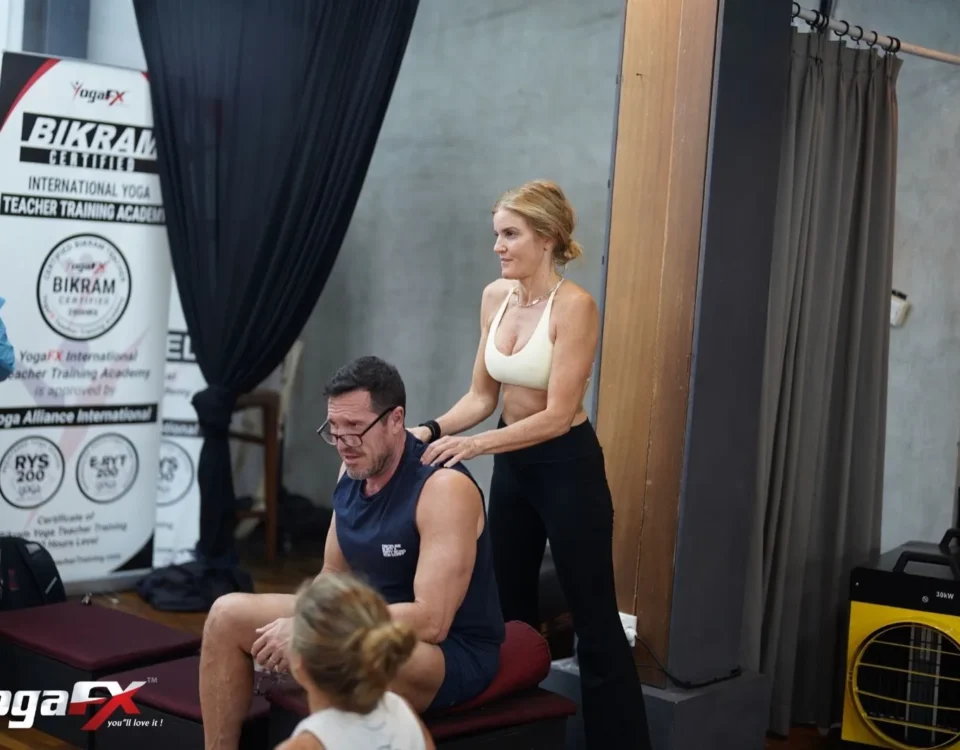
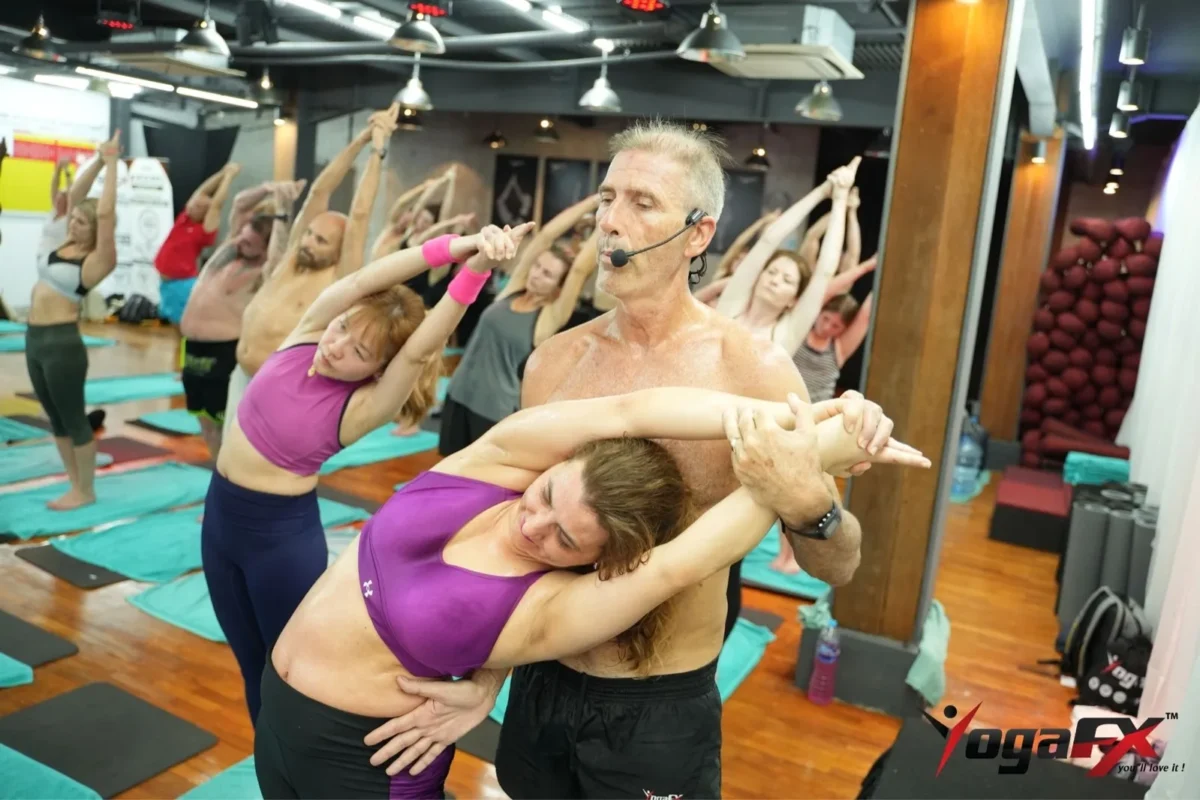
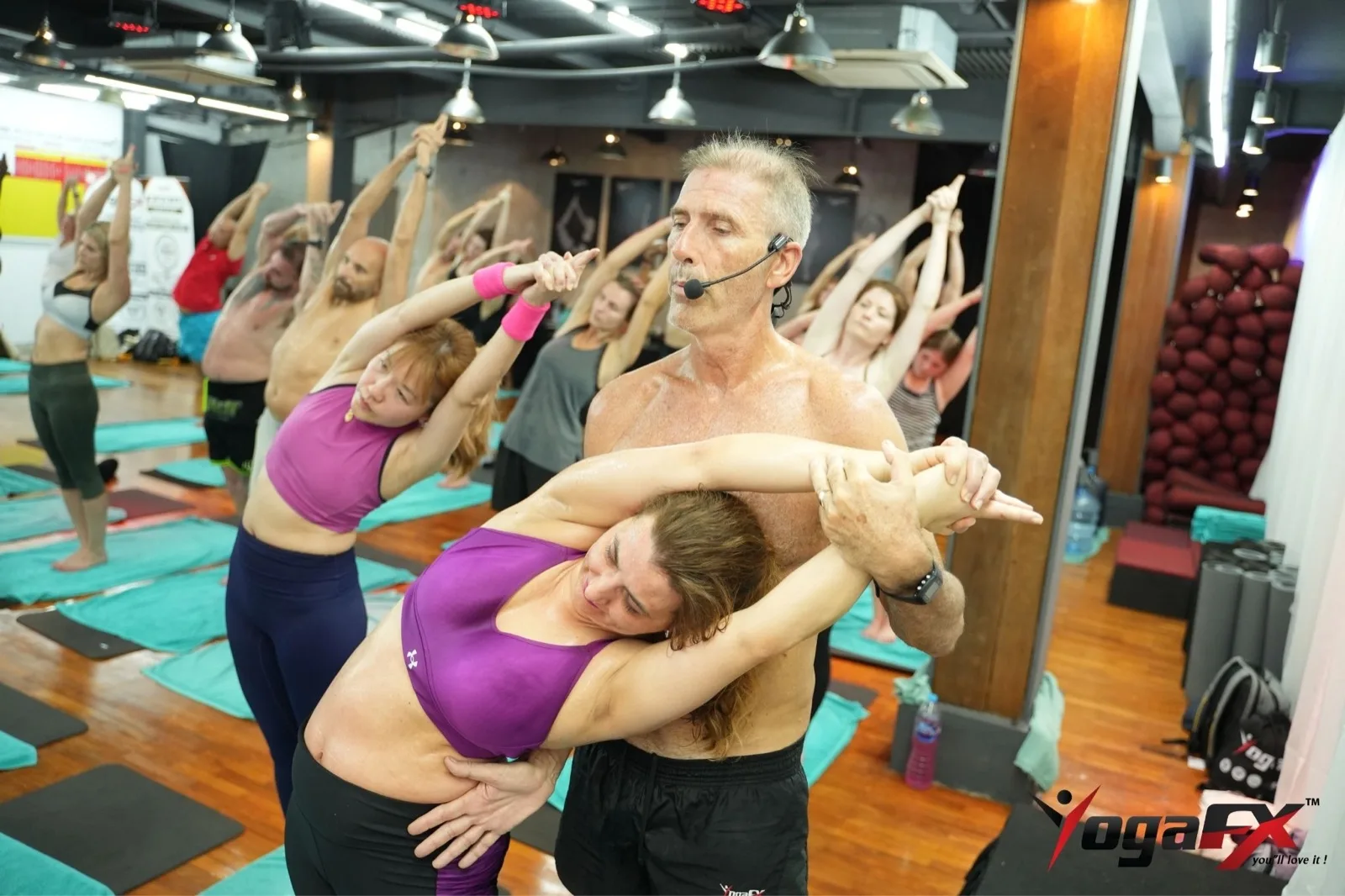
Mr. Ian Terry, our E-RYT 500 lead trainer, builds the Bali week around that idea. He has more than 12,000 teaching hours, and trainees teach from the early days of the course. We’ll cover this properly later on, because it changes how you choose a course.

How to write RYT 200 on a CV
- Put the title and school together. Write “RYT 200, 200-hour training, [school name]” so a reader sees both parts at once.
- List your style. Add the method named on your certificate, such as Original Hot 26&2 Yoga.
- Add insurance and first aid on one line. A manager scanning a CV looks for both.
- Show real teaching. Mention the number of practical classes you led, not only the hours you studied.
Before you apply, it helps to know which credentials studios actually accept. Our guide to which UK credentials studios accept explains the difference between a school certificate and a registry listing.
Heat safety: the RYT 200 topic UK hot studios care about
A hot room adds a risk that a standard anatomy workshop never covers. Heat plus effort can push a student, or a teacher, into trouble. So a new RYT 200 teacher in a hot studio should know the warning signs before the first class. The evidence here comes from public health sources, not from yoga marketing.
What the NHS says to look for
The NHS lists tiredness, dizziness, headache, nausea, heavy sweating, cramps, a high temperature and thirst as heat exhaustion signs. It says the person should move somewhere cool, remove unnecessary clothing, drink water and cool the skin. They should start to feel better within 30 minutes.
Heatstroke is different. The NHS calls it a medical emergency, with signs such as hot skin without sweating, confusion, fast breathing and seizures, and it tells you to call 999. Read the full NHS guidance on heat exhaustion and heatstroke.
Who is more at risk
Mayo Clinic says heat illness has causes including high temperatures, especially with high humidity, and strenuous physical activity. Its risk factors include some medicines, such as beta blockers, diuretics and antihistamines. It also notes that the body needs time to adjust, and that it can take several weeks to get used to hot weather. Details sit on the Mayo Clinic heat exhaustion page.
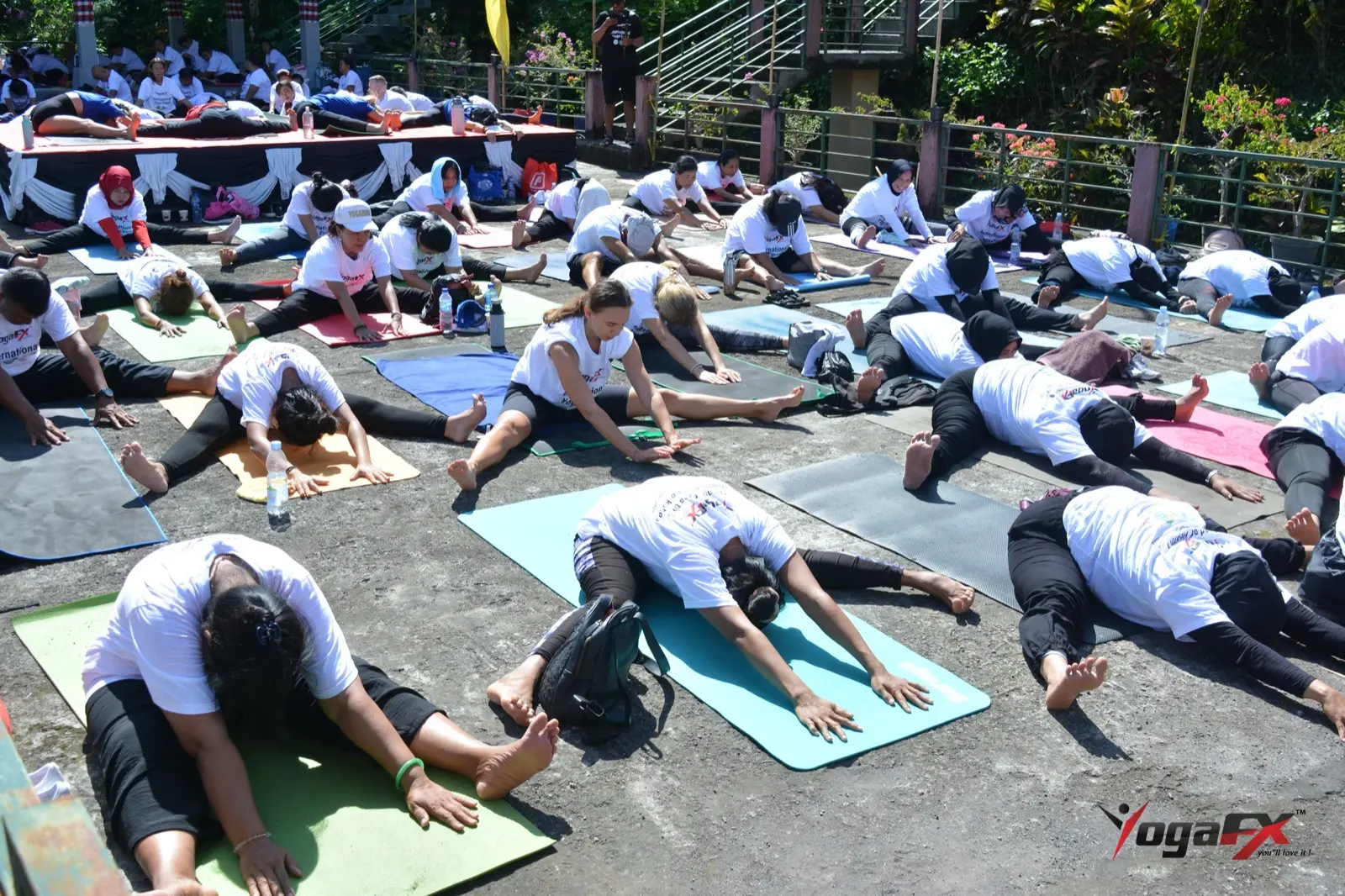
What to build into your first classes
- Ask about medicines at intake. A student on a diuretic or beta blocker needs a conversation before a hot room.
- Ease new students in. Suggest shorter visits and more rests, because acclimatisation takes weeks.
- Know the emergency steps. Cool the person and give fluids for heat exhaustion, and call 999 for suspected heatstroke.
- Keep your first aid certificate current. It protects students and it keeps your cover valid.
This is general information, not medical advice. Anyone with a heart condition, who is pregnant or who takes regular medication should speak to a healthcare professional before a heated class.
What graduates say about learning to teach
Reviews cannot prove an insurance or hiring outcome, so read these as a window into how the course teaches. The first is a word-for-word extract from a video review. The other two come from Google reviews.

The structure and the grit and the push and the toughness but it was coupled with caring and compassion and kindness.
Sy, YouTube review, 2025
You are teaching almost from the start of the course and your confidence increases daily.
Marion, Google review, 2024
When Mr Ian says you will start teaching from day 1 he is not joking!
Özge, Google review, 2025
YogaFX students have left 150 Google reviews, 50 Yoga Alliance reviews and 357 video testimonials on YouTube. Reviews are not a promise about your result, and yours may differ.
Earning your RYT 200 on the YogaFX Bali hybrid course
UK applicants often ask how to fit a course around work. The YogaFX MasterClass is a 6-day hybrid programme. You study online first, then fly to Bali for the intensive. Check-in is on a Sunday and check-out on a Friday, so a British employee needs just five days of leave.
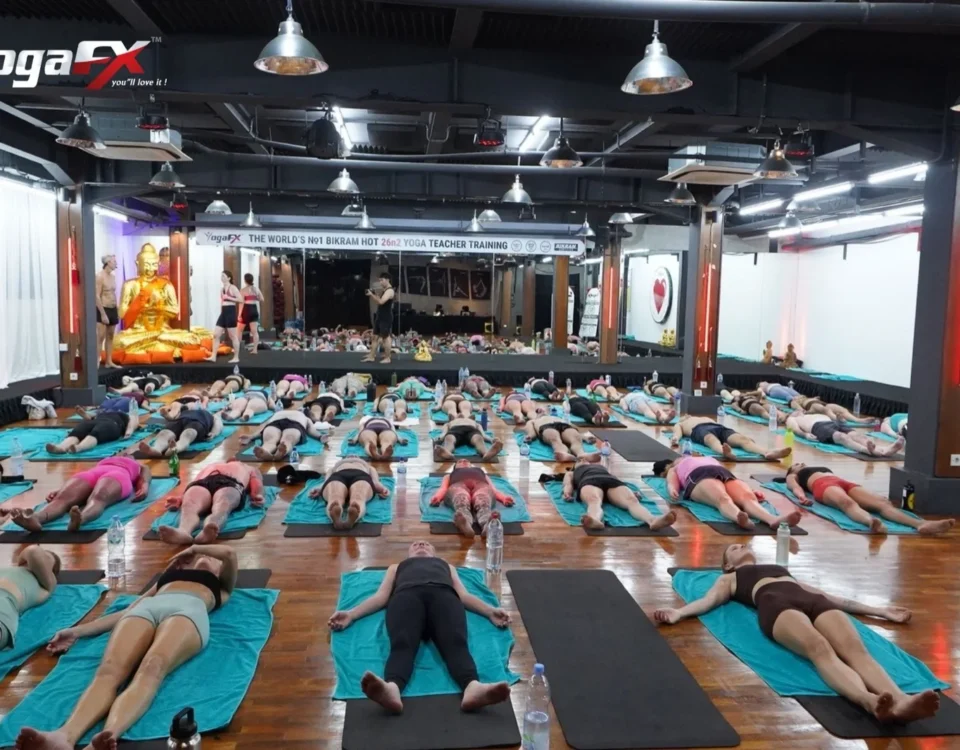
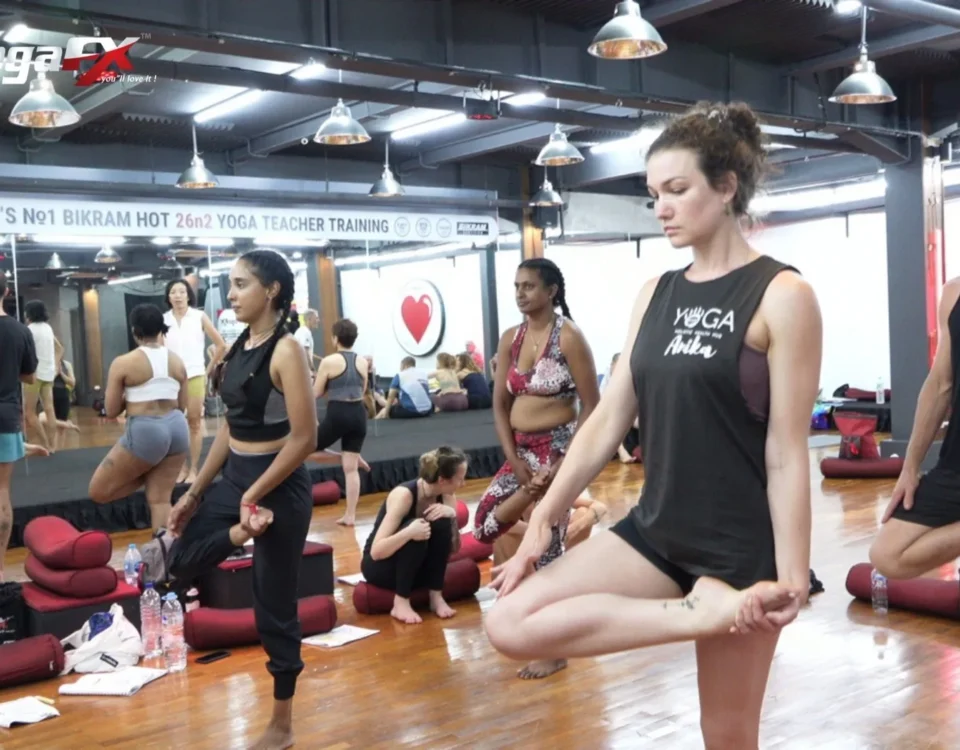
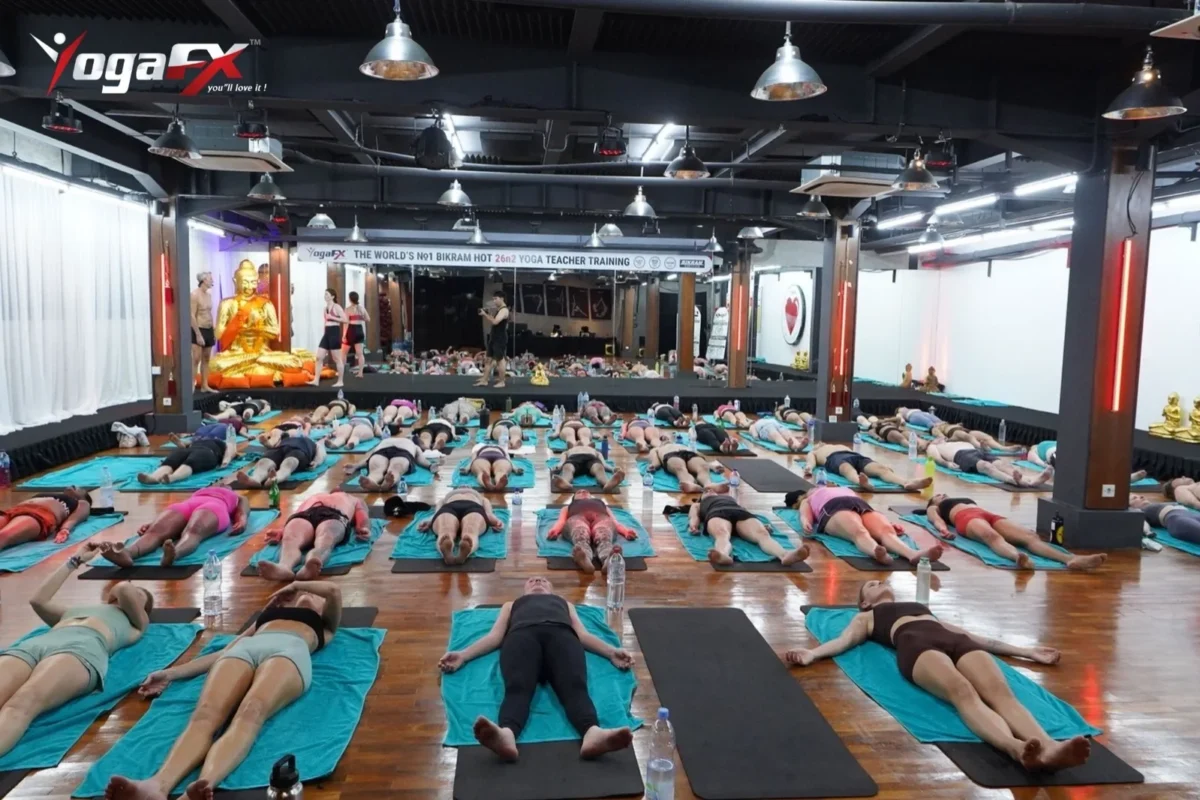
You graduate with two credentials from one programme: the Yoga Alliance RYT 200-Hour and the Bikram Hot 26&2 200-Hour International Yoga Certification. Classes run 90 minutes at about 40 degrees Celsius and 40% humidity, warmed by natural tropical heat, with a scripted dialogue and no music or demonstration.
Who trains you
Mr. Ian Terry holds E-RYT 500 and has taught for over 12,000 hours. From 2014 to 2019 he spent five years training alongside the founder of the Bikram Hot 26&2 method. He is also a Master Trainer for the Republic of Indonesia Yogasana Sports Federation, and YogaFX has graduated 1,500+ teachers from 80+ countries since 2017.
Dates, venue and price
| Detail | MasterClass information | What a UK graduate should check |
|---|---|---|
| Format | 6 days: online pre-course plus a Bali intensive | Five days of annual leave, Sunday to Friday |
| Next batch | 24 to 29 January 2027, Soham Wellness Center, Seminyak | Flights and travel insurance for those dates |
| Price | Early Bird US$1,899, against a normal US$1,999 | Convert to pounds on the day you pay |
| Rooms | Twin share US$1,999 or single premium room US$2,199 | Which room option your fee covers |
| Instalments | From US$250 a month, interest-free | Whether the plan fits your monthly budget |
If you are weighing a UK course against Bali, our comparison of yoga teacher training in Bali versus the UK lays out costs and time off side by side. Teachers asking what comes after the first title may also like our guide to 200-hour versus 500-hour training. Once you are registered, keep your hours in order with our page on yoga continuing education for UK teachers.
Your first 90 days after an RYT 200
- Week one: register with Yoga Alliance, and book a first aid course if yours has lapsed.
- Weeks two to four: compare UK insurance routes, read the full policy documents, and match them to your certificate.
- Month two: build your document pack, then offer a free community class to practise teaching outside a training room.
- Month three: approach studios with your pack, and ask each one what it needs before an audition.
Spreading the work over a quarter turns a long list into a calendar. A studio manager who sees a complete pack on day one will also trust you faster. That is a fair signal of professionalism, although it is never a guarantee of work.
Disclaimer: this page is general information and does not replace medical, legal or insurance advice. Rules and prices change often, so confirm cover, fees and requirements with the organisation concerned. Please speak to a healthcare professional before you start any heated exercise.
FAQ
Can I get teaching insurance with an RYT 200 in the UK?
Yes, UK routes exist, but eligibility differs. One British Wheel of Yoga membership level is described for teachers with over 300 hours of training, so a 200-hour graduate should check which level fits. Another UK policy ties cover to your qualifications. Ask each provider for the full policy document before you pay.
Do UK studios hire teachers who only hold an RYT 200?
Some do, and some adverts list a 200-hour qualification as a starting point. Studios also increasingly expect proof of public liability and professional indemnity cover, plus first aid. Each studio sets its own rules, so ask before applying and offer a short demo class to show how you teach.
How do I write RYT 200 on a CV?
Put the title and school together, such as “RYT 200, 200-hour training, school name”. Add the method named on your certificate, then list insurance and first aid on a single line. Mention how many practical classes you taught, because managers value real teaching more than a bare list of study hours.
Is an RYT 200 a legal licence to teach yoga in the UK?
No. Yoga Alliance runs a registry, so the RYT 200 is a recognised training title, not a government licence. The British Wheel of Yoga says insurance is not always a legal requirement, yet venues increasingly ask for it. Check venue rules and your policy before you teach any class.
What heat illness signs should a new hot yoga teacher know?
The NHS lists tiredness, dizziness, headache, nausea, heavy sweating, cramps and thirst as heat exhaustion signs, and says cooling down should help within 30 minutes. Heatstroke is a medical emergency, with hot skin without sweating or confusion, so call 999. Keep a first aid certificate current.
Still have questions? Message Mr. Ian and the YogaFX team on WhatsApp and we will answer them personally.