The international yoga sports federation (IYSF) is the global governing body for judged yoga. Its own history page says it was founded in Lausanne in 2013 and registered in 2014. For UK athletes, the honest answer on qualifying is simple: we found no published UK route, so you verify it yourself.

That answer might disappoint you, but it saves months of guessing. Below, I separate what the international yoga sports federation does from what UK bodies do, list what we could and couldn’t confirm, and give you five checks to run before you train for a competition.
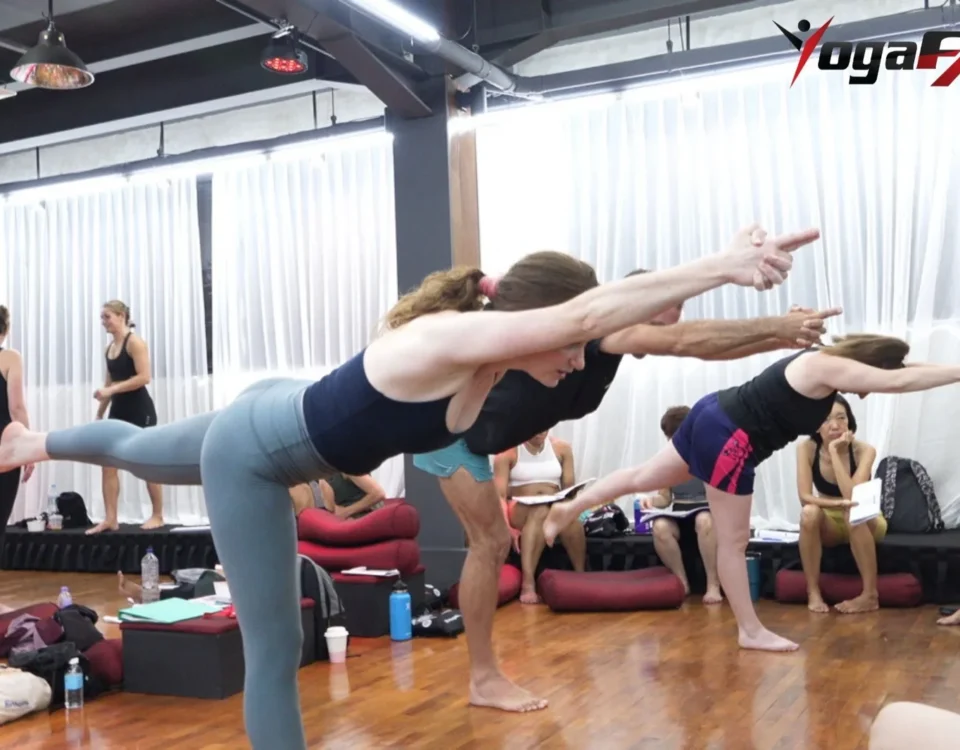
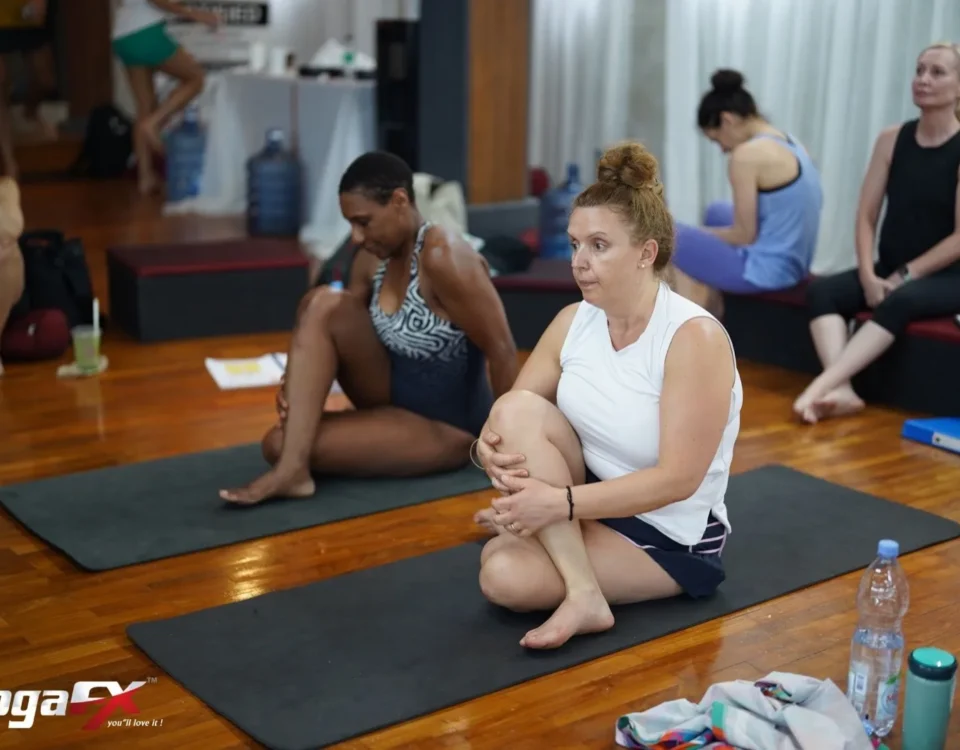
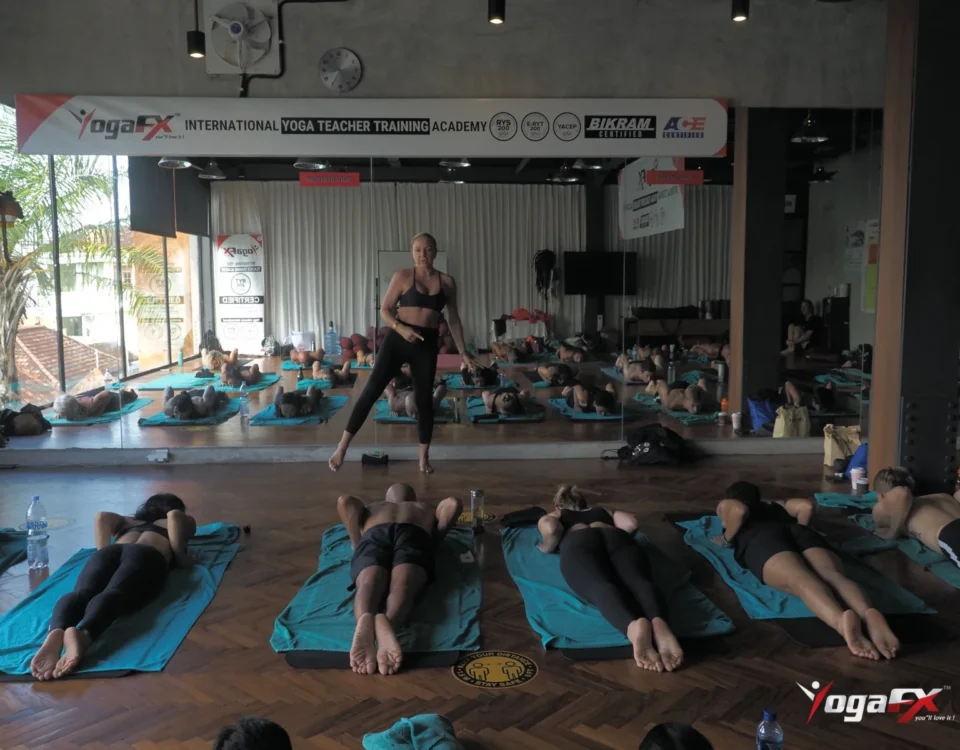
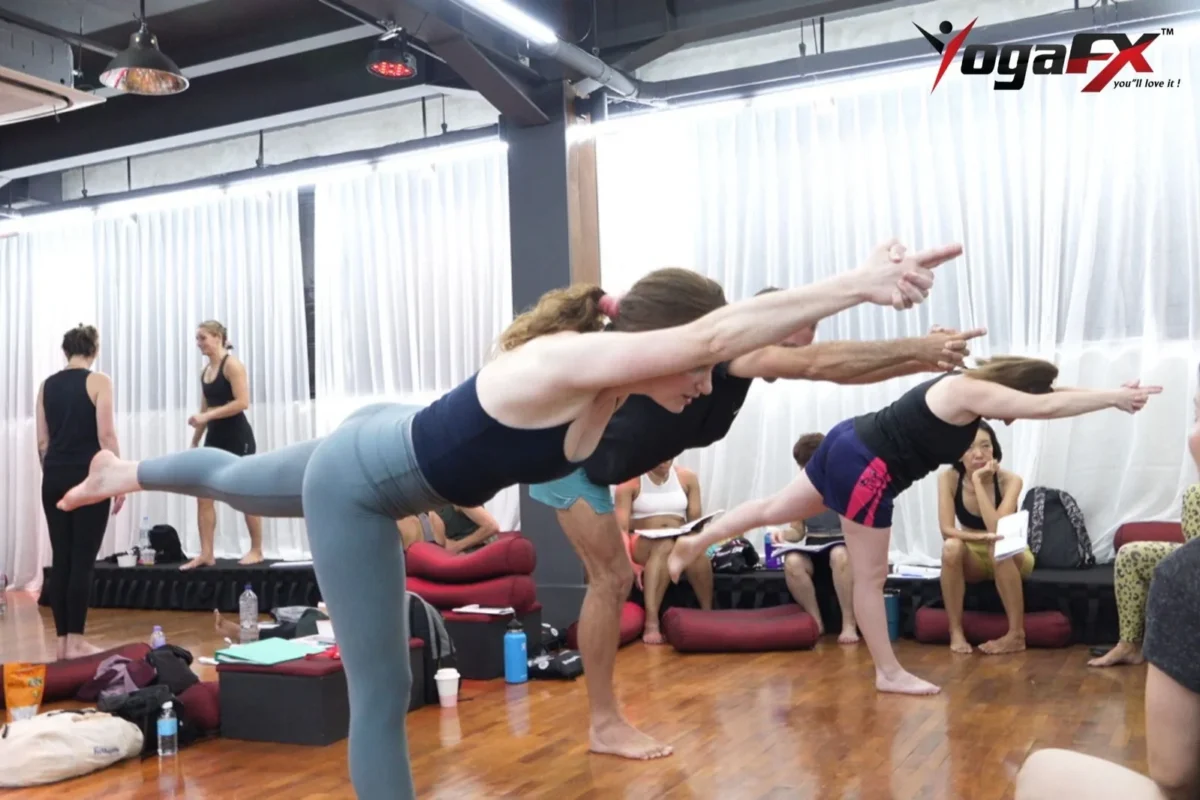
I’m writing from the teaching side. Mr. Ian Terry, E-RYT 500, founder of YogaFX, is a Master Trainer of the Republic of Indonesia Yogasana Sports Federation. He has watched our graduates move from a hot room onto a judged floor, so he knows how much of the sport is paperwork and how little of it is asana.
What the International Yoga Sports Federation Is, and What It Is Not
Start with the name, because several groups borrow it. The IYSF describes itself as the global governing body for yoga asana sport. It writes the scoring rules, runs world championships and works with national federations.
Its history is more layered than most summaries suggest. The IYSF page traces the first asana competitions to 1973 in Calcutta, run by the West Bengal Yoga Federation. A US cup then ran every year from 2003 to 2014, and the federation itself was founded in Lausanne in 2013.
Some online summaries give a different founding date, so always check the international yoga sports federation’s own page. Dates matter here because, as a result, they tell you which organisation a result or a medal really belongs to.
The IYSF is not three things people often assume:
- Not a teacher certifier. A qualification such as RYT 200 comes from a school and a registry, not from a sports federation.
- Not a style of yoga. Its rules describe how postures are judged, not a brand or a lineage.
- Not a UK body. It’s based in Switzerland and works through national federations in other countries.
Who Does What: IYSF, the British Wheel of Yoga and Sport England
UK readers meet three different kinds of organisation. They do not do the same job, so the table keeps them apart. It only uses facts we could open and read on the organisations’ own pages.
| Body | Role | What we verified | What we could not find |
|---|---|---|---|
| International Yoga Sports Federation (IYSF) | Global governing body for yoga asana sport | Founded in Lausanne in 2013, registered in 2014. Member national federations in over 25 countries, and the UK appears in its list. | No UK federation is named on its history page. |
| British Wheel of Yoga (BWY) | National governing body for yoga in the UK | Says it is recognised by Sport England and Sport Wales. Sport England lists yoga with the BWY as its governing body. | No public statement of IYSF membership or UK qualifying events. |
| Teacher registries and training schools | Certify teachers, not athletes | A teacher qualification does not give you a place on a competition team. | Any link between a teaching badge and entry to an IYSF event. |
Notice the gap in the last column. It is the reason UK athletes feel confused. A national body exists, and an international body exists, but the public pages do not show the bridge between them.
Red Flags in Any International Yoga Sports Federation Offer
Names like “world”, “international” and “yogasana” turn up on many flyers. So before you pay for anything that borrows the international yoga sports federation’s name, scan the offer for these red flags. They’re my own rules of thumb from the teaching side, not federation rules.
- A guaranteed place or medal. Real selection depends on scores and rules, so nobody can promise a result.
- An entry fee but no rulebook. If the scoring method isn’t published, you can’t prepare for it.
- A “world” title with no named federation behind it. Ask who sanctions the event and who the judges are.
- No mention of insurance or medical forms. Serious events plan for injuries, and the NHS advice below applies to athletes too.
- Results shown only as social posts. A genuine event can show you its scoring sheets and age categories.
None of these proves an event is fake. Together, though, they tell you to slow down and ask questions. If you want a second opinion, message us and Mr. Ian will tell you what he sees.
UK Yoga Competitions: What We Could and Couldn’t Verify
Here’s what we could confirm. The international yoga sports federation says its championships use a standardised scoring system and have age groups for youth, adults and masters. London hosted the 2014 world championship, according to the federation’s own event list, so the UK has seen the top level of the sport on home soil.
Every event is judged with the same system, which is the main promise of the international yoga sports federation: an athlete in one country should be scored the way an athlete in another country is.
Since then the events moved around the world: Pordenone in 2016, Beijing in 2018, an online edition in 2021, Bengaluru in 2022 and Cyberjaya in 2025. That is useful for planning, because a UK athlete should expect to travel.
The British Wheel of Yoga also runs yoga-for-sport content. In 2024 it joined the Institute of Yoga Sports Science for an online Yoga for Sport workshop. That session was about sport-specific sequencing and injury prevention, not competition entry.
Now the gap. We couldn’t find a published UK qualifying event, a selection policy or a named UK team lead on the IYSF or BWY pages we read. That does not prove none exists. It means a UK athlete cannot confirm a route from public pages alone.
For the wider UK picture, read our guide to competitive yoga in Britain. For a different governing body that backs a related track, see what the World Yogasana Championship 2026 means for UK practitioners.
How UK Athletes Qualify: Five Checks Before You Train
Because no route is published, treat qualifying for the international yoga sports federation as a research task first and a training task second. These five checks take an evening, and they protect your money and your time.
- Ask the international yoga sports federation which UK federation, if any, is a member. Use the contact details on its website and ask for a name and a date.
- Ask the British Wheel of Yoga whether it endorses or runs yoga competitions. Get the answer in writing, so you can show it to a coach.
- Download the current rulebook for your exact event. Rules change between federations and between years, so never assume a posture list carries over.
- Check eligibility and costs. Look at age category, entry fees, travel, insurance and whether you need a national federation to nominate you.
- Find a coach who scores like a judge. You want someone who can mark your holds against the written criteria, not just praise your flexibility.
If the first two checks come back empty, you have learned something valuable: you may need to enter through a federation in another country. Some athletes do that, but confirm the eligibility rules first, because residency and nationality rules differ by event.
International Yoga Sports Federation Facts at a Glance
The infographic below pulls the verified international yoga sports federation numbers into one place. It is built as page text rather than an image, so search engines and screen readers can read every figure.
Health Checks Before You Train for Competition
Judged yoga asks you to hold hard postures still, so injury risk deserves a plain look. The best data I could verify is American, but it is a peer-reviewed analysis of hospital records. It is not specific to competition, so read it as general context.
What the injury data shows
A 2016 study by Swain and McGwin, Yoga-Related Injuries in the United States From 2001 to 2014, estimated 29,590 yoga-related injuries treated in US emergency departments between 2001 and 2014. The injury rate rose from 9.55 to 17.01 per 100,000 participants over that period. Most injuries were strains and sprains, and the trunk was the most common site at 46.6%.
Age matters too. In 2014 the rate was 11.9 per 100,000 for ages 18 to 44. It was 57.9 for people aged 65 and over. The authors still describe yoga as a safe form of exercise. That’s worth remembering before you let injury statistics put you off. They advise people to confer with a physician first and to practise under certified instructors.
What the NHS says about training load
The NHS gives a useful baseline for any new training load. Its guidelines for adults aged 19 to 64 ask for at least 150 minutes of moderate activity a week. They add strengthening work on two days, and they list yoga among those activities. They also say to speak to your GP first if you have not exercised for some time or have a medical condition.
So a sensible UK plan looks like this:
- Book a GP check if you are new to exercise, over 45, pregnant or taking medication.
- Build up gradually. Add one extra training session before you add a harder posture.
- Train under a certified teacher who can spot a strain early.
- Read the risks and side effects of hot yoga if your training room is heated.
This article is general information, not medical advice. Please consult a healthcare professional before you start, especially with a heart condition or any ongoing health concern.
What Judges Reward, and Where Teacher Training Fits
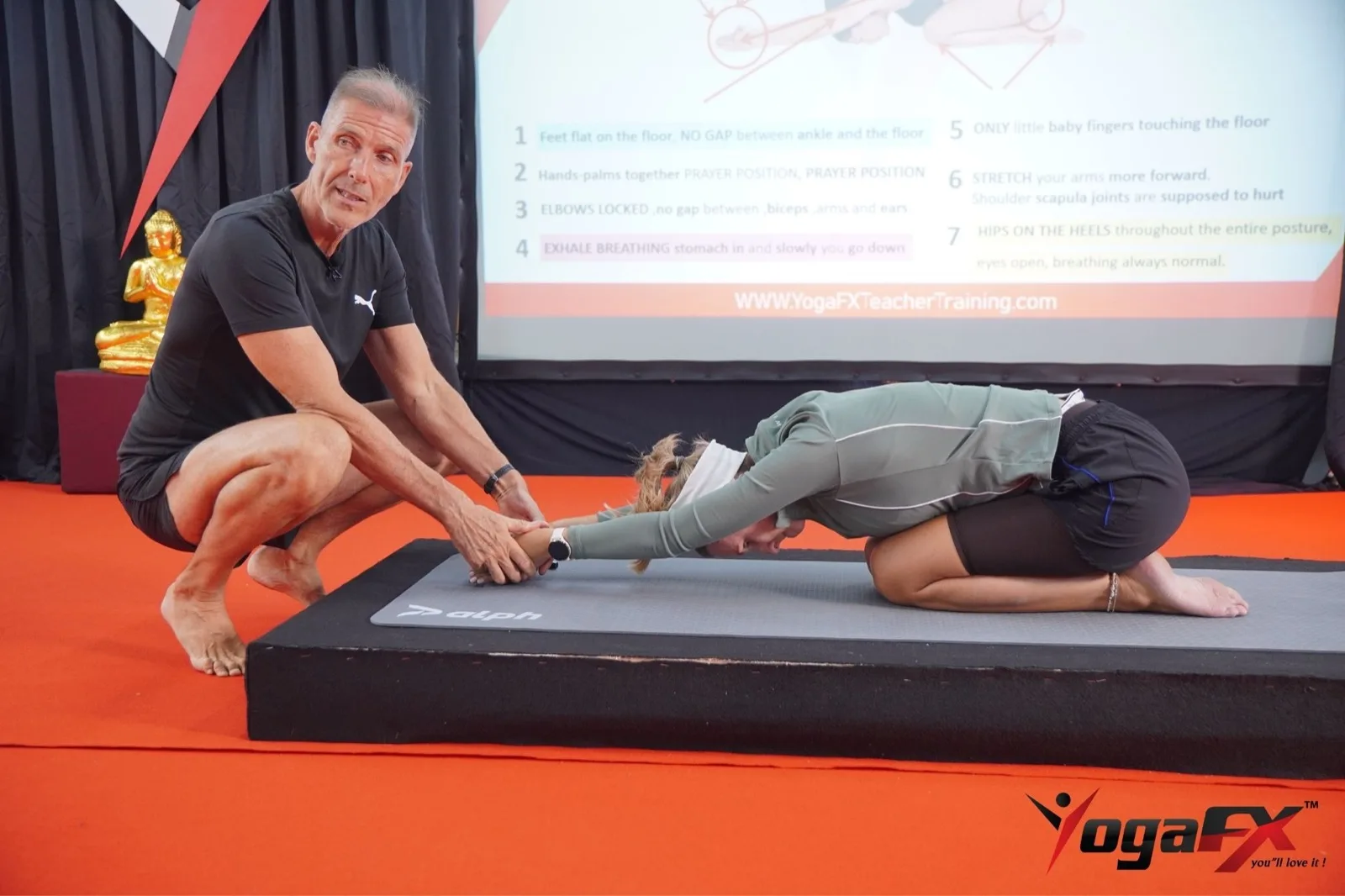
Every international yoga sports federation rulebook rewards precision, and precision is a teaching skill before it is a performance skill.
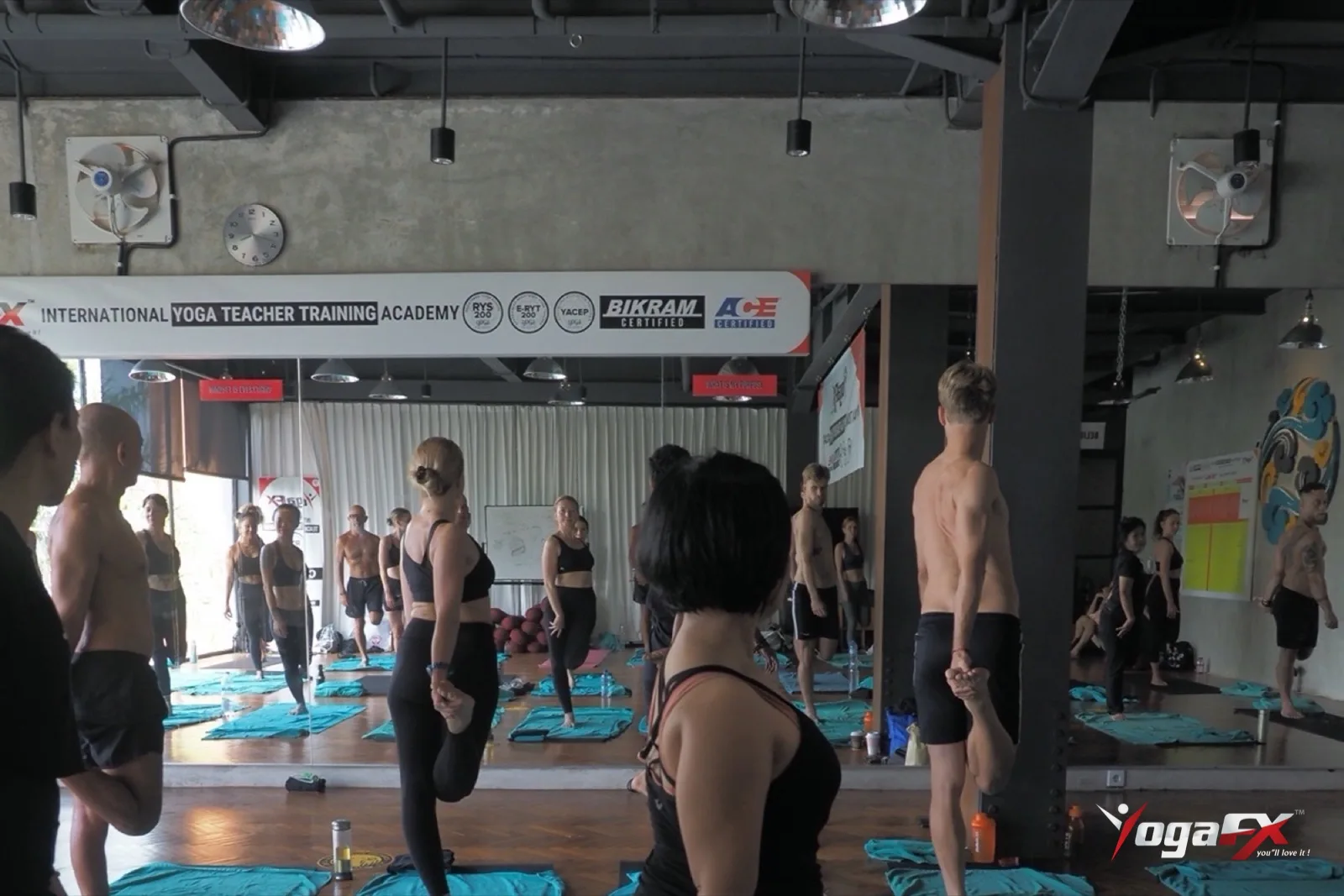
Rulebooks differ, but the habits judges reward are familiar to any teacher: a locked standing knee, square hips and a steady hold. Those are the same corrections we make every day in a hot 26&2 class. For a posture-by-posture view, see how the 26&2 postures map onto competition routines on our sister site.
A fair caveat on the medals
Here is a fair caveat. The medals below come from the Yogasana track, which sits under a different federation family from the IYSF. We include them because they show the teaching standard, not because they prove an IYSF result.
- 12 medals in total by YogaFX students over the years: 5 gold, 3 silver and 4 bronze.
- 7 medals for Indonesia at the World Yogasana Championship in Ahmedabad, 4 to 8 June 2026: 1 gold, 2 silver and 4 bronze.
- Mr. Ian Terry’s credentials: E-RYT 500, 12,000+ teaching hours, and Master Trainer of the Republic of Indonesia Yogasana Sports Federation.
Bali training versus a UK course
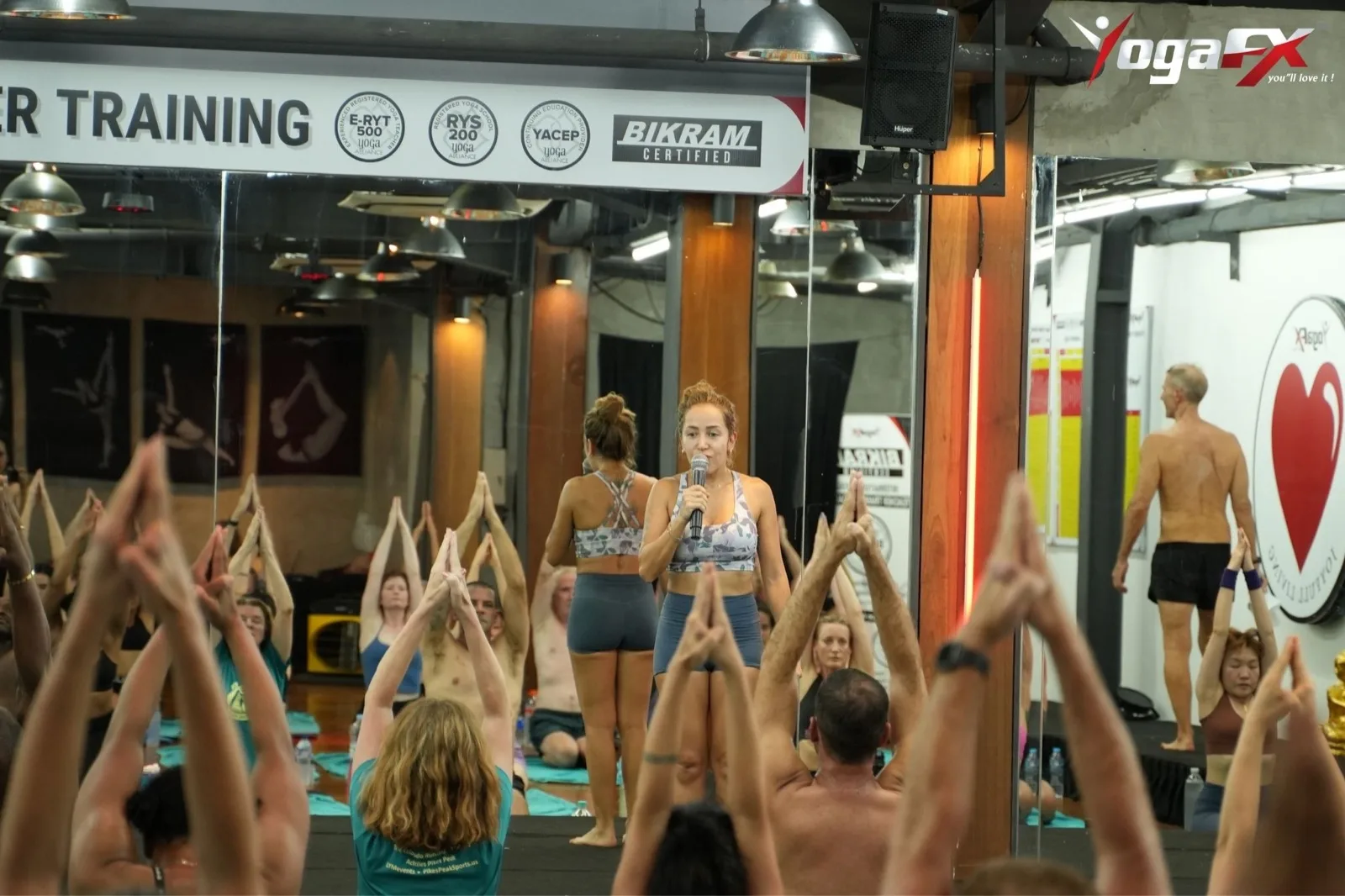
Many UK applicants ask whether they should train at home or fly out. For athletes and future coaches, the question is really about time and cost. A UK course often spreads over weekends for months, while our Bali programme is built around UK students, with costs, travel and time off set out in plain numbers.
The YogaFX Bikram Hot 26&2 Yoga Teacher Training MasterClass is a 6-day hybrid: you study online first, then train in Bali. It leads to Yoga Alliance RYT 200 plus a Bikram Hot 26&2 200-Hour International Yoga Certification. The Early Bird price is US$1,899, against a normal price of US$1,999. For a wider UK comparison, see UK teacher training costs.
The next batch checks in on Sunday 24 January 2027 and checks out on Friday 29 January 2027, at Soham Wellness Center in Seminyak. That means just five days off work. A teaching qualification won’t enter you in an international yoga sports federation event, but it does give you the coaching base that every federation needs.
What YogaFX Students Say
Competition standards only help if the teaching is clear, so here are two short reviews from our Google profile. We have 150 Google reviews, 50 on Yoga Alliance and 357 video testimonials on YouTube.
Michele, Google review, 2022: “3 intense weeks of yoga. It was an extraordinary experience. Out of the ordinary organization and professionalism. Thank you very much!”
Weavet, Google review, 2020: Listed positive communication, quality and professionalism as the strengths of the school (close paraphrase).
FAQ
What is the international yoga sports federation?
The International Yoga Sports Federation, or IYSF, calls itself the global governing body for yoga asana sport. Its history page says it was founded in Lausanne in 2013 and registered in 2014. It sets scoring rules and runs world championships through national federations in over 25 countries.
Is yoga a sport in the UK?
The British Wheel of Yoga says Sport England and Sport Wales recognise it as the national governing body for yoga, and Sport England lists yoga on its governing body table. That recognition covers yoga as an activity. We found no published UK pathway for competitive yoga on its pages.
How do UK athletes qualify for an IYSF event?
We could not find a published UK qualifying route. Ask the IYSF which UK federation, if any, is a member, then ask the British Wheel of Yoga whether it endorses competitions. Always get the current rulebook and eligibility rules in writing before you pay entry fees or book travel.
Is the International Yoga Sports Federation the same as Yoga Alliance?
No. A sports federation writes competition rules, trains judges and stages championships. Yoga Alliance is a teacher registry that recognises schools and teachers. A registry credential such as RYT 200 does not enter you in a championship, and a medal does not certify you to teach.
Is yoga an Olympic sport?
We could not verify that yoga sits on any Olympic programme, so treat claims of an imminent Olympic debut with caution. Governments and federations in some countries are pushing for recognition, but entry depends on decisions no single group controls. Check the IYSF website or the International Olympic Committee for current news.
Still have questions? Message Mr. Ian and the YogaFX team on WhatsApp and we will answer them personally.