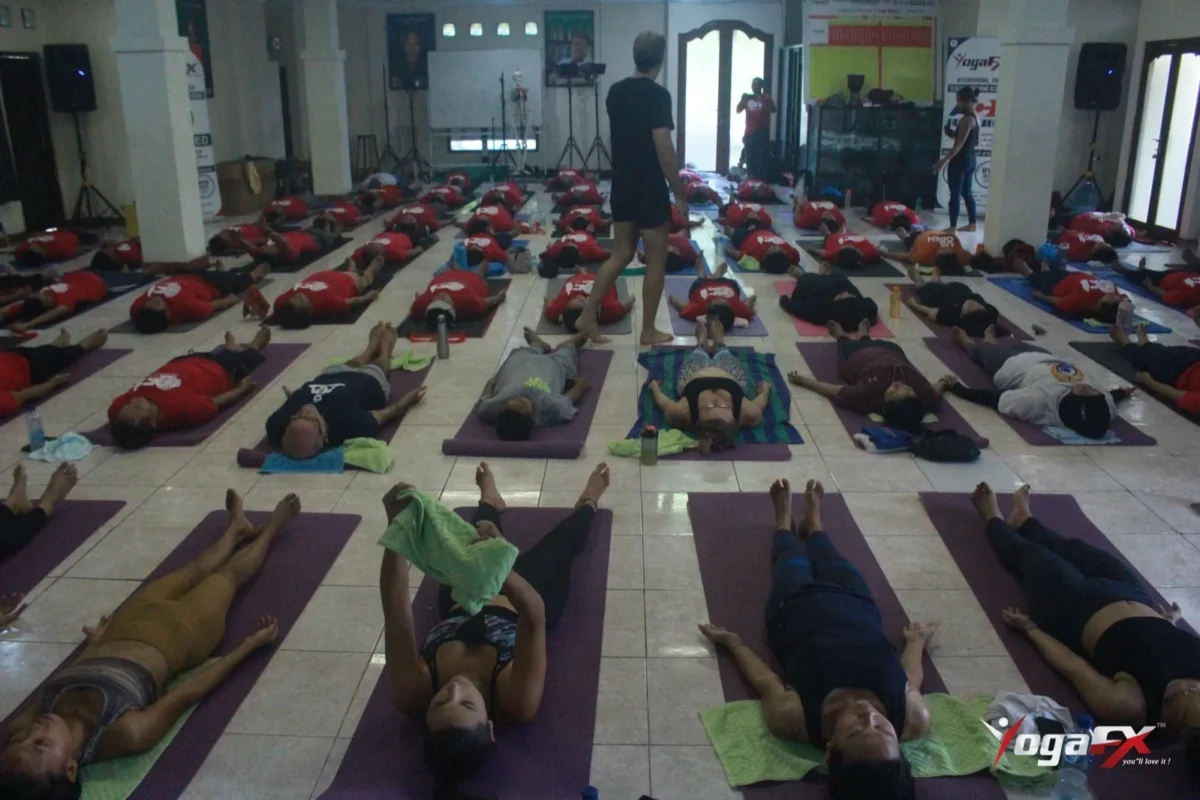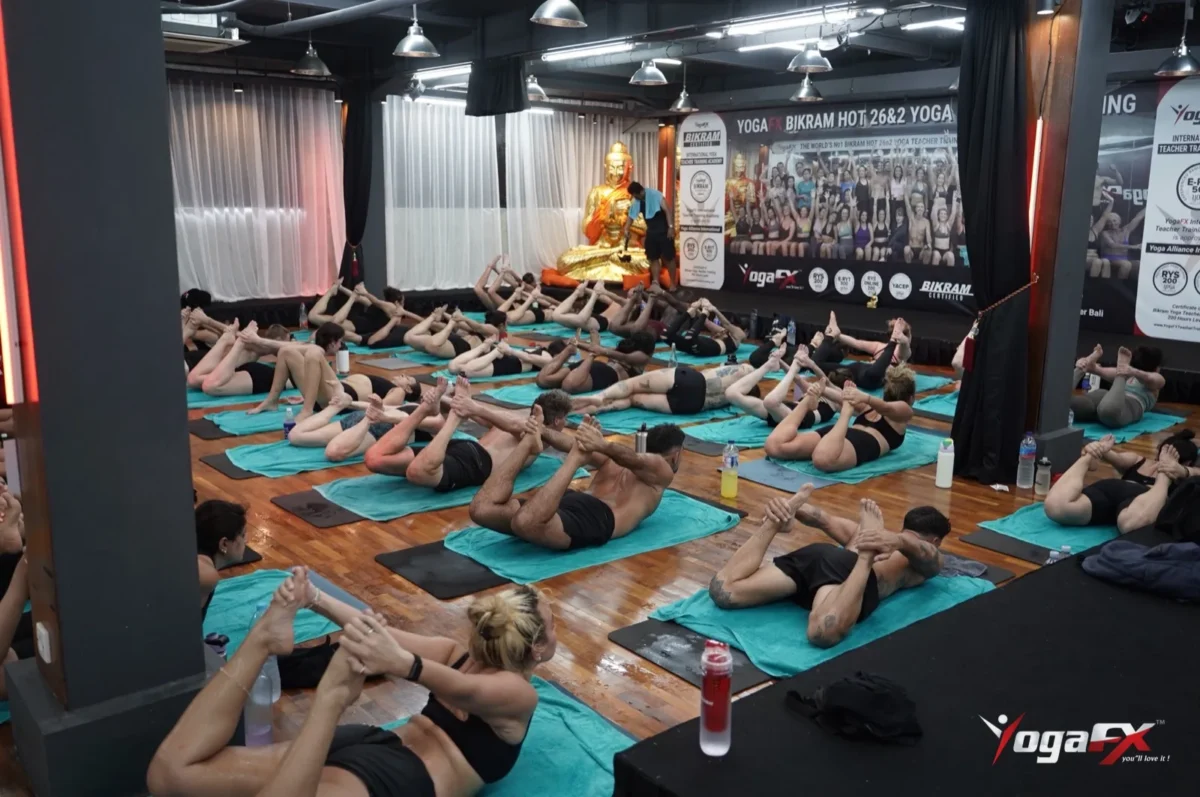

A sauna after hot yoga is safe for most healthy adults if you wait about 30 minutes after class, drink water first and stay in for only 5 to 10 minutes. Leave at the first sign of dizziness. Skip it if you are unwell, pregnant or have a heart or blood pressure condition.

Here is the plan we give UK students who have a sauna and steam room near the studio, or a leisure centre pool with a spa area. It answers the question we hear most: how do I fit a sauna after hot yoga into a normal week?
It comes from Mr. Ian Terry (E-RYT 500, 12,000+ teaching hours), the founder of YogaFX. This article is general information, not medical advice. Please speak to your GP or another healthcare professional before adding sauna sessions to your week.
Sauna After Hot Yoga: The Short Rules That Matter Most
Trouble usually starts when people rush. You’ve just spent 90 minutes in a heated room. The cabin should feel like a quiet wind-down, never a bonus round.
- Hydrate before you go in. Have a few sips of water at the door, not once the flush arrives.
- Leave a gap of about 30 minutes. Heart rate and sweating need time to settle.
- Cap your stay. Five to ten minutes is enough for a first sauna after hot yoga.
- Choose the low bench. Heat rises, so the top seat is the fiercest.
- Leave the alcohol alone. It drains fluid and masks the early warnings.
- Get out at the first warning. Dizziness, nausea, a thumping head or odd tiredness means you go.
- Wind down slowly. Rest, keep drinking and eat something light.
Those timings are our coaching guidance, not a medical prescription. Treat them as a cautious starting point. You can adjust them as you learn how your own body responds.
Why a Sauna After Hot Yoga Needs a Gap
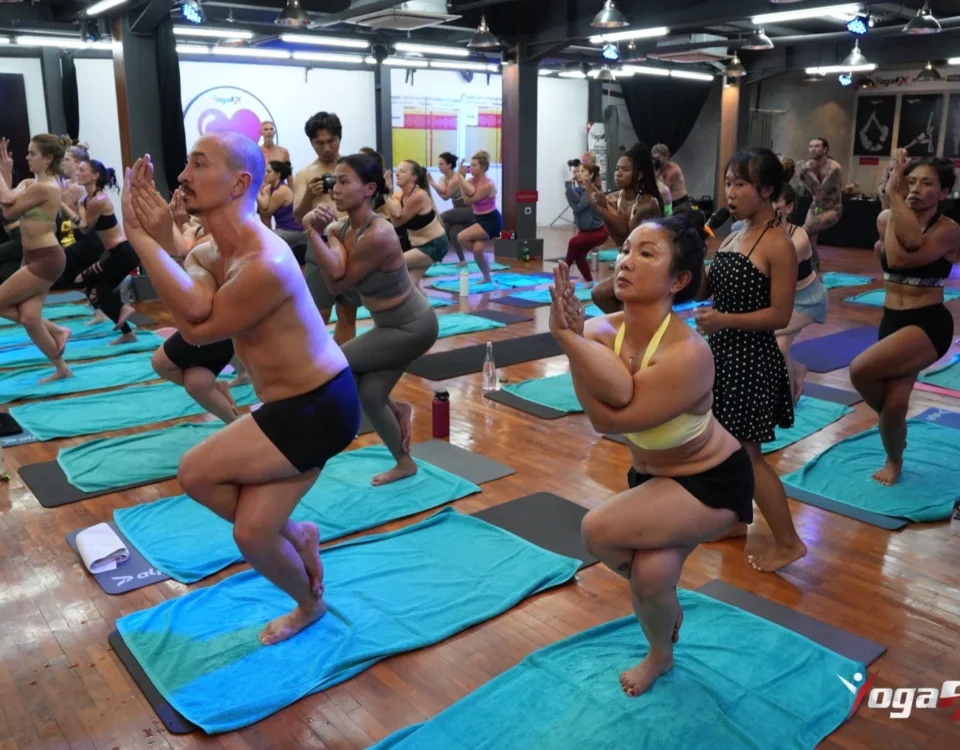
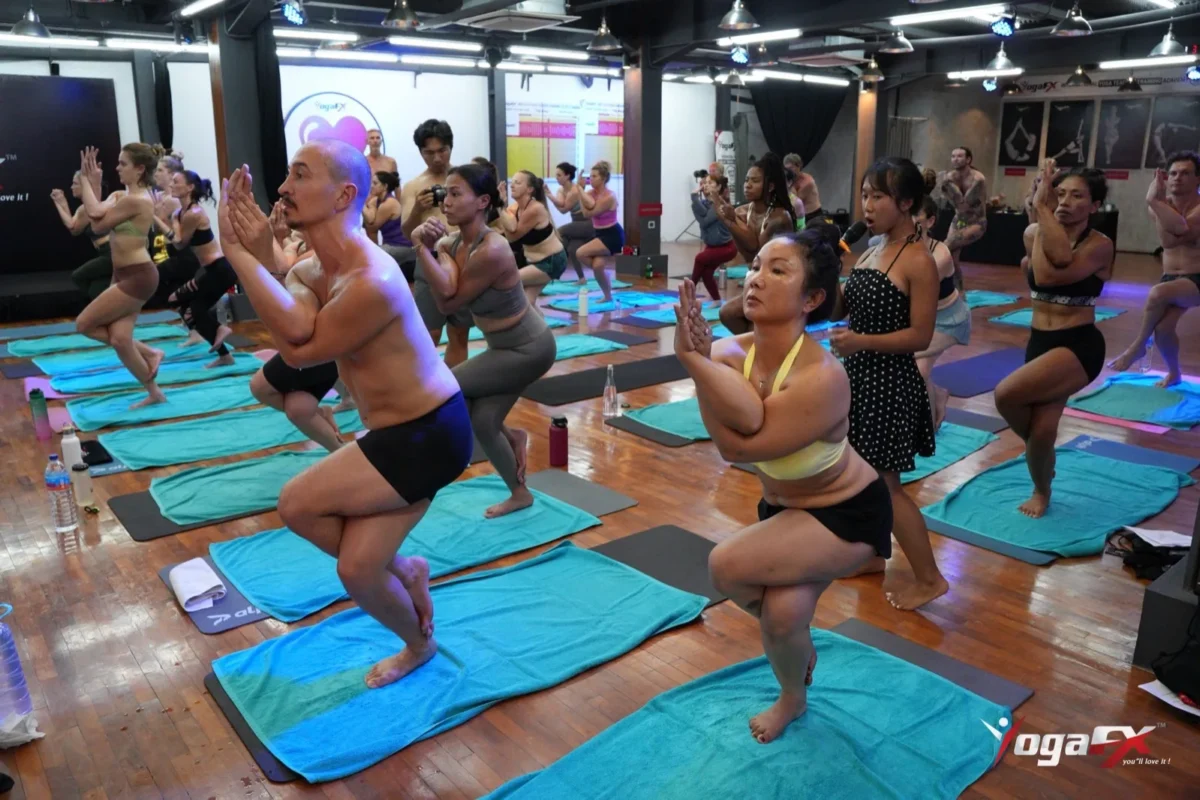
Hot yoga raises your core temperature on its own. A sauna adds more passive heat on top. You are not moving in the cabin, so it feels easy. But your heart still has to push blood towards the skin to cool you down. That is why a sauna after hot yoga isn’t the same as a sauna on a rest day.
A study sponsored by the American Council on Exercise (ACE) measured what a Bikram-style class does to the body. Researchers from the University of Wisconsin-La Crosse (Quandt, Porcari and colleagues) followed 20 healthy, regular practitioners aged 28 to 67 through a 90-minute class. The room was heated to 105°F (about 40°C) with 40 percent humidity.
You can read the full write-up on the ACE page about Bikram yoga and core body temperature. The key numbers are in the table below.
| Measure in a 90-minute class | Men | Women |
|---|---|---|
| Average highest core temperature | 103.2°F (about 39.6°C) | 102.0°F (about 38.9°C) |
| Average heart rate, share of predicted maximum | About 80% | About 72% |
| Highest heart rate, share of predicted maximum | 92% | 85% |
Core temperature rose steadily across the whole class for both men and women. Seven of the 20 volunteers went above 103°F (about 39.4°C), and one man reached 104.1°F (about 40.1°C) by the end. None showed signs of heat intolerance, but the authors noted that readings like these can be a concern for some people.
That is the reason for the gap. If you walk straight from the mat into a dry cabin, you stack a second heat load on a body that is already warm. A 30-minute break gives you time to cool, sip and eat a little before you decide whether you still want a sauna after hot yoga at all.
What the Heat Does Inside a 90-Minute Class
The ACE study, titled What Effect Does Bikram Yoga Have on Core Body Temps?, also looked at effort. Average heart rate reached about 80 percent of predicted maximum for the men and about 72 percent for the women. The highest readings were 92 percent and 85 percent. That is real cardiovascular work, even though the poses look calm.
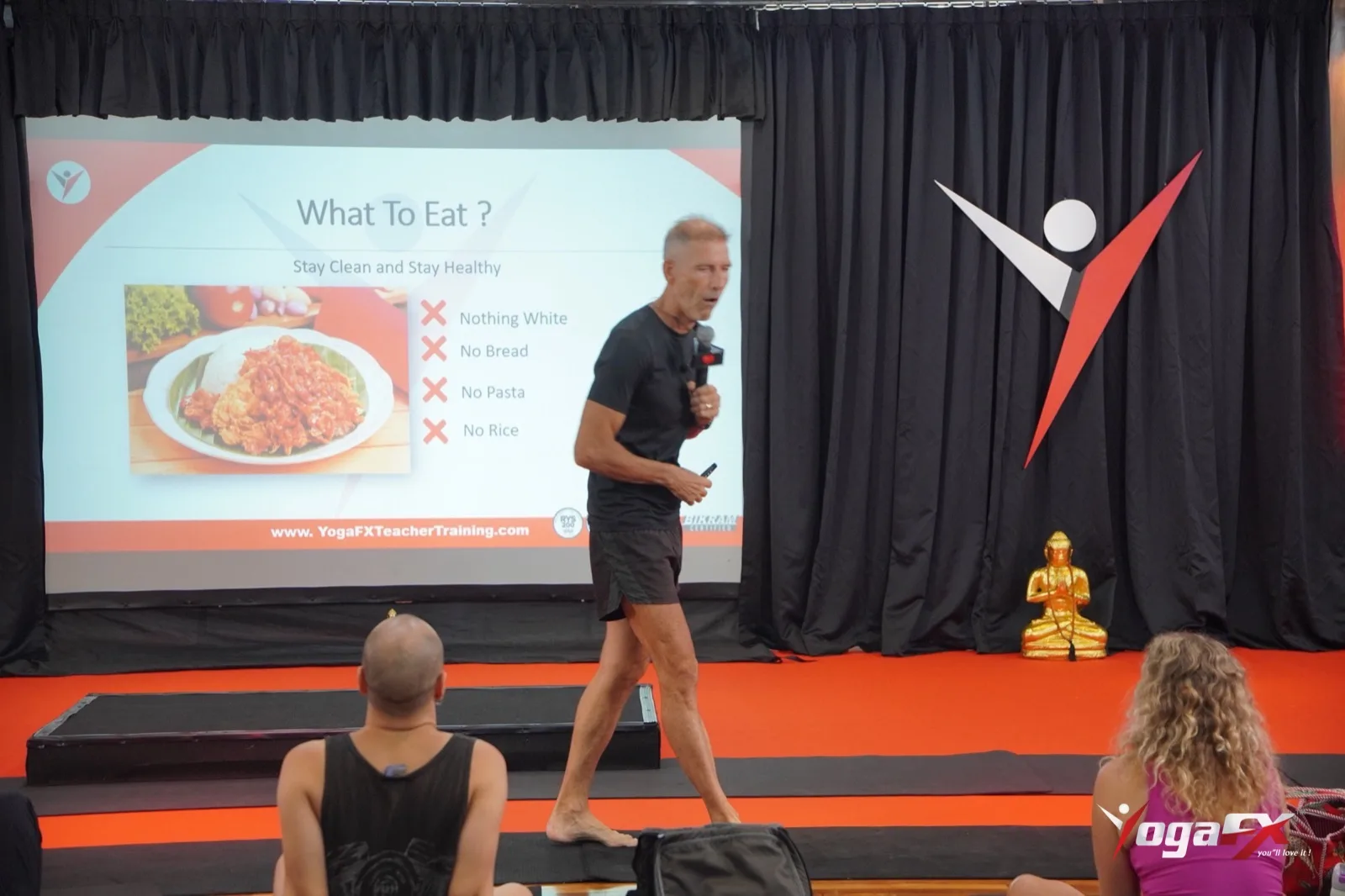
A drenched towel does not mean a better session. Sweat is how the body sheds heat, and the more you lose, the more fluid you need to replace. Chasing extra sweat in a sauna after hot yoga mostly means chasing extra dehydration. Sweat exists to cool you, and nothing more.
What the sauna research does and does not say
A 2018 review in Mayo Clinic Proceedings looked at sauna bathing and cardiovascular health. It’s a useful read if you wonder why people love the sauna. But it studied sauna bathing on its own, not stacked on top of a 90-minute hot class. So please don’t treat it as proof that a sauna after hot yoga is better for your heart.
Research suggests sauna bathing may suit many healthy adults. It doesn’t tell us the best way to plan a sauna after hot yoga. That part comes from careful common sense and, above all, from listening to your body.
The Best Order for a Sauna After Hot Yoga at a UK Leisure Centre
Most UK leisure centres put the sauna and steam room near the pool. That makes it tempting to do everything in one visit. The table below compares the common ways to plan your day around hot yoga.
| Plan for the day | Gap between them | Heat load | Who it suits |
|---|---|---|---|
| Class, a proper break, then a short sauna | 30 minutes or more | Moderate | Healthy, hydrated regulars. Our default plan. |
| Class, then walking straight into the cabin | None | High | We would not suggest it to anyone. |
| Sauna before class | None | High, and you start class already dried out | Very experienced practitioners only. |
| Morning class, evening spa visit | Many hours | Low | Beginners and anyone unsure. |
| Class, cool shower, rest, then steam room | 30 minutes or more | Moderate, but humid | People who find dry heat harsh. |
If you are new to both, the safest start is an evening sauna after hot yoga that you booked on purpose, with the class many hours earlier. Regular practitioners often move to a same-afternoon plan after a few weeks. Even then, the gap and the water stay.
Sauna, steam room or infrared cabin?
The three types feel different, so choose with care. A dry sauna is very hot and low in humidity. A steam room is cooler but wet, which makes it harder for sweat to evaporate. An infrared cabin heats you more gently, though it is still heat on top of heat.
If you find a dry cabin harsh, a short steam room visit after a proper cool-down is a fair alternative. Our guide to hot yoga and the steam room covers humidity in more detail. For the wider comparison of the two heat habits, see hot yoga versus sauna.
A Simple Timeline You Can Screenshot
Numbers are easier to follow when you are tired. Here is the plan as a short timeline for your next class day.
- Before class. Drink water through the afternoon and eat lightly a couple of hours earlier.
- During class. Sip water as your teacher allows. Never push through dizziness.
- 0 to 30 minutes after class. Sit, take a lukewarm shower, drink and eat something light.
- Sauna, if you still want it. Five to ten minutes on the lower bench, then out.
- Rest. Fifteen minutes to cool down, keep drinking, and skip alcohol and hard training.
Cold shower, plunge pool or a hot bath afterwards?
Many UK leisure centres have a cold shower or plunge pool beside the sauna. A cool rinse is fine and often feels good. But a sudden icy plunge straight after a long hot session is a big shock for a tired body. If you want one, step in gradually and leave if you feel faint.
A hot bath at home is another form of heat. If you’ve already done a class and a sauna, a lukewarm shower is the better finish. Then drink, eat and rest. The point of a sauna after hot yoga is to feel calm, not to see how much heat you can take.
Building a Sauna After Hot Yoga Habit Over Four Weeks
You don’t need to start with a full spa day. A slow build works better, and it gives you time to learn your own signals. Here’s the pattern we suggest to students who want to add a sauna after hot yoga without overdoing it.
- Week one. Skip the sauna on class days. Use the spa on a rest day so you learn how it feels on its own.
- Week two. Add a short sauna after hot yoga in the evening, with the class in the morning or at lunch.
- Week three. Try the same-day plan with a 30-minute gap, five minutes only, on the lower bench.
- Week four. Stretch to ten minutes if you feel clear-headed, or stay at five. Neither is wrong.
Keep a simple note on your phone. Write down how you slept, how thirsty you felt and how you moved the next morning. If a sauna after hot yoga leaves you flat or headachy, drop back a week. That note is worth more than any rule from a stranger online.
Hydration, Food and the British Evening
Hydration is the step most people skip. You lose fluid in class even when you do not feel soaked. The NHS says dehydration means your body loses more fluids than you take in. It lists sweating a lot after exercise, spending too long in a hot environment and drinking too much alcohol among the causes.
The same NHS page lists the signs to watch for. These include feeling thirsty, headache, feeling dizzy or light-headed, tiredness, a dry mouth and dark yellow, strong-smelling pee. If you notice them in the sauna, leave. The NHS also advises avoiding alcohol and caffeinated drinks when you are dehydrated.
For most UK students, the practical points are simple:
- Take a full water bottle into the spa area with you.
- Choose water first. Add an electrolyte drink only if you usually need one.
- Eat something light and salty-sweet, such as a banana or toast, before the sauna.
- Do not follow your session with a pint. A winter pub trip is not the recovery plan.
Evening classes bring an extra issue. If you train after work, a late sauna can leave you wired and thirsty at bedtime. Our guide to feeling tired after hot yoga covers sleep, fluids and the grey British evening in more depth.
Who Should Skip the Sauna After Hot Yoga
For some people the answer is simply no. Please skip the sauna, and ask your GP first, if any of these apply to you:
- You have a heart condition, high or low blood pressure, or take medicines that affect your blood pressure or fluids.
- You are pregnant or think you might be.
- You feel unwell, feverish, dizzy or dehydrated already.
- You have had alcohol, or you are very tired.
- You are new to hot yoga and your first few classes left you drained.
If any of those fit, the class itself deserves a health check too. Our guide to whether hot yoga is safe for UK practitioners lists the risks and side effects worth knowing about before you add more heat.
Warning signs to leave straight away
Leave the cabin, sit somewhere cool and drink slowly if you notice any of these: dizziness, nausea, a pounding headache, cramps, a racing heart or confusion. If symptoms do not ease, tell a member of staff. Call 999 for severe symptoms such as confusion or trouble breathing.
How Mr. Ian Terry Teaches Recovery in Bali
Mr. Ian Terry has taught more than 12,000 hours. In that time he has seen the same pattern again and again. Students who treat recovery as part of training get more from every class. Students who treat the sauna as a reward for suffering often feel worse the next day.
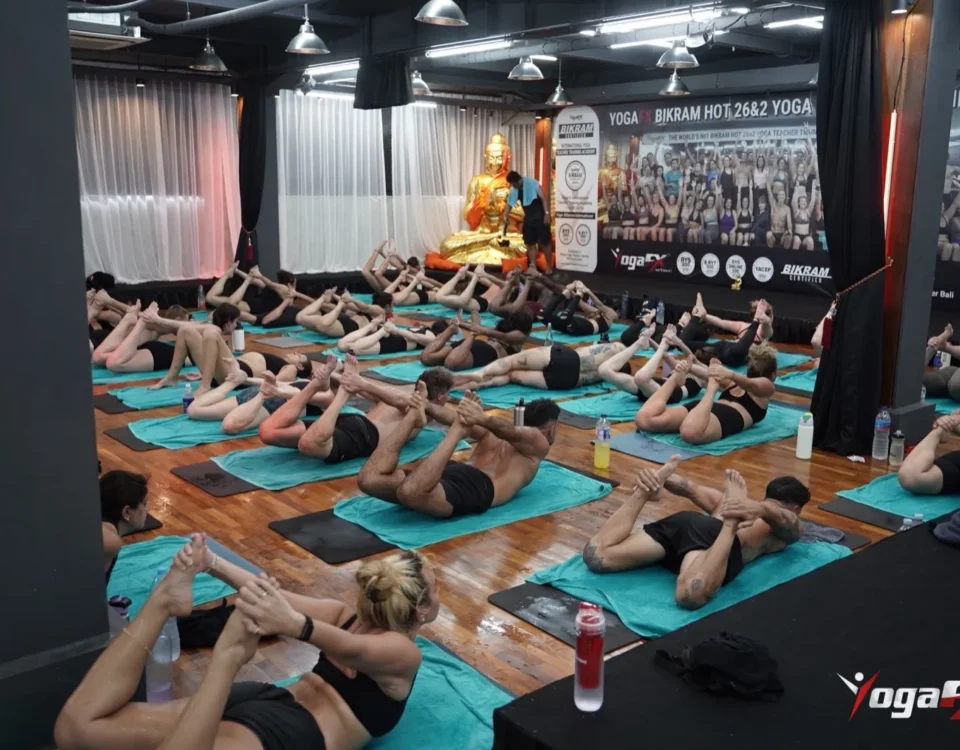
Our Bali classes run for 90 minutes at about 40°C and 40% humidity, with a scripted dialogue and no music or demonstrations.
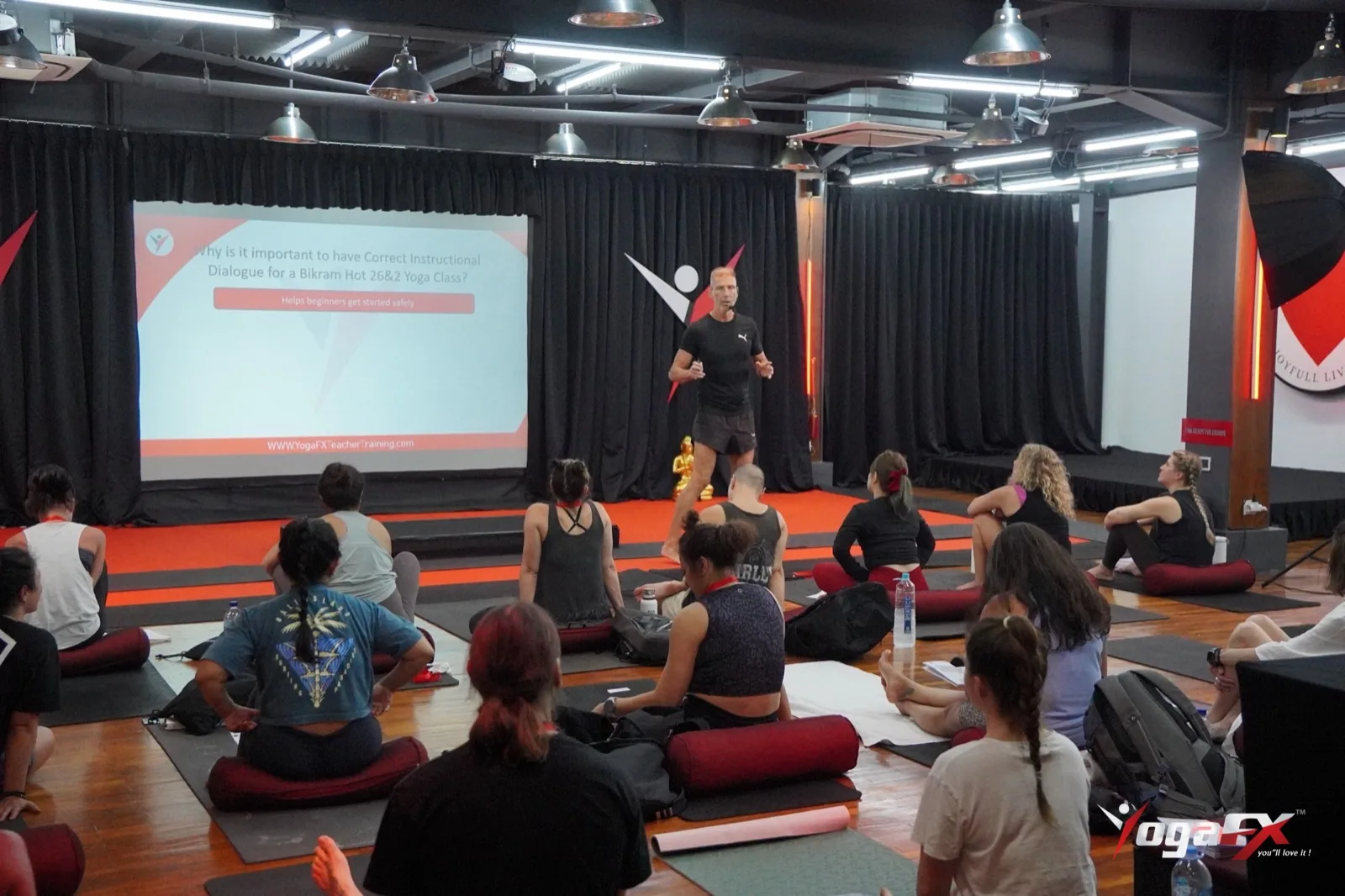
The studio is open 06:00 to 22:00 daily, so students can pick a class that leaves a long gap before a sauna after hot yoga or any other extra heat. Trainees learn the same habits you read here: water first, a proper cool-down and no stacking heat when you feel flat.
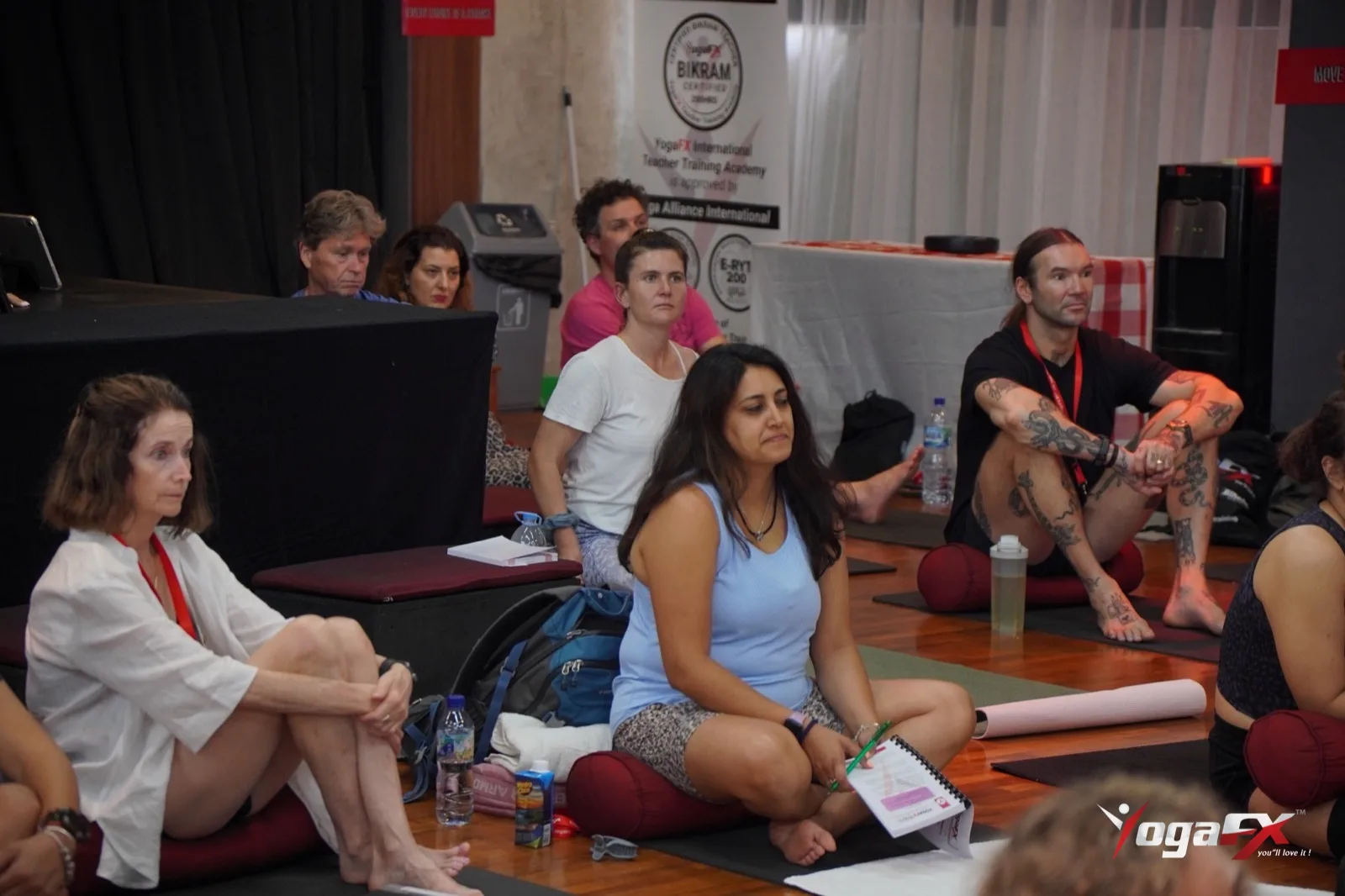
If you are a UK reader weighing up a teacher training, this attention to recovery is part of what you are buying. Some of our trainees describe it in their own words:
- Mariana called YogaFX a fabulous experience, said joining was a quick decision and the right one, and thanked the team for being efficient, helpful and kind (paraphrased, YouTube review, 2024).
- Agung described the classes as fantastic for how he felt inside and said they left him relaxed (paraphrased, Google review, 2019).

Training in Bali if you are based in the UK
Our six-day hybrid Bikram Hot 26&2 Yoga Teacher Training MasterClass combines online pre-course study with an intensive in Bali. The next batch checks in on Sunday 24 January 2027 and checks out on Friday 29 January 2027, at Soham Wellness Center in Seminyak. Capacity has no limit.
It leads to Yoga Alliance RYT 200-Hour and Bikram Hot 26&2 200-Hour International Yoga Certification. The Early Bird price is US$1,899.
You can compare costs, time off and travel in our guide to hot yoga teacher training in the UK.
Our Seminyak studio also offers a free 1-Day Guest Pass, so the first class is free if you are travelling in Bali. For a deeper look at how we approach sauna timing from the Bali side, read the Bali team’s guide to planning a spa day around hot yoga.
FAQ
Can you do a sauna after hot yoga?
Yes, most healthy adults can, if they plan it. Wait about 30 minutes after class, drink water first and keep the sauna to 5 to 10 minutes on a lower bench. Leave at the first sign of dizziness or nausea. Check with your GP first if you have a heart or blood pressure condition.
Is it bad to sauna after hot yoga?
It is not automatically bad, but it adds heat to a body that is already warm. The risks come from going straight in, skipping water or staying too long. A gap after class, a short stay and a sensible stop at any warning sign keep the risk low for healthy adults.
Should I use a steam room or a sauna after hot yoga?
Either can work after a proper cool-down. A dry sauna is hotter, while a steam room is cooler but humid, so sweat evaporates less easily. If you find a dry cabin harsh, a short steam room visit is a fair choice. Use the same gap, water and time limit.
How long should I wait between hot yoga and the sauna?
We suggest at least 30 minutes. Use that time to sit, take a lukewarm shower, sip water and eat something light. If you still feel flushed, tired or thirsty after 30 minutes, skip the sauna that day. Many beginners find a morning class and an evening sauna easiest.
What should I drink after hot yoga and before a sauna?
Plain water is the best start. Sip it steadily before and after class rather than drinking a lot at once. Avoid alcohol, because the NHS says alcohol and caffeinated drinks dehydrate you. An electrolyte drink can help if you usually need one, but water comes first.
Still have questions? Message Mr. Ian and the YogaFX team on WhatsApp and we will answer them personally.