The Yoga Alliance certification cost for a UK teacher is about £86 in the first year, then about £49 a year. That’s US$115 and then US$65, on top of your training fee. Whether that Yoga Alliance certification cost is worth paying depends on who hires you, and the break-even maths below shows where it pays back.

Mr Ian Terry, E-RYT 500, hears the same question from UK students before almost every enrolment call: is Yoga Alliance worth it, or is it just another fee? This guide answers with real numbers in pounds and a simple test you can run before you pay. For the registration steps first, start with our guide to Yoga Alliance certification for UK hot yoga teachers.
In This GuideFees in pounds, UK benefits and a break-even test
Yoga Alliance Certification Cost in Pounds: Every Fee Listed
Yoga Alliance doesn’t train anyone. It keeps a register of schools and teachers, and it charges the people on it. For teachers, the Standards for Registered Yoga Teachers list two fees: a one-time application fee and annual membership dues. Both are priced in US dollars, so your bank decides the pound figure on the day you pay.
We converted every figure at US$1 = £0.7464, the Federal Reserve reference rate for 30 October 2026, and rounded to the nearest pound. Treat the pound amounts as a guide. Your card provider may add a currency fee, and the rate moves every day.
| Fee | US dollars | Pounds (approx.) | When you pay |
|---|---|---|---|
| Application fee (one-time, non-refundable) | US$50 | £37 | Once, when you apply |
| Annual membership dues | US$65 | £49 | Every year, starting in year one |
| First-year total | US$115 | £86 | At application |
| Experienced Teacher Pathway application | US$85 | £63 | Only if you apply as an experienced teacher |
| Experienced Teacher Pathway first-year total | US$150 | £112 | At application |
Most new graduates use the standard route, so £86 is the Yoga Alliance certification cost to plan around. The Experienced Teacher Pathway costs more because Yoga Alliance assesses each application by hand. If you’ve taught for years, check whether that route applies before you apply.
What the five-year bill looks like
One-off numbers hide the real picture, so we added the dues up year by year. Because the dues repeat, the Yoga Alliance certification cost keeps growing for as long as you stay registered.
| Year | Registry fees that year | In pounds | Running total |
|---|---|---|---|
| Year 1 | US$115 | £86 | £86 |
| Year 2 | US$65 | £49 | £134 |
| Year 3 | US$65 | £49 | £183 |
| Year 4 | US$65 | £49 | £231 |
| Year 5 | US$65 | £49 | £280 |
Over five years that’s about £280, or roughly 19% of a Twin Share course fee at YogaFX spread across five years. Put another way, the Yoga Alliance certification cost is a small, steady line rather than a large one-off bill. Yoga Alliance can change its fees, so confirm the current amounts on its site before you apply.
The Other Bill: Your Training Fee
There are always two bills. The registry fees above only start once you’ve finished a course, so the training fee is the bigger decision.
At YogaFX, the published course fee is US$1,999 for Twin Share (about £1,492) and US$2,199 for Single Room Premium (about £1,641). The Early Bird price is US$1,899 (about £1,417) while that window is open, so ask the team for the current dates when you enquire.
Instalments start from US$250 a month (about £187), interest-free, which works out at around US$8 a day. That keeps the first-year Yoga Alliance certification cost and the course fee manageable side by side.
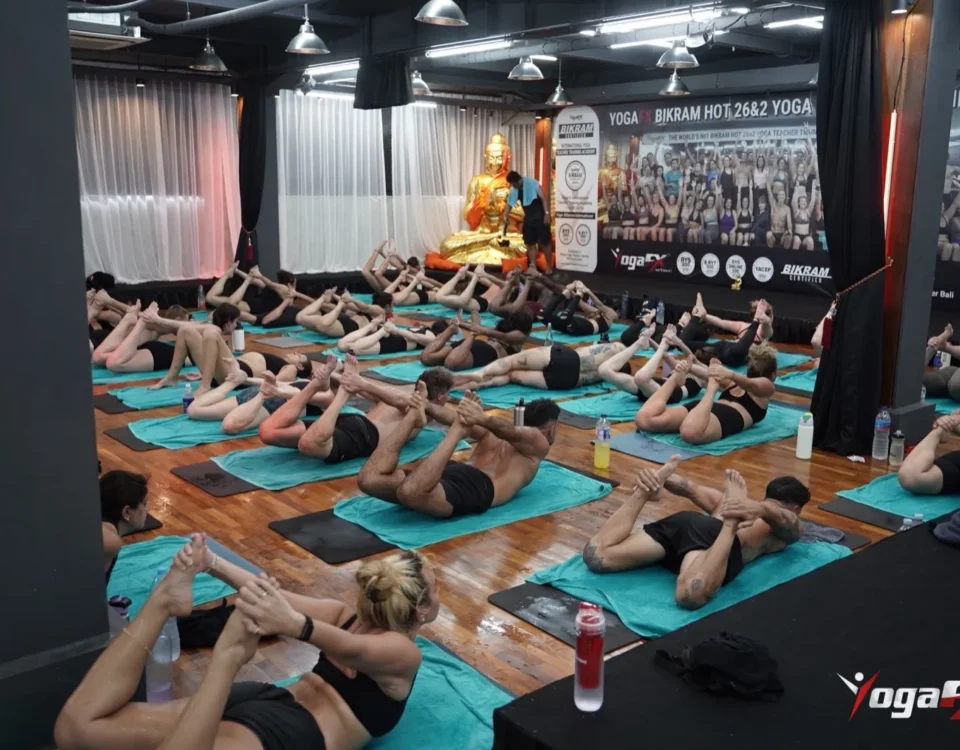
The course is a six-day hybrid: an online pre-course, then an intensive in Bali. The next batch runs from Sunday 24 to Friday 29 January 2027 at the Soham Wellness Center in Seminyak.
The course leads to two certificates, Yoga Alliance RYT 200-Hour and the Bikram Hot 26&2 200-Hour International Yoga Certification. YogaFX has been a Yoga Alliance registered school (RYS 200) since February 2018.
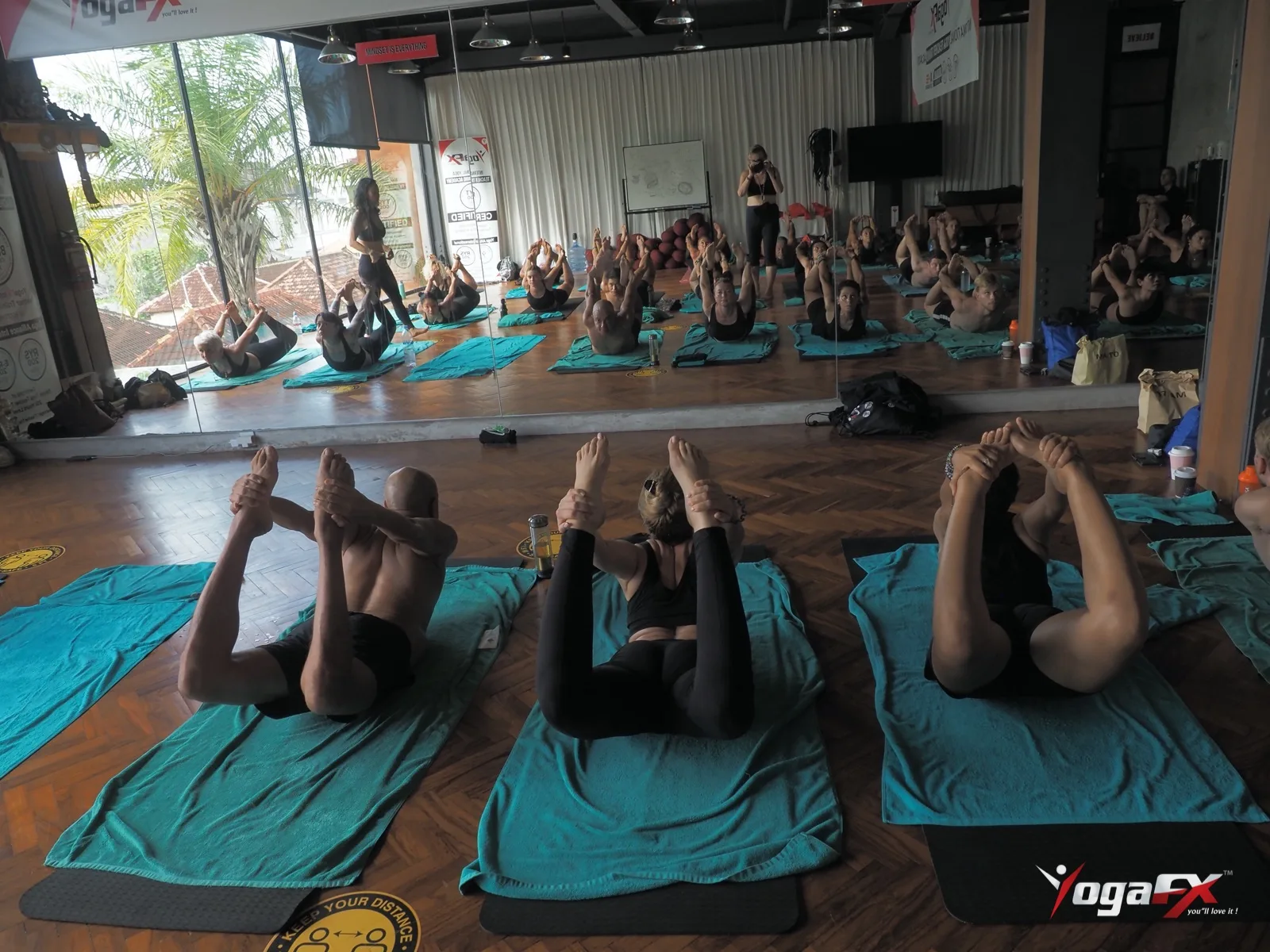
For a line-by-line look at what the fee includes, read what the course fee covers at YogaFX Teacher Training. Flights, visas and travel insurance are extra, so get the inclusions for your room type and batch in writing before you pay.
How Your Training Route Changes the Total Bill
For UK students the route matters because of leave and flights, not just fees. Five days away from work is a very different ask from a month, and your annual leave is a real cost even when no invoice shows it.
YogaFX‘s hybrid format puts the theory online before you fly, so the Bali intensive runs Sunday to Friday. The online pre-course prepares you before you arrive, so plan evenings for it in the weeks beforehand.
Costs to line up before you book
- Leave. Days off work, including the travel days either side.
- Flights. A return from your nearest UK airport, which swings a lot by season.
- Cover at home. Pets, childcare or a class someone must teach while you are away.
- Registry fees. About £86 in year one once you register, at the rates above.
- Insurance. Your own cover from the day you start teaching.
Write each line down with a pound figure beside it. The Yoga Alliance certification cost is usually the smallest line on that list, while leave and flights tend to dwarf it. When two courses are close on price, the one that keeps you away for fewer days often wins.
What UK Members Get for the Money
Older articles say the insurance perk is for US members only. That’s out of date. Yoga Alliance’s own BGi insurance page says members are eligible for discounted liability cover from BGi.uk and BGi.eu, and it lists a discounted rate of £86.09 for members who live or work in the UK. Check the policy wording to see exactly what that covers.
The member benefits page adds a few more perks.
What a UK-based teacher can expect
Here is what the pages list today:
- Liability insurance discount. Cover through BGi at a member rate, which matters because most UK venues expect you to hold your own policy.
- Continuing education. Access to more than 600 hours of continuing education content, useful if you want to keep learning without booking separate workshops.
- The credential itself. A listing on a register that many studios, gyms and retreats recognise when they screen applications.
- Business discounts. The page lists music licensing, legal templates and business software, which suit teachers running their own classes.
None of these is a licence. They’re perks, and each one offsets your Yoga Alliance certification cost only if you’d really use it. If the continuing education perk interests you, our guide to yoga continuing education, CPD and insurance for UK teachers explains how the hours work. Our guide to what actually functions like a yoga instructor licence separates the genuinely mandatory items, like insurance, from optional credentials.

Is Yoga Alliance Worth It? A Break-Even Test for UK Teachers
It’s worth it if a venue or client you want to work with asks for it, or if the insurance discount and continuing education save you more than about £49 a year. It isn’t worth it if you teach privately to people who never ask. The honest answer is a number, so here is how to find yours.
Run the numbers
Take the first-year bill, £86, and divide it by what you earn per class. For illustration only, at £30 a class that’s three classes, and the £49 renewal is two. If registration brings you even a few extra classes in a year, it has paid for itself.
Use your own rate, not ours. For a sense of local pay, see how much UK yoga teachers earn.
Who should register
- You plan to apply to studios, gyms or retreats that list RYT 200 in their job adverts.
- You want to teach abroad, where a recognised register can speed up hiring.
- You expect to run teacher trainings later, where registered status matters more.
- You will use the insurance discount and continuing education anyway.
Who can skip it
- You teach private clients or a community that knows you, and nobody asks for letters.
- You teach online to your own audience, where reviews and results carry more weight.
- You already hold UK insurance and training records that cover what venues ask for.
- Your plan is a short trial, and you want to see whether teaching suits you first.
Neither list is a verdict on your training, and neither changes the Yoga Alliance certification cost itself. Because registration is voluntary, the choice is about your career plan, not about how good a teacher you are. If you want the practical steps, our guide to getting certified to teach yoga walks through the process.
What YogaFX Students Tell Us About Credentials
We went back through 214 enrolment forms written by trainees between 2019 and 2026, with duplicates removed. In 66 of them (31%), our team tagged certification and credibility as one of the reasons the student chose YogaFX. Yet only 9 of the 214 named Yoga Alliance, RYT or accreditation in their own words.
Our reading is simple. Most people want a credible certificate, but few can name the body behind it. That’s a reason to check the register yourself, and a reason not to overpay for the letters alone. Mr Ian puts the investment side this way:
“There can be no greater investment than the one that you make in your health, because without it, nothing else matters.”
Mr Ian Terry, E-RYT 500, YogaFX
What graduates say about value
Value also comes from the week itself, not only the registry. Two graduates describe it in their own words:
“The training is extremely organized and the YogaFx team are wonderful! … It’s so worth it and you will be happy you did!”
Guro, Google review, 2026
“He created with the yoga teacher training a 100 % worth product. Made everyone feel at home, pushed everyone to leave the own comfort zone and create personal development.”
Lars, Google review, 2025
Reviews don’t guarantee your result. They do show what past trainees valued, which is worth weighing next to any fee.
Why the Insurance Line Matters in a Hot Room
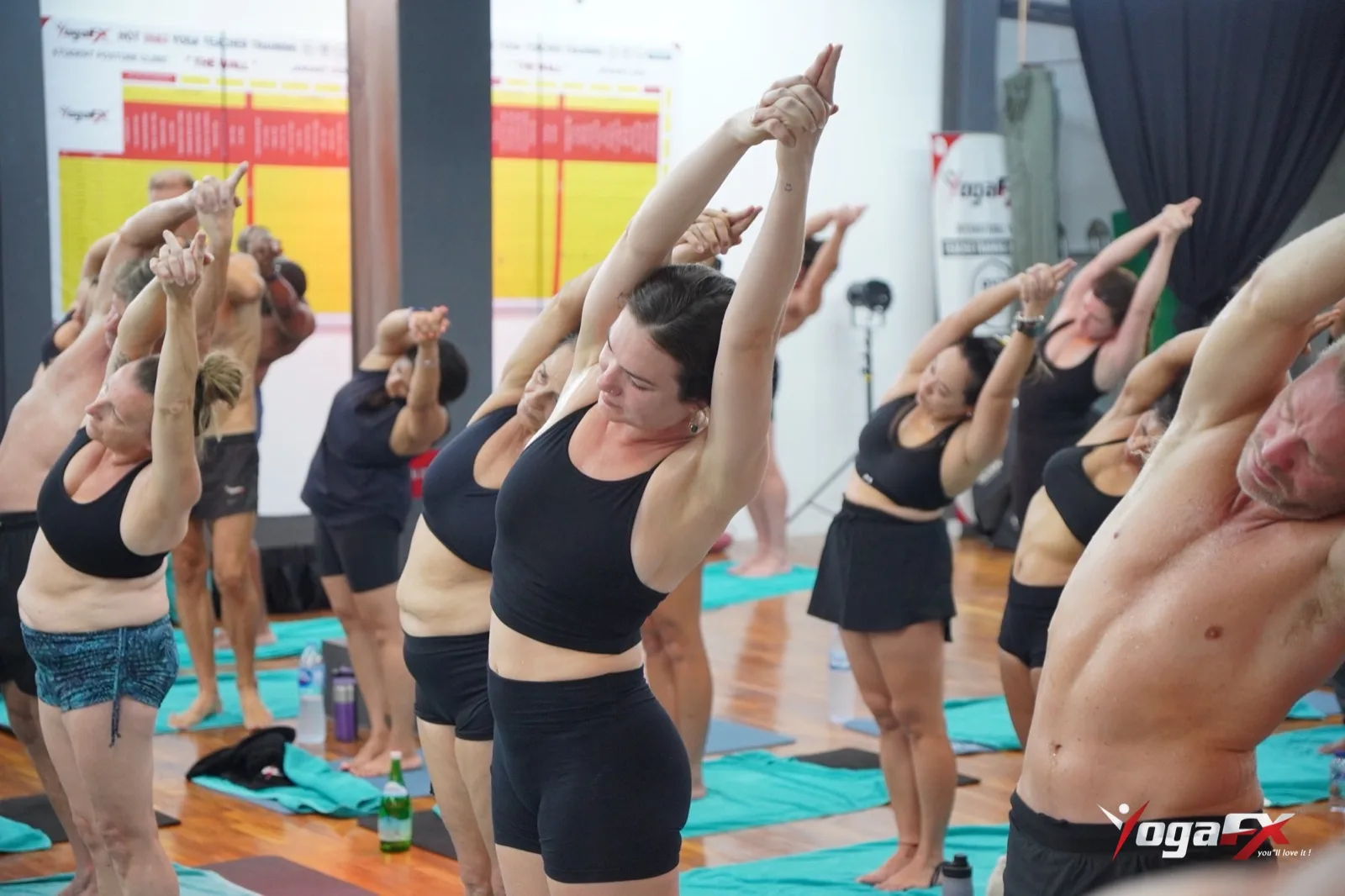
Hot yoga raises the stakes for teachers, and that changes how you read the Yoga Alliance certification cost. In a University of Wisconsin study (Porcari and colleagues, 2014), people in a 90-minute heated class worked at about 80% of their maximum heart rate. That’s real exertion, so students can overheat or feel faint.
Our own classes run at 40°C, which is why a teacher needs a plan, cover and first-aid habits.
That’s the practical reason the insurance perk deserves a second look when you weigh the Yoga Alliance certification cost. Cover is the part of registration that protects you if something goes wrong in a class. This is general information, not medical advice, so anyone with a heart condition, pregnancy or another health concern should check with a healthcare professional before hot yoga.
Hidden Costs UK Teachers Forget
A few costs sit outside any figure you see quoted for the Yoga Alliance certification cost. Add them to your plan before you commit:
- Currency and card fees. Dollar fees can cost a little more than the converted figure once your bank adds its margin.
- Insurance. You still need your own policy, whether or not you use the member discount.
- Continuing education time. Registered teachers keep learning, so budget hours and sometimes money for workshops.
- Travel and visas. Flights to Bali and any visa fees depend on your passport and dates, so ask the team early.
- Renewal dates. Dues come round every year, so set a reminder to avoid a lapse.
None of these is scary. They belong in the plan from day one, because a student who budgets properly is a student who finishes the course.
Cheaper Routes If You Skip Registration
If you decide the Yoga Alliance certification cost isn’t right for you, you can still build credibility another way:
- Mentorship. A mentor who watches you teach and gives feedback is worth more than most badges.
- Workshops. Short specialist courses deepen your skills and cost far less than a new qualification.
- Teaching hours. Real classes, taught often, build the record that studios actually read.
If you’re weighing online routes too, our seven checks for online yoga teacher training in the UK covers the fees and format questions to ask first.
FAQ: Yoga Alliance Certification Cost and Value
How much does Yoga Alliance certification cost in the UK?
Yoga Alliance charges in US dollars. The first year costs US$115, made up of a US$50 application fee and US$65 annual dues. At the 30 October 2026 Federal Reserve rate that’s about £86. After that it’s about £49 a year. Your training fee is separate, and card charges can shift the pound amount slightly.
Is Yoga Alliance membership worth it for UK teachers?
It depends on who hires you. If the studios, gyms or retreats you want ask for RYT 200, or the insurance discount and continuing education access save you more than about £49 a year, yes. If you teach private clients who never ask for it, you can reasonably skip it.
Is Yoga Alliance recognised in the UK?
Yoga Alliance is a US organisation, so its register has no legal standing in the UK. In practice, many UK studios and retreats still list RYT 200 as a preference when hiring, and members based in the UK can use its insurance discount. Check the job adverts where you want to teach.
What is the difference between Yoga Alliance and Yoga Alliance Professionals?
They’re separate organisations with similar names. Yoga Alliance is US-based and prices its fees in dollars. Yoga Alliance Professionals is a UK-based register with its own standards and fees. Check each one’s current rules before paying, and don’t assume that registering with one counts with the other.
Do I need to be Yoga Alliance certified to teach yoga?
No. Registration is voluntary, and being on the register doesn’t give you a legal right to teach or prove how good you are. What venues usually insist on is insurance and good teaching. Registration just gives some employers a quick signal that your training met a recognised standard.
Still have questions? Message Mr Ian and the YogaFX team on WhatsApp and we will answer them personally, whether you are comparing fees, checking the next batch dates or deciding if the Yoga Alliance register suits your plans. WhatsApp Mr Ian.